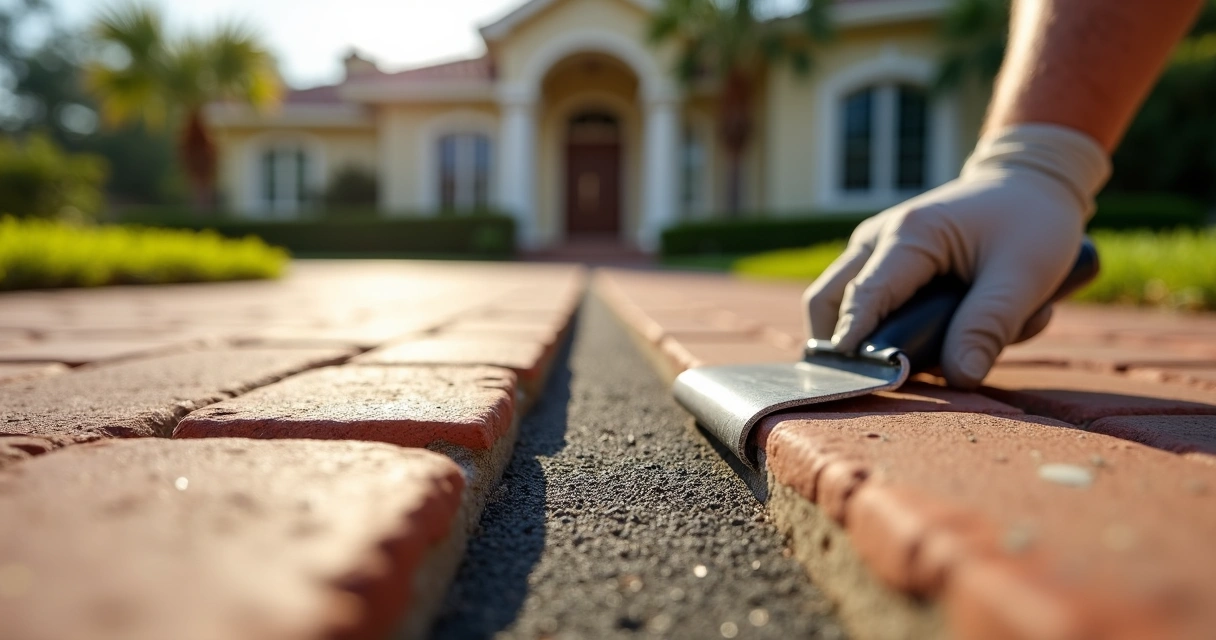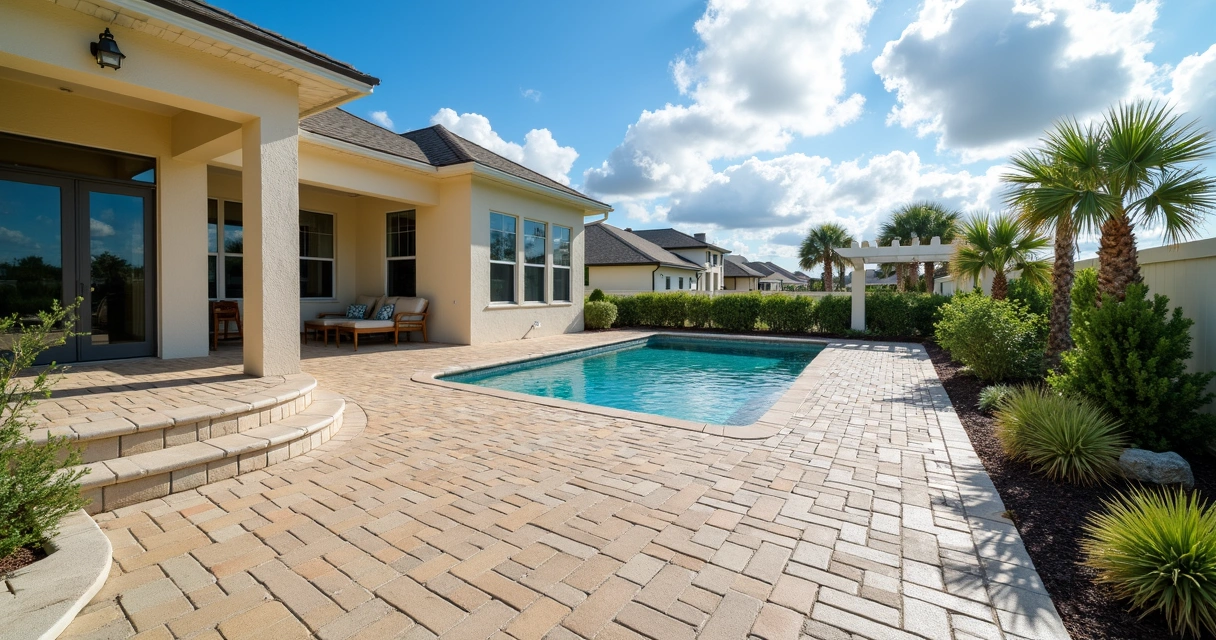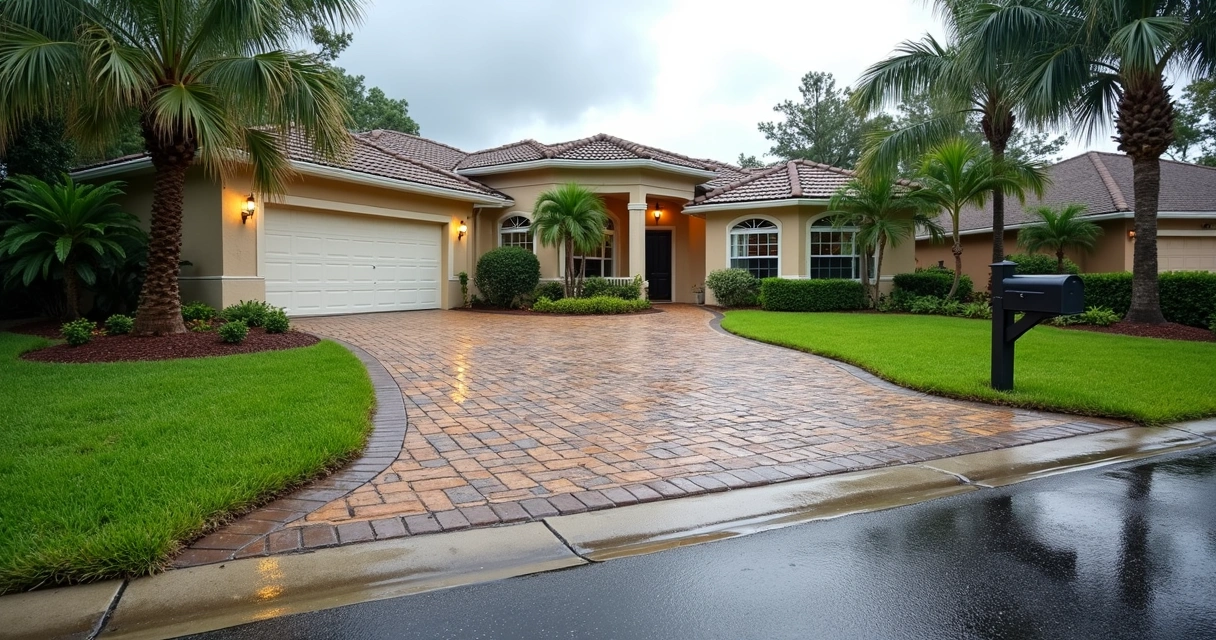
Flooding is a persistent problem for many property owners in Central Florida. Heavy summer downpours and hurricane rainbands can turn sunny yards into lakes, especially when soil and pavement cannot absorb all that water. At GCM Best Services, we hear from clients every season about flooded driveways, pooling patios, or washed-out walkways. This challenge pushed us to look deeper at innovative, reliable hardscaping, and one solution stands out:Water-permeable pavers help reduce flooding, improve drainage, and blend durability with visual appeal for our unique Florida climate.
Tired of standing water in your yard? There’s a smarter way.
In this article, we explain how water-permeable pavers work, their benefits for flood-prone yards, the options available, real-world cost considerations, and our installation process. Along the way, we share insights from scientific studies, our own experience, and official experts including the U.S. Environmental Protection Agency and the University of Florida IFAS.
Why flooding is common in Florida yards
Many Florida neighborhoods were built on flat, low-lying land with sandy soils that often struggle to absorb rain fast enough. Compacted sub-bases and stretches of concrete or asphalt also block water from soaking into the ground, sending runoff toward homes and storm drains. In severe cases, this can cause:
- Standing water on driveways and patios
- Soggy lawns and muddy play areas
- Cracked pavement from water pressure and erosion
- Mosquito breeding and sickly plants
- Swamped garages or crawlspaces
According to the University of Florida IFAS, poor drainage not only increases flood risks, but also raises maintenance costs and reduces property value. That’s why we encourage Central Florida homeowners and property managers to prioritize better water management in every hardscape upgrade.
How water-permeable pavers work
Water-permeable pavers let rain pass through the surface and into a base layer, rather than running off onto the street or pooling in your yard. The design uses spaced units or porous materials that direct water downward, where it filters through gravel and sand, and eventually recharges the natural water table. Flood risk drops, and the system can control both everyday storms and major downpours.
There are several forms of water-permeable paving we work with in the Orlando region:
- Permeable interlocking concrete pavers (PICP): Modular blocks set with aggregate-filled joints that allow water in between
- Pervious concrete: A mix with little or no sand that creates 15-25% air voids, enabling water to drain through
- Porous asphalt: Asphalt with reduced fines so rainwater passes through rather than forming puddles
- Grid systems: Honeycomb-style plastic grids filled with gravel, grass, or stone—ideal for low-traffic zones
Our team at GCM Best Services tailors each installation to soil, slope, and use. For most homes, permeable interlocking pavers achieve the right balance of beauty, strength, and flood control while meeting HOA rules and city codes.
The science behind flood resistance
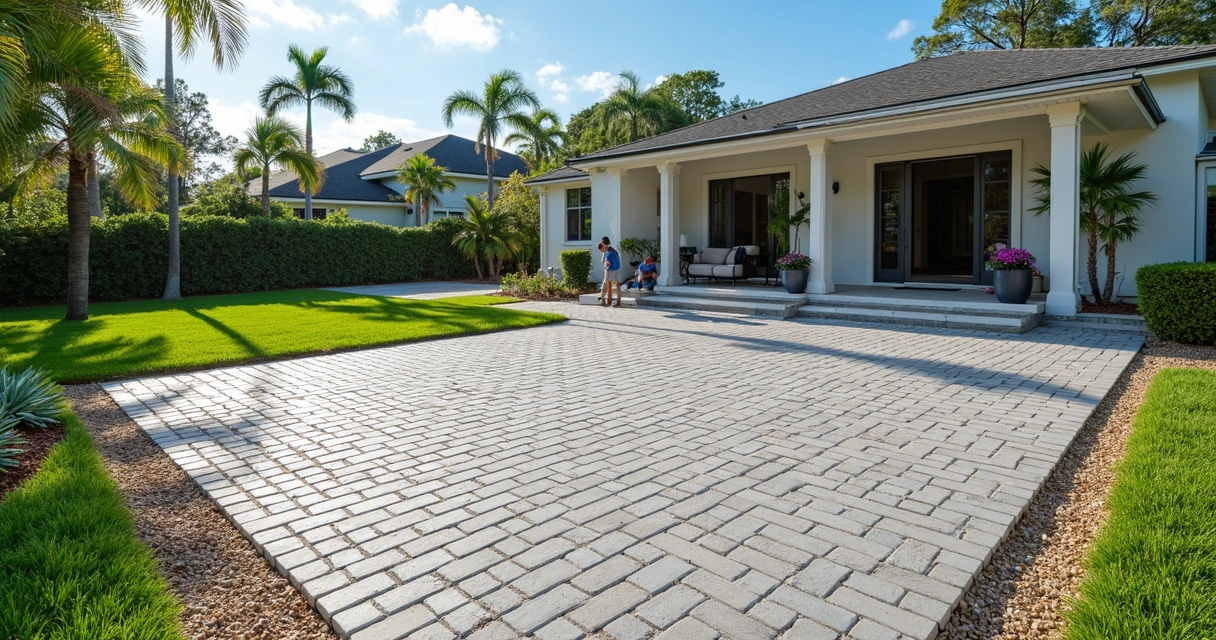
Scientific research supports what we see in the field: permeable pavers can substantially reduce runoff and pollutants. Over a 22-month testing period, the U.S. Geological Survey (USGS) found that permeable pavements—including pavers—reduced total suspended solids in stormwater by nearly 60%. They also cut down on phosphorus and harmful bacteria.
From the Environmental Protection Agency’s studies, we learn that these installations lower runoff volume, support groundwater recharge, reduce pressure on city drains, and even filter pollutants before they reach natural waterways. The EPA also notes savings from reduced need for stormwater pipes and catch basins—a benefit for both owners and communities.
Water-permeable pavers turn rain from a nuisance into an asset for your yard.
Key technical factors enabling these benefits are:
- Open-graded gravel base – Allows fast water movement away from the surface
- Permeable joints – Keep flow paths open between pavers
- Bedding and sub-base layers – Filter and spread water before it reaches soil
- Maintenance practices – Like vacuuming and pressure washing, which restore infiltration even years after installation (as shown in USGS maintenance assessments)
The benefits for Central Florida properties
We often point out seven advantages water-permeable pavers offer for flood-prone Central Florida yards:
- Controls stormwater – Reduces runoff and ponding, protecting basements, foundations, and landscaping
- Supports healthy plants – Promotes infiltration for deep roots and better lawn resilience
- Boosts safety – Drains away standing water to prevent slippery surfaces
- Reduces soil erosion – Gentle water movement limits washouts and rutting in paths
- Cuts mosquito risk – Faster draining surfaces keep yards drier, making it harder for pests to breed
- Protects investments – Durable pavers last for years, with lower maintenance costs
- Qualifies for local green incentives – Some cities reward permeable hardscapes to encourage flood protection
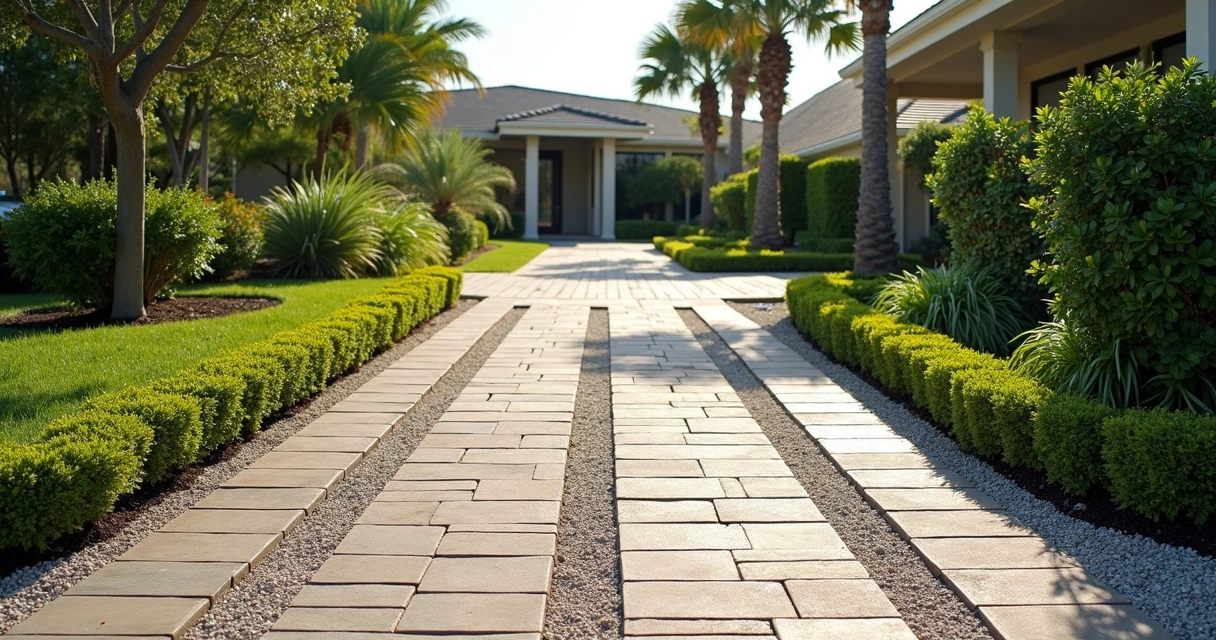
Types of water-permeable pavers you can choose
Selecting the right kind of pavement is a big decision, whether you’re updating a family patio or planning a commercial walkway. At GCM Best Services, we offer guidance and samples so you can see and feel the options for yourself:
Interlocking concrete pavers
These modular pieces—often square or rectangular—come in a range of sizes, patterns, and colors. The joints are filled with small stones or sand, allowing rainfall to seep through. They are perfect for driveways, patios, and walkways, offering classic curb appeal.
Pervious concrete or porous asphalt
For large surfaces like commercial lots, we sometimes use these continuous mixtures. Water drains directly through the slab instead of running off the top. Local codes determine when these are suitable for residential use, but they are effective where loads or surface requirements call for a monolithic look.
Grid systems and grass pavers
Plastic or concrete grid systems filled with gravel or turf are a unique, eco-friendly option. They combine green spaces with permeable structure, perfect for light-traffic areas such as overflow parking, fire lanes, or garden paths.
Recycled and blended materials
Some permeable paver lines now feature recycled aggregates or rubber content for added stormwater and environmental benefits. We love including eco-conscious choices in both public and private projects.
How we design for maximum flood protection
A water-permeable system is not just about the visible pavers. Its power is in what lies underneath. Our design process at GCM Best Services focuses on integrating each of these elements:
- Site drainage and slope assessment
- Selection of sub-base depth and compaction (often 8 inches or more for driveways)
- Specification of joint aggregate for maximum flow rate
- High-PSI concrete mixes and structural reinforcement for traffic-bearing surfaces
- Drainage tie-ins and edge restraints to prevent washouts
- Compliance with HOA and local building codes
We partner with you for permitting, HOA approvals, and design reviews, guiding each step for faster project timelines and a stress-free experience.
The installation process
A successful installation depends on attention to detail. Here’s a brief look at our proven approach:
- Assessment – We visit the property to measure, check slopes, and plan drainage strategy
- Excavation – Remove old pavement, grass, or soil to the specified depth
- Sub-base installation – Place and compact layers of clean, angular gravel for maximum water flow
- Bedding layer and paver laying – Set bedding sand or fine gravel, then lay pavers in your chosen pattern
- Joint filling – Sweep aggregate or sand into joints for permeability and lockup
- Edge restraints and reinforcement – Secure edges to stop paver “creep” and manage traffic loads
- Cleanup and testing – Clean the surface, test permeability, and walk you through maintenance
Each stage is thoroughly documented with photos and a written warranty, so you can trust the long-term performance of your new investment.
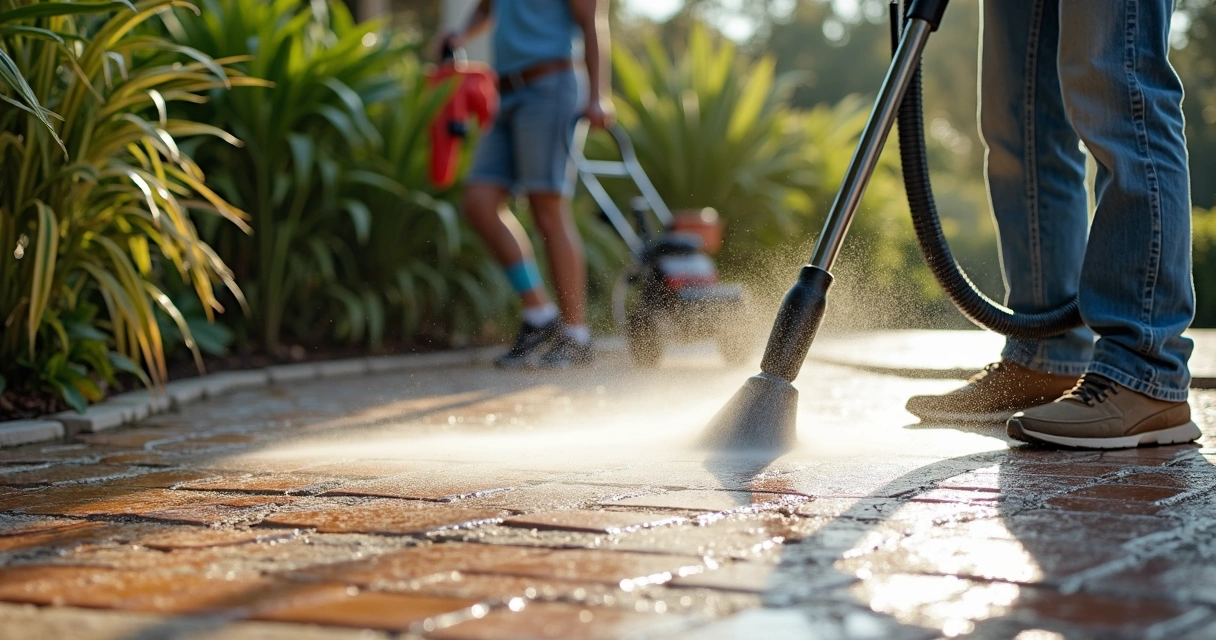
Maintenance best practices for permeable pavers
A common misconception is that water-permeable pavers are “set and forget.” Like any high-performing system, they require regular upkeep to maintain infiltration rates and appearance. In our experience—echoed by scientific maintenance assessments—best practices include:
- Annual pressure washing to clear settled dust or organic debris
- Occasional vacuuming to remove compacted fines from joints
- Replacing joint aggregates as needed
- Prompt repair of any weed intrusion or settled spots
To prevent excessive weed growth, we recommend reading our guide to preventing weeds between pavers in Orlando. With simple seasonal care, these systems can continue to drain effectively for many years.
Cost considerations and long-term value
We are upfront: water-permeable pavers usually have a higher installation cost compared to traditional concrete or asphalt. The reasons include deeper base layers, specialty materials, and careful labor. However, as the University of Florida IFAS points out, the offset comes from:
- Reduced need for stormwater pipes, inlets, and drains
- Protection against costly water damage and repairs
- Lower maintenance bills and easier fixes
- Potential utility or city incentives for green infrastructure
Strong evidence shows over the life of the system, water-permeable pavers deliver value in flood-prone environments—both in property protection and aesthetics.
Where water-permeable pavers work best in Florida
Based on decades of experience at GCM Best Services, we see great results for permeable pavers in:
- Driveways and parking pads where puddles commonly form
- Walkways, patios, and pool decks needing rapid drainage
- Outdoor kitchens and living spaces vulnerable to Florida’s sudden rains
- Pet runs and play lawns for mud control
- Multi-use commercial plazas and retail approaches
- School and park pathways subject to daily foot traffic and weather
To see options for a custom design, you can browse our portfolio of hardscape solutions or review recent paver installations.
How water-permeable pavers compare to other drainage options
You might consider swales, French drains, or rain gardens as part of your flood management plan. Often, the best yard drainage designs combine multiple strategies. For example, routing roof downspouts beneath a permeable patio or integrating a bioswale alongside a driveway. We recently wrote about drainage solutions for brick paver installations in our Florida climate—an excellent reference if you are considering a more complex upgrade.
For many properties, permeable pavers stand out for their dual function: they deliver the usability and look of traditional pavers, while actively reducing runoff and protecting landscapes from floods.
Features clients love about permeable pavers
When we follow up with clients after a big rain, several features are mentioned again and again:
- “No more standing water by the garage!”
- “Our patio is finally usable even after storms.”
- “Plants look healthier, and the mosquitos are gone.”
- “Neighbors always ask who installed the driveway.”
- “It feels good to help the environment and add curb appeal.”
This combination of performance and beauty makes water-permeable pavers an obvious choice for Central Florida flood-prone zones. They transform the frustration of a soggy yard into pride in a well-designed, long-lasting outdoor space. Few projects offer as immediate a change to daily life.
If you need inspiration or want to compare layouts, visit our driveway and patio paving solutions to see what’s possible at your property.
Conclusion: Next steps for Florida flood protection
Tackling flood issues isn’t just about fixing a short-term irritation. Water-permeable pavers offer a tested, beautiful long-term solution for yards, driveways, and shared spaces that struggle with standing water. At GCM Best Services, our approach blends technical installation, local code know-how, and top-tier substrates to stop flooding before it starts. Each project can be tailored to your site, schedule, and style—right here in Central Florida.
If you want a custom assessment and proven results that stand up to Florida weather, reach out for a no-obligation consultation. Our team at GCM Best Services is ready to help you reclaim your yard, minimize flooding, and upgrade your outdoor living—all backed by our clear communication, on-time delivery, permit handling, and written warranty.
Ready for a professional quote? 📞 (407) 250-1948 • 24–48h • Orlando, Tampa & area.
Frequently asked questions about water-permeable pavers
What are water-permeable pavers?
Water-permeable pavers are special hardscape blocks that allow water to pass through their joints or body, directing stormwater into the ground below rather than creating runoff. These pavers can be made from concrete, stone, recycled materials, or plastic grids, all designed to help manage rain and reduce floods.
How do permeable pavers prevent flooding?
Permeable pavers prevent flooding by channeling rainfall through open joints or porous material, then into a gravel base that filters and disperses the water into the soil. This process reduces surface runoff, lowers the burden on city drains, and helps recharge the local water table, as shown in EPA studies.
Are water-permeable pavers worth it?
While the upfront installation cost is higher, water-permeable pavers can pay off by reducing property damage, lowering maintenance bills, and adding value to flood-prone homes and businesses. For many Florida property owners, the long-term benefits (less flooding, less erosion, fewer repairs) easily justify the investment.
Where to buy permeable pavers in Florida?
You can work with professional contractors specializing in drainage and paver installations—such as our team at GCM Best Services. We supply, design, and install water-permeable paver solutions across Central Florida, handling licensing, permitting, and HOA approvals for a stress-free process.
How much do permeable pavers cost?
The cost of permeable pavers in Florida typically ranges from $15 to $30 per square foot, depending on the style, site conditions, and project size. That price includes excavation, base preparation, pavers, and finishing. While initial costs are higher than typical concrete or asphalt, the savings on stormwater management and repairs often balance the investment over time.