
Primary Keyword: Conceal utility conduits in modern patio designs
Variants: Hide electrical conduits in patio, Cover utility lines outdoor, Disguise piping patio design
Audience: Homeowners and business owners in Central Florida, especially around Orlando, seeking a cohesive, modern patio with no exposed utility lines.
Pain point: Visible conduits and piping spoil the look of new or upgraded outdoor spaces, create tripping hazards, or risk weather exposure.
Benefit: Professionally concealed conduits maintain elegant aesthetics and boost durability while supporting compliance and safe function.
Concealing utility conduits in patios is no longer just a nice-to-have—it’s an expectation for contemporary outdoor living. At GCM Best Services, we blend technical know-how with design, ensuring privacy and performance without ugly wires or pipes cluttering your landscape. This guide covers the most effective strategies, the right materials, code alignment, and project steps tailored for Central Florida’s unique challenges. Whether you’re envisioning a new outdoor kitchen or upgrading poolside, you’ll learn how to hide conduits so seamlessly you’ll almost forget they’re there.
Outline
- Why concealed conduits matter for modern patios
- Types of utility conduits to conceal (electrical, water, gas, data, drainage)
- Key design strategies for concealing conduits
- Surface treatments and finishes (concrete, pavers, coatings)
- Integrating conduit concealment with drainage and grade
- Local codes, permits, and inspection considerations
- Project planning: steps from concept to completion
- Conclusion
- Frequently asked questions
Patio perfection starts with what you don’t see.
Why concealed conduits matter for modern patios
There’s an instant sense of calm and intention when we step onto a patio free from clutter, especially exposed wires and pipes. Our experience tells us that uncovered utility conduits aren’t just unattractive—they also create safety and durability issues. They’re tripping hazards, break up the visual rhythm, and in our Central Florida climate, face damage from sun, humidity, or even pests if not protected.
In modern patio design, every element is deliberate. Architectural lines, lighting, and finishes come together to draw the eye around the space. Visible conduits interrupt this flow. Instead, effective concealment preserves the clean look and sustains the value of your investment.
What kinds of utility conduits are found in patios?
When we walk a site, we see a range of utility lines that need to be managed in a typical patio:
- Electrical wiring for outlets, lighting, outdoor kitchens, and appliances
- Water lines for irrigation, outdoor sinks, and pools
- Gas supply for grills or fire features
- Data and low-voltage cables for security cameras, speakers, or Wi-Fi
- Drainage channels or sump discharge pipes
It is rare for a modern patio project to involve only one of these. Combining lines into grouped conduit runs, when possible, simplifies installation and aesthetics. But proper concealment is more than just tucking them out of sight—it involves protecting them from water intrusion, mechanical damage, and making sure they’re accessible if there’s ever a repair.
Key design strategies for concealing conduits in patios
We start each project at GCM Best Services with a careful site assessment. Our aim is simple: conceal, protect, and future-proof. Here are some of the most effective approaches we use, shaped by years of experience in Central Florida conditions:
1. Subsurface conduit installation
This is often the most reliable method—embedding conduits directly below the surface, within a sub-base or slab, before concrete or pavers are placed. By planning conduit routes before breaking ground, we’re able to:
- Use correct depth for frost resistance and safety based on use (generally 6–8” below finish grade for electrical in patios)
- Select conduit types (PVC, EMT, or flexible) and sizes by utility, as required by code
- Avoid conflict with planned footings, deck supports, or large tree roots
- Group related utilities for easier future changes
Careful mapping and labeling help us avoid future headaches when someone wants to add a feature down the road.
2. Routing within vertical structures
Screen enclosures, columns, fencing, and wall panels offer roomy cavities for hiding conduits. Modern aluminum posts, privacy walls, or even masonry planters create both architectural interest and natural space for utilities to vanish.
If columns are part of your patio, they become the perfect access point for lighting, fans, or speaker wiring.
3. Using edge restraints and perimeter channels
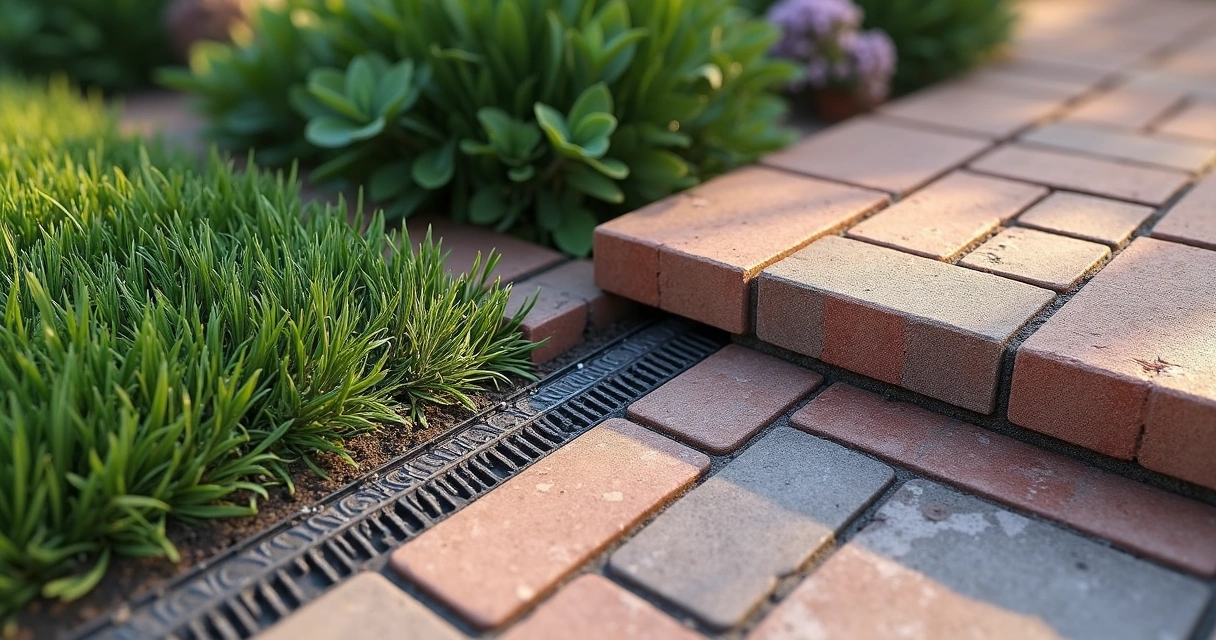
Patio systems like pavers and concrete often have edge restraints or border trenches for drainage. These are prime areas for placing conduits, particularly for low-voltage lines or irrigation tubing. We ensure such installations are protected from crushing and are not submerged if standing water collects.
4. Custom built-ins and furniture
Outdoor kitchens, grill stations, benches, or even planters are made to order. We often design these to include hollow spaces, double walls, or removable panels that allow power and piping to run invisibly. In our custom summer kitchens, lines are bundled through steel or CMU frames before being finished over.

Surface treatments and how they help with concealment
At GCM Best Services, we’re as obsessed with what goes under a patio as what you see on top. The materials and finishes you choose change not only the look but also how easily we can conceal and access your utilities.
Concrete patios
For cast-in-place patios, we set electrical or PVC piping in the compacted sub-base before pour day. Where lines must change direction or service features like column lights, we use pull boxes that sit flush with finished concrete. Grooved saw joints can serve as a subtle access mark but never break the look.
Exposed aggregate, broom, or stamped finishes disguise cover plates or small utility lids, blending them into the surface for a clean effect.
Patios with pavers or bricks
These offer even more flexibility. Conduits can run below the paver bed or along the perimeter, with access points tucked among edge units or in removable sections. If changes are needed, individual pavers can be carefully lifted and replaced with minimal mess.
Our driveway and patio paving services integrate conduit channels during the compaction phase, making concealment seamless.
Epoxy and floor coatings
Garage and covered patio coatings often face moisture intrusion challenges in Florida. We prep and grind surfaces to accept embedded wiring, then finish with 100% solids epoxy or polyaspartic topcoats that create a durable, uniform finish. Proper sloping helps keep surface conduits away from pooling water.
Managing drainage with hidden conduits
Drainage mistakes can turn patios into ponds. When planning hidden utility runs, we must coordinate lines to avoid blocking swales, drains, or waterproofing systems.
Our process aligns conduit placement with French drains, catch basins, or area drains, so every drop flows away from the living area—and so that no buried conduit ends up sitting in water. For patios in Central Florida, this step is especially important, given our sandy soils and heavy rain seasons.
Tips for aligning conduits with drainage:
- Run conduits parallel to patio lines and slope, away from water collection points
- Seal all entry and exit points to prevent seepage into conduits
- Use raised sleeve penetrations for all vertical lines in flood-prone zones
- Incorporate traps or access ports in accessible locations
We’ve seen cases where overlooked details led to underground wiring failing after one rainy summer. Safe, dry lines mean fewer repairs and less risk to electrical equipment.
Staying compliant: permits, codes, and inspections
All concealed utility work must meet strict standards. Electrical, water, and gas lines below patios require permits and inspection to align with building and safety codes. In Central Florida, this often means following the latest National Electrical Code (NEC), plumbing, and mechanical ordinances, plus any HOA rules if applicable.
We handle this as part of our hardscape installation in Orlando. The right approach during planning prevents costly delays or rework. We:
- File all permits before work begins, so nothing is hidden from inspectors
- Ensure all conduit and utility layouts are mapped and retained for HOA/owner records
- Use only approved materials and best practices for burial depth, separation, and access
- Coordinate with utility locate services to avoid accidental damage to existing lines
Failure to document conduit routes can create huge challenges should you later need to expand, repair, or sell your home. Our documented process gives clients peace of mind.
Planning and step-by-step process to conceal patio conduits
We follow a clear sequence for success, customized for every patio or outdoor project:
-
On-site assessment and design consultation We visit in person, review utility needs, measure distances, and identify possible routes for hidden conduits, keeping any unique challenges in mind.
-
Detailed estimate and written plan We deliver a complete scope with cost breakdown, product types (concrete, turf, pavers), and the best concealment method available.
-
Design, engineering, and permit application Our technical drawings make sure every conduit works with structure, grade, and aesthetics.
-
Site prep and rough-in We mark all locations, excavate carefully, and lay conduits before sub-base or finish materials are installed. All lines are pressure-tested and inspected before final cover-up.
-
Surface finishing and clean-up Concrete, pavers, turf, and enclosures are finished without visible hardware or patches.
-
Walkthrough and warranty Each client receives as-built diagrams, photos, and a maintenance plan, with our written warranty as standard.
Whether your patio needs upgraded lighting, a new outdoor kitchen, or simply to hide old wires, our process ensures a clean, modern outcome every time.
Creative ways to disguise conduits in visible areas
Not every patio allows for all conduits to be buried. Raised decks, retrofits, or installations on slab may require some creative solutions. Our favorite methods include:
- Color matched paint or coatings:
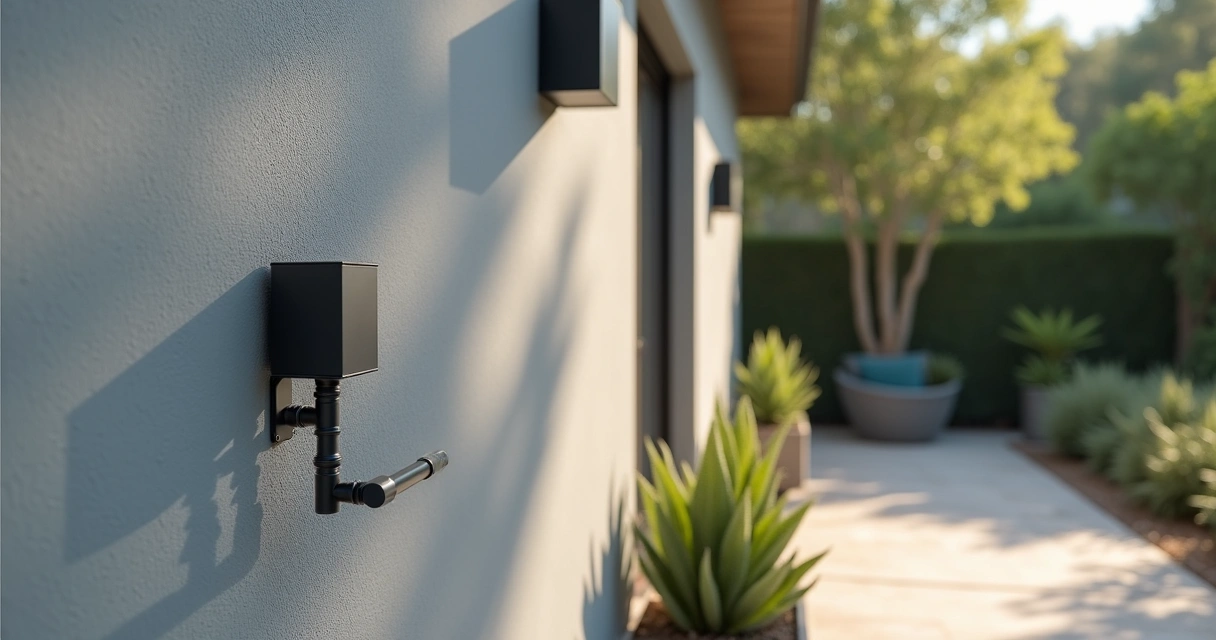
We use exterior grade paints to blend conduit with adjacent masonry, walls, or screening elements. This technique is especially effective for short surface runs or conduit on house walls facing the patio. Our hardscaping project gallery often features these matched finishes.
- Architectural trims and false beams:
Custom moldings, lattice panels, or PVC trims double as cover pieces for wiring and piping. We integrate these with the patio design to look intentional rather than as an afterthought.
- Outdoor-rated enclosures or utility boxes:
Tamper-resistant boxes, faux rocks, or built-in cabinetry can disguise junctions, shutoffs, or cable runs.
- Landscaping and plant screens:
Strategic plantings, raised beds, or large containers help obscure visible utilities. Care must be taken to avoid roots or moisture affecting the lines.
How to handle upgrades and repairs without damaging the patio
Modern patios are built to last, but eventually you may want to upgrade lighting, install new equipment, or perform repairs. Thoughtful conduit concealment up front makes these changes less invasive and costly. We recommend:
- Leaving pull strings or spare conduits in high-demand locations for future use
- Planning concealed access covers in less visible spots
- Keeping marked as-built drawings for reference (we provide these after every job)
This way, patios stay beautiful and functional through years of use and upgrades.
Experience in Central Florida: What makes our patios last
Years working in Orlando and the wider Central Florida area have taught us that weather, soil, and building codes make every patio project unique. We see how rushing or skipping steps to hide a conduit can mean cracked pavers, failed outlets, or frustrating leaks later on.
Our proven process—using compacted sub-bases, high-PSI concrete, rebar, drainage, and code-aligned details—protects every hidden utility. It’s not just about what you see, but what you don’t. Local knowledge matters: for example, we combine regular pest screening, hurricane-rated hardware, and the right sealers so your patio stays problem-free.
If you need more specifics on Orlando-area patios and concealed utilities, our St. Cloud concrete driveways and patios guide goes into detail on durable, attractive outdoor finishes adapted for Florida soils and weather.
Conclusion: Seamless living, worry-free patios
Concealing utility conduits in modern patios means thinking like both an artist and an engineer. It’s about protecting what makes your outdoor space tick, while ensuring the beauty is all you notice. Using the right methods, materials, and local expertise, we help Central Florida patios look perfect—and work perfectly—for years.
If you’re ready to see just how invisible utilities can be, and how a modern patio can blend design with practicality, we’d love to bring that vision to life. Contact GCM Best Services for a tailored plan, reliable execution, and a patio you’ll be proud to show off.
Ready for a professional quote? 📞 (407) 250-1948 • 24–48h • Orlando, Tampa & area.
Frequently asked questions
What is the best way to hide conduits?
The best way to hide utility conduits is subsurface installation—embedding conduit below the patio’s surface before construction with careful planning for route and access. For visible areas, color-matched paint, custom trims, built-ins, and plantings can effectively disguise wiring and pipes. The approach depends on your patio’s materials, function, and any local code requirements.
How much does conduit concealment cost?
The price for concealing utility conduits in patios varies based on project size, utility type, material chosen (concrete, pavers, coatings), and site complexity. Simple runs may be a few hundred dollars, while integrated multi-utility solutions in outdoor kitchens or large patios can reach several thousand. We always provide a clear estimate after a site assessment so there are no surprises.
Can I conceal utility conduits myself?
Homeowners can sometimes handle low-voltage or irrigation lines, but for electrical, gas, or any service requiring code inspection, professional installation is always recommended for safety and reliability. Permits, local codes, and inspections protect you both now and in the future.
What materials are best for covering conduits?
Best materials for covering conduits outdoors include PVC or EMT conduit for durability, matched with surface options like concrete, pavers, or coatings designed for your climate. For visible sections, UV-resistant covers, composite trims, or painted finishes ensure resilience against sun and moisture.
Is it worth it to hide conduits?
Yes. Hiding conduits preserves the patio’s design, increases safety, and protects lines from weather and damage. It can also help with future property sales and reduce the chance of costly repairs. Most Orlando-area homeowners see it as a smart investment in the quality and value of their outdoor space.