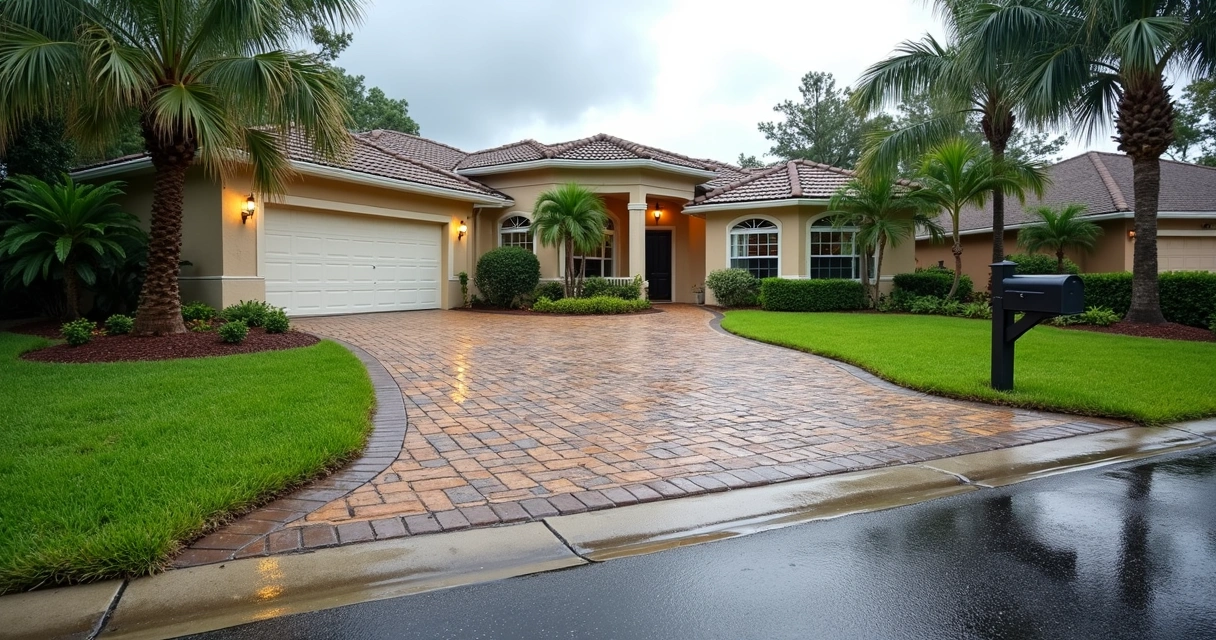
Choosing wind-resistant pavers for hurricane-prone regions like Central Florida means protecting property and peace of mind. Hurricanes test our hardscapes each year, pushing materials, patterns, and drainage design to their limits. At GCM Best Services, we have seen firsthand how the right choices prevent costly repairs and help create lasting beauty even after the storm.
Every storm leaves a lesson behind.
In this article, we share our experience and research to help you choose, specify, and maintain paver systems designed for the most demanding local conditions. We’ll cover wind forces, code guidance, base construction, drainage, material choices, locking patterns, professional installation, and much more—with a special focus on meeting Florida’s expectations for both strength and style.
Understanding hurricane wind threats to paved surfaces
Central Florida stands in the path of frequent hurricanes. These storms bring wind speeds that, according to NIST hurricane wind-speed data, can exceed 100 mph even in inland communities. For homeowners and property managers, the stakes are high:
- Lifted or scattered pavers can damage vehicles or property.
- Compromised driveways or walkways may require complete rebuilding.
- Improperly drained or shifting pavers raise safety and liability risks.
Hurricane winds don’t just threaten roofs and windows—ground-level hardscapes also face extreme forces. Surface suction, uplift, and wind-driven water combine to push and pull at every edge. Even small details, like the height of edging, can mean the difference between a seamless repair and wholesale replacement.
According to MIT research on hurricane-resistant construction, the true benefit of stronger, code-compliant methods is often underestimated. Localized analysis—analyzing your specific property’s wind exposures and neighborhood features—matters just as much as choosing premium materials.
What are wind-resistant pavers, really?
We’re often asked, “Are there truly windproof pavers?” The clear answer is: no single paver offers total protection. Instead, wind resistance depends on the entire installation system:
- Paver material strength, weight, and interlock.
- Base construction, including thickness, compaction, and drainage layers.
- Edge restraint design, which locks the field into place.
- Joint sand type, which binds pavers and blocks wind flow beneath them.
- Attention to local wind codes, site grading, and water movement.
It’s the details that defeat the storm.
Following guidelines, like those refined by AI-informed hurricane risk assessment from NIST, pays off in small decisions—such as slightly increasing paver thickness or adjusting compaction sequences. Wind-resistant does not mean “hurricane-proof,” but it does mean better performance, faster repairs, and less worry.
How Florida soils and weather affect paver performance
Central Florida’s soils include a mix of sand, clay, and organic matter. Combined with periods of intense rain and long dry spells, these conditions bring several challenges:
- Loose sand and rapid drainage can undermine edges and cause shifting.
- Clay pockets hold water, leading to heaving and loss of support.
- Salt spray and high humidity test paver coatings and fasteners.
Our paver installations face a climate as demanding as any hurricane’s wind.
We have found that a 6–8" compacted base—built with layers of crushed stone and topped with fine sand—defends best against movement and erosion. The right paver choice must work hand in hand with professional site prep, especially for driveways and heavy-use areas.
Selecting the best paver materials for wind resistance
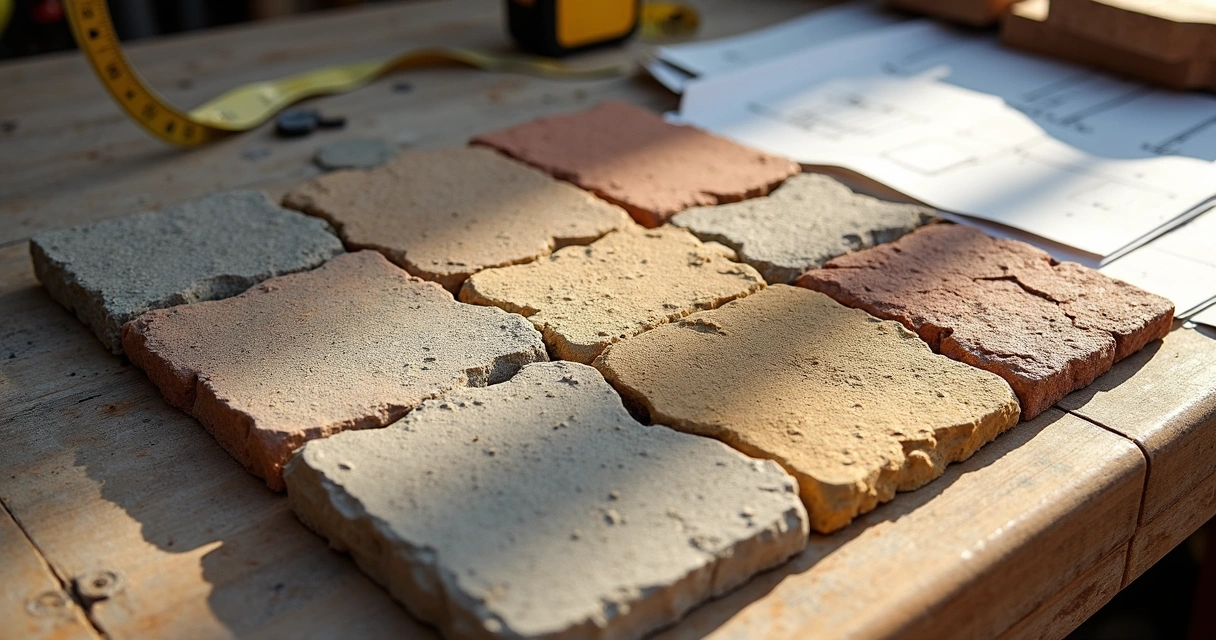
Material choice sets the stage for long-term stability. Some options perform better under wind load and flooding—a priority for hurricane safety.
Concrete pavers: The local favorite
Concrete pavers are the go-to solution for driveways, patios, and walkways in our area. They bring high compressive strength (typically 8,000 psi or more), excellent resistance to chipping, and enough weight to help resist wind uplift. With edge restraints and proper jointing, interlocking concrete pavers hold their place during storms.
Clay brick pavers: Traditional beauty, solid performance
Brick pavers, made from fired clay, also offer strong wind resistance due to their weight and textured surface. We recommend tight, staggered laying patterns to reduce wind-driven water intrusion and maximize locking strength.
Natural stone: Premium durability
Granite, travertine, and slate deliver density and mass that make them less likely to move during wind events. However, size, shape, and cost vary. When using stone, it’s especially important to plan for strong edge containment and additional support, especially where there is heavy runoff.
Permeable pavers: Strength with better drainage
Permeable systems help manage Florida’s flood-prone sites. By allowing rainwater to pass through, they reduce hydrostatic pressure and keep the base steadier during and after a hurricane. While they require additional site engineering, their environmental benefits and resistance to “float-up” are excellent for certain locations.
Evaluating code requirements and design standards
Local building codes, updated after major storms, now call for higher wind loads in design. In Orange, Seminole, Osceola, and surrounding counties, the Florida Building Code specifies:
- Minimum base depths for pavers (typically 6" compacted for driveways).
- Edge restraints attached to concrete or anchored to resist uplift.
- Drainage slope of at least 1/8" per foot, channeling water away.
At GCM Best Services, we always confirm permit requirements and coordinate with HOAs and inspectors. Each job begins with an on-site review of site exposures and code obligations, so each solution is tailored to the property.
Choosing the right paver pattern and edge restraints
Not all patterns perform equally. In our experience, patterns that interlock in multiple directions distribute wind and water forces most effectively—reducing the risk of individual pavers shifting or lifting.
Best wind-resistant patterns
- Herringbone pattern: Highly interlocked, ideal for driveways and paths exposed to direct wind.
- Basketweave: Offers good interlock but less resistance to twisting than herringbone.
- Running bond: Easiest to install and suitable for patios, but less resistant in extreme storms.
A strong pattern means a stronger surface.
Edge restraint options
The edges are often the first point of failure. We anchor edge restraints with concrete or spiral spikes at close intervals and, where needed, use “hidden curb” designs for driveways. For curved layouts, flexible PVC or metal edges that can be pinned tightly help keep every paver in line.
Drainage, sub-base, and flood resistance
Proper drainage prevents water from lifting and moving pavers. We design every installation with an integrated slope, catch basins, and, when needed, French drains.
For readers interested in advanced drainage planning for paver projects, we recommend reviewing our guide on effective drainage solutions for brick paver installations in Florida’s climate for step-by-step instructions and professional tips.
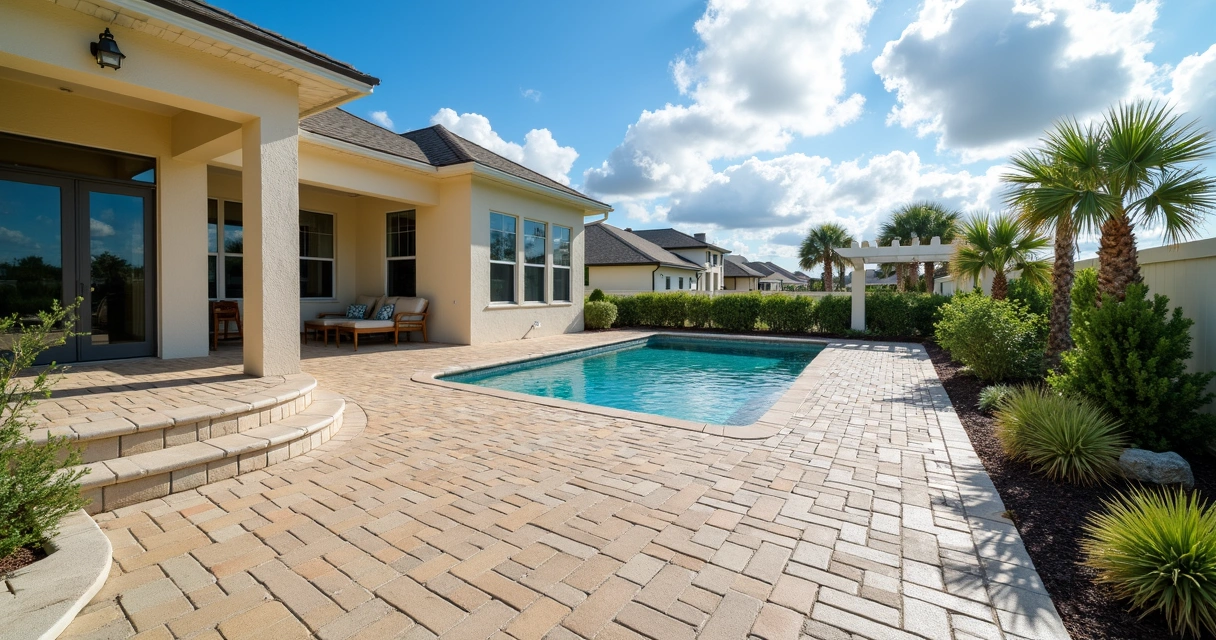
A great paver system starts below ground: crushed stone, then finer stone or sand, well-compacted and leveled. Porch and pool deck pavers may need thicker bases or geogrid reinforcement, especially if saturated clay is present.
Joint sand and polymeric sand for wind resistance
The right jointing sand locks the field together—one grain at a time.
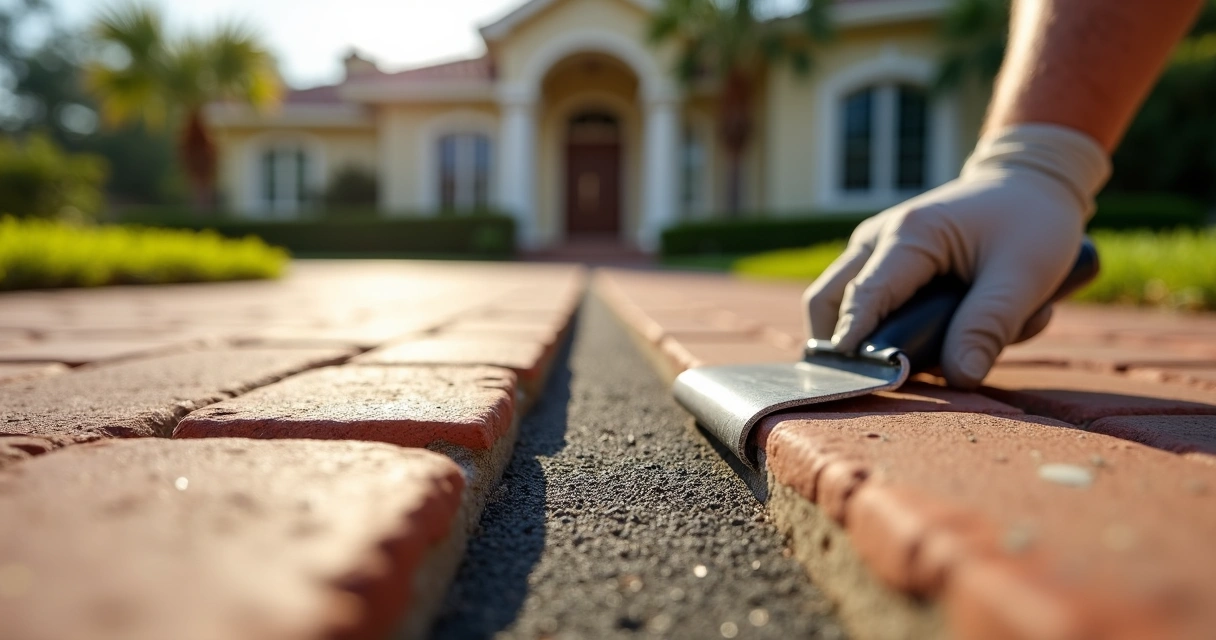
Polymeric sand binds paver joints, hardening when moistened. This prevents wind-driven water from eroding the sand and keeps weeds from finding a foothold. We have used this solution on hundreds of projects, including patios, walkways, and driveways throughout Orlando and Tampa. For more on weed control and joint stability, see our tips on preventing weeds from growing between pavers in Orlando.
Why professional installation matters
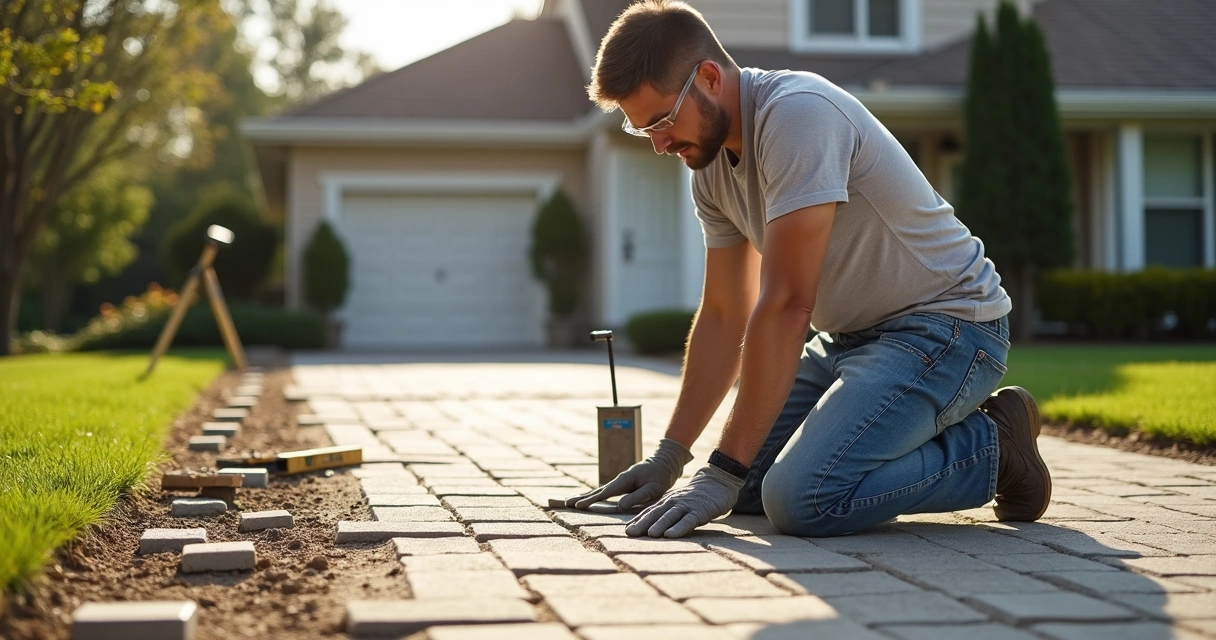
Even the best paver can fail if not installed according to best practices. At GCM Best Services, every team member is trained in OSHA safety protocols and local wind code standards.
- We verify compaction at each base layer, avoiding future settlement.
- We install edge restraints below grade and with staggered spikes.
- We use the right jointing sand for exposure zones—polymeric for driveways, fine sand for patios with light wind exposure.
- We address drainage at every step to prevent “ponding” and “float-up.”
Experience and precision pay off during severe weather. Homeowners who select qualified, local experts fare better during storm recovery—repairs are less costly, and warranties are meaningful.
Maintenance tips for lasting wind resistance
Even top-tier paver installations need care. We advise clients to check for settling, edge separation, or joint sand loss after big storms. Annual resealing and touch-up sanding protect pavers through the hurricane season.
- Check and repair joints, especially where plants or ants disturb the sand.
- Clear debris from drainage grates and swales.
- Rinse surfaces to remove salt, pollen, or mildew after heavy weather.
For added peace of mind, we offer written maintenance guides and warranties with each installation—so properties are ready before, during, and long after the wind dies down.
Case studies: Local success stories
One Orlando business owner shared with us his story when a recent storm brought high winds and flooding to his commercial drive. Pavers from an older install, set on thin sand and with no edge restraint, scattered across the parking area. We rebuilt the surface using thick concrete pavers in a herringbone pattern—adding a deeper base, advanced drainage, and polymeric joints. The next storm left only small adjustments needed; this system passed the test.
A family in Winter Park saw repeated problems with patio pavers shifting after storms. After improving drainage, adding geotextile fabric under the base, and locking edges with reinforced PVC, the patio remained solid even after two major hurricanes.
Strong pavers, smart installation, ready for anything.
Balancing curb appeal with hurricane-readiness
Wind-resistant features don’t mean sacrificing style. Today’s pavers come in a vast palette of colors, shapes, and finishes—smooth, tumbled, textured, or stamped. We help clients pick patterns for visual impact and durability, blending curves with sturdy edges and lighting with secure jointing.
Pool decks can use light shades to stay cool; driveways may blend border patterns for extra grip. Durable paver sealants bring out the best in color and help block water and stains.

How GCM Best Services supports our clients
From our first on-site assessment, we deliver clear communication, written estimates, and photos of every project milestone. Our team manages permits and HOA approvals, meets city inspectors, and explains each step—so you’re never left guessing about paver strength, drainage, or code compliance.
With every project, we back our work with warranties and maintenance support. Our paver clients include families, businesses, and public spaces, all of whom trust us to balance hurricane resilience with standout curb appeal. For those wanting landscape or hardscape enhancements, see our hardscape solutions and driveway and patio paving for more options.
For guidance on preventing cracks or settling in cement-based driveways, see our guide to preventing cracks in Florida concrete installations. Combining these strategies means better value and more dependable protection.
Conclusion: Choosing wind-resistant pavers the right way
Selecting wind-resistant pavers for hurricane-prone areas is not just about the initial purchase—it’s about combining strong materials, smart design, and skilled installation that stands up to Florida’s storms. We believe investments in proper drainage, secure edge restraints, and interlocking patterns give the best return for years to come.
Every year, hurricanes remind us of the value of good planning. At GCM Best Services, we bring together decades of experience, the latest research, and a client-first approach to create paver systems that are as resilient as they are beautiful.
Protect your investment, enhance your property, and rest easier—one paver at a time.
Ready for a professional quote? 📞 (407) 250-1948 • 24–48h • Orlando, Tampa & area. Start with a no-obligation visit from our experts and get recommendations tailored to your home or business.
Frequently asked questions
What are wind-resistant pavers?
Wind-resistant pavers refer to paving stones and installation systems designed to stay secure during high winds and storms by combining heavy, interlocking materials, strong edge restraints, and a compacted base with proper drainage. They are not impervious to extreme hurricane conditions, but when installed following local code and best practices, they dramatically reduce the risk of paver movement or loss.
How to install pavers for hurricanes?
To install pavers suited for hurricane conditions, we recommend: using a 6–8" compacted base, selecting interlocking patterns (like herringbone), adding robust edge restraints anchored deeply, using polymeric sand in the joints, and ensuring the surface drains well to prevent water buildup. Professional installers will also coordinate with permit and inspection requirements to confirm wind-load resistance and code alignment.
Which paver materials resist strong winds?
Concrete pavers, clay brick pavers, and natural stone (such as granite or travertine) offer the most resistance to wind forces due to their density, weight, and ability to interlock tightly. Permeable pavers can also help in flood-prone sites by reducing water pressure under the surface. Light, thin, or loosely set pavers are not recommended for hurricane-exposed areas.
Are wind-resistant pavers worth the cost?
Yes. Investing in wind-resistant pavers and professional installation can prevent much larger expenses later by avoiding the shifting, lifting, or scattering common after hurricanes. The cost is justified over time through reduced repairs, easier maintenance, better curb appeal, and stronger warranty support. Research shows that robust construction is often undervalued by billions of dollars annually in storm-impacted regions, as seen in studies from MIT.
Where to buy wind-resistant pavers?
Wind-resistant pavers are best sourced through licensed, reputable contractors like GCM Best Services. We provide on-site assessments, recommend the right material and installation system, and manage the entire project from selection to warranty. This approach guarantees your paver system is suited for hurricanes and meets all Florida code and neighborhood requirements.