Living in Central Florida, we know how rare and valuable backyard peace can be. From traffic rumble on busy Orlando roads to pool parties echoing next door, outdoor noise can really limit how much we enjoy our own outdoor spaces. At GCM Best Services, we believe everyone deserves a backyard where voices, birds, and quiet prevail over the hum of the world outside. We have helped many homeowners and businesses in Orlando and beyond discover that clever landscaping and tailor-made fences do more than decorate—they help soundproof open-air patios, play areas, and lawns, making it possible to create a true outdoor retreat.
If you are searching for practical, attractive ways to lower unwanted noise, our team brings both engineering know-how and hands-on experience. In this article, we share proven methods, current research, and ideas for how you can soundproof your backyard using natural barriers, clever design, and solid building practices suited for Florida’s climate. We cite recognized studies, provide clear steps, and highlight which techniques work best for our soils and neighborhoods. By the end, you'll understand the tools, approaches, and choices that bring you closer to a truly peaceful outdoor space.
Table of contents
- How noise travels through your yard
- Why landscaping and fences make a difference
- Choosing the right fence for noise reduction
- Integrating landscaping for extra blocking power
- Berms, green barriers, and creative hybrids
- Drainage design and Florida-specific tips
- Maintenance, appearance, and long-term enjoyment
- Professional design and turnkey solutions
- Conclusion: Making your backyard a tranquil place
- Frequently asked questions
How noise travels through your yard
Sound travels in waves, much like water, flowing over and around anything in its path. Unlike water, sound waves can be reflected, absorbed, scattered, or transmitted, all depending on what they meet. In outdoor environments such as Central Florida’s neighborhoods, noise from highways, air conditioners, barking dogs, and neighboring yards can cut straight across property lines.
A fence or hedge does not block sound the way a wall does indoors, but if well built and well designed, it can reduce how much noise gets through—and how loud it sounds when it does.
Research from the Federal Highway Administration (FHWA) shows that a solid noise barrier, such as a masonry or heavy wood fence, can lower perceived loudness by about half if placed properly and built without gaps. The FHWA guidance notes that these barriers are usually most effective within about 200 feet of the noise source and must be continuous, tall, and long enough to do the job.
Silence is not always possible—but a quiet, calm backyard is within reach.
Sound waves will always find a path. Our goal is to make that path as long, indirect, and interrupted as possible using smart materials and design.
Why landscaping and fences make a difference
Fences become better noise blockers when combined with landscape features like hedges, trees, berms, or dense planting beds. Landscaping alone usually does not block as much noise as a solid barrier, but it can scatter sound, absorb harsh echoes, and reduce how much sound ‘bends’ over the top or around the sides of a fence.
The U.S. Department of Transportation’s studies of earth berms and hybrid barriers found that even low berms (mounds of earth) can add another 1–3 decibels of reduction beyond the same-height fence. Berms plus fences or landscaping act together, offering a softer look and actual added noise protection.
Here in Central Florida, well-selected shrubs, palms, and evergreens soften views, provide privacy, and contribute to that sense of an oasis at home. Artificial turf, such as the custom installations we provide at GCM Best Services, can further lower noise by reducing the sound of footsteps, lawn care, or pets’ activity compared to gravel or plain concrete.
Choosing the right fence for noise reduction
Selecting a fence for noise reduction is as much about construction and placement as about the material. There is no ‘one-size-fits-all’ solution; instead, we recommend you consider these points:
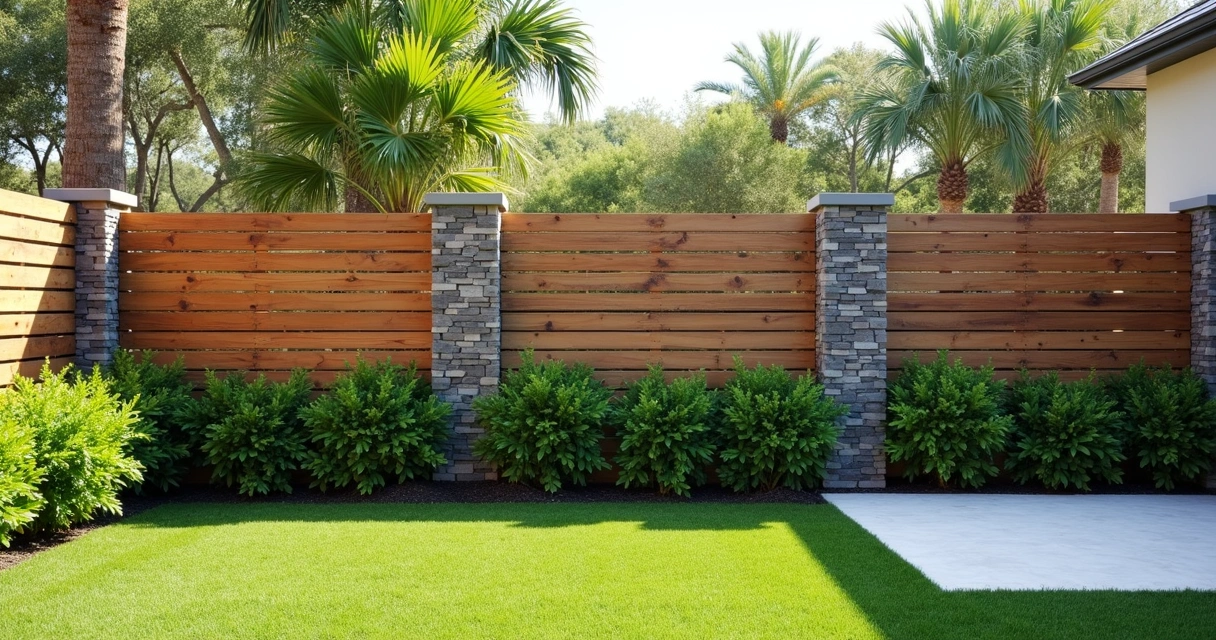
- Height: The top of the fence should break the line-of-sight between the noise source and your seating, patio, or windows. Tall fences (at least 6 feet, and up to 8 feet where allowed by local code and HOA rules) typically block noise better.
- Materials: Heavier materials, such as masonry, concrete, or double-sided wood fences with overlapping boards, block sound best. Vinyl fences can work if they are thick and installed without gaps. Chain-link or spaced picket fencing does little for noise.
- Continuity: Gaps, holes, or shifts between fence panels allow sound to leak through. Sealing the bottom (with concrete or landscaping) helps, as does designing gates to fit tightly.
- Length: The fence must extend enough to prevent sound from traveling around the sides. Extending 4–5 times the distance from the noise source to your sitting area is generally a good target, according to WSDOT recommendations.
FHWA inventory data reports that ground-mounted noise barriers average about 14.4 feet tall and cost around $41.17 per square foot, while barriers mounted on structures (for example, above retaining walls) average about 11.8 feet in height and cost roughly $65.96 per square foot. The actual cost will depend on location, style, and materials (see FHWA inventory data).
The best soundproof fence is solid, gap-free, and as tall as your HOA or city will allow.
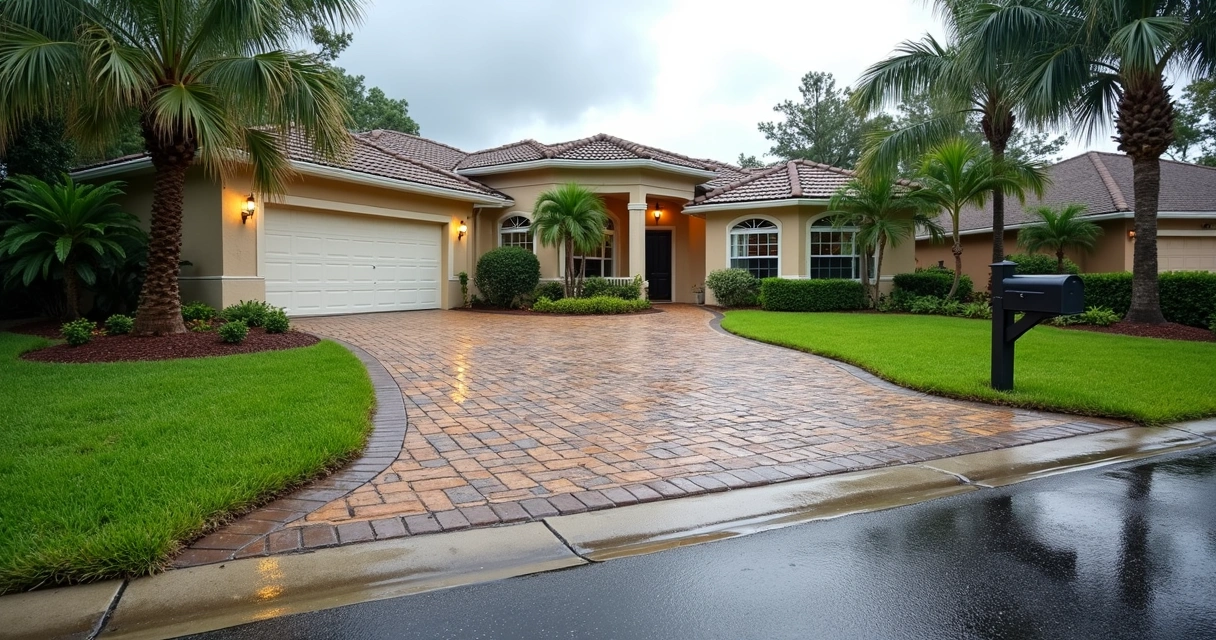
If you want to see the types of driveway, patio, and paver fencing we have delivered for Central Florida customers, our recent work at driveway, patio and paving projects can offer both visual ideas and construction inspiration.
Integrating landscaping for extra blocking power
Landscaping goes beyond looks. Dense plantings, especially evergreens and hardy palms, work to scatter and absorb sound waves while providing a fresh and natural look.
Studies highlighted by the FHWA explain that structural barriers filled or lined with soil and planted with shrubs, grasses, or vines (sometimes called ‘living walls’ or ‘bin barriers’) can both reduce noise and bring strong visual appeal. (FHWA guidance on planted barriers)
These are a few of the species and designs we have seen work well in Central Florida yards:
- Podocarpus, Viburnum, and Ligustrum: Tough, dense shrubs that grow rapidly into thick hedges.
- Clumping bamboo (non-invasive varieties only): For height and density, especially in narrow yards.
- Saw palmetto and windmill palm: Florida natives that resist drought, salt, and cold.
- Wax myrtle and Simpson’s stopper: Local, aromatic, and bird-friendly, often used as filler behind main fence lines.
- Jasmine, honeysuckle, or bougainvillea vines: Cover chain-link or wire mesh to turn a utility fence into a soft, living wall.
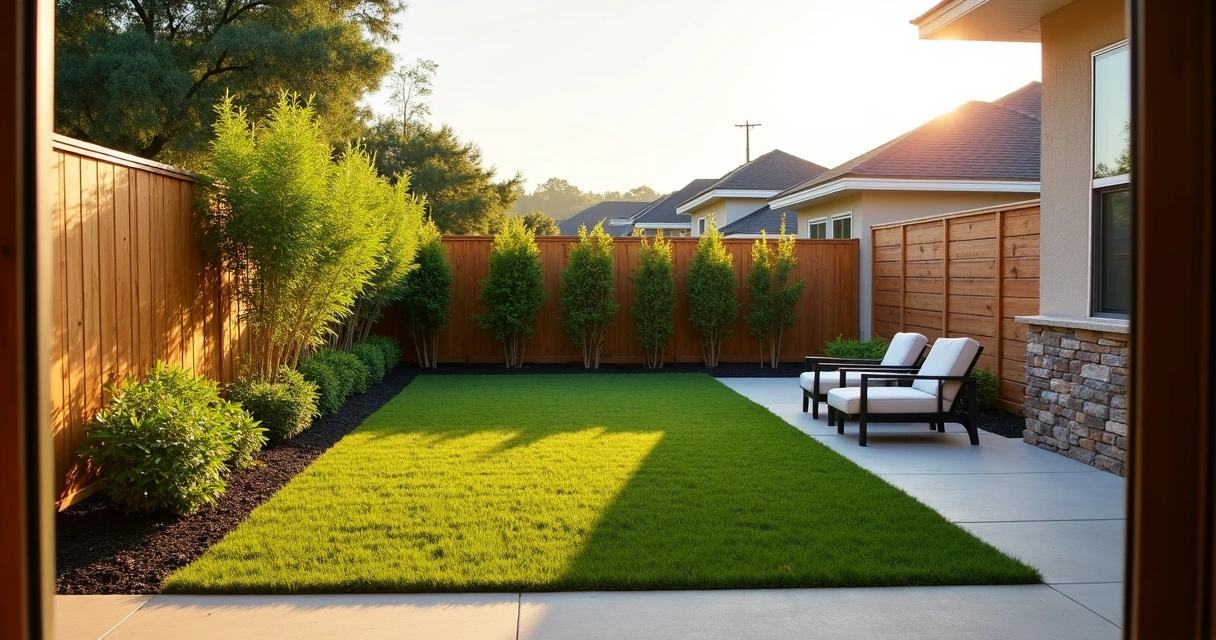
To improve noise blocking, plant shrubs in two staggered rows about 3–5 feet apart, creating a layered effect that further muffles sound. Using a mix of heights and textures breaks up reflected sound even more.
Artificial turf provides a soft, noise-dampening ground surface, cutting down on the sound of play, walking, or pet traffic. For more tips, our resources on artificial turf solutions lay out how synthetic lawns fit into integrated landscape noise buffers.
Berms, green barriers, and creative hybrids
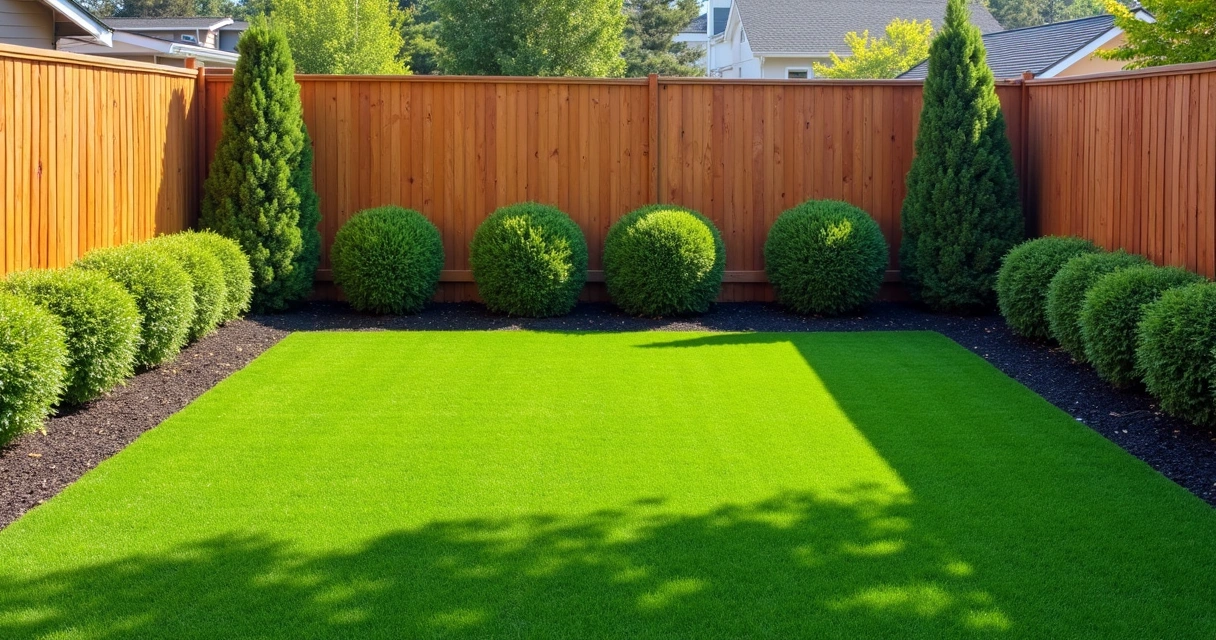
Many Orlando and Central Florida lots include a slope, low spot, or sunny strip perfect for a noise-reducing berm. An earthen berm is a mound built from soil, sometimes mixed with sand or aggregate, gently sloped and planted with hardy grass, groundcover, or shrubs.
We build berms to work hand-in-hand with fences, especially along roads where a wall alone might seem too harsh or visually imposing. The FHWA guidance confirms that earthen berms can give an extra 1–3 dB(A) of noise reduction over a vertical wall of equal height. The main limit is space: berms require more width, so they best fit properties with a wide side or rear yard (FHWA earth berm study).
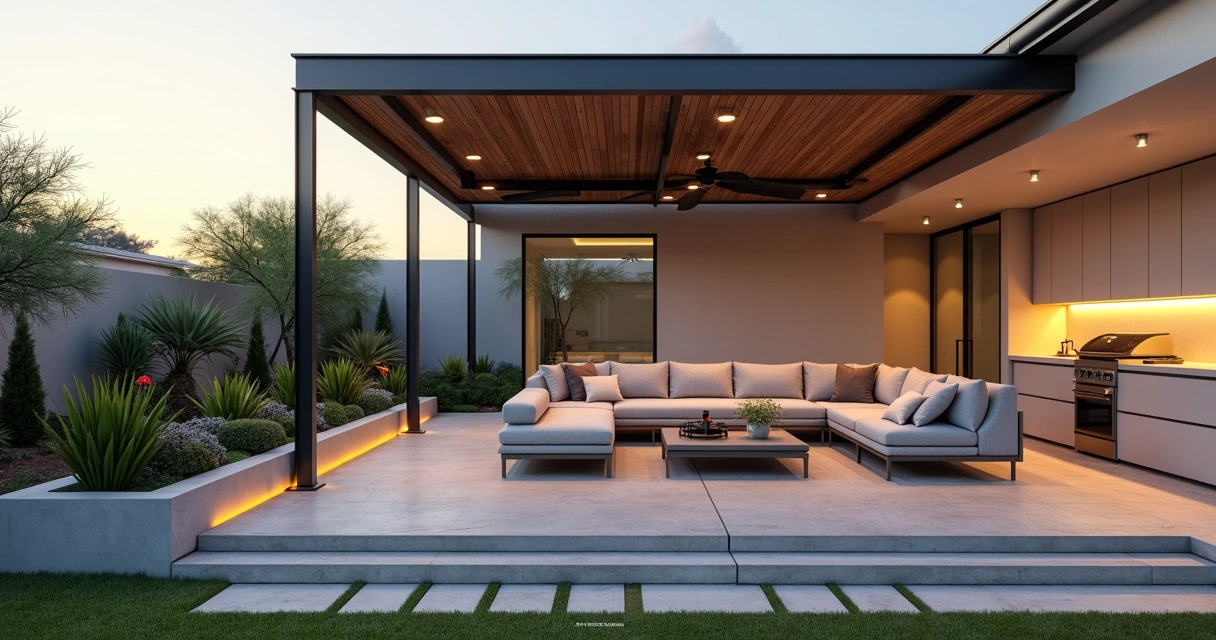
If you want the look of a living barrier but don’t have room for a full berm, consider a hybrid. ‘Bin-type’ or ‘planter wall’ systems combine a structural wall with soil-filled planters built right into the barrier, then planted thickly for extra height and a soft look. These take more care and some irrigation, but the results—especially combined with outdoor lighting—feel both natural and truly private.
In our own projects and from hardscaping field research, we’ve learned these strategies help maximize noise reduction when space is limited:
- Stagger walls, berms, and plantings so no direct line exists from the source into the yard.
- Make the barrier as long as you can—partial or short walls are far less effective.
- Combine materials: solid wood or concrete with a dense hedge or vine-covered wire mesh.
- Use artificial turf or rubber mulch under play areas or near patios where sound can bounce off hard surfaces.
Drainage design and Florida-specific tips
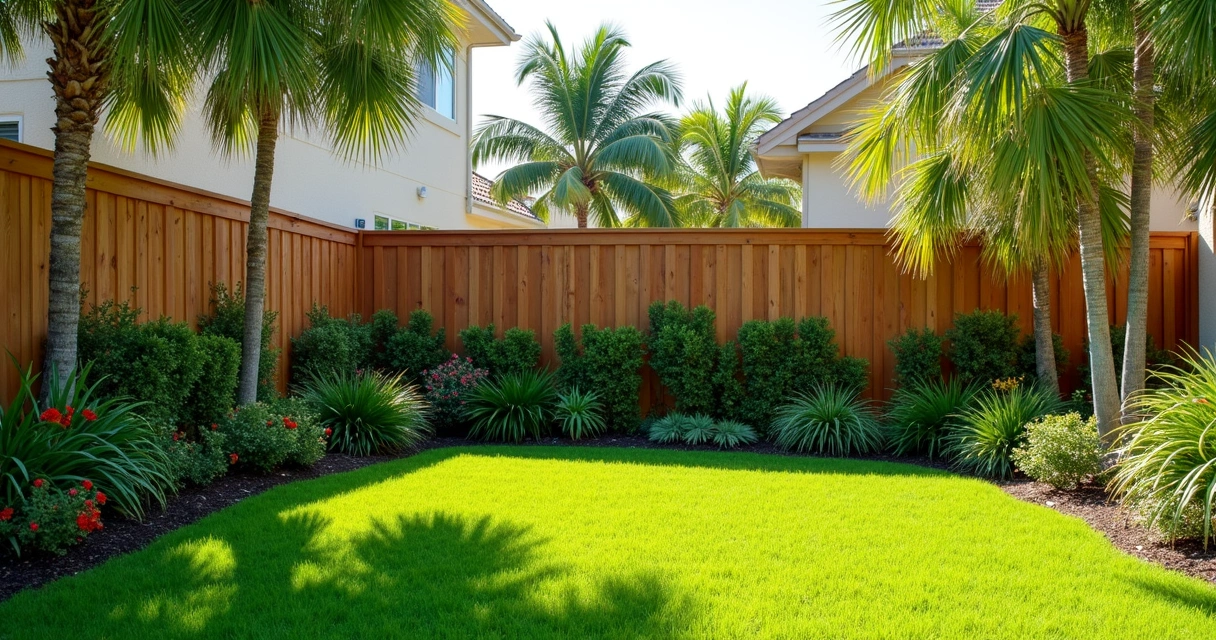
Soundproofing is only successful if your backyard stays healthy, safe, and dry. In Florida, where summer deluges are part of life, any fence or landscape barrier must work with—not against—proper drainage.
We design and install drainage systems under and around fences and berms to keep water moving away from foundations. This not only protects your investment but also avoids water collecting near footings, which can lead to settling or rotten wood.
Poor drainage can also turn a thick hedge or berm into a soggy mess, causing gaps and even mold or bugs if not managed well. That’s why GCM Best Services always reviews the final grading, surface slope, and stormwater flow before any fence or planted noise barrier goes in.
Some additional Florida-focused suggestions:
- Choose plants that thrive in sandy soil and tolerate both heavy rain and spells of drought.
- Maintain gaps below fences only where water must pass, and use river rock or perforated channels to encourage drainage.
- Finish wood or composite fences with high-build sealers to resist humidity and sun damage—see our details on high-performance coatings with our hardscape services.
- Follow local codes for fence height, setbacks, and storm-ready anchoring, as we do on every project.
Maintenance, appearance, and long-term enjoyment
Backyard soundproofing should look good and last. Choosing native or adapted plantings reduces long-term care costs and keeps the look fresh year-round. A well-sealed, solid fence resists wind, sun, and storms for decades with only simple checks, painting, or washing as needed.
We provide written maintenance guides with every build—whether it’s about keeping plants trimmed so they don’t block gates, or ensuring a warranty-approved finish on a wood or masonry wall stays intact.
For special touches, we recommend:
- Motion lighting or soft path lights to highlight plantings and add security.
- Upgrading to galvanized or rust-resistant fasteners, especially near coastal areas.
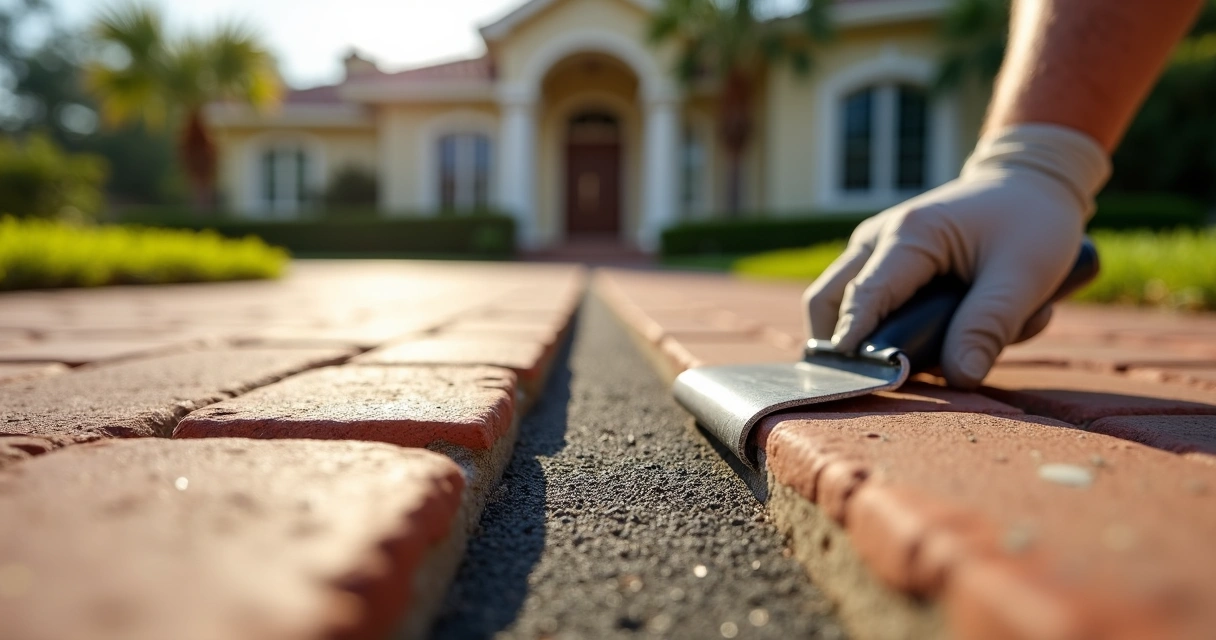
- Mixing in paver borders or decorative stones for transition zones between turf, patio, and planting beds, drawing inspiration from recent projects on our Orlando paver installations.
Many of our clients share that, after their new fence and landscape are in place, the backyard not only sounds quieter but becomes the preferred place for family, friends, and pets—no matter the traffic buzzing outside.
Professional design and turnkey solutions
The science behind outdoor noise control is clear. Well-designed noise barriers, integrated with landscaping and proper drainage, truly work, especially when customized for the property and climate. As a fully licensed and insured contractor serving Orlando and all Central Florida, we manage every step: design, permitting, HOA paperwork, detailed execution, and final walkthrough—always with photo updates and written warranties for peace of mind.
Our crew has experience working with both individual properties and commercial premises, adapting drainage, fence, and planting designs to match each client’s goals and site specifics. That means you get a backyard that looks beautiful on day one and stays enjoyable for years.
If you are interested in learning more, our knowledge resources on hardscaping details explore a huge range of outdoor improvements—committed to the same quality and transparency that define everything we build at GCM Best Services.
Conclusion: Making your backyard a tranquil place
Soundproofing a backyard is both an art and a science. With the right mix of solid fencing, strategic planting, creative earthwork, and deep local experience, it’s possible to reclaim your outside space from street noise and crowded surroundings—while adding beauty and resale value. At GCM Best Services, we take pride in transforming noisy yards into landscapes where conversation and relaxation become a true pleasure. We invite you to meet our team, explore our service options, and see how we can bring tranquility to your outdoor living.
Let’s create a quieter backyard—right here in Central Florida.
Ready for a professional quote? 📞 (407) 250-1948 • 24–48h • Orlando, Tampa & area.
Frequently asked questions
How much does backyard soundproofing cost?
Costs depend on size, location, and selected materials. According to FHWA inventory data, ground-mounted noise barriers (such as masonry or concrete fences) average about $41.17 per square foot, with structure-mounted options running higher. Adding earth berms, planters, or heavy landscaping can increase cost but also bring more benefits. Homeowners in Central Florida often spend anywhere from a few thousand dollars for basic solid fencing, up to tens of thousands for full-length, professionally designed hybrid systems. We always recommend an on-site assessment to give an accurate estimate.
What are the best soundproof fences?
The most effective noise-blocking fences are solid, tall, and free from gaps or openings. Masonry walls, heavy wood fencing with overlapping boards, and concrete panel systems deliver the best results. Vinyl can also help if the panels are thick, well-installed, and sealed. Layering fences with thick greenery or earth berms increases their performance. Always check local codes in Central Florida, which cap maximum fence heights in some neighborhoods.
How do plants help block noise?
Plants help in several ways. Dense hedges and rows of shrubs scatter, absorb, and soften sound, making the backyard quieter and more inviting. According to FHWA guidelines on planted barriers, greenery does not block as much sound as a wall but makes a real difference when used in layers with hard surfaces. Living walls also cool the space, attract birds, and provide visual privacy.
Is it worth it to soundproof outside?
If outside noise disrupts your relaxation, sleep, or social time—and property lines are close together as in many parts of Orlando—then investing in outdoor soundproofing almost always improves daily comfort and privacy. Costs can be managed by blending different methods such as fencing, berms, and strategic landscaping. Many property owners find that the benefits in peace, resale value, and long-term use far outweigh initial costs.
Can I soundproof my yard myself?
Many homeowners can tackle basic soundproofing steps—like planting extra shrubs or refreshing a fence with weatherproof paint—on their own. For larger projects, such as new fences, masonry installations, heavy berms, or integrated drainage, issues like building code compliance, HOA rules, and proper design around drainage should be considered. Our team at GCM Best Services handles everything from start to finish, but we’re always happy to share ideas with DIY-minded clients.