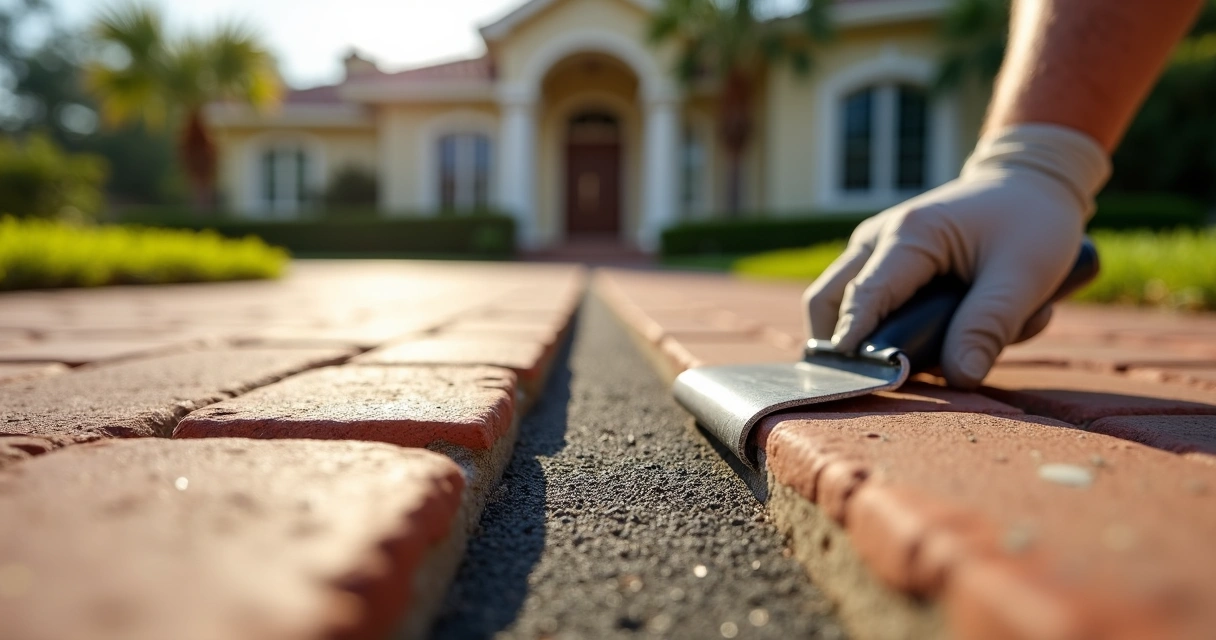
When we put in a beautiful new paver driveway in Central Florida, there’s one problem that can cloud your satisfaction: efflorescence. Those mysterious, powdery white stains creeping across your new surface are more than just an eyesore—they’re a sign that something deeper is happening. We want our clients to enjoy worry-free, lasting curb appeal, so preventing efflorescence is a top priority at GCM Best Services.
Efflorescence can be avoided if we address it at every step, from design to maintenance.
Understanding efflorescence: Why does it happen?
Efflorescence is that familiar white powder or chalky haze that sometimes appears on paver surfaces, especially in humid climates like ours. It forms when water travels through concrete or clay pavers and brings soluble salts to the surface, where they dry and crystallize. Those salts are naturally present in the base or in the paver materials themselves.
Let’s look quickly at the three things needed for efflorescence to occur:
- There must be water present to dissolve salts.
- There needs to be soluble salts inside or under the pavers.
- There must be a pathway for water to reach the surface and carry those salts upward.
Eliminate one of these ingredients and efflorescence will not show up. In our experience, the reason paver driveways in Florida are prone to it is because we have plenty of moisture, porous materials, and soils high in minerals.
The Florida challenge: Humidity, rainfall, and sandy soils
Central Florida is unique. If you’ve ever noticed pavers elsewhere that never show a spot of efflorescence, it’s likely because their climate is drier and their installation practices may differ. In our region, frequent rain, tropical humidity, and sandy subsoils combine to move water up and down through driveways constantly.
At GCM Best Services, we adjust our installation and maintenance recommendations to match this environment. We know that preventing those unsightly stains isn’t just about the surface—it’s an effort from the ground up.
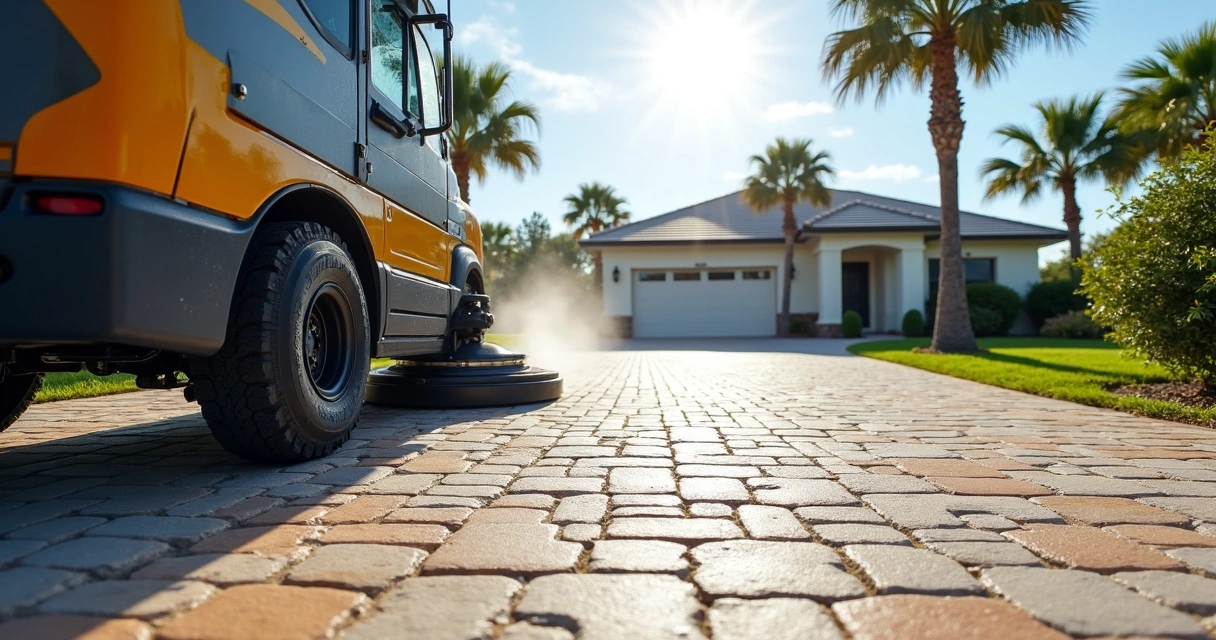
How we approach paver driveway installation for efflorescence prevention
Preventing efflorescence is a process, not a single step. Here’s how we put that into practice from the very beginning:
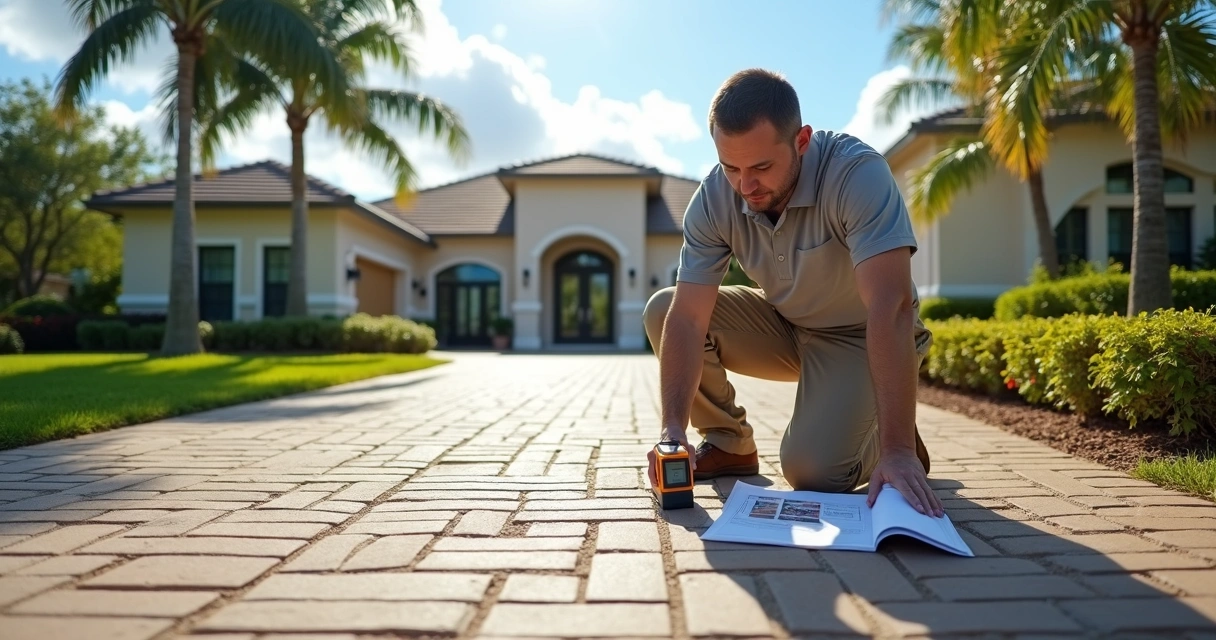
Proper site assessment
We start with a full assessment of the subgrade and soil conditions, taking moisture levels into account. Sandy and silty soils in the Orlando area need extra planning for drainage. If the ground beneath remains wet, the risk for efflorescence is much higher.
Careful base preparation
A well-compacted, dense-graded aggregate sub-base (typically 6–8 inches) helps prevent water from pooling below the pavers. At this stage, we:
- Check the compaction with specialized tools
- Ensure the pitch directs water away from the house
- Use geotextile fabric when the soil is unstable or holding moisture
This base layer serves as the backbone against moisture movement, helping protect the whole installation from within.
Quality pavers and joint materials
We recommend selecting pavers manufactured to high standards with proper curing. Some lower-quality products are prone to higher salt content, which means efflorescence is almost guaranteed down the road. Polymeric sand for the joints makes a real difference, since it resists washout and inhibits water from traveling up.
Drainage design is key
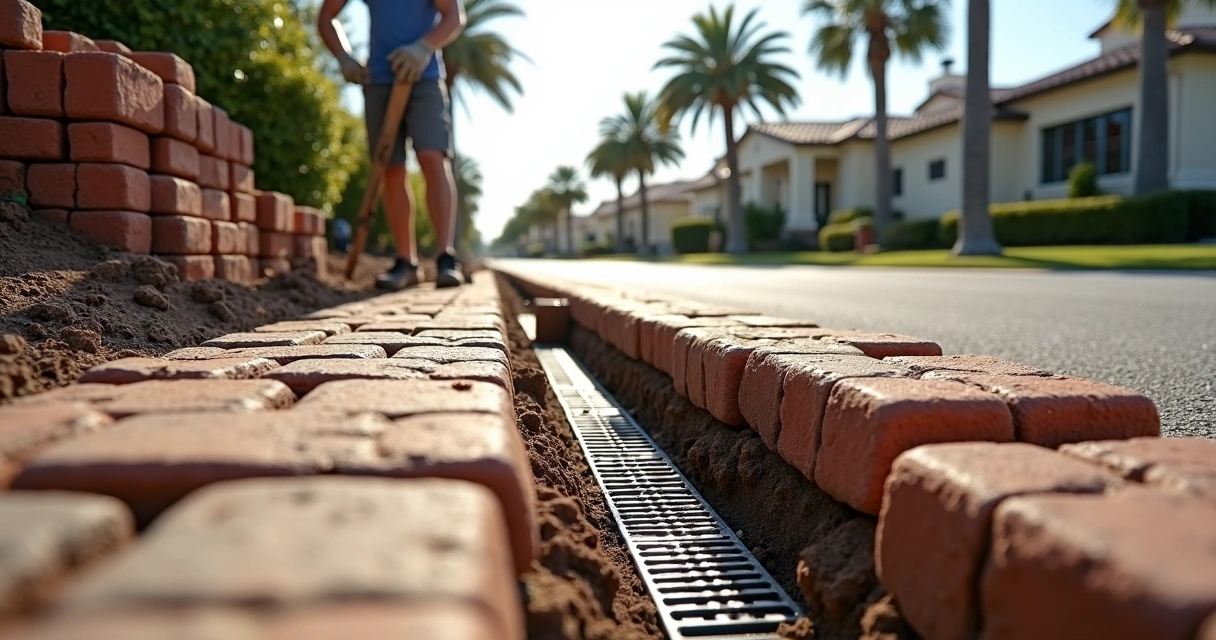
Drainage isn’t just about stopping ponding after rain—it’s also about keeping water from soaking up through pavers. We design gentle slopes and add drains in the low points of driveways, following guidelines reinforced by effective drainage solutions for brick paver installations in Florida’s climate, as described on our site and reinforced in [City of Annapolis guidance on permeable pavement maintenance](https://www.annapolis.gov/2394/Permeable-Pavement-Maintenance), which points out that regular debris removal and well-planned runoff paths protect surfaces from sediment and salts.
Careful post-installation care
Our team at GCM Best Services always recommends letting new pavers cure for a few weeks before sealing or frequent washing. This period allows initial salts to escape in a controlled fashion, ideally before joint sand is fully compacted and before any traffic occurs.
Best practices for efflorescence prevention
Keep water where you want it
Water is the main culprit that moves salts up to the surface. This means that every step to manage moisture—whether that’s slope, edge restraints, or drain placement—matters greatly in Florida driveways.
- Design the surface pitch to direct water toward storm drains or landscape beds, never toward the home or garage.
- Install catch basins or trench drains near the lowest points.
- Keep irrigation heads pointed away from paver surfaces.
- Use paver edging to avoid lateral water intrusion and sand loss at the perimeter.
Improper drainage isn’t just a problem for efflorescence—it can also cause heaving, settling, and weed growth. Addressing water movement resolves multiple concerns at once.
Choose the right jointing sand and sealant
Joint sand holds the pavers together but also acts as a barrier. Polymeric sand, which contains binding agents, locks into place and limits water flow through the joints. This stifles the path that water needs to bring minerals up.
After allowing for natural curing, we often recommend sealing new pavers with a breathable, water-repellent sealant. The right product creates an invisible, vapor-permeable barrier on top, so water can’t pick up and carry salts to the surface. But it’s vital to wait until the pavers and the substrate have finished off-gassing any initial moisture and salts.
For more details, you can find a wealth of knowledge on our paving services and their benefits for Central Florida driveways at our driveway and patio paving page.
Routine maintenance tips for long-term protection
Efflorescence can sometimes show up even after an excellent install, simply because the materials or environment are working against you. That’s why you need simple, regular tasks to keep pavers looking their best.
- Sweep the driveway often to remove dust and debris.
- Hose off the surface occasionally, but avoid pressure washing as your first option.
- Remove leaves, mulch, or organic matter that can trap moisture.
- Inspect the surface regularly, especially after heavy rain, hurricanes, or construction nearby.
- For permeable systems, annually check that infill stones and joints haven’t become clogged with sediment
Studies summarized in the City of Annapolis guidance on permeable pavement maintenance highlight regular cleaning as the top way to halt the buildup of materials that cause efflorescence on paver driveways.
What to do if efflorescence does appear?
If you spot a white haze on your brand-new pavers, don’t panic. Most new installations experience a minor phase as the surface finishes curing. In these cases:
- Lightly brush the area with a stiff broom once it is dry.
- Rinse gently with water—avoid harsh chemicals without professional advice.
- Give it some time, as much of it will disappear naturally in the weather cycle.
Never apply a sealant before addressing efflorescence, or you may trap the salts inside and worsen the appearance.
How our process at GCM Best Services gives you an edge
We think of driveway work as an integrated project, not just the placement of pavers. Our full approach means:
- An initial site visit to assess moisture and soil
- Drainage planning aligned with Florida climate risk
- Communication with HOAs and inspectors, so local drainage rules are not missed
- Documented installation steps, with progress photos and a warranty covering performance
We provide our customers with a written maintenance plan and schedule, so you always know what steps to take, and when. Questions? We make sure your answers are answered before we ever leave the jobsite.
The importance of choosing the right contractor
Anyone can buy pavers; not everyone can install them to resist efflorescence for years. We see the difference our clients enjoy when we install using sturdy sub-bases, strong joint materials, and pay attention to drainage details others might skip.
Driveway work is a long-term investment, so it’s not a place to cut corners. Visit our hardscape services page for how we bring these best practices to homeowners and property managers across Central Florida.
Adding value with professional advice
During our initial consultations, we empower you to make informed choices. Some of the most common questions we help answer:
- Will my soil require added base depth?
- What sealers are best for humid or coastal conditions?
- How does my HOA view visible white markings on driveways?
- What’s the best routine for keeping pavers looking their best?
Our team takes the time to listen, explain options, and show samples so you see exactly what to expect. That’s the GCM Best Services standard.
How to handle ongoing maintenance the right way
A driveway is exposed to daily vehicle traffic, weather events, and our region’s humidity. We suggest setting a calendar for:
- Weekly removal of debris and leaves
- Monthly inspection after heavy downpours
- Annual re-sanding of joints where needed
- Periodic application of sealers as recommended by manufacturers
Read our guide to preventing weeds growing between pavers for tips that go hand-in-hand with efflorescence prevention.
For areas that suffer frequent washout after storms, consider incorporating drainage upgrades or channel drains, as detailed in our drainage solutions article.
Case study: A Central Florida driveway done right
Recently, we completed a 1,200-square-foot paver driveway replacement in Winter Garden. The original surface showed patches of efflorescence and moss, despite only being three years old. After removing the old pavers and inspecting the sub-base, we found sections where water had been pooling due to a slight depression in the center and no dedicated drainage at the edge.
- We re-graded the substrate and added a compacted 8-inch base with geotextile fabric for separation.
- Installed new, low-absorption pavers with neutral sand color, which resists noticeable stains.
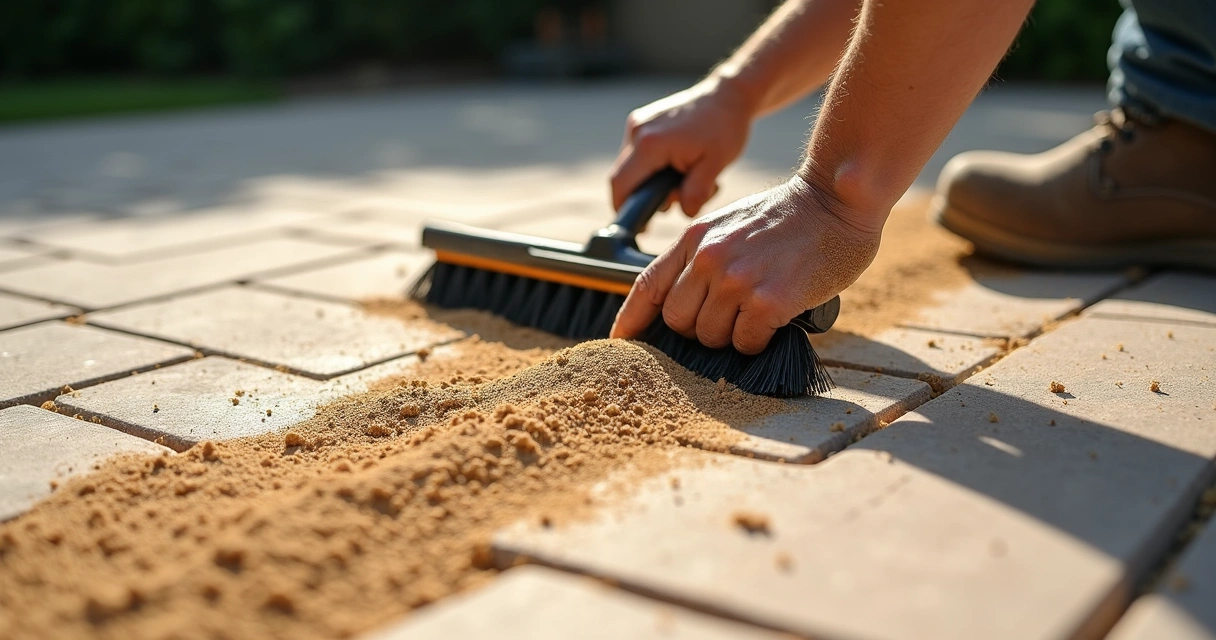
- Polymeric sand was swept into joints for extra resistance.
- Downspouts were redirected to drain away from the new driveway edge.
After a natural curing period, the pavers were cleaned and sealed with a breathable sealer. Six months later, with routine sweeps and gutter checks by the homeowner, the surface is completely free of efflorescence—a result we’re proud to share as an example for the region.
Extra steps: Sealing, cleaning, and troubleshooting
Is sealing your driveway always the answer?
Sealers work well—but only when used correctly. Applying a high-quality, penetrating, and vapor-permeable sealer after new paver installation helps lock out moisture at the surface and enhances color. But sealing should only happen after the new driveway has gone through its main weather cycles so any salts present are able to pass through and be cleaned away first.
There are some products that promise to block everything, but those can trap moisture and make problems worse. Always seek advice and a test patch first.
Cleaning tips for stubborn efflorescence
If normal brushing and rinsing do not clear the haze, a gentle cleaning solution, such as a diluted white vinegar mix, can sometimes help. Always test a small area, and rinse thoroughly with water. Only use stronger chemical cleaners or efflorescence removers under experienced guidance, as some products can etch paver color or erode sand from the joints.
If problems persist, it may be time for a site inspection from professionals who can diagnose and treat the root causes. That’s a call we’re always happy to take at GCM Best Services.
How our process aligns with warranties and customer care
From our free assessment to our written warranty, every GCM Best Services project includes documentation and post-job follow-up. We know new installations are an investment, so our maintenance plans are clear, simple, and backed by our careful approach to installation—from base prep right through to sealing.
Where to learn more or ask for help
If you’re planning a new driveway or want to troubleshoot recurring efflorescence, we offer a free, no-obligation visit to assess your property and recommend the right solution for your budget and maintenance goals. To see more about our integrated approach, check out our recommendations for preventing driveway cracks in Florida.
You’ll find our process is about solving problems before they start—so you can enjoy your new paver driveway for many years to come.
Conclusion: Prevention is less costly than repair
The best way to avoid efflorescence is to get it right from the first day by managing water, choosing quality materials, and providing regular maintenance. In our experience at GCM Best Services, helping homeowners with these steps means cleaner, longer-lasting paver driveways and happy families across Orlando and Central Florida.
If you’re ready for your driveway to look better—and stay that way—Ready for a professional quote? 📞 (407) 250-1948 • 24–48h • Orlando, Tampa & area.
Frequently asked questions
What is efflorescence on pavers?
Efflorescence appears as a white, chalky powder or haze on the surface of paver driveways, patios, or sidewalks. It is caused by soluble mineral salts from within the paver, joint sand, or substrate that are dissolved in water and then deposited on the surface as the water evaporates. This is a cosmetic issue, not a structural one, and can be managed with proper installation and maintenance.
How to stop efflorescence before it starts?
Prevention comes down to controlling moisture and using the right materials from the start. This means building a compacted, well-draining base, installing quality pavers with low salt content, using polymeric joint sand, pitching surfaces away from the home, and incorporating adequate drainage. Allowing time for the paver surface to cure naturally before any sealing also helps reduce the likelihood of efflorescence showing up during the early months.
What causes efflorescence on driveways?
The three main ingredients for efflorescence are water, soluble salts, and a pathway for water to bring salts up to the paver surface. In Florida, this is usually due to a combination of porous soils, frequent rainfall, poor drainage, and the natural minerals found in the concrete or clay pavers themselves. Addressing any one of these factors helps cut down on the white haze.
Is sealing pavers effective against efflorescence?
Sealing can help limit water from entering the surface and picking up salts, so it reduces the chance of efflorescence after the initial curing period. However, sealing too early can trap moisture and create other problems. The best approach is to install the pavers properly, allow a curing period for the first months, clean off any initial efflorescence, then apply a breathable sealer developed for pavers in humid regions.
How often should I clean my paver driveway?
It’s best to sweep the driveway at least weekly to keep debris and dirt from holding moisture. Monthly rinses help remove surface dust, while a more thorough cleaning may be needed after storms or if you notice early signs of efflorescence. Annual deep cleaning and sand joint inspection is recommended to keep the driveway fresh, aligned with the advice found in municipal maintenance guides.