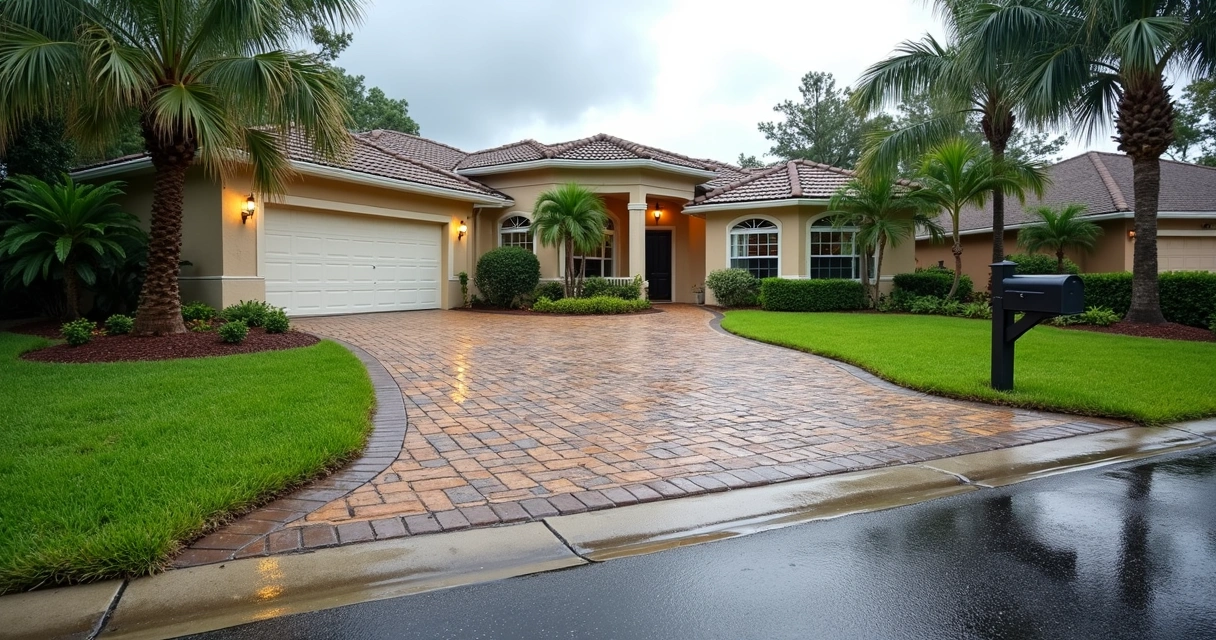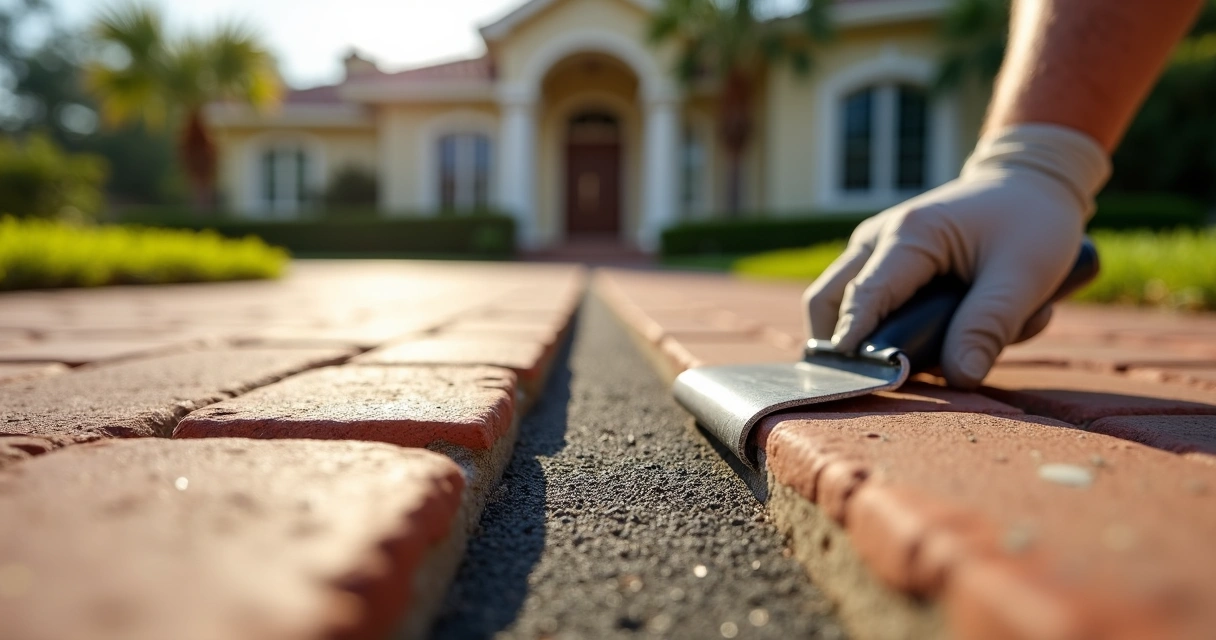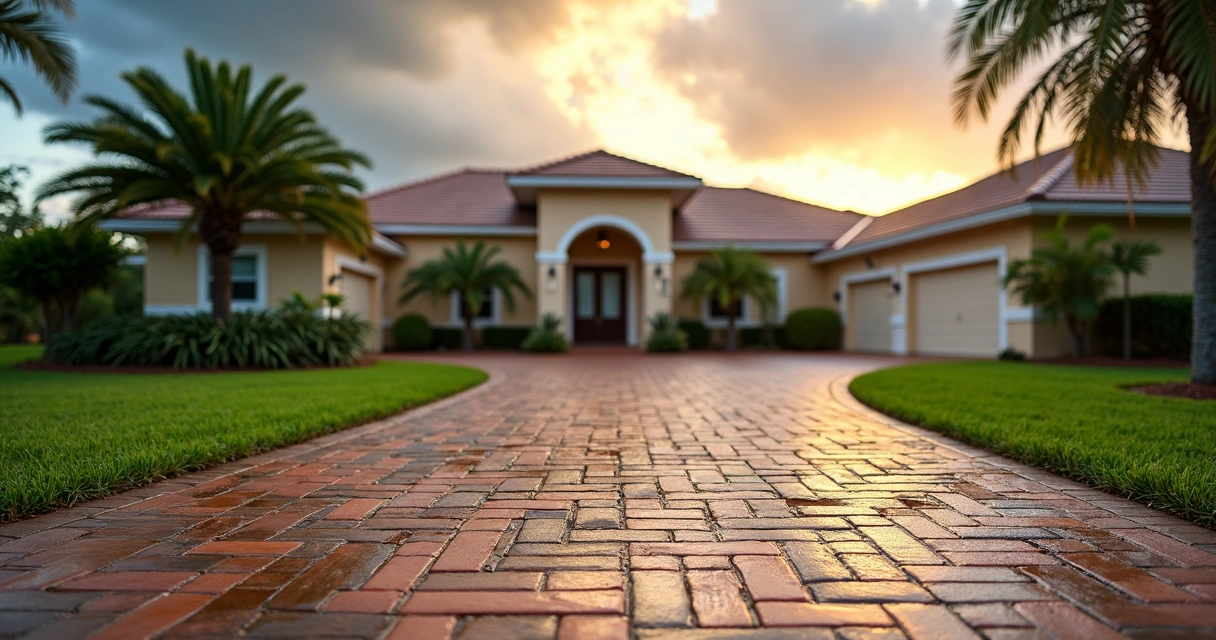
The sun bakes our walkways and the rain sweeps through. But there is nothing quite like the power of a hurricane to transform the landscape of Central Florida. Every season, we at GCM Best Services see firsthand how storms redefine priorities for property care—especially for paver surfaces.
Paver sealing isn't just about making patios or driveways look good. It is critical protection against water, UV, staining, and shifting. But when hurricanes hit, the game changes. The core idea: your normal paver sealing schedule will not protect your investment after extreme weather—it must adapt.
In this article, we will share why post-hurricane conditions demand a new approach, how storms undermine sealed surfaces, and why regular schedules may leave you at risk in the months that follow. We base our insights on real jobs across Orlando and Central Florida, research from federal agencies like the USDA's studies on paver surfaces, and decades of hands-on experience.
If you live or own property in a hurricane-prone region, this guide will help you better protect your investment, plan smart maintenance, and ensure long-lasting beauty and safety for your outdoor spaces.
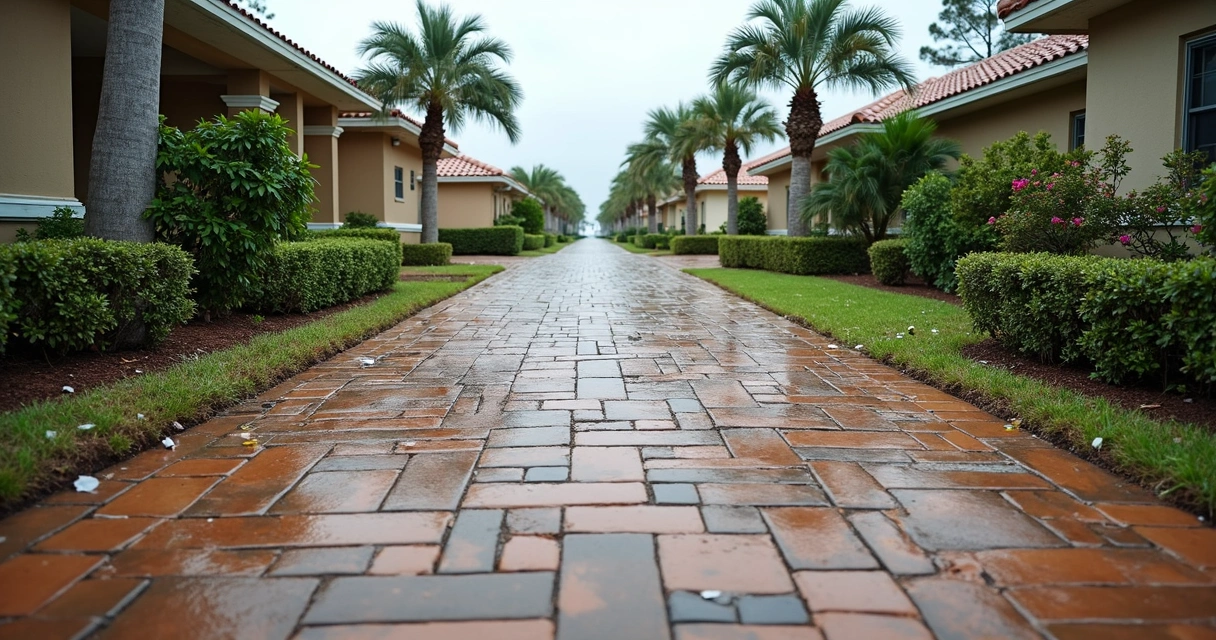
Why hurricanes disrupt the paver sealing cycle
Hurricanes don't just bring wind and rain—they bring a combination of forces that dramatically alter the conditions of your pavers.
High winds stripping away surface protection
Prolonged flooding or pooling water, which weakens seals and washes away joint sand
Debris scraping, scratching, or impacting pavers
Sudden pH and chemical changes in standing water
Consider this: even if your pavers looked perfect before the storm, hurricanes can undo months or years of careful maintenance in just hours.
We often describe hurricane effects as a “reset” for hardscapes. Schedules for sealing that work in normal years suddenly make less sense.
Based on research from the U.S. Geological Survey on Hurricane Ike, hurricane events can shift shoreline positions by over 100 meters and cause severe erosion in a single event. This same disruptive power can overwhelm the defenses of a sealed paver surface, especially where poor drainage or soft bases exist.
Physical forces on the paver surface
As hurricanes roll through Central Florida, windblown debris, sand, and gravel strike paver surfaces with unusual intensity. This can strip away the thin, protective layer of sealer and push joint sand out. Pooling water during storm surge or flood, documented by USGS coastal hazard reports, exacerbates the removal of joint sand and protective film, making pavers vulnerable to erosion and shifting.
Chemical stress: more than just rain
Stormwater is far from pure. Flooding after hurricanes can bring up oils, salts, plant tannins, and even sewage—all of which degrade the performance of most sealers. Immediate exposure to these chemicals means that even freshly sealed pavers can lose protection.
What actually happens to paver sealants during hurricanes?
The question is not whether pavers “make it through” a storm, but how their protection is altered—or destroyed—by soaking, abrasion, and chemical attack.
Sealer film breakage: Most sealers work by forming a cross-linked surface film. Hurricanes break this layer with mechanical force and wash-through, causing delamination and cloudy spots.
White marks and hazing: Standing water for hours or days, especially hot and humid water, traps under the sealer, leaving “blushes” or white spots that don’t scrub away.
Loss of color enhancement: Dullness or patchy color is a sure sign the sealer is no longer bonded to the paver properly.
Efflorescence return: Water migration forces minerals to the surface, causing white, powdery residue even on previously sealed areas.
Rapid growth of mold and algae: Flooding and humidity create the perfect environment for green slime in newly unprotected joints and pores.
Flood-induced surface sealing and blocked infiltration are also observed in USDA Agricultural Research Service studies, where repeated storms show how siltation and clogging can prevent natural infiltration and reduce a system’s effectiveness unless maintenance is adapted.
How hurricanes affect paver joint stability and drainage
Surface treatments like sealing are important, but so is what happens to the joints between pavers. In areas with heavy rain and runoff, sealing is our first defense, but the sand within joints is at risk too.
After hurricanes, these problems often arise:
Washed-out joint sand, leaving gaps for weeds and ants
Sagging pavers where water finds pathways under the base
Slippery or unstable surface from silt, algae, and organic debris
As described in USGS reports for the Mid-Atlantic Coast, overwash and flooding can weaken infrastructure, including paved areas, by removing stabilizing material and allowing infiltration well inland.
In our experience serving Orlando and Tampa, no paver installation is immune to the impact of standing water, compromised bases, and destabilized joints after a hurricane.
Correcting drainage issues post-hurricane is not just a repair—it is a necessity to prevent further failure. Besides, studies show that clogged and sealed surfaces can lose permeability, causing more surface erosion and pooling unless maintained differently. Our guide on effective drainage solutions for brick paver installations covers this in detail.
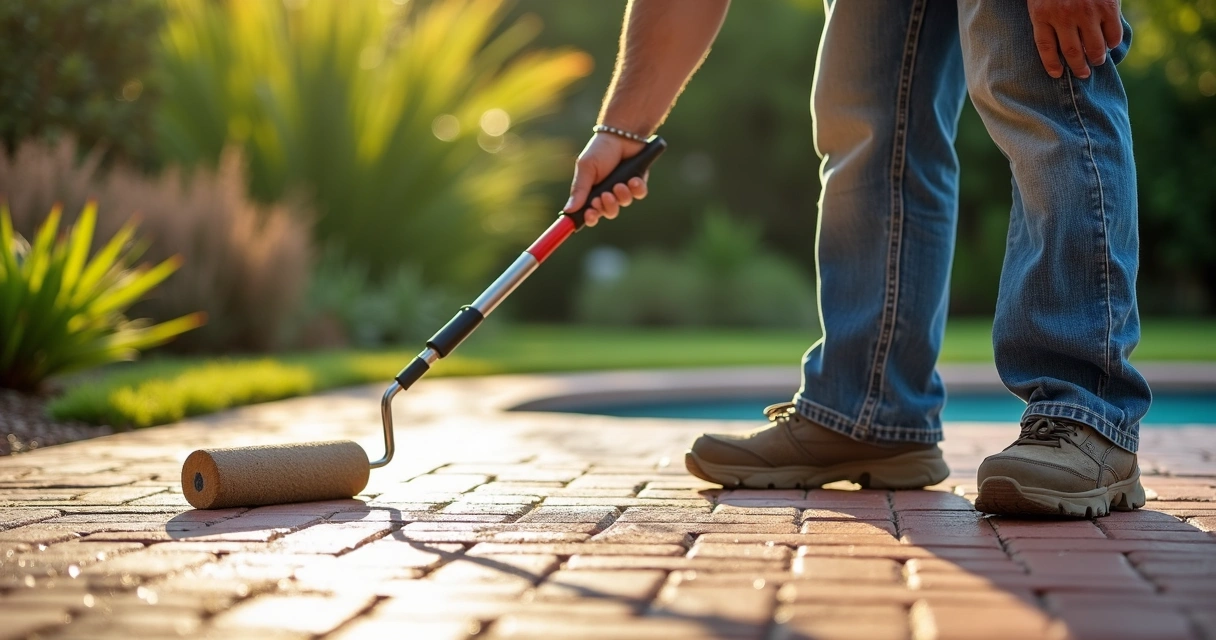
Why regular sealing schedules miss the mark post-hurricane
Many property owners stick with the standard advice: reseal every 2-3 years. But this is based on predictable wear and weather. Hurricanes reduce this interval—sometimes drastically.
The reason is simple: hurricanes don't just speed up normal wear. They create new types of damage and expose the surface to extreme cycles of wet, dry, and chemical attack in hours.
When we revisit properties after hurricane seasons, we often find:
Surface etching or minor lifting of pavers not present before
Deep discoloration and stain absorption only weeks after the storm
Minor surface failure turning into widespread joint loss
So what's the risk in sticking with the old schedule? Unprotected pavers let in more moisture, making cracks, stains, and biological growth thrive. Eventually, that means higher repair bills, more intensive cleaning, or even total replacement.
If you have already invested in paver installation, you know repairs are never as cost-effective as proper post-hurricane maintenance. Driveway and patio paving is most resilient when paired with an adaptable sealing plan.
How to assess pavers after a hurricane
We always recommend a targeted inspection before deciding your next sealing step. Hurricanes cause problems both obvious and hidden.
-
Walk all paved surfaces (patios, walks, driveways) and look for areas with cloudy spots, white marks, or dull color.
-
Check joints for loose or missing sand, and press lightly to see if pavers rock or sag.
-
Mark spots where water still pools or flows strangely after regular rain—studies on hurricane-induced coastal erosion show even modest grade changes can increase future risk.
-
Look for signs of algae or mold growth, which indicate lost sealer or unseen leaks.
-
Try a simple “water drop” test: sprinkle clean water on the pavers. If it darkens rapidly or soaks in instead of beading, the sealer is no longer working.
Early detection means less damage and lower cost to restore full protection—sometimes a spot reapplication is enough, but after strong storms, most installations need full resealing. Regular checks also help avoid the issues described in pervious paver studies where surface clogging prevents infiltration, leading to more damage over time.
Best practice: changing your sealing schedule after hurricanes
In our work at GCM Best Services, restoration after major storms often calls for deviation from typical 2-3 year timelines. Here’s what we advise:
Always inspect and consider resealing immediately after the storm, regardless of the previous schedule
Choose sealers that offer chemical, UV, and microbial resistance
Don’t forget to replace or reset joint sand before sealing
Address drainage issues before resealing (see our post on improving drainage for pavers for detailed steps)
Monitor your pavers throughout the hurricane season and after, not just on a fixed timeline
Protecting pavers after a hurricane is not just about timing. It is about being responsive and proactive.
Our sealing teams in Orlando are used to working around sudden weather shifts. We have developed clear communication and photo-based reporting, so our clients get both quick response and full documentation—key elements in our project process.
Why post-hurricane sealing is an investment, not just a repair
There is a reason savvy property owners now budget for post-storm maintenance. The costs of ignoring the problem—structural shifting, surface spalling, deep stains, and trip hazards from settled pavers—are always higher than proper upkeep.
Adapting your maintenance to regional risks extends the life of your installation and preserves your property's value.
Some benefits we see:
Less frequent, less expensive major repairs
Improved curb appeal and safety post-storm
More effective defense against future hurricanes and weather shifts
See our hardscaping blog for stories and case studies of how the right maintenance approach made a difference after severe weather.
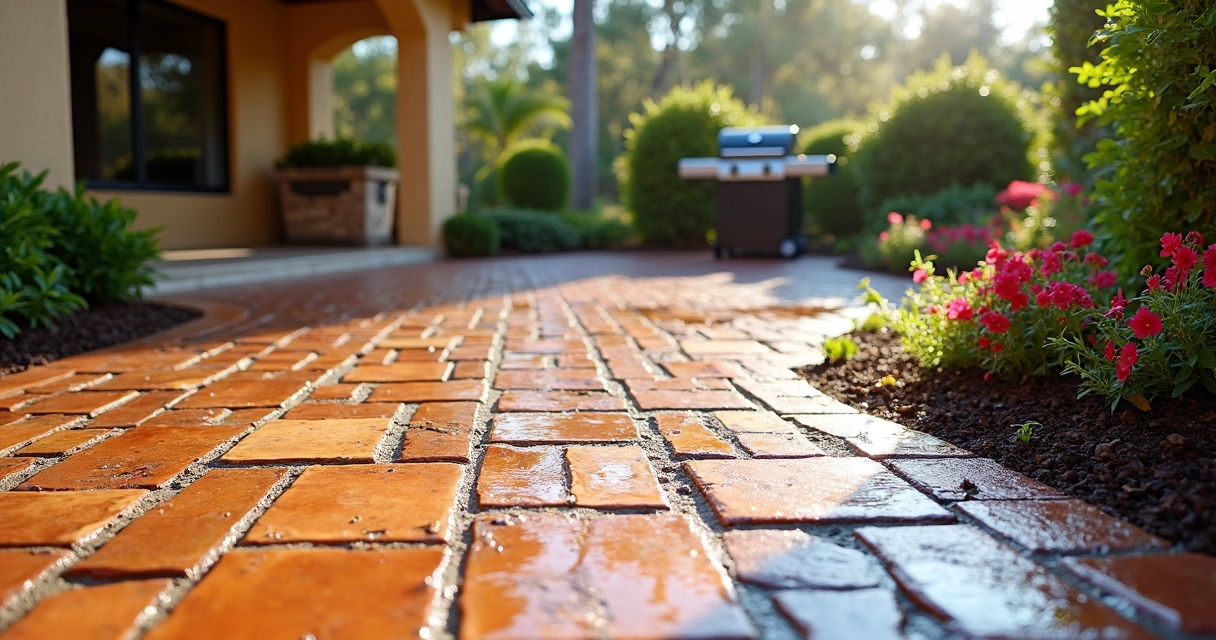
How GCM Best Services approaches post-hurricane paver care
GCM Best Services is a licensed, insured, and local company personally invested in Central Florida homes and businesses. When large storms come through, our team offers full site assessments, photo documentation, and repairs—from surface cleaning and joint re-sanding to advanced sealing with products suited for our challenging subtropical climate.
Our process always starts with a free on-site assessment tailored to post-storm risks. We recommend only what is truly needed: sometimes that is a simple spot reapplication, but in other cases it means a full restoration with fixes for grade, drainage, and joint stability as well. Each job is backed by written warranties and clear maintenance guidance for the next storm season.
If weeds or shifting pavers have become a problem post-hurricane, review our guide to weed prevention for more lasting solutions.
Case story: storm recovery in a Winter Park patio
Last season, after Hurricane Ian, one of our teams responded to a call in Winter Park. The homeowner had resealed two years before and felt confident in their paver patio—until several days of floodwater and constant debris left joints stripped of sand, white haze across the surface, and green mold in every corner.
Our post-storm inspection found that the sealer, once strong, had lost much of its performance. Restoration involved deep cleaning, installation of new polymeric sand, drainage repair at two low spots near a downspout, and a fresh application of a storm-resistant sealer. Before-and-after photos documented every step, and the client now checks their patio after every major event, not just on a calendar schedule.
After the storm passes, the smartest step is to make your maintenance schedule match your climate, not just the clock.
Conclusion: Why sealing schedules must fit your weather—not just your calendar
Hurricane seasons in Central Florida bring unique challenges to paver care. Sticking with a fixed sealing interval leaves pavers exposed when they need protection the most. Adaptation is the key: after every major storm, inspect and—if needed—re-seal as soon as possible. Skipping this step puts your investment and curb appeal at risk, leading to early repairs and headaches best avoided.
We at GCM Best Services have built our reputation on honesty, expertise, and clear results. If your pavers have suffered after a hurricane (or you want a pre-season checkup), our crews are ready with fast on-site assessments for Orlando, Tampa, and the surrounding area. Ready for help? Let us make your pavers a bright spot on your property again.
Ready for a professional quote? 📞 (407) 250-1948 • 24–48h • Orlando, Tampa & area.
Frequently asked questions
What is paver sealing?
Paver sealing is the process of applying a protective coating to brick or concrete pavers to create a barrier against water, stains, UV rays, algae, and everyday wear. In doing so, sealing helps prevent fading, reduces weed growth, and extends the life and look of your patio, driveway, or walkway. Various products exist, with some offering color enhancement and others focusing on a "natural" matte look. At GCM Best Services, we use sealers sized to Florida climate needs—fast drying, slip-resistant, and UV stable for longer life.
Why change sealing schedules after hurricanes?
Hurricanes deliver forces that regular weather conditions do not, rapidly breaking down protective sealers through wind, debris, flooding, and chemical pollution. Standard resealing intervals assume only routine wear, but hurricanes cause swift loss of joint sand, water infiltration, and surface scratching that require new or earlier intervention. By changing your schedule, you restore lost protection and prevent costly repairs from taking root in the months after a storm.
How often should I reseal after a hurricane?
In a typical year, many Orlando-area paver installations need resealing every 2-3 years. However, after a hurricane, you should always inspect and reseal if you see any loss of gloss, spotty appearance, or joint sand displacement. For some properties, this may mean resealing twice within the same year if two severe storms occur. It’s less about a number and more about the actual condition of the paver after extreme events.
Is resealing pavers after hurricanes worth it?
Absolutely; resealing after hurricanes protects your paver’s structure, color, safety, and long-term value. Without it, water intrusion, joint loss, mold growth, and shifting pavers can lead to expensive repairs and safety hazards. Post-storm protection is less about appearance and more about preventing deep and costly damage.
What are signs my pavers need resealing?
Common warning signs include dull or patchy color, a whitish "haze" on the surface, sand missing from joints, rapid water absorption when sprinkled, or an increase in weed/algae growth between pavers. If your paver surface no longer repels water or looks uneven in shine, it is likely time for an assessment and reseal. After hurricanes, check especially for joint movement, pooling water, and slippery surfaces—signals of lost protection or structural shifts.