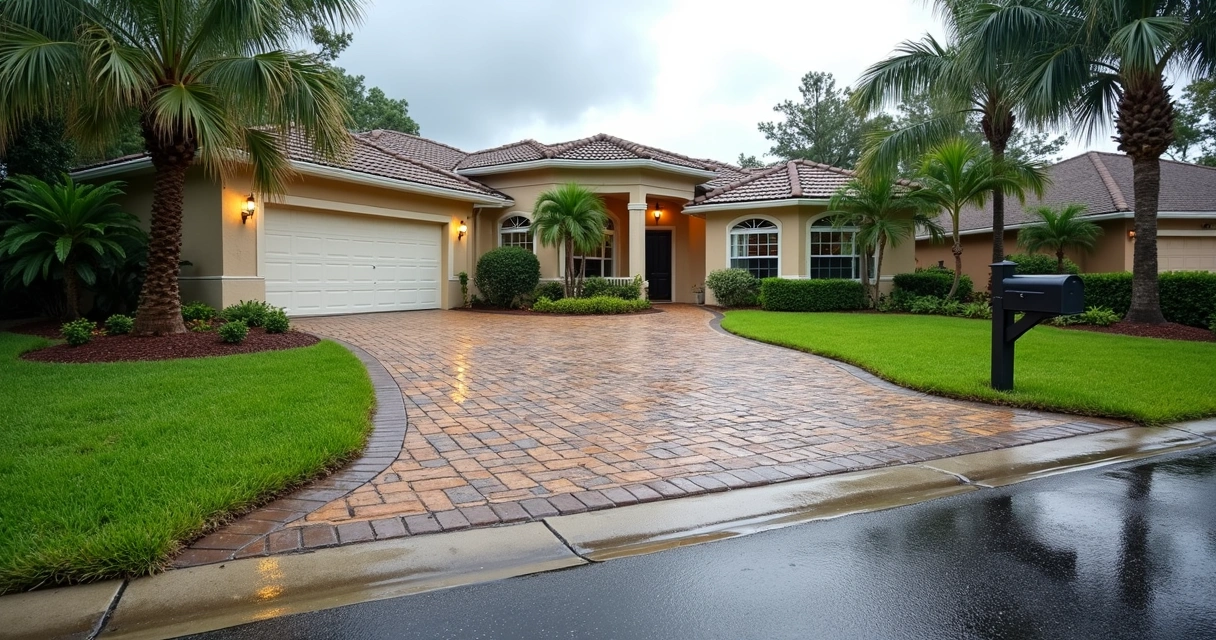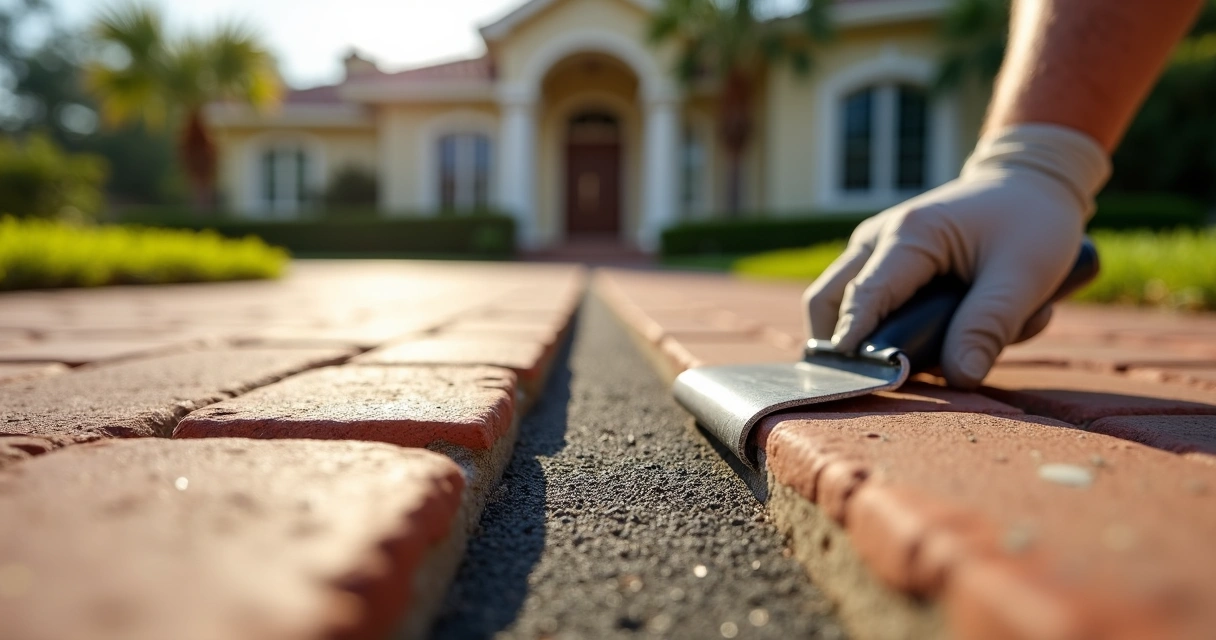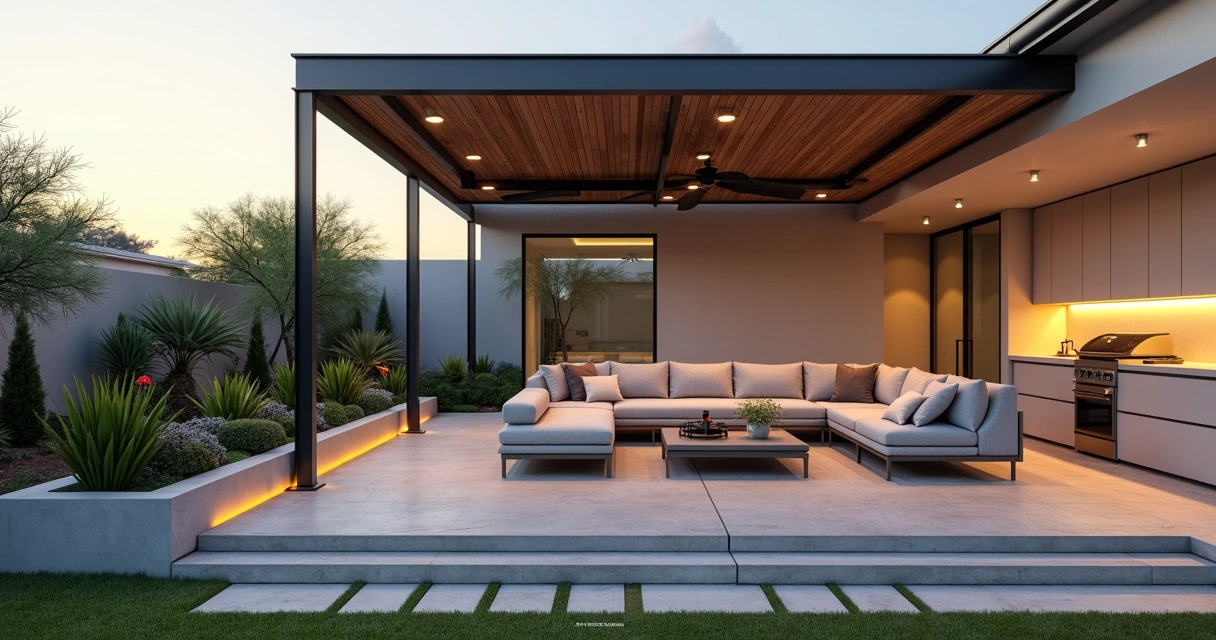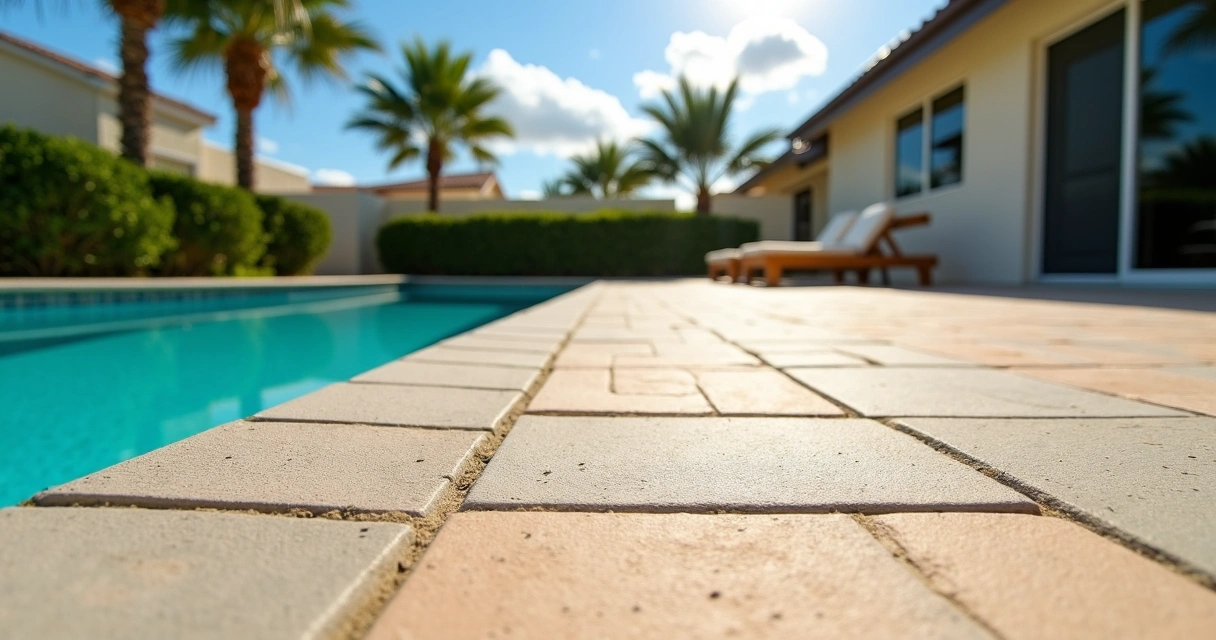
Living in Central Florida means basking in radiant sun most days of the year. The same bright rays that energize our patios, driveways, and outdoor living spaces can also put our exterior surfaces to the test—especially outdoor pavers. At GCM Best Services, we’ve seen firsthand how clients rely on their outdoor hardscapes to stay beautiful and functional through the relentless Florida sunlight. That’s why one of the most common questions we’re asked is: Which outdoor pavers actually resist sun fading best in Florida’s harsh climate?
In this article, we’re sharing everything we know, from the science of fading to material comparisons, finish techniques, installation practices, and ongoing care. Our goal is to help you choose pavers that will look stunning season after season, with minimal fading or color loss—even under the blazing sun.
The right paver won’t just survive the Florida sun; it will stay beautiful for years.
Why does sun fading happen in Florida?
Sun fading, or ultraviolet (UV) degradation, is a challenge for any surface exposed to direct sunlight. Here in Central Florida, the risk is heightened due to our location and climate.
What does UV radiation do?
UV rays from sunlight break down the chemical bonds in materials and pigments, causing them to fade over time. For outdoor pavers, this means color loss, chalkiness, and even surface weakening. The higher the sun’s intensity, the faster fading can occur.
Additional Florida factors
- High humidity: Traps heat and moisture, which, when combined with sunlight, can attack paver materials and sealers.
- Frequent rainstorms: Wash away protective layers or cause water spots and streaks that visually change paver color.
- Heat cycles: Expansion and contraction from daily temperature swings can damage surface coatings, exposing raw paver to UV rays.
Florida’s unique mix of sun, rain, and humidity requires pavers built for endurance and color stability.
Understanding what makes pavers fade-resistant
We’ve observed that not all pavers handle sunlight the same way. The difference comes from several factors—primarily the material, pigments, manufacturing process, color, finish, and surface treatments.
Paver materials at a glance
- Cement/concrete pavers
- Clay brick pavers
- Natural stone pavers
- Porcelain tile pavers
Each material interacts with sunlight a little differently. Let’s look at what gives each its strengths and weaknesses for our sun-drenched region.
How do different paver types resist fading?
Concrete pavers
Concrete pavers are the most widely used in Florida due to their affordability and design versatility—at GCM Best Services, we install a lot of them! They’re made from sand, cement, aggregates, and pigment. Here’s what influences their fade resistance:
- Pigment type: Pavers colored with iron oxide pigments resist fading much more than those with less stable colorants.
- Pigment mixing method: “Through-body” (integral) color mixes pigment throughout the paver, not just on the surface, helping maintain color even as the surface wears.
- Surface coatings/sealers: UV-resistant sealers can protect color from fading and add water repellency.
With the right materials and installation—including modern sealers—concrete pavers can be made to last. There are tricks, though, that we’ll touch on later.
Clay brick pavers
Clay brick pavers are naturally UV-resistant due to the firing process, which locks color deep into the clay matrix. The color in clay brick comes from natural minerals, not paint or coatings. Over time, clay pavers can actually develop an attractive patina, rather than fade to gray.
- Colors are part of the paver, not just on the surface.
- They remain vibrant for decades, especially in reds, browns, and earth tones.
- Modern bricks can also be sealed for extra protection, though this isn’t always needed.
For time-tested fade resistance, clay brick pavers are hard to beat in Florida’s sun.
Natural stone pavers
Stone pavers—travertine, limestone, granite, sandstone—are prized for their unique colors and textures. Fade resistance depends on the stone type:
- Denser stones like granite and some limestones usually resist fading very well.
- Softer or more porous stones (like some types of sandstone or light-colored marbles) may be more susceptible to slight color changes, especially if not sealed.
- UV-protective stone sealers can often enhance color longevity, reduce chalkiness, and block stains from Florida rain or pool chemicals.
Porcelain pavers
Porcelain pavers are the “new kid on the block” in Florida landscapes, but their performance is excellent.
Because porcelain tiles are fired at extremely high temperatures and colored with stable glazes, their color is highly resistant to sun damage. The color does not fade, even under intense sunlight, and porcelain surfaces are also highly stain- and scratch-resistant. For pool decks and patios that need crisp, modern color, this is a top choice—just make sure installation follows the guidelines for drainage and anti-slip properties.
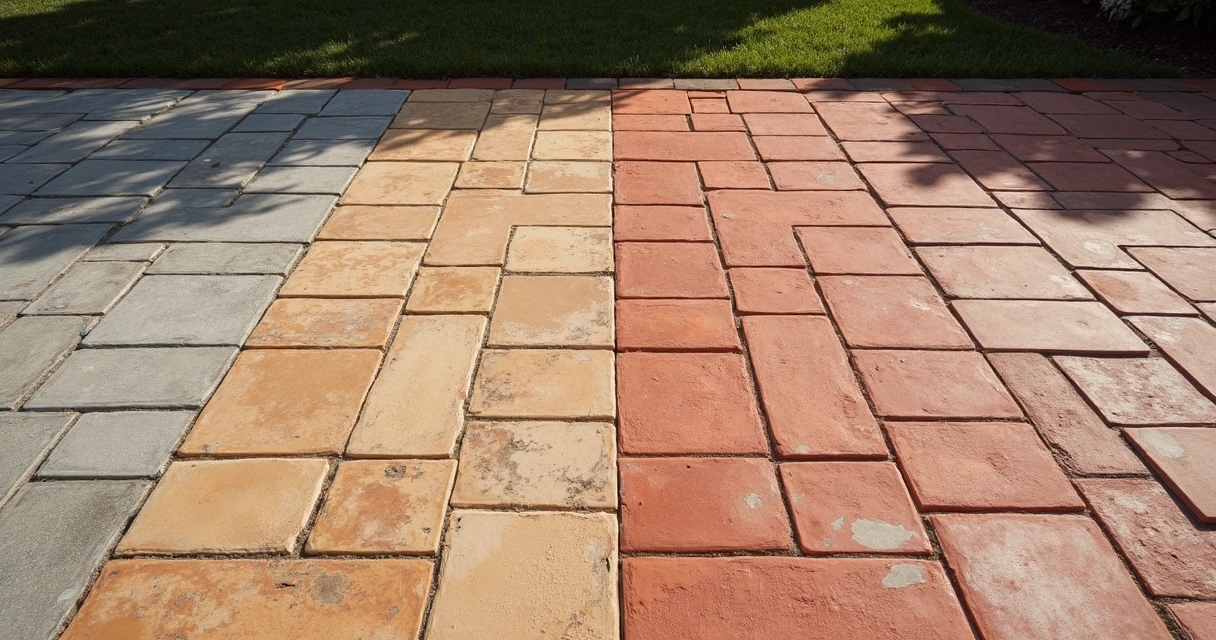
Comparing color: Which shades last longer under the sun?
It isn’t just the paver material that matters. Color makes a difference as well. In our work, we’ve seen the following:
- Medium to dark, earth-toned shades (rust, tan, brown, charcoal) mask any fading better—any slight changes blend into the natural texture and color of the paver.
- Vivid reds and oranges in clay bricks tend to stay brighter than similar colors in concrete pavers.
- Soft pastels, very light grays, and pure whites can become dull or discolored faster, especially if exposed to intense sun or lasting moisture.
If you love the look of lighter colors, we always recommend factory-applied UV sealers and regular cleaning, since any dirt, mold, or algae will be more visible as the surface loses its original shade.
Sealers and coatings: Do they really prevent paver fading?
One of the top ways to increase UV resistance—especially for concrete and some types of stone pavers—is to use a high-quality sealer. Not all sealers are equal, and some can even make fading worse by forming a cloudy film if not properly applied.
What kind of sealer works best?
- Penetrating sealers soak into the surface and provide long-term UV protection without changing the look of pavers. Good for natural stone or clay brick.
- Film-forming “wet look” sealers can enhance color and shine but may require more frequent reapplication in Florida’s climate.
- Choose sealers labeled "UV resistant" or “non-yellowing.”
- Avoid solvent-based sealers that can trap moisture in humid weather, causing haze or peeling.
Regular resealing—every 2 to 4 years, depending on sun and foot traffic—is a must for maximum fade resistance.
Installation matters: What makes pavers last longer in Florida?
Even the best paver on the market can underperform if not installed correctly. At GCM Best Services, we follow best practices to help our projects look their best for as long as possible.
Best installation tips for fade resistance:
- Compact a strong, permeable base to reduce water pooling, which can amplify sunlight and lead to faster fading.
- Place proper edge restraints to prevent shifting or settlement that exposes more of the paver to direct UV rays.
- Design with the sun’s path in mind—use shade sails, pergolas, or landscaping to limit full-day exposure on lighter paver areas.
- Apply initial sealer after installation and curing, then maintain according to product recommendations and weather conditions.
Good drainage is especially helpful for color preservation. If you are interested in drainage design for brick or stone paver installations, see our advice on effective drainage solutions for brick paver installations in Florida’s climate.
Caring for pavers under the Florida sun
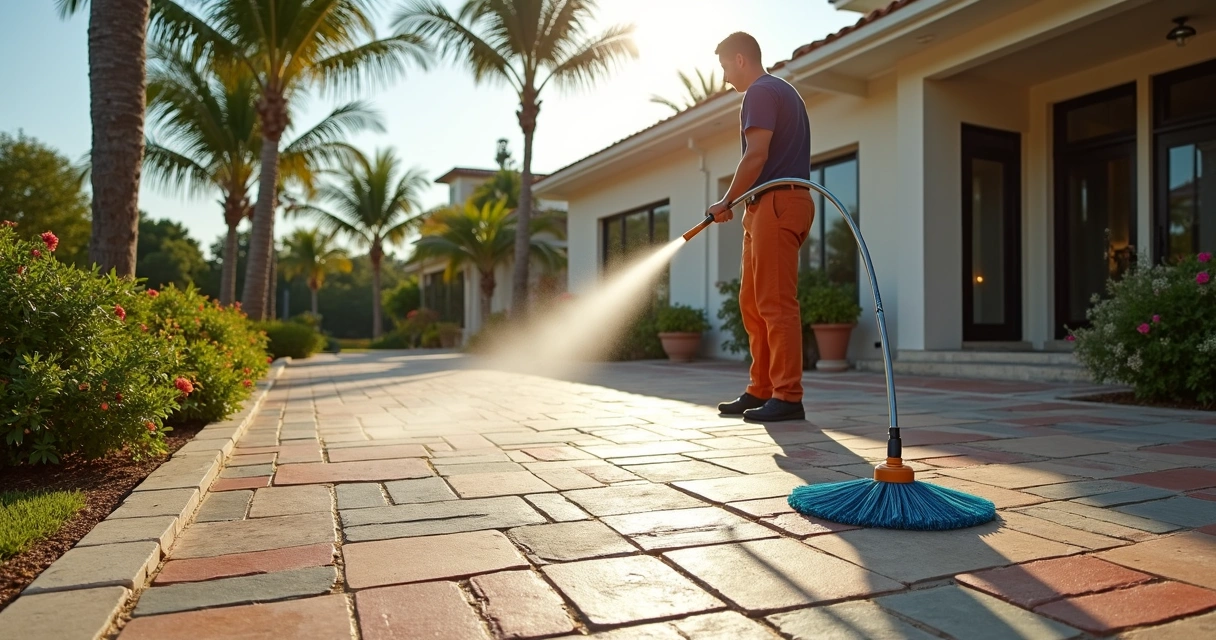
Ongoing care is the final step in keeping your pavers looking like new. Here are tips we provide to all our clients for lasting color:
- Sweep and rinse often to remove dirt and fallen leaves, which can stain lighter pavers if left in the sun.
- If weeds grow between pavers, don’t use harsh chemicals that may bleach or discolor. See our tips for preventing weeds between pavers.
- Inspect for cracks or chips, which can allow water to get underneath and cause fading or efflorescence—this can be prevented with proper crack prevention for concrete surfaces.
- Reseal as soon as water stops beading on the surface or every few years, depending on usage and sun exposure.
Our experience: What pavers do we recommend?
After years of installing, maintaining, and troubleshooting hardscapes across Central Florida, we believe the best options for fade resistance are:
- Clay brick pavers for classic durability and enduring color, especially in traditional or Mediterranean-style projects.
- Porcelain pavers for pool decks, contemporary patios, and anywhere you need maximum UV and stain resistance with a sleek look.
- Concrete pavers with iron oxide pigments, integral color, and a UV-resistant sealer for most driveways and walkways.
- Dense natural stone (like granite, travertine, or limestone) with a quality sealer for premium outdoor spaces—these stones offer long-term color stability and a rich, natural texture.
The final choice often comes down to your design goals, how much sun each area receives, budget, and the maintenance level you prefer. To see a range of hardscape solutions, visit our page on hardscape design by GCM Best Services.
Extra options: Enhancing color with patterns and finishes
Sometimes, it isn’t just about choosing one material or color, but how you use them together. Here are some creative tips we’ve used for long-lasting color:
- Mix colors and textures: Laying pavers in multi-color blends camouflages minor fading and keeps patios looking vibrant.
- Opt for exposed aggregate finishes, which naturally hide surface wear and fade, while providing extra slip resistance—a big plus for pool areas.
- Use border patterns: A darker border hides edge wear and frames the entire area. This is especially effective on driveways and walkways.
Installer expertise: Why experience matters
The best fade-resistant pavers still require skilled installation and maintenance. That’s where we come in. At GCM Best Services, we guarantee:
- Careful site preparation to minimize future issues like pooling, shifting, or cracking—key to color retention.
- Correct permit, HOA, and code compliance for every hardscape project, whether you’re choosing pavers for a driveway, patio, or custom outdoor space.
- Photos of every phase and a written warranty so you know exactly what you’re getting and how to protect your investment.
- Practical advice on choosing, sealing, and caring for your pavers, drawn from real local experience in Orlando and the wider Central Florida area.
For more ideas and step-by-step advice, our driveway and patio paving guide covers paver selection for Florida’s outdoors in detail: see our advice on driveway and patio paver choices.
Summary: Picking the best pavers for sun fade resistance in Florida
In our experience at GCM Best Services, the battle against Florida’s bright sun and harsh weather starts with thoughtful choices. The best fade-resistant pavers combine:
- Durable, UV-stable materials like clay, porcelain, or dense stone
- High-quality, integral pigments (especially iron oxide) in concrete pavers
- Appropriate UV-protective sealers, regularly reapplied
- Professional installation with strong drainage and thoughtful layout
- Ongoing cleaning, weed control, and timely resealing
If you’re ready to design or upgrade a patio, pool deck, walkway, or driveway, we’d love to recommend the best options for your space and sun exposure. Our team provides free, no-obligation quotes and practical advice for every step of your outdoor project.
Beautiful, long-lasting color is possible—even under the Florida sun.
Ready for a professional quote? 📞 (407) 250-1948 • 24–48h • Orlando, Tampa & area.
Frequently asked questions
What are the best pavers for sun resistance?
The best sun-resistant pavers for Florida are clay brick, porcelain tile, and concrete pavers made with integral iron oxide pigments and UV-protective sealers. These materials handle intense sunlight well, with clay and porcelain standing out for long-term color retention. Dense natural stones like granite or travertine, properly sealed, are also excellent for sun-drenched spaces.
How to prevent paver fading in Florida?
Prevent paver fading by choosing UV-resistant materials, applying a high-quality penetrating or surface sealer, and maintaining the surface through regular cleaning and resealing every two to four years. Good drainage design, avoiding harsh chemicals, and removing debris quickly also help prevent sun-activated discoloration.
Is concrete or stone better for sunlight?
Dense natural stone pavers such as granite or travertine usually outperform concrete in resisting sun fading, but modern concrete pavers with through-body iron oxide pigments and UV-stable sealers can also deliver excellent results. For design flexibility and cost, concrete is a practical choice; for lasting beauty with minimal care, consider sealed stone or clay brick.
Where to buy fade resistant pavers?
For trusted fade-resistant pavers and expert installation in Central Florida, contact local service specialists like GCM Best Services for a customized recommendation and quote. We help source the best pavers suited to your style, sun exposure, and maintenance needs, providing peace of mind with clear communication and warranties.
How much do sun resistant pavers cost?
Costs for sun-resistant pavers vary by material and design—concrete options typically start lower, with clay brick, natural stone, and porcelain pavers commanding higher prices based on quality and manufacturer. Expect ranges from $6 to $20 per square foot installed, with additional investment for premium colors, sealing, or specialty finishes. We provide tailored estimates for every project, so you know exactly what to expect.