Primary keyword: turf and paver combinationVariants: turf between pavers, artificial grass and pavers, pavers with synthetic turfAudience: Property owners in Central Florida seeking low-maintenance, attractive, and functional outdoor surfacesPain/Benefit: Balancing style and resilience in high-traffic areas while addressing heat, drainage, and upkeep concerns
Many of us dream about vibrant, inviting outdoor spaces that look good year-round, stand up to frequent use, and require minimal upkeep. In Central Florida, where weather and foot traffic can quickly turn lawns and hardscapes into patchy, muddy, or uneven ground, finding the perfect solution isn’t easy. The question pops up often: Is it wise to mix turf with pavers in high-traffic areas? Our experience at GCM Best Services tells us there’s no one-size-fits-all answer—but we’ve seen this combination transform driveways, patios, walkways, and play zones with the right planning and installation.
This article uncovers the real-world strengths and weaknesses of blending artificial turf with pavers, especially where heavy foot or vehicle movement happens. We'll cover installation, maintenance, drainage, durability, aesthetics, and even some hidden trade-offs—including the environmental dimension that matters to so many Floridians today.
For an outdoor space that stands out—and stands up to use—a turf and paver combo can be a smart solution if done right.
Why mix artificial turf and pavers in outdoor projects?
The idea of interspersing turf with hardscaping isn’t new, but it’s gaining momentum as more homeowners and businesses want landscapes that tick both the curb-appeal and low-maintenance boxes. In our projects around Orlando and Central Florida, we've seen requests for this combination skyrocket. What’s driving it?
- Year-round green: Synthetic turf remains lush whether it’s rainy season, scorching summer, or brief winter chills.
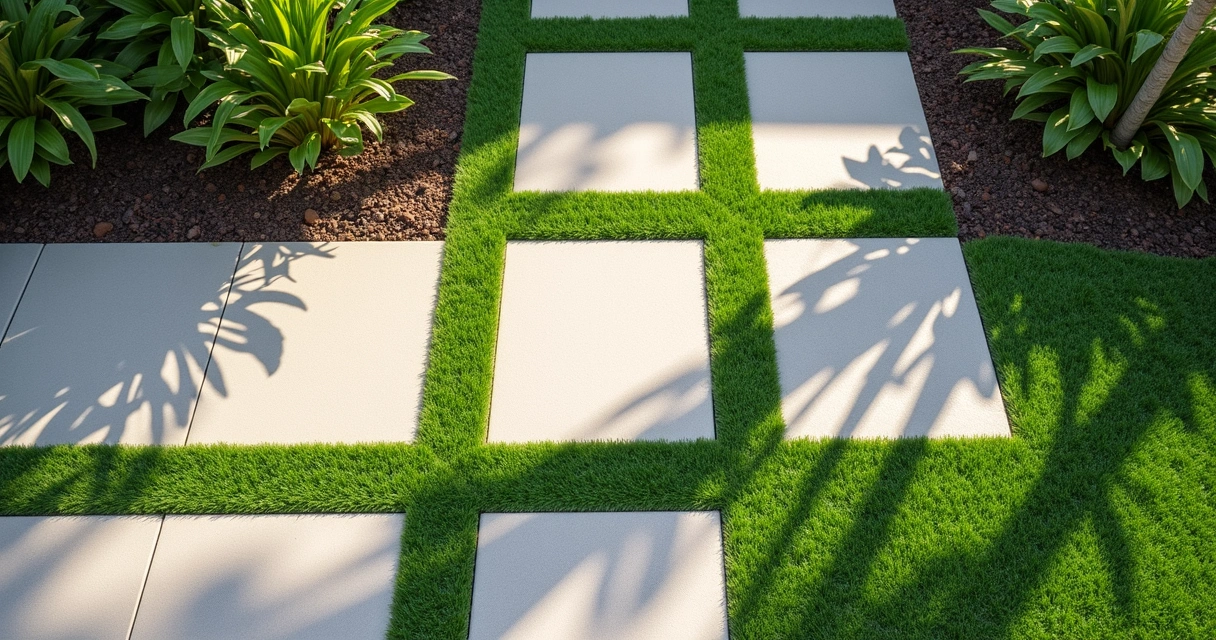
- Textural interest: Soft turf softens and frames the sharp, practical lines of pavers, producing dynamic patterns—checkerboards, meandering paths, or striking geometric layouts.
- Practical durability: The right combo creates walkways, driveways, and patios that shrug off worn paths, muddy puddles, and bald spots.
- Cleaner transitions: Turf breaks up expanses of stone or concrete, reducing glare and surface heat, while pavers make mowing and edging obsolete.
Most importantly, this mix can deliver real practical value—when installed and maintained correctly. That’s a key theme you’ll see throughout this article.
Installation basics: Getting the foundation right
Any surface exposed to heavy use—kids or pets running, cars parking, busy walkways—must be built on solid ground. That’s why at GCM Best Services, our process always starts with the right base. A misstep here creates headaches later: settling, shifting, drainage woes, weeds, or uneven gaps.
Here’s what goes into mixing turf with pavers in (and around) high-traffic areas:
- Excavation and grading: We dig out enough soil to accommodate the sub-base, paver height, and turf padding, usually more for driveways than for patios or paths.
- Compacted sub-base: Think 6–8 inches of crushed stone or similar aggregate, compacted tight for long-term stability.
- Proper drainage: Slight slopes and correctly placed drains make sure water doesn’t pool on or under turf and pavers.
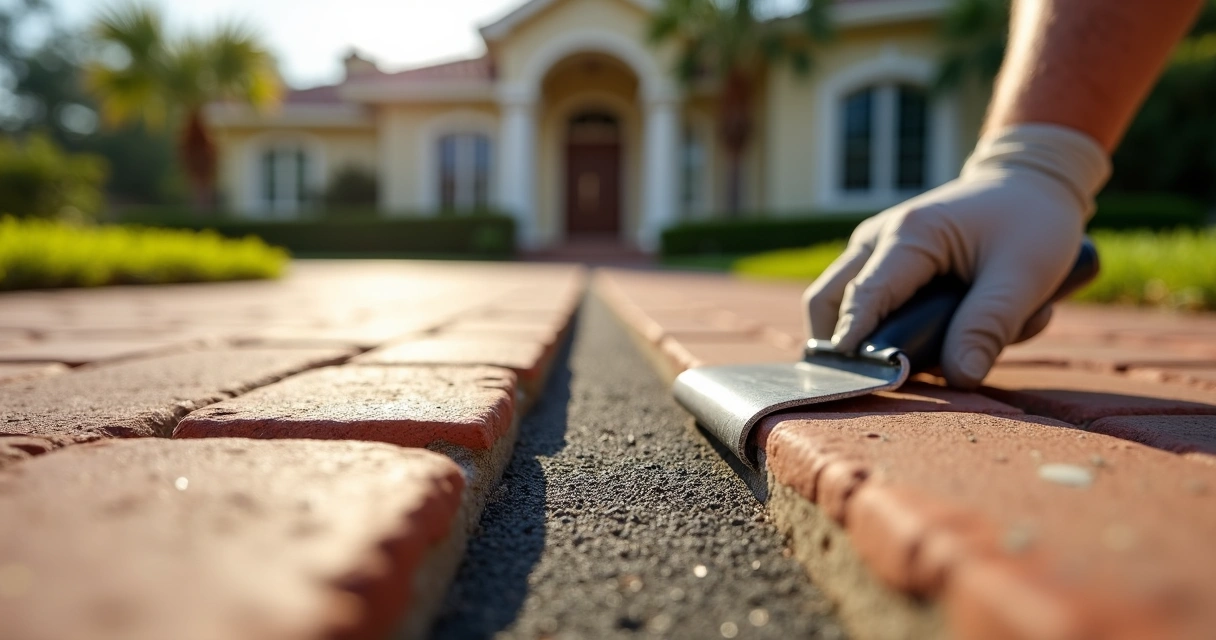
- Paver installation: Set on sand or stone dust, spaced so artificial turf can slot in or tuck between without movement or tripping hazards.
- Turf placement: Quality turf is cut to fit and secured, with seams bonded and edges tucked for safety.
- Infill and brushing: The right infill (silica sand, rubber, or eco-friendly blends) keeps fibers upright and cushions wear points.
The smallest detail—the edge restraint, the permeability of the sub-base, the seam material—matters for longevity and looks. For more on installation and common pitfalls, see our in-depth artificial turf guide.
Pros of mixing turf and pavers in high-traffic spaces
The unmatched durability factor
Paver and turf combinations are celebrated for their durability in high-traffic areas. Properly installed, they resist rutting, mud, and the rapid wear that destroys real grass or unreinforced turf. Pavers serve as the solid anchor, taking the brunt of vehicle tires, frequent footsteps, and even rolling carts or bikes. Turf in the gaps prevents erosion between stones and cushions impact.
- Reduces erosion and rutting: No unsightly bare spots where feet cut across, and no muddy mess after rainfall.
- Long service life: Pavers last for decades, and with occasional brushing and infill, premium artificial turf also holds up beautifully to frequent use.
- No seedlings or weeds (when installed right): Professionally installed synthetic turf, edged tightly against the pavers and paired with weed barriers, prevents encroachment from most weeds or grass species. For tips on weed management, see guidance on weed prevention between pavers.
Low maintenance meets great looks
Busy families, pet owners, or commercial sites need surfaces they don’t have to babysit. Synthetic turf, unlike real grass, needs no mowing, watering, or fertilizing. Pavers require minimal pressure washing or sand top-offs. The result? Clean lines, visual interest, and green that never fades—just an occasional rinse or sweep.
- Stands up to storms (great for Orlando’s weather): Heavy rain doesn’t wash out the base or create muddy pools.
- Stays green, even with pets: No brown patches or digging disaster zones.
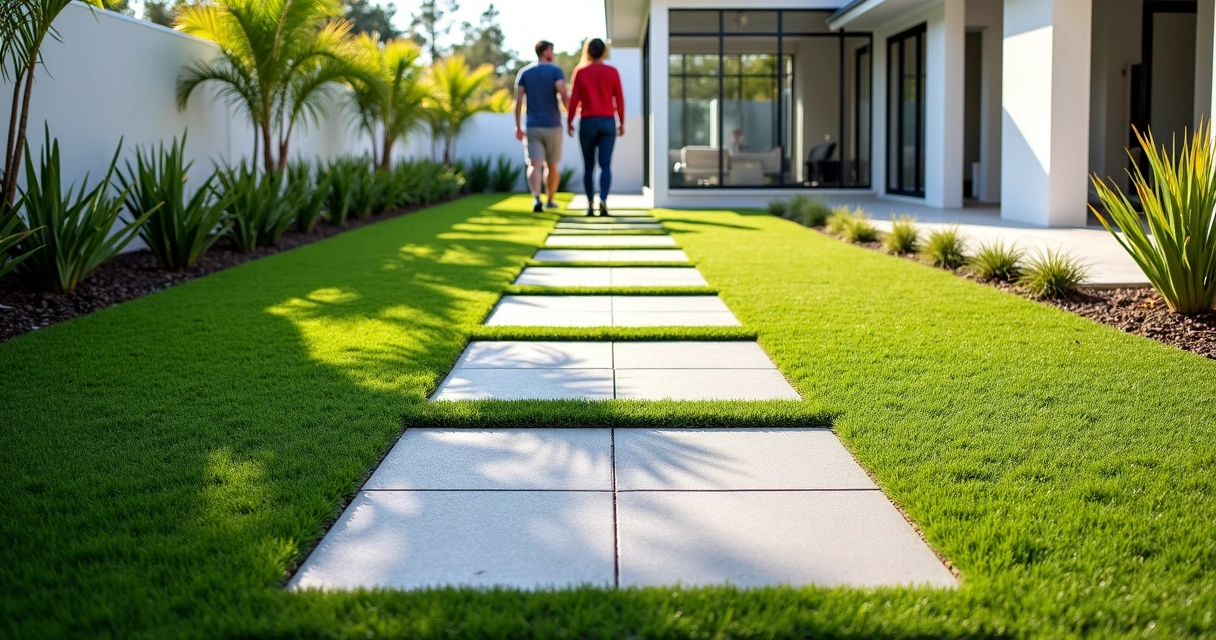
- Elegant design possibilities: Checkerboard patios, stripe-accented driveways, meandering stepping paths, and soft areas for play.
We’ve noticed how much clients appreciate the way artificial turf visually cools down hot, glare-prone patios, especially when paired with lighter paver shades.
Improved accessibility and safety
For homes with kids, elders, or anyone with mobility concerns, the flat, even surface you get from combining pavers and turf is a game changer. No uneven stones or muddy dips to trip over—each step feels predictable. Plus, slip-resistant turf infill and textured pavers perform well in wet conditions.
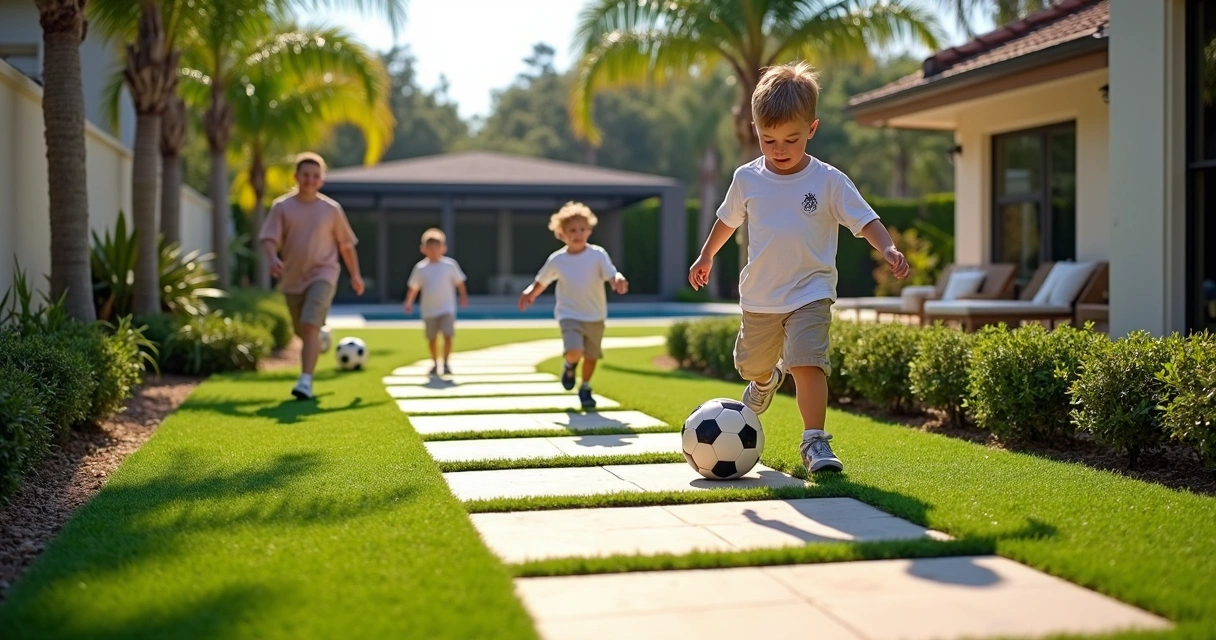
The bonus? Turf absorbs impact better than bare ground, which makes it a favorite around pools, playsets, and other recreational spaces.
Supports drainage and reduces pooling
Flooding and standing water are ongoing concerns around here—especially after summer downpours. Properly designed paver-and-turf mixes allow water to soak into the ground or channel into storm drains. Turf can be laid on permeable bases, and gaps around pavers let water escape rather than collect.
However, drainage isn’t automatic; it comes down to smart grading and sub-base work. For more on this, our hardscape installations page outlines drainage strategies for patios, driveways, and walkways.
Cons and trade-offs of turf and paver combinations
Heat build-up and surface temperature
One surface downside, especially in Central Florida’s sun, is heat. Artificial turf can get much hotter than natural grass on summer days, sometimes exceeding 120 °F (49 °C) based on studies like those compiled by the University of Florida IFAS infographic. Pavers, especially dark ones, also heat up, but turf can be less comfortable for bare feet during the peak of summer.
- Mitigation: Choosing lighter-colored pavers, shading areas with pergolas or umbrellas, and selecting turf designed with cooler yarn technology can all help manage temperatures.
Stormwater runoff and drainage risks
While this installation can aid drainage, improper design or base buildup sometimes works against it:
- Packed sub-bases and poor grading may make stormwater runoff worse, rather than better.
- Artificial turf is typically less permeable than a mulched garden or real grass, meaning less water returns to the local aquifer.
This is why our team tails every project with careful sloping, drainage integration, and sometimes dry wells or French drains, especially around driveways and pool decks.
Environmental considerations
We’re often asked about the environmental effects of synthetic turf. According to the University of Florida IFAS infographic, modern turf reduces the need for watering, mowing, and chemical use—which is a win. On the downside, it can create heat islands, offer less habitat for wildlife, and sometimes contains chemical compounds of concern.
For instance, some products (not all) include PFAS, as highlighted by the U.S. Environmental Protection Agency, and may require special disposal consideration at the end of their life. Always look for turf products with clear material safety and environmental data, or ask your contractor—like us at GCM Best Services—for transparency during the selection process.
Upfront costs can be higher
Installing turf with pavers is usually more expensive initially than using either turf or pavers alone. This is due to the detailed base work, the need to cut and fit materials precisely, and the high quality of products required to stand up to wear and tear.
However, the savings kick in over time:
- Far less spending on water, fertilizers, or mowing for years to come.
- Reduced repairs compared to sodded lawns or poured concrete that can crack and settle.
When planning budgets, we always offer line-by-line estimates, so clients see the value progression from installation to maintenance. For a more tailored number for your setting, our paving and patio overview has sample costs and process breakdowns.
Design and application ideas: Where mixes make sense
We’ve seen turf and paver projects shine in several specific contexts around Central Florida:
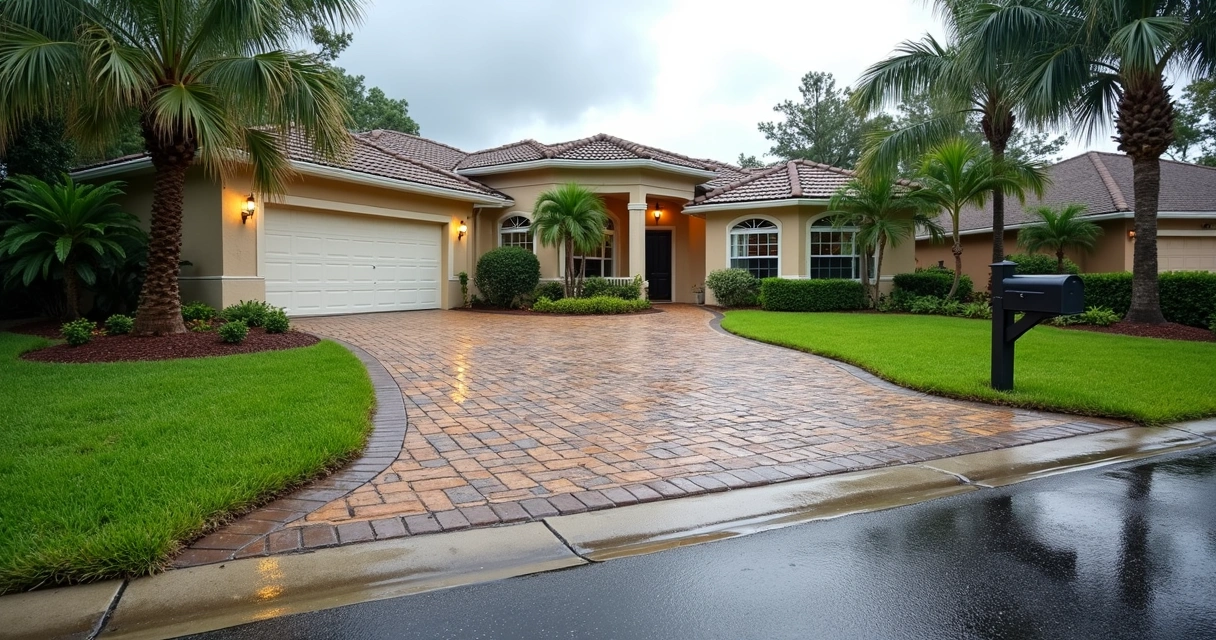
- Driveways and parking strips: Pavers handle tires and foot traffic, turf accent strips break up vast stretches of hardscape. This reduces glare and heat, and helps with stormwater drains—especially if using permeable pavers.
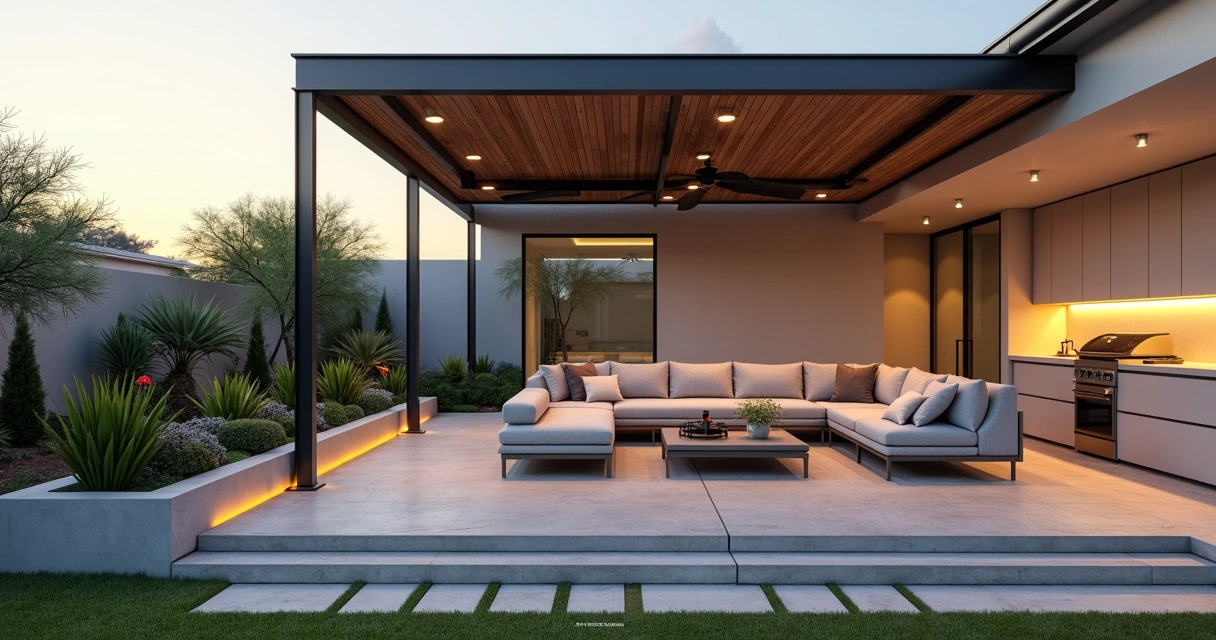
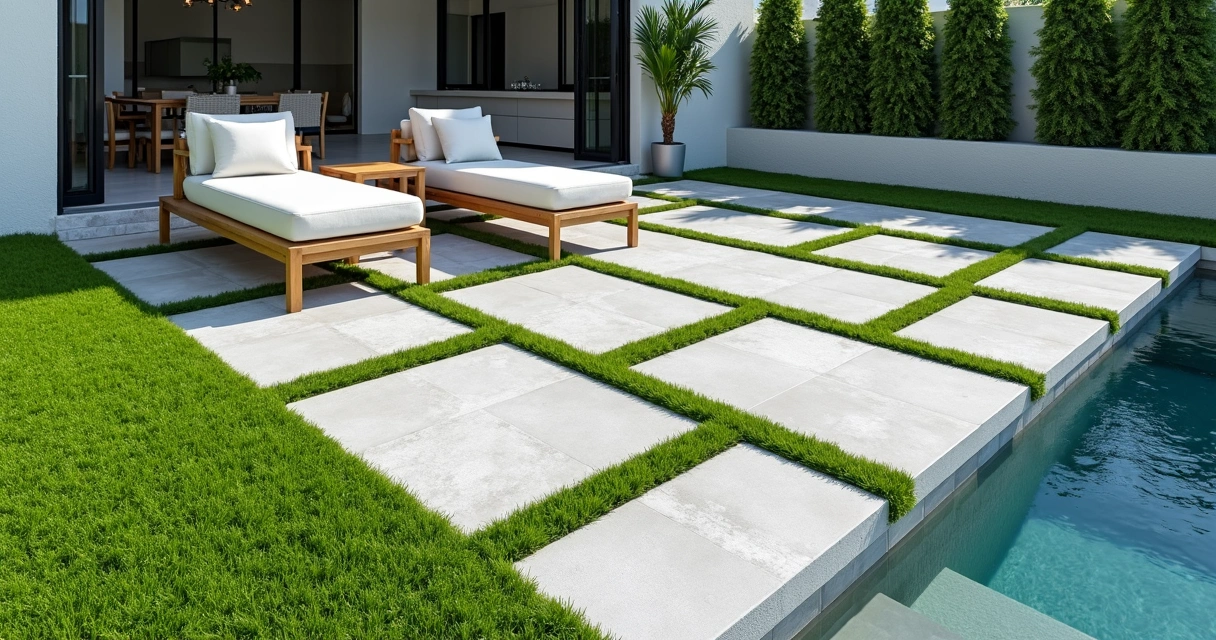
- Backyard patios: Checkerboard turf-paver combos provide eye-catching patio floors for family entertaining, grilling, or just lounging under the sky.
- Walkways and side yards: Meandering paths with alternating turf and stone cut down dust, mud, and constant reseeding in these tough-use areas.
- Play areas and pet runs: Kids and pets need surfaces that cushion joints and avoid hot spots; turf with pavers built for traction is ideal.
- Pool surrounds: Turf softens pool deck hardscape, stays green with splashes of chlorine, and can be installed to meet wind-load and local code for screened pool enclosures.
To see more real-life examples and design ideas, browse our collection of hardscaping project stories.
Installation and maintenance tips for best results
If you’re considering a turf and paver surface for a busy driveway, entertaining patio, or backyard path, here’s how we approach quality for Central Florida’s climate:
- Stabilized, permeable sub-base: This protects against the sudden downpours and sandy soils common here.
- Right turf type: UV-stabilized fibers resist fading, and heavy face weight stands up to foot traffic or vehicles.
- Bonded seams: Industrial adhesives or sewn seams prevent shifting and weed growth between pavers and turf.
- Edge restraints and joint sand: These stop pavers from drifting and help exclude weeds or insects.
- Drainage outlets or french drains: Always plan where the water goes!
- Regular brushing and infill checks: Keeping fibers upright and gaps clean makes surfaces look new and reduces slip risk.
A little regular care can extend the life of mixed surfaces by several years, versus a “set it and forget it” approach.
The bigger picture: Is turf with pavers right for you?
After hundreds of installations, our view is clear: Mixing turf with pavers in high-traffic areas is a strong contender for many Central Florida properties—but only with the right materials, base prep, and layout for your specific needs. It isn’t maintenance-free, and there are some trade-offs in heat and up-front expense. Still, the blend of lasting beauty, resilience, and reduced week-to-week chores is hard to match.
Before deciding on any outdoor makeover, consider your home’s needs, style, local code, and environmental priorities. We’re happy to talk through options, review site conditions, and recommend tailored solutions, whether it’s a driveway, patio, pool surround, or play zone.
Blending turf and pavers can give you the best of both worlds—function and form—if tailored to your space, weather, and lifestyle.
Ready for a professional quote? 📞 (407) 250-1948 • 24–48h • Orlando, Tampa & area.
Frequently asked questions
What is turf and paver combination?
Turf and paver combination means installing artificial grass (synthetic turf) either between or beside hard paving stones to create durable, low-maintenance, and visually interesting outdoor surfaces. This mix is popular for patios, walkways, driveways, pool surrounds, and play areas where homeowners want a blend of soft and hard materials.
How to install turf between pavers?
We install turf between pavers by first excavating and leveling the ground, then placing a compacted aggregate sub-base for drainage and stability. Pavers are set in the intended pattern, and artificial turf is cut to fit the gaps, secured with adhesives or anchors, and brushed with infill to keep fibers upright. Edge restraints and weed barriers are used to maintain crisp lines and prevent movement or weed growth.
Is turf with pavers good for heavy use?
Yes, turf paired with pavers is highly suitable for high-traffic areas if installed properly with quality materials and a stable sub-base. The pavers provide solid support for vehicles and frequent foot traffic, while the turf cushions, resists rutting, and remains attractive where real grass would struggle.
How much does turf and paver cost?
Costs vary by material, site conditions, and design, but mixed turf and paver solutions generally range from $18 to $35 per square foot in Central Florida—including site prep, drainage, quality turf, and paver installation. While the up-front price is higher than turf or pavers alone, long-term savings on water, mowing, and repairs make it a cost-effective investment for many properties.
What are the pros and cons?
Pros: Stays green and clean year-round, low maintenance, long-lasting durability, improved safety, flexible style, and solid drainage with the right design.Cons: Can get hot in summer, may cost more to install, requires careful drainage planning, and provides less habitat value than natural grass. Environmental considerations (such as PFAS in some turf types) should also be reviewed using EPA guidance.
For further information, in-depth advice, or a quote on your own project, we invite you to learn more about our hardscape services and artificial turf solutions.Working with GCM Best Services means you get an experienced, locally minded team ready to deliver outdoor projects with durable results and peace of mind.