Primary keyword: Wildlife-resistant turfVariants: Animal proof lawn, Armadillo and mole turf solution, Wildlife barrier artificial grass
Audience: Florida homeowners and property managers losing turf to digging wildlife.
Pain/Benefit: Tired of holes and torn-up lawns? Discover safer, long-lasting ground covers that look great and withstand persistent critters.
Summary:Florida’s armadillos and moles frequently rip up lawns in search of food or shelter, causing unsightly holes and expensive damage. We’ll explain how specialized turf, effective installation methods, and integrated wildlife barriers provide Florida yards with lasting protection—without giving up curb appeal. Learn the differences in wildlife behaviors, the science behind the best defenses, and how GCM Best Services tailors solutions to your property and Central Florida soils.
- Wildlife in Florida lawns: Armadillos and moles
- How digging wildlife damage lawns and hardscapes
- Risks of recurring turf and hardscape problems
- What makes turf truly wildlife-resistant?
- Physical barrier integration: The buried defense
- Choosing and installing animal proof turf
- Long-term property value: Beyond appearance
- Summary: Why partner with experienced local pros
- Conclusion
- FAQ
Florida wildlife digs deeper than you think.
Wildlife in Florida lawns: Armadillos and moles
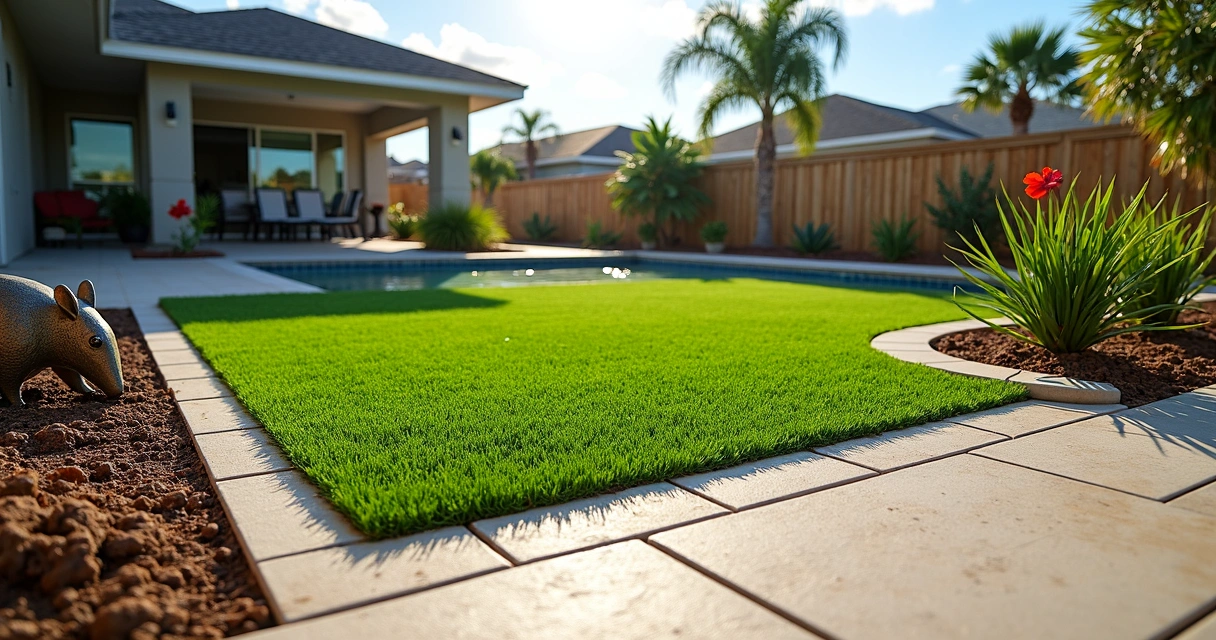
Walk outside any morning in Central Florida and you may spot fresh holes dotting your lawn or raised trails next to your driveway. This is a common sight in our region, where armadillos and moles are especially active year-round.
But what makes these two animals so tough on lawns—and so tricky to stop? First, a look at their behaviors, drawn from recentUniversity of Florida Extension research:
- Armadillos root around for insects and dig burrows for shelter or escape. In just one night, a single armadillo can dig dozens of tight, shallow holes (2–6 cm wide, up to 15 cm deep), quickly making a pristine lawn look like it's been aerated with a pickaxe.
- Moles don’t leave obvious entry burrows but instead raise tunnels just under the surface as they chase grubs and worms. The result: root disturbances, wilting turf, sifted topsoil, and a bumpy, unstable surface.
Both species can be persistent and often return if the food supply or shelter remains. And while moles feed mostly on insects, armadillos are as interested in earthworms and beetles as they are in finding a cool, dark spot below your patio or flower bed.
Florida’s digging animals: More than cosmetic damage
While the visual mess is frustrating, the impact from armadillos and moles goes beyond merely unattractive landscaping.
University of Florida Extension wildlife specialists report that armadillo burrowing can also threaten structures if dug beneath patios, driveways, or foundations. Some armadillos rotate between multiple burrows, adding to area-wide instability and ongoing maintenance headaches (Florida Fish and Wildlife Conservation Commission).
On the flip side, the tunneling habits of moles may disrupt root systems and irrigation, leaving grass struggling or patchy in affected areas. But moles, unlike armadillos, do offer the silver lining of reducing other insect pests (University of Florida Extension: moles in lawns).
It’s a complicated ecosystem—one that often leaves property owners frustrated as they rack up repair costs.
How digging wildlife damage lawns and hardscapes
From our work restoring Central Florida projects with GCM Best Services, we’ve seen the patterns repeat themselves. Problems pop up quickly and, without timely mitigation, keep coming back. Here’s what you can expect if digging wildlife go unchecked on your property:
-
Fresh holes and mounds each week. These appear especially close to sprinkler heads, shaded corners, and new borders.
-
Damaged irrigation lines and root zones. Exposed roots from digging invite loss of turf density and create trip hazards.
-
Degraded paver or slab edges. Wildlife often tunnels under walkways and pavers, leading to settling and loss of support.
-
Foundation undermining. Persistent burrowing at the base of screen enclosures, patios, or driveways eventually weakens the ground supporting these structures.
Our team at GCM Best Services has answered calls where the same patch of grass was replaced three times in a year—until the underlying wildlife issues were finally addressed with the right turf and buried barriers.
It’s not enough to fix the grass. Solve the whole problem or invite it back.
According to University of Florida Extension findings, even brief armadillo activity can mean dozens of shallow holes in a single night. In areas with both armadillos and moles, expect to find a confusing mix of holes, mounds, and soft, tunneled soil every week or two.
Special risks: Children, pets, and expensive landscaping
The chaos below doesn’t always stay limited to the grass. When burrows and tunnels concentrate near patios or play areas, children and pets can face hidden hazards or even twisted ankles from sudden collapses. And expensive new landscaping—like fresh sod, shaped borders, or hardscape lighting—can be destroyed overnight.
Risks of recurring turf and hardscape problems
We talk to many homeowners after a cycle of patching sod or repairing pavers, only for wildlife to return and restart the mess. Why does this happen? In part, traditional repairs treat the symptoms, not the root cause.
Standard turf (including new sod) is vulnerable if laid over unprotected Florida soil. Armadillos and moles can simply dig or tunnel from the edges or underneath, no matter how fresh and healthy the grass looks on day one.
Conventional fixes often fall short for two main reasons:
- No physical deterrent: Most grass, mulch, or decorative stone is easy for wildlife to move aside or dig through.
- Poor integration with hardscapes: Even strong edges like paver borders won’t help if the area below or just inside isn’t shielded, so animals go around or tunnel underneath.
This is where truly wildlife-resistant turf—engineered for our region and installed alongside buried wildlife barriers—makes the difference between another patch job and peace of mind.
What makes turf truly wildlife-resistant?
There’s no single magic product, but certain features set apart the turf systems that last under pressure from wildlife. At GCM Best Services, we’ve refined our approach for Florida’s environment.
-
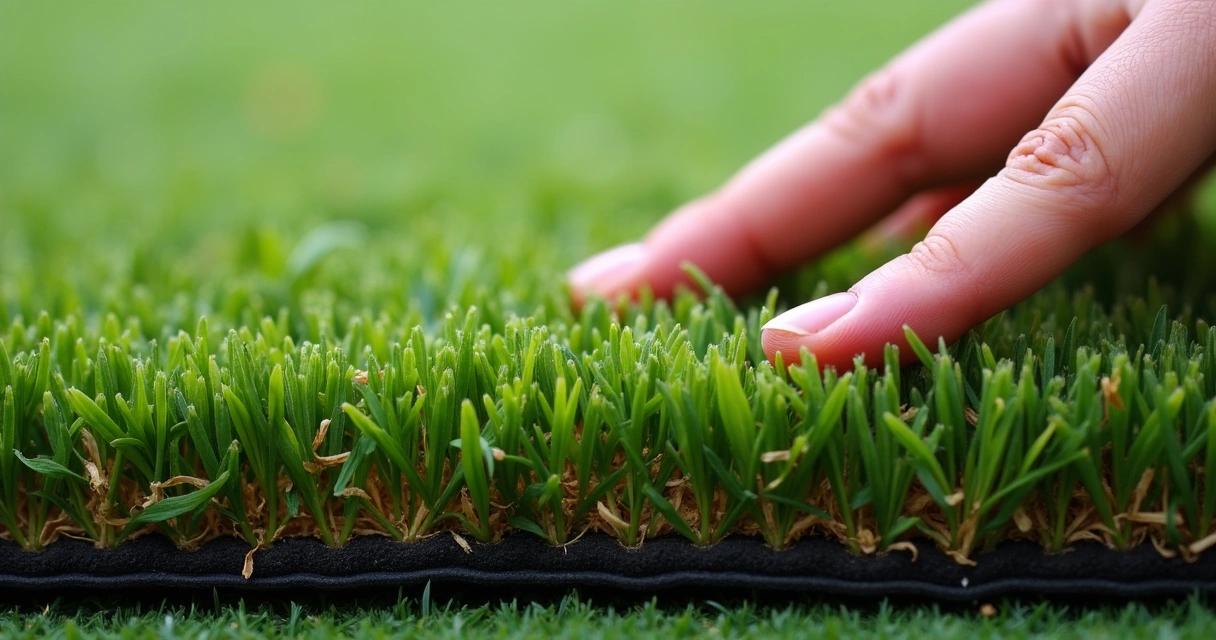
Dense, durable blade fibers. Animal-resistant turf uses high-density, UV-stabilized fibers. This means blades that bounce back from paw traffic and resist being dug up or pawed aside.
-
Heavy, permeable backing. The best wildlife proof turf includes thick, fused backings that stay anchored to the base. This resists burrowing from below and stops animals from pulling the turf layer up.
-
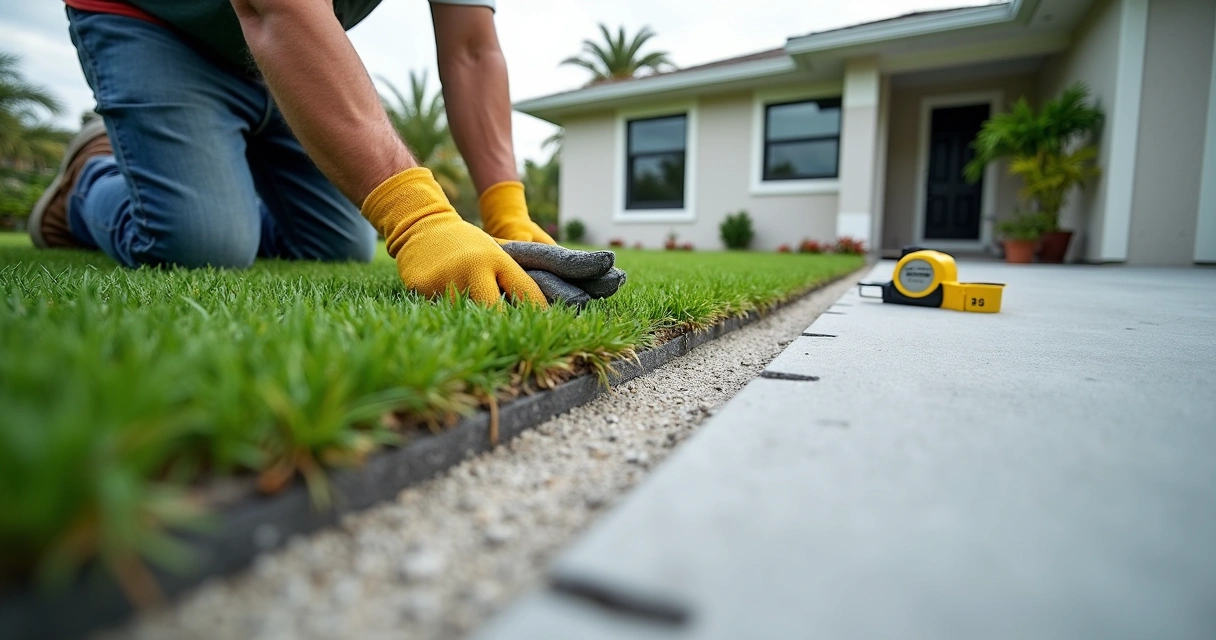
Proper edge stabilization. Securely anchored borders—often paired with professional-grade edge restraints as detailed at our artificial turf page—create a seamless finish that rodents and armadillos can’t lift or nose under. Our techniques also integrate naturally with paver borders and drains.
-
Integrated underlayment and sub-base. In Central Florida, we install a compacted, permeable sub-base just as we do for driveways and patios. This not only improves drainage but strengthens your turf’s resistance to disruption from below.
Physical barrier integration: The buried defense
The real protection comes from combining advanced turf with a below-ground wildlife barrier. For most properties in Orlando, this is the only reliable way to stop digging wildlife from returning, especially near patios, play spaces, or walkways. The science backs this up—studies from the University of Florida Extension show that rigid barriers like hardware cloth or sheet metal, sloped outwards and buried to about 1.5 feet, are highly effective for blocking both moles and armadillos.
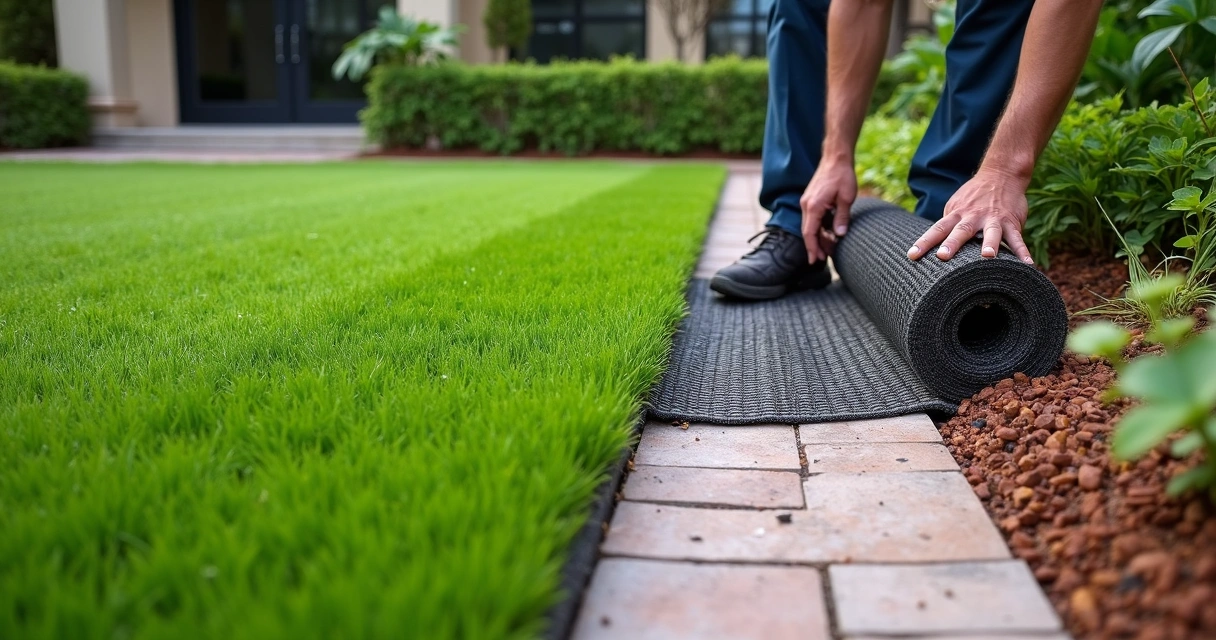
We install barriers at the right depth—anchoring the bottom of the artificial turf and extending under border stones or pavers. This keeps animals from lifting the edges or digging through from underneath. Combined with a tough, stabilized turf surface, results are both functional and invisible.
How the barrier-turf system works
-
The turf’s upper layer resists pawing, scratching, or pulling.
-
The dense bedding and compacted base make initial digging difficult.
-
If wildlife tries to dig or burrow, they hit a rigid horizontal or sloped barrier within several inches. The effort required to get through turns away even persistent animals, steering them elsewhere.
Because the barrier sits below grade, your yard keeps a clean, landscaped look—nothing visible but beautiful green lawn or neat borders. Our solutions at GCM Best Services also merge well with existing patios, pool decks, and hardscapes, correcting past settling or weak spots in the process.
Choosing and installing animal proof turf
When choosing a system, material selection is just the start. The best results come from careful planning, site-specific drainage, and expert installation—longstanding priorities for our team at GCM Best Services and a key topic at our Orlando artificial turf page.
-
Visit the site to assess wildlife history, soil type, and existing hardscapes.
-
Design the turf layout with strong, closed borders that stop wildlife from sneaking under or between seams.
-
Engineer the base depth and drainage to Florida’s sandy or clay soils, ensuring no standing water that might attract worms and foraging animals.
-
Choose turf with tightly stitched seams and robust, double-layered backing for long-term hold.
-
Integrate buried wildlife barriers on all edges that transition from turf to soil, planting beds, or mulch. Extend under adjacent patios or pavers if needed.
We find consistent success with turf developed specifically for Florida’s harsh sun and frequent rain. Look for products with UV-stable, antimicrobial fibers, and water-permeable infills that won’t trap moisture.
If you maintain areas for pets or play, select an infill designed for easy rinsing, so turf dries fast after heavy rains—even during Central Florida’s wet summers.
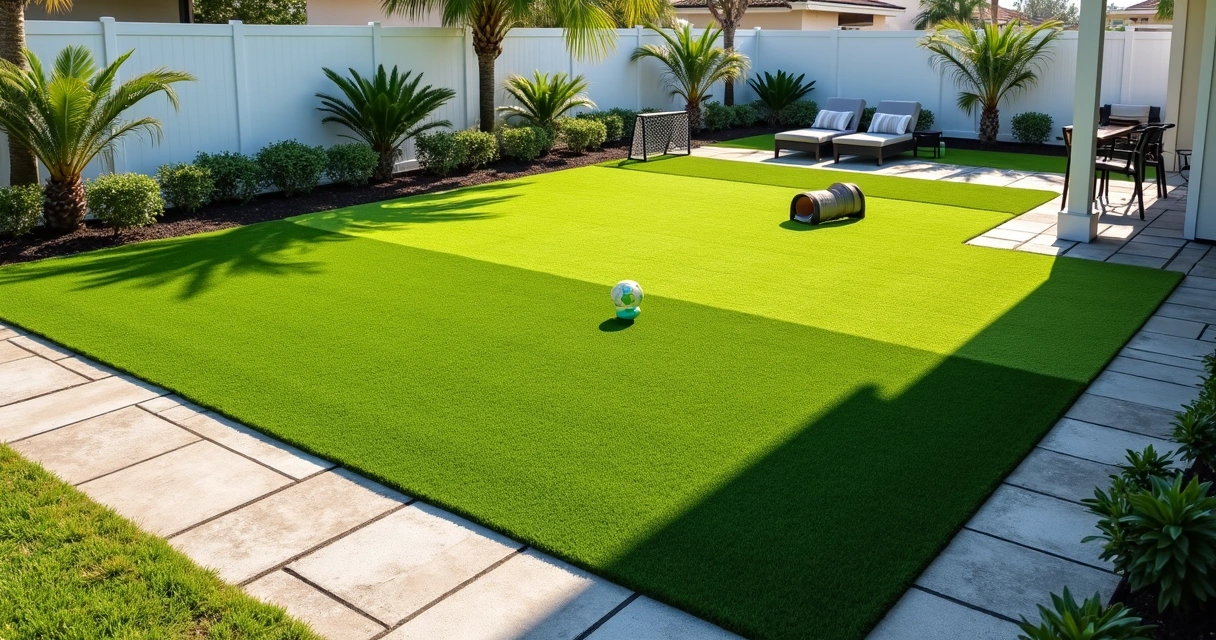
Artificial turf for animal-resistant landscaping
Our process at GCM Best Services walks you through every step: assessment, design recommendations, permitting, and safe, on-schedule installation with a written warranty. You can take a closer look at wildlife-resistant turfs and see real-world case studies from Daytona Beach to Orlando on our dedicated product pages.
Strong turf and hidden barriers mean less worry, less repair, and more time enjoying your yard.
Long-term property value: Beyond appearance
Florida’s wildlife-proof turf isn’t just about looking good for a season. It’s about reducing costs, protecting families, and sustaining healthy outdoor spaces for years.
-
Lower ongoing maintenance. Replacing sod, repairing pavers, or filling holes costs time and money—especially when recurring.
-
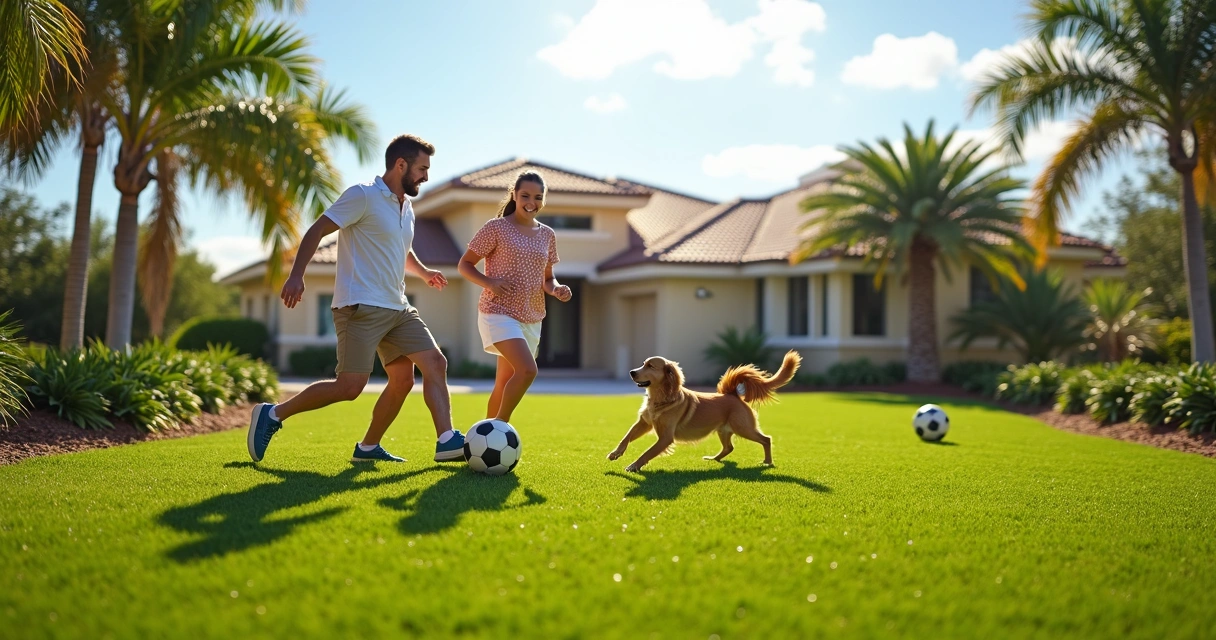
Safer, more usable areas. Wildlife-resistant turf eliminates hidden holes, sudden collapses, and patchy, dead grass. Kids and pets can enjoy play spaces with peace of mind.
-
Improved drainage and structure. Correctly installed sub-bases, drainage layers, and barriers remove excess water, while also reversing the landscaping problems caused by repeated burrowing.
-
Boosted curb appeal and resale value. Persistent animal damage quickly erodes property value. By securing both turf and hardscape, you preserve investment and add lasting beauty.
When we revisit properties months after a GCM Best Services installation, what stands out isn’t just the healthier lawn—it’s the absence of new holes, burrows, or ruined edges. This is the best evidence that wildlife-resistant turf, done right, works long-term for Florida homes.
Summary: Why partner with experienced local pros
Not all wildlife-resistant turf is created equal. The difference comes not only from material, but from the details—site prep, barrier placement, and knowledge of how Florida wildlife adapt to our yards over time. GCM Best Services draws on years of regional experience, proven field data, and the right technologies to produce lasting results for Central Florida families.
For related advice on how animal-resistant turf and hardscaping work together, see more at our hardscaping blog and our Orlando hardscape services section.
Stop patching holes—start solving the problem.
Conclusion
If you are tired of chasing after every new hole or mound in your yard, it might be time for a real, lasting upgrade. At GCM Best Services, we deliver wildlife-resistant turf and integrated barrier systems designed specifically for Central Florida’s climate, soil, and persistent wildlife. From start to finish, expect open communication, on-time work, and a clean, code-aligned result—covered by a written warranty for real peace of mind. Ready to enjoy your yard again?
Ready for a professional quote? 📞 (407) 250-1948 • 24–48h • Orlando, Tampa & area.
Frequently asked questions
What is wildlife-resistant turf?
Wildlife-resistant turf is synthetic grass specifically engineered and installed with design features to prevent digging, burrowing, or tunneling by animals like armadillos and moles. These turf systems use tough, dense blade fibers, heavy duty backing, reinforced seams, and are paired with physical buried barriers such as hardware cloth or sheet metal that block wildlife from underneath. The combination creates a surface and edge that looks natural while staying anchored, preventing animals from tearing, lifting, or invading from below. Installation in Central Florida often includes specialized sub-base and drainage layers to match local soils.
How does turf deter armadillos and moles?
Turf deters armadillos and moles through both material strength and an integrated physical barrier below the surface. The synthetic turf is too robust to be easily pawed, nosed aside, or uprooted. The buried wildlife barrier—such as rigid metal mesh—extends 1–1.5 feet underground and outward, blocking access by creating an impenetrable line under borders and seams. Together, these features stop the animals from entering from the surface or tunneling up from below. Since the barrier is hidden underground, the lawn still looks clean and seamless.
Are these turf solutions safe for pets?
Properly installed wildlife-resistant turf is safe for pets and people. The synthetic grass and buried barriers are located below the surface and edges, and are not accessible by animals or children. Many modern turf products are non-toxic, antimicrobial, and dry quickly after rain. For pet owners, we recommend infills that are safe, odor-control, and easy to rinse. Always use a professional installer familiar with pet and play safety standards.
How much do wildlife-resistant turfs cost?
Most projects in Central Florida average between $11–$20 per square foot, depending on turf quality, sub-base work, barrier materials, site complexity, and labor. Larger play yards or heavily damaged soil may run a bit higher, especially if including extensive edge restraints or new drainage systems. While initial cost is higher than fresh sod, long-term savings appear quickly by preventing repeated turf replacement, irrigation repair, and animal control fees. Ask us for a no-obligation site visit and detailed estimate for your exact situation.
Where to buy turf for Florida wildlife?
For Florida properties damaged by wildlife, it’s best to work with a local professional experienced in wildlife-resistant installation and regional materials. At GCM Best Services, we offer site assessments, selection of premium animal-proof turfs, and complete installation including all buried barriers, correct permitting, and warranty. This ensures your turf matches the region’s needs and meets local HOA or inspection requirements. For more details, see our artificial turf services or request a quote for your location.