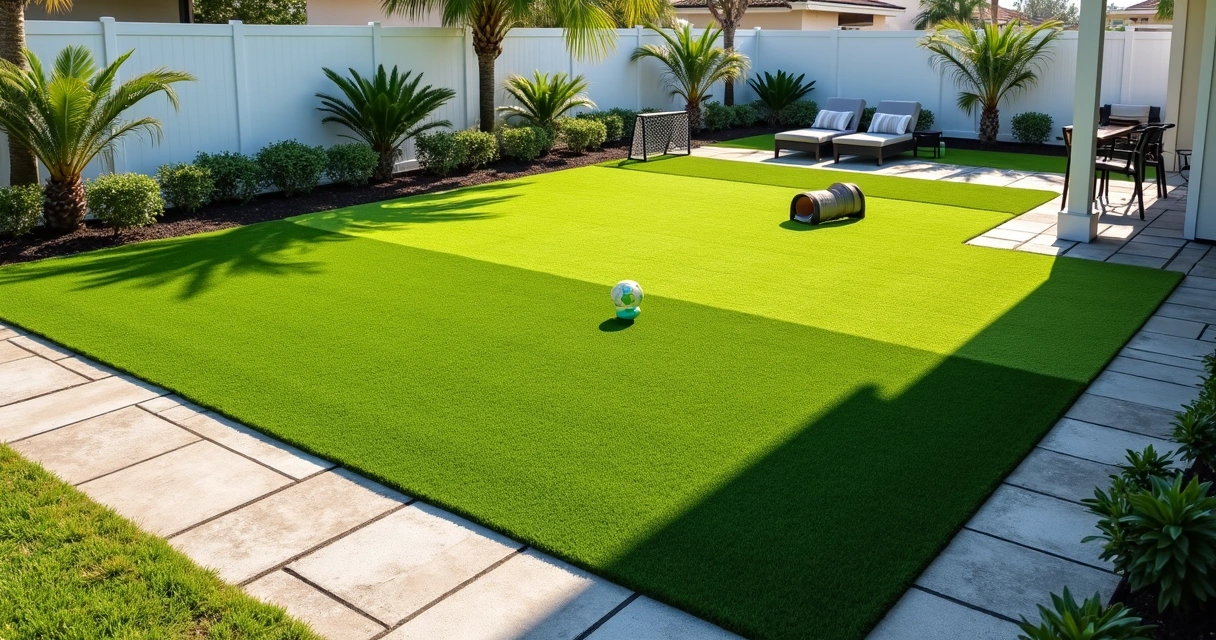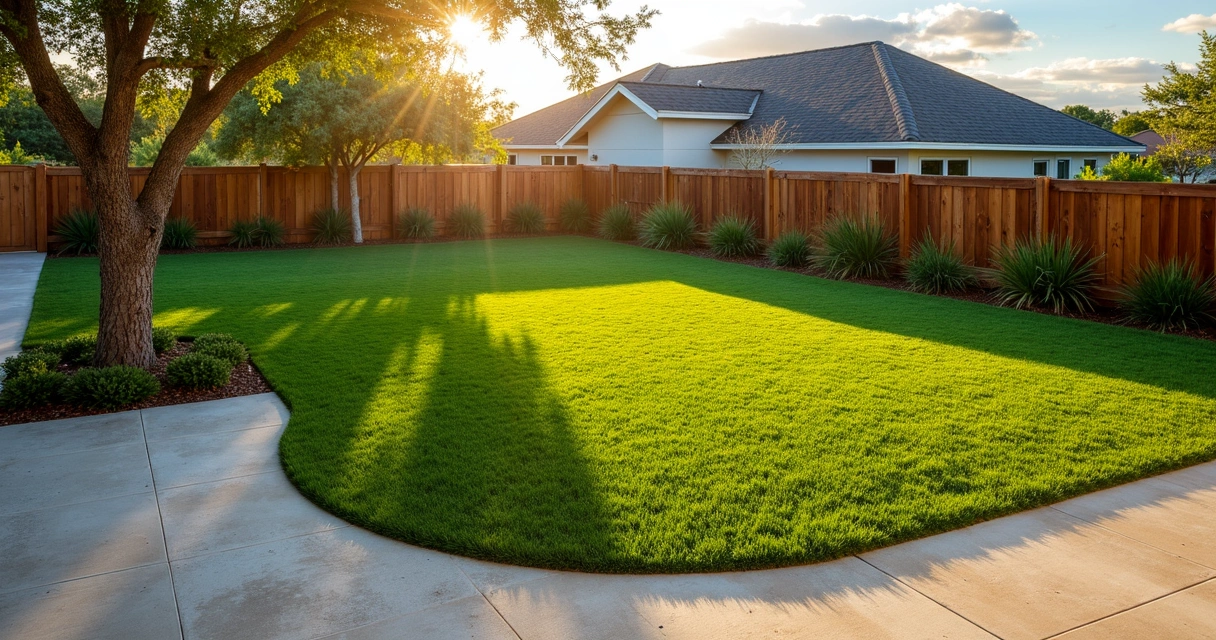
Selecting the right expansion joints for artificial turf areas goes far beyond just filling space between surfaces. In Central Florida, where soils move, temperatures swing, and heavy rain is a routine threat, the details of expansion joint design can make the difference between a seamless lawn and persistent surface troubles. At GCM Best Services, we install every turf, hardscape, and concrete project in Orlando with this one mindset: build it to last—and back it with real guidance on care and performance.
In our experience, clients often overlook the importance of properly designed expansion joints when investing in artificial turf. But it’s a decision that affects not just initial appearance, but the lifespan, drainage, safety, and even warranty of your outdoor space.
In this article, we explain why expansion joints matter for artificial turf, how to choose the right type and placement, and key details to ensure your investment stays beautiful and serviceable year after year.
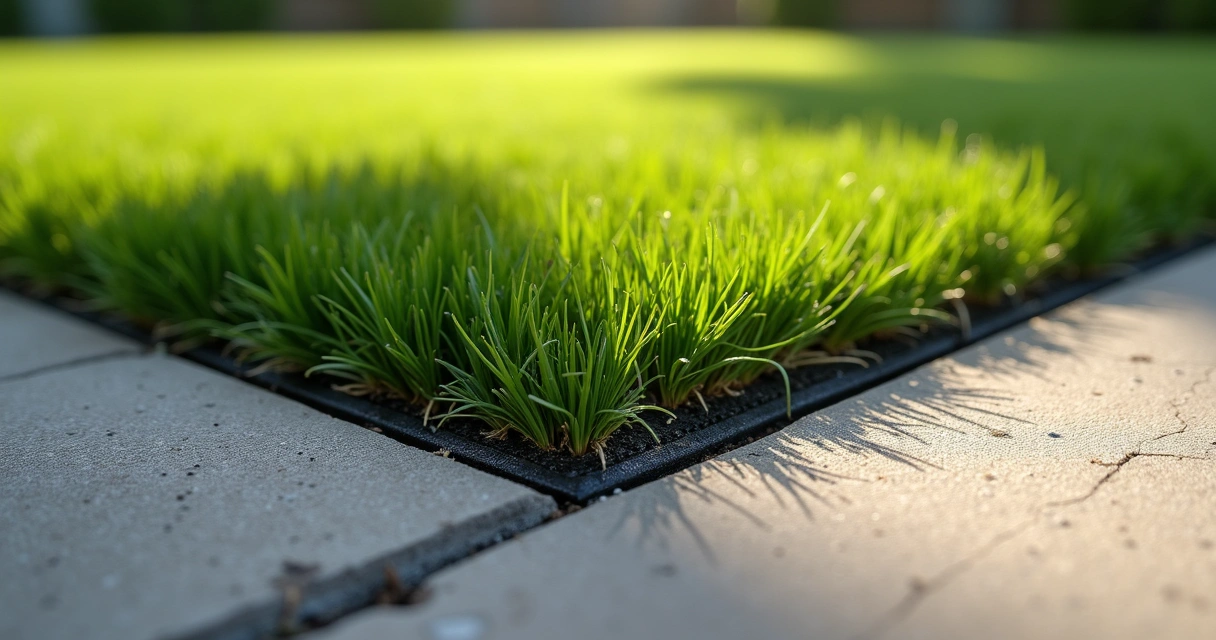
Why expansion joints are needed in artificial turf installations
We’ve often found that people assume artificial turf is “set-it-and-forget-it”—immune to the expansion and contraction that break concrete or buckle pavers. The reality is different.
An expansion joint is a planned gap filled with flexible material that allows for the safe movement of surfaces without causing damage to the artificial turf system or the adjoining structures.
Why is this so critical?
- Movement happens everywhere.
Concrete expands in the sun, then shrinks at night. Pavers shift with moisture changes and soil settlement. If there’s no buffer, these movements push against the turf, causing ripples, lifted edges, or even tearing.
- Central Florida’s climate adds extra challenge.
In Orlando and across the region, heavy rainfall, sandy soils, and rapid heating cause substrates to move more than in many other areas. Drainage events and tree roots only add to the challenge.
- A strong joint saves your turf and protects from costly repairs.
A flexible joint absorbs motion so seams don’t split, edges don’t curl, and trip hazards are avoided. It also protects the underlying drainage system and foundation from water intrusion and erosion. Research from the Virginia Transportation Research Council notes that designs failing to accommodate movement lead to cracking, water ingress, and premature repairs—lessons that apply as much to yards as they do to public infrastructure.
Clients at GCM Best Services regularly tell us how dramatically joint design improved their maintenance costs, drainage, and curb appeal.
The mechanics of expansion joints under turf
Let’s get into the mechanics: why do these simple strips matter so much?
The sources of movement
- Thermal expansion and contraction:
Concrete, stone, and metal all expand as they heat up and contract as they cool. Temperature swings of 40°F in a Florida afternoon are common. Without space to move, cracks form.
- Moisture and soil movement:
Florida’s rains swell soils fast. As the clay or sand dries, it shrinks. This expands and contracts bases beneath both turf and adjacent hardscapes. Expansion joints act as relief valves.
- Structural shifts and settlement:
Even the most compacted base will settle a little. Each settlement event creates shear forces at connections (such as where turf meets sidewalks), especially if the soil wasn’t properly stabilized.
How joints function in artificial turf areas
Expansion joints relieve pressure between turf, concrete, and other hardscapes to prevent buckling, tearing, and lifting.
Without these joints, GCM Best Services has seen failures including:
- Trip hazards at seam edges
- Artificial turf layer cracking or folding
- Premature adhesive or seam tape failure
- Water channeling beneath turf, damaging base and drainage
- Visible gaps that collect debris and allow weed growth
These outcomes are avoidable—with good planning and joint system choice.
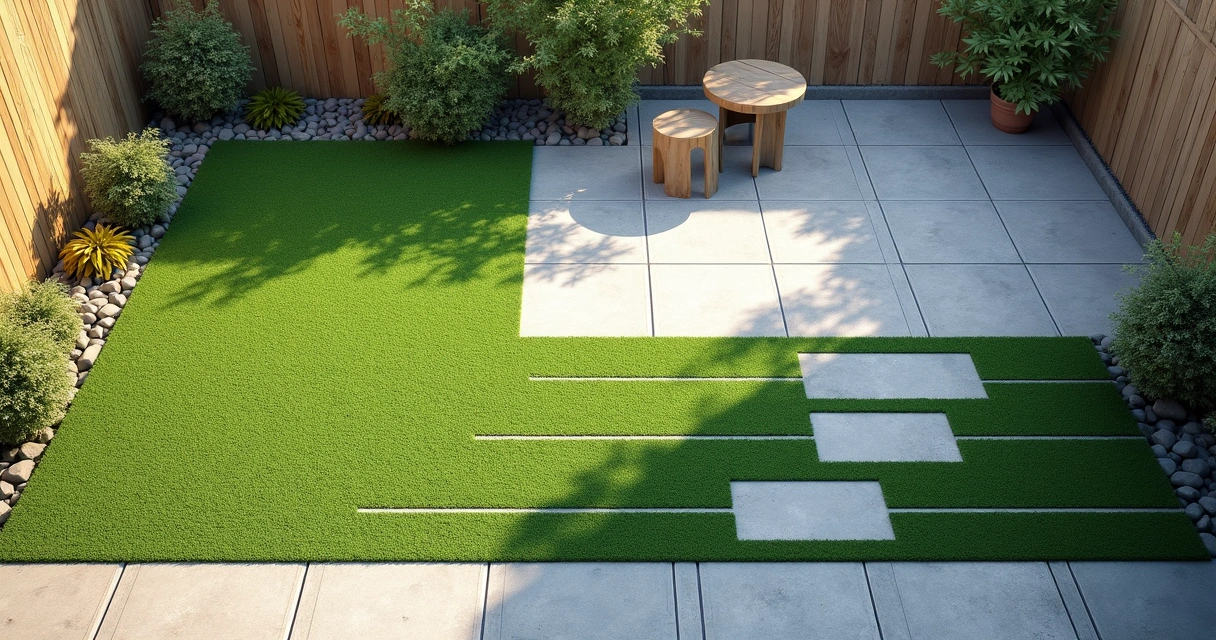
What are the main types of expansion joints for artificial turf?
We specify and install different joint types depending on project needs, edge types, and client preferences. The most common options include:
- Flexible caulking (polyurethane or silicone):
Used where turf abuts concrete or masonry. It forms a waterproof, flexible seal that moves with the surfaces. Highest quality products last years—even in full sun and since Florida rainstorms.
- Preformed rubber, cork, or composite strips:
Installed to maintain precise gaps between slabs, or between turf and pavers. These materials compress and rebound, staying in place and resisting rot.
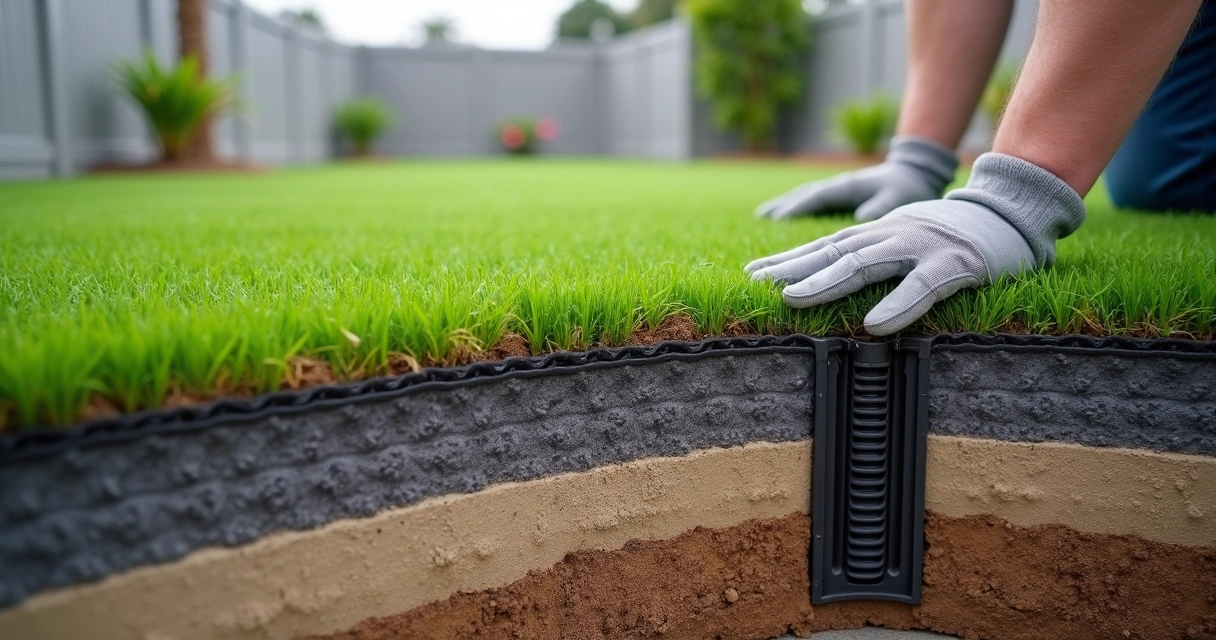
- Plastic or aluminum edge restraints with insertion joints:
These are spiked or anchored at turf edges, often where pavers or stone border the turf. Purpose-designed slots accept joint filler, letting both surfaces move independently while “anchoring” each edge.
- Interlocking edge products for turf-to-turf transitions:
Useful for larger lawns with joints inside the artificial field. Custom profiles or “zipper seams” let different sections flex against each other, reducing the appearance of buckling where subsurface settlement occurs.
Most projects use several joint types. As described in the Virginia Transportation Research Council’s report on expansion joints, the most effective installations match joint design and material to the underlying substrate and the level of movement expected at each seam.
Key considerations when selecting expansion joints for turf
Each installation is a little different. These are the main factors our team at GCM Best Services checks when designing expansion joints for artificial turf areas:
1. Substrate type and expected movement
- Concrete or slab borders:
Thermal expansion, especially with wide pavements, is significant. Joints need to accommodate this, using flexible fillers that won’t become brittle.
- Paver or block edges:
Pavers move more from soil shifts. Edge restraint and sand stabilization are vital. Products must be UV resistant and flexible, and joint designs should tie into the overall hardscape strategy.
- Stone, timber, or steel edging:
Less movement, but more subject to moisture changes and rot. Joint filler should resist absorbing water and breaking down.
2. Width and placement of joints
- Florida Building Code or HOA rules often specify minimum and maximum joint sizes (often ¼" to ½" gaps at transitions).
- Areas with high movement or longer runs need wider joints to accommodate bigger shifts.
- Joints should be placed at every interface: turf-to-concrete, turf-to-pavers, and where large fields of turf meet each other across slab breaks or drainage channels.
3. Joint material compatibility and longevity
- Flexible caulk or elastomeric joint filler: UV stable, mold-resistant, and designed for exterior use in wet/dry cycles common to Central Florida.
- Preformed strips: Should compress and rebound through many cycles, not crumble or leach chemicals into drainage.
- Color and texture: Ideally matched or complementary to the turf and hardscape. A neat finish is not just functional; it’s beautiful.
4. Drainage and infill management
As found in Penn State’s research on infill mobility, the way water moves through and around turf infill is directly shaped by edge detail and joint design. Poor edge detailing allows infill and fine sand to escape during heavy rain, undermining both the base and the turf itself.
That’s why we always design expansion joints that preserve the integrity of the infill, the sub-base, and—most importantly—the drainage system beneath the turf.
5. Safety, maintenance, and code alignment
- Flush finishes to avoid trip hazards, especially near play areas or walkways
- Materials with low maintenance requirements (resistant to weed growth, easy to clean)
- Hurricane wind-resistance and fastener rules met for exposed or raised joints
- Compliance with HOA and permitting standards for appearance and allowed products
Steps for expansion joint selection and design
When we take on an artificial turf project in Central Florida, this is the step-by-step process we follow for expansion joint planning:
- Site assessment and substrate analysis:
We look at all adjoining surfaces: patios, pool decks, driveways, and walkways—reviewing their size, age, condition, and history of movement or cracking. Tools like moisture meters and laser levels help us determine where joints are needed most.
- Drainage layout planning:
We map water flow paths, curb heights, and grade changes per the guidelines of the Federal Research Action Plan and adapt expansion joint placement to protect the base in all storm conditions.
- Selection of joint type and material:
Each seam gets the best match for its thermal, moisture, and load demands—balancing durability, flexibility, and appearance. We consult technical specs and ensure compatibility with the turf, adhesive, and neighboring materials.
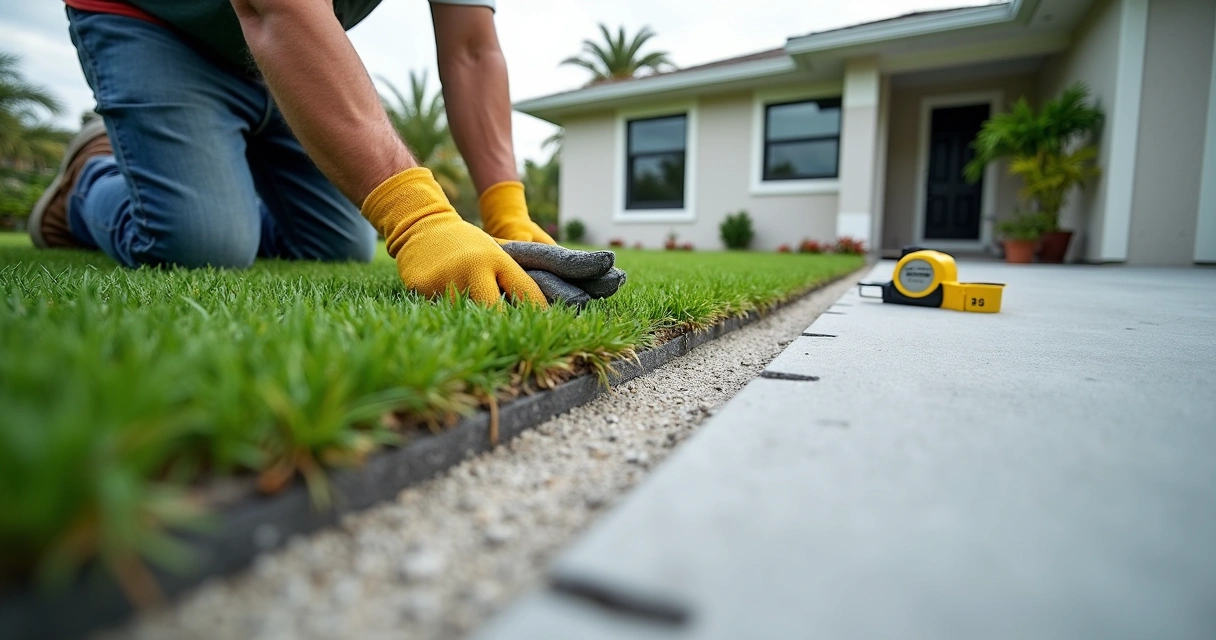
- Installation of joints during turf construction:
Expansion joints are installed before final turf anchoring. This enables clean, flush transitions, no stretching or forced fit, and complete integration with drainage features.
- Final walkthrough, documentation, and maintenance guide:
The job isn’t finished until all joints are tested for movement, fill level, and waterproofing. We provide clients with photos, written warranty, and tips for checking joint condition in the future.
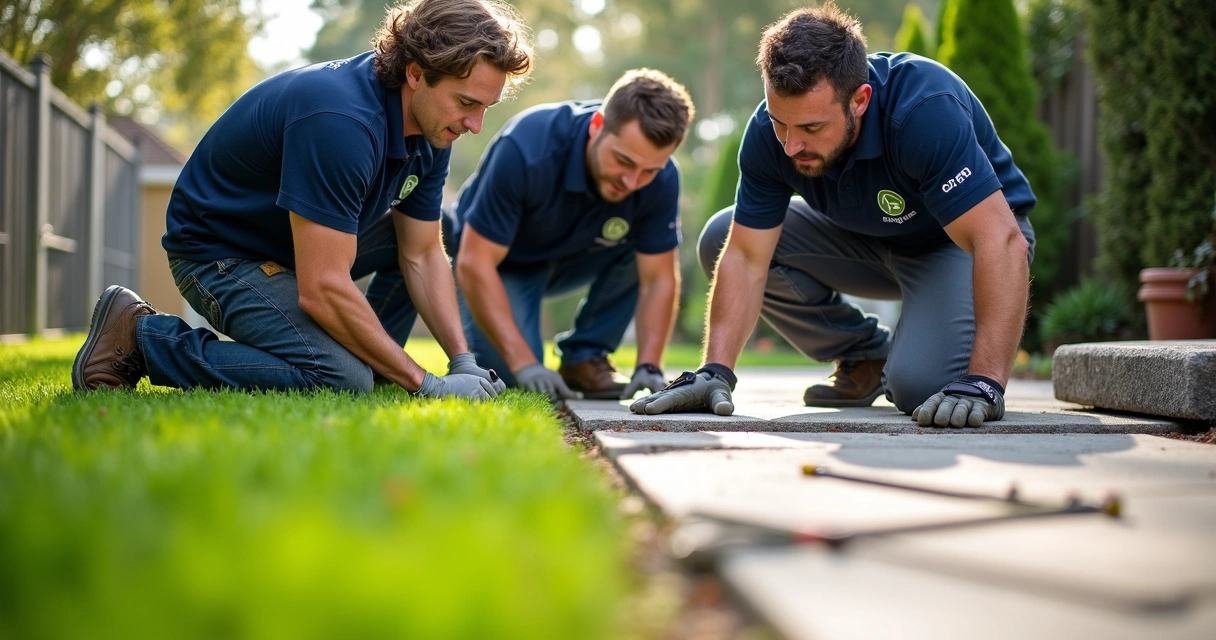
Common issues from poor expansion joint selection
Across hundreds of project assessments, these are the issues we’ve seen from poorly planned or missing expansion joints:
- Curling or peeling edges: Caused by inflexible, undersized, or absent joints—especially where turf meets concrete or pavers.
- Water pooling and drainage failure: Water follows the path of least resistance. A failed joint lets water undermine the base, ponding on the surface or causing erosion.
- Turf layer or seam tape failures: Stretched or lifted turf at seam edges, especially in high-traffic zones.
- Weed growth and debris buildup: Open or wide joints are entry points for weeds and dirt, making maintenance harder every month.
- Trip hazards and early repairs: Joints that sit too high or too low create surface height changes, increasing the risk of accidents and the need for resurfacing.
Almost all of these headaches can be avoided with upfront planning and selection of the right joint material, gap, and placement.
Integration with drainage and artificial turf specifications
A long-lasting artificial turf area does not just depend on turf quality, but also on its edges and what happens at every transition.
The drainage design, base thickness, and infill selection are directly linked to expansion joint selection.
- Good joints ensure water drains through turf and does not run under slabs or settle at seams.
- They stop infill sand or crumb rubber from escaping during heavy rainfall (a point reinforced by Penn State studies on infill mobility).
- Proper edge treatment preserves structural stability for both the turf and any hardscape it meets.
These factors are especially pronounced in commercial or athletic settings, but they’re just as meaningful for a small home putting green or backyard playground.
If you want more technical information on artificial turf preparation and joint integration for Central Florida soils—including edge “recipes” and ideal sub-bases—our team recommends the project’s detailed turf page at GCM Best Services Artificial Turf.
We also find that pairing expansion joints with professional edge restraint systems (see our hardscaping best practices) leads to the longest lasting installations, especially when integrating turf with pavers, patios, or driveways.
Professional vs. DIY: When to ask for expert help
We sometimes see motivated homeowners attempt turf installation and expansion joint work themselves—sometimes with success, but often with frustration and increased costs over time.
Proper expansion joint design is about more than just filling a gap.
Professional teams, like ours at GCM Best Services, offer value by:
- Ensuring every aspect aligns with drainage, code, and warranty
- Selecting materials proven to hold up in Central Florida’s punishing weather
- Delivering clean, safe, beautiful transitions between turf and all surrounding surfaces
- Providing written maintenance guides and photographic records for peace of mind
Clients looking for advice on concrete cracks and prevention can also review practical solutions described in our article how to prevent cracks in Florida concrete patios and driveways.
Conclusion: The payoff of smart expansion joint selection
Every outdoor project, no matter how small, carries a story about the care taken in its details. In our two decades of serving Central Florida, we have seen the difference made by good expansion joint design: beautiful, seamless turf, fewer repairs, safer play spaces, and smiling customers.
The right expansion joint quietly protects your investment—year after year.
If you’re planning a turf area in Orlando or the surrounding area and want the confidence of a job done right from start to finish, GCM Best Services is committed to results you can see, backed by communication and real warranties.
Ready to see the difference professional guidance and service make? Start with a free on-site assessment and customized plan for your artificial turf and hardscape project—our team is here to help you make the best decision for your space. Contact us today for a no-obligation quote.
Frequently asked questions about expansion joints for turf
What is an expansion joint for turf?
An expansion joint for artificial turf is a planned gap between the turf and adjoining hard surfaces (like concrete, pavers, or stone), filled with flexible material to absorb movement and prevent damage to the turf or base. These joints protect the turf from cracking, buckling, or water intrusion by accommodating the expansion and contraction of different substrates, especially in climates like Central Florida.
How to choose expansion joints for turf?
Selecting expansion joints starts with assessing the types of adjoining surfaces and the amount of movement expected. The right joint type and material depend on whether you’re transitioning to concrete, pavers, or other hardscapes, the location (sun/shade), drainage needs, and maintenance expectations. Flexible caulks or preformed rubber strips are common choices—always pick materials rated for exterior use and UV stability, and ensure the joint width matches local code and the anticipated movement.
Are expansion joints needed for artificial grass?
Yes. All artificial turf installations that border concrete, pavers, or any hard material need properly designed expansion joints. These joints prevent the movement of hardscapes from causing rips, raised seams, or drainage problems in the turf, especially in environments with significant temperature or moisture swings.
What types of expansion joints work best?
The best types of expansion joints for artificial turf areas include flexible polyurethane or silicone caulking for concrete borders, preformed rubber or composite strips for high-movement zones, and rigid plastic or aluminum edge restraints for paver transitions. The material should be flexible, weather-resistant, and compatible with both the turf and adjacent surface. If in doubt, consult installation professionals or detailed project guidelines for your local environment.
How much do expansion joints cost?
Costs vary by material and project size. As a general range for residential areas in Central Florida, professionally installed expansion joints typically cost $2 to $8 per linear foot, depending on the joint material, site conditions, and surface preparation needs. Custom projects with complex edges or high-movement requirements may cost more, but good joints prevent far costlier repairs and replacements.
Looking for expert advice or ready to bring your outdoor project to life? Connect with our GCM Best Services team for a detailed, professional quote and start your project with confidence. 📞 (407) 250-1948 • 24–48h response • Orlando, Tampa & area.