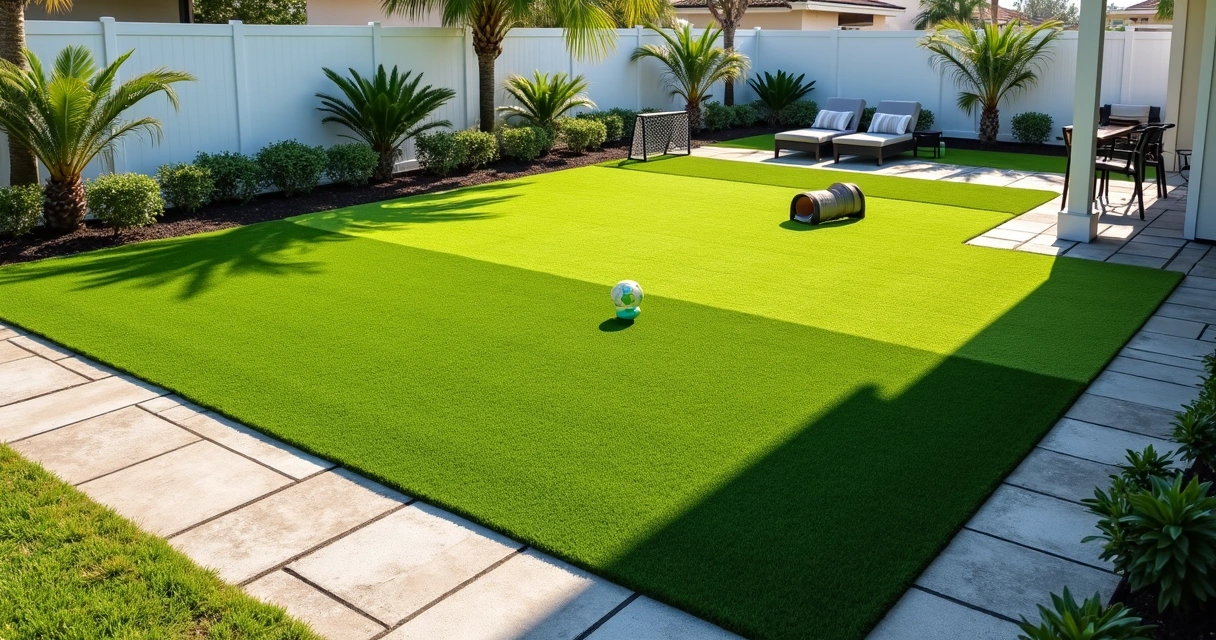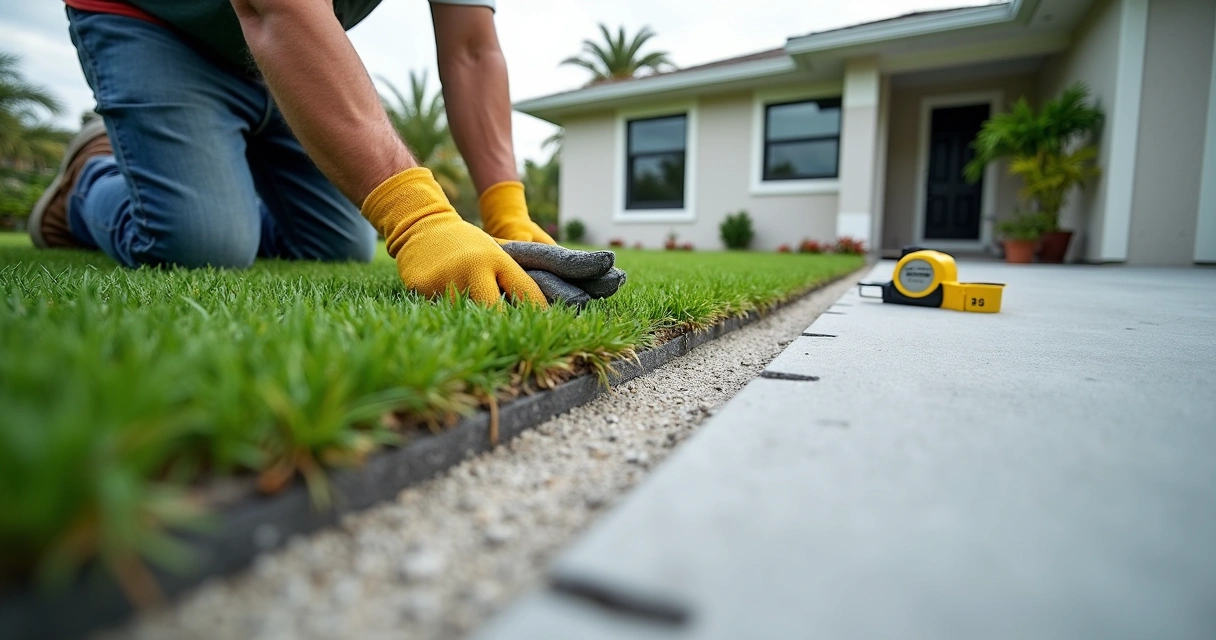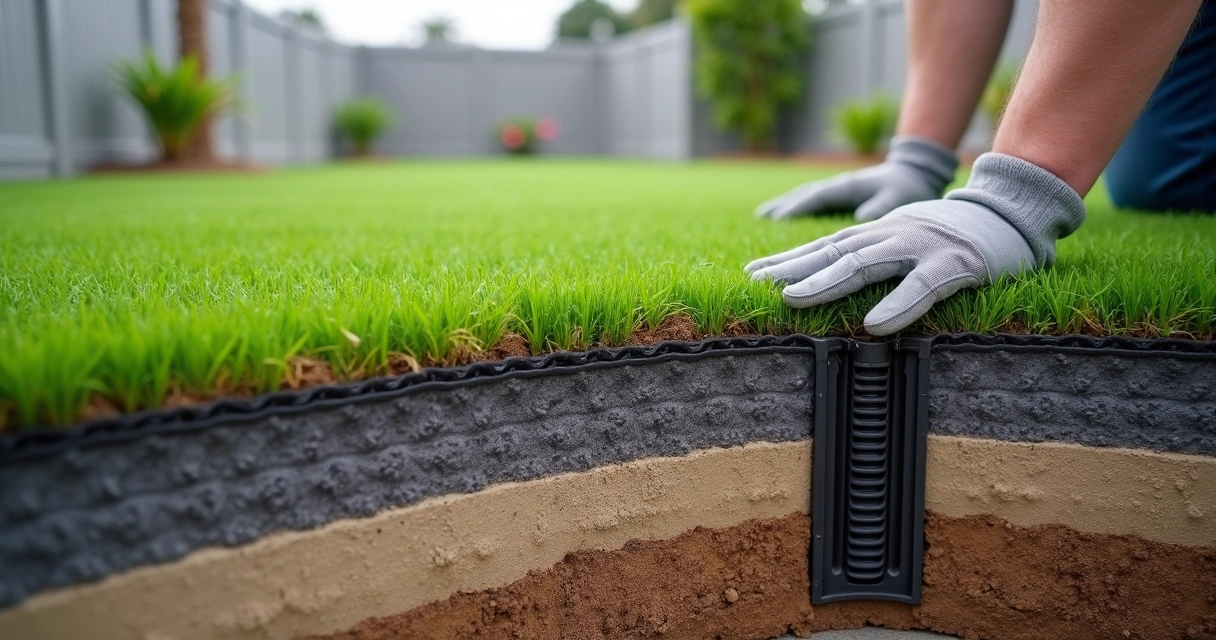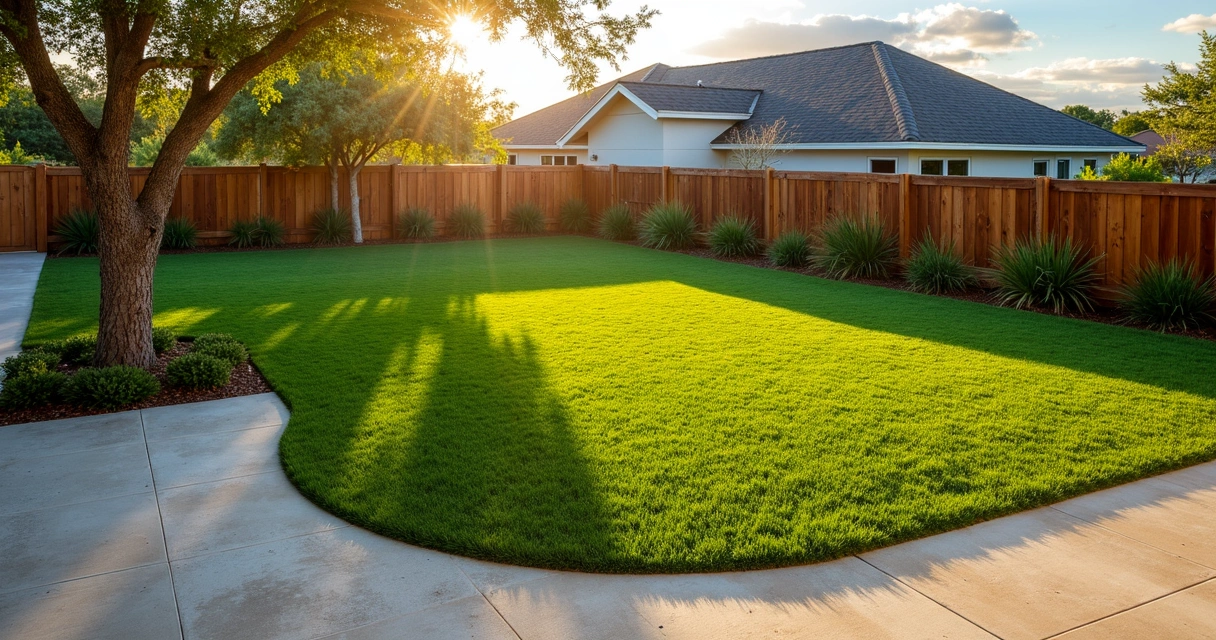
The growing focus on sustainability has led many property owners across Central Florida to question whether to choose artificial turf or natural grass for their landscapes. Both solutions have their own advantages and challenges, especially when blending durability, water efficiency, heat control, safety, and aesthetics for Florida’s tough environment. At GCM Best Services, we offer expertise in integrating both options—resulting in functional, beautiful, and eco-conscious outdoor spaces.
What if landscapes could be greener, last longer, and use less water?
In this article, we’ll share how to balance turf and natural grass for a sustainable landscape plan tailored to Central Florida. We'll discuss performance under Florida’s soil and climate, environmental tradeoffs, installation best practices, long-term costs, and show how hybrid designs can fit your needs and tastes. Our goal: to help you make informed, lasting choices for your landscape.
Our local landscape, climate, and why sustainability matters
Central Florida offers a unique climate mix: long, humid summers, intense sun, seasonal downpours, and sandy soils that make landscape design a true challenge. We know firsthand, having installed many projects throughout the Orlando area, that water management and heat are top concerns for grass and turf alike.
- Natural grass faces drought stress, fungal diseases, and constant weed pressure during our fierce summers.
- Artificial turf resists Florida’s humidity, stays green year-round, and eliminates the need for most chemicals—but can heat up and requires smart drainage design.
- Hybrid landscapes often combine grass where it matters (play areas, sports, pets) and turf for tough spots (shady corners, pool decks, drainage strips).
Our sustainability focus comes from real needs: local aquifer stress, rising water bills, and a desire to minimize fertilizer and pesticide runoff. The right landscape choices reduce maintenance and save resources for years to come.
Comparing environmental impacts
Let’s look at the main environmental factors that come into play, analyzing both natural grass and artificial turf in detail.
Water use: huge savings with artificial turf
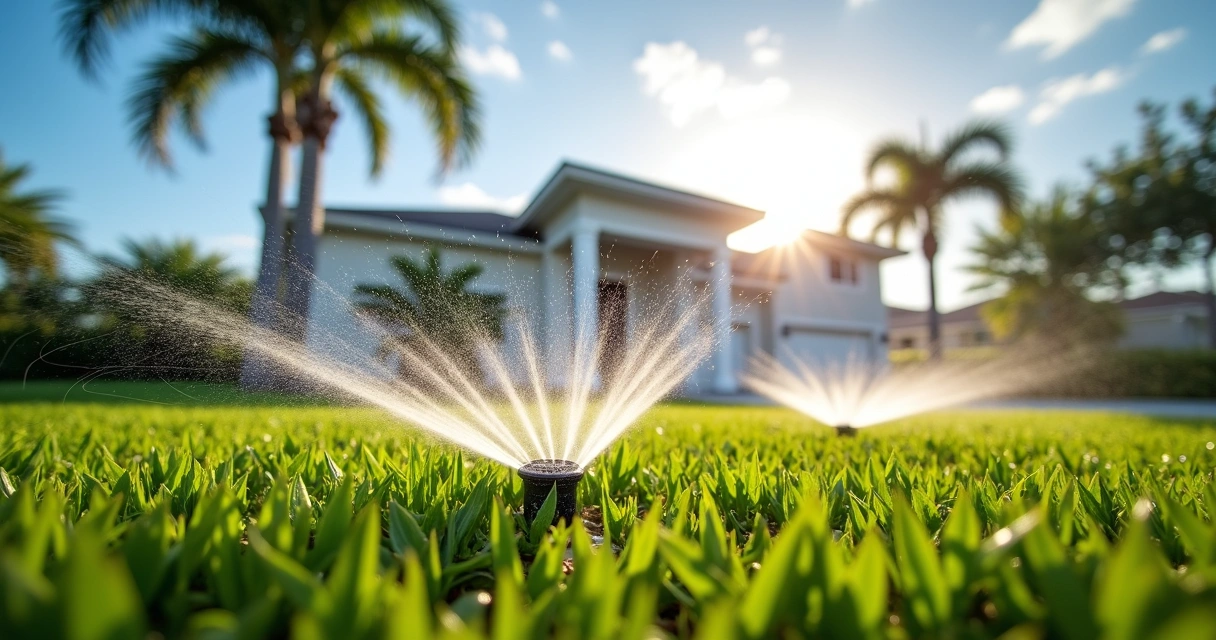
Irrigation is a critical point for natural lawns. Every summer, water use spikes as homeowners struggle to keep grass green. That’s a lot of water just to fight heat stress.
According to studies by the Southern Nevada Water Authority, replacing natural grass with artificial turf can save up to 55 gallons of water per square foot per year—a saving that quickly scales up for larger homes. In Central Florida, with similar climate pressures, these water savings offer real environmental and financial benefits.
Fertilizers, pesticides, and stormwater runoff
Growing grass almost anywhere in the Orlando area requires periodic fertilizer boosts, pest and weed controls, and often, fungicides during rainy seasons. These chemicals can run off during downpours, causing nutrient pollution in local lakes and rivers.
Turf eliminates this chemical input completely, since it does not grow or attract pests. But it's not entirely maintenance-free; organic debris must be brushed off, and pet areas require specific treatments.
Heat island effects and comfort
Artificial turf can get hot during sunny summer days—sometimes uncomfortably so. Natural grass stays cooler, reducing surface temperatures and improving comfort for pets and people.
If managing heat is important—for barefoot play areas or dog runs—we often recommend blending turf with grass, tree cover, or shading features for cooler results.
Natural grass: benefits, challenges, and best practices
Grass is classic for a reason. When healthy, it cools the yard, supports local biodiversity, and provides a signature lush look that is hard to match. Central Florida supports several drought-resistant turfgrasses including St. Augustine, Zoysia, and Bahia varieties.
Top benefits of natural grass
- Natural cooling effect for outdoor living
- Habitat for earthworms, birds, and pollinators
- Handles heavy rainfall with good infiltration
- Soft surface for kids and pets
- Renews itself with sunlight and nutrients
The challenges in Florida’s conditions
- Needs mowing, watering, and weed control
- Prone to disease with heat or overwatering
- Can go dormant or patchy in drought or high shade
- Soil compaction around footpaths and pools
- Fertilizer, herbicide, and water costs add up
In our experience, lawns that thrive here are well-prepared from below: compacted but draining sub-soils, periodic aeration, and use of slow-release fertilizers instead of “quick green-ups.” For slope or drainage issues, grass should be installed in combination with drainage channels or French drains to keep roots healthy—services we gladly provide through our hardscape solutions.
Artificial turf: technology, performance, and sustainability
Today’s synthetic turf is far from "plastic grass" of the past. Modern products feature blades with UV blockers, heat-resistant infills, antimicrobial layers, and drainage mats, all designed for climates like ours.
Advantages of artificial turf
- Stays green all year without regular watering
- No mowing, fertilizers, or pesticides needed
- Highly durable for pets, pool decks, and sports areas
- Great for shaded spots or tough soils
- Reduces allergy exposure for sensitive users
We’ve worked with many customers through our artificial turf installation services to solve persistent muddy spots and areas where grass refuses to grow. The result is a clean, green look with easy maintenance—just an occasional rinse and fluff.
Considerations for turf sustainability
The biggest environmental questions for turf revolve around manufacturing, stormwater management, and disposal. Quality turf lasts 10-15 years but does present end-of-life waste. However, these products can help save thousands of gallons of water yearly and reduce the need for fertilizers, aligning well with water-conservation goals from organizations like the Southern Nevada Water Authority.
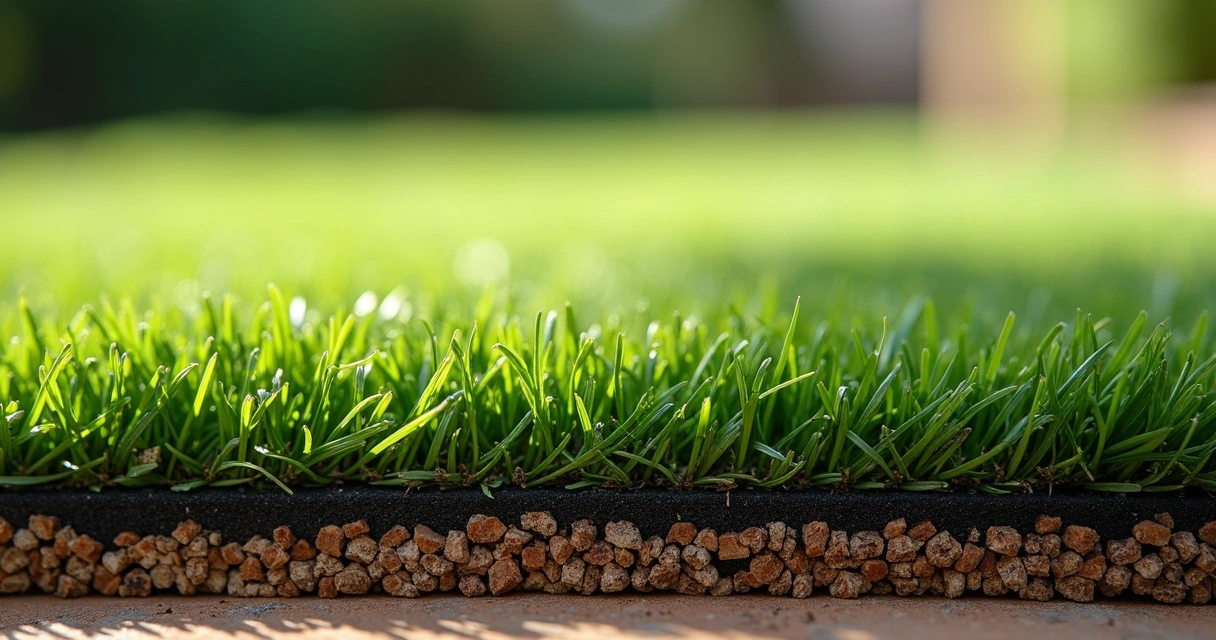
- Professional installation is key for drainage: a compacted, permeable base prevents pooling and runoff concerns.
- UV-stabilized blades and advanced infill maintain a cooler, more child- and pet-friendly surface.
- Turf can be recycled at the end of its lifespan by responsible suppliers.
Where hybrid landscapes make the most sense
Why not use the best of both worlds? We've seen the practical value in installing hybrid landscapes that blend live grass with durable artificial turf. This approach works especially well for:
- Poolside areas where slips are a concern or grass struggles
- Paver walkways with turf strips for soft contrast (see hardscaping designs)
- Pet zones to avoid muddy paws indoors
- Playgrounds needing year-round green and safety
- Drip-line areas under large oaks where grass thins out
With professional planning, these hybrid landscapes look seamless—something that visitors notice, but may not immediately recognize as a blend of both worlds. We use paver borders, integrated drains, and smart edging to keep both products where they belong.
It’s not about turf versus grass. It’s about the right surface in the right spot.
The installation process: our standards for lasting results
Our experience at GCM Best Services has shown us that a sustainable landscape result always starts beneath the surface, whether it’s turf or grass. Here’s what we’ve found works best:
For turf installations
- Remove existing vegetation and grade the site for proper drainage.
- Install a compacted, permeable crushed rock base 3–5 inches deep.
- Bind edges with steel or pressure-treated borders to prevent lifting.
- Lay turf in the same direction with staggered seams; bond seams tightly.
- Add infill (antimicrobial sand or rubber mix), brushing in for upright blades.
- Finish with a final inspection and customer walk-through.
For grass installations
- Amend and grade soil, integrating organic matter and/or sand for drainage.
- Lay down a 6-8 inch compacted sub-base if heavy use is expected.
- Install sod varieties matched to your sunlight and use patterns.
- Irrigate, roll, and settle sod, checking for low spots and pooling.
- Apply slow-release starter fertilizers and mulch exposed beds if needed.
- Schedule future checks for thatch, disease, or compaction over the year.
In both cases, addressing drainage, base prep, and transition areas is non-negotiable.
Maintenance: time, money, and environmental impact
A sustainable landscape isn't just about the install. Long-term care, water use, and lifecycle costs matter too.
- Natural grass requires weekly mowing, regular irrigation, and seasonal chemicals.
- Artificial turf needs brushing and occasional disinfectant for pet areas, but minimal ongoing costs.
Over five years, grass can become much more expensive due to water, time, and chemical inputs—especially during hot or rainy periods. By contrast, the upfront price for turf is higher, but costs drop dramatically after installation.
If you are interested in seeing sample cost breakdowns or project images, our driveway and patio paving gallery includes blended turf-paver work that demonstrates how form meets function over the years.
Design inspiration: blending turf, grass, hardscape, and more
Creative landscape designs can combine natural and synthetic elements for a property that is attractive, practical, and smart. Here’s how we integrate materials on real jobs:
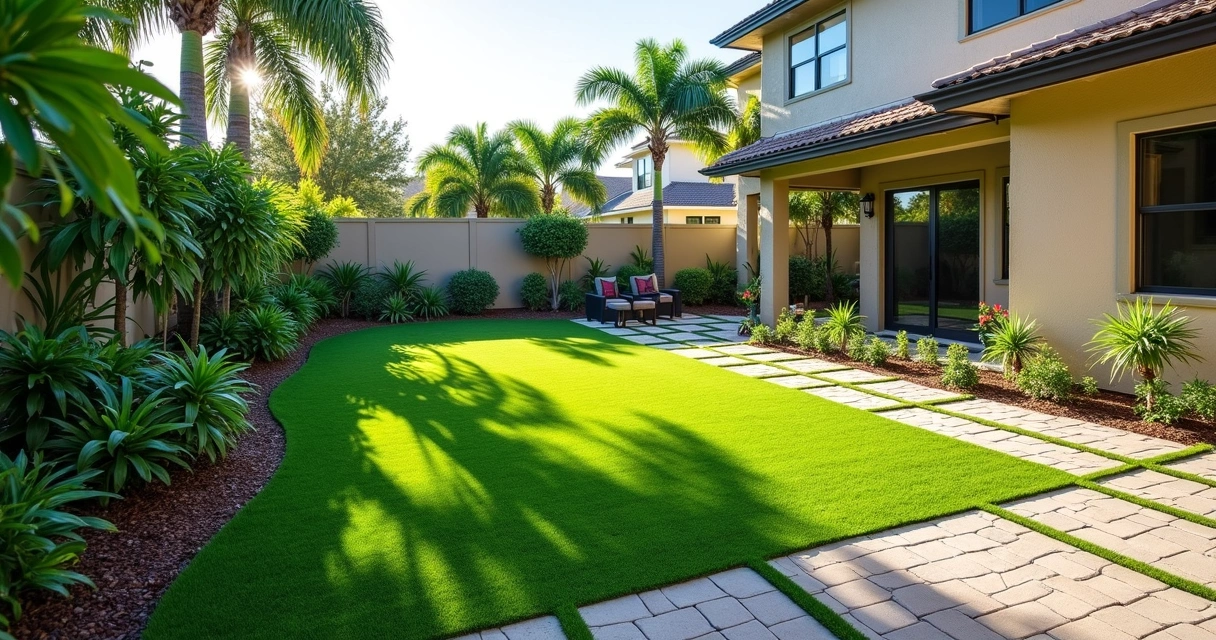
- Artificial turf with natural grass borders and paver walkways
- Stepping stones leading through a mix of zoysia sod and turf patches
- Paver pool decks softened with strips of lush synthetic green
- Water-saving turf for shady corners where grass dies back
- Raised planters with mulch and drought-tolerant plants between turf areas
You might find inspiration in our Orlando artificial turf showcase, where hybrid installations thrive in local soils.
Choosing what’s right: questions to ask before you decide
With so many options, how do we know what to install? We use a few guiding questions on every landscape assessment to balance beauty, function, and sustainability:
- Where does water naturally drain? Will grass or turf hold up in wet areas?
- Are there kids, pets, or heavy foot traffic in specific zones?
- What are your preferred maintenance routines (hands-on vs. low effort)?
- Do local rules or HOA guidelines apply?
- Is maximizing water conservation a top goal?
- Which aesthetics matter most to you—classic lawn, modern green, or both?
After answering these, we tailor every design to fit the property, the lifestyle, and the resources available—something most clients appreciate year after year.
Conclusion: greener choices for lasting impact
Balancing turf and natural grass in Central Florida is more than an aesthetic choice—it’s about creating an outdoor space suited to both the climate and your lifestyle. Blending the best of both, supported by effective planning and professional installation, can lower your water usage, provide year-round green, and reduce chemical reliance, while still keeping landscapes that feel alive and comfortable.
We at GCM Best Services believe that every lawn, yard, or commercial property can be tailored to support sustainability and beauty in equal measure. If you’re ready to see what balanced landscaping can do for your property, we invite you to reach out for a personalized quote or a free on-site assessment. Let’s create a future-friendly landscape—together.
Ready for a professional quote? 📞 (407) 250-1948 • 24–48h • Orlando, Tampa & area.
Frequently asked questions
What is the difference between turf and grass?
The main difference is that turf refers to an artificial surface made from synthetic materials, while grass refers to living, natural plants that grow in soil. Artificial turf requires no watering, mowing, or fertilizing, and offers a consistent appearance. Natural grass provides ecological benefits, cooling effects, and supports local biodiversity, but needs ongoing care and resources.
How to choose between turf and grass?
We recommend considering water availability, desired maintenance level, typical yard use (pets, kids, sports), local regulations, and the look you want. If low maintenance and water conservation are most important, turf may fit. For cooling, habitat, and classic feel, grass is great. Many property owners blend both for best results. Our team can help you analyze your space and needs for a custom recommendation.
Is artificial turf eco-friendly?
Artificial turf is eco-friendly in terms of saving water and reducing chemical use, especially in drought-prone regions. It removes the need for fertilizers and nearly eliminates irrigation. However, turf manufacturing and disposal do have environmental impacts. Choosing quality, recyclable turf and professional installation helps minimize these effects. For properties focused on water conservation, turf delivers major benefits according to Southern Nevada Water Authority studies.
How much does turf installation cost?
The upfront cost of artificial turf installation ranges from $8 to $15 per square foot in Central Florida, depending on the type, area size, and any site preparation needed. Factors include soil grading, drainage setup, edge treatments, and specialty infills. While initial costs are higher than sod, long-term savings come from reduced water, fertilizer, and lawn care expenses.
What are the best grasses for sustainability?
The best grasses for sustainability in Central Florida are drought-tolerant, low-input varieties like Zoysia, Bahia, and some types of St. Augustine. These grasses require less water and fewer chemicals once established. Pairing grass areas with drought-tolerant landscaping and efficient irrigation provides both green beauty and resource savings.