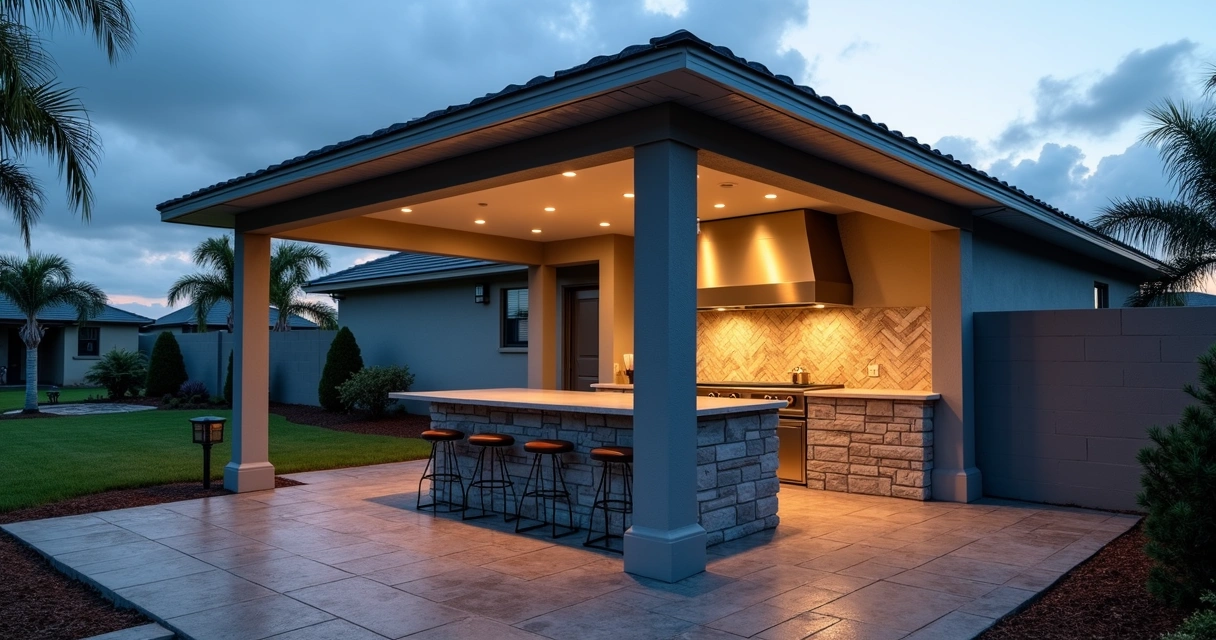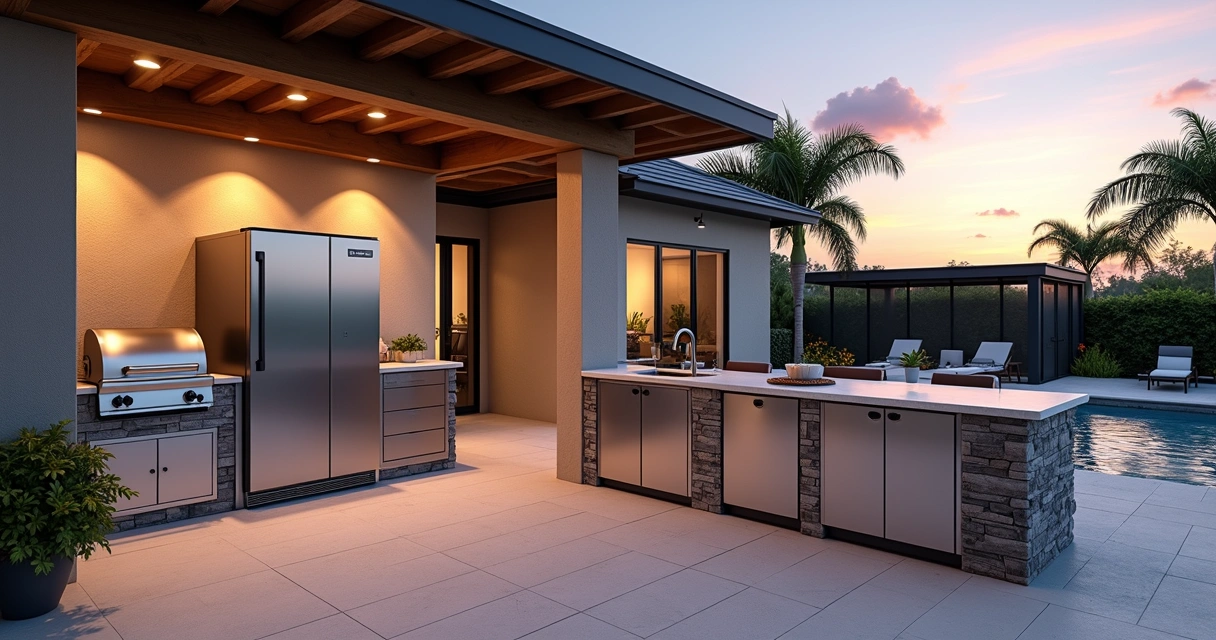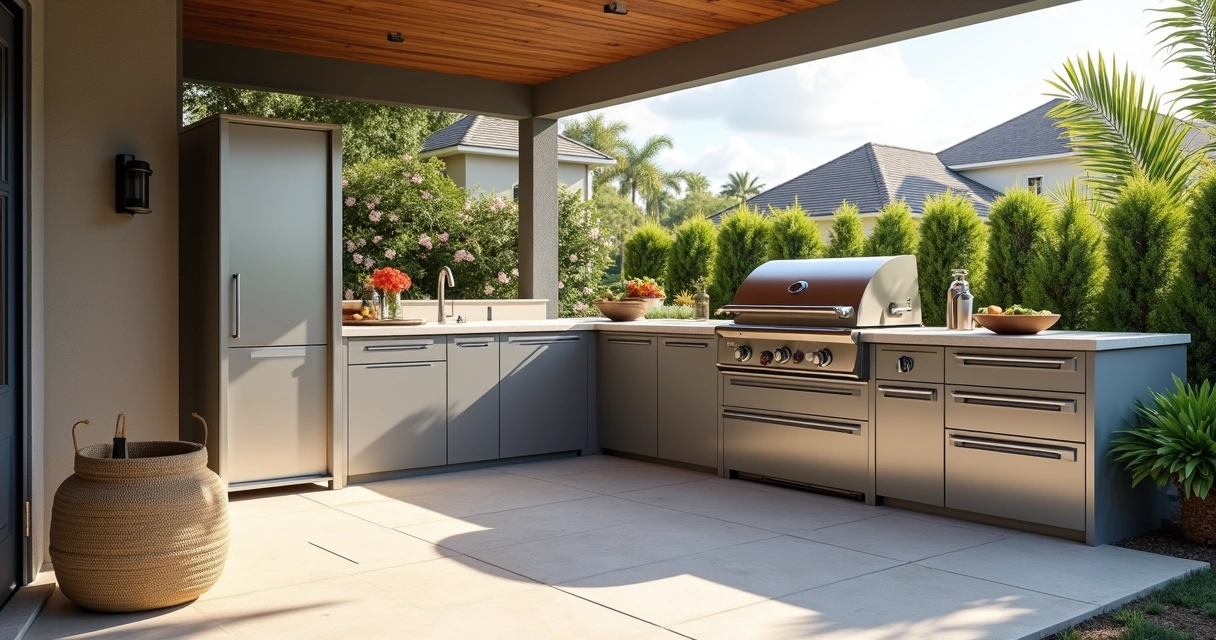
Creating a summer kitchen in Central Florida is a rewarding investment in outdoor living, but the region’s climate makes it clear that proper storage is not just convenient—it is necessary for keeping cooking spaces safe and functional. At GCM Best Services, we have spent years helping our clients design, build, and protect their outdoor spaces, so we understand firsthand the unique weather challenges found here. Sun, rain, humidity, and wind can quickly take a toll on outdoor storage if it is not built for the job.
In this guide, we share what we have learned about weatherproof storage for summer kitchens. We cover the materials, construction methods, features, and care tips that will help you make smart decisions. We also incorporate findings from key studies, cite practical resources, and relate solutions to the outdoor environments we work with throughout Orlando and the wider Central Florida region.
From water-tight cabinets to heavy-duty drawers, and from safe storage for perishables to maintaining clean and hygienic surfaces, we will walk through:
- How to design storage that can stand up to Florida’s climate
- Best materials and finishes for lasting protection
- Smart organization for food safety and kitchen hygiene
- Proper ventilation and safe appliance housing
- Tricks for keeping your summer kitchen tidy, dry, and low maintenance all year long
Outdoor kitchens bring families and friends together—weatherproof storage keeps the good times stress-free.
Why weatherproof storage matters in Florida kitchens
Unpredictable downpours, strong UV rays, salty air, and humid conditions define Central Florida’s outdoor weather. When building summer kitchens, these factors demand a tough approach for cabinetry and storage solutions. We have seen firsthand how quickly non-weatherproof storage cabinets warp, rust, mold, or fail in this environment.
Weatherproof storage ensures your investment lasts and protects what is inside—utensils, groceries, grill tools, cushions, cleaning products, and more. This means less worry about food spoilage, less maintenance, and no surprises when storms roll in.
According to studies published in the Journal of Food Protection, even refrigerator and freezer units often fail to keep food at safe temperatures outdoors unless proper measures are taken. Storage designed intentionally for the outdoors supports these safety requirements, extending the usability and lifespan of every component.
What truly makes storage ‘weatherproof’?
Let’s look at what defines a storage solution as weatherproof. In our experience at GCM Best Services, a storage cabinet or enclosure must meet all these criteria before we recommend it:
- Moisture protection – Storage should keep out rain, splashes, and humidity. High-quality gaskets, raised kickplates, and sloped door edges help keep water out.
- Wind resistance – Heavy, anchored cabinets can withstand gusts. Doors and drawers close tightly with secure latches to resist being blown open.
- Corrosion resistance – Materials like marine-grade polymer, stainless steel, or powder-coated aluminum fight rust and surface wear.
- UV stability – Surfaces should resist fading, cracking, and chalking under the Florida sun. UV-stabilized finishes preserve appearance and strength.
- Ventilation – Proper venting keeps interiors dry, discourages mildew and mold, and helps prevent heat buildup around grills or appliances (see Environmental Monitoring and Assessment for more on outdoor kitchen ventilation risks).
- Rodent and insect resistance – Tight seals and solid construction deny entry to pests, which are often a problem in warm, humid areas.
Weatherproofing is more than just choosing waterproof materials—it involves smart, professional installation and thoughtful design that fits the outdoor space and its unique risks. Our experience in Central Florida’s neighborhoods has proven that skipping any step quickly leads to disappointment.
Best materials for outdoor storage: Pros and cons
When we recommend storage to our clients, we always consider the following materials, each of which comes with its own strengths:
- Stainless Steel
Popular for its corrosion resistance and sleek look, especially grade 304 or 316 stainless (for coastal or high-chlorine pool environments). Stainless stands up to sun, heat, and moisture, and it is easy to clean.
Stainless steel cabinets do require good ventilation and periodic cleaning to prevent spotting or tea staining from Central Florida’s minerals.
- Marine-Grade Polymer
A rugged, water-impervious plastic, this will not rot, swell, or crack. It is favored around pools and for outdoor kitchens that see a lot of water.
Polymer lacks the strong, high-end look of stainless or wood, but its performance is unbeaten for pure protection.
- Powder-Coated Aluminum
Lighter than steel yet highly corrosion-resistant, especially when double-coated, and it comes in a range of custom colors. Great for matching outdoor décor.
The key is ensuring vents, seams, and hardware are corrosion-protected as well.
- Concrete & Masonry Block
For permanent kitchens, concrete bases with sealed doors handle extreme weather and make integrating counters and appliances easy. Professional sealing prevents water intrusion, mold, and mildew.
Naturally heavy and secure, they must still include ventilated stainless doors or drawers for airflow.
- Treated or Composite Woods
Special composites, like HDPE or capped polymers, perform much better than natural wood. If you love the wood look, opt for products designed for decks and marine settings. Natural wood, even pressure-treated, needs diligent upkeep.
We always factor in how each choice will handle the local weather, and the level of care clients prefer. A high-performing summer kitchen always balances beauty, durability, and convenience in storage selection.
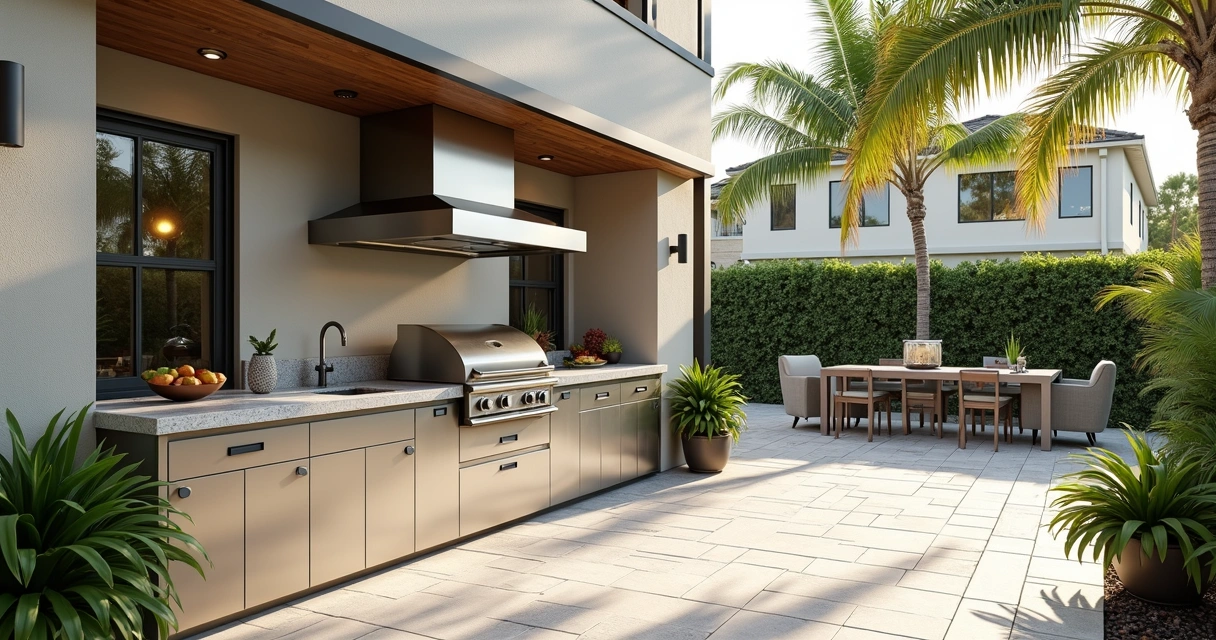
Smart design features for weatherproof storage
Sturdy storage begins with material but depends on smart design. We guide our clients to look for:
- Full-length weather gaskets on cabinet doors and drawers
- Sloped tops and overhangs to deflect rainwater
- Elevated kickplates or legs that prevent flooding during heavy rains
- Seamless construction to keep out moisture and pests
- Magnetic or compression-latch hardware for wind and security
- Integrated drainage slots or ventilation screens to avoid mold and maintain airflow
We have learned that investing in proper garage storage installation techniques, just as we do with our hardscape and patio services, translates to decades of reliable use and less hassle for homeowners.
Food safety and hygiene through smart storage
Food safety cannot be left to chance in outdoor settings. As noted in research by BMC Public Health, common kitchen cleaning tools can harbor bacteria if not stored correctly—outdoor kitchens present even more risk. We always stress these practices:
- Dedicated dry storage for non-perishable foods—airtight boxes and bins prevent pest, moisture, and cross-contamination problems.
- Weather-sealed fridge and freezer units—outdoor-rated appliances keep perishables safe, crucial in the Central Florida heat, as confirmed by the Journal of Food Protection.
- Easy-to-clean shelves and walls—smooth, non-porous materials and removable shelves help keep storage bug-free and fresh.
- Proper washing and drying zones—keep soapy sinks and hand-wash stations isolated from dry storage to prevent moisture buildup and bacterial growth.
- Ventilation for grills and warming drawers—clear vent paths for heat and smoke are not only about comfort, but essential for health as covered in studies on carbon monoxide in outdoor kitchens (Environmental Monitoring and Assessment).
An organized, well-sealed storage system does not just fight the elements—it keeps your outdoor kitchen healthy year-round.
Organization tips for summer kitchen storage
Based on our installations across Orlando, we recommend a few tricks for managing clutter:
- Group frequently used tools together but keep combustibles (oils, propane canisters) away from any heat sources.
- Label dry storage and coolant areas clearly, so family and guests have no trouble finding what they need.
- Dedicate pest-proof bins for trash, recycling, and charcoal to discourage wildlife.
- Store cleaning supplies in moisture-resistant containers and away from direct sun or heat sources for safety.
- Consider shallow roll-out trays for utensils rather than deep drawers—no fishing for tongs at the last minute!
Everything in its place means less stress and more time enjoying the outdoors.
Weatherproof storage for specialty items
Some outdoor kitchen items need specific care. Here’s how we approach them at GCM Best Services:
- Grill accessories and tools: Stainless bins or hooks inside cabinets keep them dry. Removable trays let you bring tools in after use.
- Fabric items (cushions, aprons, tablecloths): Breathable yet waterproof benches or storage trunks are ideal. For pool decks and patios, pair these with drainage design to avoid mildew, just as we advise on driveway and patio paving projects.
- Glassware and dishes: Adjustable, level shelving in weather-sealed cabinets; opt for shatter-resistant plastics for poolside kitchens.
- Fire safety and propane: Store gas tanks in ventilated, locked cubbies away from direct sun or flame.
Some of our favorite installations have stealthy in-bench coolers and weatherproof trash drawers—no more running inside for every little thing.
Choosing and installing weatherproof storage: Steps that work
We follow a set process when planning new outdoor kitchen storage:
- Site assessment: Review drainage, sun exposure, and existing hardscapes.
- Design and layout: Create a layout that uses space efficiently, places storage near work zones, and allows safe appliance venting. Explore ideas on our hardscape services in Orlando.
- Material and finish selection: Match cabinets to the overall kitchen style, surrounding patios, and pools for a unified look.
- Professional installation: This is a must—full weather protection comes from expert fitting, caulking, anchoring, and compliance with local codes.
- Final inspection and walkthrough: Confirm weather seals, venting, and hardware performance.
A step-by-step approach delivers reliability and peace of mind—weatherproof storage is only as good as its installation.
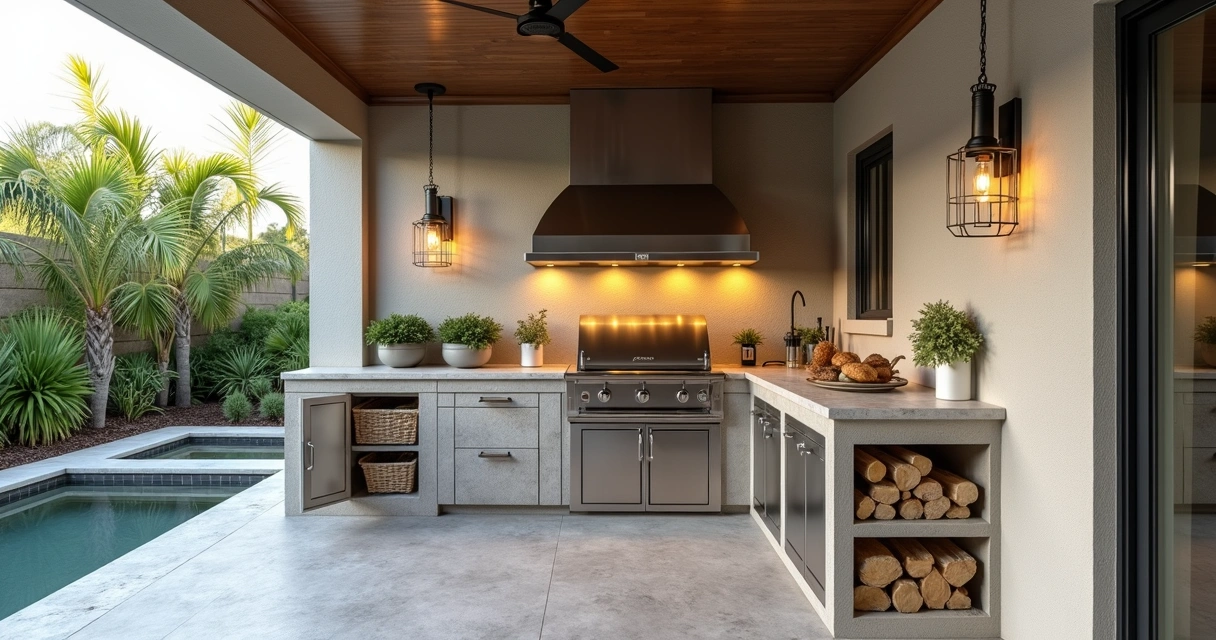
Caring for and maintaining weatherproof storage
Even with the best materials, regular care keeps outdoor storage performing at its best:
- Periodically wash stainless steel, aluminum, or polymer cabinets with mild soap and rinse with clean water to prevent buildup of minerals and grime.
- Inspect gaskets, hinges, and seams for wear, especially after severe weather.
- Keep storage free of standing water—clean out drain holes and wipe down interiors after heavy rain.
- Lubricate hardware and latches as needed for smooth operation.
- For natural or composite woods, re-seal or refinish annually, focusing on edges and joints exposed to water.
Smart maintenance avoids costly repairs and keeps your outdoor kitchen clean, attractive, and ready for use year-round.
Storage and safety codes: Working with HOA and permits
In many Central Florida communities, summer kitchen projects must pass code and sometimes HOA review. We manage the permit, design, and inspection process for storage installations as part of our workflows. Hardscaping, pavers, and kitchen storage installations all benefit from proactive planning—think setbacks from fences, safe gas line routing, code-compliant venting, and electrical safety.
Always confirm local codes and HOA guidelines for storage enclosures, vented appliances, and storm anchoring in outdoor kitchens before starting a project.
Popular storage layouts for efficient summer kitchens
No two kitchens are the same, but our designs often feature:
- An under-grill double-door cabinet for bulky grill items and propane
- Narrow vertical cabinets for trays, cutting boards, and long tools
- Pull-out trash and recycling compartments for hygiene and easy cleanup
- Wide, shallow drawers for utensils and dish storage
- Tall cabinets for pool accessories or cleaning tools, paired with ventilated cubbies for shoes or towels when the kitchen connects to a pool deck
- Integrated coolers or beverage centers set apart from main cooking zones
For homes with artificial turf, we advise keeping maintenance tools in a separate outdoor locker, to avoid moisture transfer and preserve the turf’s condition. More tips can be found on our artificial turf services page.
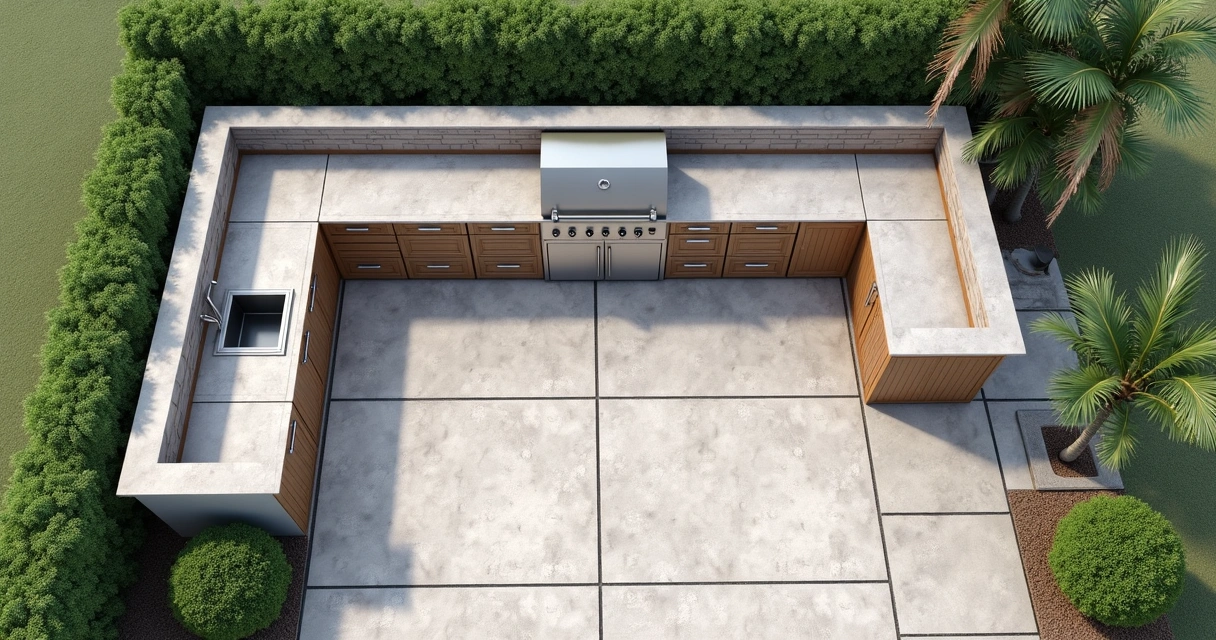
Innovative extras: Integrating lighting, security, and smart features
The newest outdoor kitchen storage systems go beyond basics:
- LED strip lighting under counters and inside cabinets makes night prep easy and safe
- Keyless entry locks or smart locks protect valuable appliances and tools
- USB or power outlets in sealed compartments for charging and plugging in blenders or small appliances
- Hidden pull-out or soft-close drawers for fragile or specialty items
These touches, when paired with expert drainage and weather seals, create functional, beautiful spaces that feel like an extension of your home’s interior kitchen.
Good storage gives peace of mind—your summer kitchen will always be ready for a spontaneous barbecue.
Conclusion: Start your weatherproof kitchen storage project with confidence
We hope this guide has made the weatherproof storage process for summer kitchens clearer and more approachable. Through careful selection of materials, construction, and thoughtful design, you can build a kitchen that stands strong in Central Florida’s elements. At GCM Best Services, we believe in working hand-in-hand with our clients, from initial assessment to warranty-backed installation, providing custom solutions for every space and need.
Ready to protect your outdoor kitchen investment and make every gathering stress-free? Reach out to our team for a no-obligation assessment, and let us help specify the perfect weatherproof storage for your home.
Ready for a professional quote? 📞 (407) 250-1948 • 24–48h • Orlando, Tampa & area.
Frequently asked questions
What is weatherproof storage for summer kitchens?
Weatherproof storage for summer kitchens refers to cabinets, drawers, and storage units specifically designed and constructed to protect their contents from rain, sun, humidity, wind, and pests. These systems use tough, outdoor-rated materials like stainless steel, marine-grade polymer, or sealed masonry, plus weather-resistant hardware, seals, and ventilation to keep kitchen tools, food, and appliances safe and clean in outdoor settings.
How to keep outdoor storage dry?
To keep outdoor storage dry, use cabinets and enclosures made with water-resistant materials, full-perimeter gaskets, raised legs, and sloped surfaces to direct water away. Place storage on level ground with proper drainage, inspect seals and hardware after storms, and avoid placing storage under trees or roof lines that drip. Good ventilation also helps prevent moisture buildup.
What materials are best for weatherproof storage?
The best materials for weatherproof storage in summer kitchens are marine-grade polymer, stainless steel, powder-coated aluminum, sealed masonry block, and select composite woods. Each offers strong defense against weather, though stainless and marine-grade polymer are the most common in high-moisture or humid areas. Always choose outdoor-rated finishes and hardware to complete the system.
Where to buy weatherproof storage units?
You can source weatherproof storage through local specialty contractors, outdoor kitchen suppliers, or by working with a professional service provider that handles selection, design, permitting, and installation. At GCM Best Services, we specify, source, and install weatherproof storage tailored to Central Florida homes, ensuring durability and code compliance with a written warranty on all work.
Is weatherproof storage worth the investment?
Yes, weatherproof storage protects your outdoor kitchen from costly damage, keeps food and tools safe, and saves time on cleaning and repairs. In Central Florida’s climate, it prevents warping, mold, rust, and pest intrusion, extending the life of your outdoor investment and improving safety for family and guests.