If you have invested in beautiful pavers for your driveway, patio, pool deck, or walkways, preserving their look and durability matters. In Central Florida, where rainy seasons and intense sun can speed up fading and surface damage, sealing is more than a finishing touch—it's part of long-term care. But not all paver sealers are the same. At GCM Best Services, we often get this question: Water-based or solvent-based sealer—which one is right for my pavers?
In this article, we'll take a thorough look at these two categories of sealers, compare how they perform, discuss safety and environmental factors, and share what we've learned after years of completing hardscaping projects across Orlando.
Choosing the right sealer is as much about local climate as it is about chemistry.
This article will clarify your path to a more protected, beautiful, and lower-maintenance paver surface.
What are paver sealers and why do they matter?
Paver sealers act as a protective layer for stone, concrete, and brick pavers. Their job is to stop staining, slow down fading, keep out weeds, and reduce loss of joint sand. More than that, they can boost color, add shine, and make cleaning easier. With Florida's tough climate, sealing pavers extends their fresh look and helps avoid repairs from water, mold, and shifting sand.
Sealing isn't a one-size-fits-all task. The choice of sealer affects every step—from preparation and application to maintenance and life span.
Understanding the two types: Water-based vs solvent-based
Both types shield your pavers, but they have different chemistry, appearance, and handling requirements. Let’s quickly define each and set up the details for a deeper comparison.
- Water-based sealers: These use water as their main carrier mixed with acrylic, silicone, or polyurethane resins. They bond to the surface as the water evaporates. Modern versions can include advanced additives.
- Solvent-based sealers: These use a chemical solvent, often xylene or similar, to carry acrylics or polyurethanes deep into the paver surface. The solvent dries off, leaving a hard protective film.
From a homeowner’s view, the everyday differences show up in color, gloss, smell, drying time, safety, and how easy it is to reapply the product.
What do water-based sealers offer?
We have seen water-based sealers make huge gains in the last decade. Today, many professionals and homeowners pick water-based for their low odor, easier cleanup, faster return to service, and improved eco-friendliness.
According to Washington State University research, advances in nanomaterial technology allow some water-based sealers to reach protective levels once reserved for solvent-based formulas. That’s important, especially for high-traffic or moisture-exposed patios and walkways.
- No strong chemical smells
- Non-flammable, safer for storage and installation
- Lower VOC emissions, often meeting or exceeding modern environmental codes
- Acceptable for use in most HOA or municipal neighborhoods
- Less risk of trapping moisture in the paver, especially with breathable formulas
One thing we see with water-based finishes is a more natural, satin, or “matte wet” look rather than the high-gloss sheen of many solvent-based sealers. That can be a plus or minus, depending on the style you prefer.
What are the unique attributes of solvent-based sealers?
Solvent-based sealers have been the gold standard in appearance and stain resistance for many years. We notice they:
- Deepen and "pop" paver color with a glossy finish
- Repel oil and grease stains powerfully, making them good for driveways
- Penetrate deeper into porous surfaces, giving a solid mechanical bond
But there are also trade-offs:
- Strong chemical odor during and after application—ventilation is a must
- Highly flammable—special care during storage, use, and disposal
- Often have higher VOC (volatile organic compound) content, sometimes limited by city or county regulations
For many years, the strongest and glossiest paver sealing results came exclusively from solvent-based products. However, due to their environmental and safety impacts, water-based alternatives have received major investment in recent years, narrowing the gap in longevity and appearance.
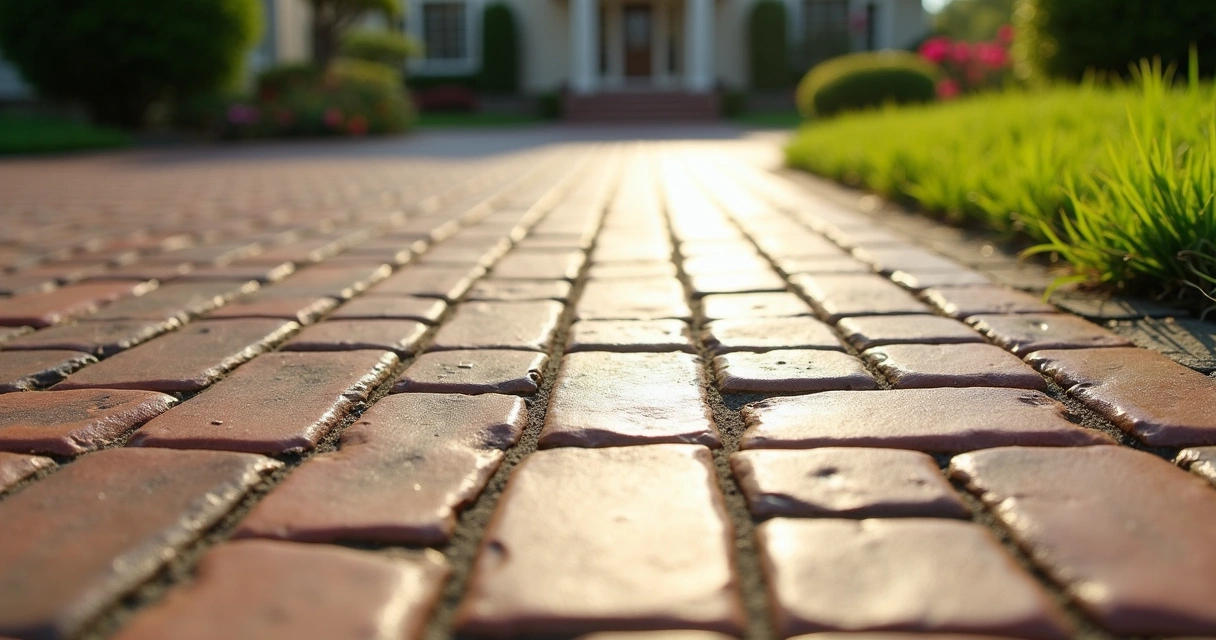
How do they compare on application and maintenance?
Application can make or break your results—no matter which chemistry you pick. We've performed hundreds of sealing jobs at GCM Best Services, so we've seen the pitfalls.
Surface preparation
Good cleaning and joint repair come first—debris, stains, loose sand, or moisture affect both types equally. Allow new paver installations to cure for at least 30-60 days to prevent hazing and trapped moisture.
Humidity and weather conditions
Florida's summer weather makes timing key: water-based sealers can usually cure in higher humidity, while solvent-based sealers demand dry surfaces and lower humidity for best results. If applied during a humid spell, solvent-based sealers can “blush” or turn cloudy.
Odor and safety during application
With a water base, installation is safer and simpler—no need for organic vapor respirators or extensive barrier tape. Solvent-based sealers, by contrast, may require full chemical-resistant gloves and masks during jobs.
Cleanup and cures
Water-based sealer tools rinse out with soap and water. Solvent-based require dedicated solvents for cleanup, making mistakes harder or more costly to fix. Cure time for light foot traffic is typically 2–8 hours for water-based, but 6–24 hours for solvent-based formulas.
Reapplication and repairs
Reapplying water-based sealer on top of itself is usually straightforward. If a solvent-based sealer was used previously, it is best to stick with a solvent-based product for future recoats, since switching could cause hazing or “peeling”.
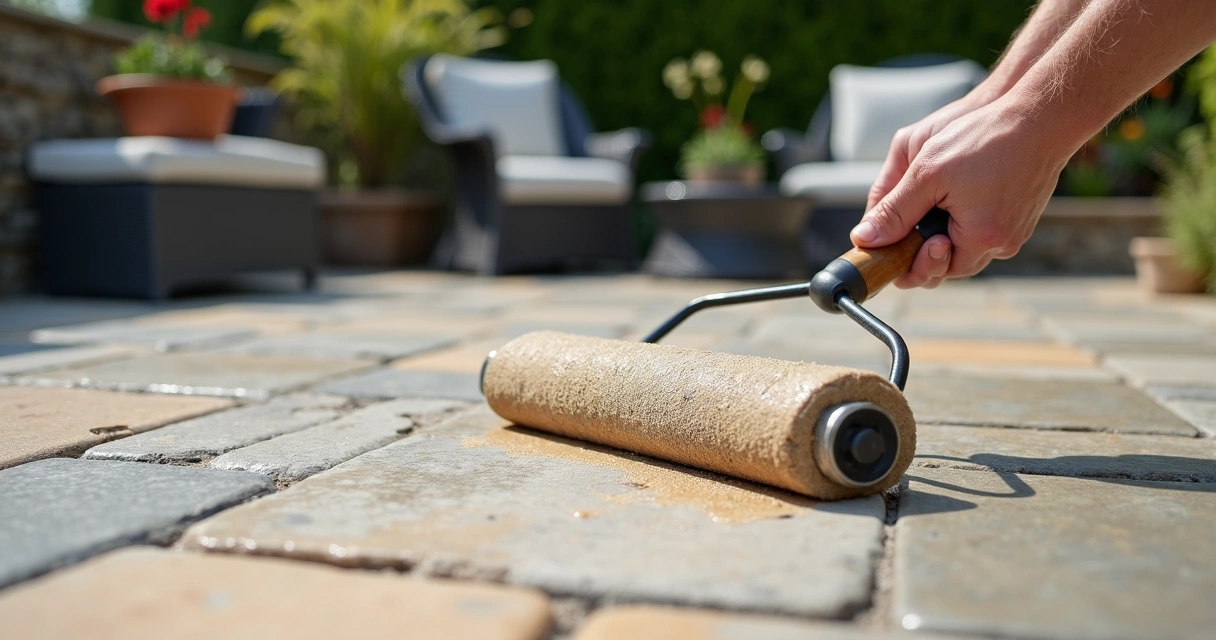
Performance and durability in Florida's climate
Durability is always a top question. High humidity, direct sunlight, and sporadic heavy rain put every sealer to the test in Orlando and Central Florida. At GCM Best Services, we monitor projects to observe the real-world performance of different sealers on driveways and patios.
- Soaking rain and ground moisture challenge both types, but water-based products now include advanced crosslinking and nanotechnologies, according to scientific studies from Washington State University.
- Sunlight (UV exposure) often fades both types, but solvent-based sealers may yellow over time, especially on light-color pavers.
- Water-based formulas usually avoid yellowing and provide a natural look, especially with higher-grade brands.
In our experience, both types hold up from 2 to 5 years before needing another coat—if the right product is chosen and applied with good prep. Driveways with frequent oil spills or high tire traffic tend to do better with a high-grade acrylic solvent system, but patios and pool decks are often well-served by a top-quality water-based sealer.
Environmental and health considerations
Today's regulations make us all more aware of what goes down the drain and into the air. Water-based sealers produce far fewer VOCs and are usually much safer for household members, pets, and landscape plants. Their water components evaporate without leaving hazardous residues.
Solvent-based products, while highly protective, release more vapors during and after application and require careful storage and disposal. They are not always approved for use in every community. Some HOAs, neighborhoods, or building codes may restrict their use.
At GCM Best Services, we recommend reviewing the local environmental guidelines or HOA rules before selecting a paver sealer—especially for visible surfaces like driveways and pool decks. Our team can help you make a compliant, informed choice.
Appearance: What kind of finish do you want?
Gloss levels and color intensity are often a deciding factor for homeowners. Let's break down what you can expect.
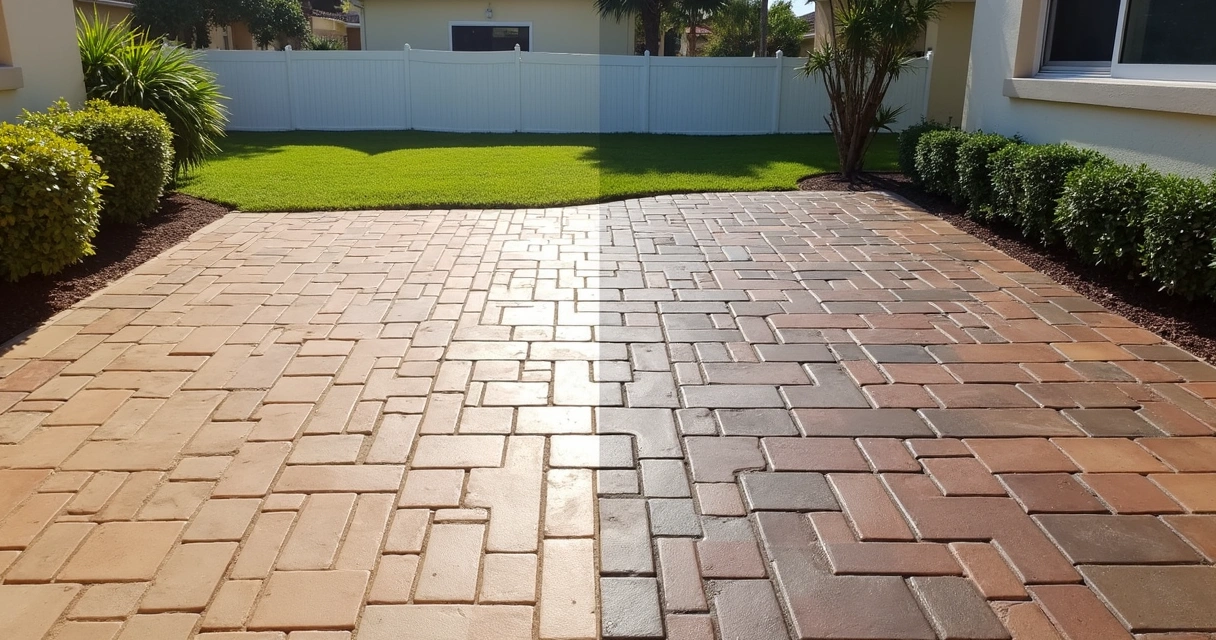
- Solvent-based: Delivers a deeply enhanced, glossy, "wet look" that really highlights bold colors. This can feel dramatic, almost like varnished stone. It can be slippery if not formulated with anti-skid additives.
- Water-based: Offers a subtler satin or matte sheen, maintaining a more natural paver look, which many clients prefer for modern or rustic properties. Anti-slip textures can be added as well.
Stain resistance is quite good with both, but oil and grease may wipe up better from a high-gloss solvent-based finish. For shaded or screened porch areas, the difference is less visible.
A paver's finish should suit your lifestyle—not just the material.
For more insight on paver aesthetics and proper installation, our guide on driveway and patio paving best practices can shed light on the whole process.
Slip resistance and safety
Safety underfoot is a non-negotiable part of any outdoor living space, especially around pools, patios, and high-traffic walkways. Sealants can increase slip risk if applied too thick or without proper traction additives, especially in wet conditions.
Most modern water-based sealers are manufactured with fine aggregate, quartz, or polymer beads to add texture and keep surfaces grippier. Many solvent-based sealers can have fine silica sand mixed in or be produced in matte versions for this reason.
When we design paver protection systems, we always factor in family safety and recommend the right product or additive to match the intended use. If you want to learn more about safety and paver system design, our post on effective drainage and slip prevention for pavers is a solid reference.
Cost: Is one better for the budget?
Budgeting goes beyond the cost of the sealer jug at the store. Application time, tools, safety gear, expected re-coat intervals, and cleanup all matter. On average in Florida:
- Water-based sealers are similar or slightly less expensive per gallon and need less specialized gear.
- Solvent-based sealers may require premium pricing, especially for professional grade products, and come with higher costs for safe disposal and precautions.
- Labor costs are usually higher for solvent based due to slower cure, odor control, and detailed masking.
For DIY users, water-based is often more forgiving—mistakes can be more easily washed away, and cleanup is simpler. Professionals may choose either based on the specific site, predicted foot traffic, and desired appearance.
Our hardscape solutions resource covers budgeting, planning, and how to maximize the lifespan of your paver projects from the ground up.
Longevity and reapplication: How often will I need to reseal?
The million-dollar question. Most clients want to know: “How soon will I need to do this again?” Factors that impact re-sealing interval:
- Traffic (foot, tires, pets)
- Location (pool chemicals, fertilizer runoff, cooking oils, shade, and tree debris)
- Original sealer type and application quality
- Paver porosity—some pavers are denser and absorb less sealer
Both water-based and solvent-based sealers provide 2–5 years of protection in Central Florida under normal conditions. Driveways usually demand resealing sooner than patios or walkways, simply due to oil and tire contact.
The best plan is to inspect pavers yearly. When water stops beading on the surface or stains become harder to remove, it's time for another coat.
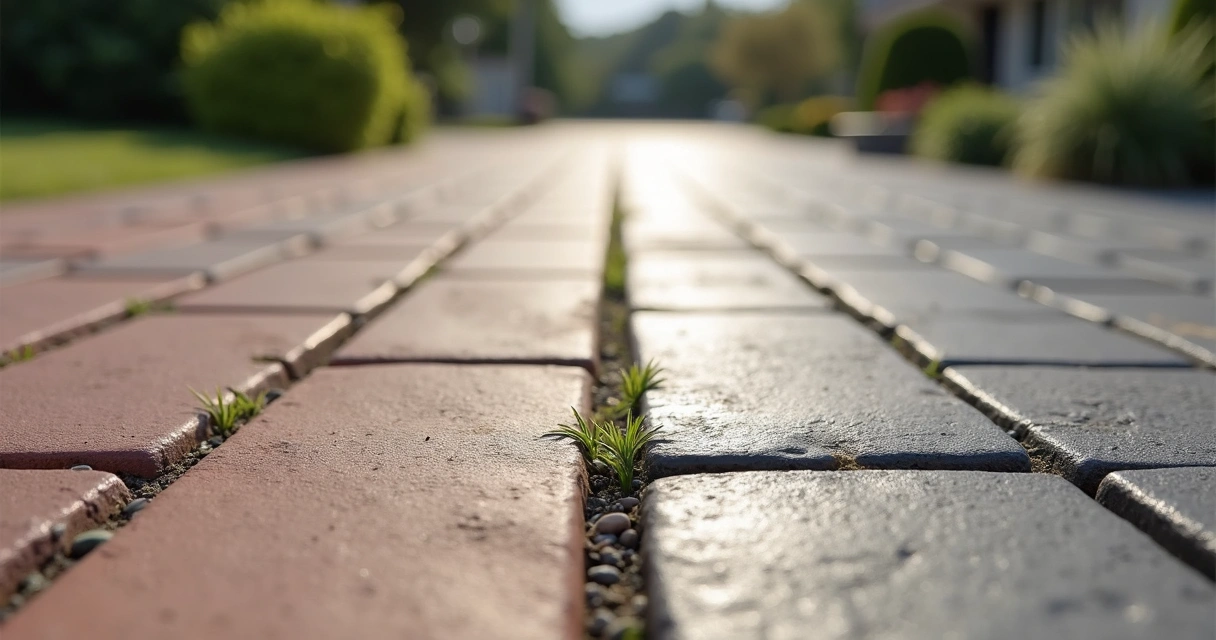
Summary table: Water-based vs solvent-based sealer comparison
- Appearance: Water-based offers more natural, satin or matte finishes; solvent-based is glossier with more vibrant color highlights.
- Odor/VOCs: Water-based is low odor/low VOC; solvent-based has a strong smell and higher VOCs.
- Application/Cleanup: Water-based is easier with soap and water, quicker re-coats; solvent-based needs chemicals for cleanup, slower to recoat, and more ventilation.
- Durability: Both can deliver 2–5 years of service; high-quality water-based can now match solvent performance due to nanotechnology.
- Environmental Impact: Water-based is safer for pets, plants, applicators, and the environment.
- Cost: Water-based usually costs less to apply and maintain, but premium solvent-based may outlast in hard-use conditions.
How does GCM Best Services help clients choose?
We do not believe in a one-size-fits-all approach. Every project gets a site visit, where we examine paver type, age, exposure, color, traffic, drainage, HOA guidelines, and client style goals. Our written estimates detail the specific product, prep, repair, application, and aftercare plan. We also offer maintenance reminders and warranty guidance so you get the best return on your investment.
We handle every phase, from cleaning and joint restoration to sealer application, with photos and communication throughout. Want to learn more about our hardscaping expertise in Orlando? Our team is ready, from simple patio sealing to complex pool deck restorations.
If you are interested in more background, our hardscaping blog articles and concrete care guides provide even more insight from real-world Central Florida projects.
Conclusion: Which paver sealer is right for you?
So, should you choose water-based or solvent-based sealer for your Central Florida pavers? Here's what we think at GCM Best Services:
- Water-based sealers are the better fit for most homes wanting a natural look, minimal odor, eco-friendly application, and strong moisture protection. Advances in technology have closed the gap with solvent-based products. They are especially good for patios, walkways, and pool decks.
- Solvent-based sealers remain a great option if you want a bold, high-gloss “wet look” and ultra-strong resistance to grease and oil—just be prepared for extra care in application and ventilation.
Above all, surface prep and professional application matter just as much as your sealer choice. Long-term beauty and function depend on getting the details right from the start.
The right sealer protects your investment and supports years of low-maintenance outdoor living.
If you have questions about your paver project, need an estimate, or want to see our photo gallery, reach out for a free on-site visit with GCM Best Services. We'll help you select the best paver sealer for your space and climate. Experience safer, longer-lasting, and more beautiful pavers—right here in Central Florida.
Ready for a professional quote? 📞 (407) 250-1948 • 24–48h • Orlando, Tampa & area.
Frequently asked questions
What is a water-based paver sealer?
A water-based paver sealer uses water as the main liquid carrier, holding acrylic, polyurethane, or silicone resins and additives that form a protective film when the water evaporates. These sealers are known for low odor, low VOCs, easier cleanup, and safe handling. They typically provide a natural or satin finish and are a popular option for patios, pool decks, and walkways. Modern formulas are durable and are environmentally preferred for most residential paver projects.
How does solvent-based sealer differ?
Solvent-based paver sealers use chemical solvents, usually xylene or similar, as a carrier for resins. These solvents help the product penetrate deeper, producing a bold, glossy "wet look" and often darker color enhancement. Solvent-based sealers have a strong odor, are flammable, and require careful handling, but they offer excellent stain and oil resistance, particularly for driveways. However, they may release more VOCs and can be restricted by local regulations.
Which sealer lasts longer on pavers?
High-quality water-based and solvent-based sealers both typically last 2–5 years on Central Florida paver surfaces when applied properly. Longevity depends on traffic, weather, and preparation. Solvent-based products may outlast on heavy-use driveways, while modern water-based types enhanced with nanomaterials can match or exceed life span in many settings, according to scientific studies.
Is it worth it to seal pavers?
Yes, sealing pavers is worthwhile to prevent staining, fading, weed growth, and sand loss in joints, especially in harsh Florida conditions. It makes surfaces easier to clean, keeps joints stable, and helps avoid costly repairs. Sealed pavers look better, last longer, and satisfy most HOA or warranty requirements.
How much does paver sealing cost?
Paver sealing costs range from $1 to $2.50 per square foot depending on sealer type, site prep, and layout complexity in Central Florida. Water-based sealers are usually a bit less expensive to apply and maintain than solvent-based. Large or detailed surfaces, heavy cleaning, or special safety steps can shift costs. Most professionals provide detailed written estimates after a site visit.