If you’ve ever struggled to find your toolbox, tripped over bikes, or wished there was a simple path to walk through your garage, you’re not alone. For homeowners and business owners in Orlando and Central Florida, having a well-planned garage floor layout is more than a luxury—it’s about making spaces work smarter and look sharper. At GCM Best Services, we’ve spent years helping clients transform cluttered, underused garages into efficient, comfortable extensions of their homes, using materials and construction practices fit for Florida’s climate. In this guide, we’ll uncover the eight layouts that keep workflow smooth and storage under control, with tips to make your garage adapt to your real needs—and not the other way around.
We’re going beyond simple shelving or hooks. Instead, we present tried-and-true layout types, show how to blend different storage strategies based on top research (like velocity-based placement), and help you see the next step for your space. There’s much more to a garage than just parking the car. Let’s take a closer look.
Why garage floor layout matters for workflow and storage
Before we jump into specific layouts, it’s helpful to reflect on the reasons this topic brings so much value. In our years serving Orlando and the surrounding area, we often see garages become a default dumping ground. Lawn equipment, sporting goods, boxes, and tools crowd out parking and functional workspace. This creates stress and can lead to wasted time, lost items, and even safety risks.
A smart garage floor layout brings order, improves accessibility, and helps your space work for you.
Research on storage strategies by systematic literature review on correlated storage assignment in warehouses highlights how placement and zoning reduce time spent searching and moving objects. The principles apply as much to a garage as they do to an industrial warehouse. When every item has a logical home and the flow is natural, you’ll get the most from every square foot.
Now, let’s walk through the most effective layouts—from the basic to those for real enthusiasts.
The classic perimeter layout
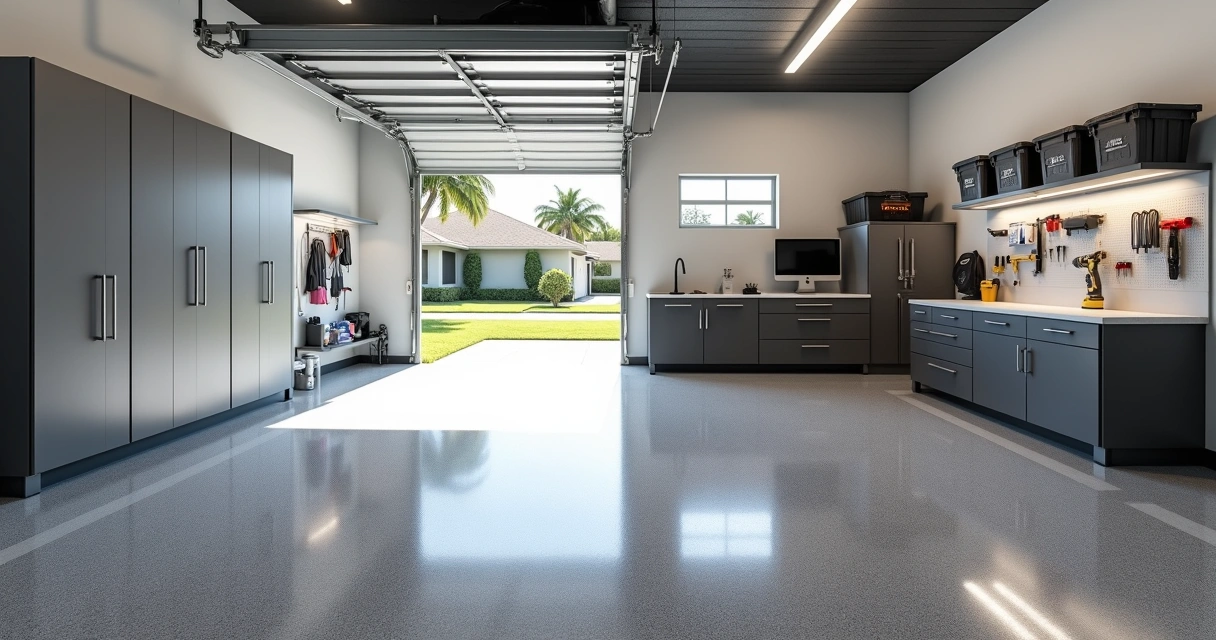
This approach puts storage and work zones along the garage’s walls, freeing the center for cars or open projects. It’s a standard for a reason: clear sight lines, easy access, and an adaptable framework if your storage needs change over time.
- Place shelving and cabinets on the back wall for less-used items.
- Install hooks, racks, or narrow shelving on the side walls for quick-grab tools or sports gear.
- Leave the center open for vehicles, bikes, or a folding workbench.
We find the perimeter layout fits those who park their cars regularly but want quick access to tools, cleaning equipment, or gardening supplies. It works well with floor coatings like the epoxy and polyaspartic systems we install, since clear, unobstructed concrete is easy to coat and keep clean.
Zone-based layout for specialized storage
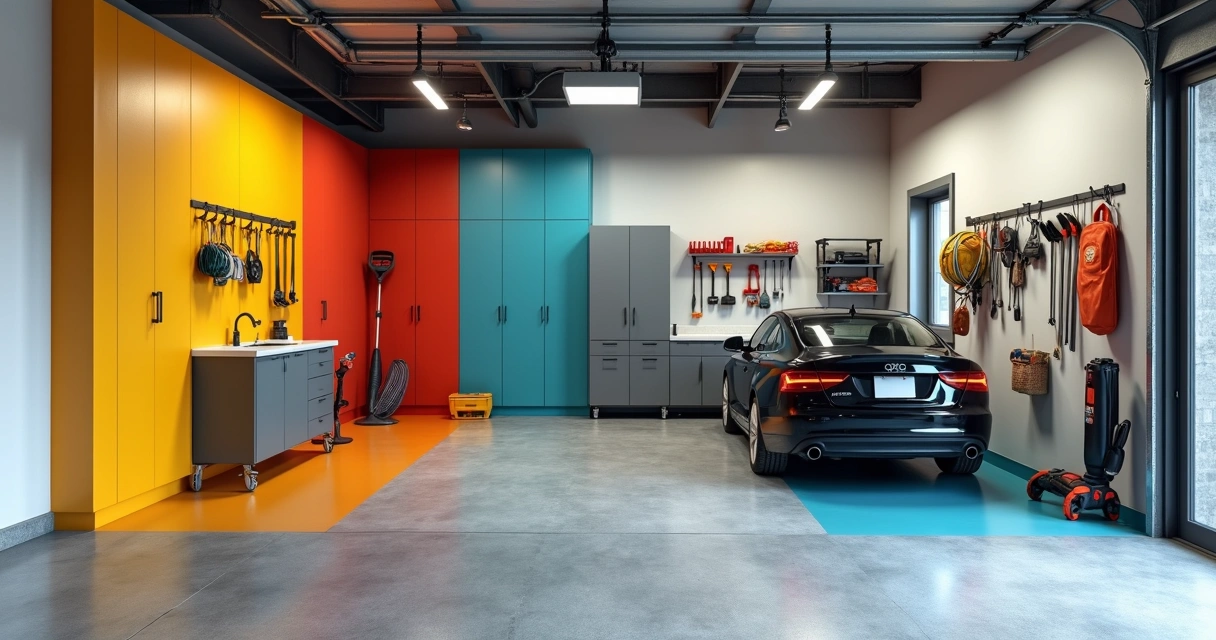
Homeowners with a variety of hobbies or work-from-home activities benefit from thinking in zones. A garage can be divided into purposeful sections, each supporting a distinct task:
- Sports corner with ball racks, wall hooks, and lockers
- Tool zone near the door with cabinets and a pegboard
- Seasonal storage up high or in deeper cabinets
- Yard care zone along one wall with racks for rakes and shovels
By grouping items according to use, you reduce the mental and physical effort required to find what you need. We often see this approach succeed where families have a blend of daily and rarely used items.
Zones in your garage act like invisible walls, organizing chaos into clear, usable spaces.
Adding durable, easy-to-clean surfaces also helps. Stained or epoxy-coated floors from GCM Best Services, for instance, stand up to wet gear, dirt, and oil stains, making zones easy to keep clean. If you’re planning new concrete or need cracking repaired, our page on licensed garage concrete repair can help you plan ahead.
Galley or corridor layout
This design is especially useful for narrow garages or spaces where vehicles are seldom parked. It borrows from kitchen layouts: two long rows of storage with a clear walking path in the middle. Everything is close at hand, and you can easily shift from one task to another without circling piles or boxes.
- Install tall shelving on both long walls, leaving at least 36 inches clear down the center.
- Use rolling carts or wheeled tool chests that move aside as needed.
- Overhead bins add extra capacity in tighter spaces.
If you’re short on width but have plenty of length, this format can maximize your floor space. We like how it promotes a sense of order and encourages users to put items back where they belong. It also complements the installation of seamless, high-performance coatings as offered in many GCM Best Services projects, since the traffic lane stays uncluttered and safe.
Workshop-centric layout
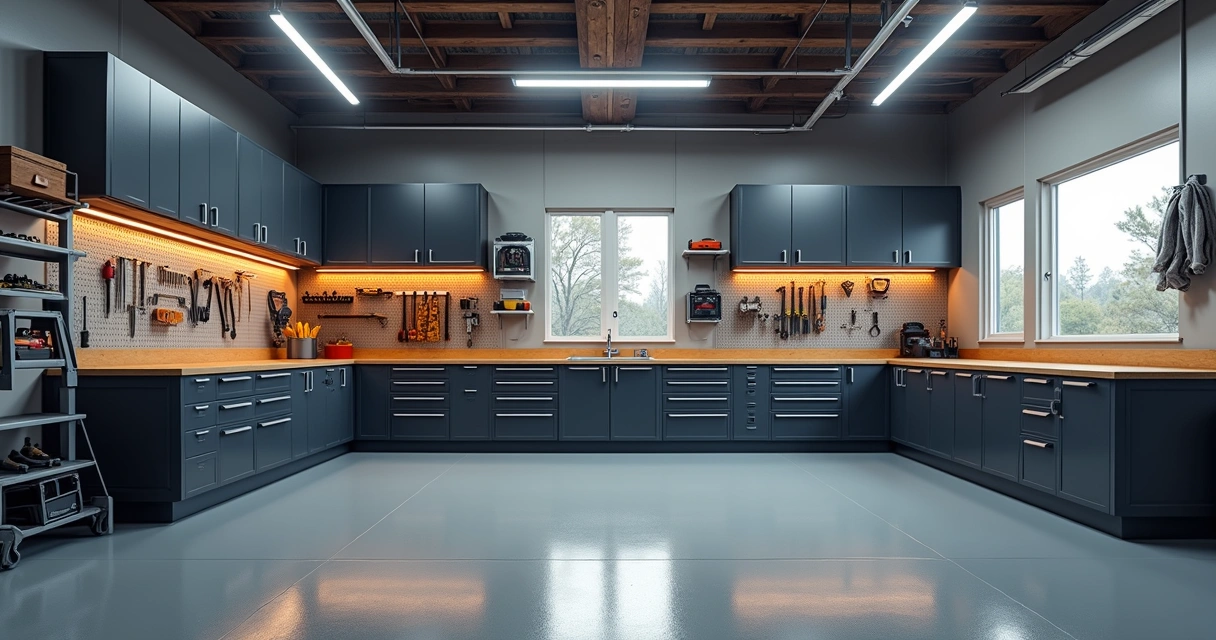
When the garage becomes your main workspace—maybe you’re fixing small engines, woodworking, or crafting—you need clear workflow. A workshop-centric layout features:
- Main workbench centered along the rear wall or in a quiet corner
- Power tool storage and charging areas nearby
- Parts bins, pegboards, and deep drawers close at hand
- Dedicated task lighting
Cars may still fit, but the priority is uninterrupted work. This type of garage often sees the most traffic, spills, and potential for floor wear. That’s why we recommend tough surfaces, like broom-finished or epoxy-sealed concrete as well as clear floor zoning by paint or colored quartz. Drainage is crucial, so sloped floors or quality concrete finishing are key parts of the workshop layout strategy.
Parking plus storage layout (L-shaped or T-shaped)
If you always park in your garage but need organized storage, an L-shaped or T-shaped system works well. For example:
- L-shaped: One corner holds cabinets, deep shelving, or a tool station, leaving an “L” for the parked car.
- T-shaped: Storage along the back wall, with a perpendicular set of shelves or workbench forming a “T” at the rear, while the car takes the long part of the “T.”
This approach keeps commonly used items closer to the entry door for easy grabs. Heavier, seasonal items can go in deeper shelves or high wall-mounts. Overhead racks are especially effective here—small footprint, big capacity, and no interference with the parking area.
Compact storage shapes create harmony between cars and gear in shared spaces.
As with most layouts, surface preparation matters. If you’re planning a major change, review our insights on preventing cracks in Florida concrete to ensure that your layout rests on a solid foundation.
Island layout for creative and collaborative work
Imagine your garage as a creative or team workshop: the island layout puts a large movable workbench or table at the center, with storage ringing the room. This is ideal if you:
- Build or fix together as a family
- Run a small business or hobby from your garage
- Host neighborhood projects or car club meet-ups
The “island” can be wheeled away when not needed, restoring space for cars or storage. In our experience, this setup benefits from easy-to-mop floors and well-planned lighting, both of which we can design into new builds or retrofits. Painted or epoxy-finished floors make fast cleanup possible when group activities leave a mess.
Garage extension: vertical and ceiling storage
If your floor is packed but your ceiling is empty, the solution may be up, not out. Vertical layouts center on:
- High wall shelving or specialized overhead racks
- Bicycle pulleys, kayak lifts, and drop-down storage bins
- Stackable bins or modular cabinets
This method not only clears pathways, it can even improve garage air flow. In places like Central Florida, where garages can feel stuffy, having wall-mounted and ceiling storage means there are fewer obstacles for air (and less for pests to hide in). Just ensure the structure supports extra weight—at GCM Best Services, we assess existing beams and can reinforce ceiling mounts during our upgrades. Review more about structure and base preparation in our guide to hiring Orlando concrete professionals.
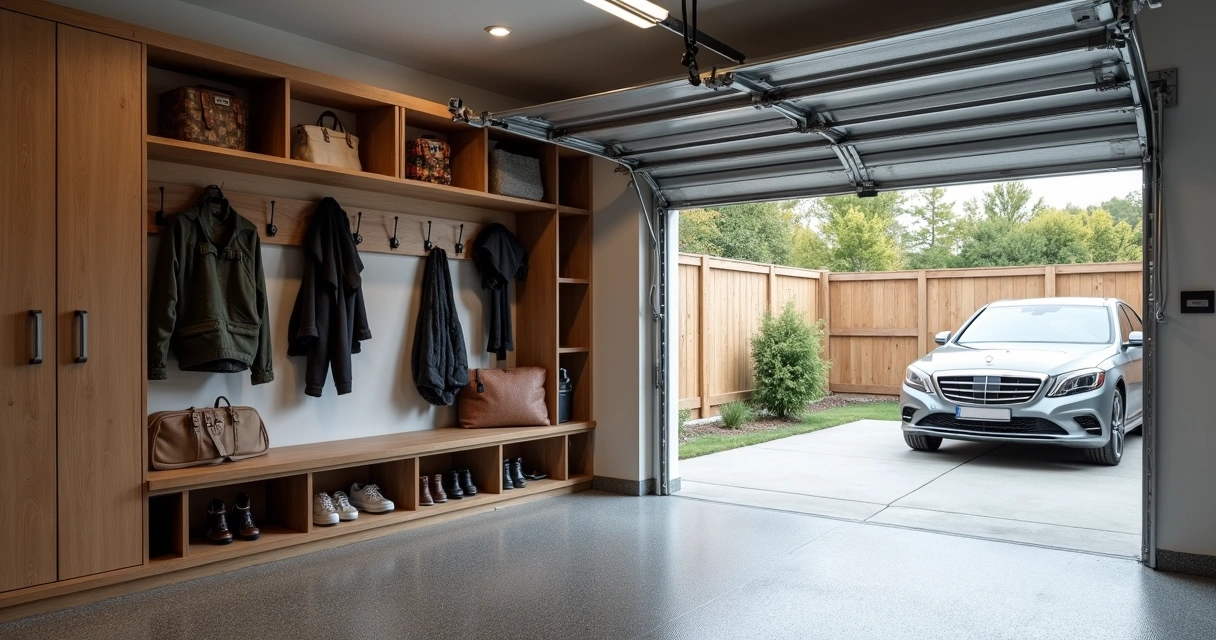
Garage entryway/mudroom hybrid
This is especially popular for families with active lifestyles. The idea is simple: dedicate the area nearest the house entry to a mudroom zone, with:
- Cubbies for shoes and bags
- Wall hooks for coats and hats
- Bench for changing footwear
- Durable mat or painted “landing pad” area
Then, transition into zones for cars, tools, or storage. The key is a clear separation between “clean” entry and open storage areas. We advise using slip-resistant coatings (like decorative epoxy or polyaspartic) for the mudroom part so it remains easy to clean and safe in wet weather.
Ultimate enthusiast’s layout (hobbyist or collector garage)
For auto buffs, passionate woodworkers, or collectors, a garage must do more than store and protect—it must showcase, support, and inspire. This kind of layout brings personalized zones for:
- Vehicle display (with lined parking surfaces for classic cars or motorcycles)
- Specialty workbenches and custom toolwalls
- Glass-doored cabinets for display items
- Climate control and detailed lighting
- Separate entrance to protect projects from foot traffic
Most enthusiasts blend features from earlier layouts—dedicated zones, central work islands, and lots of vertical storage. Flooring plays a big part: high-gloss coatings, stain-resistant concrete, or even stamped surfaces can turn a mundane floor into a highlight of your collection space (see more inspiration in our guide to concrete patio and driveway projects in St. Cloud).
Your garage is more than four walls; it can become a reflection of your interests and style.
How to plan your garage layout step by step
Choosing a floor plan is only half the process—making it work in real life takes a bit of preparation. We always recommend:
- Inventory everything in your garage. Separate by use: daily, seasonal, and rarely-needed. This helps inform which layout supports your true needs—don’t guess, measure.
- Visualize zones on paper or use painter’s tape on the floor. Define where work, storage, and access paths will go.
- Address floor condition: Cracks, stains, or moisture? An experienced crew like GCM Best Services can repair, coat, or resurface while you plan your layout.
- Install the backbone: shelving, hooks, benches, or ceiling racks. Modular pieces offer the easiest adaptation if you anticipate changes.
- Leave room to grow or shift zones over time. What works this year may need tweaks next season.
By following simple, research-informed guidelines (like velocity-based storage and zone assignment, as found in storage efficiency studies), you set yourself up for years of easy access and less frustration.
Choosing materials and finishes for Florida conditions
Even the best layout can fall short if the floor can’t handle Florida’s conditions. Our team at GCM Best Services recommends:
- Thick, compacted sub-base for all new concrete. For garages, this is usually 6–8 inches of well-compacted fill.
- High PSI concrete with rebar or mesh for strength.
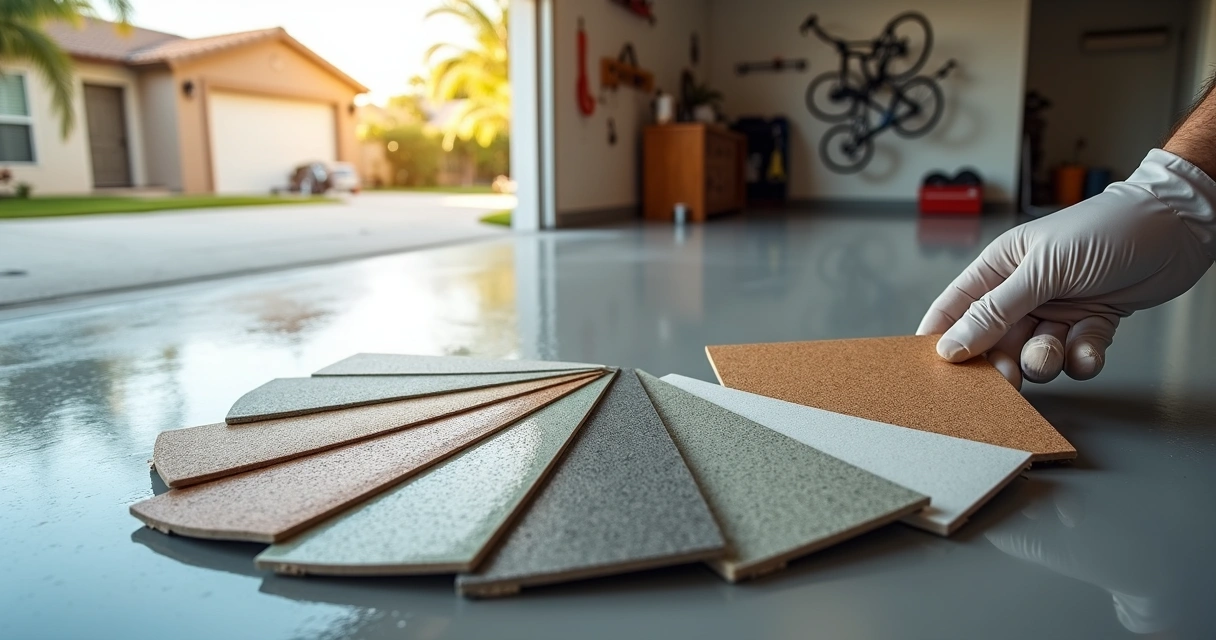
- Epoxy or polyaspartic coatings for chemical, scratch, and moisture resistance, plus easy cleanup.
- Proper joint placement to reduce future cracks and pool drainage with gradual floor slopes to keep water out.
- Surface textures that fit your use: broom finishes for grip, smooth or decorative coatings for a showcase effect, and slip-resistant grits for entryways or work zones.
We manage permits, HOA, inspections, and drainage designs to keep you protected and compliant, whether it’s a simple surface upgrade or a full garage conversion.
Conclusion: Making your garage a real asset
We’ve seen time and again that the garage is both the gateway and the backdoor to the home. When planned and finished right, it becomes more than storage—it’s a workspace, a studio, a transition zone, even a retreat. Whether you prefer a practical perimeter setup, the creativity of an island, or the elevated polish of an enthusiast’s gallery, careful layout is the foundation. At GCM Best Services, our experience with concrete, coatings, and integrated exterior work across Central Florida means we know what will stand up over years of changing needs and weather. Your garage has potential—let us help you unlock every square foot.
Ready for a professional quote? 📞 (407) 250-1948 • 24–48h • Orlando, Tampa & area.
Frequently asked questions
What is the best garage floor layout?
The best layout always depends on your daily routines, the volume of storage, and whether you use your garage for cars, hobbies, or both. For most families in Central Florida, a perimeter or zone-based design works well, but enthusiasts or small business owners might prefer workshop-centric or island layouts. Flexibility is key—match your plan to your lifestyle.
How to choose a layout for storage?
Start by sorting items by frequency of use, then group them into logical zones (sports, tools, seasonal). Use vertical and overhead space for rarely accessed gear, keep daily use items within easy reach, and map out floor traffic flow. If you get stuck, reach out for an assessment from professionals like GCM Best Services, who blend real use cases with Florida-specific construction advice.
Is it worth it to redesign my garage?
If you’re losing time to clutter, can’t find your things, or want to use your garage for new activities, a redesign is almost always worthwhile. A new floor layout and upgraded materials can extend the space’s life, support property value, and even reduce stress. Most clients tell us they wish they’d started sooner once they see the change.
Where to buy garage storage solutions?
Garage storage systems are available at hardware stores and through licensed contractors. For custom fits, especially when integrating with new concrete or floor coatings, it’s best to get advice from an experienced contractor who can install and warranty both the finishing and the storage. GCM Best Services offers assessments and installation throughout Orlando and Central Florida.
How can I maximize garage floor space?
Maximizing space usually starts with using your walls and ceiling—a mix of shelving, overhead racks, and stackable bins clears the floor. Lay out zones by workflow and select durable, easy-clean coatings so you can use every square foot with confidence. Small changes in storage placement can often make the biggest difference. If you’re ready to make your garage a real asset, our team can help design and build a solution that lasts.