Planning non-slip walkways for retail environments in Florida calls for more than just style or curb appeal. It protects shoppers, reduces liability, and helps businesses stay open after summer storms. At GCM Best Services, we’ve seen first-hand how a planned approach keeps stores open and communities safe, especially across Central Florida’s weather and soil conditions.
This article details how we guide store owners through each step—site evaluation, material selection, design, and maintenance—to create slip-resistant walkways tailored for Florida’s unique indoor-outdoor retail spaces.
Safety is never accidental. We plan for it.
Why slip resistance matters for Florida retail walkways
Slips and falls are among the top causes of workplace injuries, accounting for thousands of incidents and substantial costs each year. According to the Centers for Disease Control and Prevention (CDC), more than 800 fatalities and over 200,000 serious injuries from falls were reported in 2020 within the private sector. For retail stores, wet weather remains a constant challenge—especially with Florida’s subtropical rainfall and high humidity.
Slip-resistant walkways don’t just satisfy building codes—they keep customers and workers on their feet.
Site-specific slip risks
From shopping cart corral areas exposed to rain, to front entries that funnel water inside, every retail storefront has unique slip hazards. Our experience in Central Florida has shown the greatest risk in transitional areas: the threshold between exterior pathways and indoor floors, curb ramps, outdoor employee access, and loading docks.
We often find that many retail managers underestimate:
- The lasting effects of heavy rainfall pooling on walkways
- Tracking of moisture and sand indoors by foot traffic
- Algae and mold growth on shaded, north-facing surfaces
Awareness of these risk zones shapes our recommendations for construction and coatings. By identifying problem spots early, we save clients time and money—and help grow a reputation for safety among staff and customers.
Evaluating your site: The GCM Best Services approach
Every retail walkway starts with a plan. At GCM Best Services, we provide a no-obligation on-site assessment to survey drainage, current surface materials, slope, and wear patterns. Our checklist is shaped by years of working in the Florida market, but also by current code and safety standards.
Key site factors we review
- Existing surface—Is it concrete, pavers, tile, or another material?
- Drainage—Does water pool after rain, or run off as it should?
- Slope and cross-slope—Is there enough pitch for proper drainage without impacting accessibility (ADA compliance)?
- Texture—Is the finish smooth, troweled, broomed, or slip-coated?
- High-traffic patterns—Where do most customers walk?
- Entrances/exits—Are there uneven transitions or threshold lips?
- Lighting and shade—Do shaded spots encourage algae growth?
Each site tells a different story—paying attention at this stage prevents costly mistakes.
During our assessment, we take photos and notes to inform a detailed estimate. We also check permitting and HOA requirements that may impact construction or design.
Choosing the right non-slip surface materials
Selecting the right materials for Florida walkways requires a balance of slip resistance, durability, and aesthetics. At GCM Best Services, we recommend solutions that work across weather extremes yet stay practical for retail maintenance schedules.
Concrete with integrated slip resistance
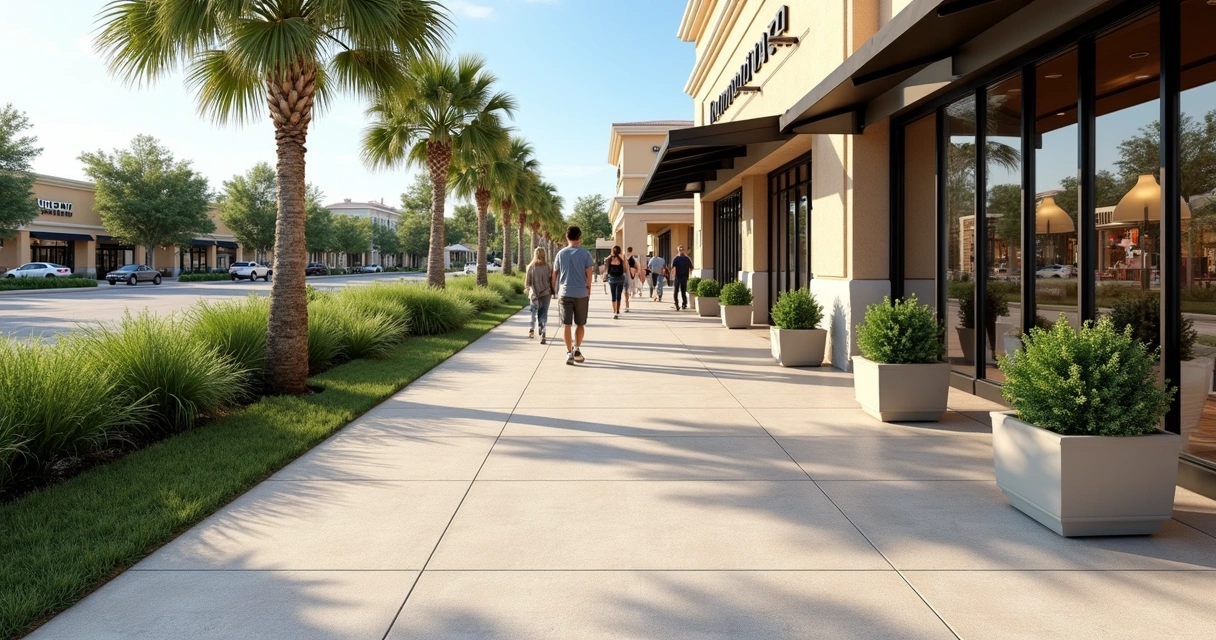
Concrete remains a top choice for exterior walkways. For non-slip performance, we finish Florida retail work with broom, exposed aggregate, or stamped textures that increase traction. We specify a 6–8" compacted sub-base for stability in sandy soils common to the area, and use 3,000–4,000 PSI mixes with rebar or mesh to limit cracking.
Proper jointing prevents tripping hazards as concrete expands or contracts over time.
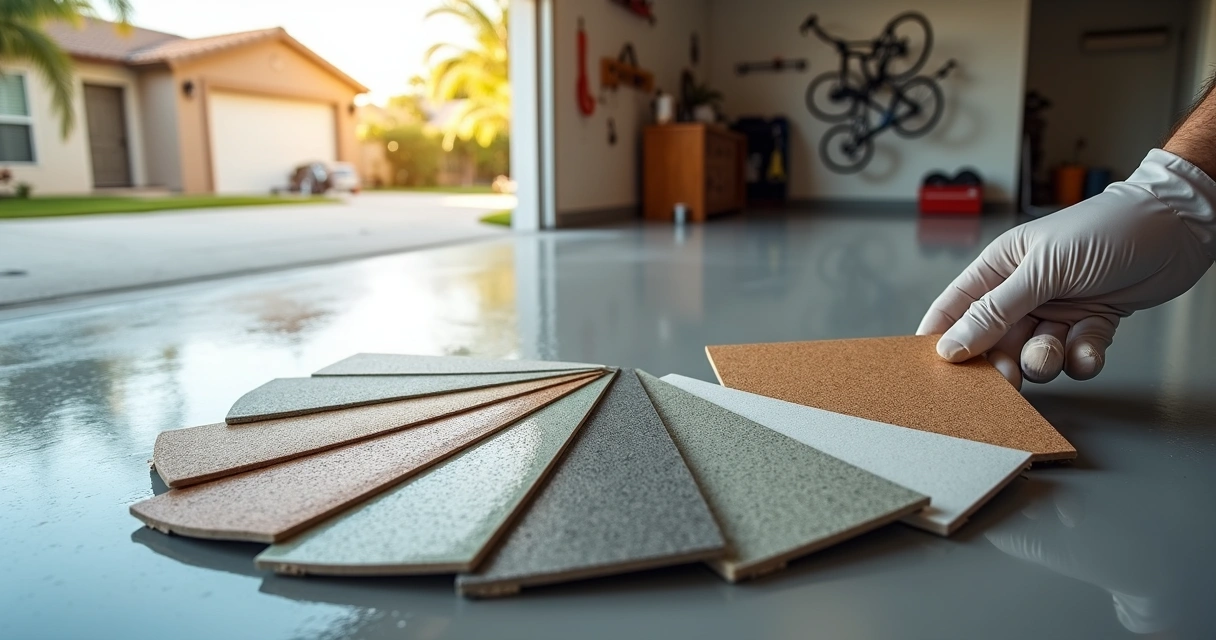
We also offer surface-applied slip-resistant coatings for older concrete. These blend sand, quartz, or specialty flakes into epoxy or polyaspartic resins to boost grip for years without unattractive wear.
Alternative options: Pavers and textured tile
Brick or concrete pavers, popular for walkways and courtyards, bring lasting performance and high-end appearance. With edge restraints, polymeric sand joints, and integrated drainage channels, paver walkways can be both beautiful and slip resistant. The quality of compaction and the use of professional sealing—like the practices we use in driveway and patio paving projects in Orlando—matters here.
For some upscale retail entries, textured ceramic or porcelain tiles (with anti-slip rating of R11 or higher) are suitable if installed with correct sloping and outdoor-rated grout.
High-performance coatings for interior and covered entries
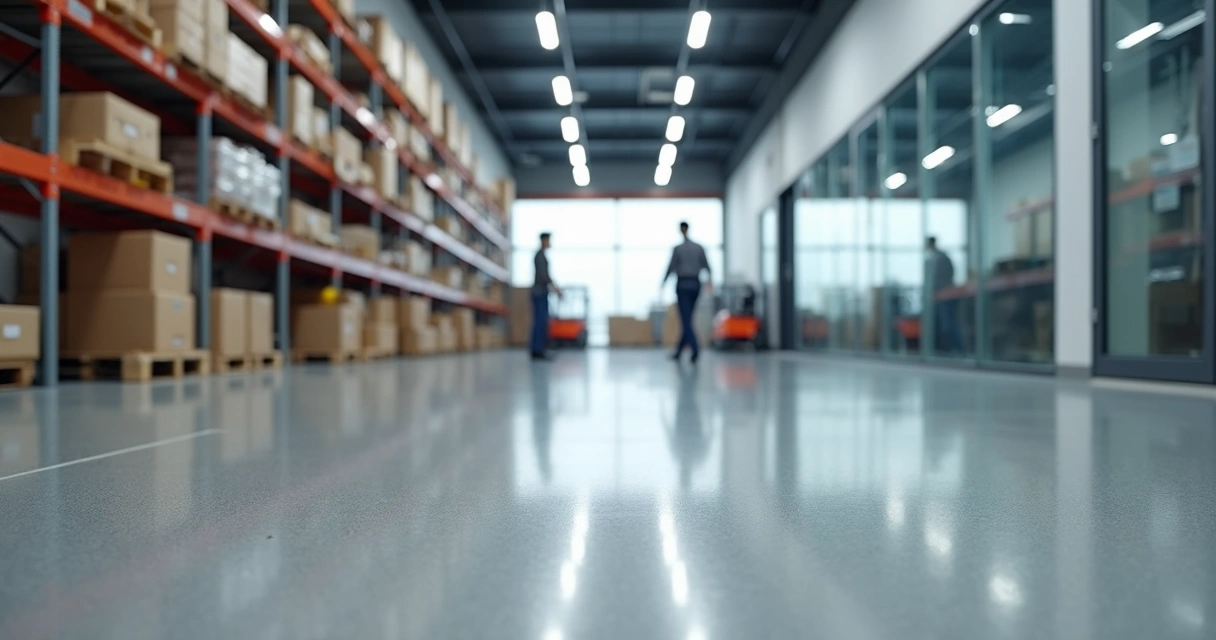
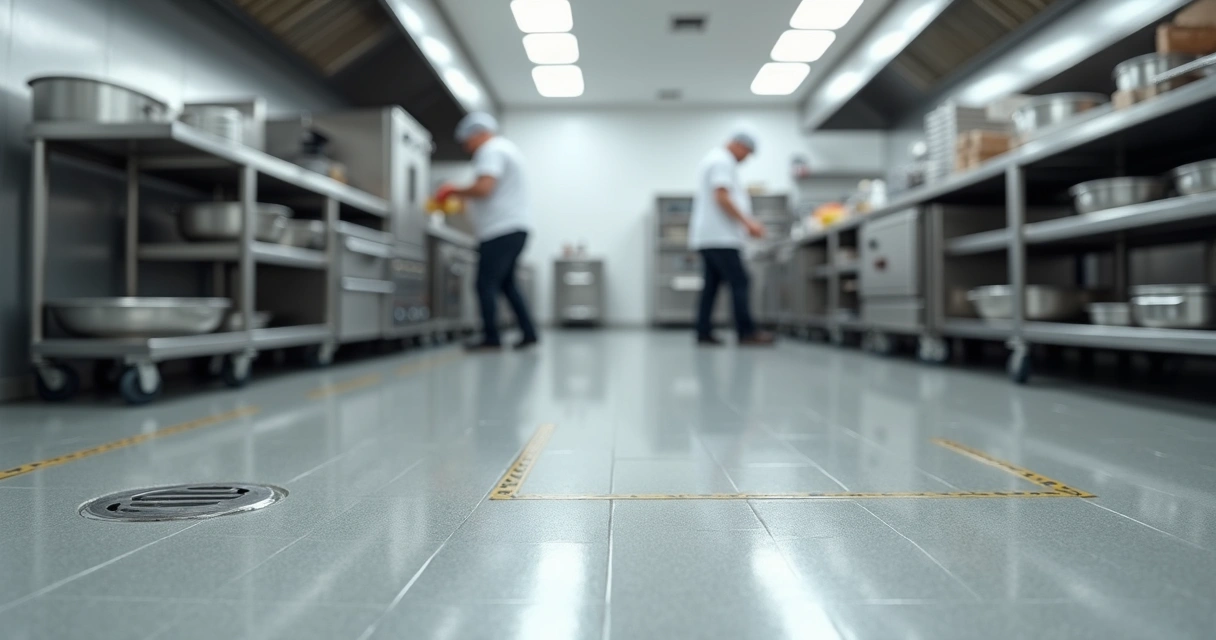
For garage, warehouse, or covered retail spaces where moisture may seep in, we apply 100% solids epoxies or fast-curing polyaspartic coatings. These can include slip-resistant broadcast flakes or quartz for enhanced safety and quick return-to-service during business hours.
Moisture testing and surface grinding are mandatory steps prior to coating—skipping these leads to costly peeling and repairs.
Design for drainage and code compliance
Florida’s flat sites and heavy rainfall mean water management is as relevant as material choice. Improper grading or clogged drains can quickly turn walkways slick. In our process, we plan drainage so ponding is unlikely, drawing on our experience from projects featured in our hardscaping resources.
Surface pitch and water flow
- Walkways should maintain a slope of 1–2% (⅛" to ¼" per foot) towards drains or landscaped areas—not toward entry doors.
- For ADA access, cross-slope cannot exceed 2% to allow safe passage for all users.
- Curbs, ramps, and transitions must be smooth, without abrupt level changes.
- Slot drains or channel drains intercept runoff before it reaches doors.
Our team manages permits and municipal reviews, ensuring that every walkway meets local building and accessibility codes.
Dealing with algae and mold growth
Florida humidity breeds algae and mildew, especially in shaded areas. These growths turn surfaces slick overnight after rain. Regular maintenance is not always enough. We recommend:
- Selecting lighter colors and textured finishes that mask stains
- Annual power washing or scheduled cleaning
- Professional sealing of paver and concrete surfaces
- Bio-resistant additives in coatings
These steps help maintain high slip resistance throughout the year, keeping walkways safe between maintenance visits.
Integrating walkways with retail layout and customer workflow
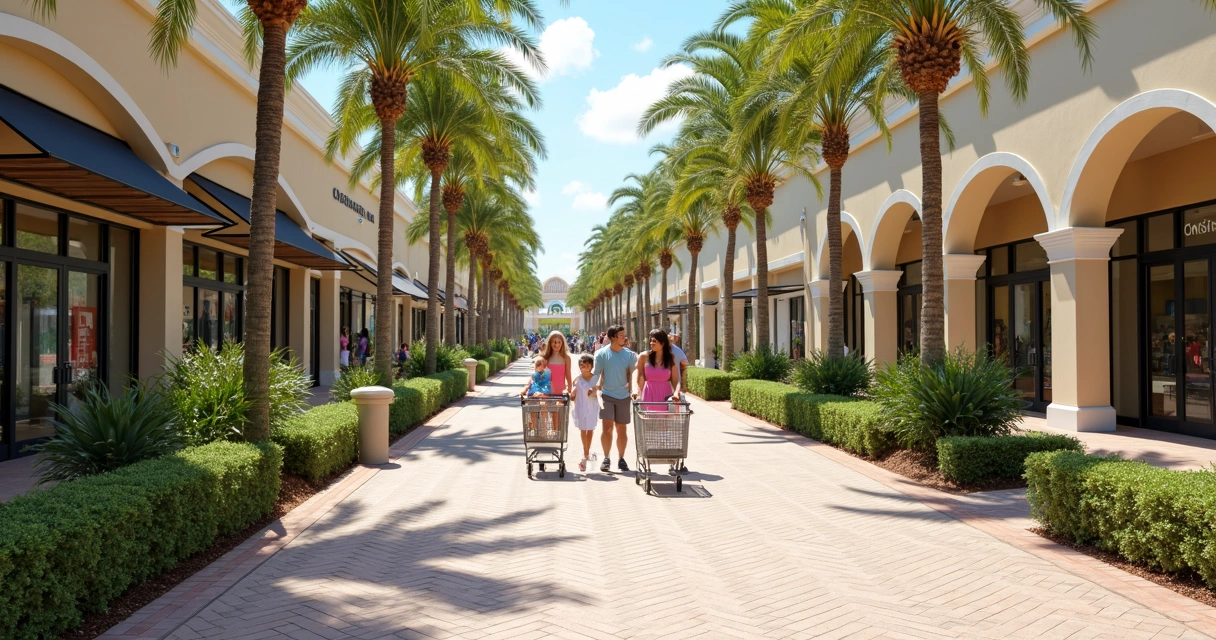
How customers move from parking lot to aisles sets the tone for their shopping experience—but also shapes safety planning. We factor these flow points into our walkway designs:
- Path width—Main entries and exits need clear walkways at least 5–7 feet wide to manage bidirectional foot traffic and strollers.
- Lighting—Exterior and entry walkways should be evenly lit to prevent glare and shadow.
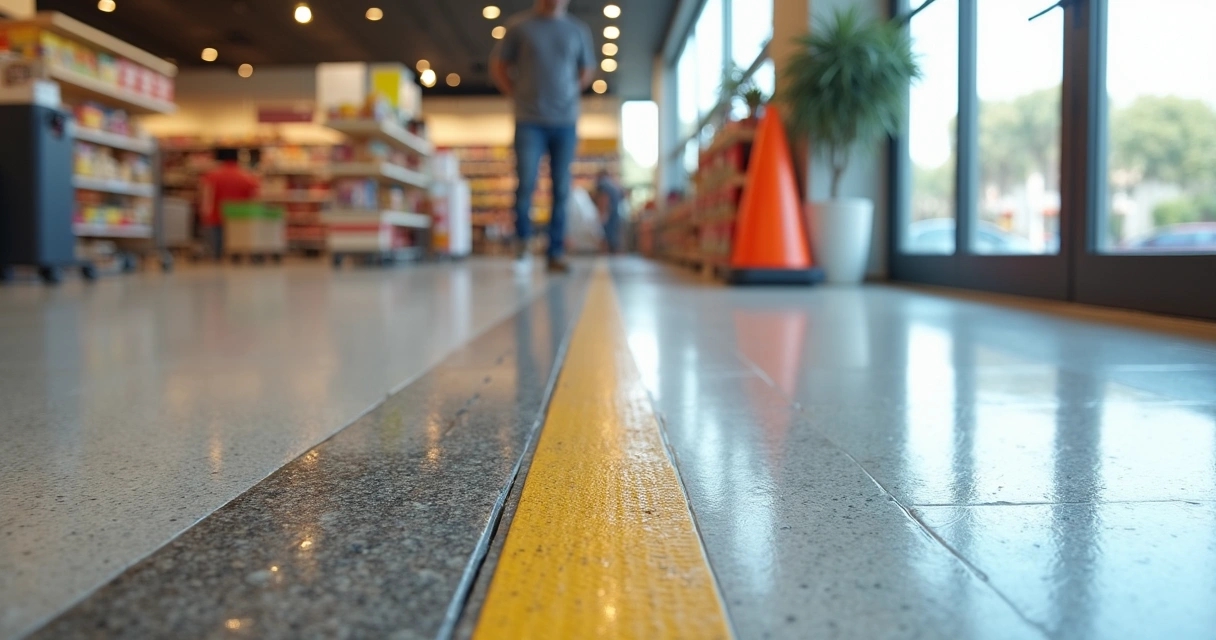
- Visual cues—Contrasting surface colors, warning strips, and tactile paving support customers with vision challenges.
- Clear transitions—Threshold ramps, tactile mats, and slip-resistant mats handle the switch from wet outdoor walkways to drier indoor flooring.
We collaborate with retail managers on schedules—handling major construction at night or during off-hours to reduce disruption, following our process for painting and coatings in commercial settings.
Permits, HOA reviews, and inspection schedule
Retail projects in Florida almost always trigger permit and inspection requirements. At GCM Best Services, we manage this paperwork for clients. Here’s how the process unfolds:
- We submit engineered plans for any exterior paving, grading, or ADA-accessible modifications.
- If your store is in a managed plaza or HOA-restricted center, we provide visuals and material samples to speed approvals.
- Our crews schedule major demolition, pours, or coatings after-hours to avoid business disruption.
- Final walkthroughs are performed with compliance inspectors and property managers.
This planned approach means Florida stores rarely need to close their doors for long stretches—allowing daily business to continue while upgrades happen.
Maintenance planning for ongoing slip resistance
Once your walkways are complete, the work is not over. Ongoing care makes slip-resistant finishes last for years. We provide a maintenance checklist and warranty guide at project closeout, tailored to the products used.
Routine cleaning and inspection
- Clear debris and organic material regularly—don’t let leaves or mud accumulate.
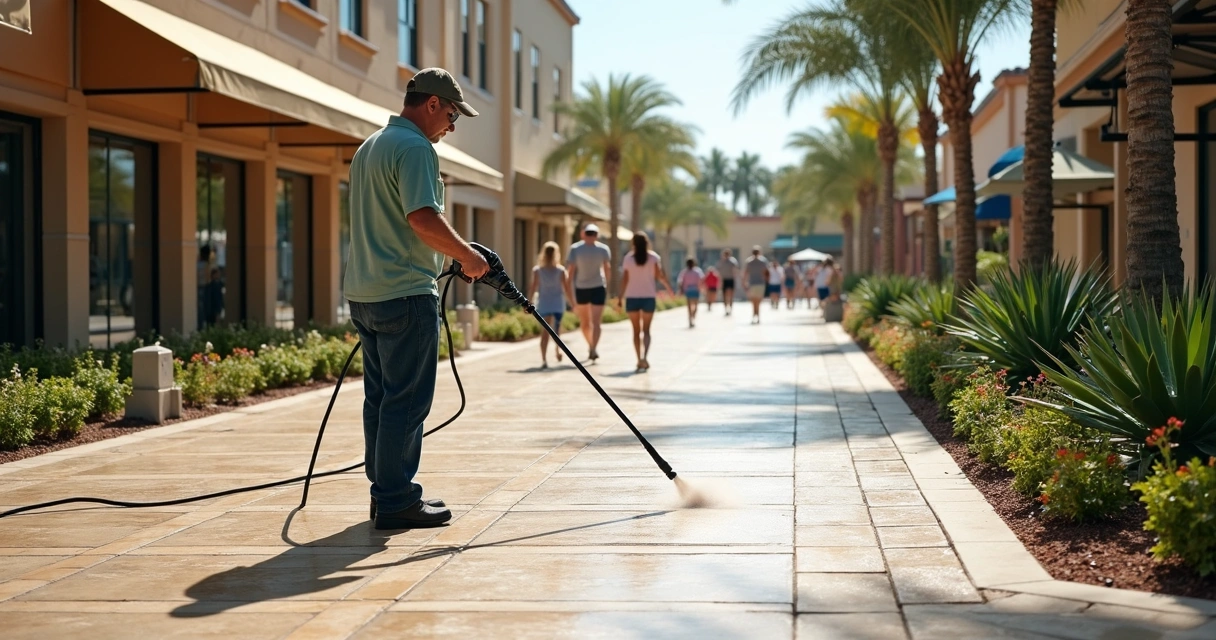
- Pressure wash concrete and pavers annually or after storms.
- Inspect expansion joints and caulking; reseal where water may intrude.
- Reseal pavers or apply fresh anti-slip coating when wear is noted (every 3–5 years for heavy-traffic locations).
A proactive approach significantly lowers the risk of injuries—a view supported by recent falls data from the CDC.
Upgrading surfaces over time
Retail environments evolve. When foot traffic increases or new store layouts demand, we often retrofit additional slip-resistant coatings or drainage improvements. Our broad service range even allows for turf and paver integrations around outdoor patios or seating, as found in projects like concrete patio upgrades.
Summary: Steps to plan effective non-slip walkways
- Assess the site thoroughly. Document drainage, current materials, and risk zones. Don’t overlook shaded or transitional areas.
- Select high-traction materials. Concrete with broom/exposed finishes, pavers with textured surfaces, or anti-slip coatings offer the best results in Florida.
- Design for proper pitch and drainage. Avoid water pooling and algae growth with careful grading and routine cleaning.
- Integrate walkway flow with retail operations. Consider width, lighting, transitions, and ADA compliance to create a safe, usable space.
- Handle permits and code reviews. Work only with licensed and insured contractors familiar with Florida’s requirements.
- Commit to regular maintenance. Cleaning, sealing, and inspection keep surfaces non-slip and attractive for the long term.
Tips inspired by Florida retail case studies
- Use contrasting colors or stripes at step downs—vision cues prevent accidents, especially in changing light conditions.
- Where tree roots or settling may shift surfaces, opt for modular pavers for easy repair rather than large slabs.
- Offer indoor-outdoor mats at entries to catch water and grit.
- For stores with cafe patios, select synthetic turf with strong drainage underlayment to avoid mud and slime.
- Keep a record of accidents and maintenance—it makes insurance reviews smoother and highlights slip-prone spots.
Resources and further reading
- Find our full range of outdoor surface solutions at GCM Best Services Hardscape in Orlando.
- Learn about weed prevention and paver maintenance in this article on paver joints and care.
- For up-to-date statistics on fall prevention efforts, review guidance from the CDC’s falls prevention site.
Conclusion
Planning non-slip walkways in Florida retail stores is about much more than following guidelines—it’s about fostering confidence for every person who steps onto your property, rain or shine. With the tailored, code-aligned approach used by GCM Best Services, store owners can expect clear communication, timely delivery, and walkways that serve as both a welcome and a shield. Whether building new or upgrading existing paths, we’re here to support Central Florida retailers with the safest, best-looking solutions in the region.
Ready for a professional quote? 📞 (407) 250-1948 • 24–48h • Orlando, Tampa & area.
Frequently asked questions
What is a non-slip walkway?
A non-slip walkway is a surface designed and finished to increase traction and reduce the risk of slipping, even in wet or high-traffic conditions. It usually features textures, coatings, or materials that provide better grip for both shoes and wheels. In Florida, common examples include broom-finished concrete, textured pavers, and specially treated tiles or coatings applied by professionals like GCM Best Services.
How to make walkways safer in Florida?
To make walkways safer in Florida, use slip-resistant materials, maintain proper drainage, schedule regular cleaning, and consider adding anti-slip coatings or treatments. Planning for the right slope, ensuring shaded and wet-prone areas are easy to keep clean, and quickly addressing algae growth are also key steps. Consulting with licensed experts familiar with Florida weather and soil—like our team—makes the biggest difference.
What materials prevent slipping best?
Materials that prevent slipping best include broom-finished concrete, exposed aggregate, textured pavers, and anti-slip epoxy or polyaspartic coatings. For indoor or covered areas, high-traction tiles and slip-resistant mats enhance safety. The right choice depends on weather exposure, traffic, and installation details, which should be matched with local conditions for best performance.
How much do non-slip walkways cost?
The cost of non-slip walkways in Florida varies based on material, area size, and installation complexity but typically ranges from $8 to $20 per square foot for quality finishes. This includes site prep, drainage improvements, and slip-resistant coatings. Unique designs, colored finishes, or paver layouts can add to the budget. A free on-site assessment with our team provides a detailed quote tailored to your project.
Where to buy non-slip flooring locally?
Non-slip flooring and walkway materials are available through licensed contractors who source from local suppliers specializing in commercial-grade products. GCM Best Services manages the full process—from assessment and material ordering to installation and warranty—making it easier for retailers to get the right, safe surfaces without handling procurement themselves.