Epoxy coatings transform spaces. Color is no small detail; it sets a tone, brightens the everyday, hides marks, and even makes work feel lighter. At GCM Best Services, we help Orlando homeowners and businesses choose epoxy and polyaspartic coating colors that do more than just look good—they solve real Central Florida challenges, last, and feel fresh for years to come.
But how do we select the perfect color? And, just as important, how do we spot what’s on trend for 2026 while staying practical? That’s exactly what we’ll cover in this guide, including stories from our own projects, expert observations, and answers to the “should I follow trends or be timeless?” question.
Color choice in epoxy coatings is about both expression and lasting value.
Why epoxy coating color matters in Florida spaces
Epoxy floors are more than a backdrop; they become a defining feature. Let’s look at what your choice of color can accomplish, especially right here in Central Florida’s climate and varied building types.
Looks that last for years
Central Florida sun is powerful. With high UV exposure, we’ve seen how certain pigment mixes fade in unconditioned garages or roll-up door warehouses. We always recommend choosing colors and finishes formulated for long-term color stability. Soft grays, sands, quartz tones, or deep colors with UV-resistant additives keep their character, so the floor you love now doesn’t turn chalky next season.
Lighting, safety, and mood
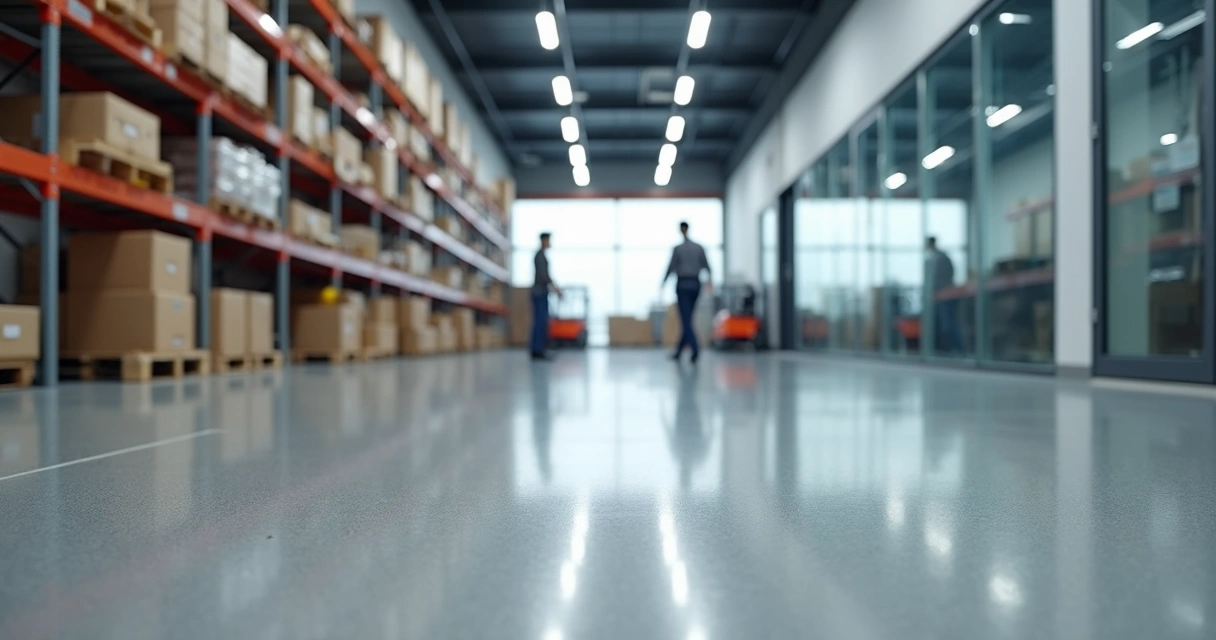
The color of your epoxy can impact brightness and visibility—a key concern for retail, workshops, and even busy garages. Light grays, ice blue, and off-white blends reflect ambient light, pushing a bit more “daylight” into shadowy spaces. In contrast, black or deep charcoal floors absorb light, offering drama in showrooms but sometimes hiding dropped items in garages.
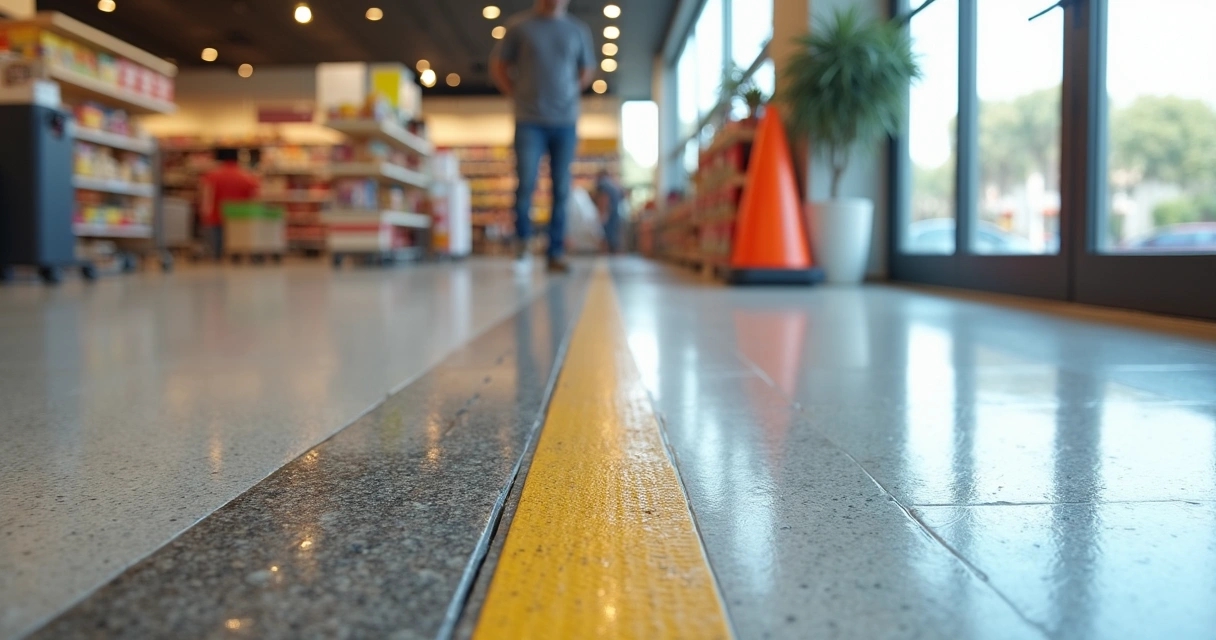
Epoxy color can increase visibility and safety by reflecting more ambient light in work or retail spaces.Safety can also tie into color: Garage and warehouse clients often add yellow or orange borders at thresholds, or blue walkways through high-traffic areas. These accent colors direct movement and reduce slip/trip risk.
Maintenance and appearances
Some colors are more forgiving than others. Mid-tone flakes—think “salt-and-pepper,” granite chips, or speckled quartz—camouflage brake dust, leaves, or dirt between cleanings. Dark solid colors may be dramatic, but they magnify dust, scratches, and the odd leaf or oil drip. We recommend blending light and mid-tone chips for a practical finish that keeps its good looks week after week.
Speckled or blended epoxy chip floors hide dust, leaves, and tire marks better than solid single-color systems.Resale and property value
Whether you own a retail strip, manage a warehouse, or plan to sell a home, neutral color palettes have proven to speed up sales and widen appeal. We’ve witnessed buyers pass on houses with wild or outdated floor colors, only to reconsider after a clean, neutral epoxy update.
For further reading about surface solutions and property impact, visit our concrete and coatings section.
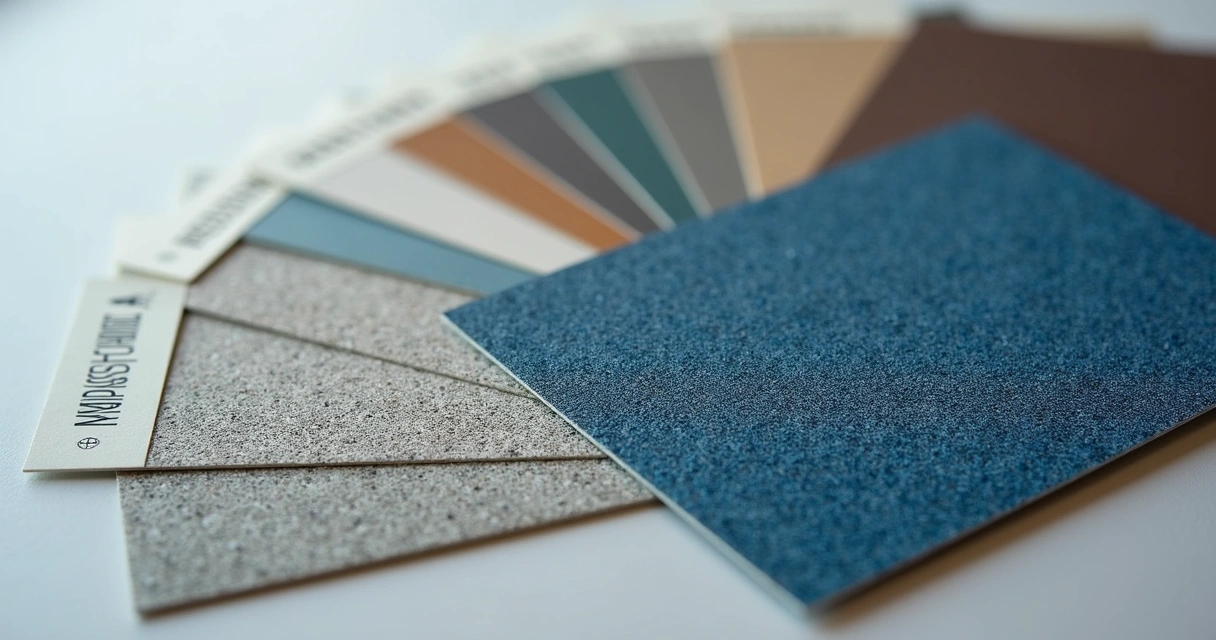
Epoxy color trends we see for 2026
Trends evolve, but we often spot them early in our supplier catalogs and design consultations. For 2026, several patterns are taking shape in Central Florida and beyond.
Refreshingly neutral, with an edge
Soft grays remain the most requested and practical. New twists—like blue-tinted cool grays, or silvers mixed with beige undertones—bring subtlety and depth. We expect “greige” blends, gentle taupes, and smoky off-whites to stay strong as they fit modern, coastal, and classic interiors.
- Blue-gray: Soft, cool, and ideal for airy garages or modern offices.
- Warm sand: Goes with everything, masks dust, and feels at home in Florida climates.
- Graphite: Deeper gray with blue or green undertones, hides tire marks well.
Clients sometimes add custom flakes—metallic teal, navy, or bronze—mixed into these neutrals for a one-of-a-kind look.
“Biophilic” greens, ocean and earth tones
The connection to nature will continue to shape coatings. Soft sage, muted palm greens, and Mediterranean sea blues are gaining traction. These not only recall Florida’s natural landscape but also calm and refresh busy, sun-filled spaces.
We recommend using these tones for backyard studios, sunrooms, or retail with lots of daylight. They look stunning with our aluminum screen enclosures or artificial turf installations.
Statement metallic and pearlescent effects
Metallic epoxy isn’t just for high-end showrooms anymore. Pearly whites, champagne silvers, and oil-rubbed bronze tones deliver a sense of luxury. They’re popular in home gyms, salons, and hospitality, where light movement and three-dimensional depth add drama.
The trend: Subtle metallic shifts layered over timeless neutral bases.
It’s best to use these metallics in areas where sunlight is filtered, as direct sun on metallic pigments can reveal small roller marks or color variations. With careful prep, though, the results are eye-catching.
Bold accent stripes and zone marking
Another emerging style is bold color blocking for safety or branding—think electric yellow at garage thresholds or marine blue guiding walkways in aisles. With proper planning, accent colors prevent trip hazards, highlight zones, and add modern energy.
Want more on maximizing durability and longevity in Florida? Our surface durability article may help you.
How to pick the right epoxy color for your space
While trends inform our choices, selecting the right color means thinking about your specific space, how it’s used, and who will use it. Here’s our breakdown for smart, future-friendly selection.
Think about the use and exposure
Will the area be a mechanic’s workhorse garage, a bustling retail floor, or a place where people relax and play? High-traffic and heavy-use spaces often call for mid-tone blends that resist stains and don’t highlight scuffs. Light-use or presentation-focused spaces can go bolder, or lighter for a clean, gallery look.
Match to your style and surroundings
Color should work with existing walls, cabinetry, and fixtures. In Central Florida, homes sometimes have warm beige stucco, terracotta tones, or coastal blue accents. Gray floors with a hint of sand or blue often pull the look together.
Blending epoxy colors with surrounding design creates a cohesive, intentional feel that lifts the whole space.Consider light and size
Smaller rooms look more open with lighter floors. Large garages can use darker colors to add coziness, but blending in metallic or flecked highlights stops the space from feeling too dense. If the area gets lots of natural light, lighter epoxy tones will reflect it back, making spaces feel “brighter” without extra fixtures.
Get the best of both: Flakes, chips, and blends
Solid color epoxies give a bold, clean statement, but blended or flaked systems—where colored chips or quartz granules are scattered into the base—offer greater texture, durability, and visual interest. These blends disguise dirt better, and they give slight grip for slip resistance in wet areas.
- “Salt and pepper”: Classic black and white chips scattered on gray.
- Granite look: Multi-color blends mimicking natural stone.
- Custom: Mix favorite colors or metallics for a signature finish.
Samples, lighting, and visualization
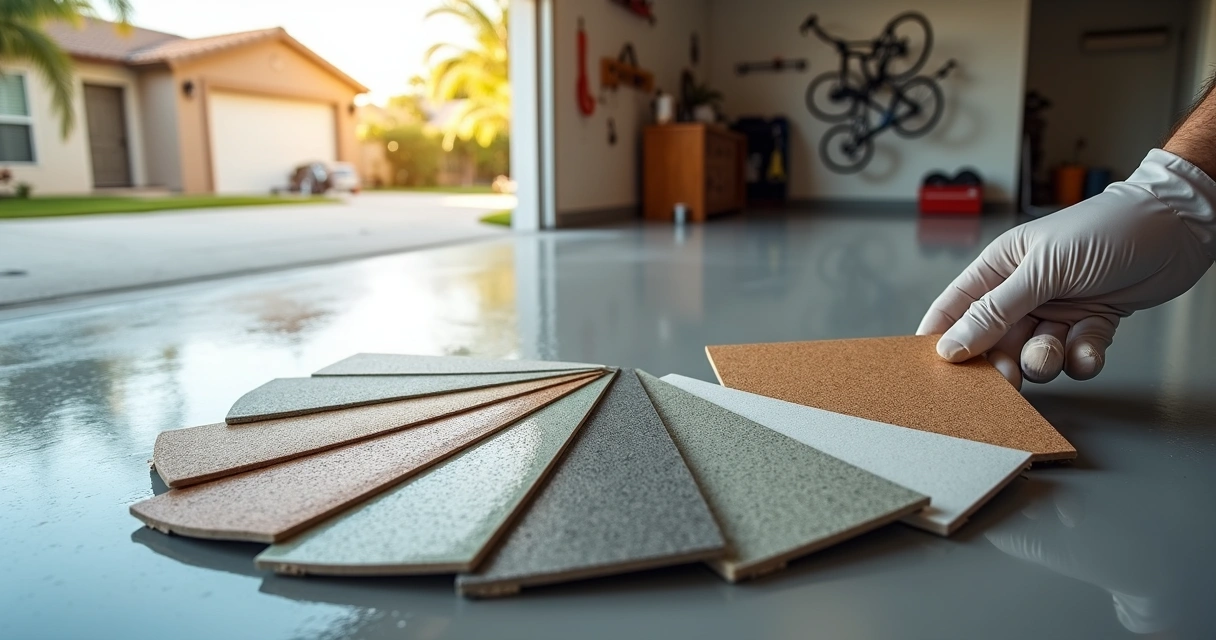
Epoxy color charts are helpful, but nothing beats seeing a real chip sample under your true lighting conditions. At GCM Best Services, we always bring multiple large-format color samples and encourage clients to see them at different times of day. Light changes everything!
Never rush your decision—colors change in real light.
Practical tips for successful color selection in 2026
With so many color and style options available, getting great results means asking the right questions and planning up front. In our years helping Central Florida customers, here’s what really works:
1. Focus on longevity, not just fashion
Trendy colors feel exciting today, but will you still love them next year? Cooler grays, soft beige, or sandy neutrals rarely go out of style. If you want a pop, use accent stripes, borders, or chips that can be refreshed later.
2. Think maintenance
Light floors look incredible right after cleaning but reveal shoe prints and dust sooner. Deep, uniform colors exaggerate every scuff. Flecked or multi-color chip systems hide a lot between maintenance cycles.
3. Use color to hide or highlight features
Deeper tones around garage or warehouse door thresholds can minimize signs of tire wear. Lighter tones in showrooms or home interiors maximize brightness and hide fewer marks. Color can mark walkways or “safe” zones visually, improving flow and safety.
4. Test before you commit
Whenever possible, see or test a sample patch. If that’s not possible, hold physical chip samples in your space, check under sunlight and your own lighting, and tilt for gloss or metallic effect. Subtle undertones can emerge only in daylight.
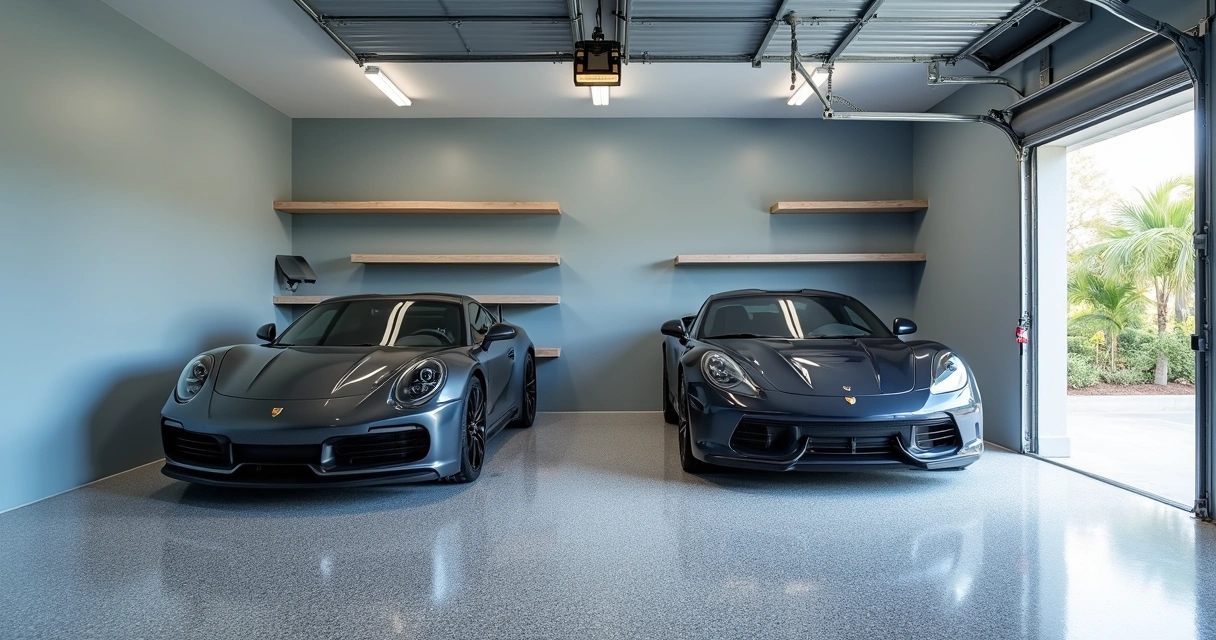
5. When in doubt, blend now and personalize later
If you’re unsure or plan to sell, we suggest soft grays or blended chips as a neutral base. Add colored mats, striping, or even custom logos later for a unique yet flexible update.
A neutral, speckled epoxy floor is both practical and future-proof, leaving room for later upgrades or personalization.6. Mind the finishes: Matte, gloss, or slip-resistant?
Color is only half the story. Matte and satin finishes hide marks but may darken colors slightly. Gloss lifts color but shows dust first. In high-traffic or potentially wet areas, a slip-resistant textured topcoat in your chosen color ensures both safety and style.
How we help: Personalized color consulting and warranty
Working with GCM Best Services, you don’t have to guess what will work or worry about regretting your choice. Here’s how we bridge trends with proven practical tips:
- Bring real, large-format color and flake samples to your site
- Advise on UV-stability in Florida sun, moisture testing, and coatings that won’t yellow or chalk
- Coordinate color choices with paint, turf, and adjacent concrete for a seamless finish
- Explain gloss, slip resistance, and return-to-service times
- Back projects with photo documentation and written warranty
Clients across Orlando, St. Cloud, and Tampa have told us that reviewing options in their own light is the key to confidence. Recent projects—like a speckled blend for a residential auto shop, or a teal-accented quartz finish for a retail boutique—came out just right because we planned side-by-side with real samples and discussed trends as part of a bigger, longer-lasting strategy.

For more on matching concrete finishes and finding reliable installation tips, see our licensed contractor guide or read our advice on choosing a concrete company.
Epoxy color selection stories from our Central Florida clients
We’ve been part of hundreds of color stories—here are a few memorable moments that show how practical tips and trend insights blend together:
Orlando auto enthusiast’s garage
This client wanted a clean, modern garage to showcase collector cars. The initial idea was jet-black metallic for drama, but we discussed maintenance and dust, so we settled on a graphite gray base with black and blue flecks. Light bounced beautifully in the daytime, while marks stayed hidden between cleanings. “It stays looking fresh longer than any floor I’ve ever had,” the client reported two years later.
St. Cloud retail fit-out
A local boutique owner wanted to stand out but not overwhelm their clothing and accessories displays. We reviewed color charts and went for a light sand epoxy with champagne metallic shimmer, reflecting the brand’s warm, coastal feel. Flake samples let the owner see the shimmer without guessing how it’d play off merchandise in natural daylight.
Warehouses and safety zones
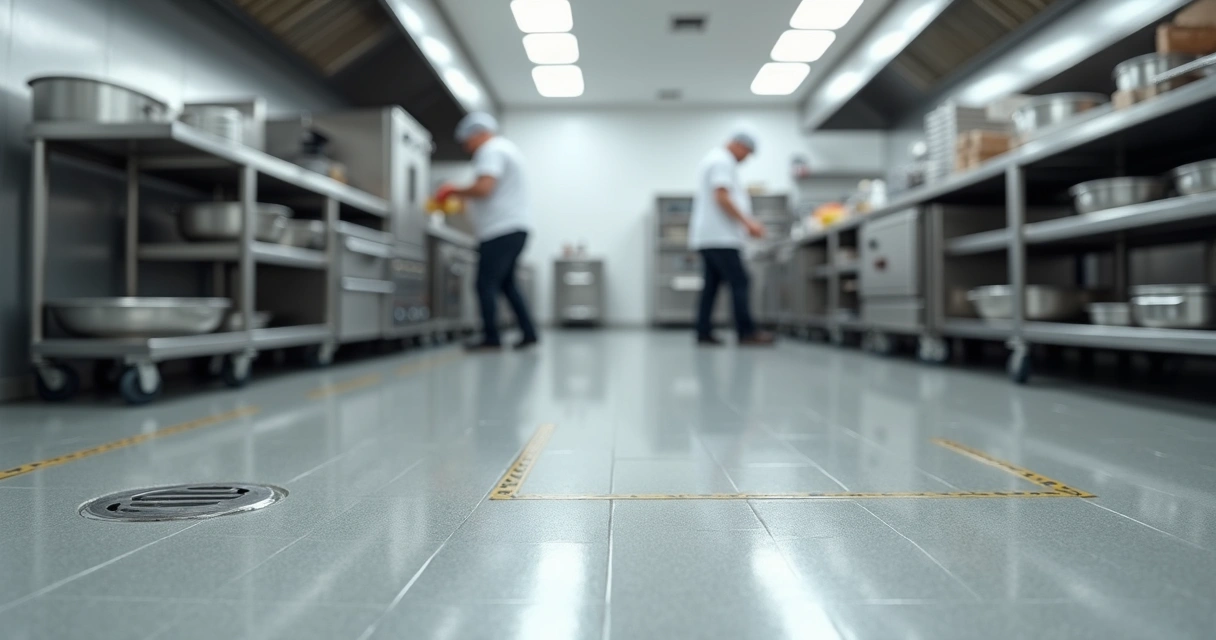
Several businesses have asked for zone marking: bold yellow walkways, blue equipment bays, and white “safe” areas, all with slip-resistant texture. These finishes both last and make movement in these busy spaces much safer. A facility manager later told us: “Accidents dropped after we added those walkways, and the floor still looks new.”
Poolside rec room with indoor/outdoor link
One family in Winter Park wanted flooring that tied together their lanai, pool area, and indoor rec room. With our help, they chose a flecked blue-gray with quartz chips, matching their screen enclosure and outdoor pavers. Now, spills from wet feet clean up quickly, and the flooring looks just as bright as the pool water outside.
If you’re interested in paver integration, check out our installation guide for concrete driveways and patios.
Conclusion: Epoxy colors, trends, and practical success in 2026
The right epoxy coating color offers more than style—it solves real-life challenges and boosts the value of your space. For 2026, we see a blend of softness, nature-inspired hues, and smart use of texture and accents leading the way in Central Florida projects. But the trends shouldn’t trap you; using samples in your actual space, thinking about maintenance, and planning for how the area will be used results in floors that please for years, not just one season.
At GCM Best Services, we bring hands-on experience, up-to-date trend insights, and genuine advice to every epoxy project in Orlando, St. Cloud, Tampa, and beyond. Whether you want timeless, trendy, or something personal, we help you see what works, before you decide.
Ready to discuss an epoxy project, get a free on-site color consult, and turn your visions into a durable surface you’ll love? Reach out today—let us help you get the look and performance your space deserves with the right color and the right approach.
Frequently asked questions: Epoxy color selection for 2026
What are the trending epoxy colors for 2026?
In 2026, trending epoxy colors in Central Florida will blend nature-inspired tones and soft neutrals with pops of metallic accents. Expect cool blue-grays, light sand and taupe, biophilic greens, and gentle sea blues to dominate. For those who want drama, pearlescent silvers and oil-rubbed bronze metallics are increasingly popular, especially in retail and high-end homes. A balance of timeless base colors with the option of accent chips or stripes keeps floors fresh for years.
How to choose the right epoxy color?
We recommend considering room size, lighting, planned use, maintenance needs, and existing décor when selecting an epoxy color. Light colors like soft gray or sand reflect light and open up smaller rooms, while speckled or flaked blends disguise dust and scuffs in high-traffic places. Testing real samples under your area’s lighting always leads to better decisions than relying only on charts.
Is it worth it to follow color trends?
Following trends can make your space feel current, but it should never override practical concerns like longevity and your personal style. Neutral bases with trend-inspired accents offer flexibility—you can update stripes or chips for a new look later, while a solid base color stays timeless and increases resale appeal.
Where to find the best epoxy color samples?
The best epoxy color samples come directly from your installer or contractor, who should bring a range of real, large-format swatches to your project site. At GCM Best Services, we bring samples matched to your exact flooring system and lighting, so you can see true colors before deciding. Avoid choosing just from charts or images, as digital displays can alter hue and gloss perception.
How much does colored epoxy coating cost?
Colored epoxy coating costs can vary, usually depending on the area size, chosen finish, and system complexity. In Central Florida, basic solid colors generally start around $4 to $7 per square foot for garage or retail spaces. Flecked or custom-blended finishes, moisture barriers, and slip-resistant topcoats push costs higher. Metallic or multi-color finishes are premium. Get a firm, no-obligation quote tailored to your needs and warranty from professional contractors such as GCM Best Services to ensure value and durability.
Ready for a professional quote? 📞 (407) 250-1948 • 24–48h • Orlando, Tampa & area.