Epoxy and polyaspartic floors have changed how Central Florida garages, shops, and commercial spaces look and perform. These floors bring beauty and durability, but with this comes the need for proper care. At GCM Best Services, we see one mistake over and over—people use the wrong cleaners or cleaning techniques and end up shortening their floor’s life. In this article, we’ll show why this happens and give you the clear steps to avoid it. If you have epoxy or polyaspartic floors, keep reading so you never make this mistake again.
The cleaner or tool you use matters more than you think. One wrong step can undo years of quality work.
Whether you’re a homeowner trying to keep that newly finished garage shining, or a business owner managing retail space, knowing what not to do is as important as any best practice. We’ve seen the real results—cloudy patches, yellowing, lost shine, even peeling. So what’s the mistake you must stop making? It’s using harsh or improper cleaning products and mechanical methods that break down your floor’s protective surface.
Understanding epoxy and polyaspartic floor finishes
Before we get to the cleaning techniques, we should explain what these floors are. At GCM Best Services, we install 100% solids epoxy and polyaspartic systems for heavy-duty environments. These aren’t just pretty—they resist stains, chemicals, and tire marks. The finish is tough, but not indestructible.
Epoxy floors cure into a hard layer that seals the concrete below. Polyaspartic coatings do the same, but cure even faster and have higher UV resistance. Both need protection from their biggest enemies: abrasive tools and acidic, alkaline, or solvent-based cleaners. Get this wrong, and you’ll see damage within months.
The most common mistake: Using harsh chemicals or abrasive tools
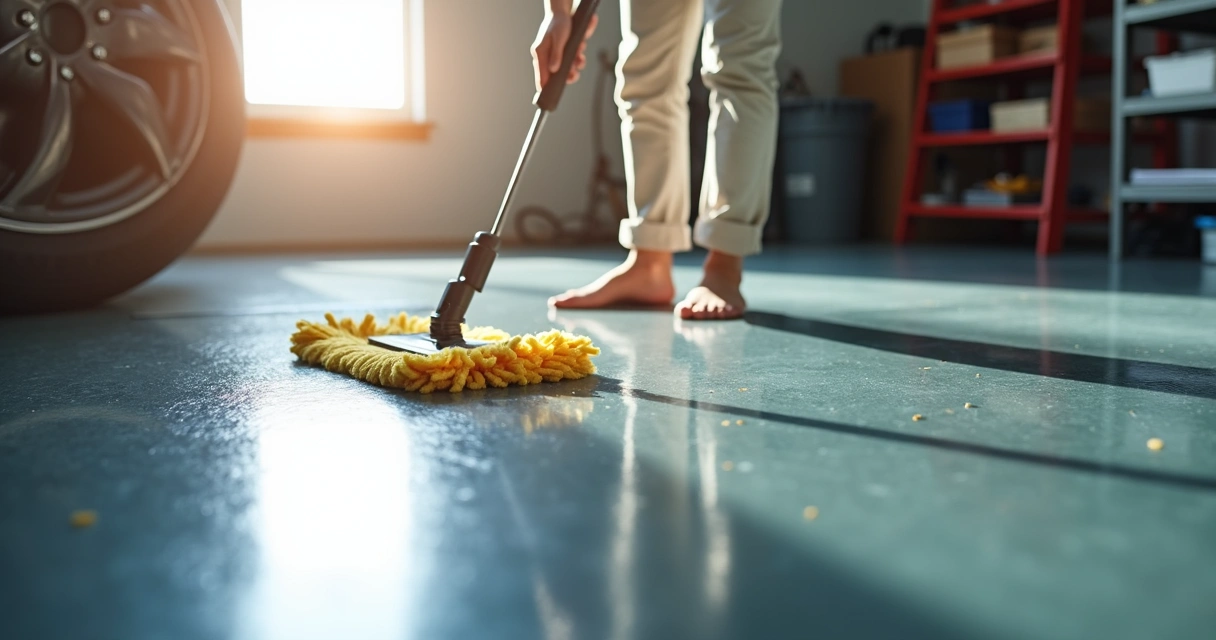
The number one reason epoxy and polyaspartic floors fail early? Harsh cleaning agents and scrubbing pads. If you’ve ever grabbed a bottle of strong degreaser, bleach, or even vinegar, you could be breaking down your floor’s finish with every swipe.
Let’s break down the results of this mistake:
- Loss of shine: Floors start looking dull and cloudy, losing their original luster.
- Surface etching: Strong chemicals can etch the protective layer, making it rough and more likely to collect dirt.
- Color fading or yellowing: Many household cleaners react with UV stabilizers or the pigments in the coating.
- Peeling or flaking: Too much abrasion or chemical attack can cause the top layer to lose bond to the substrate.
- Invisible micro-cracks: Not immediately obvious, but these create long-term problems, like letting water seep under the floor and cause failure from below.
That “deep clean” with bleach could cost you a full recoat.
We see floors that were pristine six months prior, now looking tired long before their time. All because of the wrong cleaner or tool.
Never use ammonia, vinegar, citrus-based cleaners, abrasive powders, or ‘floor strippers’ on epoxy or polyaspartic floors.
What should you use to clean epoxy and polyaspartic floors?
At GCM Best Services, we always recommend gentle, neutral-pH cleaning solutions and soft tools. Here is what this looks like in practice:
- Soft microfiber mops: They won’t scratch and are easy to keep clean.
- Neutral-pH floor cleaner: Look for a cleaner specifically labeled for “neutral pH (7).” Diluted dish soap (mild, with no bleach or citrus) is also safe.
- Warm water: Often this is enough for everyday dust or light debris.
- Spot cleaning: For spills like oil or food, use a damp towel and mild cleaner as soon as possible.
Never flood the floor or soak it for long periods. Epoxy and polyaspartic floors resist water but aren’t meant to stay wet at the seams or edges for hours.
Step-by-step: How to clean epoxy floors without damage
To avoid the most common mistake, try this process for regular maintenance:
- Sweep or vacuum: Use a soft-bristle broom or a vacuum with a non-abrasive head to remove dust and grit. Grit acts like sandpaper on the glossy surface.
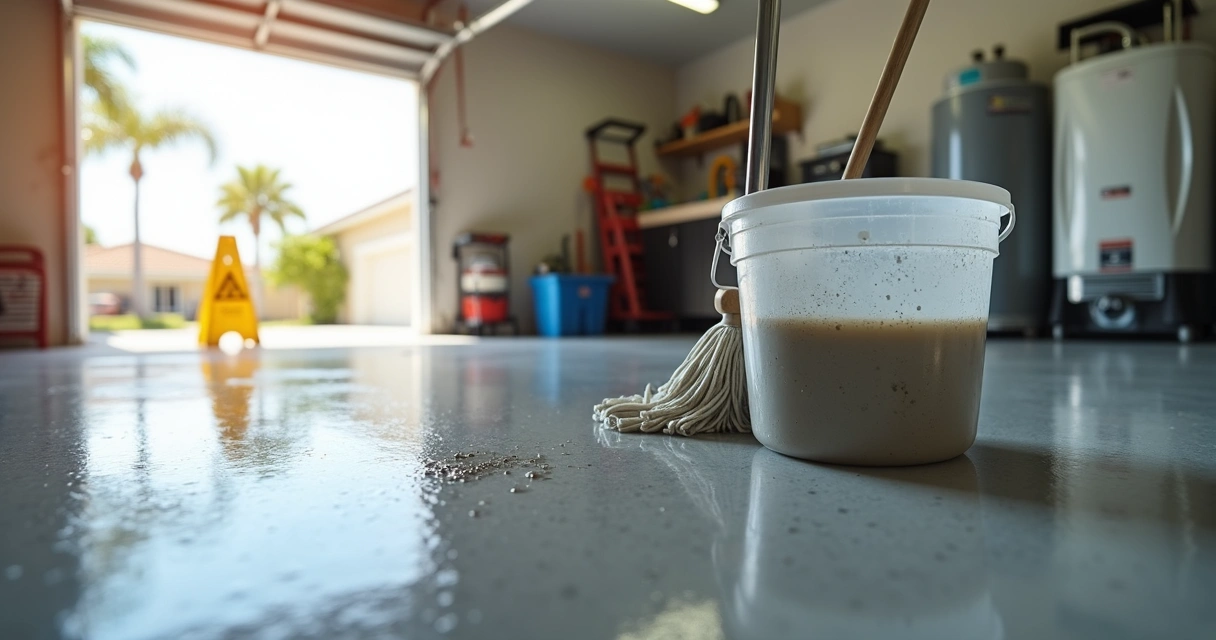
- Mix your solution: Fill a bucket with warm water and add a few drops of neutral-pH cleaner or gentle dish soap. No harsh ingredients.
- Damp mop: Use a microfiber mop dampened (not soaked) in the solution. Always wring out excess liquid.
- Spot clean stains: Work on stuck spots with your mop or a soft towel. If you need to scrub, never use a pad coarser than what is recommended for non-stick cookware.
- Allow to air dry: Open windows, run a fan, or just let the surface dry naturally. This step is especially helpful in Florida’s humid climate.
Repeat this routine weekly in garages and high-traffic areas, or after spills.
Why abrasive cleaning pads and chemicals are so damaging
Clients often ask us, “Why can’t I use what I use on tile or concrete?” The answer comes down to how epoxy and polyaspartic coatings are made.
These floors are designed for chemical resistance, but harsh compounds or scraping removes their thin protective film.
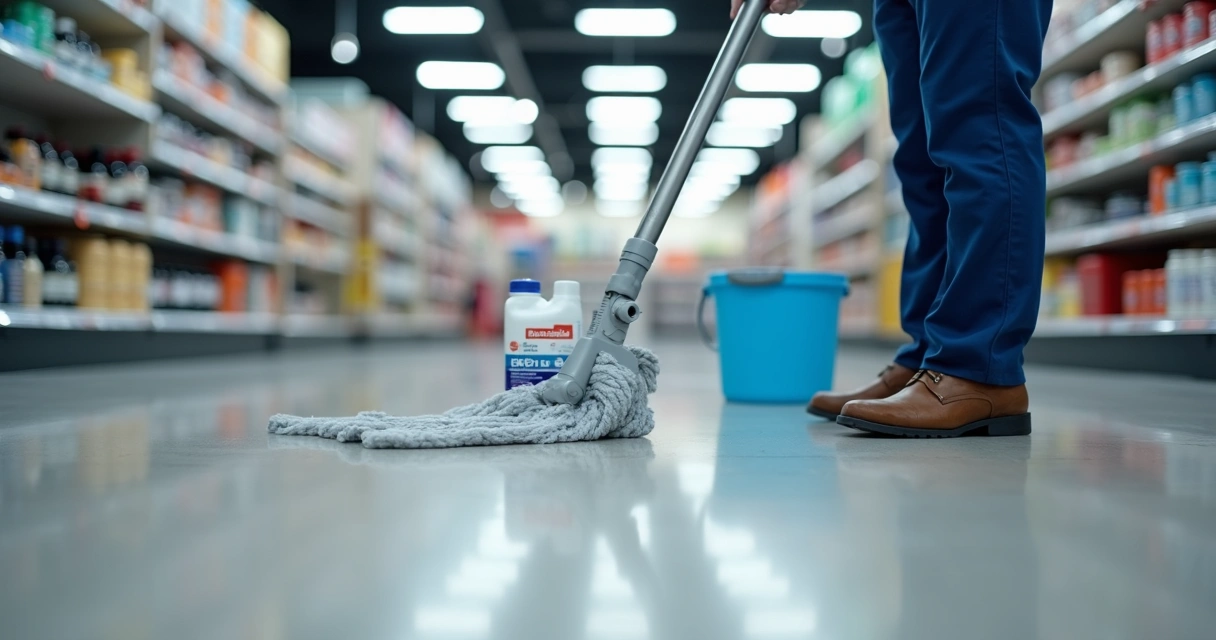
Bleach, vinegar, ammonia, and other strong chemicals strip away the glossy shield. Abrasive pads, steel wool, or hard brushes leave micro-scratches invisible at first but disastrous over time. Once damaged, the floor collects more dirt, shows wear, and loses the seamless look that made you choose it in the first place.
We’ve learned in thousands of projects that if you treat your floor like any other hard surface, you’ll see disappointing results. Instead, a little restraint and the right products keep them beautiful for years.
Florida-specific cleaning tips for epoxy and polyaspartic floors
Central Florida comes with its own cleaning challenges—humidity, rain, red clay dirt, pollen, and sources of grit. We have tailored our advice to our local climate:
- Frequent dusting: With open garage doors and lots of outdoor activity, dust and sand build up fast. Sweep or mop more often in pollen season.
- Don’t let water sit: Afternoon thunderstorms are common. If water is tracked in, mop up puddles quickly—constant exposure pushes water underneath and breaks down edges or seams.
- Protect entrances: Use entry mats to reduce the grit that comes in with shoes and tires.
- UV exposure: Polyaspartics are better at resisting sunlight, but parking a hot car on a wet floor can sometimes cause “hot tire pickup” if the coating is new or cleaning was harsh. Let vehicles cool before parking after heavy washing.
We know these are real issues because we serve all of Central Florida—from Orlando to nearby Tampa and St. Cloud. We see how the weather impacts floor care, especially in driveways and garages. If you want to know more about properly preparing slabs for Florida soil, check our insights on concrete installations and repairs.
What about stains, tire marks, and stubborn spots?
No matter how careful you are, stains happen. Vehicles drip oil or coolant, bicycles leave rubber marks, and someone always finds a way to spill a drink. Here’s how we tackle tough spots:
- Oily stains: Apply a little mild dish soap directly and let it sit for five minutes, then mop away with warm water. Repeat if needed—never scrub hard.
- Rubber or tire marks: These should lift with a soft mop and neutral cleaner, but for stubborn marks, use a magic eraser sparingly and only on affected area, gently. Rinse well afterwards.
- Sticky residues: Alcohol wipes (isopropyl alcohol) can help, but don’t use acetone or paint thinner, as these will soften the coating.
If a stain just won’t budge, it’s better to live with a faint mark than destroy the finish trying to remove it.
For large areas or damage, contact a professional. Our GCM Best Services team helps with spot repairs and re-coating if damage ever gets ahead of you. Learn about what makes a licensed contractor’s repair approach distinct in our licensed contractors guide.
Long-term care for lasting results
You want your new floor to look perfect for years, not just months. Consistent, gentle care adds value and means fewer unexpected costs down the road. Here are our best long-term care habits:
- Clean up spills as soon as possible.
- Schedule a thorough but gentle mop once per week or after parties/heavy use.
- Place mats or rugs at entries (avoid rubber-backed rugs, which can stick to surface chemistry).
- Never use polishing wax or floor finish of any kind—these are not needed or recommended.
- Inspect every month for areas of wear—ask for professional help if you see flaking or dull areas developing.
Our customers in Orlando, St. Cloud and beyond want to know: is regular sealing or waxing needed? The answer is no—properly installed epoxy or polyaspartic needs no wax or sealer. Just regular gentle cleaning!
To get expert advice before you commit to a new floor system, see how to choose a reliable installation contractor in our local market.
Our process when cleaning or re-coating floors
When customers call GCM Best Services for floor restoration, we don’t just clean—we assess, document, and solve problems. Here’s what our approach looks like:
- Mileage: We ask how the floor was used—heavy vehicles, chemicals, commercial food prep, etc.
- Inspection: We check for scratches, dull spots, lifting, and stains. Photos are taken for your records.
- Moisture test: Especially in Florida, we check for trapped moisture or efflorescence below the film.
- Recommendation: If cleaning alone won’t help, we offer cracks repairs, re-grinding, and fresh coating—always permitting and documenting our work.
If you’re planning a full upgrade, learn about driveway and patio slab prep for local weather conditions in our guide for St. Cloud driveways and patios.
We stand by every finish with a written warranty, professional photos, and ongoing support for your maintenance questions. Our team also provides you with a step-by-step care guide after your coating is complete.
The cost of doing it right versus fixing mistakes
Let’s be blunt: It costs less to prevent damage than to fix it. Getting the cleaning right from the start keeps your warranty valid and means your floor will last for years, even in tough Central Florida conditions.
- Cost to clean properly: Neutral cleaner, a microfiber mop, and fifteen minutes once per week.
- Cost to repair damage: Professional stripping, concrete patching, grinding, and re-coating. This is usually hundreds to thousands of dollars.
It takes just one bottle of bleach or a mistake with a rough scrub to turn routine cleaning into an avoidable repair bill.
Our service at GCM Best Services puts clear communication first. We provide all the required information to prevent these surprises, including maintenance reminders and instructions tailored to your floor’s location and use.
Real stories: The right cleaning keeps floors beautiful
Here’s what we’ve seen in our years of service to Orlando and Central Florida homes and businesses:
- Garage owner follows our neutral cleaner advice—five years later, the floor still glistens, even after hurricanes and daily car traffic.
- Restaurant manager swapped harsh degreasers for our recommended mops—no more costly recoats or flaking under food lines.
- Warehouse avoided “deep cleaning machines”—saving thousands in touch-up costs and preventing embarrassing dull patches.
Cleaning the right way isn’t just about appearance. It backs up your investment and keeps your warranty in force. When you choose GCM Best Services, you always get a step-by-step care guide and live support for any question.
Conclusion: Protect your epoxy or polyaspartic floor—choose the right cleaning plan
If you take one lesson from this article, let it be this: put down the harsh chemicals and abrasive pads, and pick up a neutral cleaner with a soft mop instead. This simple change will make your floor last years longer and keep its striking look. At GCM Best Services, we stand by you through installation, cleaning, and any support you need in Orlando and Central Florida.
If your floor needs help or you want the protection of a licensed, insured expert, get in touch for a free on-site assessment, a warranty-backed solution, and a personalized maintenance plan that’s right for Florida’s unique weather.
Ready for a professional quote? 📞 (407) 250-1948 • 24–48h • Orlando, Tampa & area.
Frequently asked questions
What is an epoxy or polyaspartic floor?
An epoxy or polyaspartic floor is a hard, resin-based surface coating applied over concrete to improve resistance to stains, chemicals, and wear. Epoxy floors use a two-part resin that cures into a glossy, seamless finish. Polyaspartic coatings do the same but are known for even faster curing and excellent UV stability, making them popular in both garages and commercial environments across Central Florida.
How to clean epoxy floors correctly?
To clean an epoxy or polyaspartic floor, use a soft microfiber mop and a neutral-pH cleaner diluted in warm water. Sweep or vacuum grit first, spot clean stains as needed, and avoid soaking the floor for long periods. Never use abrasive pads, bleach, vinegar, or harsh chemicals—these damage the protective finish. Dry the floor after cleaning to prevent water from sitting at edges.
What cleaners should I avoid using?
Never use ammonia, bleach, vinegar, citrus-based cleaners, abrasive powders, or any “floor stripper” on epoxy or polyaspartic coatings. These break down the glossy surface, cause color fading, and can lead to peeling or flaking. Always check cleaner labels for pH level; anything not labeled “neutral” is risky for your floor.
Can I use vinegar on epoxy floors?
No, you should not use vinegar on epoxy or polyaspartic floors. Vinegar is acidic and will etch and dull the finish, making the floor look cloudy and more prone to staining. Use only neutral-pH products or diluted mild dish soap without any acids or bleach.
How often should I clean these floors?
For most homes and businesses, cleaning weekly is best for maintaining epoxy or polyaspartic floors. In high-traffic or commercial spaces, you might need to clean two or three times per week, especially in rainy or dusty seasons around Orlando and Central Florida. Always clean up spills or stains as soon as possible for best results.