Primary keyword: slip-resistant coatingsSlip-resistant patio coatings, slip-resistant pool deck coatings, anti-slip coatings for patios
Audience pain/benefit: Pool and patio owners concerned about wet surface safety, children’s falls, and maximizing patio longevity.
Summary:Using slip-resistant coatings for poolside patios is among the most effective ways to make outdoor surfaces safer and more durable, especially in Central Florida’s humid and rainy climate. In this guide, we walk through how these coatings work, types available, the benefits you can expect, and expert installation and maintenance tips using our experience at GCM Best Services. We highlight the importance of safety, local code compliance, and design for beautiful, secure poolside living.
Contents
- What causes slippery poolside patios?
- Science and statistics behind slips and coatings
- Types of slip-resistant coatings for poolside patios
- Key features and benefits you should look for
- When and where to apply anti-slip coatings
- Step-by-step: how we approach slip-resistant coatings
- Cost and value factors for slip-resistant solutions
- Maintaining slip-resistant surfaces for the long term
- Local codes, best practices, and integrating with patio upgrades
- Conclusion
- Frequently asked questions
Every poolside moment should feel safe, not slippery.
What causes slippery poolside patios?
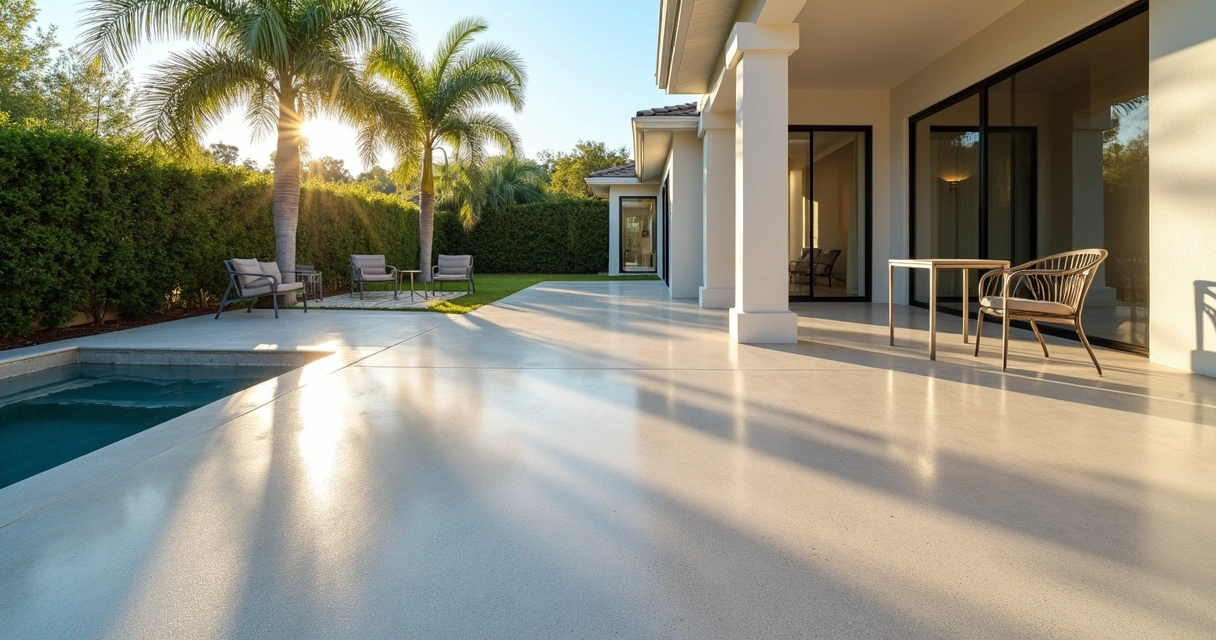
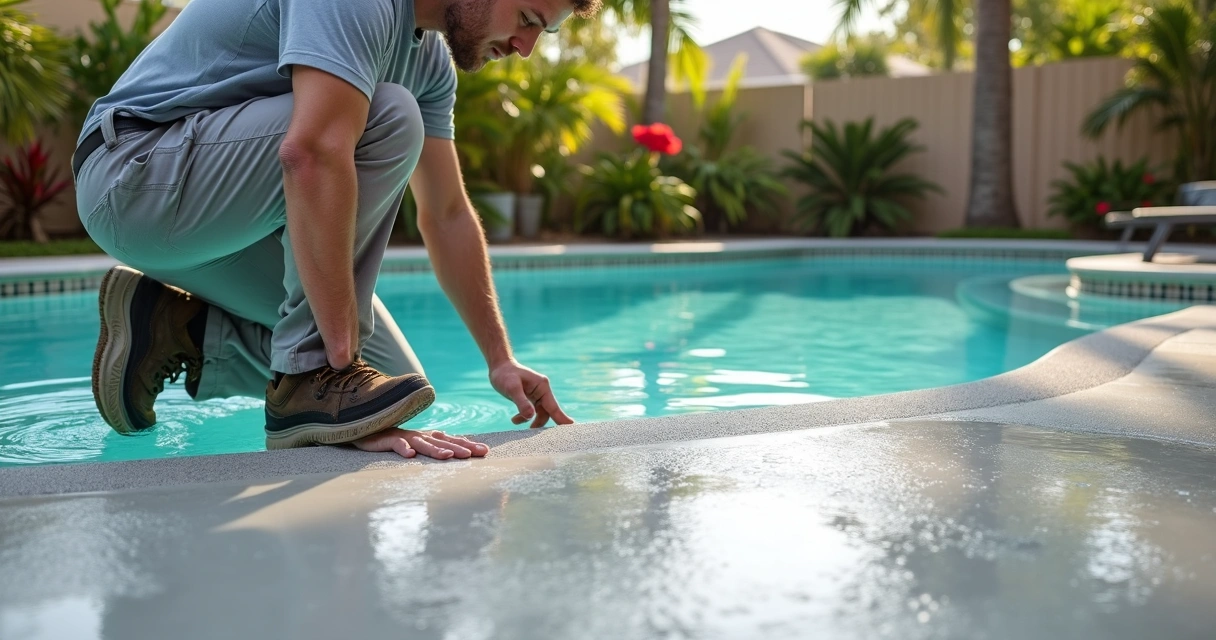
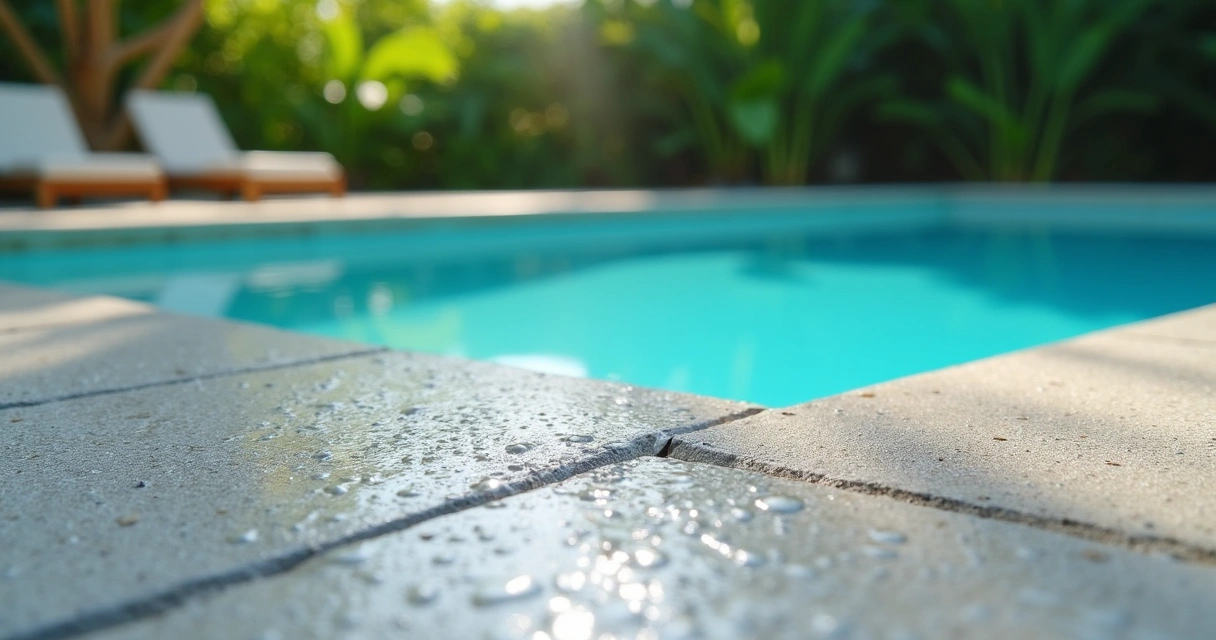
Living and working in Central Florida, we've seen first-hand how slippery poolside patios can quickly become a hazard—especially after heavy rain or when the kids are splashing around. Concrete and paver surfaces that aren't treated tend to lose traction when they're wet, allowing shoes and bare feet to skid.
The problem is heightened by Florida’s humid climate. Mold and mildew thrive in damp, shaded areas, creating a thin, invisible layer that makes even textured surfaces like broom-finished concrete unexpectedly slick. Chlorinated water, tanning lotions, and pool chemicals can contribute further by breaking down surface textures and coatings.
Rough, pitted, or stamped finishes provide extra texture, but can wear smooth over time without ongoing maintenance. We've also noticed that areas with poor drainage are the worst culprits, trapping water and making slipperiness an everyday concern.
Wet does not have to mean slippery—preparation and coatings matter.
Science and statistics behind slips and coatings
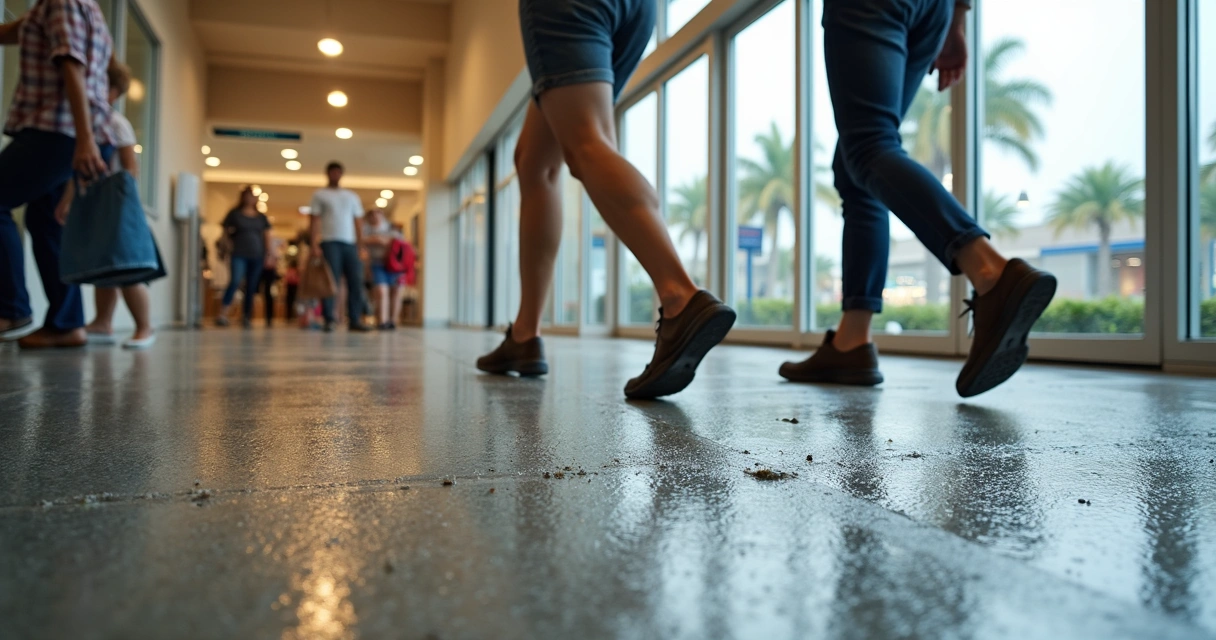
Slip-and-fall injuries are one of the leading causes of accidents around pools. Research from Montana Technological University found thata significant loss of slip resistance is common when patio surfaces get wet.Interestingly, that same study reported that the use of appropriate coatings can restore or even increase traction under wet conditions.
The effectiveness of coatings isn’t exclusive to pool patios—there’s solid evidence that proper surface treatments reduce injuries in wet environments. For example, the National Institute for Occupational Safety and Health (NIOSH) found a 67% reduction in injury claims after introducing slip-resistant surfaces in work areas prone to spills. While the study looked at shoes, the principle holds for flooring and pool patios: increasing friction on surfaces directly lowers slip and fall incidents.
At GCM Best Services, we use quality slip-resistant coatings that are aligned with current research and our real-world jobsite observations. Our clients often report increased confidence and peace of mind, especially for families with children or seniors spending time outdoors.
Types of slip-resistant coatings for poolside patios
When choosing a slip-resistant coating, it’s not just about safety—looks, longevity, and ease of cleaning count. We typically recommend and install coatings from these main categories:
- Epoxy coatings: Two-part epoxy offers both protection and customization. We often use 100% solids epoxy for maximum durability on pool decks.
- Polyaspartic coatings: Similar to epoxy, but cures faster, allowing for a quick return to service. These are ideal for patios that can’t be “down” for several days.
- Acrylic texture coatings: Single-component mixes that create a sandpaper-like texture. They are UV-stable, cost-effective, and come in a variety of colors suitable for outdoor environments.
- Paver sealers with grit additive: There are clear sealers that incorporate anti-slip grit, extending the original feel of pavers while boosting wet traction.
- Concrete overlays: Special resurfacing systems that combine cement, resins, and aggregates. These can create beautiful custom finishes with inherent slip-resistance, especially when troweled or stamped with texture.
Each type has its place. For residential pool decks, we often see acrylics and polyaspartics used most, while commercial or high-traffic spaces may benefit from thicker epoxy-based options. Grit or inert particles (like silica, quartz, or polymer beads) are often broadcast or mixed in to deliver the required slip-resistance under wet conditions.
Key features and benefits you should look for
Not all coatings are created equal. Based on our experience, here’s what we look for when recommending slip-resistant coatings:
- Tested wet traction: The coating must provide a measurable coefficient of friction above the threshold recommended by local building safety codes.
- UV and weather resistance: Especially under the Central Florida sun, coatings need to remain intact without fading, chalking, or becoming brittle.
- Resistance to pool chemicals: Splashing chlorine, salt, and acids can wear down coatings. Chemical resistance is key for lasting performance.
- No sharp or abrasive feel: The surface should grip bare feet without discomfort or scrapes.
- Easy maintenance: Coatings must clean easily with a broom, hose, or power washer. Mold and dirt should not persist in surface texture.
- Warranty and documentation: We always provide written warranties, along with photos and care instructions so you know what to expect for years to come.
Slip resistance should feel safe—not rough.
These points help ensure your patio stays beautiful and easy to use. We see too many homeowners select coatings just for looks, then regret their choice after the first rainy afternoon.
When and where to apply anti-slip coatings
Pool decks aren’t the only risky spots around your home or property. We advise considering anti-slip coatings on:
- Pool coping, stairs, and spa surrounds
- Outdoor walkways leading to the pool
- Entry areas near hose bibs, outdoor showers, or downspouts
- Shaded patio areas with frequent condensation or lawn irrigation splash
- Sidewalks sloping toward drain swales
The best time to apply coatings is after a surface is fully cured and clean. For new patios, concrete should cure for at least 28 days under Central Florida’s humid conditions. For existing patios, we repair cracks, remove algae or stains, and improve drainage first—sometimes referencing techniques like those described in our guide to preventing cracks in Florida concrete patios and driveways.
Step-by-step: how we approach slip-resistant coatings
At GCM Best Services, we believe clear process leads to results you can see and trust. Here’s how we manage a slip-resistant poolside patio upgrade:
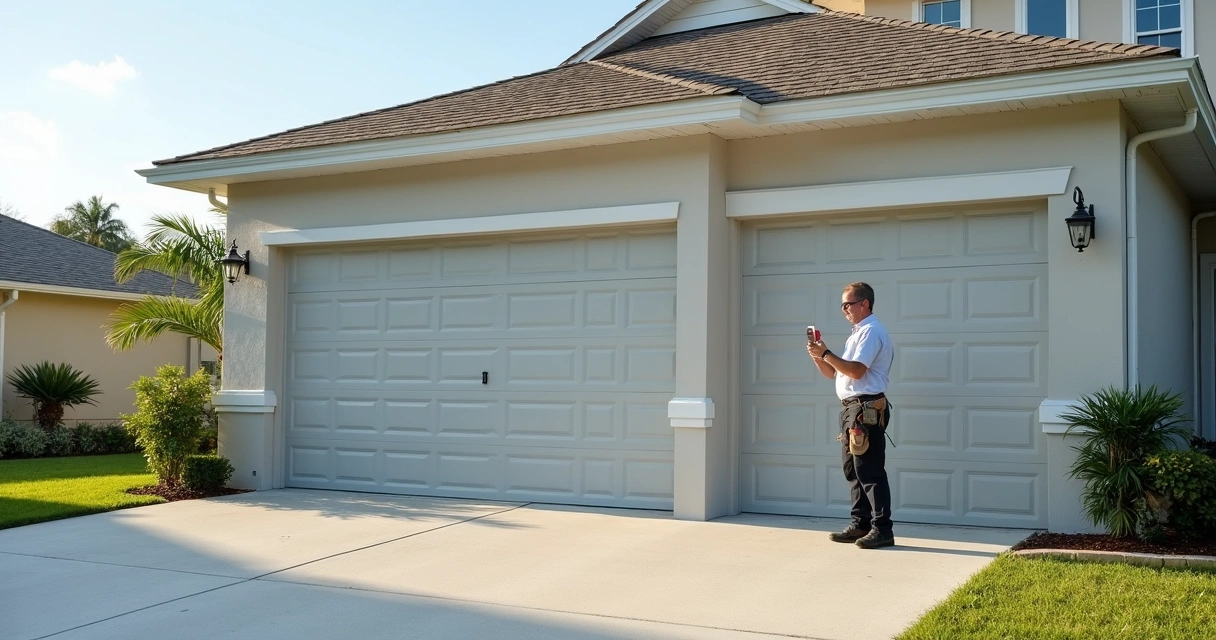
- Assessment and consultation: We start with a free on-site inspection, checking current surface texture, drainage, and discussing safety and style needs.
- Surface preparation: We power-wash to remove debris, grind if necessary, and repair any cracks or low spots. Surface prep is what sets the stage for long-lasting, slip-resistant coatings.
- Moisture and adhesion testing: Using moisture meters or plastic sheet tests, we confirm the deck is dry enough for coating. This step prevents bubbles or flaking later on.
- Taping and masking: We carefully tape edges, expansion joints, and pool coping to keep lines crisp and prevent accidental spills into the pool.
- Primer application: The right primer ensures strong adhesion, especially on older or previously sealed concrete.
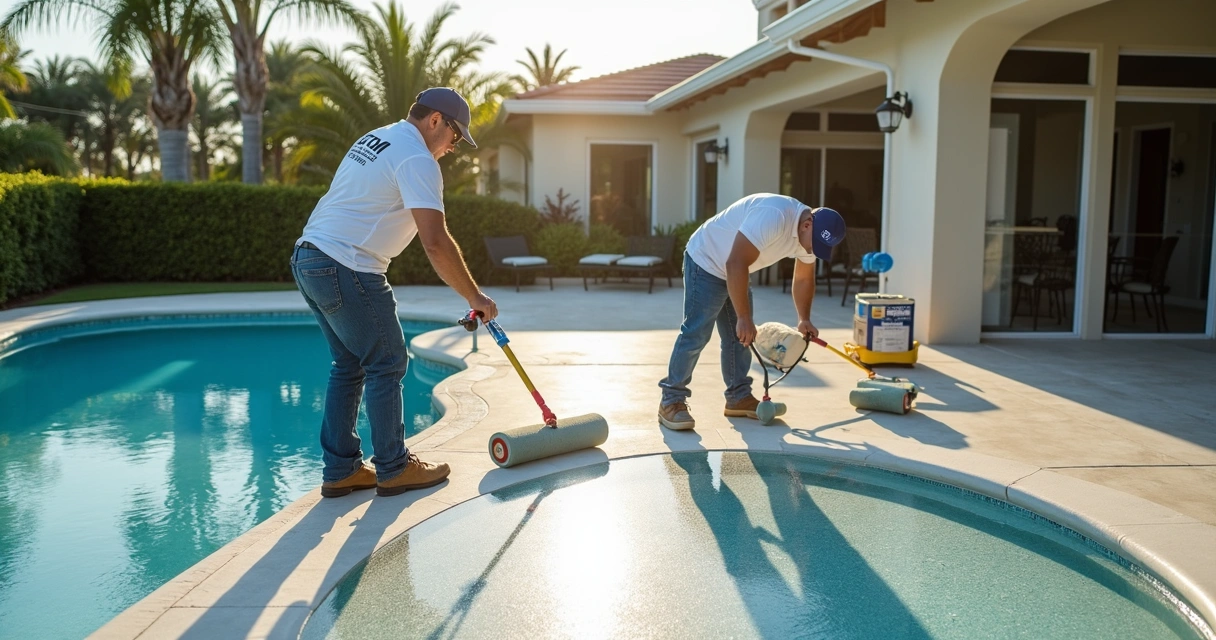
- Base coat: We apply the selected epoxy, polyaspartic, or acrylic coating, using rollers or squeegees for an even finish.
- Broadcasting grip particles: While the base is wet, anti-slip granules are broadcast or blended in, then allowed to embed as it cures.
- Topcoat (if required): Sometimes a clear or pigmented topcoat is applied to seal in the texture and add UV/wear protection.
- Final inspection and walkthrough: Once cured, we check for uniformity, test slip resistance, and share care instructions and a written warranty.
Cost and value factors for slip-resistant solutions
On average, slip-resistant coatings for residential pool decks in Central Florida cost between $3 and $7 per square foot, depending on the prep work and product selected. Here are the cost factors we help you consider:
- Surface condition: More prep (like patching or leveling) increases upfront cost but is necessary for a lasting result.
- Type of coating: Epoxies and polyaspartics cost more per gallon but last longer under tough sun and heavy use.
- Size and complexity: Larger decks, stairs, or split-level patios take extra time and materials.
- Color and design: Custom patterns, color flakes, or multi-tone finishes add character and cost.
- Warranty: We always offer clear, written warranties so you know the value extends well beyond installation.
When calculating value, we consider the reduction in slip-and-fall risk, extended surface life, ease of cleaning, and improved curb appeal. Many homeowners also see a boost in property value with a safe, attractive pool patio.
Maintaining slip-resistant surfaces for the long term
A slip-resistant coating is only as good as its maintenance. Our care tips help keep your patio grippy and looking fresh:
- Sweep debris and hose off regularly to prevent grit and organic buildup.
- Clean spills and standing water quickly, especially around food, sunscreen, or tanning oil.
- Use only manufacturer-recommended cleaners to avoid residue or premature wear.
- Re-seal every 2–5 years, or as recommended in your hardscape maintenance guide.
- Check for mold in the shade and wash with a mild detergent solution if necessary.
- Inspect for chips or worn areas before the rainy season starts.
A little routine care can keep your patio safe for years to come.
Local codes, best practices, and integrating with patio upgrades
Central Florida has clear guidelines for poolside safety, including the need for surfaces that meet minimum slip resistance. Most local codes use a coefficient of friction benchmark, ensuring wet surfaces help prevent accidents. We keep up with code updates and always build or upgrade to meet city or county requirements.
If you’re thinking about a full patio renovation—such as adding new pavers, expanding the deck, or building a summer kitchen—this is the perfect moment to include slip-resistant finishes. We regularly coordinate these improvements, bringing together design, function, and safety in one project. Use our expertise and our patio paving services to create an integrated outdoor oasis.
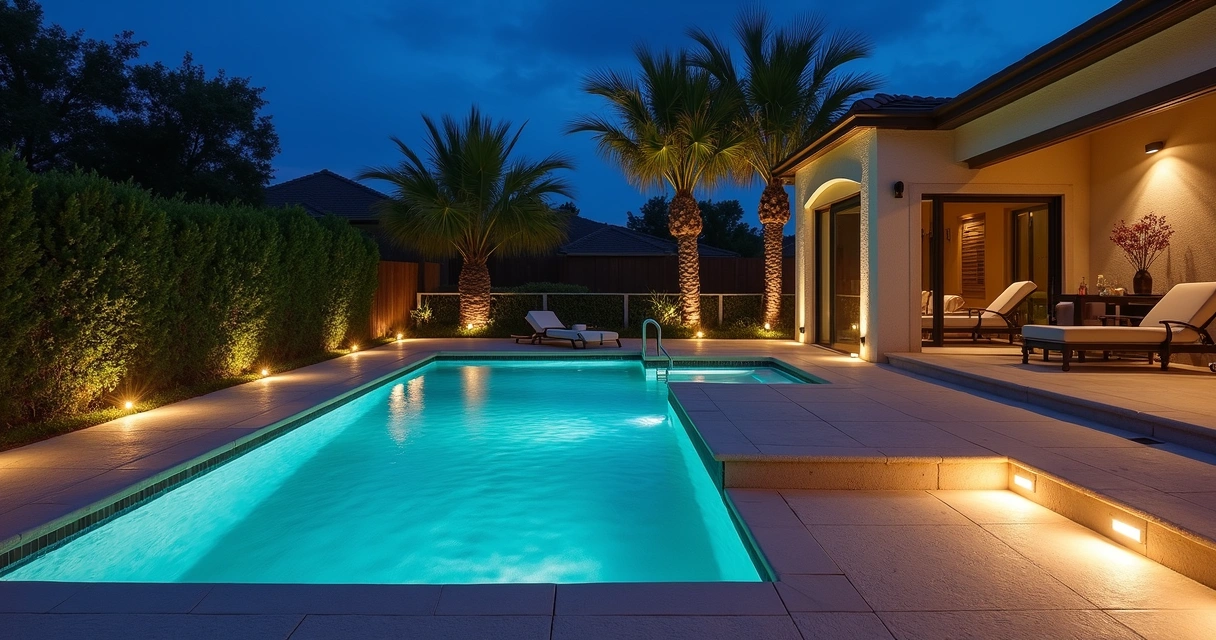
For more inspiration, visit our gallery and read about our experience with concrete and hardscape projects in Orlando.
Conclusion
We believe every poolside patio in Central Florida should be both beautiful and safe. By investing in slip-resistant coatings, you reduce accidents, extend outdoor living, and protect your investment for years to come. The right product, installed by a skilled team like GCM Best Services, transforms how you feel about spending time around your pool—rain or shine.
If you are ready to upgrade your patio or simply need expert advice on safety options, we are here to help. Your peace of mind is our top priority. Ready for a professional quote? 📞 (407) 250-1948 • 24–48h • Orlando, Tampa & area.
Frequently asked questions
What is a slip-resistant coating?
A slip-resistant coating is a special finish applied to hard surfaces—like concrete or pavers—to increase traction underfoot, especially when the surface is wet. It usually contains micro-grit or textured additives blended into a resin (like epoxy, acrylic, or polyaspartic), providing a grippy feel without sharpness. These coatings are designed to reduce the chance of slips and falls, making patios, pool decks, and walkways much safer for everyday use.
How to apply slip-resistant coating?
Applying a slip-resistant coating involves several careful steps. First, thoroughly clean the surface by washing and repairing any damage. If the area is new, ensure it is cured and dry. Apply a primer for strong adhesion, then roll or spray on the coating base layer. While it’s still wet, broadcast or mix in the selected anti-slip aggregate (sand, beads, or quartz). Allow it to cure as specified, then apply any optional clear topcoats. Consistent preparation, proper curing times, and following manufacturer instructions are key for a successful application.
Is it worth it to use these coatings?
In our experience, the return on investment for slip-resistant coatings is clear: safer surfaces, lower accident risk, easier cleaning, and better long-term durability. Research supports that anti-slip coatings effectively increase safety, especially in wet climates like Central Florida. The upfront cost is modest compared to medical bills or liability from slip injuries. Many homeowners also report greater satisfaction with ‘barefoot comfort’ and improved home value.
How much does slip-resistant coating cost?
For most residential pool decks, slip-resistant coatings range from $3 to $7 per square foot, depending on the coating type, preparation required, and level of customization. Large or intricate areas may be at the higher end, while recoating smaller patios can be more affordable. We always provide a detailed estimate after an onsite assessment and include warranty information to make budgeting easier.
What are the best slip-resistant brands?
As a policy, we do not promote specific brands in our articles. Instead, we recommend speaking directly with experienced installers, like our team at GCM Best Services, who use only code-compliant, high-quality coatings tested for performance in outdoor conditions. The best coating is one matched to your climate, traffic level, and personal style. We stay current with new products that meet or exceed safety standards and offer strong warranties.
We welcome your questions and invite you to contact us for insights on your specific project—or browse our related articles, such as our concrete repair contractor guide, for more details about improving outdoor safety and durability in Central Florida.