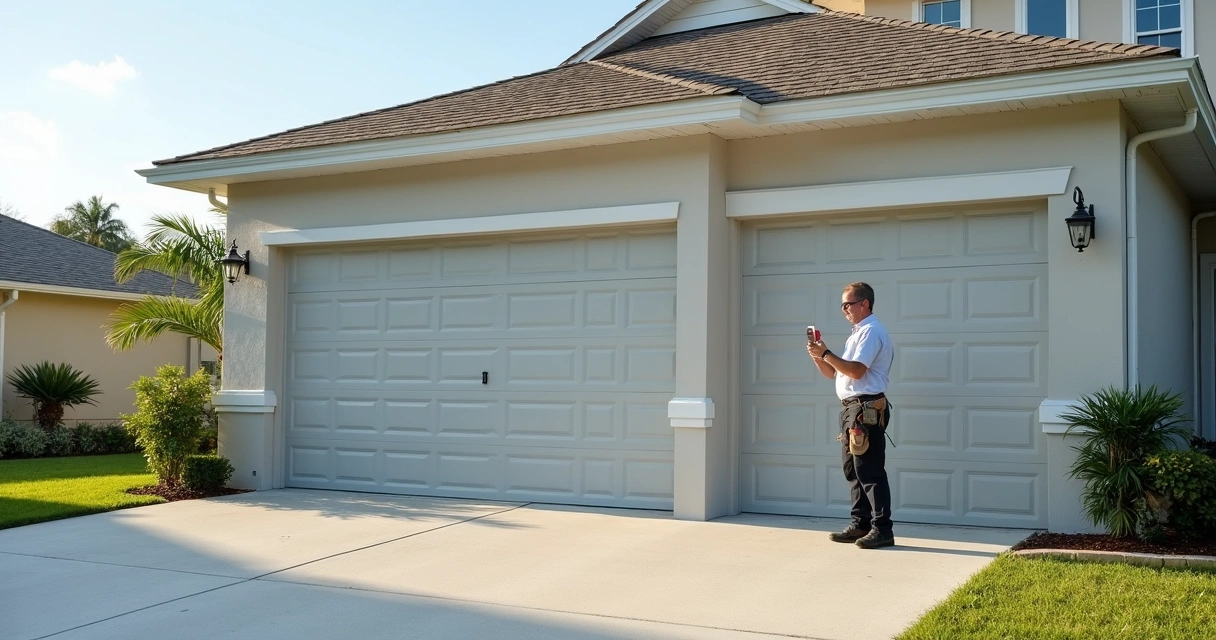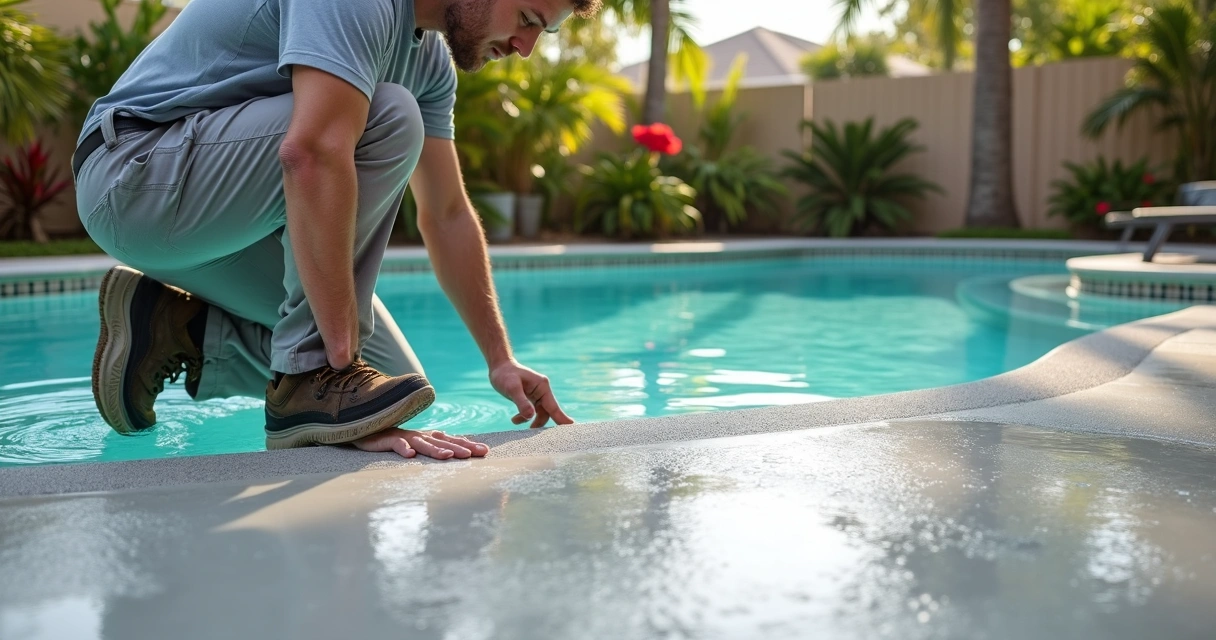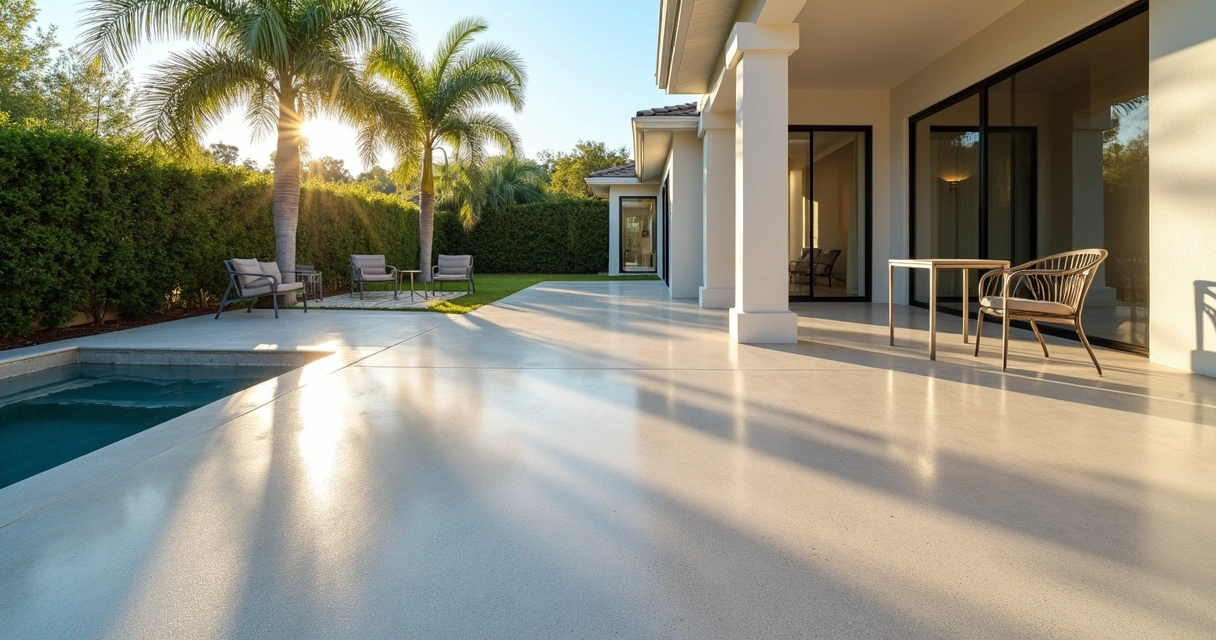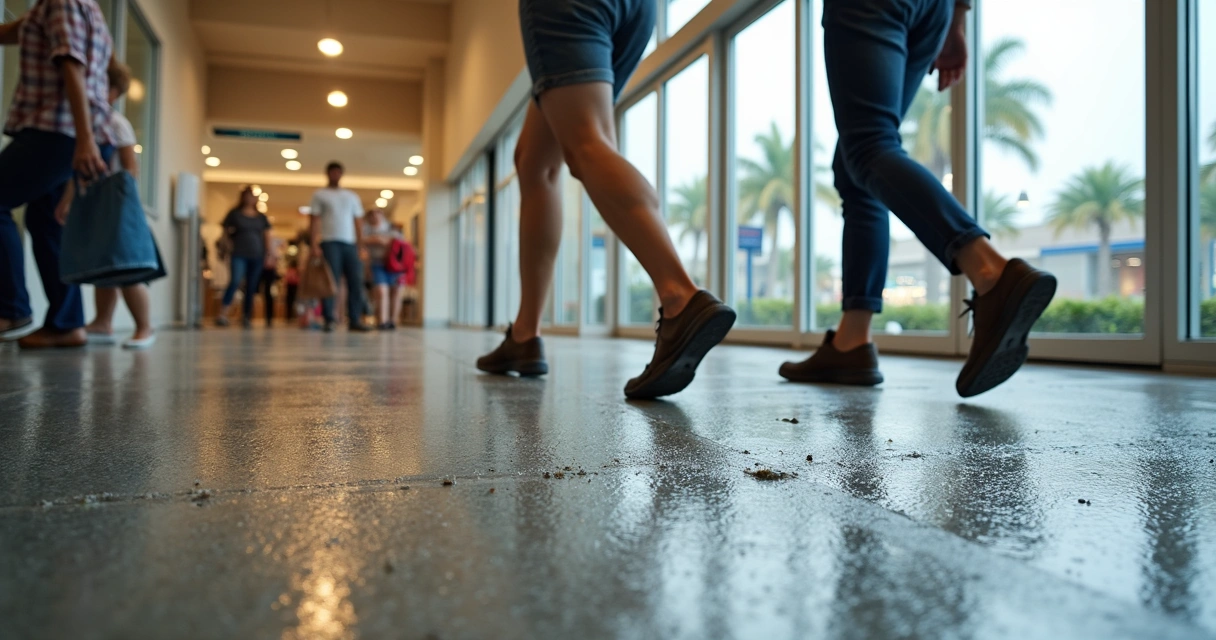
Busy retail entrances in Central Florida see thousands of footsteps daily. Combine that with unexpected Florida downpours, tracked-in moisture, and constant deliveries, and it’s easy to see how a simple doorway can become a safety concern. Customers, staff, and delivery drivers deserve stable footing, and property owners are responsible for delivering a safe, visually pleasing first impression. That’s where choosing the right non-slip coating comes in—a solution we’ve designed and delivered for years at GCM Best Services.
Falls and slips in commercial settings account for a significant share of workplace injury and liability, as outlined by expert research and reports from NIOSH (CDC). And with OSHA pointing to a recommended static coefficient of friction (COF) of about 0.5 for general slip resistance (OSHA guidance notes), the right non-slip approach genuinely matters. We see it every day with our clients in Orlando, Tampa and across Florida: reliable, tailored coatings not only reduce accidents, they lengthen the lifespan and looks of your entryway.
No business can afford unsafe entrances—safe footing welcomes everyone in.
Our team at GCM Best Services has installed, restored, and maintained non-slip entrances for grocery stores, offices, retail parks, and more. Across this article, we’ll unpack the eight most effective non-slip coating options we use and recommend for busy retail entrances, weighing the pros, cons, and use cases for each. Whether you’re handling a renovation or getting proactive with safety and style, one of these solutions will fit your needs, building code, and maintenance budget.
What makes a great non-slip coating for retail doors?
Let’s be honest: retail surfaces take a beating. Heavy foot traffic, strollers and carts, changing weather, and pressure from automatic door systems all play a role. To ensure a coating stands up to this hardship and stays slip-resistant over years, not just months, we believe a few factors are absolutely non-negotiable:
- Slip resistance that meets or exceeds OSHA’s recommended COF (often 0.5+)
- Weather and UV resistance, especially in direct sun and humidity
- Compatibility with the underlying surface—concrete, pavers, tile, or other materials
- Efficient curing and return-to-service, minimizing retail downtime
- Simple, cost-effective maintenance over time
With those requirements in mind, let’s walk through the best-in-class options for busy retail entrances—each proven, widely tested, and available for custom application in Central Florida.
1. Broadcast quartz epoxy systems
For entrances where slip resistance and style must work together, broadcast quartz epoxy is a standout. These coatings utilize a two- or three-layer epoxy base embedded with colored quartz granules, which are partially embedded in the wet resin and then sealed for a durable, decorative finish.
Here’s why we recommend broadcast quartz to our commercial clients:
- Excellent slip resistance: The embedded granules deliver reliable traction even when wet.
- Color and design: Wide color selections—from neutral to vibrant—make it easy to match branding or architecture.
- Durability: Tougher than standard paint, and resistant to chemicals, stains, and abrasion.
- Longevity: Professional installation and periodic resealing can secure service life beyond 8-10 years.
We’ve found broadcast quartz is well-suited for entrances exposed to both the elements and public view, such as supermarkets, hospital lobbies, and shopping center entrances.
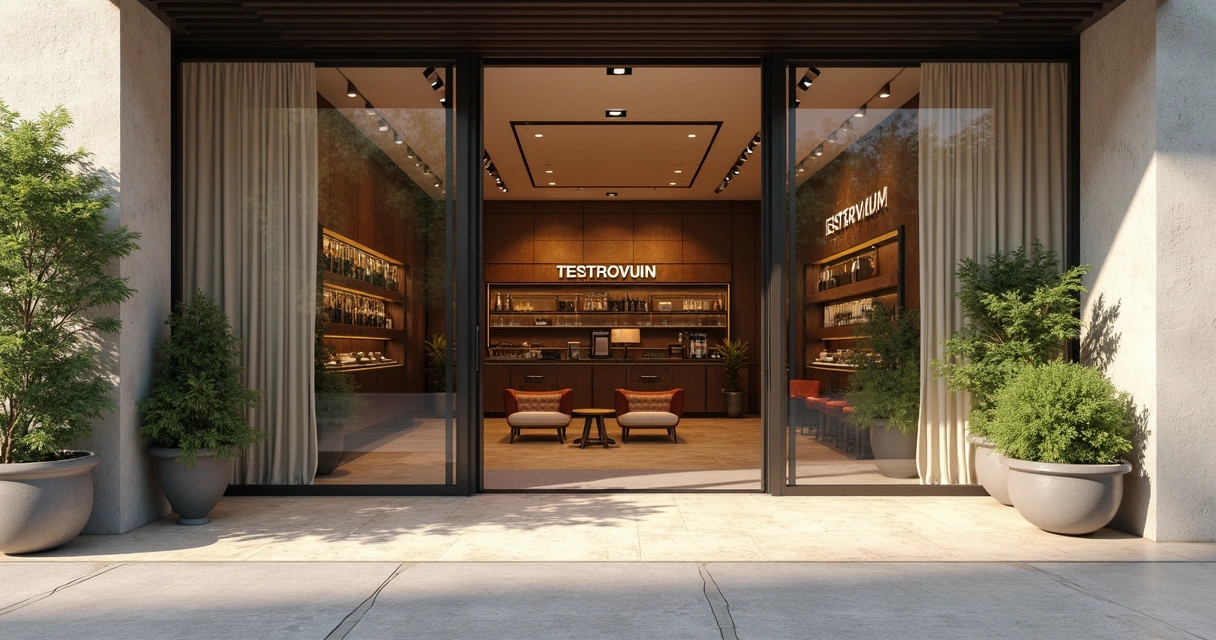
2. Polyaspartic coatings with traction additive
Polyaspartic resin coatings have become a trusted favorite for commercial settings, especially when paired with top-quality traction additives.
- Rapid cure: Walk-ready in a few hours—perfect for entrance resurfacing overnight or between shifts.
- UV and weather resistance: Polyaspartics resist yellowing and surface wear, lasting through Florida’s sun and storms.
- Slip-resistance: A custom-blend of broadcast sand, microbeads, or specialty grip flakes can be added for targeted slip protection.
- Chemical/stain resistance: Easy to keep looking fresh with routine cleaning.
We recommend polyaspartic coatings for entrances needing speed, durability, and consistent shine—or where daily commercial cleaning might wear down thinner paint.
3. 100% solids epoxy with anti-slip media
100% solids epoxy, combined with anti-slip media, is a staple for ultra-busy retail entry zones. This approach mixes clear or pigmented epoxy with a blend of aluminum oxide grit or silica sand, troweled or back-rolled for texture and uniformity.
Why does this work so well?
- Cuts slips in wet and dry conditions, outperforming old-style non-slip paints.
- Delivers long service life; often exceeds a decade with reapplication only as topcoat wears.
- Thicker build bridges cracks and surface roughness.
- Available in a range of colors and glosses for subtle or prominent visual appeal.
For retail chains, big-box stores, and environments where carts and trolleys constantly roll, this format keeps both customers and workers secure all year round.
4. Textured acrylic resin coatings
When cost and color flexibility lead the conversation, textured acrylic coatings come to the fore. These water-based or solvent-based paints are fortified with texture grit and self-crosslinking resins for improved chemical and weather resistance.
- Quick-dry formulas allow for fast recoating and easy touch-ups (great for busy environments).
- Variety of grit options from fine to coarse suits different traffic patterns.
- Wide palette range for property branding or contrast against sidewalks.
- Excellent as a renewal layer for previously coated areas showing wear.
We often use acrylics for light to moderate retail traffic, or as a freshening layer for well-prepared concrete, stone, or pavers.
5. Non-slip urethane deck coatings
Urethane-based coatings are engineered to handle weather extremes—rain, heat, direct sun, and freeze/thaw cycles. When applied with embedded traction media, they create a tough, elastic, and attractive surface perfect for retail environments exposed to the elements.
- High resistance to abrasion and chemicals (oil, cleaning solutions, salts).
- Flexible, moving with concrete/paver expansion and contraction to resist cracks.
- Recoatable and easy to maintain, making this a strong choice for property managers.
We recommend non-slip urethane for raised entrances, access ramps, or outdoor walkways in locations with variable moisture and sunlight.
6. Grit-embedded traffic membrane systems
Traffic membrane systems, especially those based on polyurethane or hybrid materials, are constructed of multiple layers: a waterproof base, thick broadcast intermediate coats, and embedded ceramic or quartz grit.
- Engineered for maximum slip resistance, critical where puddles, oil drips, or high foot volume are constant risks.
- Waterproofing prevents damage to structural concrete beneath, so fewer repairs.
- Customizable thickness—can be built up for wheelchair ramps and sloped entries.
- Higher initial cost, but paid back in reduced long-term maintenance and liability.
These systems are ideal at mall entrances, grocery stores with covered loading, or any business with layered entryways seeing carts, bins, or freight dollies.
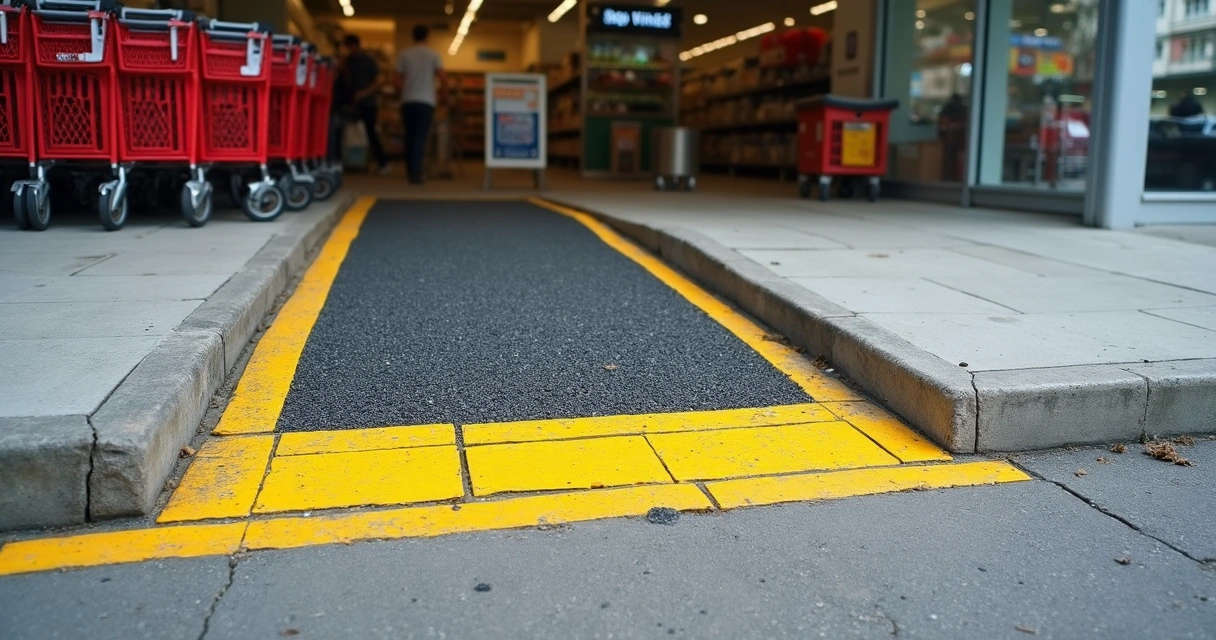
7. Non-slip sealers for stamped concrete or pavers
Many retail entrances in Central Florida are finished in decorative stamped concrete or interlocking pavers. While beautiful, these surfaces can become slippery, especially after repeated washing or years of foot traffic. Non-slip sealers solve this challenge without hiding the underlying pattern.
- Silica, polymer, or micaceous grit can be mixed into penetrating or film-forming sealers.
- Preserves the color and texture of decorative finishes.
- Slows weed growth, staining, and general weather wear.
- Quick to refresh—one coat can restore traction for another season.
We frequently use non-slip sealers at retail offices, boutique shops, and restaurants seeking both safety and curb appeal.
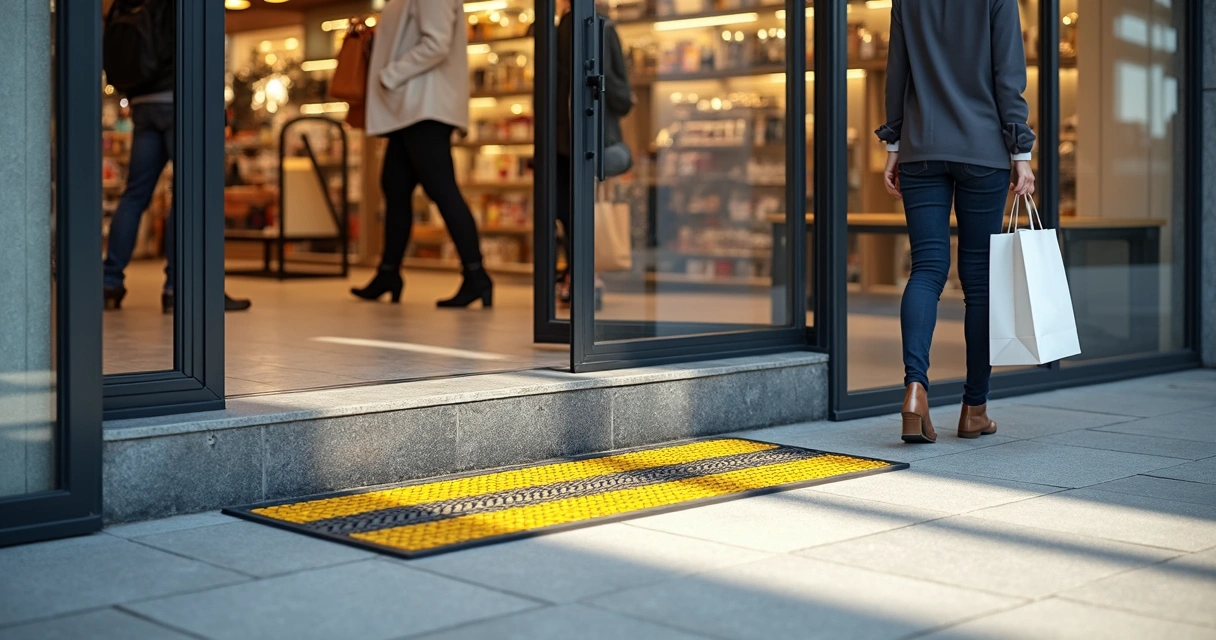
8. Modular peel-and-stick anti-slip treads
Sometimes, immediate results are needed. Modular anti-slip treads, made of rubberized, mineral-coated strips, offer a quick, cost-efficient answer for slippery spots—even between permanent coating jobs.
- Easy to install and remove, with little interruption to business flow.
- Tread and color styles for visual cues (think high-contrast yellow and black).
- Good for trouble spots: single steps, doorway thresholds, cold storage entrances.
- Periodic replacement needed, but instantly solves the most urgent hazards.
While less “polished" looking than fluid-applied coatings, these treads often prevent slips on cold mornings, during construction, or after spills.
Comparison, selection and tailoring: What’s right for your retail space?
With so many choices, how do we help clients select what’s best? It often comes down to:
- Type and volume of foot traffic
- Exposure to elements: Is the entry covered? Sun-facing? Exposed to standing water?
- Existing substrate: Concrete, pavers, tile, or something else?
- Visual and branding requirements—some coatings allow for custom color-matching, others preserve architecture
- Budget and maintenance window
- Building code or insurance mandates
We always assess the surface to look for pre-existing issues such as cracks, spalling, or drainage concerns—these are critical to correct before coating. Our team manages drainage design and repair before coating, supporting long service life and compliance. Our approach reflects the best practices in concrete repair and coating learned on countless Central Florida projects.
We’ve written detailed guides on concrete repair methods used by licensed contractors and techniques to prevent cracks in Florida concrete. These same high standards apply to coating preparation and finish.
Meeting codes and exceeding expectations
OSHA and OSHA’s slip-resistance standards guide our product selection, including meeting or exceeding the targeted 0.5 COF for most retail uses. Still, as the guidelines note, particular settings—like kitchens, ramps, and outdoor walkways—may require higher standards.
We test each installation for real-world results, not just lab specs, and provide written warranty, after-care instructions, and annual reinspection as part of our maintenance package.
Maintenance and long-term care
A non-slip coating’s lifespan depends on quality installation and ongoing upkeep. Here’s what we encourage for retail owners and facility managers:
- Routine cleaning with neutral cleaners; avoid caustic chemicals that could degrade the non-slip surface
- Seasonal inspection for wear, tear, or any sections that may be undermined by water, wheel traffic, or UV
- Prompt repair or refresh of damaged areas—using the same or improved product
- Annual friction testing to ensure COF remains in the safe range
These steps can help non-slip coatings perform for years, supporting your investment and business reputation. Many of our clients blend these updates with hardscaping projects and entrance redesign to create a full upgrade without business interruption.
The GCM Best Services process: Why local experience matters
Every surface, climate, and customer flow is unique—especially in Central Florida. Our step-by-step process takes these factors into account, including:
- On-site inspection: We examine drainage, slope, substrate condition, and traffic patterns.
- Design and product selection: Matching the best slip resistance, finish, and performance for your location’s needs.
- Permitting and compliance: Working with your HOA, insurance requirements, and building codes.
- Professional application: OSHA-safe, well-communicated scheduling to limit business downtime.
- Warranty and aftercare: Post-install checks, cleaning guides, and written warranty for peace of mind.
Our team has delivered safe, attractive, and code-compliant entrances for retail stores, schools, restaurants, and more in Orlando and across Florida. We’re ready to recommend the right non-slip surface for your specific needs.
Learn more and get started
Non-slip coatings are a proactive step, not just for compliance, but for confidence—ensuring that everyone who enters your business feels welcome and safe. Our knowledge of Florida soils, weather, and building regulations helps us provide coatings that stand up not just to today’s needs, but to years of use.
If you’d like help with product selection, maintenance planning, or a full entrance upgrade, contact us for a no-obligation site visit. We’ll help you build a safer, stronger first impression for your property.
Safety starts on the ground. Let’s make every entrance inviting and slip-resistant.
Ready for a professional quote? 📞 (407) 250-1948 • 24–48h • Orlando, Tampa & area.
Frequently asked questions about non-slip coatings for entrances
What is non-slip coating for entrances?
Non-slip coating for entrances is a specialized treatment applied to walking surfaces like concrete, tile, or pavers to provide consistent traction, especially under wet or high-traffic conditions. These coatings use ingredients such as grit, textured granules, or microbeads to raise friction, helping reduce slips and falls in retail and commercial environments.
How to apply non-slip coating?
Application steps usually include surface assessment, deep cleaning, crack repair, and priming, followed by the application of the chosen non-slip material—using rollers, trowels, sprayers, or broadcasting for different effects. Most coatings need a clean, dry, well-prepared surface for strong adhesion and durability. Skilled contractors like GCM Best Services match the method to the substrate, climate, and desired finish for optimal results.
Which non-slip coating lasts the longest?
Broadcast quartz epoxy systems and grit-embedded traffic membrane systems typically have the longest service life, often exceeding a decade when properly installed and maintained. Polyaspartic coatings with traction additives and 100% solids epoxies are also known for long-term performance, especially in high-traffic settings like retail entrances.
How much does non-slip coating cost?
Cost varies by material, location, and required preparation. Entry-level acrylics or sealers cost less per square foot, while broadcast epoxy, polyaspartic, and membrane systems carry higher initial costs due to labor, thickness, and extended durability. Customized quotes are usually provided after a site inspection to address specific conditions and requirements.
Where to buy non-slip coatings?
While retail coatings are sometimes available at supply stores, the best results are achieved by working with knowledgeable, licensed contractors who tailor both selection and installation to local codes and real-world needs. GCM Best Services sources, installs, and maintains high-quality non-slip coatings for Central Florida businesses. We deliver the right solution from site visit to aftercare.