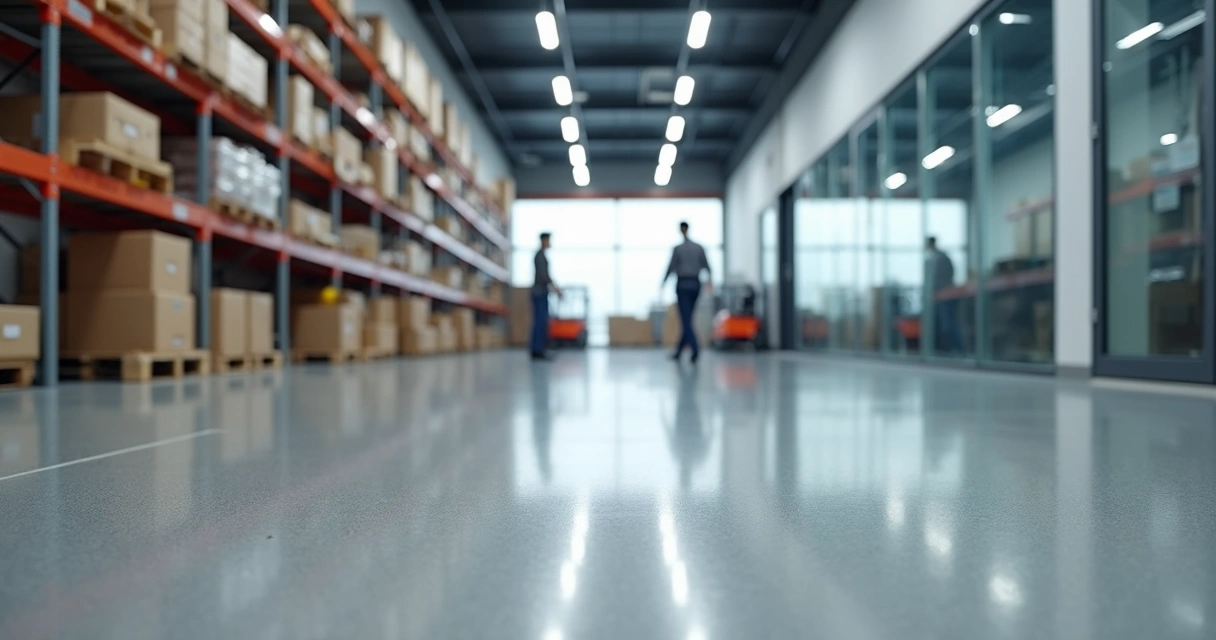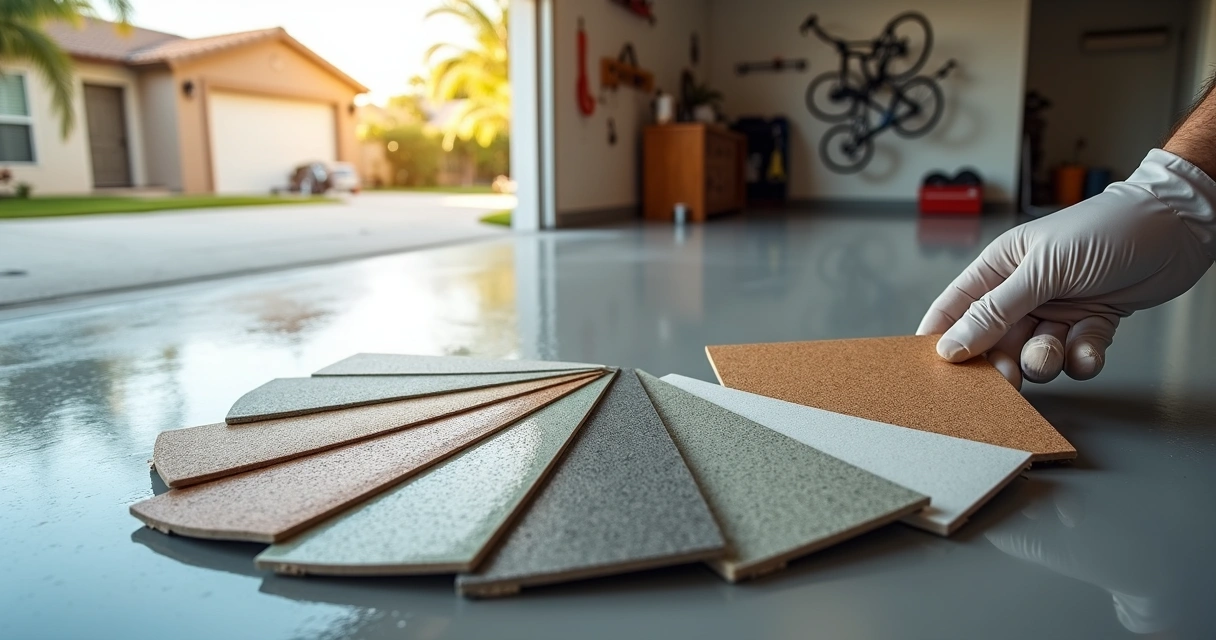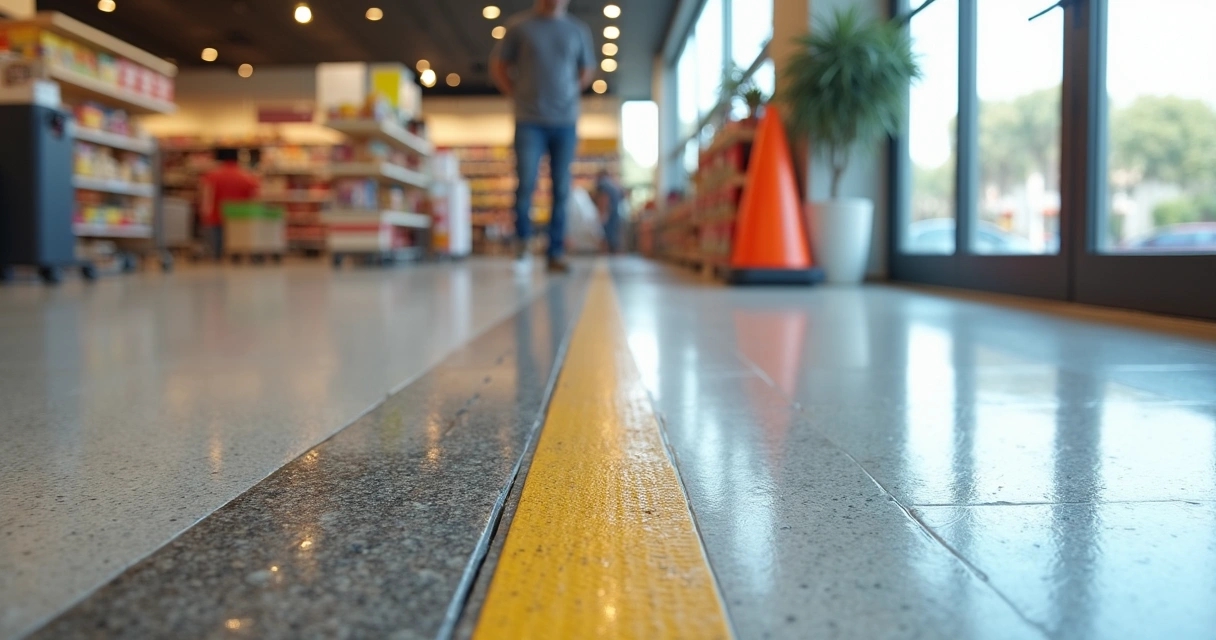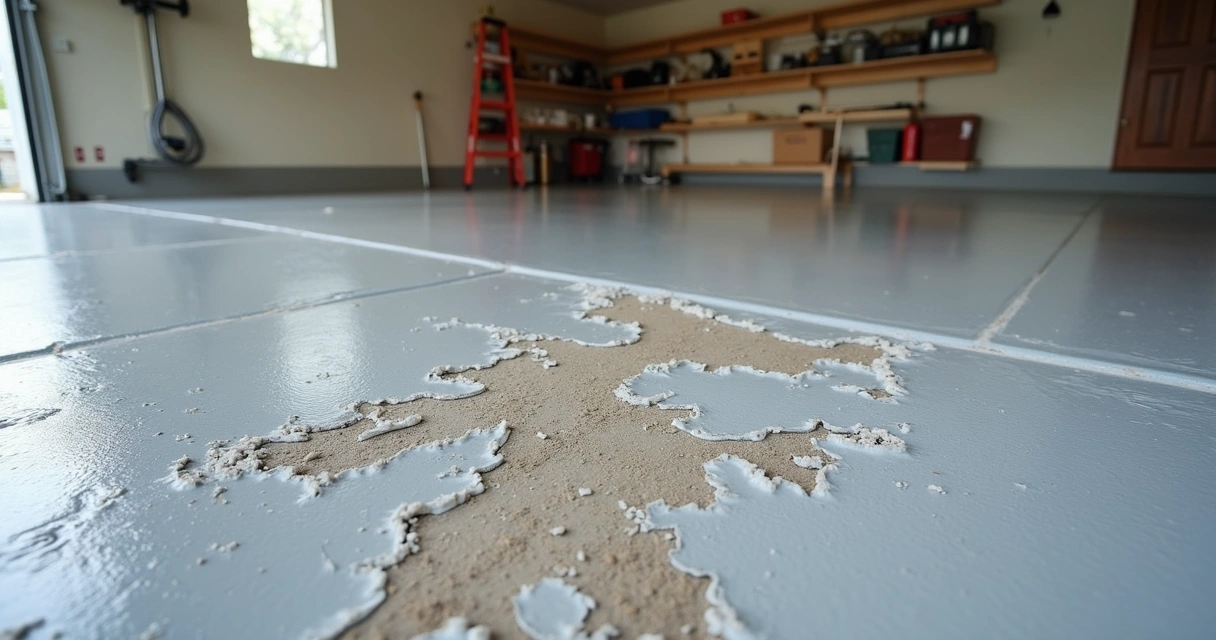
Epoxy flooring should transform your garage, warehouse, or retail space into a durable showpiece. But when the surface starts to bubble, chip, and peel, the disappointment is immediate—and the headache grows fast. At GCM Best Services, serving Orlando and Central Florida, we know how disheartening it is to watch a brand-new epoxy floor fail before it should. Our hands-on work with hundreds of floors has shown us again and again: peeling isn’t random. It follows clear reasons. Understanding these causes can make the difference between a finish that stands the test of time and one that flakes away in months.
In this detailed guide, we draw from industry experience, research, and the real-world lessons we’ve seen on local jobsites to explain six leading reasons epoxy floors start peeling after installation. By learning what causes these problems, you can avoid them—or know how to fix them if they’ve already appeared.
Why is my epoxy floor peeling? Understanding the basics
When you install an epoxy floor, you’re aiming for a bright, seamless, super-tough finish. Peeling means something has disturbed its bond to the base below, or the material hasn’t cured as it should. The causes can be grouped into several areas: improper prep, moisture, low-quality products, application errors, and more. Studies like the Embry–Riddle Aeronautical University thesis highlight the number of mechanisms that can create failure in fiberglass/epoxy systems—you’ll see many similar patterns in residential or commercial floors.
Peeling is not just cosmetic. It shortens the lifespan of your floor and exposes the surface beneath to damage. Fixing these issues early is key.
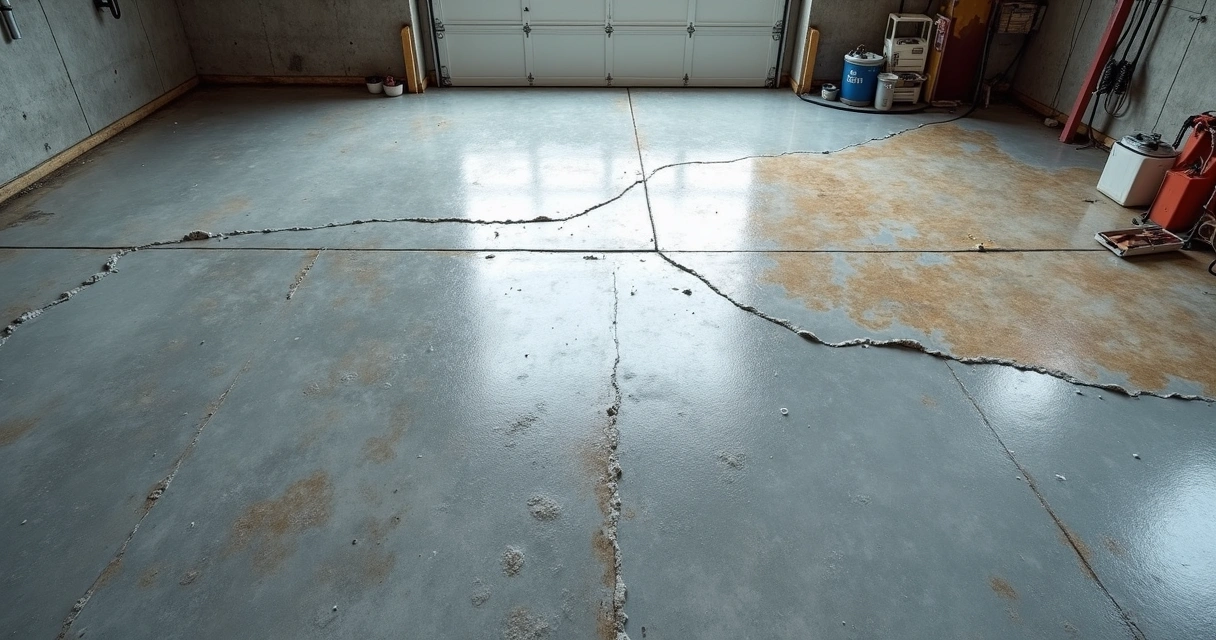
Preparation mistakes: The foundation of failure
Nothing dooms an epoxy floor faster than poor surface preparation. The concrete beneath must be clean, solid, dry, and textured for the epoxy to grip. If shortcuts are taken here, no fancy top-coat or later fixes will save the floor from later peeling.
How preparation goes wrong
- Failure to remove oil, grease, or contaminants: Any residue left on the slab acts like a non-stick layer, keeping epoxy from anchoring.
- Skipping surface profiling: Epoxy isn’t paint; it needs a rough profile (mechanically achieved or etched) for proper adhesion.
- Poor cleaning post-prep: Dust and debris can settle after surface is ground or etched. Applying epoxy over unvacuumed residues is a recipe for peeling.
- Leaving behind moisture: If concrete wasn’t tested for dampness, the coating may bubble and flop.
We’ve seen many floors where a shiny top coat covers invisible prep mistakes. Within weeks, bubbles or blisters rise up—often right where oil used to leak from a car or moisture seeps up from below.
At GCM Best Services, we emphasize proper preparation as the start of every successful project in Orlando. Our crews never skip these critical steps.
Moisture problems: The silent destroyer
In Florida’s humid climate, moisture problems are especially frequent. Even if a slab looks dry, water vapor can be moving invisibly through it. Moisture trapped under an epoxy floor is one of the most common causes of peeling, bubbling, or debonding.
The main sources of slab moisture
- Groundwater or rainwater moving up through the slab (capillary action)
- Lack of a vapor barrier, especially in older builds
- High ambient humidity or condensation after prep work
- Slab poured too recently—it takes weeks, sometimes months, for new concrete to shed excess water
When an epoxy coating is applied on a wet or “sweating” slab, vapor pressure can push up and pry the epoxy off the concrete from below. You may see blisters, discoloration, or full sheets of coating peeling away.
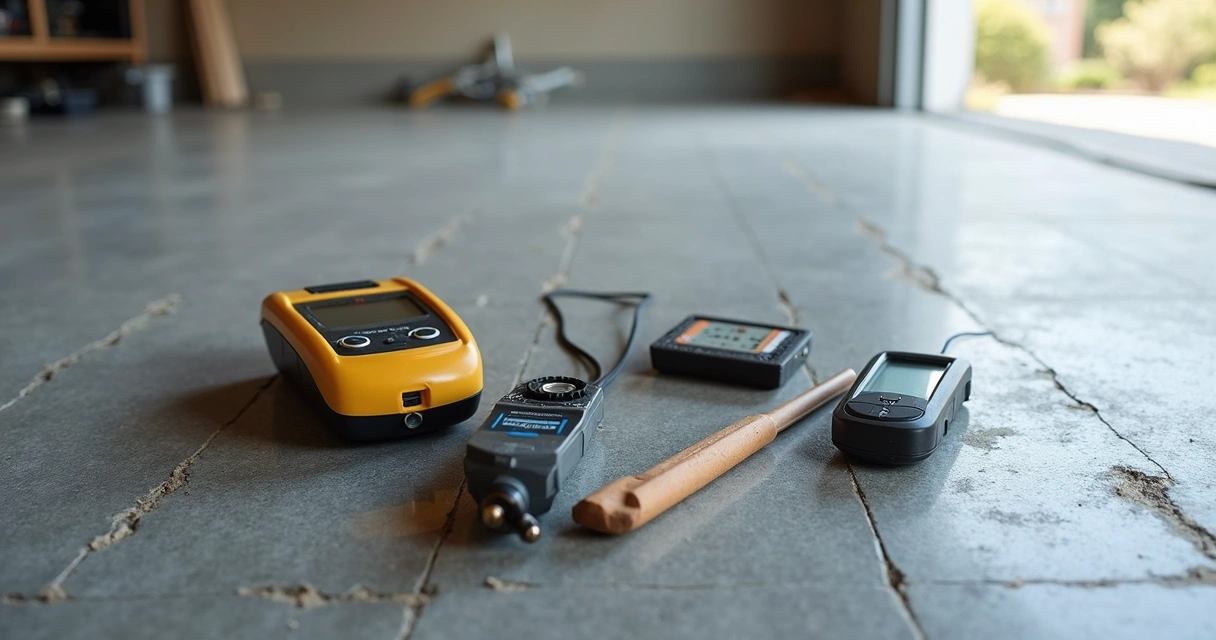
Moisture testing is not a luxury; it’s a step that saves your investment. We always recommend and perform testing before installation, especially in garages, warehouses, and commercial sites. Skipping this can mean rapid failure in Florida’s steamy weather.
Application errors: When timing and technique matter
Even on a slab that’s prepped perfectly, things can still go south during application. Epoxy is finicky. It has a particular window of time for mixing, pouring, spreading, and curing. Most application mistakes happen because of hurrying, poor mixing, or weather conditions.
Common epoxy application mistakes
- Not mixing resin and hardener thoroughly, leaving unmixed areas prone to peeling
- Premature application—pouring epoxy before the slab has returned to room temperature, leading to condensation
- Pouring too thickly, creating uneven curing and weak spots
- Working in too cold or too hot of conditions (typically below 55°F or above 85°F), which affects set and adhesion
When our team at GCM Best Services installs coatings, we monitor both slab and ambient temperature, use calibrated meters, and always follow the manufacturer’s precise timing guidelines. That’s the difference between a glossy, hard-wearing surface and something that fails at the first sign of Florida heat.
If your floor started peeling in big patches, look back at the application: Were the components mixed well? Did the installer rush to finish before a storm rolled in? These details are often all it takes to separate success from a peeling mess.
Poor-quality epoxy or incompatible products
We’ve inspected many floors in Orlando that failed not because of bad prep or moisture, but because the wrong products were used for the specific environment. There are wide differences between residential-grade, commercial, industrial, and specialty epoxies. Using a cheap or unmatched formulation often leads to weak adhesion and early peeling.
- Epoxy that lacks 100% solids or has too much solvent can shrink, lose strength, and pull away from the slab as it cures.
- Using incompatible primers or colored base coats can create separation lines—your floor peels in stripes, layers, or odd shapes.
- Some products aren’t meant for wet or high-traffic conditions. Installing retail-grade epoxy in a warehouse will never last long.
Our experience, and research like the Embry–Riddle Aeronautical University thesis, show that the chemistry of epoxy and the compatibility of all coating layers heavily determine long-term performance. At GCM Best Services, we use only 100% solids epoxies and industrial-grade polyaspartics for lasting results—always matched to the demands of the site.
Concrete slab problems: When issues run deeper
Sometimes, even the best coating can’t save a slab that’s already compromised. Issues within the concrete itself are a frequent, overlooked reason for epoxy peeling.
- Low-strength or crumbly concrete: Bad concrete mix, lack of compaction, or improper cure can leave a weak surface under the epoxy. The coating might bond, but then a thin layer of concrete itself pulls off, taking the epoxy with it.
- Efflorescence or surface salt deposits: When salts push through the slab, they form a white, powdery residue that gets between epoxy and substrate. Peeling soon follows.
- Movement and cracks: Concrete always moves over time. Unfilled or active cracks will create stress points where epoxy will split and eventually pull up.
- Previous coatings or unknown origins: Some concrete floors may have old sealers, paints, or unknown treatments. These are hard (sometimes impossible) to prepare and may always be prone to delamination.
For Central Florida homes, we always recommend correct slab construction—compacted base, rebar reinforcement, and integrated drainage—to help assure that concrete beneath remains stable. If you’re interested in a complete slab solution, you can review our approach for driveways and patios in St. Cloud.
Skipping the primer or wrong primer choice
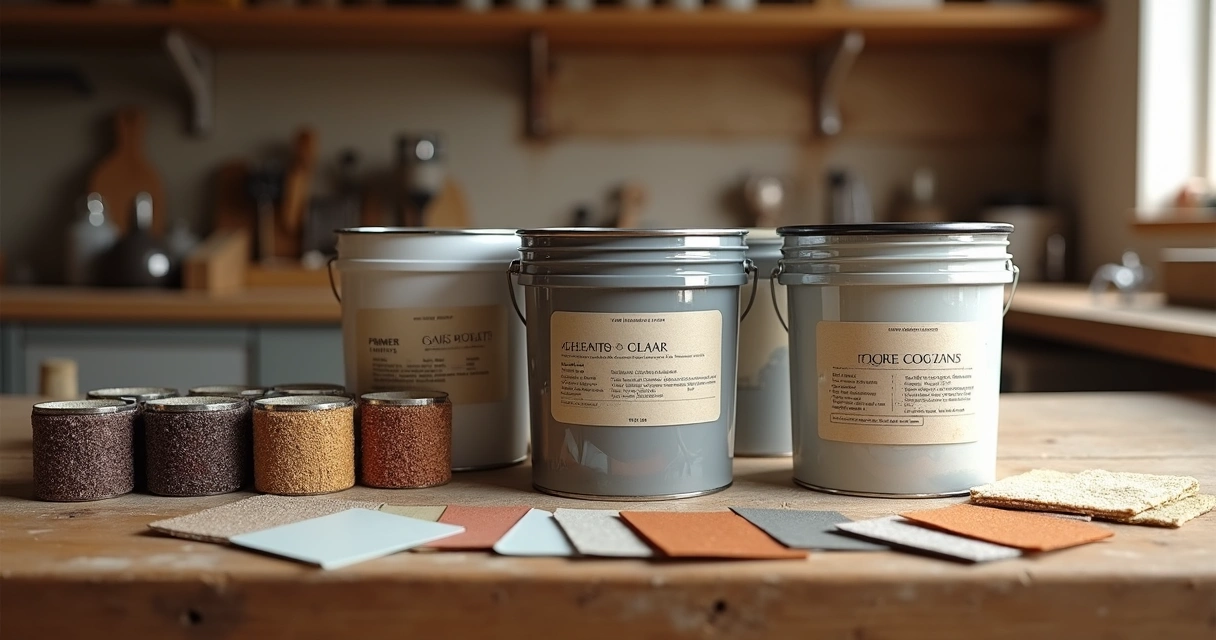
Think of the primer as the handshake between concrete and epoxy. It soaks in and creates a chemical grip, locking the coating and slab together. Many floors that peel did not have a primer—an easy way to save costs, but a risk for short-lived results. Sometimes, the wrong primer is used (wrong chemistry or thickness), so instead of bonding tightly, the layers slide apart.
- No primer used: The epoxy bonds only to the very top of the slab—often still dusty or weak after prep.
- Wrong type of primer: Not matched to the moisture level, traffic use, or subsequent coatings. This creates weak interfaces and separation.
- Primer applied too thin/thick or not allowed to fully “wet out”: This leaves inconsistent adhesion, and areas of peeling or flaking develop.
At GCM Best Services, we always use a primer that’s matched to the environmental conditions and intended use of the floor. A good primer fills small pores, bonds tight, and helps prevent bubbles.
Environmental conditions: When weather isn’t your friend
Epoxy installation is fussy. Temperature and humidity are not minor details—they define how well the floor will bond and cure. In Orlando, swings between cool mornings and warm afternoons, combined with humidity, create a challenge for coatings.
- Too hot: The epoxy may cure too fast, trapping bubbles and leaving a brittle, peel-prone surface.
- Too cold: The resin may never fully cure; it remains tacky and then peels off in sheets later.
- High humidity: Anything over 70% can cause surface dew and condensation on concrete. This invisible moisture layer ruins adhesion. Many jobs fail due to a quick pop-up rain or overnight humidity spike.
We always monitor and document jobsite conditions at every step. On some days, it just makes sense to wait or return when the weather is right. That’s part of why we can back our installations with written warranties and photographic records. Patience with the forecast results in better, longer-lasting floors.
For more details on concrete and coatings for Florida’s climate, explore our overview of concrete services and how the region’s seasonal changes factor into the methods we use.
How to spot, repair, and prevent epoxy floor peeling
Now that we’ve looked at the six main causes of epoxy peeling, what should you do if you see this happening in your own home or business? The solution usually follows these steps:
- Identify the cause. Scrape or lift a peeling area—see if it’s debonded from the concrete or between layers of product. Check for moisture just beneath the surface.
- Remove loose or flaking epoxy. Use grinders, scrapers, or strippers to expose sound substrate.
- Test for moisture and inspect the concrete. Before recoating, make sure all environmental and slab conditions are right.
- Re-prep the surface properly. Grind or etch until you achieve a clean, rough, and dust-free profile.
- Prime and reapply compatible, high-quality epoxy system—matched to the actual use and moisture readings.
- Monitor during curing. Protect from ambient moisture, temperature swings, or contaminants.
For Florida property owners, it’s often smart to let professional installers like the team at GCM Best Services diagnose and repair persistent failures. We are committed to clear communication, on-time schedules, and written support for all our work.
Conclusion: How GCM Best Services can help
Epoxy floor peeling can be a frustrating and expensive surprise, but as we’ve shown, it’s rarely a mystery. From surface prep to moisture, product choices to weather, every factor can be controlled—if you know what to look for. At GCM Best Services, we’ve built our reputation across Orlando and beyond by doing the job right the first time. backed by the photos and written warranties, and our experienced, safety-minded crews.
If you’re seeing signs of peeling, bubbling, or want your new floor done right, don’t leave it to chance.
Ready for a professional quote? 📞 (407) 250-1948 • 24–48h • Orlando, Tampa & area.
To see our approach, find expert advice, and request your no-obligation assessment, visit our full range of services and resources at GCM Best Services.
Frequently asked questions
Why is my epoxy floor peeling?
Epoxy floor peeling usually happens because the coating can’t properly bond to the concrete slab beneath or to itself between layers. The most common reasons include poor surface preparation (leaving behind dirt, oils, or old finishes), high moisture in the concrete, using incompatible or low-quality epoxy products, errors during application, slab issues (like weak or damaged concrete), skipping a primer, or working during bad weather conditions (high humidity and variable temperatures). Fixing the root cause is necessary for a lasting repair.
How to fix peeling epoxy floors?
First, identify why the floor peeled in the first place—whether it’s moisture, poor prep, or material choices. Next, remove all loose, bubbling, or flaking epoxy with a grinder or scraper. Check for moisture and clean the slab thoroughly. After correcting the cause, prepare the concrete to the required roughness, apply a compatible primer, and then recoat with a high-quality epoxy system matched to the environment. In stubborn cases, professional help ensures that all sources of failure are resolved for good.
What causes epoxy floor to peel?
Epoxy floors peel when something stops the coating from creating a strong chemical and mechanical bond with the concrete substrate or previous coating layers. This can be due to poor cleaning, lack of surface profiling, moisture, improper mixing, too thick or thin application, using the wrong products, slab movement or cracking, or working outside recommended weather conditions. Research such as the Embry–Riddle Aeronautical University thesis confirms how multiple failure mechanisms can work together.
Can I prevent epoxy floor peeling?
Yes. Start with proper, dust-free and oil-free surface preparation and always test for moisture. Use a compatible, high-solids epoxy and primer matched to your site and needs. Follow the manufacturer’s mix and spread instructions carefully, and only apply during recommended temperature and humidity ranges. Let each layer cure fully before proceeding. These steps are part of our routine process at GCM Best Services, proven over hundreds of successful floors in Central Florida.
Is it worth repairing peeled epoxy floors?
If the underlying concrete slab is sound and the peeling is not severe, professionally repairing the damaged epoxy floor is both possible and cost-effective compared to a complete replacement. Restoration is only recommended if the failures aren’t deep in the slab or due to uncontrollable moisture issues. For commercial or high-traffic areas, a professional assessment will determine if full resurfacing or a targeted fix is the best long-term solution.