The garage floor: it’s where we park, store, stain, and sometimes work, play, or even entertain. Should that slab be sealed or left exposed? This is more than an aesthetic question—choosing sealed or unsealed concrete can impact cleanliness, durability, cost, and even property value, especially in Florida’s climate. At GCM Best Services, we’ve seen thousands of garage floors in every state and style, and we know the debate is rarely simple. People want longevity, easy cleaning, and no extra hassle. But is sealing always the best choice?
In this article, we give you a side-by-side look at sealed versus unsealed garage floors in the Central Florida area. We use technical know-how, real-world experience, and guidance informed by research from Colorado State University to guide our advice. Whether your main concern is stains, surface cracks, humidity, or just wanting less time with a shop broom, this guide will help you sort the real pros and cons—and show how GCM Best Services delivers lasting results with full transparency.
What to know before deciding on a garage floor finish
When we visit homes from Orlando to St. Cloud, we’re often asked: “Do I really need to seal my garage floor?” To answer honestly, we have to ask a few questions ourselves:
- How will you use the garage—primarily cars, tools, or as extra living space?
- Do you live in a flood-prone or humid area?
- Have you struggled with stains, pitting, or concrete dust?
- Are you worried about looks, resale value, or pure function?
Understanding what a sealed garage floor is—and what it isn’t—helps us make a smart choice for our climate in Central Florida.
“A sealed floor keeps what you want out, out—and what you want in, in.”
What does it mean to have a sealed or unsealed floor?
Unsealed concrete is just what it sounds like: concrete as it was poured, left bare with perhaps only a floated, troweled, or broom finish. Sealed concrete has had a chemical or resin-based product applied to its surface, creating a barrier that resists liquids, stains, and sometimes even wear and chemicals.
Most garages in Florida start unsealed. But that doesn’t mean they have to stay that way. Epoxy, acrylic sealers, polyaspartic coatings, and urethane finishes are all options for sealing. Just as with patios or driveways, preparation and choice of sealer matter as much as the application.
What are the benefits of sealing a garage floor?
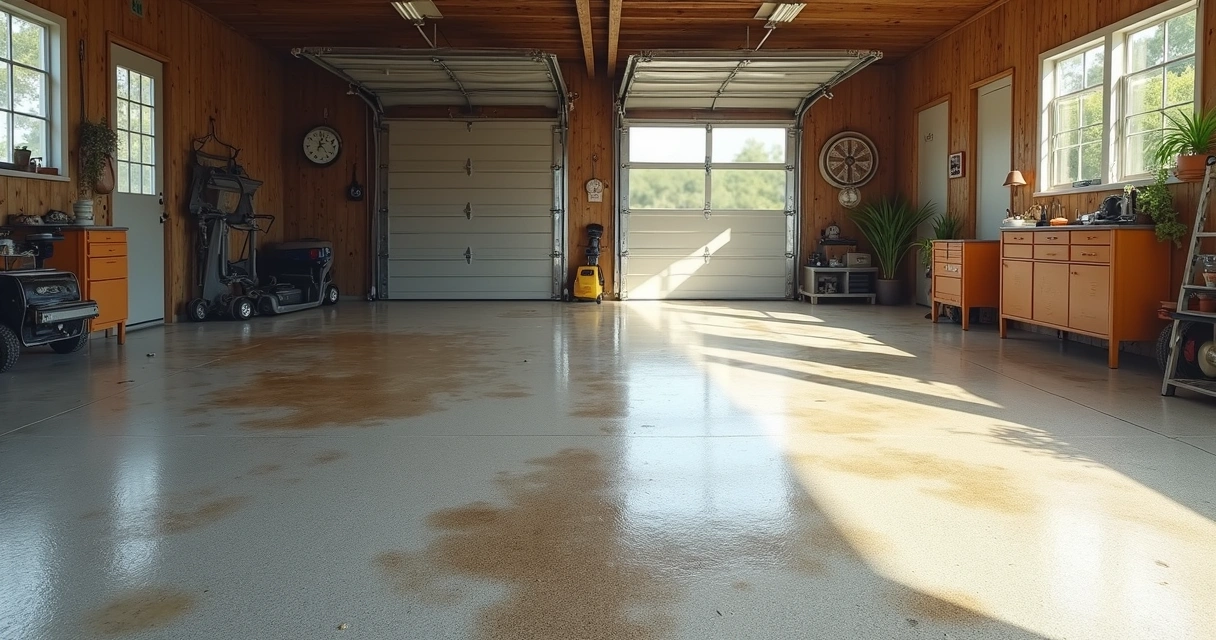
Stain resistance and easier cleaning
An unsealed floor soaks up whatever lands on it—oil, paint, grease, dirt, or even spilled drinks. Over time, these markings build up, become tough to clean, and leave the garage looking dirty no matter how often you sweep. According to research from Colorado State University, sealed concrete is non-porous and much easier to disinfect or clean.
- Oil and automotive fluids bead up on properly sealed floors and are wiped or mopped easily.
- Dust and loose dirt are less likely to cling. Sweeping and washing take less effort.
- Sealers can provide a subtle sheen or deeper color, which sometimes makes spaces feel larger and more finished.
Protection from moisture and Florida humidity
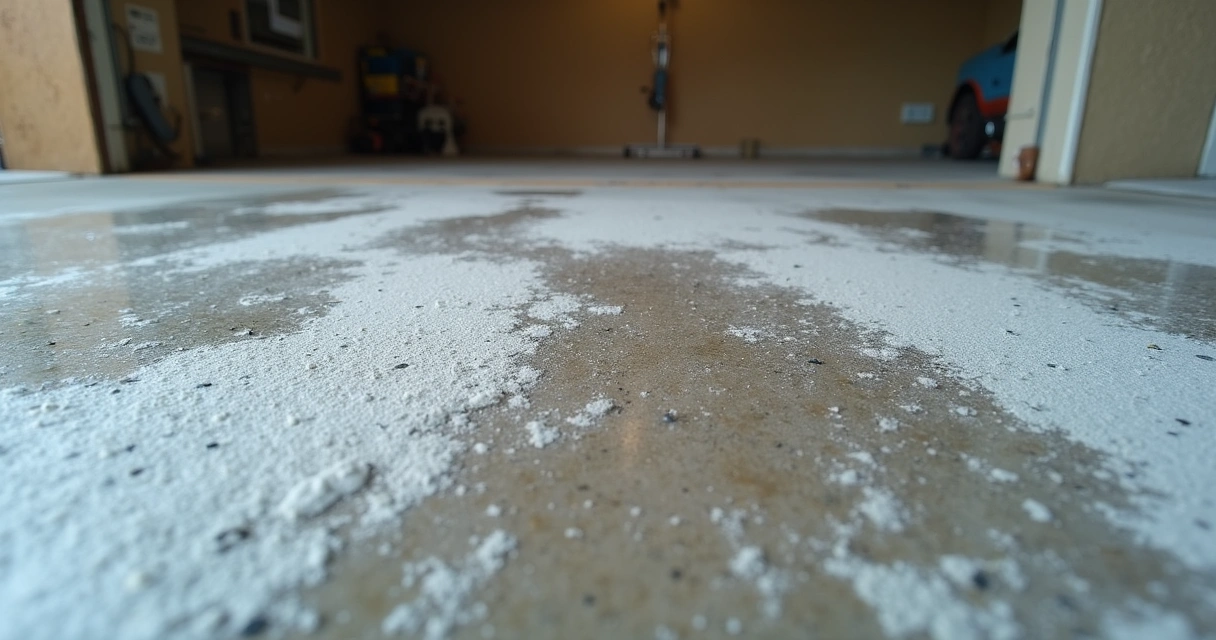
Florida’s high humidity and seasonal flooding can mean garage floors are regularly exposed to water. Unsealed concrete draws moisture through capillary action, resulting in:
- Damp spots and efflorescence (white, powdery mineral deposits).
- Potential mold and mildew growth, especially along baseboards.
- Concrete spalling—where the surface flakes and chips over time.
Sealing, especially with waterproofing products or high-performance epoxies, blocks this moisture transfer. Floors stay dry on top. In homes where garages share walls with living space, this reduces risks of mold or indoor air quality problems.
Better durability and long-term savings
We always tell our customers: sealed floors last. A solid, professionally-applied sealer resists oil and chemical penetration, tire marks, and surface abrasion.
- Epoxy and polyaspartic coatings are extremely hard, resisting impacts from dropped tools, bicycles, or heavy storage bins.
- Sealed surfaces show fewer cracks and are less likely to pit or crumble from freeze-thaw cycles, stains, or automotive fluids.
Over five or ten years, maintenance costs are significantly lower—small repairs or scrubbing rarely needed.
Appearance and property value
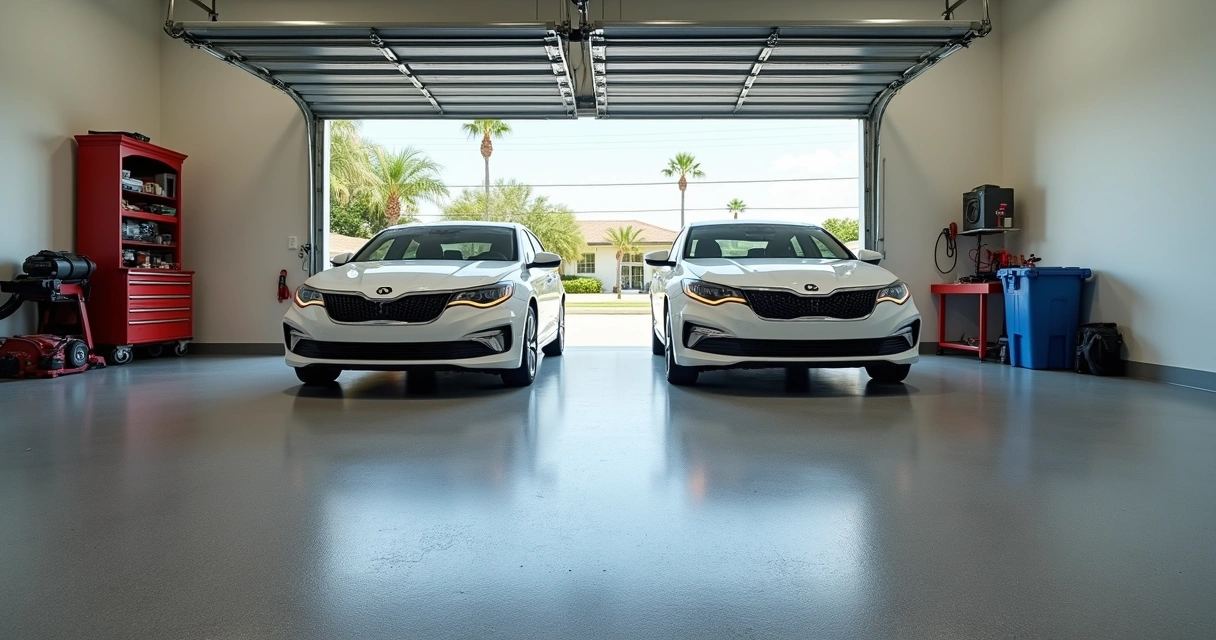
While not everyone cares about the look of their garage, a clean, bright surface can boost curb appeal and make any space feel more welcoming. More families in Central Florida are converting garages into gyms, hobby rooms, or play areas; sealed or coated floors lift the entire look of the home—and can add to resale value.
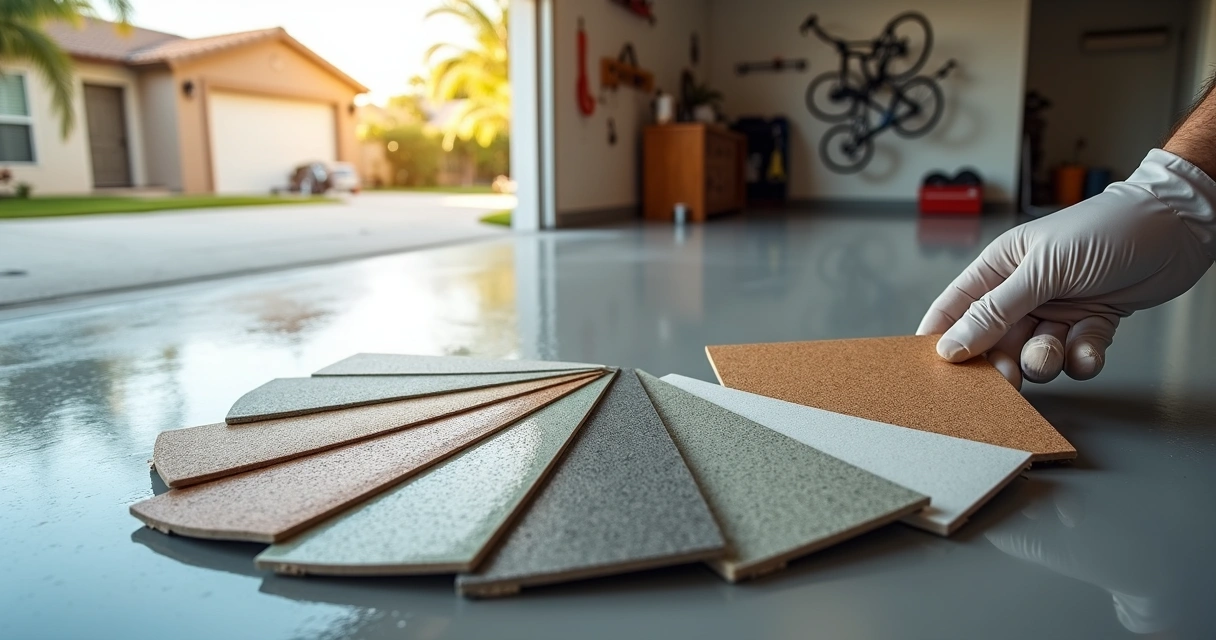
GCM Best Services handles full ranges of finishes, from clear protective sealers (for a “natural” look) to colored epoxy, flake, or quartz coatings that bring color and texture. A quality sealed finish always feels brighter and fresher.
What drawbacks come with sealing your garage floor?
Initial cost of installation
Applying a quality sealer or resin coating is an investment. Materials like 100% solids epoxy or polyaspartic resins aren’t cheap, and preparing the concrete is labor-intensive:
- The surface must be cleaned, degreased, and in most cases, diamond-ground for product adhesion.
- Cracks must be filled, pitting repaired, and loose concrete removed.
- DIY products may work for light-duty use, but don’t offer much protection in high-traffic garages.
Professional sealing in Florida typically ranges from $3 to $7 per square foot, depending on options and prep work needed. Custom colors, anti-slip texture, or heavy broadcast flakes increase costs.
Over the long haul, though, owners often save on cleaning, repairs, and time.
Maintenance: not always “set it and forget it”
While most modern sealers and coatings last years, some basic care is still needed:
- Epoxy and polyaspartic coatings should be swept and mopped regularly to prevent debris from scratching the finish.
- Strong acids or harsh chemicals should be avoided, as they can break down sealers over time.
- Hot tire pickup (where car tires lift sections of coating) can occur if substandard products are used.
On rare occasions, resealing or refreshing a finish is needed—usually every 5-10 years, depending on traffic and use. We sometimes see surface scratches or wear in extremely active garages, but touchups are straightforward.
Slipperiness when wet
A fresh, glossy coating can become slick if rainwater is tracked in, especially right after installation. For Florida garages with outdoor exposure, we always add anti-slip aggregate or quartz. In most homes, this is a simple precaution that’s well worth it.
“Sealed floors can be safer than raw concrete—if textured for slip resistance.”
Leaving the garage floor unsealed: Are there benefits?
Lower up-front cost
One clear advantage: bare concrete needs no initial investment. If your garage is primarily for storage or quick access, the savings can be attractive—though this comes with higher eventual maintenance.
Simplicity for temporary or low-use spaces
If the garage sees minimal traffic, few fluids, and limited Florida weather exposure, leaving the floor unsealed may be a reasonable option. Quick pressure washing or the occasional sweep gets the job done in these scenarios, even if the surface starts to look stained over time.
Repair is easier for cracks and patches
Unsealed concrete slabs are straightforward to patch, grind, or resurface (for example, to repair cracks or lift areas). There’s no need to sand or remove a coating, which can make future changes simpler.
We cover more about fixing cracks and surface issues in our concrete repair guide.
The main drawbacks of leaving concrete unsealed
Staining, dust, and tough cleaning
Raw concrete is highly porous. Not only does it absorb liquids quickly, but it also sheds dust and fine particles. This results in:
- Difficult cleaning—oil, paint, and rust stains can’t be washed out.
- Damaged finishes under heavy vehicles or equipment—more likely to chip or crumble.
- Concrete dust, which may settle on storage items, tools, and cars.
As stated by consensus from Colorado State University, unsealed floors are more challenging to sanitize and struggle with deep-set stains.
Higher long-term maintenance
Most untreated garage slabs will eventually develop pits, minor cracks, and spalling—especially in areas exposed to water or automotive fluids. Regular patching or resurfacing is often needed. Many clients start with an unsealed floor, but after several years and some expensive repairs, they decide to seal after all.
Reduced moisture protection
When flooding or even just morning humidity rolls through Central Florida, unsealed slabs can show efflorescence, mold, or damp odors. Sealing adds a critical layer of defense that bare concrete can’t match.
Florida’s climate: why does sealing matter more?
What makes Central Florida different for garage floors? It’s mainly our humidity, intense summer rainstorms, and, in some areas, a high water table. These factors bring unique challenges:
- Surface water intrusion is frequent with sudden downpours.
- Dry-out time is longer, raising risks of mold or mildew if concrete stays damp.
- Florida’s soils can be unstable, so cracks develop without proper base prep and drainage design.
That’s why the GCM Best Services team focuses not only on the finish, but on getting subbase, drainage, and edge details right. Garage floors need both a tough surface and the right substrate to prevent ponding or cracking in Florida weather. Our gallery of St. Cloud concrete driveways and patios shows some of the surfaces that hold up best locally.
What types of sealers are available?
We’re often asked: “What’s the difference between epoxy, acrylic, and other sealers?” Here are the basics, focusing on what we recommend for Florida garages:
- Acrylic sealers: Budget-friendly, go on quickly, offer decent water/stain protection but limited abrasion resistance. Best for very light use.
- Penetrating sealers: Invisible finish—mostly water repellence—soaks in, does not add color or sheen. Good for basic moisture defense.
- Polyaspartic or polyurethane coatings: Fast-cure, chemical and UV resistant, very tough—handle heavy use, resist hot tire pickup, and allow for decorative finishes. Generally higher cost, but last longer.
- Epoxy coatings: Extremely durable, available clear or colored with optional flakes/quartz. Longer cure times, but excellent for garage use. Easy to mop and hard to stain.
Each product comes with its own prep needs and maintenance schedule. For high-traffic or multipurpose garages in Orlando, we’ve seen the best results from either a pro-grade epoxy or polyaspartic.
Factors to consider before you seal
Sealing a garage floor is a long-term decision—so we always encourage customers to weigh these questions:
- How do you use the space? (Heavy vehicles, hobbies, as a playroom?)
- What types of stains or moisture are likely?
- Is future repair or a change in layout possible?
- How sensitive are you to dust, allergens, or indoor air quality?
- Are you looking for a color or sheen upgrade?
- What’s your preferred maintenance routine?
A careful evaluation at the start helps you avoid regrets. It also makes sure any surface prep, drainage adjustments, and finish choices are tailored for your goals.
When should you seal a garage floor?
We recommend sealing when:
- The floor is brand new and free of oil or stains (the best scenario for adhesion).
- Any cracks and damage have been repaired and the surface is dry (often after resurfacing).
- The garage is changing purposes—such as converting to living space, a workshop, or a gym.
- You’re prepping for listing/sale and want a quick value and appearance upgrade.
Timing matters. New homes or just-built garages are perfect candidates, but so are older floors that have been cleaned and repaired.
For more tips on prepping old slabs or repairing before sealing, check our articles on preventing cracks in Florida patios or choosing the right Orlando concrete contractor.
Pros and cons at a glance
To help you see the summary, here is a quick look at both approaches:
- Sealed Garage Floor: Clean-up is easy, stain and moisture resistance, longer lifespan, higher initial cost, requires surface prep, occasional re-application, can be slippery (unless anti-slip added).
- Unsealed Garage Floor: No up-front cost, simpler repairs, absorbs stains easily, difficult to clean, more dust and mold risk, wears out faster with heavy use.
Conclusion: Making the best choice for your Orlando garage
As with most building decisions, there’s no “one size fits all” for garage floor treatments. In our experience working throughout Central Florida, sealed floors offer clear advantages in durability, appearance, and everyday use—especially in homes exposed to moisture, frequent vehicle traffic, or where maintaining a cleaner environment really matters. The cost is higher up front, but the reduction in future repairs, easier cleaning, and improved visual appeal usually make it worthwhile.
Still, if your space is simply for storage and minimal use, an unsealed floor may be enough—though you should expect more cleaning and the need for repairs over the years.
At GCM Best Services, we believe the best floor is one that fits your use, your budget, and Orlando’s unique conditions. Every job begins with a detailed assessment, a tailored proposal, and clear, honest advice.
If you want a surface that’s designed to last, easy to clean, and looks fantastic for years, ask us for a no-obligation evaluation. Our team can recommend the right sealing solution—epoxy, polyaspartic, or otherwise—backed with on-site preparation, fast scheduling, and written warranty.
Ready for a professional quote? 📞 (407) 250-1948 • 24–48h • Orlando, Tampa & area.
Frequently asked questions
What is a sealed garage floor?
A sealed garage floor has a protective coating or treatment—such as epoxy, polyaspartic, acrylic, or penetrating sealer—applied to the surface of the concrete. This treatment blocks water, oil, and stains from soaking in, reduces dust, and provides a smoother, often glossier appearance. Sealed floors resist wear, are easier to clean, and may include colored, textured, or decorative finishes depending on the product used.
How to seal a garage floor?
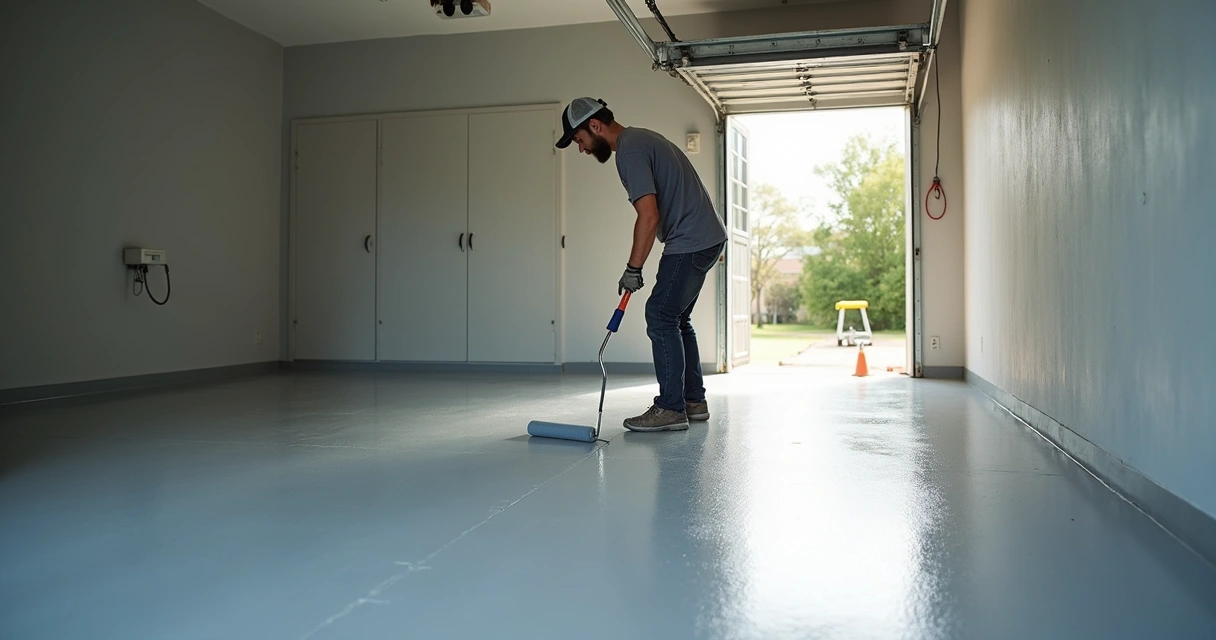
The process usually begins with cleaning and preparing the concrete—removing all oil, grease, dust, and debris. Any cracks or pits are filled, and the surface is often etched or diamond-ground to create a profile for adhesion. Then a sealer or coating—like epoxy or polyaspartic—is rolled or sprayed on, sometimes in several layers with optional flakes, texture, or color. Cure times vary from a few hours (for polyaspartic) to a few days (for some epoxies). We always recommend professional installation for durability and warranty, but some light-duty acrylic sealers are DIY friendly.
Is it worth it to seal?
For most Orlando homeowners, sealing is worth it for long-term savings, improved cleaning, moisture control, and a fresher-looking garage. Up-front costs are higher compared to leaving concrete bare, but you avoid stains, repair hassles, and extra cleaning. Sealed floors also resist mold and damp odors, a common concern in Florida.
What are pros and cons of sealing?
The main pros: strong protection from stains and moisture, easy maintenance, less dust, and visual appeal. Sealed floors last longer and require less repair. Cons include a higher initial investment, some maintenance (like re-sealing or avoiding strong acids), and potential slipperiness if anti-slip is not added. Most people find the long-term benefits outweigh the downsides, especially for active or multipurpose garages.
How much does sealing a garage cost?
The cost to seal a two-car garage (roughly 400-500 square feet) in Central Florida usually ranges from $1,200 to $3,500 depending on the product (acrylic, epoxy, polyaspartic), the prep needed, and custom features like colors or textures. DIY acrylics cost less, but offer limited protection. The best value is usually in a professionally-installed, multi-layer epoxy or polyaspartic coating with warranty—especially for busy garages or those exposed to Florida’s moisture.