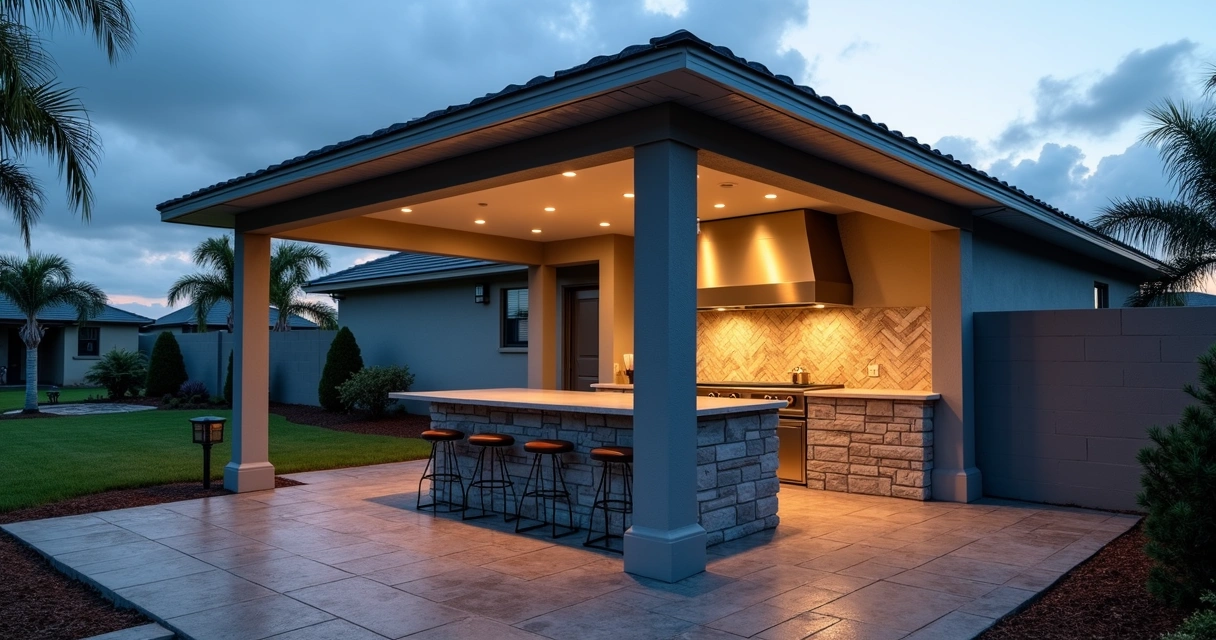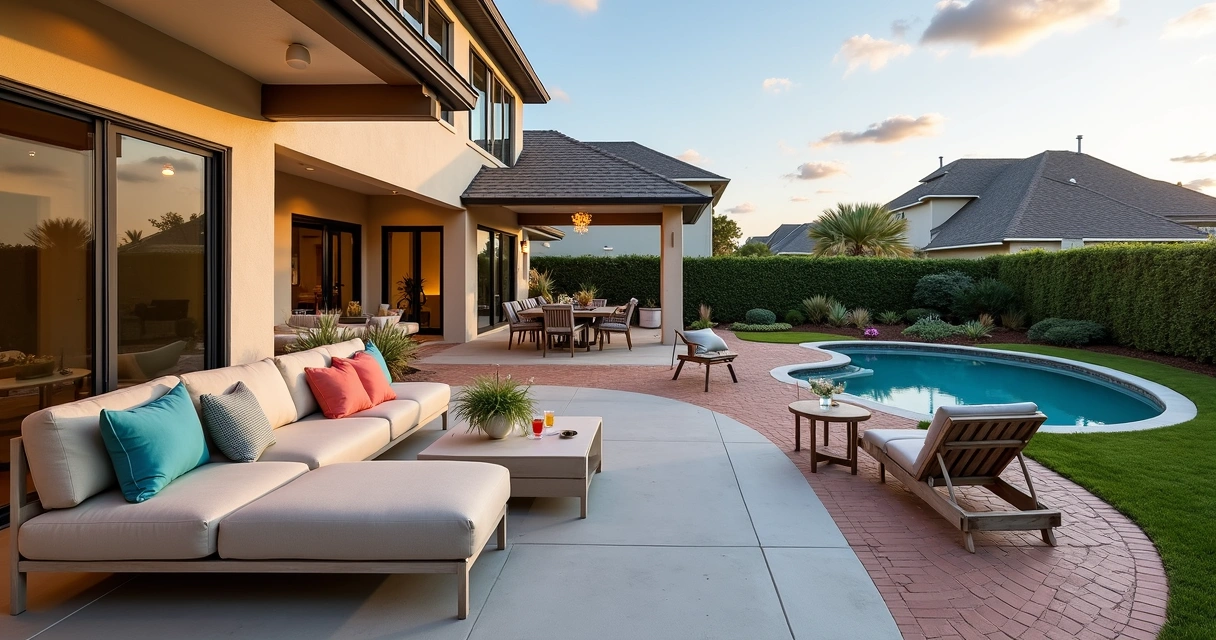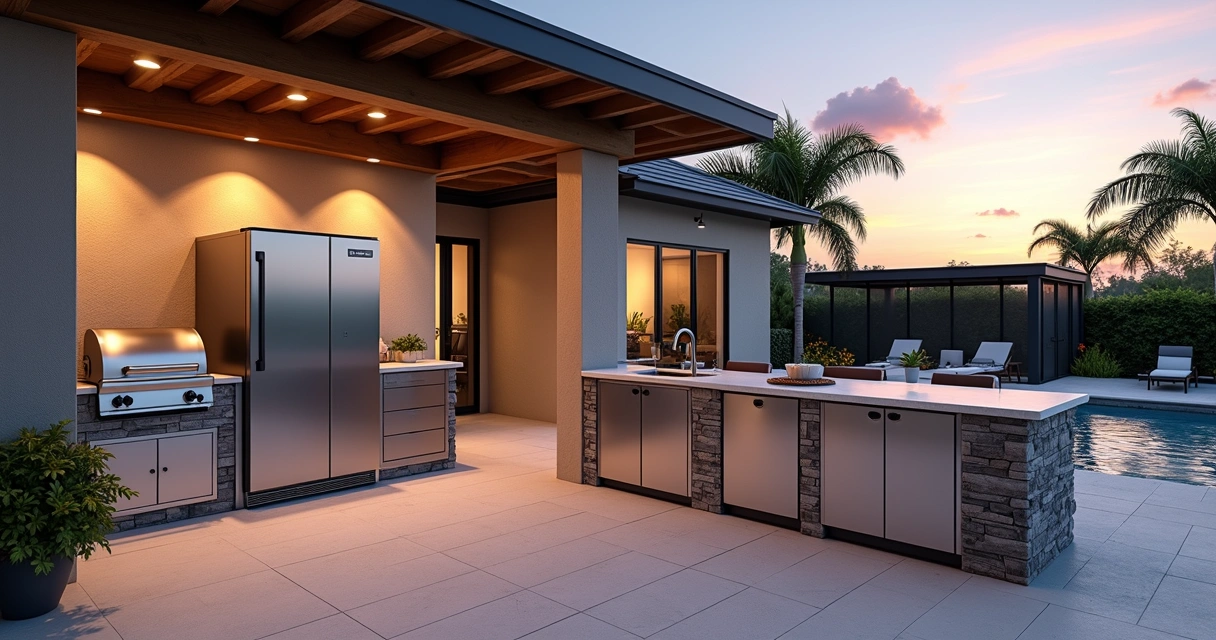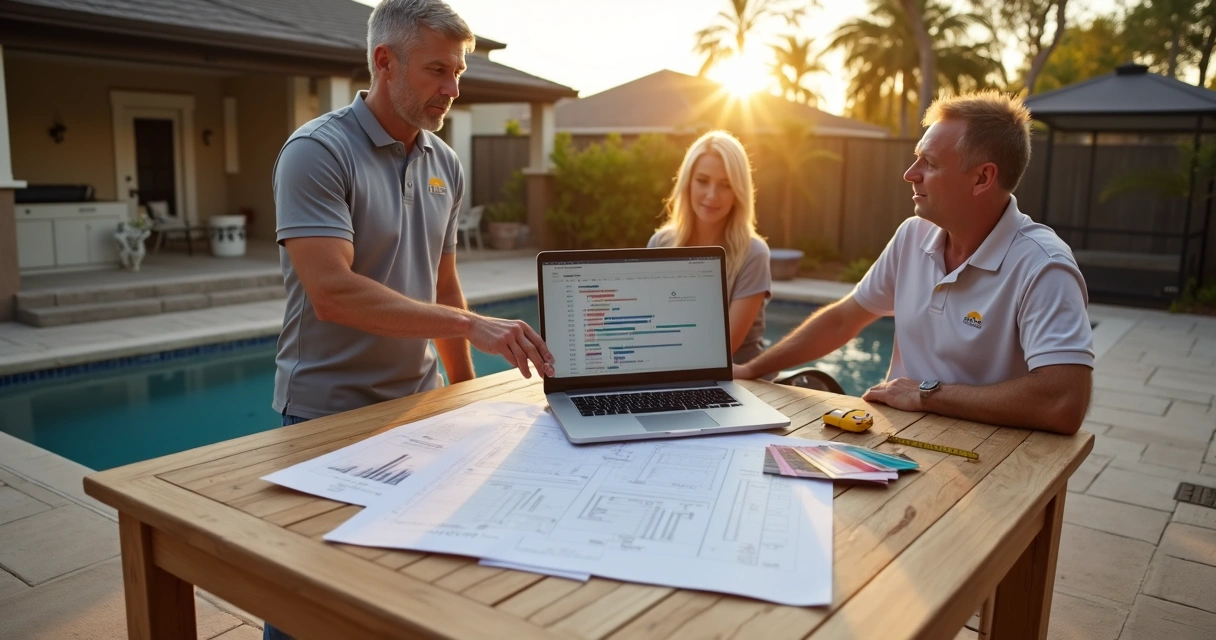
Summer kitchens are a highlight of outdoor living in Orlando and Central Florida. Their growing popularity means timing is everything. At GCM Best Services, we know that staying on schedule is not a luxury—it's the difference between enjoying grilling season poolside and waiting with disappointment. So, how do we help clients schedule their summer kitchen installs to prevent frustrating delays? It comes down to preparation, process, and expert coordination—from the first call to the last finished touch.
Understanding the process of summer kitchen installs
Before we get into the how, let's walk through the what. A summer kitchen is a complex project—combining outdoor living, culinary function, and materials suited to Florida's climate. The typical process includes:
- Design and layout planning
- HOA and permit management
- Base construction (concrete, pavers, drainage)
- Frame erection (CMU block or steel stud)
- Utility planning (gas, electric, water, ventilation)
- Finishes (countertops, appliances, lighting, enclosures)
- Final walkthrough, warranty, and maintenance instructions
Each step demands good timing—not just between tasks, but with weather, local authorities, and material deliveries all in mind.
Why delays happen with outdoor projects
We'd love to say "delays never happen," but anyone who's tackled a hardscape project knows the truth. Any one (or combination) of these can slow things down:
- Permits and inspections stalled with city or county
- Backordered or custom materials (like stone countertops or appliances)
- Weather (rainy spells, storms, hurricane prep)
- Unexpected site issues (existing drainage, roots, or utility conflicts)
- Subcontractor schedules (electricians, plumbers, gas lines)
- HOA demands and guideline reviews
Good communication and advance planning help avoid most of these headaches. At GCM Best Services, our process prioritizes transparency at every step. We photograph progress, share schedule updates, and ensure every detail is covered—so surprises are rare.
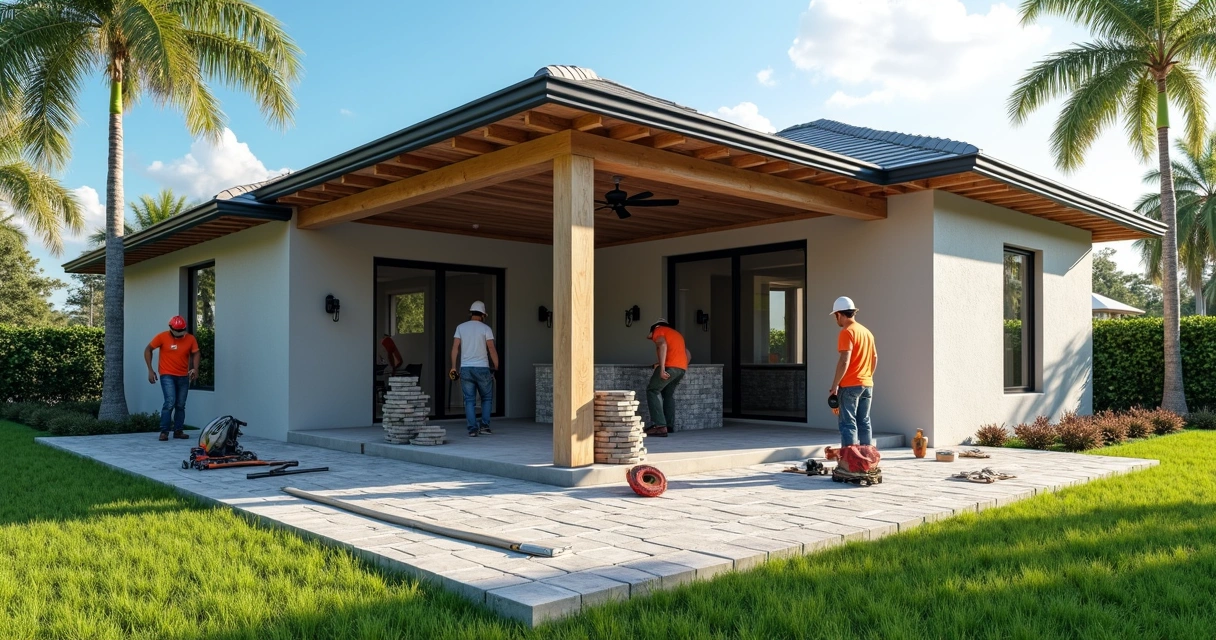
Key steps to schedule your summer kitchen install—and keep it on track
1. Start planning early
If your goal is to be grilling in June, the time to contact us is not Memorial Day—it’s months before. We recommend starting the conversation two to three months ahead, especially if your design includes custom elements.
Early planning gives time for creative design, HOA communication, permit applications, and selecting finishes before construction ever starts.
2. Clarify your timeline and must-haves
Think about your priorities:
- Is there a big family event coming up?
- Do you want the kitchen ready before summer heat peaks?
- Are you flexible about finish types or appliance models if timelines shift?
Being honest about your must-haves and nice-to-haves allows us to tailor options. For example, specifying standard appliances rather than specialty imports can shave weeks from delivery.
3. Get HOA and permit paperwork moving fast
“Paperwork” might seem dull, but it's the gatekeeper for every build. HOA review and municipal permitting often take longer than expected—anywhere from days to weeks. We handle most of this for clients, but having your property documents, plans, and design wishes prepared early speeds up the process.
HOAs may require:
- Site plans and detailed elevations
- Material/color samples
- Neighbor sign-off forms (for some types of lots)
Local municipalities want:
- Structural details (wind load, foundation, etc.)
- Plumbing/electrical/gas schematics
- Drainage or water management plans
Sometimes, a quick response on a question or missing document makes the difference between a fast permit and a delay.
4. Lock in your design and material selections
Summer kitchen trends change and product supply chains twist with the seasons—especially for natural stone or fabricated countertops, luxury appliances, and outdoor-rated cabinetry. As soon as your plans are set, we help you finalize each finish and appliance.
“Order everything early. Waiting for ‘the perfect’ item later can stall an entire project.”
If you are still deciding between one grill or another, let’s discuss which models are in stock and which could delay your cookout.
5. Prepare for weather
Even the best schedules face sudden showers or a solid week of storms, especially during Florida’s rainy season (late May through October). Exterior work like concrete pours, paver laying, and framing can only advance when dry.
We build extra time into schedules in the wet season and keep clients updated. Sometimes a one-day delay is all that’s needed—but if an intense system approaches, we reschedule logically to keep job sites safe and progress moving right after.
6. Coordinate with other trades early
A summer kitchen isn’t just a pretty surface—it’s plumbing, gas, electric, drainage, and outdoor structure all in one.
That’s why, as soon as your project is in the pipeline, we coordinate with each trade. We schedule plumbers, electricians, gas contractors, and appliance installers with enough buffer to account for real-life hiccups. Doing this up front means that if someone’s schedule changes, the whole project doesn’t grind to a stop.
7. Document everything and communicate constantly
We keep detailed records and share progress photos; our clients always know exactly where things stand. Questions or requests for change? We encourage clients to raise them right away, so they can be incorporated without causing confusion down the line.
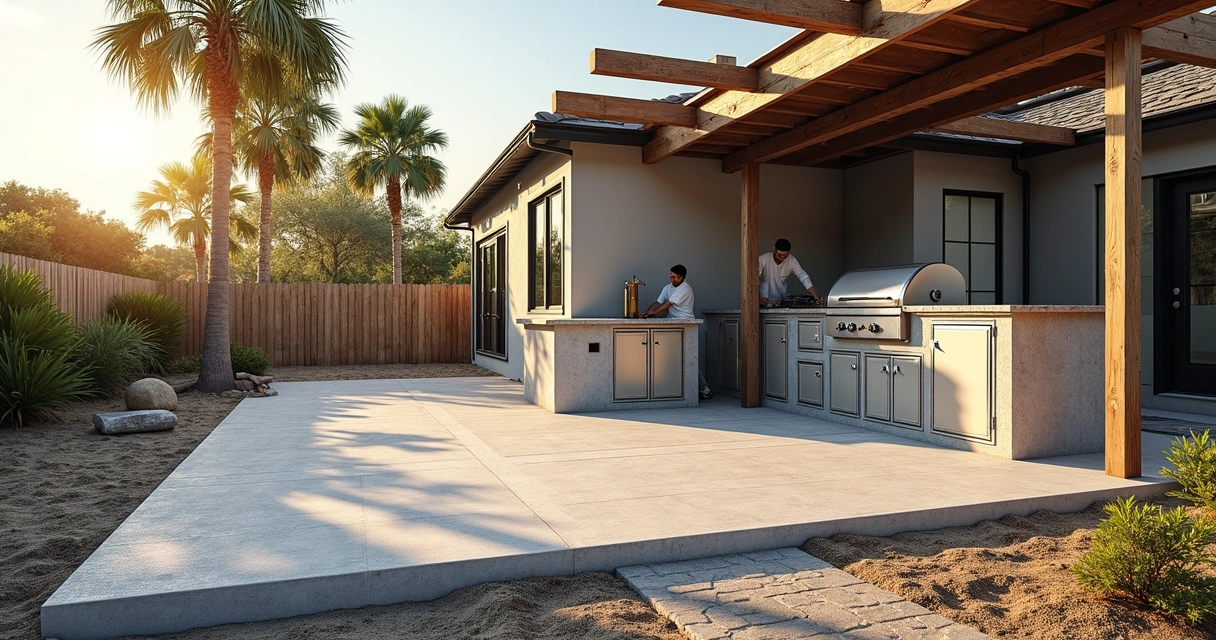
How our process at GCM Best Services prevents delays
Our process has been refined by years of experience building outdoor kitchens and hardscapes for Orlando-area homes:
- We begin with a free on-site assessment—no obligation
- We provide a detailed estimate that clarifies timeline, specs, and allowances
- We handle permits and coordinate with HOAs for you
- Our team schedules all trades with time buffers
- We keep the jobsite OSHA-safe, clean, and well-documented
- At project end, we guide you through a final walkthrough and deliver a written warranty
This system means less “hurry up and wait” and more predictable delivery. For example, on a recent install, a supply delay with custom tile was caught early by our team. We offered in-stock alternatives and reworked the schedule, finishing just in time for the homeowner’s Fourth of July party.
For more on our approach to concrete bases, drainage, and hardscape details, visit our concrete services and hardscaping project ideas.
Tips for homeowners: what you can do to help
Scheduling isn’t just contractor magic—it also comes down to homeowners staying engaged. Here’s how you can prevent unnecessary delays:
- Respond quickly to requests for approvals or documents (HOA, finish selections, etc.)
- Be decisive: changing your mind late in the process can require permit updates or reordering materials
- Communicate schedule restrictions (vacations, events, pets, etc.) up front so the work plan fits your real life
- Keep the worksite accessible—move vehicles, unlock gates, and secure pets on scheduled days
- If rain is in the forecast, help us by watching for leaks or pooling areas, so drainage adjustments can be made in advance
We believe every project runs best when it’s a true partnership. Good communication works both ways.
Florida-specific considerations for summer kitchen installs
Central Florida summers are unique: sudden storms, high humidity, and strict code requirements for wind loads and drainage. We’ve built our process around these regional challenges. Some key considerations:
Weather and seasonality
Rainy season (late spring through mid-fall) can slow progress. Concrete, pavers, and outdoor finishes dry best in dry spells. If your timeline is tight, consider booking work from late fall to early spring when weather is milder and demand is lower.
Drainage and soil conditions
Poor drainage means pooling water and cracked slabs. We engineer drainage solutions for each project—sometimes adding drains, graded bases, or even artificial turf swales. Find more about our drainage solutions on our hardscape page.
Wind load & hurricane codes
Outdoor structures must be planned with code-compliant anchoring, wind-resistant fasteners, and materials rated for local standards. This review can add time up front but pays off in safety and peace of mind long after install.
Realistic timelines: How long will my project take?
No two summer kitchens are exactly the same, but in most of our projects, the timeline looks like this:
- Design/estimate/approval: 2-4 weeks, depending on HOA and permits
- Site and foundation work: 1-2 weeks
- Framing and utilities: 1-2 weeks
- Finishes + appliance install: 1-3 weeks
So, most summer kitchen projects fall in the 4-8 week window once all paperwork and ordering are complete. Weather, product availability, and permit response times are the biggest factors.
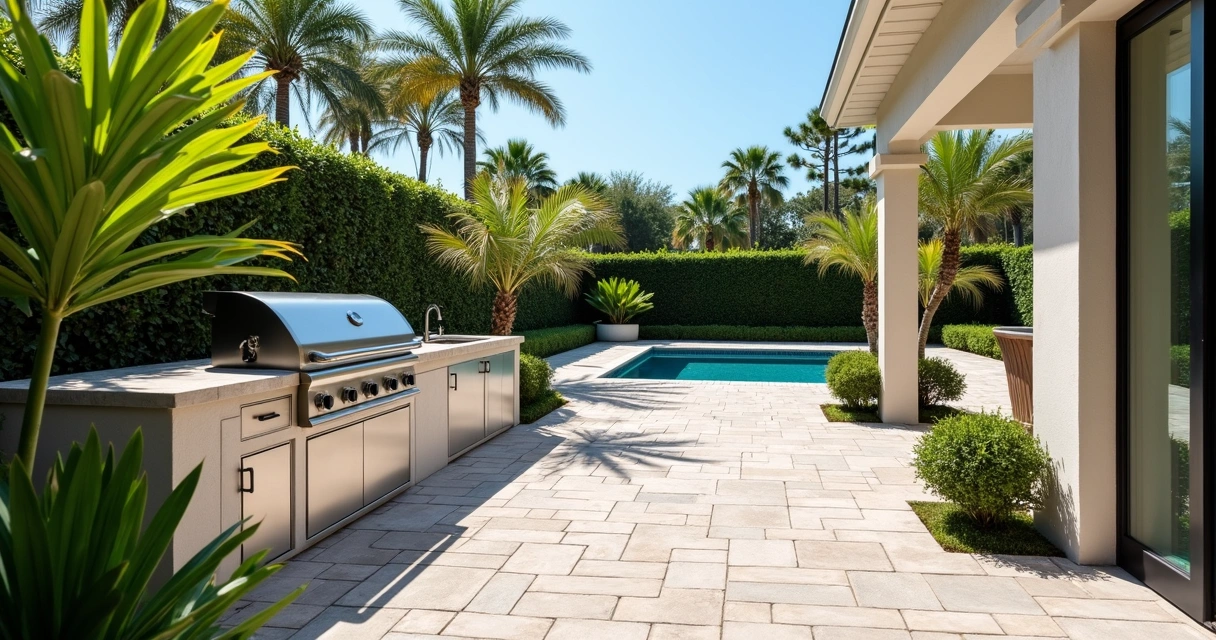
Common pitfalls and how to avoid them
Some of the most common project pitfalls are due to little things overlooked at the start. Here’s what we watch for:
- Lack of a clear site plan—this leads to guessing about dimensions and utilities
- Waiting too long to pick appliances or finishes
- Permitting snags due to incomplete documents
- Assuming the same products are always in stock
- Underestimating time for weather delays
- Not preparing the area (moving plants, fencing, etc.) before work starts
If you’re unsure about any aspect, ask early. Preventing problems is far simpler than correcting them.
Resources for planning your summer kitchen project
Looking for layout ideas, material options, or visual inspiration? We recommend exploring our in-depth guides and galleries, such as patio paving choices and tips for selecting a concrete contractor. These resources answer common technical and design questions, all based on Florida-specific conditions.
If you want a more tailored plan, our team brings years of hands-on experience managing drainage, code, and material choices for Orlando outdoor spaces. Our expertise helps you avoid reinventing the wheel—and skipping steps that lead to delays.
How we keep you updated—GCM’s communication advantage
A schedule is only as good as the communication behind it. We share updates at every phase, from permit filing confirmations to daily photos and clear timelines. If something changes, you know immediately. This avoids confusion and keeps expectations realistic.
Clients tell us one of their favorite parts of the process is seeing “what happened today”—even if they’re at work or out of town. Our staff is always available for questions, and we’re proactive about flagging any possible shifts so you can adjust your schedule too.
Final thoughts: Be proactive and partner with experts
Preventing delays in summer kitchen installs is about smart scheduling, documentation, and a responsive team—from start to finish. By planning ahead, selecting designs early, keeping documents ready, and allowing for Florida’s weather quirks, we help clients across Orlando and Central Florida enjoy their outdoor spaces right on time. When you work with GCM Best Services, you gain not just a skilled crew, but a careful project partner invested in every step of your success.
Ready for a professional quote? 📞 (407) 250-1948 • 24–48h • Orlando, Tampa & area. Contact us today to get moving on your summer kitchen—and let’s bring your outdoor vision to life, right on schedule.
Frequently asked questions
How to avoid delays with summer installs?
The best way to prevent delays is to start planning early, finalize decisions about layouts and finishes quickly, and respond fast to any approval or documentation requests. Work with a contractor who manages permits and coordinates all trades for you, like we do at GCM Best Services. Maintaining open communication and allowing flexibility for weather keeps your schedule on track.
When should I schedule my kitchen install?
For most summer kitchens in Central Florida, reach out two to three months ahead of your desired completion date. This gives enough time for design, HOA and permit approvals, and material ordering. Booking before the busy spring and summer rush may result in shorter wait times and more scheduling choices.
What causes delays in kitchen installations?
The biggest causes of delays are slow HOA or permit processes, waiting on backordered materials or custom appliances, weather interruptions (rainy season impacts outdoor work), and late changes to your design plan. Working with an experienced contractor, finalizing selections early, and being ready to adapt help minimize these risks.
How long do summer kitchen installs take?
A summer kitchen installation usually takes 4 to 8 weeks after design and permits are complete, depending on project size and complexity. Larger kitchens or those with custom features may take a bit longer, especially if built during the wet season. Timelines lengthen if there are long lead times on materials or appliances.
Who to contact for scheduling kitchen installs?
Contact a licensed, insured contractor with experience in outdoor kitchens for Florida’s unique climate and codes. At GCM Best Services, we provide a free on-site assessment and handle all the details from permits to final walkthrough, so your project happens as planned. Give us a call or send a message to discuss your timeline and get a detailed estimate.