Primary keyword: prevent mold under artificial turfVariants: avoiding mold beneath synthetic grass, artificial turf drainage tips, mold prevention turf installation
Audience: Homeowners, HOAs, and facility managers wanting healthy, odor-free, low-maintenance turf.
Pain/Benefit: Mold under turf causes smells, pooling, lifting, and health issues; proper installation keeps turf dry, safe, and beautiful year-round in humid Central Florida.
Summary: Mold can thrive under artificial turf in Florida’s often wet, warm conditions if installation and care are overlooked. At GCM Best Services, we know that success starts before the grass ever rolls out. This guide covers eight field-tested ways to prevent mold growth beneath your artificial turf, from advanced base construction to sunlight management, so your investment remains clean, fresh, and long-lasting.
Outline:
- Why mold grows under turf in Florida
- The real risks of sub-turf mold
- 1. Use a permeable, well-compacted base
- 2. Select turf and infill designed for drainage
- 3. Slope and redirect surface water
- 4. Add a moisture barrier or drainage layer when needed
- 5. Ensure sunlight reaches the turf
- 6. Clean and monitor the turf surface regularly
- 7. Remove or treat visible mold right away
- 8. Schedule periodic professional inspection and maintenance
- Conclusion
- FAQ
Why mold grows under turf in Florida
When we explain artificial turf to Florida residents, almost everyone asks about the risk of mold. Their concern is valid. Florida’s weather —heavy rains and long humid stretches— creates a hotbed for mold and mildew under many yard surfaces. Mold needs three core things to thrive: moisture, warmth, and organic material. Grass clippings, leaves, pollen, and even infill dust can become food for fungi if water stagnates beneath your turf.
But it’s not just about the weather. Poor installation is the root cause of almost all mold problems under artificial turf. Incorrect grading, ignoring drainage patterns, using the wrong infill, or skipping a drainage blanket, all these can turn a beautiful yard into a musty headache. The issue isn’t just cosmetic. Mold growth under turf can seep into the air in unsuspecting ways.
The real risks of sub-turf mold
Mold is more than an eyesore or nuisance. It’s a hidden contributor to:
- Unpleasant odors after rain or irrigation
- Black, green, or white patches that show through the turf
- Raised, spongy, or slippery turf spots where the base is breaking down
- Allergic reactions and respiratory discomfort, especially for children and pets
- Shortened turf lifespan, as mold can accelerate underlayment rot and backing degradation
These challenges are not inevitable. With careful design and routine care from experienced installers like our team at GCM Best Services, sub-turf mold can be largely avoided, even here in Central Florida. Here’s how we approach it, step by step, leveraging industry research and practical lessons from projects across the region.
1. Use a permeable, well-compacted base
All lasting, mold-resistant turf installations start from the ground up. Our experience tells us that for Florida yards, patios, pet runs, and play areas, the sub-base must:
- Drain water away quickly
- Let air circulate underneath
- Stay stable, even when saturated
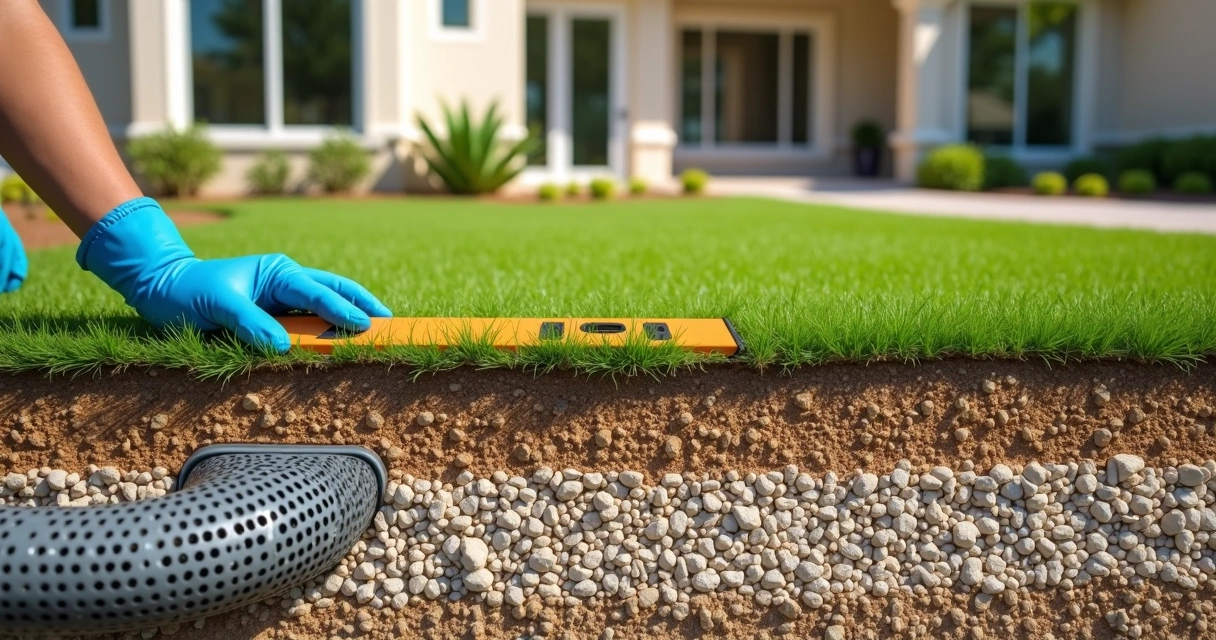
At GCM Best Services, we follow a base system that works on Florida’s sandy and clay-heavy soils. We excavate organic material, then build up 3–6 inches of compacted, angular aggregate with a smaller “choker” layer on top. Each layer is wetted and compacted with plate tampers, creating porosity and firmness. This combination slows down water, diffuses pressure, and prevents puddling — the main trigger for eventual mold blooms.
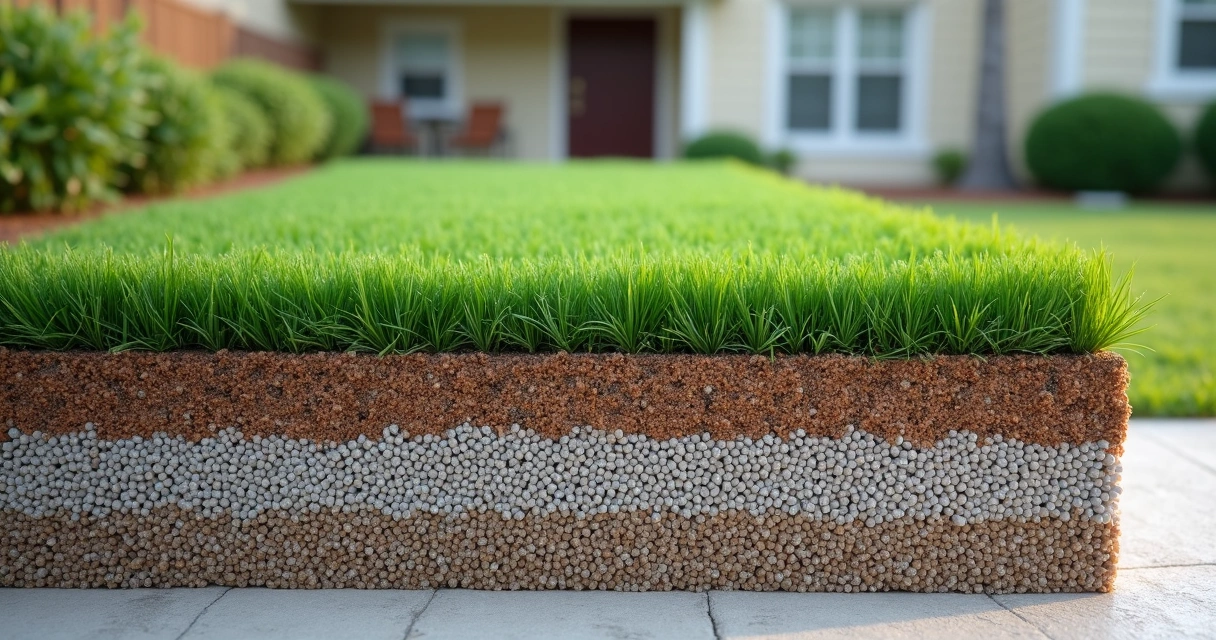
We recommend against using limestone screenings or fine sands for the base, as these can cement when wet and trap water underneath. Instead, open-graded crushed stone (such as #57 or similar) allows moisture to move down and away from the turf. The goal? Leave mold with no place to grow.
2. Select turf and infill designed for drainage
Most synthetic grasses are not created equal when it comes to letting water escape. According to an overview of artificial turf components and material considerations, different products have unique permeability and may hold or shed water differently. We always opt for turf with:
- Punched or permeable backing, with holes every few inches or fully stitched drainage patterns
- Infill types that won’t absorb and hold water excessively, such as clean silica sand or specialized non-organic mixes
- Infill installation techniques that spread evenly and avoid low points or heavy build-up
Finer infills can compact and stay moist, feeding mold between fibers. On the other hand, some crumb rubber or organic infills have been shown to hold moisture, which is not ideal for mold control in Florida. We match each install to the site’s drainage and usage — kids, pets, or low-traffic landscape turf all have slightly different needs. Whenever we add infill, we groom it into the blades, not letting it pile up in any one spot.
3. Slope and redirect surface water
Standing water is the #1 cause of mold under artificial turf in Central Florida. After a big Florida thunderstorm, water should quickly drain off, not pool under synthetic grass. To make that happen, we:
- Grade the sub-base so water always runs toward specified outlets, never toward the house, foundation, or low corners
- Check slope with a level at multiple points and adjust accordingly before turf is laid
- Install surface drains, channel drains, or French drains if an area is flat or surrounded by hardscape
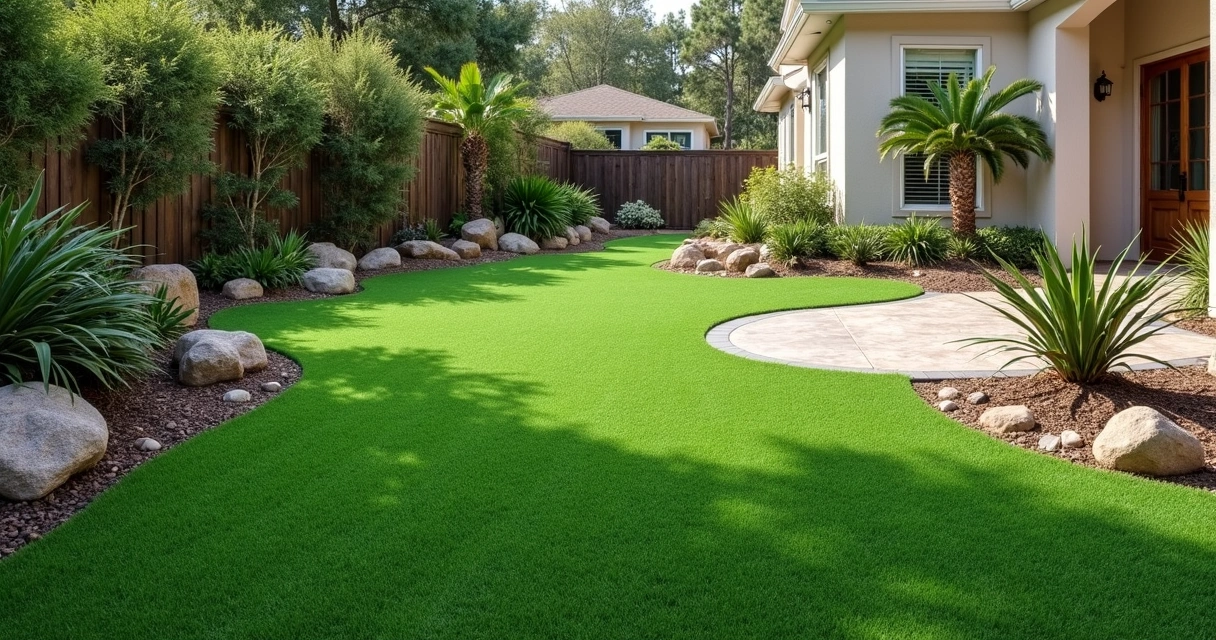
Sometimes customers are surprised that even a 1–2% slope (about a 1–2 inch drop over 10 feet) is enough to move water off the turf. For larger projects, or where brick pavers meet turf, we consider advanced drainage options, as discussed in our drainage solutions for brick paver installations in Florida’s climate post. The right flow stops water from sitting, which starves mold of moisture before it can start.
4. Add a moisture barrier or drainage layer when needed
On low-lying yards or areas with continuous tree cover, extra protection may be needed. In these cases, we sometimes include:
- Permeable geotextile fabric between soil and base, which keeps dirt below from migrating up and slows capillary water movement
- Special drainage panels or mats under the turf if landscape grading cannot solve slow drainage
We don’t usually recommend solid plastic sheeting directly under turf, as this can actually trap water. Instead, materials should redirect moisture either downward or sideways to a drain. In commercial or shaded settings, like narrow turf dog runs between buildings, these layers can make the difference between healthy turf and recurring mold outbreaks.
5. Ensure sunlight reaches the turf
Mold and mildew love the dark. One surprisingly effective way to limit their growth is by increasing natural or artificial sunlight to your turf surface. Research on how light exposure influences plant health and fungal resistance shows that even short bursts of direct sunlight can deter some common shade-loving molds.
In our projects for GCM Best Services, we recommend clients:
- Trim nearby shrubs, hedges, or tree branches that cast dense, all-day shade on turf areas
- Use solar-powered landscape lights in large shaded spaces that never get sunshine between buildings or fences
- Consider translucent patio covers for shaded lanais, letting in diffused sunlight
Direct sun not only dries out turf more quickly but raises surface temperature, changing the environment unfavorably for mold. While there’s a balance (especially in Florida’s hot months), the point is clear: the less shade, the lower the risk for mold to get a foothold beneath your turf.
6. Clean and monitor the turf surface regularly
We often tell clients that turf is “low” maintenance, not “no” maintenance. That’s especially true for mold prevention. Research on inspection and monitoring practices for mold and moisture issues states that early detection and prompt removal of organic material is the simplest way to avoid serious mold problems.
"A broom and a hose are still your best first line of defense."
Simple weekly or biweekly housekeeping makes a big impact:
- Remove leaves, trimmings, pollen, and debris from the turf promptly
- Use a plastic rake, leaf blower, or a stiff-bristle broom to avoid damaging fibers
- Flush the turf with water after storms or heavy pollen seasons
- Spot-check regularly for spongy patches, discoloration, or odd odors
We encourage all our customers to keep an eye on their turf like they would their patio or pool deck. If something looks or feels off, a fast response saves days of remediation later. Turf should always feel dry and firm underfoot, not musty or damp the next morning.
7. Remove or treat visible mold right away
Even with best practices, in humid Central Florida, you may spot a patch of mold or mildew on the surface or at the edges of your turf someday. Research into slime molds on turfgrass shows that most visible mold on artificial turf is harmless to the backing and is best handled by:
- Lightly raking or brushing to dislodge the growth
- Washing the spot with a hose or gentle stream of water
- Applying a mild vinegar and water solution to persistent patches (1 part vinegar to 4 parts water), then flushing with plain water after 5–10 minutes
"Don’t use harsh chemicals or bleach; these can damage turf blades and backing."
If a patch keeps returning, check the base for drainage or compaction issues and correct them. Sometimes re-leveling a small area or aerating with turf spikes can help water drain out and air get in, halting the cycle for good.
When in doubt, contact professionals like us at GCM Best Services. We offer spot repairs, deep cleans, and drainage improvements for artificial turf in Orlando, Kissimmee, and across Central Florida.
8. Schedule periodic professional inspection and maintenance
We believe that a little prevention beats a major repair. For high-traffic lawns, sports fields, or pet runs, a pro inspection every six months (or at least yearly) pays off in early detection and cost control. This is part of our maintenance guide and warranty process at GCM Best Services. Our artificial turf division (learn more at our artificial turf page) performs:
- Moisture and compaction checks across the surface and base
- Hot spots and cool patches review to find hidden wetness
- Repairs to minor base settling, edge separation, or infill clumping before bigger issues set in
- Advice on new products or treatments for high-shade or hard-to-dry zones
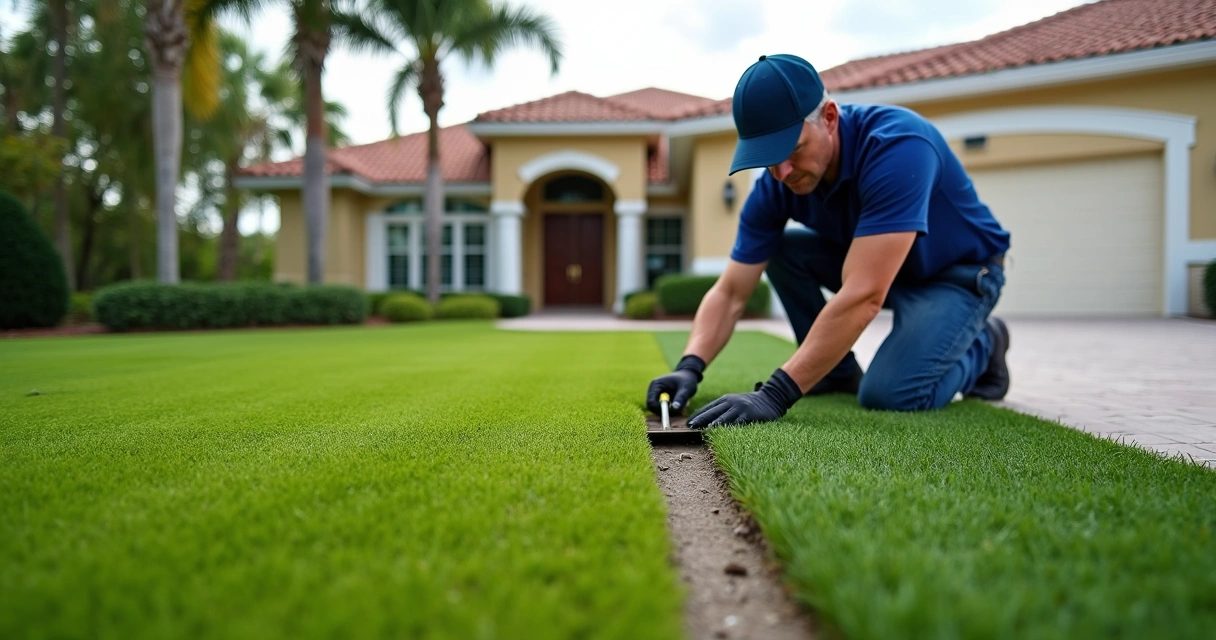
These professional check-ups are faster and more thorough than DIY guesswork, and they’re included in many of our maintenance plans after install. For property managers and HOAs, this means peace of mind and turf that stays bright, clean, and mold-free year-round.
Conclusion
Preventing mold growth under artificial turf is not just about reacting when you smell mildew, it is about designing and maintaining every layer to allow water to escape and air to enter. At GCM Best Services, we focus on every detail, from proper grading to turf selection, regular cleaning, and smart seasonal care.
If you want your synthetic grass to look and feel great for years to come, follow these eight steps as your routine. The right installation with a solid, open base, effective drainage, and attentive care removes nearly all risk of serious mold issues, even in Florida’s wettest months. If you are planning a turf project or worried about odors or spongy patches, connect with GCM Best Services for a free assessment. We offer a written warranty, expert design, and lifetime support throughout Central Florida.
Ready for a professional quote? 📞 (407) 250-1948 • 24–48h • Orlando, Tampa & area. Let us help you keep your yard dry, clean, and mold-free!
Find more resources on landscaping, drainage, and hardscape integration at our posts on hardscape in Orlando.
Frequently asked questions
What causes mold under artificial turf?
Mold forms under artificial turf when moisture is trapped between the turf and the base, especially in humid climates like Central Florida. Pooled rainwater, poor drainage, organic debris (like leaves and pollen), and a lack of sunlight all create the right conditions for mold to take hold. As reported in material studies of artificial turf, certain turf systems retain more moisture than others, which may also increase mold risk if the base is not properly designed (artificial turf components and material considerations).
How to prevent mold under turf?
The best way to prevent mold under turf is structured drainage, start by excavating deeply, compacting a permeable base, grading for runoff, and choosing turf and infill that drain efficiently. Slope and drainage channels ensure water leaves quickly after rain. Routine cleaning, light exposure, and prompt repair of puddles or clumps add even more protection. If mold appears, remove organic debris and treat with gentle cleaning—never harsh chemicals. Professional inspections help keep things under control year-round. Further tips are found in the inspection and monitoring recommendations provided for turf installations.
What is the best turf drainage solution?
An open-graded, compacted stone base layered beneath the turf, coupled with a permeable turf backing and infill that doesn’t absorb excess water, is widely considered the best drainage solution. Incorporating perimeter or channel drains and ensuring a minimum slope away from buildings prevents water from sitting. In difficult sites, drainage mats or French drains can further improve results. Read more about these solutions at our detailed resource for drainage solutions for brick pavers and turf in Florida’s climate.
Can mold grow under all turf types?
Yes, mold can grow under any kind of artificial turf if water is allowed to stagnate and organic material accumulates, regardless of turf fiber type or color. The risk, however, is far lower with modern, permeable turf designs and the correct infill base. Extra shade or poor initial grading can make the risk higher in specific installations. Choosing proven systems like those at GCM Best Services can dramatically reduce this risk.
How often should turf be cleaned?
We recommend gentle turf cleaning at least every 1–2 weeks for most residential installations, and more often in high-traffic, pet, or heavily shaded environments. Pick up debris right away, especially after storms or high pollen periods. Mechanical brushing and quick rinsing prevent buildup and stifle most mold growth before it starts. For yards with many trees, a routine as frequent as twice weekly may be beneficial. Seasonal deep cleaning or professional checks—at least once a year—are great for long-term protection.