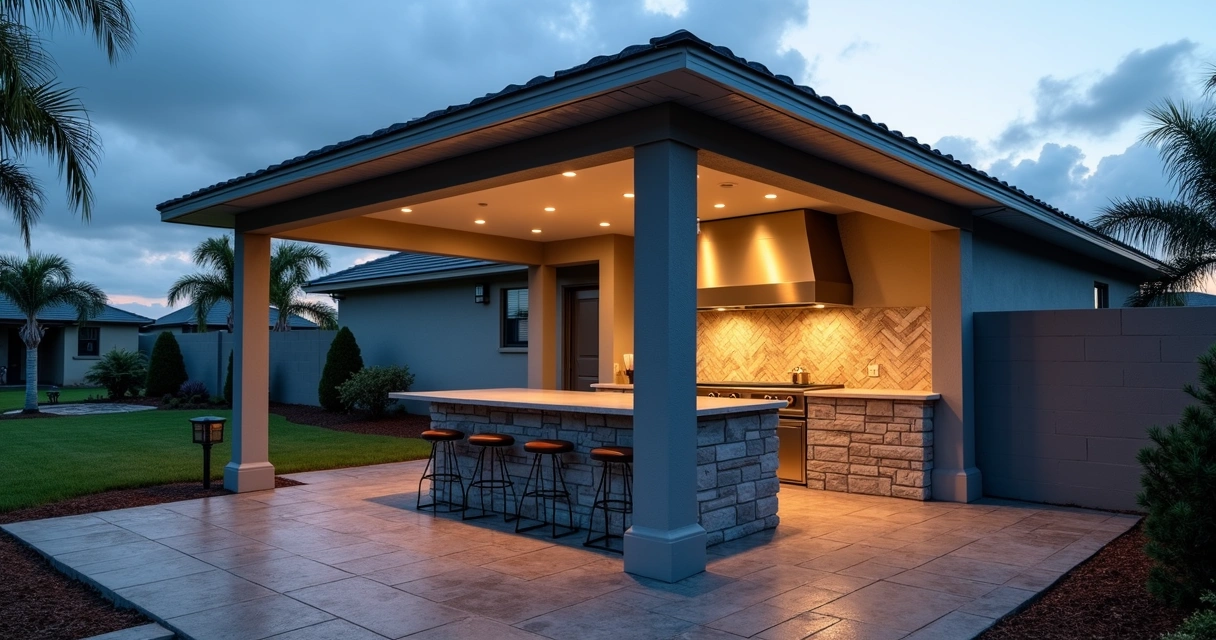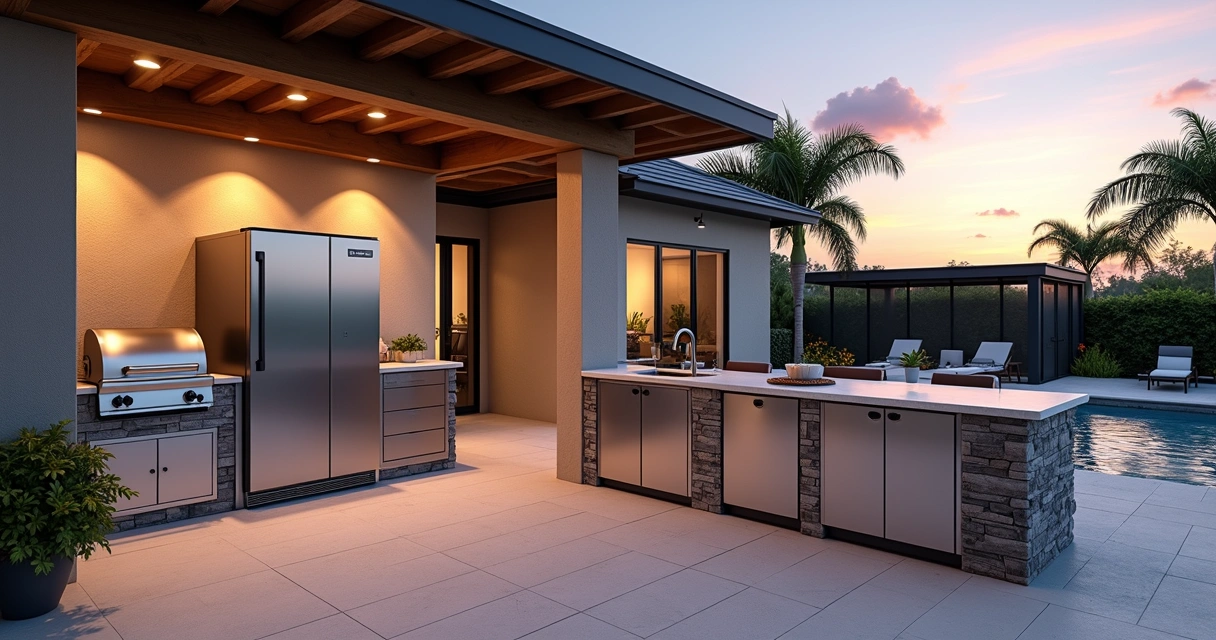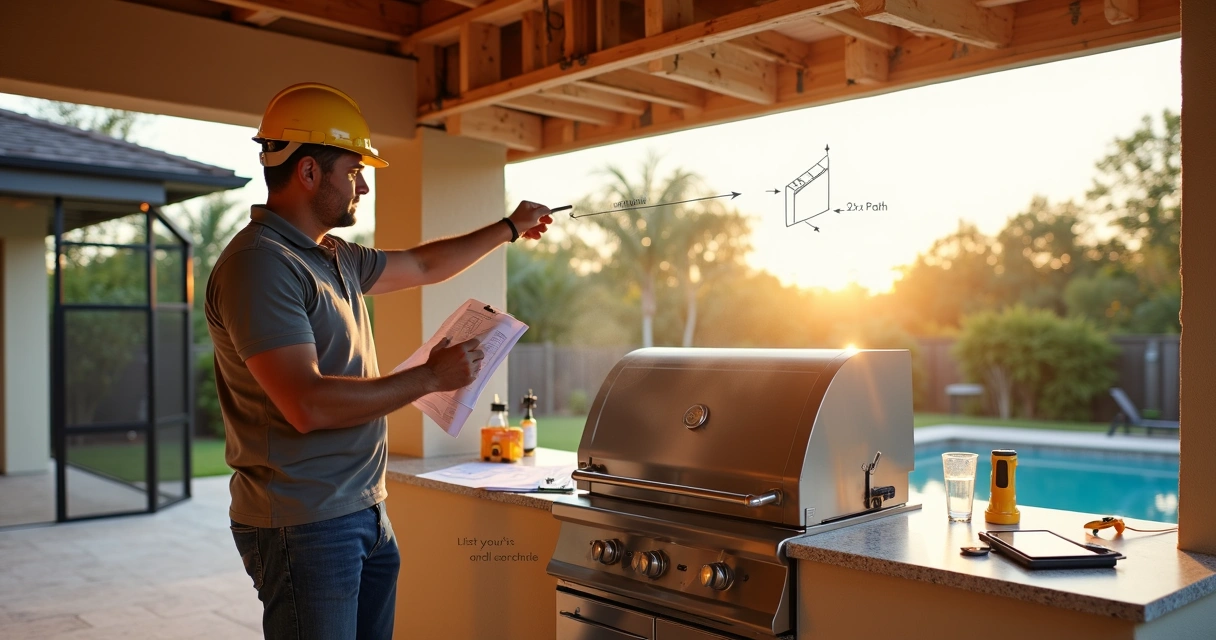
Outdoor kitchens have become a popular addition to homes in Central Florida, especially in places like Orlando where outdoor living is enjoyed year-round. BBQ islands, grilling stations, and even full summer kitchens are increasingly sophisticated. But there is one step we see overlooked far too often: planning vent hoods for BBQ safety.
Failing to properly plan your ventilation isn’t just an inconvenience. Cooking produces smoke, grease, odors, and airborne particles that can harm air quality or even spark a fire if not controlled. Good BBQ vent hood design is more than an upgrade; it’s a core safety and comfort measure for any covered outdoor cooking space.
We’ll walk you through everything you need to know, from understanding risks to sizing, local codes, installation details, and maintenance. Along the way, we’ll rely on our experience at GCM Best Services, and current research to keep your family, friends, and property safer—and your outdoor kitchen more enjoyable to use every day.
Why vent hoods matter for outdoor BBQ safety
Even in an outdoor setting, grilling, smoking, or even searing on a side burner puts particles and byproducts into the air. It might not seem risky compared to indoor kitchens, but the hazards are real, especially within covered patios, lanais, or screened enclosures so common in Florida homes. Let’s break down why planning your venting system is not just about luxury—it’s about protecting your health and your investment.
Risks from BBQ smoke and grease
When using a grill, BBQ, or range, combustion creates more than just delicious scents—it releases fine particulate matter (PM2.5), carbon monoxide, nitrogen oxides, water vapor, and greasy residue. Left unmanaged, these can:
- Accumulate on ceilings, cabinets, lights, and outdoor fans
- Damage finishes, discolor paint, and corrode metals
- Reduce indoor air quality if your outdoor kitchen is near open doors or windows
- Trigger allergies or respiratory issues
- Create slip hazards from greasy buildup on hardscaping
- Provide fuel for sudden flare-ups and accidental fires
Even partial outdoor coverage—like a roofed lanai or a three-wall kitchen—can trap BBQ smoke, much like a poorly ventilated room indoors.
Studies from the Washington State Department of Health emphasize that grilling on all stove and BBQ types generates fine airborne particles that can be hazardous if not properly vented away from your living space.
Health and comfort benefits
The impact of these airborne particles goes beyond a foggy patio or sticky ceiling. A 2025 study in the Journal of Hazardous Materials found that using a ventilation hood during cooking reduced 24-hour average PM2.5 levels by nearly 30% and led to positive changes in heart health, lung function, and overall well-being.
Good vent hoods also keep smells, humidity, and heat from lingering, so your outdoor kitchen stays inviting for the next round—whether it’s the first party of the day or a quick weeknight meal.
Understanding outdoor vent hood basics
Before diving into specifics, it helps to know the options and how vent hoods actually work outdoors. We’ll review the key parts and principles we follow when designing projects at GCM Best Services.
Active vs. passive ventilation
Vent hoods for BBQ spaces come in two main types: active (powered/extractor) and passive (vent-only). Passive options work by relying on rising heat and strategic placement to move air, but these are rarely adequate in Florida where humidity limits air movement. We always recommend an active, powered vent hood for safety and consistency in covered outdoor kitchens.
Components of a safe outdoor BBQ vent hood system
- Hood canopy: The visible “shell” that collects smoke, steam, and vapors above your grill or cooktop. Canopies for outdoors are usually larger and made from corrosion-resistant stainless steel.
- Blower (fan): Pulls contaminated air up into the hood and expels it outside, either through the roof or vertically to an exterior wall (never into an attic or closed ceiling).
- Ducting: Metal pipes carrying air from the hood to an outdoor exit point. Good ducting is straight, short, and properly sized to minimize resistance.
- Grease filters and traps: Multi-layer filters that capture fats before they enter the ductwork or exterior environment, reducing mess and fire risks.
- Backdraft dampers: Prevent air (and, in Florida, bugs) from coming back into the kitchen when the hood is off.
- Lighting: Integrated, wet-rated lighting in the hood improves safety at night.
Building codes and local guidelines
In Central Florida, local building codes and HOA rules will shape your vent hood choice, especially for enclosures, added gas lines, or if your kitchen is part of a larger patio or lanai project. We have deep experience handling permits and working with code officials for outdoor hardscaping, so you avoid delays or costly mistakes. Always confirm your plans align with local standards before selecting your hood.
How to calculate vent hood power and size
Getting the right size and power is the foundation of vent hood safety. An undersized or weak vent leaves smoke and particulates hanging in the air. An oversized system can increase noise and waste energy. Here’s how we approach sizing for BBQs and outdoor kitchens:
BTU output and CFM requirements
Most modern BBQ grills produce 40,000 to over 100,000 BTUs. Searing burners can spike even higher. Vent hood “power” is measured in cubic feet per minute (CFM) of air moved. General rules:
- For a gas grill, plan on 1 CFM per 100 BTUs of burner output. Example: A 60,000 BTU grill needs a 600 CFM hood, minimum.
- Hoods should extend at least 6 inches past both sides of the grill and 12 inches above for effective capture.
- For side burners, pizza ovens, or smokers, add their output to your total needs.
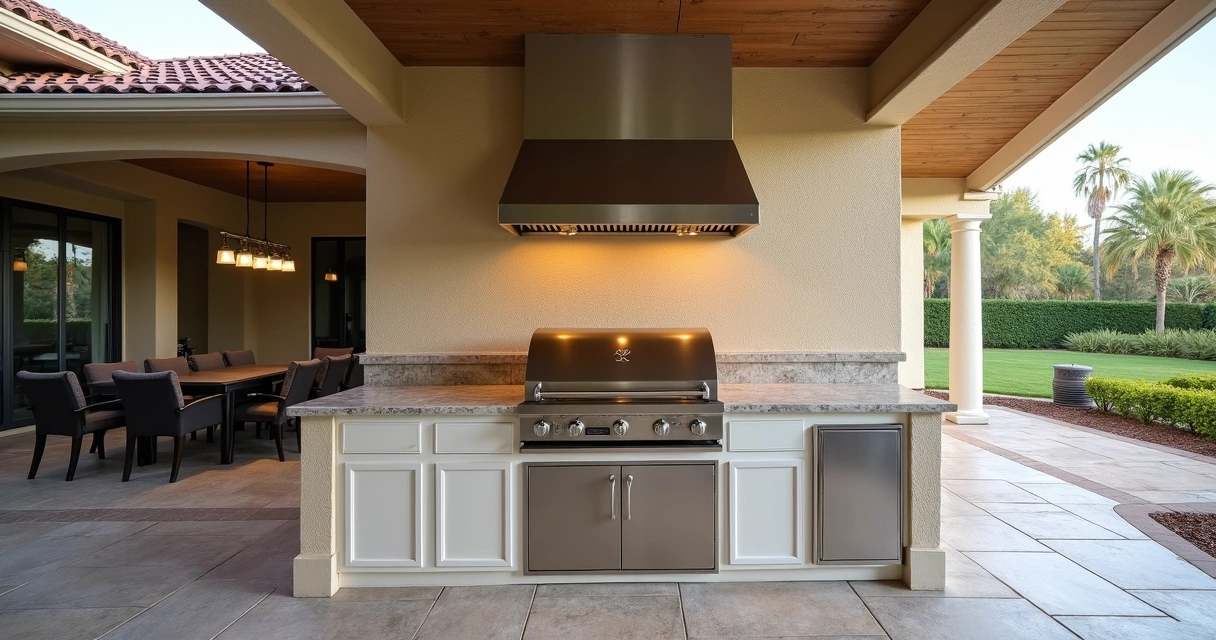
Florida’s humidity and breezes can affect smoke behavior. In semi-outdoor settings, it’s usually better to slightly oversize your vent hood (by 10-20% CFM) to handle crosswinds and fluctuating temperature layers.
Canopy size and coverage
The “canopy” of your hood must capture what rises from the sides—not just right above the grill. We recommend:
- Width: Hood at least 6 inches wider than the grill/cooktop on both sides
- Depth: Hood deep enough to cover the grill from the wall to the grill’s front edge, plus 3-6 inches
- Height: Mounted 30-36 inches over the cooking surface; check the manufacturer’s and local code guidance as some require a minimum height for fire safety
If your BBQ is in an exposed area but under a solid roof, use a deeper canopy and stronger fan to “catch” rising smoke before breezes move it outside the hood’s reach.
Special considerations for Florida homes
Florida’s rainy summers and hurricane threats call for rust-resistant materials, exterior-rated motors, and sealed ductwork. Always select hoods and components specified for outdoor use to avoid quick corrosion or unexpected breakdowns in the damp Central Florida climate.
Where and how to install a BBQ vent hood outdoors
Installation planning is just as important as product selection. At GCM Best Services, we design outdoor kitchens with the vent hood location in mind right from the start. Proper placement and ducting mean better performance and less hassle later on.
Choose the correct location
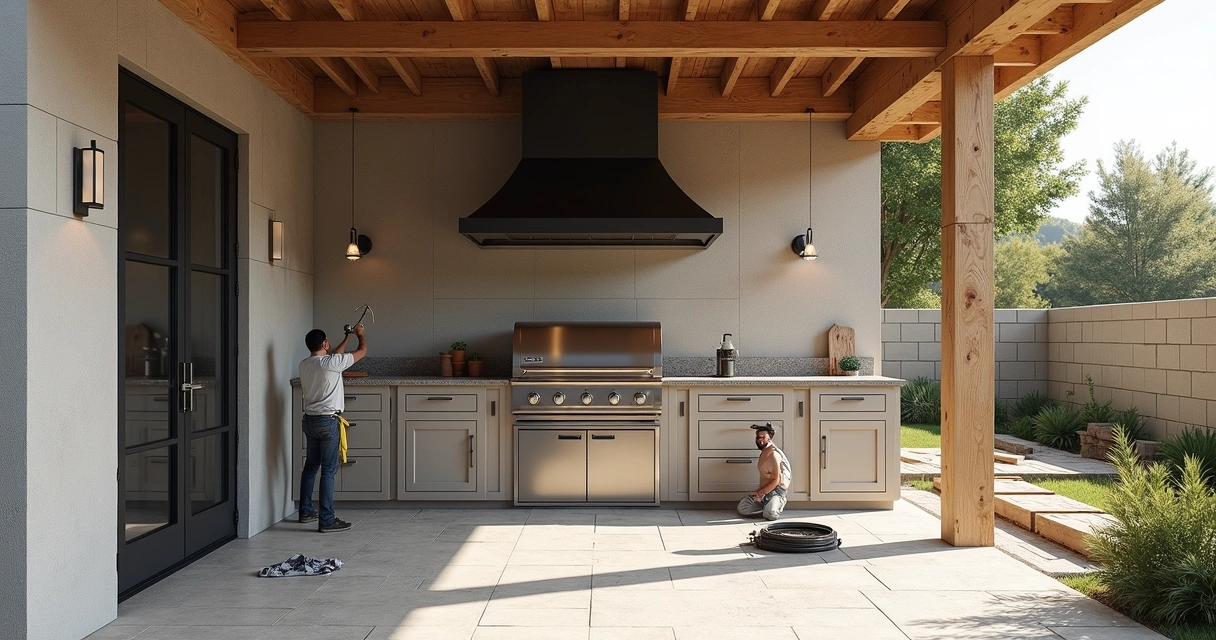
The vent hood must go directly above the main grill or cooking appliance, centered for even coverage and keeping smoke from drifting into seating areas. For most covered patios, this means:
- Mounting hoods to the support beam or on a masonry “chase” for a permanent look
- Running ductwork vertically for the shortest path outdoors
- If horizontal ducting is needed (for example, through a wall), make the run as straight and short as possible to reduce airflow resistance and noise
If your kitchen is next to doors or screened enclosures, vent exhaust away from paths, windows, or seating so smoke doesn’t re-enter the space.
Managing airflow in open and semi-open kitchens
Most Florida outdoor kitchens are not “indoor” spaces, but many are under screens or enclosed by partial walls. This influences how the vent hood works:
- In completely open roofs, wind may disperse smoke before capture; consider taller, bigger hoods and stronger fans.
- In screened lanais or attached porches, smoke can linger if not aggressively vented. Sized-up hoods handle this best.
- Keep clearances from combustibles per fire code (usually at least 18 inches between hood and any flammable material)
- Do not vent hoods into attic, soffit, or crawl space—always go outside
Details for safe and durable installation
We follow strict steps to keep jobs code-compliant and long-lasting in Florida’s testing climate:
- Seal all roof/wall penetrations with waterproof flashing
- Secure ducting to resist storms and prevent rattling
- Protect exterior vents with screens or louvered covers against animals and pests
- Check for GFI outlets and electrical safety per code for hood lights/fans
- Test hood airflow (using a smoke pencil or similar) at start-up
On many of our projects, including patio remodels and full summer kitchens, we integrate vent hoods early to avoid tight retrofits or surprises after the final finish is done.
How to maintain your BBQ vent hood
Even the best-designed vent hood can only protect if it’s kept in top condition. Maintenance is straightforward but crucial for longevity, appearance, and function.
Routine cleaning and filter care
Grease filters and traps should be removed and cleaned monthly, or more often with heavy use. Stainless steel parts wipe clean with gentle soap and water; avoid abrasive pads or harsh chemicals that damage surfaces. Always disconnect power before accessing internal components.

Check ducting and external vents every 6 months for grease buildup, nests, or obstructions. Clear any blockages to prevent backdraft and fire risks.
Inspecting for damage after storms
After heavy rain, strong winds, or hurricanes, give your hood and ductwork a visual check. Look for loose fasteners, water leaks, or new corrosion. Prompt repairs keep your kitchen safe and protect your home’s investment.
Professional servicing and upgrades
If your vent hood seems noisy, weak, or isn’t clearing smoke as it used to, it may need professional inspection. Replacement parts or upgraded blowers restore function quickly. For extensive cleaning, especially if animals or birds have reached the ductwork, professional service is safest.
Local codes, permits, and design in Central Florida
Completing an outdoor kitchen in Orlando means aligning your vent hood plan with codes, HOA rules, and community standards. We manage the process for you at GCM Best Services, from the first design sketches to final inspection.
- Verify required clearances from combustibles and building exteriors
- Choose hoods and blowers with UL ratings for outdoor or wet use
- Include vent hood and ducting diagrams with your building permit application, as many local agencies now require them
- Factor HOA approval and aesthetic guidelines for visible rooftop or wall vents
- Confirm GFCI protection for any electrical connections outdoors
Taking these steps proactively saves time, extra costs, and inspection headaches later on.
Tips for planning your vent hood with your outdoor kitchen project
Connect your vent hood plan directly to your outdoor kitchen design process. Here’s what our team at GCM Best Services recommends:
- Bring vent hood plans to your first kitchen layout discussion (consider location, clearance, and routing early)
- Coordinate final finishes so hood, ducting, and weatherproof covers match your chosen stone or paver details
- Use corrosion-resistant hardware for all outdoor assembly
- Ask for product cut sheets to submit with permits/HOA applications
- Plan lighting and GFCI-protected outlets at the same time to minimize later modifications
If you want to integrate other features—like artificial turf for pet areas or play zones, or custom paving—coordinate all layouts at once for efficiencies in drainage, structure, and electrical service. You can browse case studies and outdoor living space inspiration on our company blog and our hardscaping project gallery.
Conclusion: Safer, cleaner BBQs with proper vent hood planning
With the right vent hood in your outdoor kitchen, BBQs become more enjoyable—and much safer. The science is clear: ventilation protects against smoke, fine particles, and grease buildup that can harm both people and property. Detailed planning, correct sizing, installation that matches your kitchen layout, and regular cleaning make all the difference.
At GCM Best Services, our crews handle every detail, from permits and drainage to finishes and written warranties. That’s our way of making sure your Central Florida outdoor kitchen looks and performs great for many years of happy BBQs. If you’re ready to invest in safety, health, and long-term value, reach out for a personalized assessment. Let’s make your next grilling season your best yet.
Ready for a professional quote? 📞 (407) 250-1948 • 24–48h • Orlando, Tampa & area.
Frequently asked questions
What is a vent hood for BBQs?
A vent hood for BBQs is a powered exhaust system installed above grills or cooktops—especially in covered or partially enclosed outdoor kitchens—to remove smoke, grease, odors, heat, and airborne particles created during cooking. The system consists of a canopy, blower, filters, and ducts that expel contaminated air to a safe exterior location, improving air quality and comfort for everyone using the space.
How to choose the right vent hood?
Choosing the right BBQ vent hood means matching its size, capture area, and fan power to your grill’s BTU output and layout. For most outdoor kitchens, plan for a hood at least 6 inches wider than your grill on each side, with a blower powerful enough for 1 CFM per 100 BTUs of total grill output. Look for outdoor-rated materials, corrosion resistance, and grease filters that are easy to access. When in doubt, consult experienced contractors who know Central Florida building codes and climate needs.
Is a vent hood needed outdoors?
Even though outdoor spaces may have more airflow than indoors, a vent hood is highly recommended for any covered, semi-enclosed, or screened kitchen, as well as BBQ setups near windows and doors. This is because smoke, grease, heat, and particulates still accumulate under roofs or lanais, impacting both air quality and nearby finishes. Research indicates that most people underuse ventilation outdoors, highlighting the ongoing need for safe exhaust solutions (Journal of the Air & Waste Management Association).
How much does a BBQ vent hood cost?
BBQ vent hood costs in Central Florida typically range from $1,500 to $4,000 for materials and installation, depending on size, blower strength, finish, and installation complexity. Custom hoods, longer duct runs, waterproofing, and local permit fees may increase costs. Investing in a good hood up front helps avoid costly repairs, finish restoration, and smoke damage later.
Where to install a vent hood outdoors?
Install the vent hood directly above the primary grill or cooktop, centrally aligned, and at a height of 30–36 inches above the cooking surface unless otherwise required by local codes. Route ducting the shortest, straightest path outdoors—either through the roof or directly out an exterior wall—and avoid exhausting near doors or seating to prevent recirculation of smoke and heat. Always follow manufacturer’s and building code instructions for safe and lasting installation.