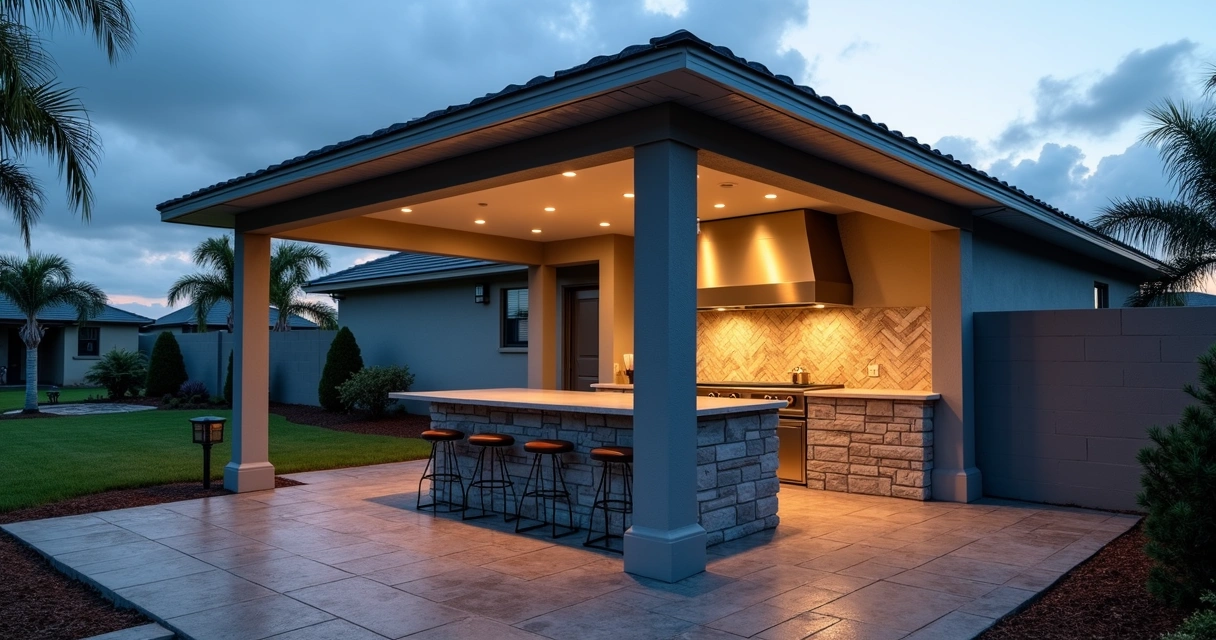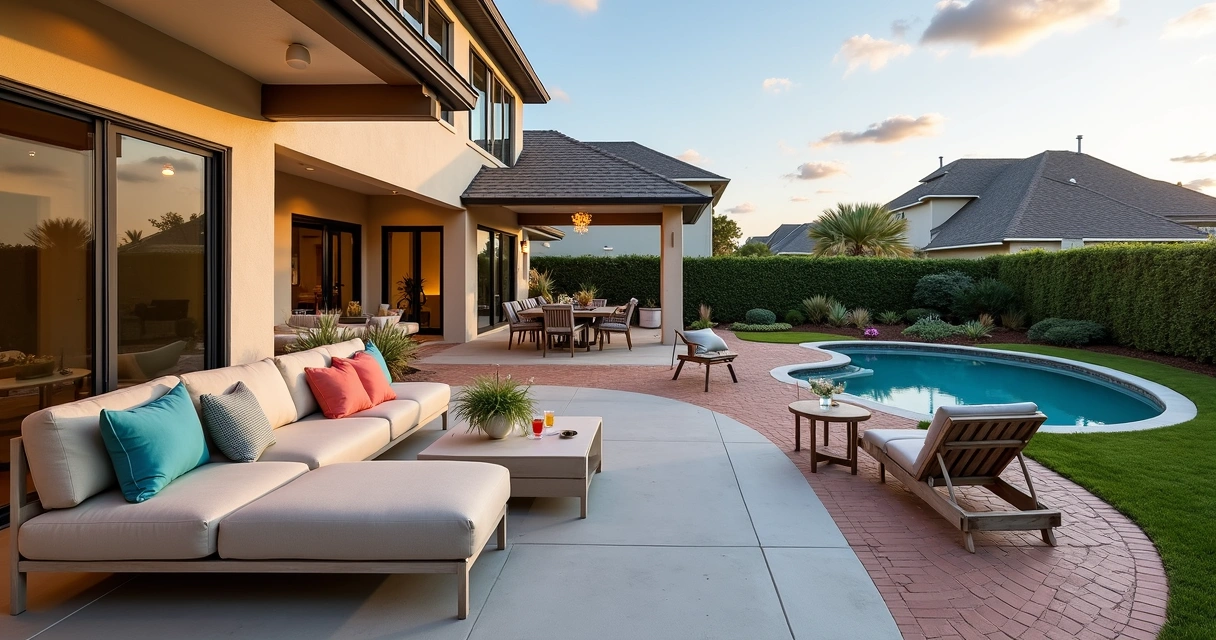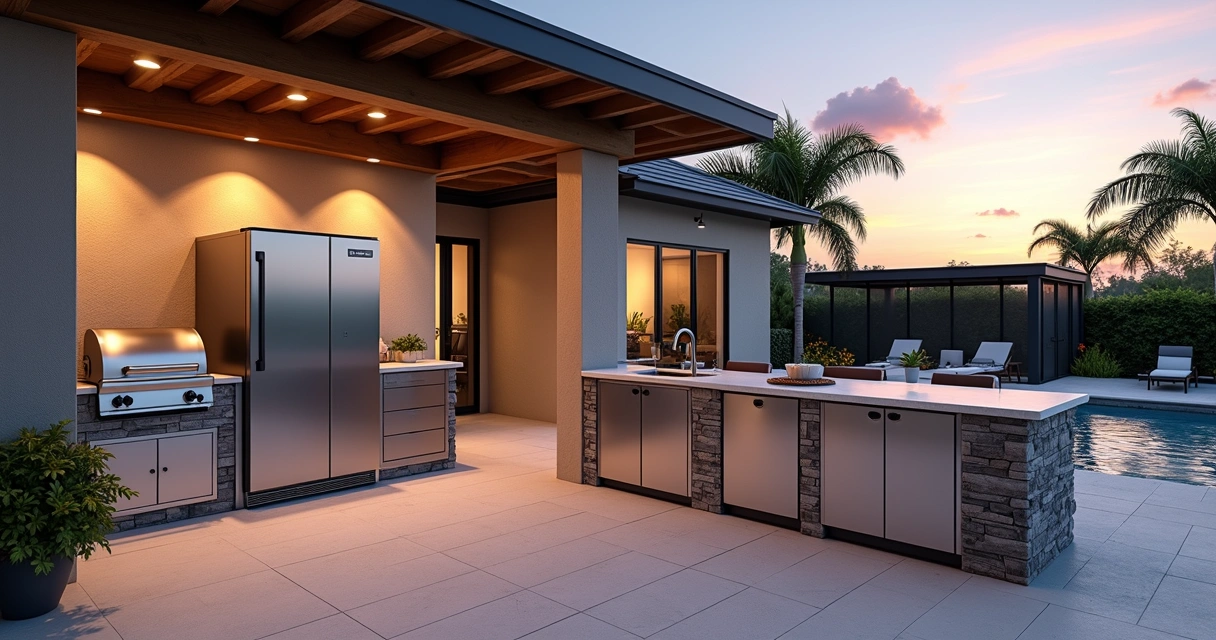
Stone veneers add a beautiful, durable finish to outdoor kitchens and bars, but Florida’s climate and heavy use can take a toll. Regular maintenance keeps these surfaces looking fresh and extends their life. Our years of experience at GCM Best Services in Orlando have shown that a practical, step-by-step care plan prevents problems like staining, cracking, and fading. In this guide, we share what works best to keep stone veneers in top condition, specifically for outdoor kitchens and bars in Central Florida.
Well-kept stone veneers turn every meal and gathering into a showpiece experience.
We will walk you through cleaning routines, sealing tips, stain removal, Florida climate considerations, and how to handle repairs—so your investment stands out for years to come.
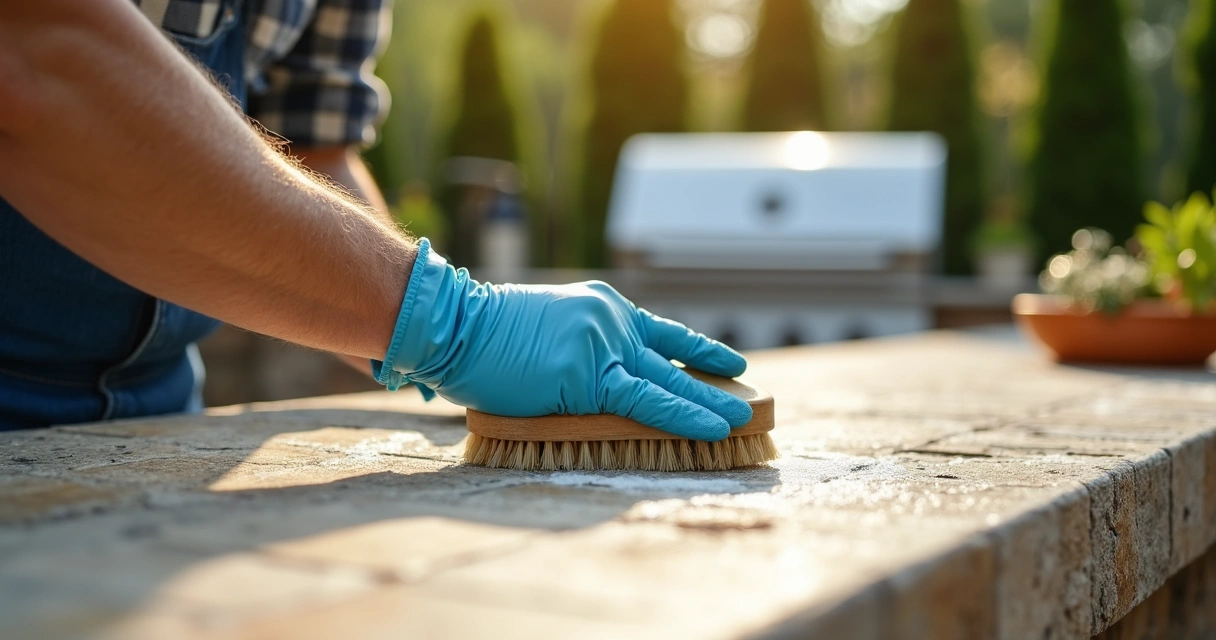
The advantages of stone veneer in outdoor kitchens
Stone veneers are a top choice for exterior bars and kitchens across Central Florida. Their look brings natural texture and rich color to patios and entertaining spaces, while also helping with weather resistance. We often recommend stone veneer finishes for their blend of style and practicality.
- Lightweight and easier to install than full-thickness stone
- Available in many styles—stacked stone, ledgestone, fieldstone, and more
- Less prone to shifting and cracking when installed with a stable substrate
- Less expensive to replace or repair in small sections if damaged
- Can be used to clad concrete bases, CMU blocks, or existing structures
For new builds or renovations, our team often blends stone veneers with other features, like pavers or concrete patios, creating a cohesive look. Examples and inspiration can be found in our articles at our hardscaping resource section.
Cleaning routines that actually work
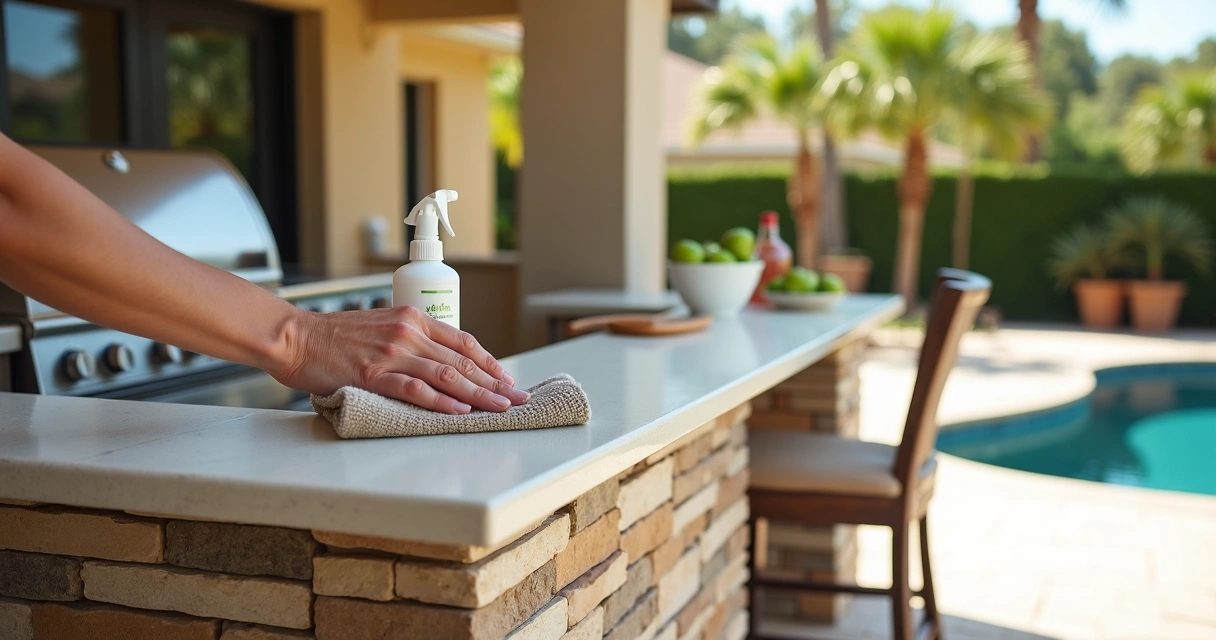
The day-to-day cleaning of stone veneers keeps dirt, debris, and organic growth from building up. Here is how we keep the surfaces spotless:
How often should you clean outdoor stone veneer?
We aim for a light cleaning every one to two weeks, especially when the kitchen gets regular use. If the stone is under a covered area, you might be able to clean less often, but Florida’s pollen, rain, and humidity make routine care a must.
What tools and products to use
- Soft nylon bristle brush (no wire bristles—these scratch and break the veneer’s surface)
- Mild dish soap mixed in warm water
- Bucket, spray bottle, or hose with a gentle spray nozzle
- Microfiber towels for drying
Never use acidic or bleach-based cleaners on natural or manufactured stone veneers—they may etch, fade, or discolor the surface.
How to clean the stone step by step
Remove loose debris with a brush or sweep. Leaves, pollen, and sand are easy to move when dry.
Mix mild dish soap with water. About a tablespoon per gallon gives enough cleaning power without residue.
Dip the brush in soapy water, then gently scrub small sections of the veneer. Start at the top and work downward to avoid dirty drips.
Rinse thoroughly with clean water—either a gentle hose spray or a wet towel. Do not leave soapy residue, which can attract more dirt.
Dry with a microfiber towel or allow to air dry. This reduces streaks and water spots, especially in sunny areas.
For deeper grime or algae, a solution of vinegar diluted in water (1 part vinegar to 10 parts water) can be used sparingly, but only after testing on a small area first. Some manufactured stones react poorly to acids.
Sealing: Why, when, and how?
Stone veneers—especially porous types—benefit from a quality sealer. Sealing limits water absorption, blocks stains, stops algae and mildew, and makes ongoing cleaning faster. We recommend sealing most veneers every 2–3 years in Central Florida, or yearly for high-use or exposed surfaces.
Choosing the right sealer
There are three main categories:
- Penetrating sealers: Soak into the stone, providing invisible protection. Best for natural, unglazed finishes.
- Surface (film-forming) sealers: Leave a slight sheen and create a moisture barrier. They change the look but block more stains.
- Wet-look enhancers: Give darker, richer tones if you prefer a bold, glossy look. These can sometimes make surfaces slippery, so test before applying near walkways.
At GCM Best Services, we use sealers that are UV-stable and breathable, allowing moisture to escape. This is key for Florida’s climate and prevents “whitening” or flaking of the finish. Always check that any product is labeled for stone veneer and exterior use.
How to seal your stone veneer
Make sure the veneer is fully cleaned and dry for at least 48 hours.
Work in the shade or on a cool day. Heat causes sealers to flash-dry before absorbing fully.
Apply with a brush, roller, or low-pressure sprayer. Get into every groove and joint, but avoid puddling.
Apply a second coat if directed by the manufacturer, usually after the first layer dries to touch.
Let cure for the recommended time before using the kitchen or bar again, usually 24–48 hours.
If you want your stone bars or cooking areas to resist stains from wine, oil, or food spills, sealing is the best defense.
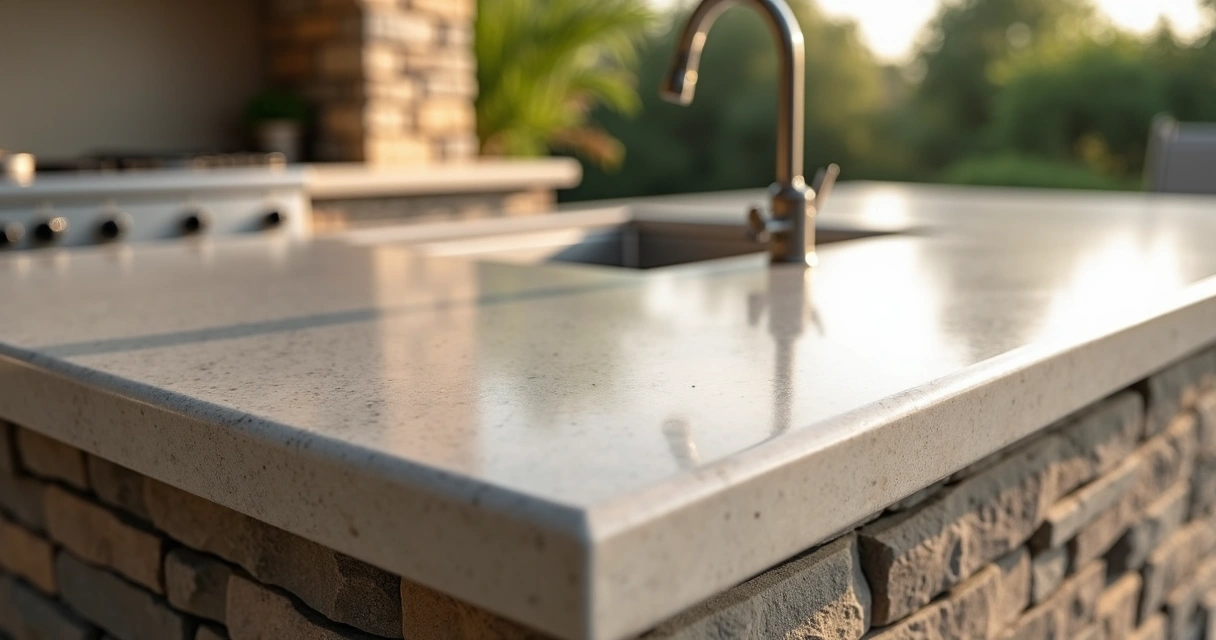
Do not forget: if your outdoor kitchen is integrated with pavers, the same principles apply. Our guide on preventing weeds between pavers has sealing tips relevant for all hardscape features.
Handling stains and spills right away
Outdoor kitchens and bars face food, grease, drinks, and rust marks. Fast action makes stains easy to remove and prevents long-term marks or chemical reactions.
Blot spills as soon as possible with a clean, absorbent cloth. Never scrub a fresh stain—it often drives it deeper into the surface.
The following tactics have served our clients well over the years:
- For oil or grease
- Sprinkle baking soda or cornstarch over the spot. Let sit 15–30 minutes, then sweep up and wash with warm water and dish soap.
- For wine, fruit, or sauces
- Blot first. Mix a small amount of hydrogen peroxide (3%) with water and gently dab the stain.
- For rust from furniture or tools
- Use a poultice mix or a cleaner labeled for rust on masonry. Rinse thoroughly, and do not let cleaners dwell more than recommended.
- For mildew or algae
- Mix a solution of one cup white vinegar in a gallon of water. Apply with a brush; rinse well. For persistent spots, use a commercial mold remover that is safe for stone.
Stone veneers cannot be resurfaced like solid concrete or tile—protection is the best cure.
How Florida weather affects maintenance
Florida’s sun, humidity, rain, and temperature swings all impact outdoor hardscape. We see faster wear from:
- Microscopic mildew and mold between the grout lines or on stone face
- UV fading of pigment in manufactured veneers
- Efflorescence—white mineral deposits surfacing from water wicking through the wall or countertop below
- Flooding or ponding around base, leading to eroded mortar or paver settings
Our process at GCM Best Services always addresses drainage when installing outdoor kitchens—a step that prevents many future headaches. Good drainage keeps water from pooling, which would otherwise push minerals to the surface and cause your stone to look chalky or patchy.
If you spot white streaks or crystals, sweep or brush them off dry, then clean gently with a dedicated efflorescence remover. Frequent, lighter cleaning is better than aggressive scrubbing, which can roughen the stone and expose it to more rapid aging.
Grout joints and mortar: Keeping them tight
Many failures in outdoor stone veneer do not begin in the stone itself, but in the mortar joints or backings. Cracked, missing, or loose joints allow water to seep behind, eventually causing stone to pop off or discolor.
The most common causes of joint damage are heavy pressure washing, freeze/thaw cycles (rare in Orlando but possible further north), and movement in the substrate.
How to inspect and repair mortar joints
- Look for gaps, cracks, or crumbling grout lines every three to six months. Pay special attention after storms or heavy use.
- Minor cracks can be filled with a matching exterior grout or cement-based filler. Clean out the joint, mist with water, then work the filler in and smooth flush.
- If you notice large sections moving or stones shifting, call a qualified contractor to assess structural support. Preventing moisture behind the veneer is priority one.
During new installations, as we do at GCM Best Services, we use proper water barriers and drainage mats—key steps that defend against long-term water damage and make touch-ups and repairs rare.
Resurfacing and repairing stone veneers
No matter how careful you are, impacts or age may leave a chipped or loosened stone. Repairs should be timely to stop further issues.
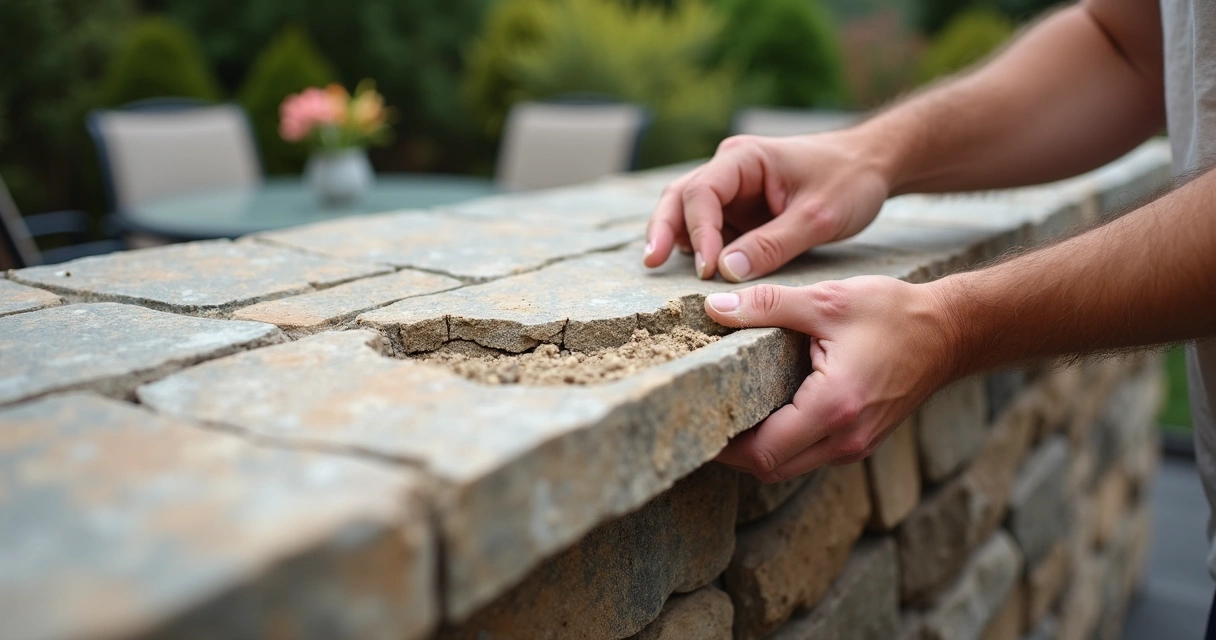
- For small chips and cracks: Use a stone repair epoxy or mortar, color matched to the veneer. Fill the damage, wipe excess away, and shape to blend.
- For loose stones: Remove the stone, clean old mortar from its back and the wall, apply a new exterior-grade adhesive or mortar, and press stone back into place. Support it as needed until set.
- Larger or repeated damage: May indicate wider substrate movement or water penetration. Get a professional opinion if you see ongoing problems.
We stand behind our installations with clear photos and a written warranty, so you know maintenance and repair are covered. For details on paving and patio integration, see our driveway and patio paver service.
Seasonal and annual care tips
A maintenance calendar makes it easy to remember what your outdoor kitchen needs and when. Here is a schedule we use and suggest for Florida homes and venues.
- Monthly: Light cleaning, check for new stains or dirt buildup
- Quarterly: Inspect mortar joints, check for efflorescence or mildew, test for loose stones
- Every 2–3 years: Reseal all stone and paver surfaces, or more often in high-traffic areas
- After storms: Check for debris stuck in cracks, water damage, or shifted stones
Keep a small cleaning kit and leftover mortar or grout on hand for fast touch-ups.
Integration with pavers, patios, and drains
Stone veneer works best as part of a full outdoor environment. We often install them alongside new patios, pavers, or artificial turf. Proper edging, base preparation, and drainage at the construction stage save money and trouble later, making ongoing maintenance simpler.
To see examples and expert advice on integrating stone and hardscapes, visit our hardscape installation page and our local Orlando hardscape services guide.
Strong edges, smooth transitions, and smart drainage are what make outdoor kitchens last.
If you are planning a new build, repairing an old stone bar, or wondering how best to keep things looking sharp, we can help you plan for long-term success.
Professional help: When to call the experts
You can tackle routine upkeep and minor repairs yourself, but some issues call for an expert. We suggest a qualified contractor for:
- Major stone or substrate cracks, shifting, or bulging
- Water pooling around the base or inside the kitchen/bar
- Flood or storm damage
- Restoring color to faded or aged manufactured stone (may need pro-grade stains or tints)
GCM Best Services brings decades of experience in drainage, stone, concrete, and patio installations. We include written warranties and photo documentation with every job, so your long-term maintenance is simplified from day one.
Conclusion: Keeping your outdoor kitchen a source of pride
Well-maintained stone veneers are more than a backdrop—they are center stage in every outdoor meal and event. Staying ahead with simple, regular upkeep blocks the problems we see most often in Florida: stains, grime, water damage, and loose stones. Our clients enjoy their spaces longer because small efforts prevent major repairs later.
If you are ready to protect your investment or want to learn how high-quality installation prevents maintenance headaches, contact us for advice or a site visit. See how GCM Best Services can help you preserve the beauty and value of your outdoor kitchen or bar in Central Florida!
Ready for a professional quote? 📞 (407) 250-1948 • 24–48h • Orlando, Tampa & area.
Frequently asked questions about stone veneer maintenance
How often should I clean stone veneers?
We recommend cleaning outdoor stone veneers every one to two weeks for most Central Florida settings, especially if they are exposed to rain, pollen, or cooking spills. Covered areas or those with light use can often go longer, but regular checks help prevent grime and stains from setting in.
What is the best cleaner for stone veneers?
For routine care, a mild dish soap mixed with warm water is safest and most effective. Avoid harsh chemicals, acidic or bleach-based cleaners, as these can damage both manufactured and natural stone veneers. Always test a new product on a small, hidden area first.
How can I prevent stains on stone veneers?
Seal your stone veneers every 2–3 years, and blot up spills (like wine or oil) as soon as they happen. Using trays or mats under grills and drink stations helps contain potential messes. Regular cleaning also removes dirt and organic matter that could stain if left too long.
Do stone veneers need to be sealed?
Yes, most outdoor stone veneers benefit from sealing, especially in Florida’s humid, rainy climate. Use a breathable, exterior-rated sealer to guard against water, stains, and UV fading. Follow the manufacturer’s guidance for how often to reapply.
How to fix damaged stone veneer sections?
Small chips and cracks can be filled with color-matched stone repair epoxy or mortar. For loose stones, remove the piece, clean the surfaces, apply new exterior-grade adhesive or mortar, and reset the stone. Large or ongoing damage may mean there is a deeper issue with the structure or drainage—call a professional if you see repeating problems.