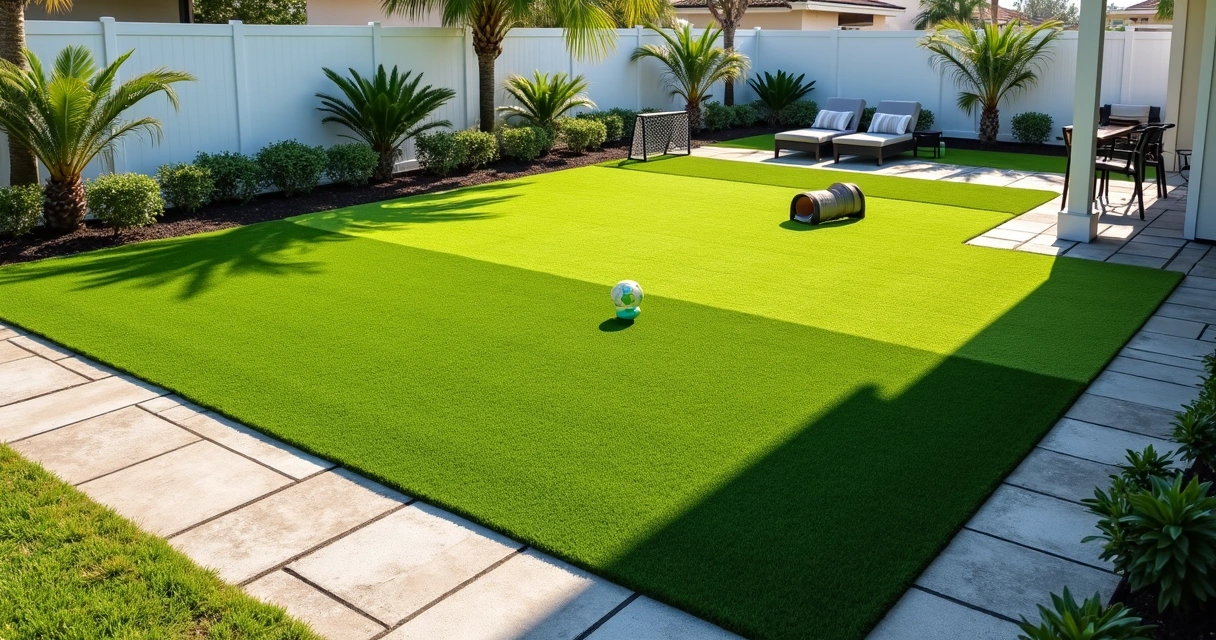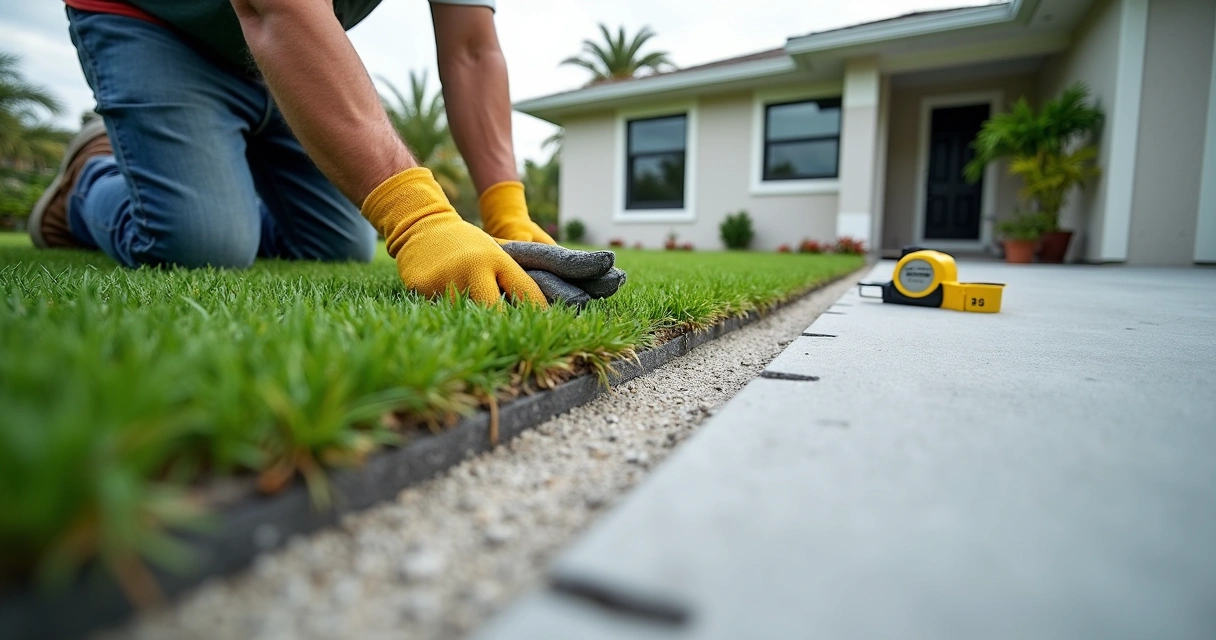
Artificial turf is gaining popularity among pet owners in Central Florida who want low-maintenance, year-round greenery. Yet, thriving pet turf areas come with unique requirements—especially when it comes to managing heat, cleanliness, drainage, and odor. Choosing the right irrigation design impacts comfort, hygiene, and the long-term performance of your artificial lawn. In this article, we’ll go through the top six irrigation design options for artificial turf pet zones, explain the pros and cons of each, and share practical tips based on our experience with GCM Best Services projects throughout Orlando and beyond.
Comfort and health for pets start with a well-designed yard.
Why irrigation matters for artificial turf and your pets
If you’re considering synthetic turf for your pet areas, you might be wondering why irrigation is part of the conversation. After all, isn’t one of the main goals to reduce water use? In truth, irrigation for artificial turf pet areas is less about plant growth and more about keeping the surface safe, cool, and hygienic—especially in Central Florida’s hot, humid climate and for active pets.
- Reduces surface temperatures that can harm delicate paws on sunny days.
- Flushes away pet waste and urine, minimizing odors and bacteria buildup.
- Helps maintain a fresh, inviting appearance by rinsing off dust and pollen.
- Supports proper drainage and prevents puddling in high-traffic zones.
Studies from University of Florida IFAS research highlight that artificial turf surfaces can get up to 54°F hotter than natural grass in direct sun, which has led to more irrigation systems being used in pet and play areas statewide.
How irrigation design for pet turf is different
Traditional lawn sprinklers focus on plant roots. Artificial turf irrigation, on the other hand, targets surface cooling and cleaning. Here’s what sets pet-turf irrigation apart:
- Uniform surface coverage is the goal, not deep root watering.
- Gentle spray pressure prevents flooding artificial turf’s drainage base.
- Convenient controls make it easy to rinse after pet use or during the hottest part of the day.
- System designs must avoid pooling, algae, and wasted water.
- Installation must work with the layered base, infill material, and any surrounding concrete, pavers, or borders.
The top six irrigation design options for artificial turf pet areas
After years of research, field tests, and customer feedback at GCM Best Services, we’ve found that most artificial turf pet areas in Central Florida benefit from one or a combination of these six irrigation designs:
1. Pop-up spray heads for surface cooling and rinsing
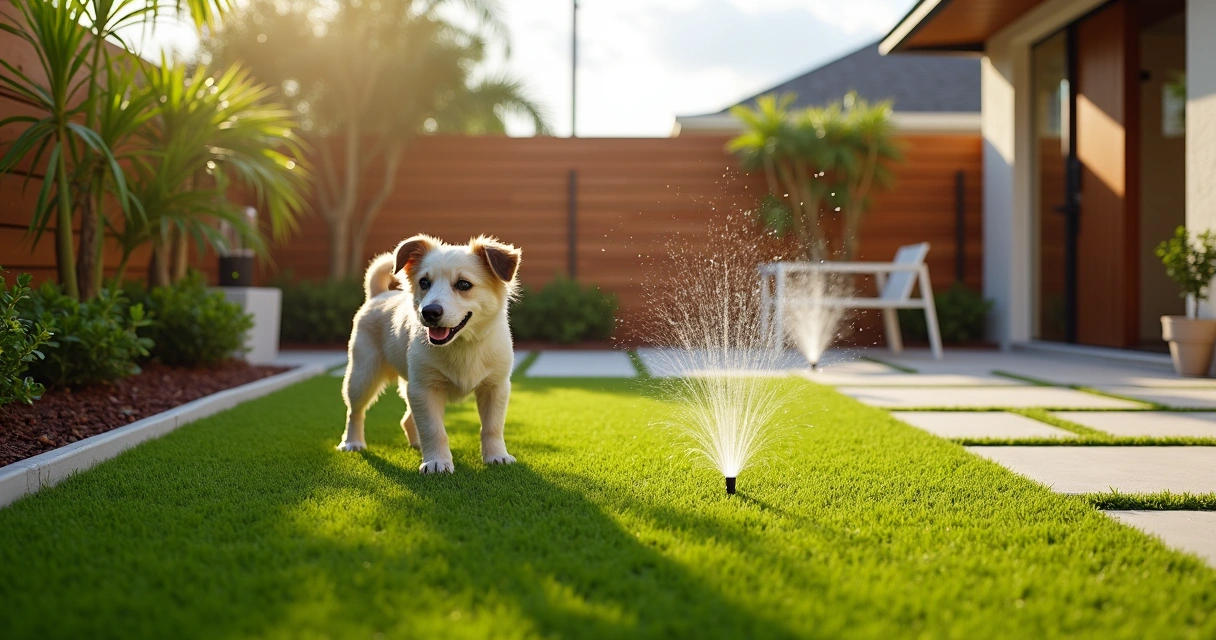
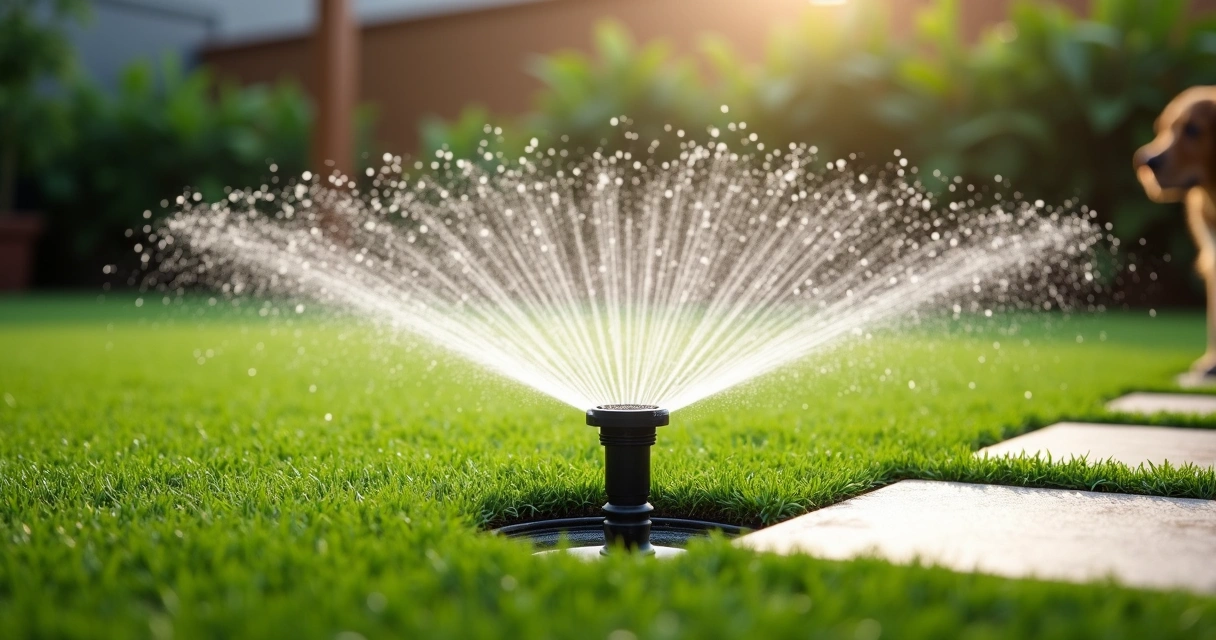
Pop-up spray heads are a familiar sight in traditional lawns, but their use on pet turf is a smart twist. These heads sit flush to the turf and rise up only when in use—so there’s nothing for pets to trip over or chew.
- Ideal for widespread cooling and cleaning of larger pet lawns.
- Easy to automate for daily or as-needed rinsing.
- Multiple spray patterns (fan, rotary, mist) available to match the shape of your space.
- Can be zoned for different turf areas or to avoid water-sensitive features like patios or garden beds.
- Works well when integrated into new builds or as a retrofit on existing in-ground irrigation.
In our experience, pop-up spray systems are popular because they are reliable, discrete, and require only minor maintenance. Pet owners appreciate the convenience of programming a quick rinse after playtime or in the morning to keep the surface cool for delicate paws.
One of our Orlando clients, for example, reported fewer paw burns and a dramatic cut in odors after installing a simple pop-up head system in their backyard dog run.
2. Drip irrigation grid beneath the turf for focused flushing
Drip irrigation is best known for its water-saving qualities in gardens and landscapes, but it also has a special place under artificial turf—particularly in pet zones where deep cleaning is a frequent need.
- Tubes or emitter lines are laid in a grid on the sub-base before the turf is installed.
- Allows for targeted moisture to flush away urine, bacteria, and help in odor control.
- Reduces the need for surface rinsing in shady or semi-covered pet areas.
- Minimizes water waste and runoff compared to sprays.
This approach provides deep, under-turf rinsing that is especially effective in multi-pet households or dog daycare settings where sanitation is top priority.
However, it’s wise to pair this design with an accessible port for maintenance checks—debris, roots, or sand can clog emitters over time. It also works best when used alongside an effective drainage and hardscape design, ensuring excess water escapes instead of pooling beneath the turf.
3. Surface spray bars along borders for manual rinsing
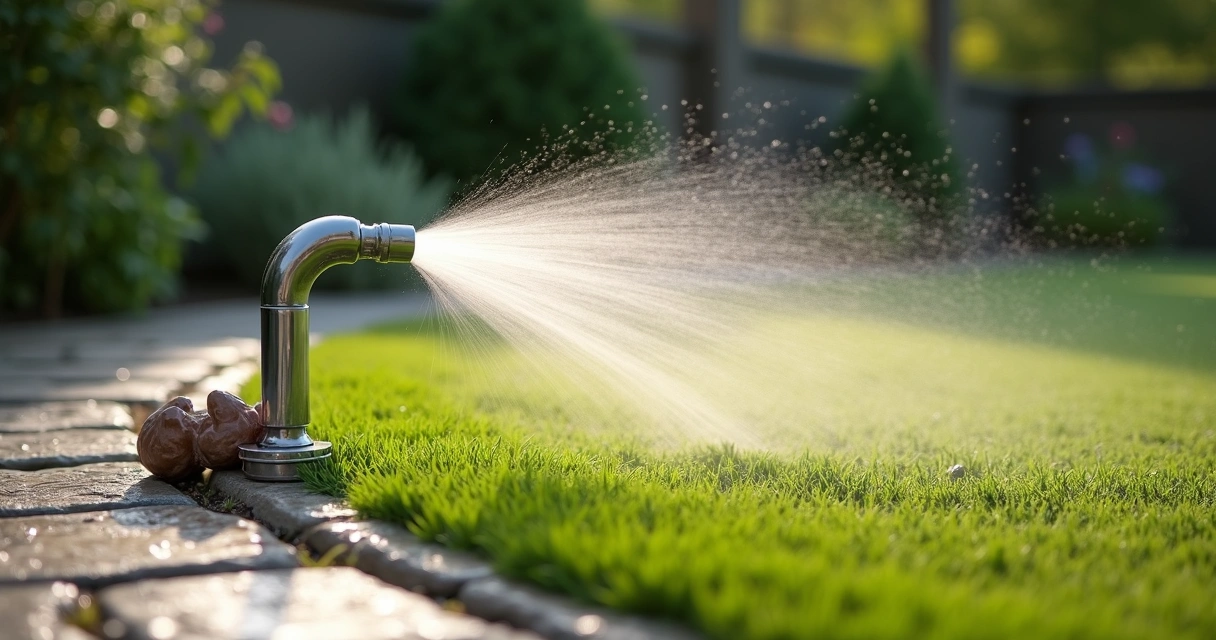
Sometimes, less is more. Border-mounted spray bars—often made from PVC or stainless steel pipe with precision-drilled holes—deliver a controlled curtain of water over artificial turf at the user’s command. This setup is popular with hands-on pet owners and in smaller turf installations.
- Gives flexibility to target specific zones or “hot spots.”
- Reduces equipment below the surface, which is helpful if future turf replacement is needed.
- Works well along fences, paver edges, or retaining walls.
- Simple to operate—often connected to a hose bib with a quick shutoff valve.
One customer shared that a surface spray bar near the back gate made it easy to rinse the entry path after every walk—making cleanup automatic and stress-free.
4. Portable hose bib with adjustable spray nozzle
The simplest irrigation design is often the most flexible. For those with small pet zones or who want low startup costs, a hose bib and spray nozzle gives full control over timing, pressure, and focus. It is not automatic, but it provides quick spot cleaning when needed.
- Attach to existing outdoor faucet—no trenching or wiring needed.
- Choose mist, fan, or jet spray patterns to fit your cleaning goal.
- Best for patios and hardscape zones with integrated turf pads.
- A favorite for renters or those testing artificial turf before a permanent upgrade.
This option is best for tightly managed spaces, such as small pet runs, patios, or balcony turf patches.
Using a hose nozzle is also a great backup in case your automated system needs repairs or you want extra rinsing after heavy use.
5. Misting systems to lower temperature and control dust
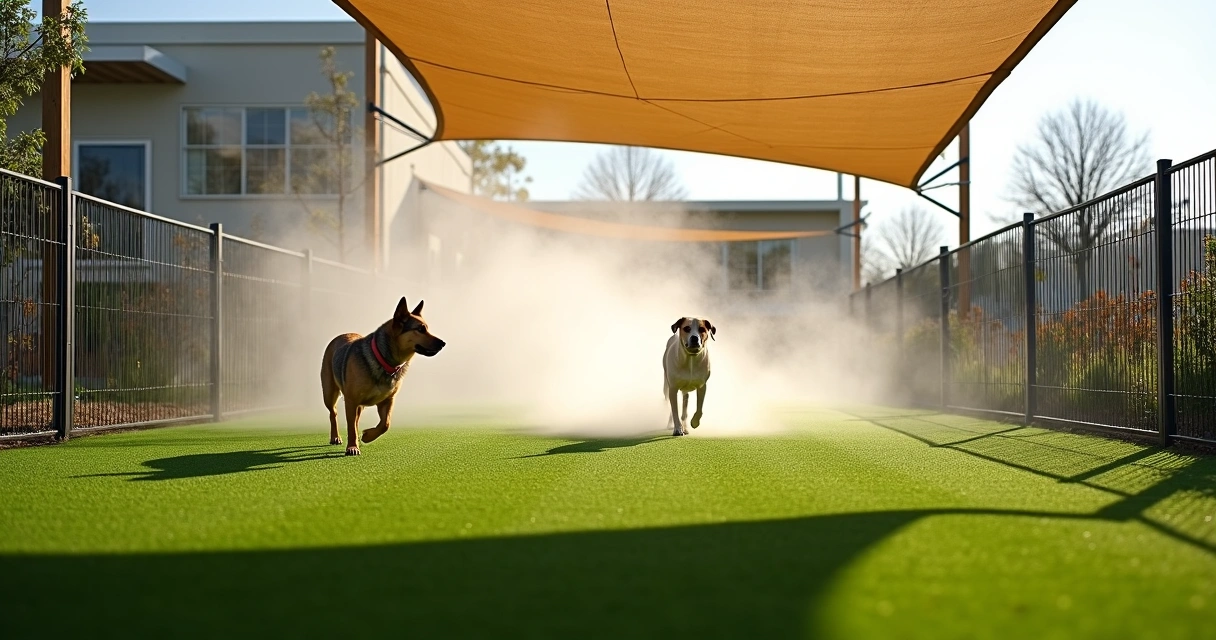
Central Florida’s heat and humidity are not only a challenge for pets, but also for synthetic turf. Misting systems, similar to what you see in outdoor restaurants or amusement parks, can cool artificial turf by several degrees in minutes. Misters come as overhead rigs or ground-level setups, both of which are easy to retrofit over existing turf pads.
- Lower surface temperatures quickly—ideal near patios or kennel runs.
- Help to settle dust and pollen, reducing allergy risks for pets and people.
- Automatable with timers or smart controls.
- Uses less water than full spray heads for short bursts.
We’ve found that even a short misting cycle can make outdoor playtime much safer. Paired with the right infill and UV-resistant turf, this keeps the surface comfortable even on long, sunny afternoons. In our Orlando installations, we commonly combine misting with pop-up spray heads as a “cool and clean” system for premium pet facilities.
6. Subsurface leach system for advanced drainage and rinsing
For those with dedicated pet facilities, kennels, or multi-use landscapes, a subsurface leach system is a premium solution. This involves building a grid of perforated pipes under the turf’s base layer, which not only helps drain away rain and rinse water, but can also be flushed periodically for deep cleaning.
- Supports high-volume pet traffic and commercial applications.
- Connects to storm drains or French drains to keep pet zones puddle-free.
- Reduces standing water that can encourage bacteria or pests.
- Pairs with both spray heads and drip systems above ground for total coverage.
This design is most often used in combination with high-performance turf and base materials for dog parks, boarding facilities, or homes with large dogs.
By flushing both the turf surface and the sub-base, you ensure that odors never have a chance to take hold.
Real-world considerations from the Florida climate
Orlando and most of Central Florida present unique climate and soil conditions: high rainfall, intense sun, sandy and sometimes clay-heavy soils. Artificial turf pet areas must be designed for these factors. Irrigation supports hygiene and cooling, but drainage must be flawless to avoid problems.
- Integrate slopes and hardscape elements to direct excess water away from buildings or play areas.
- Choose infill and turf backing that resist waterlogging while supporting quick drainage.
- Surface irrigation should be gentle—avoid high volumes or long runtimes that might saturate the base and create mud or mildew.
- Build-in easy access for inspection, cleaning, and repairs in all irrigation designs.
If you’re planning a new artificial turf installation, working with a team experienced in GCM Best Services standards—and Orlando’s climate—helps spot potential pitfalls ahead of time.
Optimizing irrigation timings for artificial turf
A well-designed system combined with smart scheduling makes maintenance easy. Drawing from Penn State Extension recommendations for natural turf watering, deep and infrequent rinsing encourages healthier, odor-free pet turf by moving waste through the system rather than allowing it to collect on the surface.
- Program spray or mist cycles for early morning or late evening to avoid midday evaporation losses.
- Set up “as needed” button or app controls to respond to sudden messes or heavy traffic.
- Adjust run times in rainy season—Orlando’s afternoon storms may lower your irrigation needs.
- Monitor under-turf drainage for signs of blockage or slow-down, especially after pet waste cleaning.
Special tips for keeping pet turf fresh and clean
- Use an enzyme-based artificial turf cleaner, either through the irrigation system or as a manual treatment, for best odor prevention.
- Encourage pets to use a dedicated potty zone—focus your irrigation there for routine flushing.
- Pair irrigation with a leaf blower or stiff broom to remove solid debris before rinsing.
- Monthly deep cleaning is recommended for multi-pet areas, even with daily surface rinsing.
- If you live in a shady or humid area, monitor for algae or moss on and around the turf. Adjust irrigation to reduce standing water if needed.
Our approach at GCM Best Services always includes a custom pet turf maintenance plan after any new installation, adapted to the specific patterns your pets create in your yard.
How irrigation fits in your overall pet-friendly landscape
Irrigating artificial turf is only one piece of the puzzle. True pet comfort and easy ownership in Central Florida come from combining the right surface, borders, drainage, and irrigation for your context.
- Integrate turf with paver pathways (learn about our hardscape options) for clean transitions and easier maintenance.
- Use natural shade—trees or pergolas—along with irrigation, to lower surface temperatures while keeping turf healthy.
- Choose materials and layouts that allow for future upgrades, especially as your pet family grows.
For more ideas and detailed tips about landscape design, check the GCM Best Services blog.
Conclusion: The right irrigation design for your pet turf
The best irrigation design for your artificial turf pet area balances convenience, cleanliness, water savings, and comfort for your pets. Each setup has its strengths. Pop-up sprays offer quick, whole-yard cooling. Drip grids and subsurface leach systems deliver deep, effective rinsing for larger installations. Surface spray bars, misting, and hose nozzles are simple, flexible solutions for smaller homes or DIY owners.
At GCM Best Services, we’ve designed and installed all these systems for families, kennels, and pet resorts throughout Orlando and Central Florida. We know what works best here—and we’re ready to recommend and build the perfect setup for you and your pets.
Pet-friendly spaces deserve professional, local expertise.
Ready for a professional quote? 📞 (407) 250-1948 • 24–48h • Orlando, Tampa & area.
Frequently asked questions
What is the best irrigation design?
The best irrigation design for artificial turf pet areas depends on your property’s size, number of pets, and desired convenience. For most homes, a combination of pop-up spray heads for cooling and a subsurface drip or leach system for deep cleaning delivers excellent results. Commercial or high-use zones may benefit from a fully automated misting system or advanced below-turf flushing. The right choice matches your cleaning needs, local climate, and how you use your space.
How much does irrigation for turf cost?
Costs for irrigation systems on artificial turf vary widely based on design. A simple hose bib and nozzle runs under $100. Pop-up spray systems start around $800 and up, while subsurface drip or leach systems for larger pet areas can range from $1,500–$5,000+ depending on layout, controls, and drainage complexity. Customized solutions that include automated cleaning cycles or integration with smart home systems may cost more but offer greater ease.
How often should I water artificial turf?
Artificial turf doesn’t need water for growth, but pet areas benefit from rinsing at least weekly—or daily in hot weather or heavy use. Mist or spray in the early morning or late evening for best cooling. Rinse immediately after high-traffic use or if pets soil the area. Monitor for odor or debris buildup as a sign that more frequent cleaning may be needed, and adjust schedules seasonally. Studies from Penn State Extension highlight the benefits of deep, infrequent irrigations for surface hygiene.
Is irrigation needed for pet turf areas?
Yes, irrigation is recommended for artificial turf pet zones to keep surfaces safe, cool, and clean. This is especially important in hot climates like Orlando. Without regular rinsing, odors, bacteria, and heat can make outdoor play uncomfortable or unhealthy for pets. Some pet owners get by with manual rinsing for very small areas, but most benefit from a simple automated system.
Can I install irrigation system myself?
DIY installation of basic irrigation—like hose nozzles or simple spray bars—is possible for small areas and handy homeowners. More advanced systems, including pop-up sprays, drip grids, or subsurface drainage, are best installed by professionals who understand turf structure and drainage. Professional services ensure durability, safety for pets, and compliance with local codes and HOA rules. At GCM Best Services, we provide free site assessments and detailed plans for every customer in Central Florida.