Primary keyword: outdoor kitchen brick paversVariants: outdoor kitchen paver installation, paver patio kitchen, Central Florida outdoor kitchen
Audience: Florida homeowners seeking durable, attractive solutions for their outdoor living spaces.Pain/Benefit: Avoids costly mistakes and helps create long-lasting, functional outdoor kitchens that boost property value and enjoyment of Central Florida’s climate.
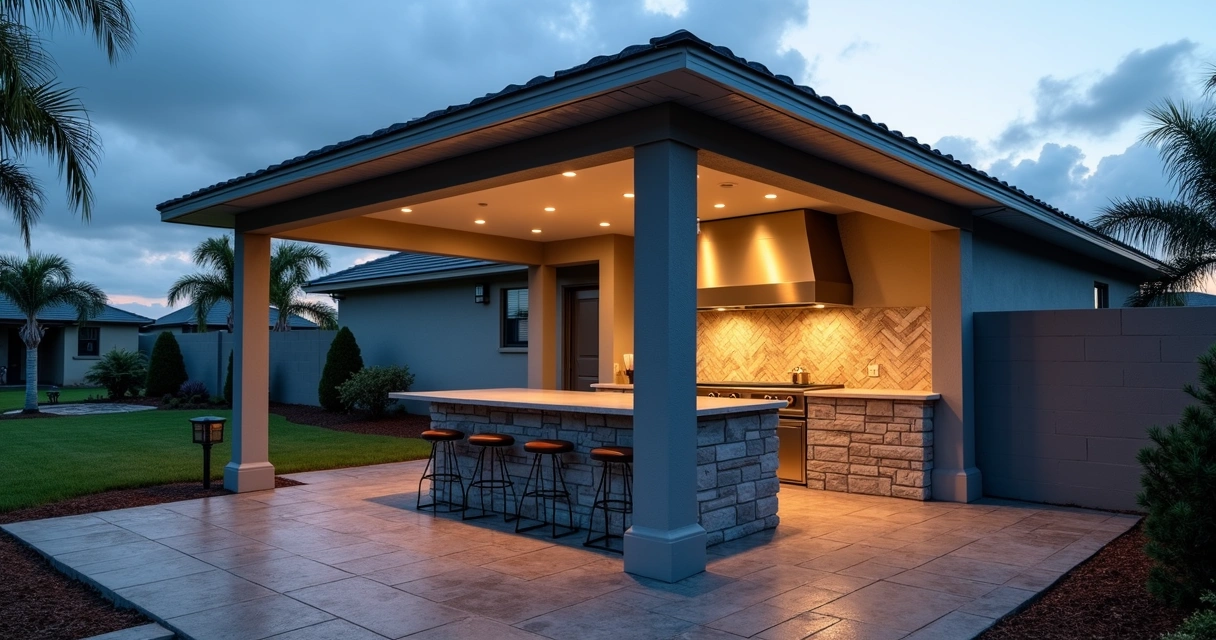
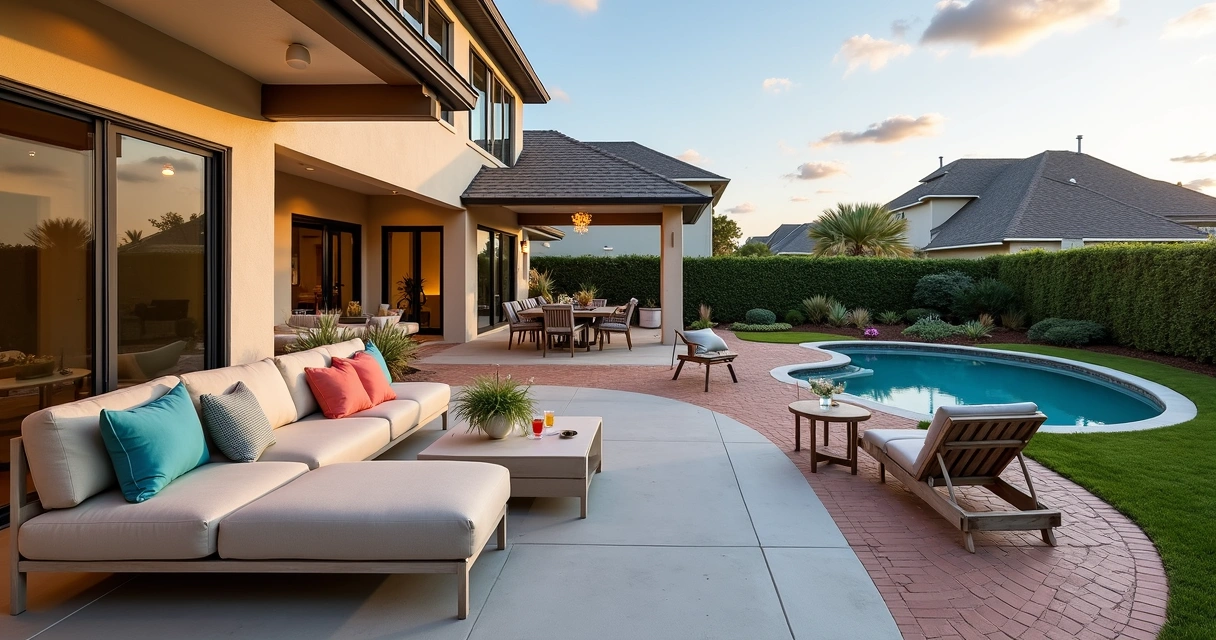
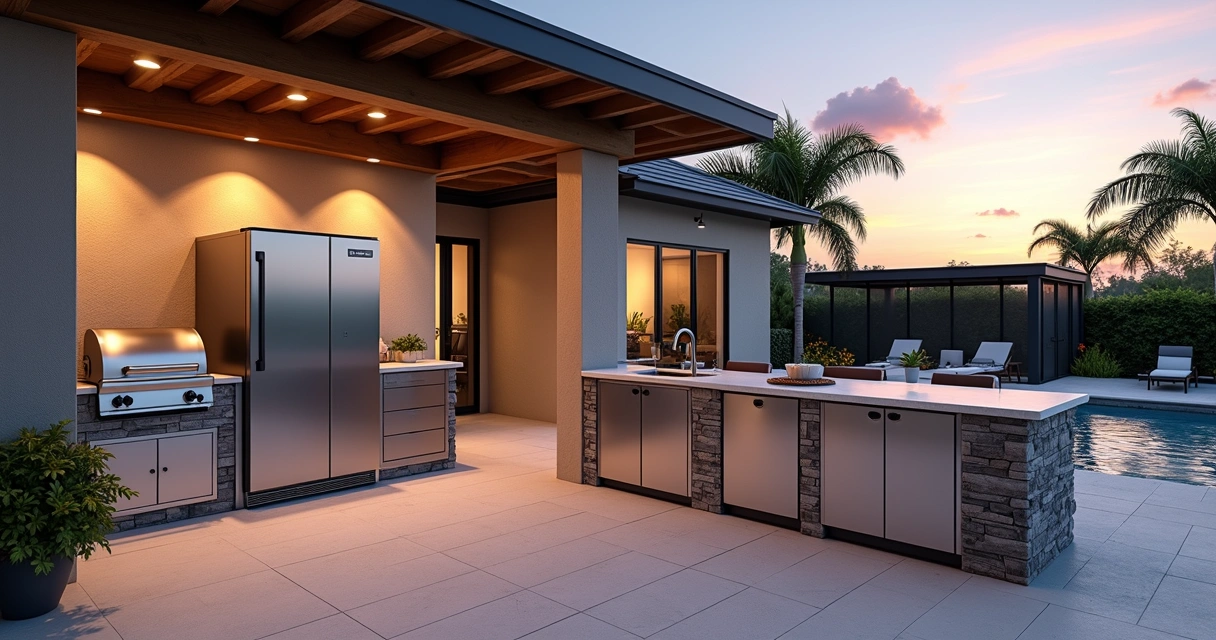
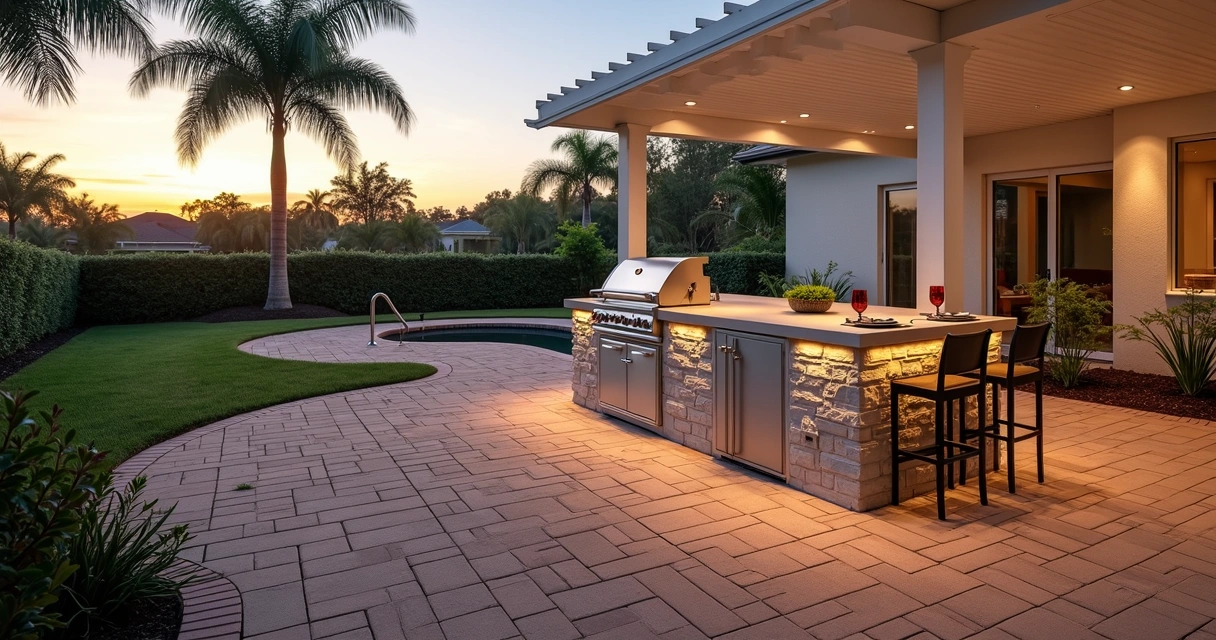
Outdoor kitchens have become a top trend among Central Florida homeowners. Integrating brick pavers with these kitchens combines lasting beauty, practical function, and true outdoor comfort. At GCM Best Services, our deep experience in concrete, paver, and custom kitchen projects across Orlando gives us unique insights into how to blend these elements to perfection. This guide demystifies the process: from the planning and design to construction and maintenance. You will learn the benefits of using brick pavers, how to avoid common pitfalls, and how to make choices that fit your style and stand up to Florida weather.
Outline
- What makes outdoor kitchens so appealing in Central Florida?
- Key advantages of brick pavers for outdoor kitchens
- Planning the perfect outdoor kitchen and paver combo
- Step-by-step brick paver installation process
- Integrating bricks and outdoor kitchen structures
- Permits, HOA, and code considerations
- Drainage, stability, and safety essentials
- Common design mistakes to avoid
- Design ideas for your outdoor kitchen with brick pavers
- Long-term care and maintenance for paver kitchens
- When to call a professional
- Conclusion: Transform your backyard living
- Frequently Asked Questions (FAQ)
Outdoor kitchens and brick pavers bring the indoors out.
What makes outdoor kitchens so appealing in Central Florida?
Central Florida's climate invites us outdoors all year. Outdoor kitchens turn patios and backyards into lively, social hubs—great for entertaining, relaxing, or making weeknight meals special. Recent data from the 2024 U.S. Houzz & Home Study shows that 29% of homeowners renovated kitchens and 21% revamped living spaces, and more are now extending that investment outdoors.
We think the real value goes beyond looks. Outdoor kitchens make it practical to cook outside, keep heat and cooking smells out of the home, and increase overall property value. But not every outdoor kitchen is equal. A well-integrated kitchen depends on solid planning and material choices built for Florida’s specific challenges--humidity, heat, and shifting soils.
Brick pavers have emerged as a top choice for both the look and technical needs of these spaces.
Key advantages of brick pavers for outdoor kitchens
We state with confidence that brick pavers offer unmatched versatility, durability, and visual appeal. Here’s why so many Central Florida homeowners choose them for outdoor kitchens:
- Weather resistance: Withstands heavy rain, sun, and heat.
- Slip resistance: Textured surfaces help prevent slips—even if splashed with water or grease.
- Design flexibility: Available in many colors, patterns, and borders.
- Eco-friendliness: Permeable paver options support drainage and reduce pooling.
- Easy repair: Individual pavers are replaceable if damaged.
- Long life span: Professionally-installed pavers last decades with basic care.
In our most successful projects at GCM Best Services, we've seen how these qualities let families enjoy their backyard for years, with minimal repair or renovation headaches. For a closer look at the process, see our definitive guide to paver installation estimates.
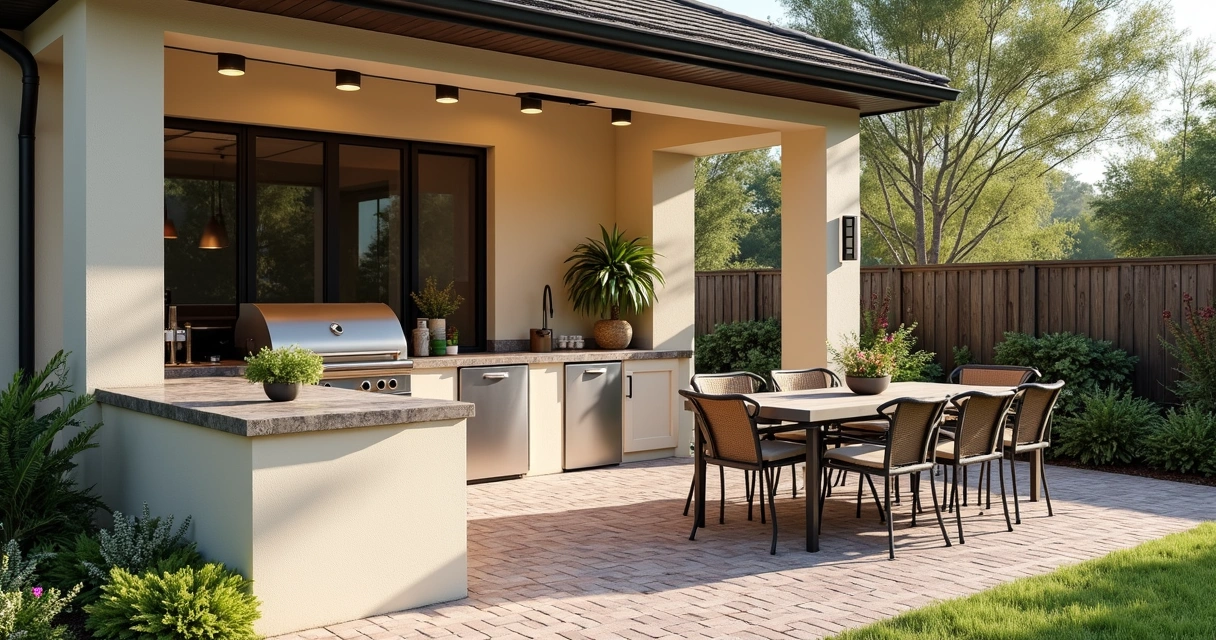
Planning the perfect outdoor kitchen and paver combo
Smart planning is where every successful project begins. At GCM Best Services, our first question for customers is always: "How do you plan to use your outdoor kitchen?" That sparks the discussion about traffic flow, features, and what materials make sense for the family’s needs. Some factors we weigh include:
- How big should the kitchen and patio next to it be? Enough for cooking, dining, and moving around easily.
- Will the space be shaded, screened, or open? This affects the type of paver, kitchen materials, and preparation work.
- What appliances or extras will you want? Grills, refrigerators, sinks, and storage—each comes with its own requirements for utilities and clearances.
- How should the kitchen connect to the rest of the hardscape? Integrated lighting, steps, seating walls, or retaining walls all influence the shape and pattern of the paver layout.
Every outdoor kitchen must blend the functional (gas, water, electrical considerations) with the visual (pattern, border, and color selections for pavers).
We always recommend sketching out different configurations and talking through wish lists before breaking ground. If you’re looking for inspiration or a deep-dive on brick and paver ideas, our hardscape project gallery helps visualize the possibilities.
Step-by-step brick paver installation process
Once plans are set, installing brick pavers under an outdoor kitchen follows a carefully phased process. We follow best practices and the latest technical advice, including University of Florida IFAS Extension guidance for Central Florida soils and climate:
- Site evaluation and prep: Remove plant material and topsoil. Mark the kitchen layout plus patio expansion. Identify any utility locations early.
- Set a solid sub-base: For Florida, 6–8 inches of compacted limestone or similar material helps keep pavers from settling or shifting. Proper base prep is key to longevity.
- Edge restraints installed: Restraints keep pavers in place and support transitions to landscaping. Permanent installed edges—plastic, concrete, or aluminum—work best.
- Spread bedding sand: For most paver patios, about an inch of bedding sand follows, helping level and adjust pavers during layout. Sometimes, especially with trees nearby, institution guidance supports using a sand layer to protect or work around roots.
- Paver laying and cutting: The pattern (herringbone, running bond, basketweave, etc.) is set, aligning with key kitchen features. Border courses and custom cuts finish out the edge details.
- Compaction: A plate compactor presses the pavers into the sand bed, evening the surface and locking everything tightly together.
- Joint sand and sealing: Polymeric sand in joints keeps pavers stable and limits weed growth. For extra longevity and stain resistance, a professional sealant is strongly recommended for kitchen areas.
Attention to these steps means each element of your outdoor kitchen stays level, stable, and ready for years of use. Avoiding shortcuts here prevents headaches later. For more technical details on patios, we invite you to look at our patio paving resources.
Integrating bricks and outdoor kitchen structures
Blending the kitchen elements with pavers is where creativity meets practicality. In our experience, the biggest gains come from designing the kitchen layout before pavers are laid—this lets the lines, shapes, and cuts of the pavers mesh perfectly with appliance modules, counters, and paths.
- Foundation differences: Many kitchen structures (like grill bases or countertops) use a separate concrete slab or heavy-duty footings, with pavers surrounding them for pattern continuity and easy water flow.
- Height transitions: We check that paver heights align with kitchen floors, thresholds to the home, and adjacent walkways to avoid trip hazards or water issues.
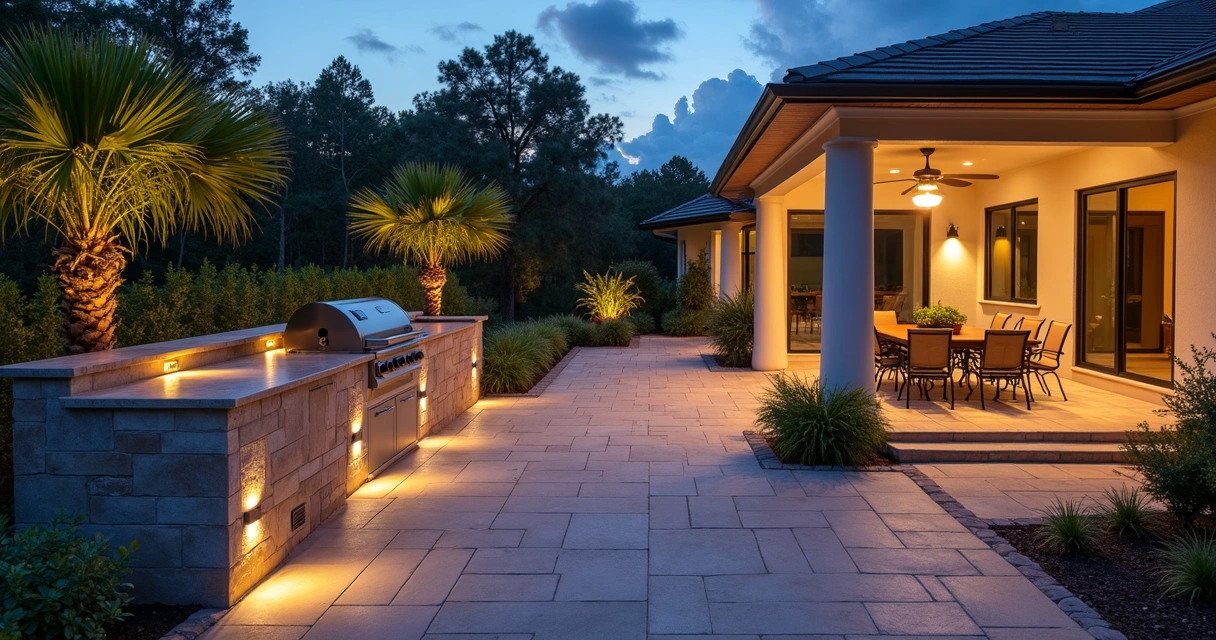
- Lighting and hardscape accents: Integrated steps, seat walls, or lighting in paver joints create an elegant outdoor space—especially after dark.
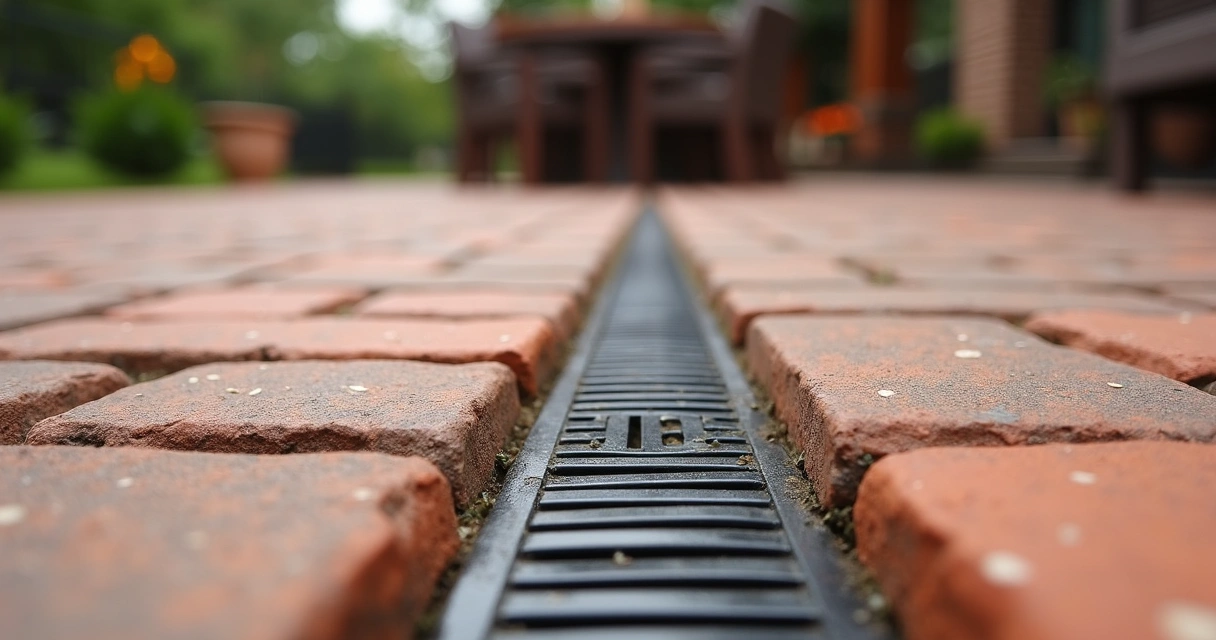
- Drainage integration: Grates or channel drains can be built into the paver field (see our article on drainage solutions for pavers in Florida).
The most seamless projects come from close teamwork between paver installers and kitchen builders. We have developed detailed workflows and templates based on past projects so nothing is left to chance—no surprise gaps, height mismatches, or drainage errors. For more details on hardscape/paver integration, review our best project examples.
The best finishes demand the right foundation.
Permits, HOA, and code considerations
It’s easy to get swept up in design and materials—but in Central Florida, proper permitting and compliance can make or break a project. At GCM Best Services, we always guide customers through the maze: city/county permits, HOA approvals, drainage requirements, and wind-load codes for attached or nearby screen enclosures. Code rules cover:
- Minimum setback distances for combustion appliances
- Gas line and electrical conduit burial depth
- Drainage/erosion planning to keep water away from homes or foundations
- Pool cage tie-ins and wind-load connections
Note: Many upgrades—like new concrete kitchen bases, added gas lines, or covered grill areas—**require inspection and city approval**. We manage this start to finish, saving time and reducing surprises.
Drainage, stability, and safety essentials
Florida’s sudden downpours and shifting soils make drainage absolutely necessary. Improper drainage causes ponding, tripping hazards, or even paver heaving and kitchen settling. We have solved drainage problems for dozens of homeowners by focusing on:
- Careful patio slope—generally 1–2% away from structures for runoff
- Channel drains or French drains for large patios or low spots
- Sealing joint sand and edges to hold back erosion
- Good compaction under kitchen modules as well as pavers
- Planning for irrigation and plant watering so run-off does not pool near footings
Stability is another concern, especially when heavy grills or counters will rest on top. We often recommend poured concrete pads under major features, surrounded by pavers for aesthetics and drainage. For additional tips on long-term weed prevention and maintenance, our guide on weed control between pavers is useful.
Common design mistakes to avoid
We have seen projects run into problems for a few predictable reasons. Here’s what we coach clients to avoid from the start:
- Not planning for drainage, leading to water pooling or slippery joints
- Choosing paver styles that stain or fade quickly around grills
- Improper base preparation under the heaviest parts of the kitchen
- Designing the kitchen “on top” of an old patio, without updating base or adding reinforcement
- Skipping polymeric sand or sealant (leading to weeds, ants, and shifting pavers)
Careful attention—especially to the early planning and foundation stages—pays off for years in durability and enjoyment.
Design ideas for your outdoor kitchen with brick pavers
Each project is personal, but we’ve found these ideas inspire Central Florida homeowners most:
- Multi-level patios: Stepped paver zones for grilling, dining, and lounging, linked by wide steps or ramps.
- Contrasting borders: Adding a darker or lighter border around the kitchen area for emphasis and visual clarity.
- Paver “rugs” or inlays: Patterns, medallions, or even embedded lighting inside the primary paver field.
- Seating walls and planters: Use brick or concrete modules as both structural and decorative elements.
- Integration with turf: Incorporating artificial turf strips or paver-turf combos for low-maintenance green spaces between or around the kitchen.
For more ideas and hardscape inspiration, visit our project highlights in the hardscape section of our site.
Long-term care and maintenance for paver kitchens
Once your paver kitchen is complete, keeping it clean and looking sharp doesn’t take much effort:
- Sweep debris and rinse off stains regularly.
- Check polymeric sand lines annually—replenish if needed.
- Power wash lightly, using a fan tip, not a pinpoint blast.
- Seal every 2–4 years for stain protection and color retention.
- Spot treat for weeds with eco-safe solutions as needed.
Well-installed pavers require little more than this—a key reason so many Central Florida homes opt for them. If you want more maintenance advice, our experts at GCM Best Services are ready to help.
When to call a professional
Some parts of integrating an outdoor kitchen with brick pavers go beyond DIY skillsets. Consider professional help if:
- Utility installation or movement is required (gas, water, electric)
- Significant grading or site leveling is needed
- Permit drawings and approvals are necessary
- You want a written warranty and maintenance guidance
We provide a free on-site assessment—including detailed estimates, HOA and permit management, and expert installation. To get the most from your investment and peace of mind, call GCM Best Services early in your planning.
Your project should deliver decades of memories—not surprise repairs.
Conclusion: Transform your backyard living
Outdoor kitchens combined with brick paver patios offer Central Florida families a way to make the most of every season, adding both fun and function to any home. Success depends on careful planning, proven installation methods, and expert guidance tailored for Florida’s soils, codes, and climate. At GCM Best Services, we’re dedicated to walking you through each step—helping you avoid pitfalls and create a space that stands the test of time. Let us help you unlock the full potential of your backyard living.
Ready to bring your outdoor kitchen vision to life? For a fast, professional quote in Orlando, Tampa, and the surrounding area, call us today: 📞 (407) 250-1948 • Most quotes in 24–48 hours.
Frequently Asked Questions
What are brick pavers for outdoor kitchens?
Brick pavers are interlocking blocks made from clay or concrete, designed specifically for outdoor use. In outdoor kitchens, they create strong, slip-resistant surfaces that support heavy kitchen structures, resist stains, and stay cool under the Florida sun. Their range of shapes, colors, and patterns lets you personalize the space while blending with other landscape elements.
How to install brick pavers for kitchens?
The best results start with a well-prepared base—usually 6–8 inches of compacted sub-base material. Pavers are then placed on a 1-inch sand layer, using edge restraints to prevent shifting. After the pavers are laid and cut to fit, a plate compactor locks them into place, and polymeric sand fills the joints. For outdoor kitchens, we also install reinforced concrete slabs or pads for grills or counters, then finish with pavers for both style and water management. Following guidance from IFAS Extension on sand-bed installations helps if tree roots or settled soils are present.
Is it worth it to use brick pavers?
Yes, brick pavers are a top value choice for outdoor kitchens. They resist Florida’s heat, major rainfall, and stains from food or spills. With proper installation and light maintenance, brick pavers can last decades—saving on repair costs and boosting property value far beyond the initial investment. The aesthetic options are nearly endless, so you can match your design needs as well.
How much do outdoor kitchen pavers cost?
Costs vary by project size, paver style, and site conditions. For most Central Florida patios, materials and installation can range from $15–$30 per square foot, with added cost for custom borders, reinforced bases, or complex layouts. Features like integrated drains or lighting can also affect total price. Out of all upgrades we’ve managed at GCM Best Services, paver patios and outdoor kitchens often deliver the biggest perceived return to homeowners compared to other exterior improvements.
How can I clean brick pavers easily?
Sweeping and occasional rinsing will keep pavers in perfect shape. For oil or food stains, use mild detergent and water, gently scrubbing with a broom or brush. For moss or algae, a solution of diluted vinegar and water works well. Avoid harsh chemicals or pressure washing with a concentrated tip, as this can loosen joint sand or fade sealant. Reseal every 2–4 years for simplest long-term maintenance.