Primary keyword: Home automation for outdoor lighting
Variants: Smart landscape lighting, Automated exterior lighting, Outdoor lighting control
Audience: Homeowners and property managers seeking efficient, secure, and attractive outdoor lighting solutions for Central Florida environments.
Pain/Benefit: Tired of forgetting to turn outdoor lights on or off, or worried about security at night? Automated outdoor lighting delivers safety, convenience, energy savings, and a boost to curb appeal with minimal manual effort.
Many households in Orlando and across Central Florida are considering intelligent systems for their outdoor spaces. In our experience at GCM Best Services, integrating home automation for outdoor lighting isn’t just about the latest tech; it makes day-to-day life easier, safer, and more visually inviting. Follow us as we detail the real-world benefits and the step-by-step process of setting up smart lighting outdoors.
Outline
- Why automate outdoor lighting?
- Key concepts of automated exterior lighting
- How to plan your smart outdoor lights
- Step-by-step: Setting up home automation for outdoor lighting
- Selecting your lights and control system
- Integrating with home automation hubs
- Programming schedules and scenes
- Connecting sensors and smart devices
- Installation, safety, and compliance
- How automated lighting improves safety and security
- The energy and cost savings in Central Florida
- Maximizing outdoor entertainment and curb appeal
- Common mistakes and troubleshooting
- Getting the most from your outdoor smart lights
- Conclusion
- Frequently Asked Questions
Simple, smart lighting transforms outdoor living.
Why automate outdoor lighting?
We talk to many homeowners who sometimes question if home automation for outdoor lighting is really needed. We understand this concern, but automated outdoor lighting is about far more than convenience.
- Peace of mind—lights can turn on when you’re not home, deterring unwanted visitors.
- Safety—well-lit pathways and entrances lower the risk of trips and falls.
- Energy and cost savings—lights run only when needed, not all night long.
- Beauty—highlight landscaping, patios, or architectural features with the right ambiance at any time.
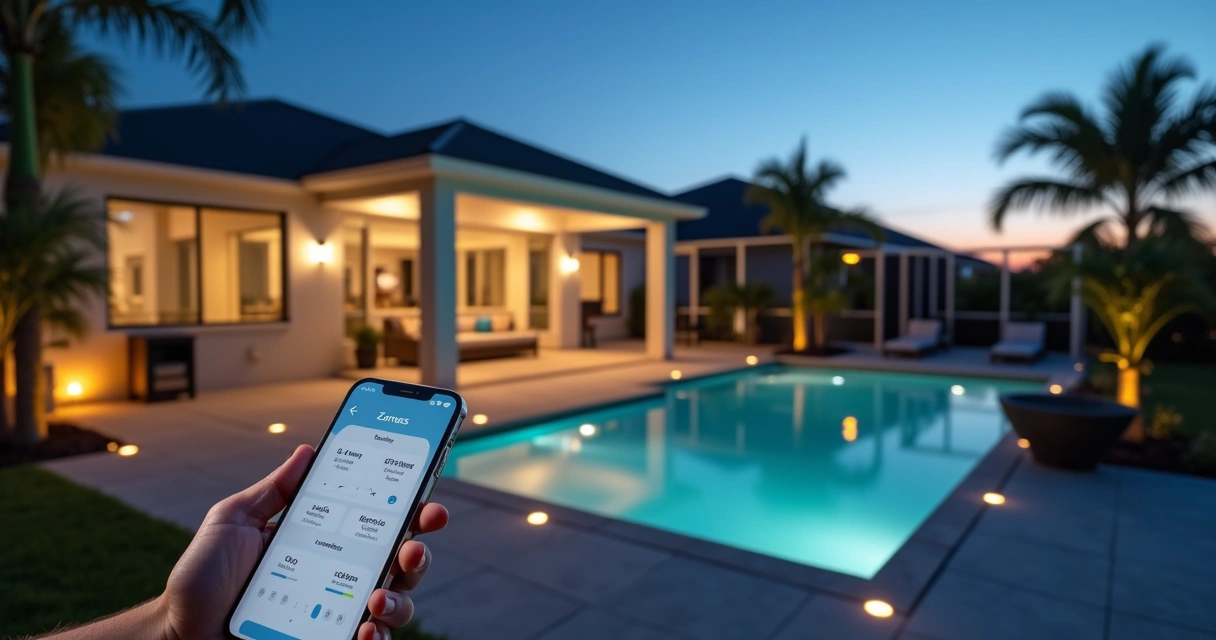
- Effortless control—change light moods, schedules, or brightness with a tap or a voice command.
Many in Central Florida appreciate how outdoor smart lighting handles unpredictable weather and dusk times throughout the year. For those investing in outdoor features—like the patios, pavers or artificial turf GCM Best Services designs—the difference in usability and enjoyment after dark is remarkable.
Key concepts of automated exterior lighting
It helps to see automated lighting as a network: fixtures, controls, and feedback systems all working together. Below are the basics:
- Smart fixtures: Outdoor-rated lights (LED, spot, path, strip) that connect to a control system, wifi, or hub.
- Controllers: Switches, plugs, or hubs you program or connect to schedules, sensors, or apps.
- Sensors: Devices that detect movement (motion sensors), changing light (photocells), or weather, for responsive lighting.
- Integration: Connecting lights with other smart devices or home automation platforms for advanced routines.
- Remote access: Control your lights from anywhere, get system alerts, or set them to mimic presence when you’re away.
In our projects across Orlando, homeowners often ask if automated lighting is suitable for pools, patios, driveways, or even screen enclosures. The answer, with correct rating and design, is yes.
Every space is unique; automation adapts to your needs.
How to plan your smart outdoor lights
We always recommend thoughtful planning before any installation. This is where our processes at GCM Best Services make a difference.
- Start by identifying key areas: entries, walking paths, patios, landscaping features, garages, or driveways.
- Think about purpose: do you want functional lighting, accent lighting, or both?
- Check power access and wifi coverage outdoors—sometimes, range extenders help in larger properties.
- Consider the look: Warm or cool lights? Color-changing features? Light intensity?
- Think future-friendly: Designs that can expand if you add more lights or integrate with other systems.
We advise checking any HOA guidelines and local permitting requirements—especially in locations like Orlando, where exterior upgrades may need sign-offs.
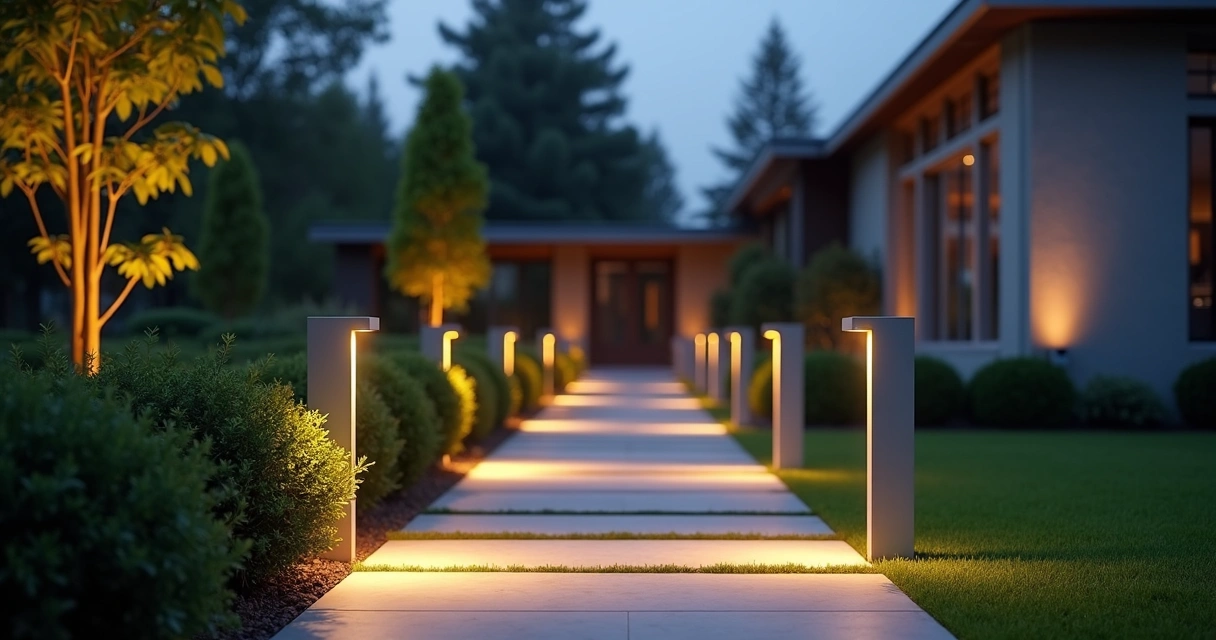
For information about integrating automated lighting with hardscape installations, see how we handle outdoor spaces for our customers at our hardscaping solutions.
Step-by-step: Setting up home automation for outdoor lighting
Selecting your lights and control system
The first step is to choose outdoor-rated fixtures that can handle local rain, heat, and humidity. Look for weatherproof LED options—spotlights, path lights, string lights, and wall fixtures with smart control built in or compatible with automation switches and plugs.
Next, pick the right automation system. Many are wireless, working with wifi or low-energy mesh networks. If you already have a home hub for other devices, like thermostats or security systems, check if your outdoor lights are compatible. This saves time and helps all smart devices talk to each other.
Integrating with home automation hubs
We see homeowners opt for either a dedicated lighting hub or an all-in-one smart home hub. Here’s how integration works:
- Connect your smart lights or plugs to the hub via the app or setup button.
- If you’re using lights compatible with voice assistants, link them by following on-screen prompts in your smart home app.
- Test local and remote access—important for controlling lights when you’re away.
It’s smart to map which lights control which areas, labeling them in your app, such as “front path,” “garage sconce,” or “patio string.” This streamlines control and troubleshooting later.
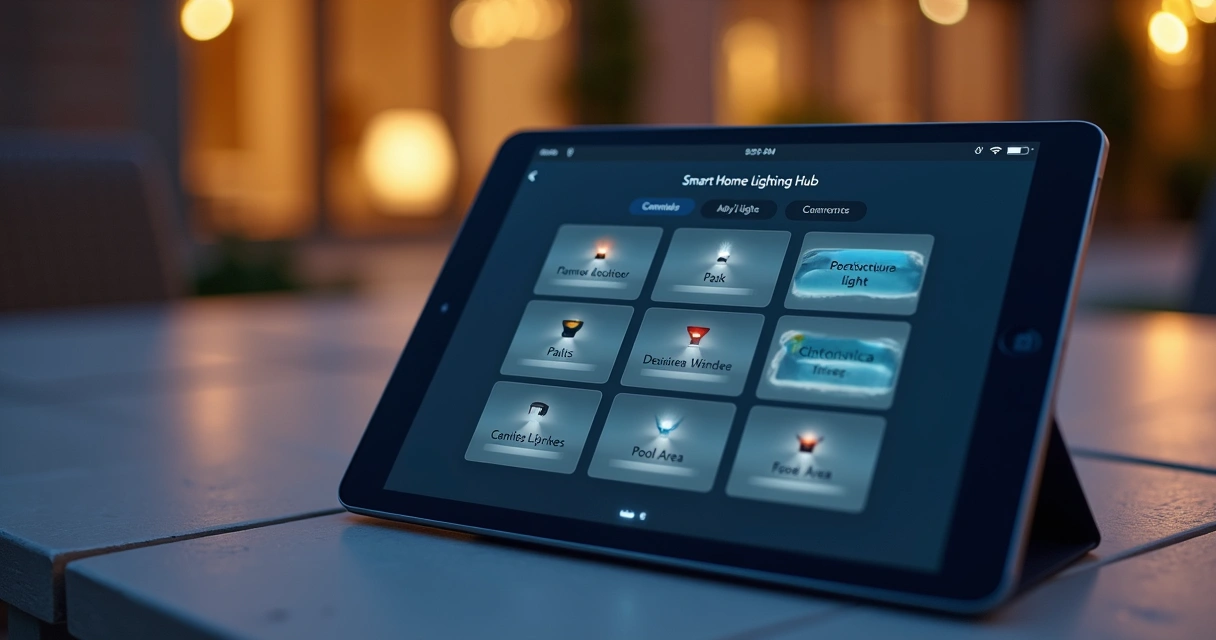
Programming schedules and scenes
One of the greatest strengths of automation is routine—no more manual switches needed. Here’s what we set up most often:
- Dusk-to-dawn: Lights automatically come on at sunset, off at sunrise, using astronomical timers or built-in photocells.
- Custom schedules: Timed scenes for evening gatherings, pathway lights, or porch lights for arriving guests.
- Vacation mode: Randomized lighting patterns to mimic occupancy when you’re away.
- Adjustable intensity: Dimming or color shift to change mood without swapping bulbs.
A tip we give customers: start with default schedules and check for dark spots or over-lighting. Adjust as you observe usage patterns over the first week.
Connecting sensors and smart devices
Add-ons make automation truly smart. Consider these ideas:
- Motion sensors near entries, walkways, or garages—lights turn on only when movement is detected.
- Door and gate triggers—lights turn on when a pool cage, screen door, or backyard gate is opened.
- Weather and ambient light sensors—react to rain or darker-than-expected evenings, keeping lights responsive to conditions.
In our work on outdoor environments, motion-activated lighting is especially valued for both safety and energy savings.
Installation, safety, and compliance
Not all installations are the same. For plug-and-play smart bulbs or wireless switches, setup is easy. For hardwired fixtures—like those lighting up driveways or patios—it’s best to have a licensed electrician. Outdoor wiring in Central Florida must be weatherproof and in compliance with local codes.
At GCM Best Services, we always recommend checking every connection and grounding point, and sealing any outdoor junctions against moisture. Proper care at installation can prevent many issues that might pop up during hurricane season or sudden rain.
How automated lighting improves safety and security
We hear time and again how outdoor lighting set to automation improves safety at homes and businesses. Here are just a few ways:
- Lights turn on automatically when you approach.
- Pathways and stairs are always visible at night.
- Randomized or pre-set schedules make homes appear occupied.
Smart lighting is a deterrent—empty homes never look empty.
Homeowners in Central Florida value this, especially for seasonal properties or vacation homes. Proper lighting can even lower the risk of accidents, making it a good addition to new patios, sidewalks or driveways. If you’d like to know how lighting fits with uplighting for pavers or walkways, our post on driveway and patio paving covers design tips.
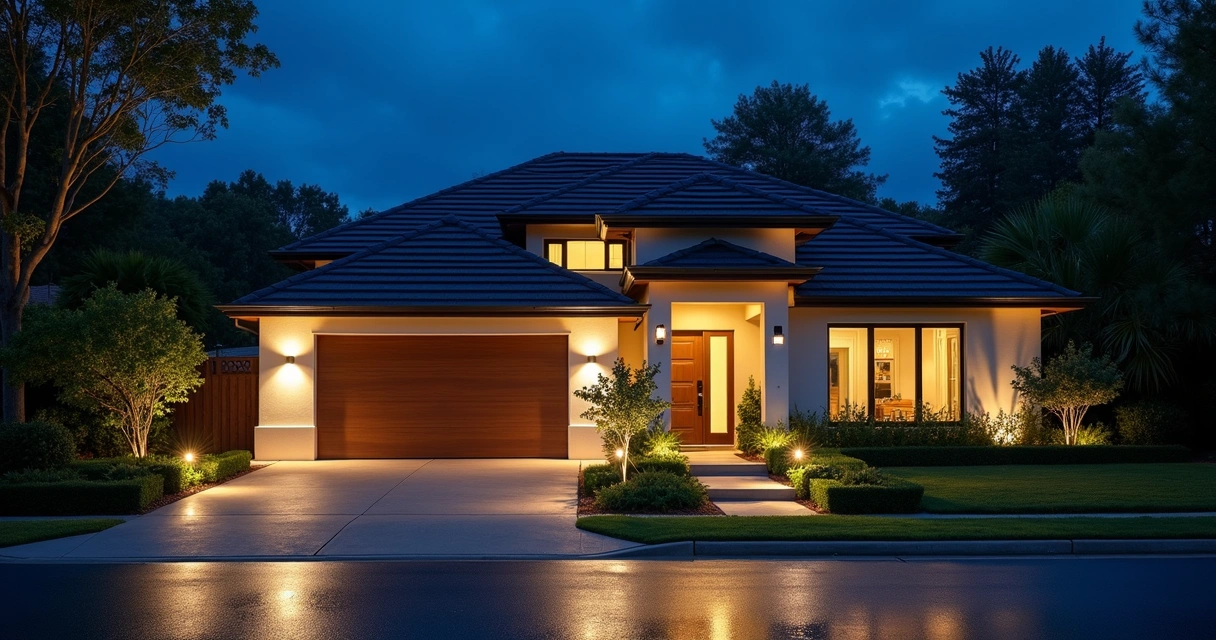
The energy and cost savings in Central Florida
Automated lighting isn’t just about the wow factor. Outdoor smart lighting consistently cuts energy usage, especially where long summer evenings turn into early nights.
- LED fixtures use far less electricity than traditional bulbs.
- Automation ensures lights are on only when needed.
- Schedule changes for daylight savings or storms can save even more.
Many homeowners notice real savings in their first utility bills after switching to automated exterior lights. Over the long haul, less usage translates not just to lower bills but less bulb replacement, since LEDs last much longer. It’s easy to see the return on investment within a few months, especially when expanding to larger outdoor spaces.
Maximizing outdoor entertainment and curb appeal
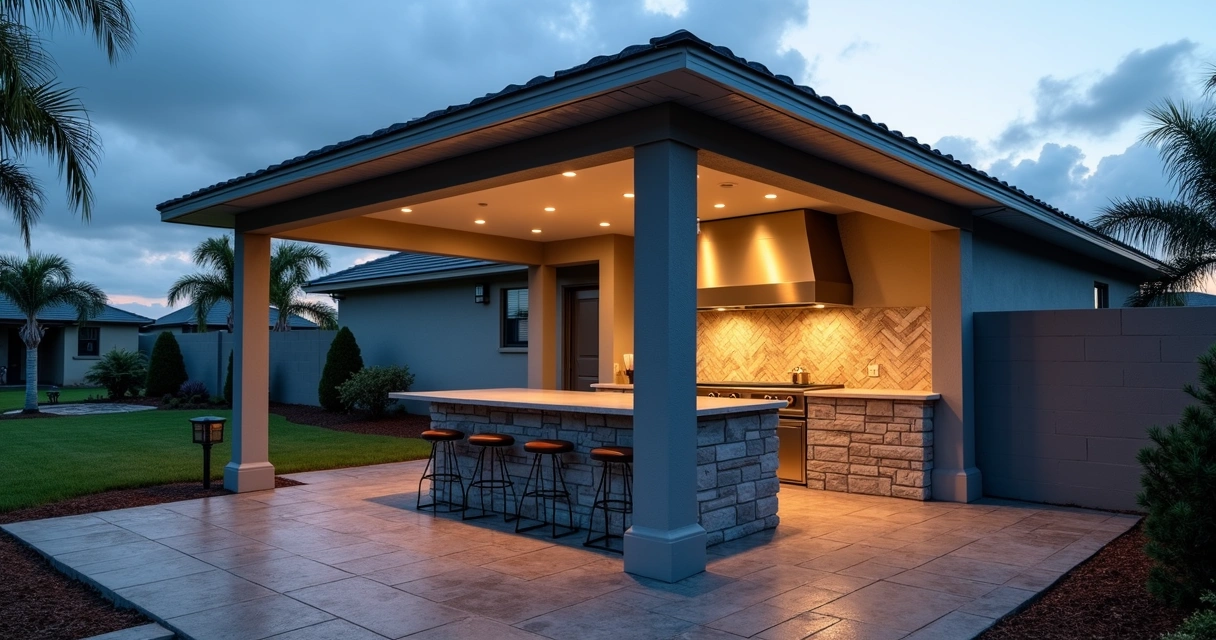
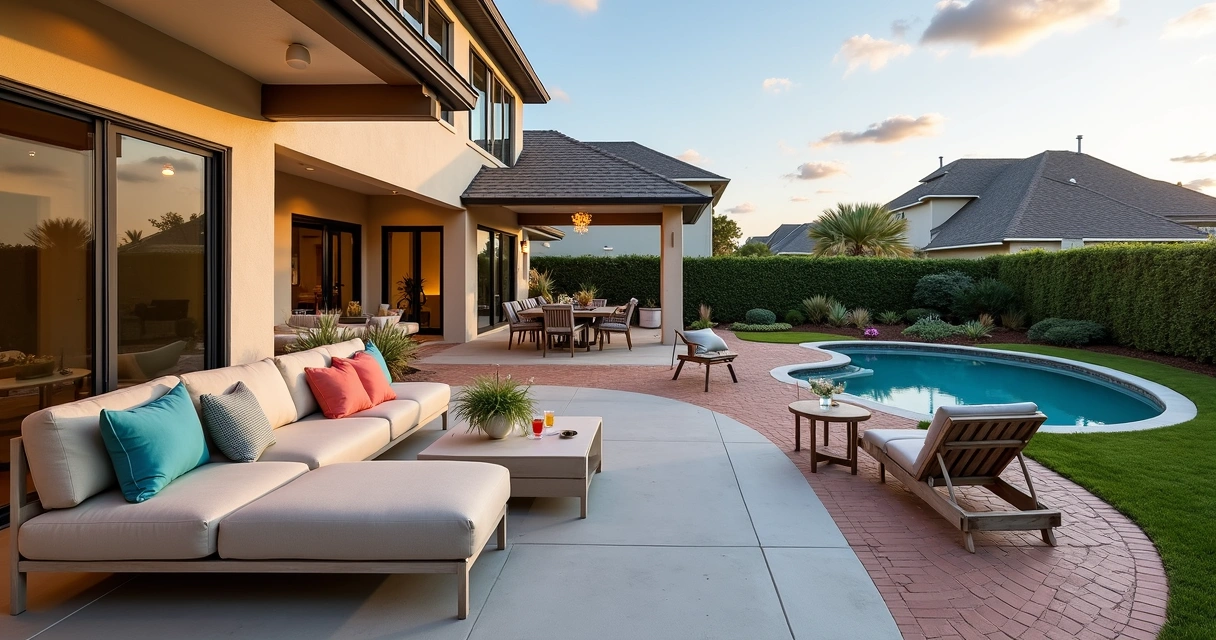
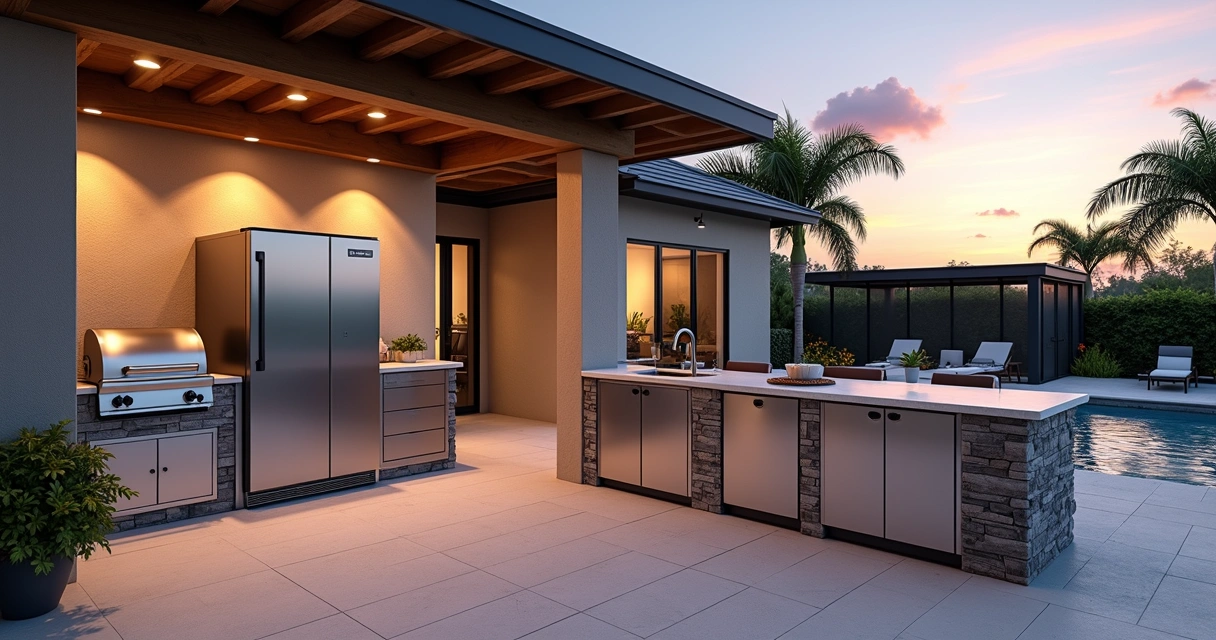
In Central Florida, evenings outdoors are practically a year-round lifestyle. Smart outdoor lighting adds value to patios, gardens, and summer kitchens—areas we help upgrade for GCM Best Services clients.
- Colored accent lighting sets the scene for holidays or parties.
- Zoned lighting lets you brighten cooking and dining zones while keeping ambient lighting gentle elsewhere.
- Adjust intensity instantly for late-night wind-downs or early evening fun.
- Highlight your turf, brickwork, or landscaping, even on drizzly nights.
If you’re planning an upgrade to your exterior living space, our hardscaping services in Orlando and guide to hardscaping have more ideas on integrating lighting for maximum style and impact.
A well-lit yard welcomes guests and invites relaxation.
Common mistakes and troubleshooting
Even the best automation projects hit a bump now and then. We’ve seen common issues, and share the solutions we apply on our jobs:
- WiFi dead zones—install a mesh network or outdoor wifi repeaters before setting up your system.
- Bulbs not responding—reset, re-pair, and make sure power or switches are in the “on” position.
- Wiring errors—only hire licensed professionals for new wiring or upgrades.
- Loose connections—weather and animals can affect outdoor cabling; check connections for corrosion or damage.
Sometimes it’s the app or hub itself—restart your device or update firmware before assuming hardware is at fault.
A final tip: make sure your lighting style complements your exterior. Our designers often work with homeowners to select fixture colors, lens types, or even lamp placement that shows your yard or patio at its best and works with features like artificial turf installations.
Getting the most from your outdoor smart lights
With home automation, what matters is how you live with your system. Whether you’re looking to boost curb appeal, add protection, or save money on your bills, a well-configured system will reward you every night.
- Update schedules seasonally for the best results.
- Set up notifications for error alerts or maintenance reminders.
- Explore new features, like color tuning or voice control, as you get more comfortable.
Outdoor lighting should work for you—not the other way around.
We know that every yard, patio, and driveway is unique. The flexibility of today’s smart lighting means you can find the balance of function, security, and beauty that’s right for your home.
Conclusion
GCM Best Services has seen firsthand how home automation for outdoor lighting transforms the way people use and enjoy their outdoor areas in Orlando and all of Central Florida. The mix of safety, easy control, energy savings, and bold aesthetics is something every property deserves. If you’re planning a new hardscape, patio, or landscaping project, pairing it with a smart lighting system can increase both value and everyday enjoyment.
Ready to make your outdoor spaces shine—on your schedule, year-round? Reach out to us for a consultation or assessment. Let us bring our experience, clear communication, and warranty-backed results to your next project.
Ready for a professional quote? 📞 (407) 250-1948 • 24–48h • Orlando, Tampa & area.
Frequently asked questions
What is home automation for outdoor lighting?
Home automation for outdoor lighting means using smart technology to control exterior lights automatically or remotely. This type of system often connects outdoor-rated light fixtures to wireless controls, timers, sensors, and mobile apps or hubs, allowing homeowners to manage lights by time, presence, or even weather conditions. With the right setup, lights can turn on and off with schedules, react to movement, or be controlled from anywhere using your phone or voice.
How to set up automated outdoor lights?
To set up automated outdoor lights, begin by selecting weather-resistant smart lights or smart plugs rated for exterior use. Connect these to your home wifi or automation hub according to the manufacturer’s instructions. Install or place the lights in the desired outdoor locations—driveways, patios, walkways, or landscaping features. Then, use the system’s app to group, label, and program schedules, such as dusk-to-dawn timing or motion-triggered activation. For hardwired installs, we always recommend a licensed electrician, especially in Central Florida where weather can challenge outdoor wiring.
Is outdoor lighting automation worth it?
Outdoor lighting automation is usually well worth the investment for most homeowners, especially in areas with high outdoor activity or security concerns. The benefits include energy savings from precise schedules and motion sensing, better security by simulating occupancy and deterring intruders, greater convenience, and an immediate increase in curb appeal and safety. Most users see not just improved comfort, but a reduction in their electricity bill over time.
What are the best smart outdoor lights?
The best smart outdoor lights are those that match your local climate, lighting goals, and preferred controls. Look for outdoor-rated (IP65 or higher) LED fixtures, such as floodlights for security, path and step lights for walkways, or spot and accent lights for landscaping. Choose lights that are compatible with your smart home system—wifi, Zigbee, or Z-Wave, depending on your hub—and favor those with app support, voice control, and strong warranties. Always verify they can withstand Florida’s humidity and rain.
How much does automation setup cost?
The cost of automating outdoor lighting can vary based on project size, lighting type, and level of smart features. For small DIY projects using plug-in smart bulbs or plugs, you might spend $50–$200. Larger installations with hardwired, multi-zone smart lights and sensors installed by professionals can range from several hundred to several thousand dollars, especially if new wiring, wifi extenders, or outdoor hubs are needed. For tailored quotes, a no-obligation visit from a local contractor—like GCM Best Services—will provide a clear estimate and help choose the most effective setup for your property.