If you live or own a business in Orlando or the surrounding Central Florida area, you know the value of a smooth, glossy, resilient epoxy floor—be it in your garage, warehouse, retail space, or even residential interiors. At GCM Best Services, we’ve seen first-hand how a properly installed and maintained epoxy system stands up to Florida’s tough conditions. However, no coating lasts forever. The topcoat is the armor that guards your floor from stains, moisture, hot tire pickup, abrasion, and most importantly, the harsh Florida sun. Once it starts to break down, your floor can quickly lose its beauty and protective qualities.
In this article, we walk you through the five key warning signs that tell you your epoxy floor needs a new topcoat soon. Along the way, we share insights from scientific studies, our direct experience, expert repair tips, and clear steps you can take to keep your investment looking and performing its best.
Why the topcoat matters for epoxy flooring
When we talk about epoxy floors, the topcoat is the final, transparent (or lightly tinted) shield that locks in color, texture, flakes, or quartz and delivers a glossy or satin finish. But it’s much more than just a shiny layer. Here’s what a high-quality epoxy or polyaspartic topcoat really does:
- Protects from UV rays and keeps the base epoxy from yellowing or chalking.
- Makes cleaning easy by sealing pores and blocking stains.
- Adds resistance to scratches, impacts, and daily traffic.
- Controls moisture migration from concrete for a longer-lasting system.
- Provides slip-resistance when broadcast media like flakes or quartz are used.
According to a peer-reviewed 2022 study comparing coatings in salt and regular water, epoxy coatings show the strongest short-term adhesion and lowest water absorption among various industrial coatings. This means a fresh, intact topcoat is your best defense against Florida’s frequent summer downpours, humidity swings, and, in coastal communities, even the occasional indoor exposure to salt spray.
Sign #1: Your floor looks dull, chalky, or yellowed
One of the easiest signs to spot is a clear change in appearance. If your once-glossy, showroom-grade epoxy floor now looks flat, faded, or yellowed in color, your topcoat is probably losing its effectiveness.
Gloss loss and yellowing happen particularly fast in sun-exposed areas—think garage doors left open, entryways with glass, or poolside patios. Even UV-resistant formulations gradually break down under repeated Florida sunlight. Over time, this exposes the color flakes or pigment layer, sometimes causing patchy or uneven color tones.
Unlike simple dust, this change won’t clean away with a mop. If your floor remains dull even after a thorough wash, or if you see uneven shine, that’s your first clue. For business settings, a faded floor can make a poor impression on customers. At home, it’s often a source of frustration for owners who chose epoxy specifically for its visual appeal.
Glossy floors boost both beauty and protection. Don’t ignore dullness—it’s a warning from your topcoat.
This is actually the number one complaint we hear at GCM Best Services when customers call about garage or warehouse flooring. Once the clear top layer loses its optical pop, the underlying floor becomes more vulnerable to further damage. While it might look cosmetic at first, it’s a warning that the shield is wearing thin.
Sign #2: You see scratches, scuffs, or abrasion marks
Daily living in Central Florida means dragging lawn equipment, parking hot tires, moving boxes, or—if it’s a commercial job—incessant cart and foot traffic. These actions are tough on any coating, no matter how hard it is.
Scratches and scuffs aren’t just about looks. Each mark means the protective topcoat has been cut or eroded away at that spot, leaving the weaker base epoxy exposed. Once the base coat is unprotected, even minor moisture or chemical spills can leave permanent stains. Over time, repeated scratches turn into dull “traffic lanes” or awkward-looking paths across the floor. This is even more noticeable in areas where sand, grit, or salt from shoes accumulates—like entryways or garages during Florida’s rainy season.
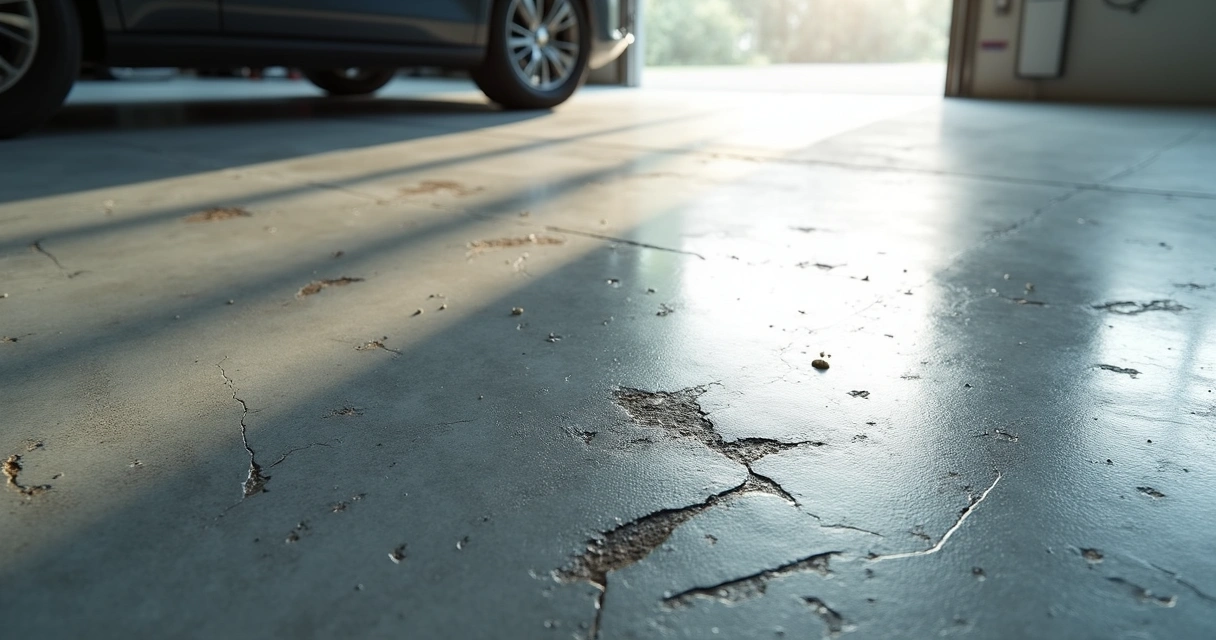
In our experience, the earliest abrasion shows up right where you step in with sand on shoes, park your car’s front tires, or move items repeatedly. Homes with pets may also see claw marks collecting near doors. If you run a warehouse or auto shop, scratches on the floor aren’t just unsightly—they can lead to safety problems if ignored.
Don’t wait for big gouges or chips to appear. Even small, repeated scratches signal that your floor’s topcoat may need prompt attention. Although some surface marks can be buffed out if caught early, most require a careful reapplication of a new topcoat to restore full protection and shine.
Sign #3: You notice peeling, flaking, or bubbling
Properly installed and cured epoxy floors rarely “peel” like paint on a wall. However, as the topcoat ages, or if it was applied during humid/rainy conditions or onto inadequate prep, you may find:
- Peeling—Sections of the top layer lift, curl, or detach from the base.
- Flaking—Thin chips break off at edges or expansion joints.
- Bubbling/blistering—Small “domes” of trapped air or moisture under the clear surface, which pop under foot traffic.
All of these problems expose the absorbent underlying epoxy to liquids, dirt, and general wear. If left untreated, those weak spots grow quickly—the next thing you know, your floor’s color flakes or even the concrete itself can start delaminating, which calls for costly repairs. Peeling almost always starts at floor drains, corners, door thresholds, or spots where water sits after storm events or pool activities.
The good news? A professionally applied new topcoat, after proper surface prep, will bond tightly and prevent further peeling or blistering. Studies like those cited by Cornell University guidance for flooring systems highlight how key correct concrete prep and humidity control are for system longevity.
Sign #4: Your floor feels rough, gritty, or uneven
The best epoxy floors are as smooth as glass—with the exception of deliberate texture for slip resistance. When the topcoat degrades, though, things change. Do you feel grit or fine bumps underfoot when walking barefoot or sliding over the floor with a broom?
This roughness often happens because:
- The topcoat has worn away, exposing the sharp edges of decorative flakes, quartz, or sand broadcast for traction.
- Dust and grit from concrete or outdoors embed into micro-pores as the coating loses its tight seal.
- Small, fine cracks (“crazing”) develop in the clear layer due to age or Florida’s humidity cycles.
Any of these create an uncomfortable or even hazardous walking surface. It’s particularly obvious in garage or patio settings, where bare feet or sandals notice every rough patch. When you run your hand across your floor and it doesn’t glide, it’s a sign your floor’s armor is failing in places.
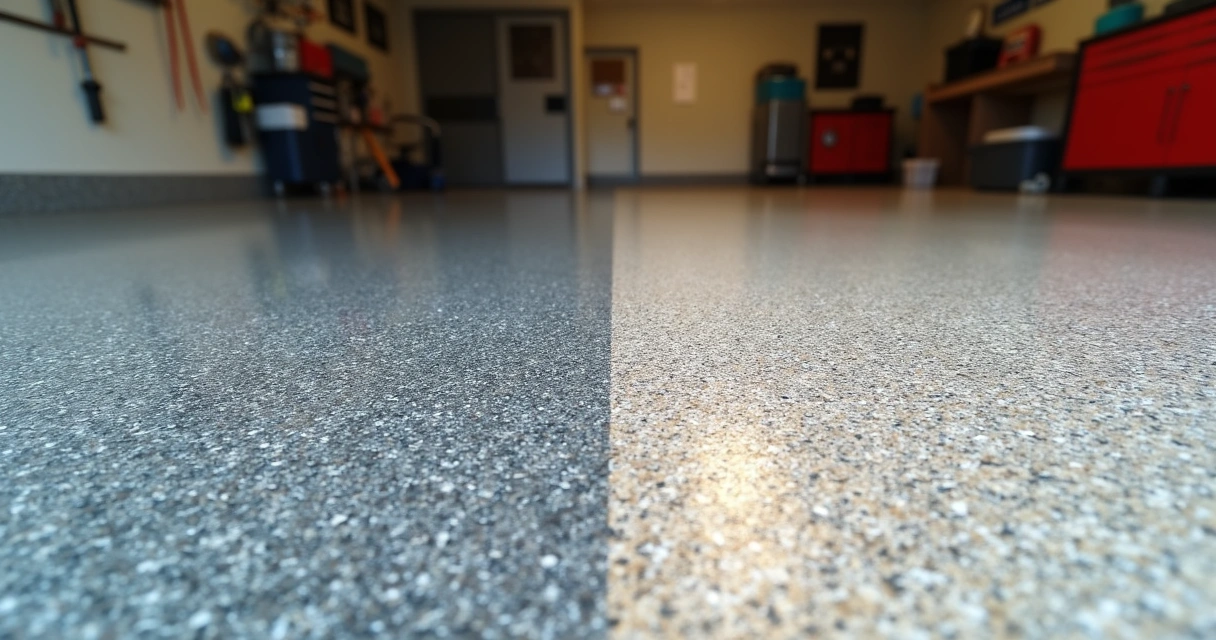
Aside from comfort, surface roughness accelerates dirt buildup and makes regular cleaning less effective. You’ll see your mop pick up more “gray water” in these areas, a hint that the pores are absorbing liquid rather than shedding it. This is one of the earliest warning signs we catch during a site walk, especially in older installations across Central Florida.
Sign #5: Chemicals, oil, or water start leaving stains
Epoxy systems were invented in part to block staining from oil, antifreeze, pool chemicals, food or drink spills, and humidity. When the topcoat is intact, you’ll notice how most spills bead up and wipe away, leaving no trace.
But as the surface wears down, you’ll see the floor start to “drink in” liquids. That produces dark shadowy marks, sticky spots, or, in the case of chemicals, even etching and discoloration. Over time, these stains can become impossible to remove, permanently changing your floor’s appearance and sometimes creating hazardous conditions in commercial spaces.
The University of Minnesota’s research on epoxy-coated concrete structures shows that timely maintenance is key to avoiding long-term deterioration and the need for much bigger repairs. Once stains set in or etching appears, a new topcoat is needed to restore both looks and performance.
Spills are unavoidable. But stains are a strong signal your topcoat is past its prime.
This sign is sometimes the most convincing motivator for replacement. Whether it’s a constant damp area in your garage after rain, or a stubborn oil spot in your auto bay, the message is clear: restore the protective layer and regain control over your floor’s cleanliness and value.
What causes a topcoat to wear out in Florida?
We’re often asked, “Why did my floor’s topcoat fail so soon?” The answer in Central Florida comes down to several factors:
- Sun and UV exposure: Garages, lanais, pool decks, and any spots with sunlight age much faster. Polyaspartic topcoats offer an upgrade over basic epoxies here, but reapplication cycles may still be needed every few years.
- Concrete moisture migration: High water tables and seasonal storms mean concrete in Florida “breathes” a lot. If the system isn’t moisture-tested or is installed prematurely, hydrostatic pressure may push up under the topcoat, causing blisters or eventual loss of adhesion.
- Heavy traffic: Warehouse forklifts or high-traffic residential pathways wear away coating faster than rarely-used storage closets.
- Poor surface prep or thin application: As highlighted by various university studies, a surface with poor grinding and insufficient build thickness won’t anchor the topcoat as well—so it fails early compared to a precision system from experienced contractors like GCM Best Services.
- Aggressive cleaning chemicals: Overuse of harsh degreasers, acids, or strong solvents can slowly break down resin bonds in the clear layer.
Every floor and environment is different. In our region, warm temperatures speed up chemical wear, sunlight is more intense, and year-round use means less time for coatings to “rest.” Recognizing the unique needs of Florida floors is why GCM Best Services uses moisture testing, professional grinding, and only proven products matched to each site’s traffic and exposure level.
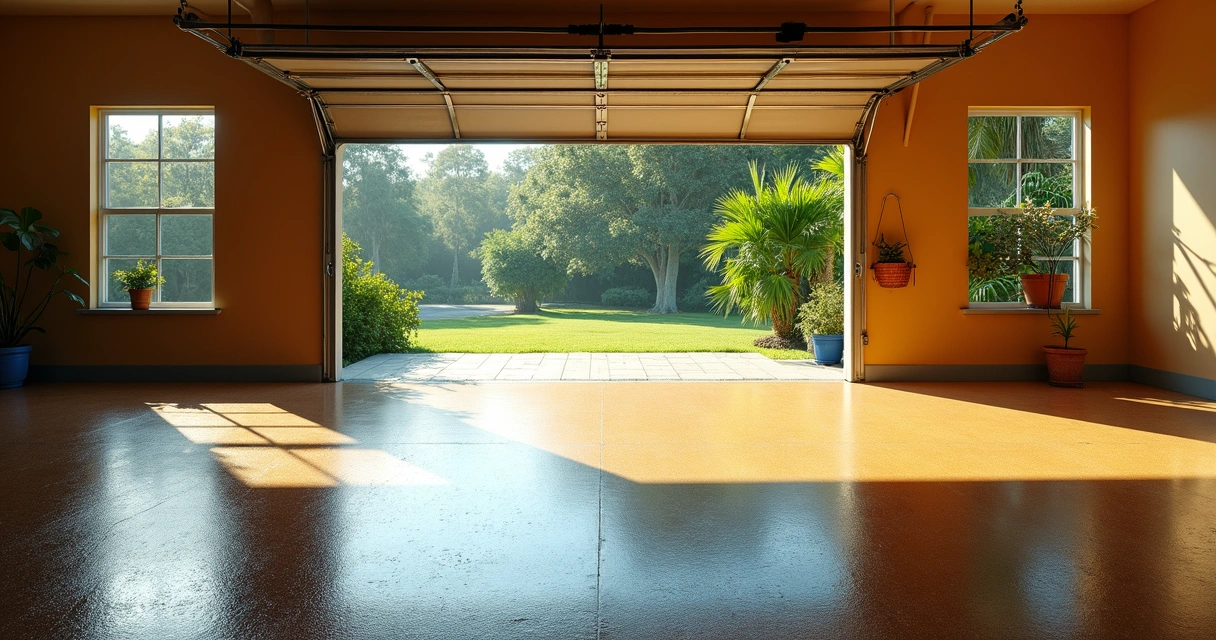
How often should you renew your topcoat?
This is another common question. There’s no “one size fits all” answer, but based on the 2022 scientific findings on epoxy coating durability and decades of in-service results across the U.S., we find the following is typical for Central Florida:
- Residential garages (average use): Every 4–6 years for polyaspartic and 3–5 years for standard 100%-solids epoxy, with regular inspections.
- Commercial/retail spaces: Every 2–4 years, depending on traffic and cleaning regimen.
- Patios, pool decks, and entryways: Every 2–3 years in direct sun or heavy weather; up to 5 years in shaded, lower-use areas.
These intervals can be shortened if you notice any of the five signs we just outlined. Fast action saves money and prevents more extensive repairs, especially when you catch topcoat failure before it exposes colored flakes or bare epoxy to Florida’s harsh environment.
What to do if you see these signs: Steps to refresh your topcoat
Once you notice any warning signals, it’s time to act. The process for restoring your epoxy floor’s topcoat is straightforward when managed by trained professionals:
- Thorough surface cleaning—Remove all dirt, debris, and stains to judge the full extent of wear.
- Mechanical abrasion—Professionally grind the entire floor to create a proper bonding profile for the new topcoat. Home methods rarely deliver the needed evenness or roughness.
- Repair chips and cracks—Patch areas where damage has eroded past the clear coat to the colored base or to concrete below.
- Moisture testing—Key in Florida! Trapped moisture must be addressed before a new topcoat can safely cure.
- Apply fresh topcoat—Use a high-solids polyaspartic or premium-grade clear epoxy, sometimes with slip-resistant media or gloss enhancers depending on location and traffic needs.
- Cure and inspect—Let the floor cure as recommended (often just a few hours for modern polyaspartics), then inspect for uniform finish and protection before returning to full use.
If you’re unsure about the condition of your floor, a no-obligation site visit from our GCM Best Services team can provide honest feedback and a clear, lasting plan for renewal.
How GCM Best Services helps you keep your epoxy floor looking new
We’re lucky to serve Central Florida, where outdoor living, business innovation, and smart investing in property protection are valued. At GCM Best Services, we know epoxy floors and their needs, with a full range of solutions:
- 100% solids epoxy and fast-curing polyaspartic coatings made to withstand Florida’s heat, wind, and humidity.
- On-site moisture testing and surface grinding for a lasting bond on every recoat project.
- Flexible scheduling, night crews for business, and full written warranties.
- Guidance on color, slip resistance, and maintenance so you can enjoy long-term results—plus repair expertise for cracks, water damage, and drainage issues.
We also manage all permitting and HOA considerations, especially if your project includes transitions to concrete, paver, or turf areas. Because your epoxy floor should fit beautifully with your driveway, patio, or pool deck, you might also enjoy our deep resources on concrete best practices, licensed repairs, and preventing cracks—all designed for Central Florida’s unique soils and weather.
If you're choosing a concrete company or starting a new project, our detailed installation guides such as how to choose insured contractors in Orlando or the installation guide for St. Cloud driveways and patios can also help.
Time to take action?
If any of these five signs are sounding familiar, don’t let your valuable investment slip away.
Act early and save your floor—from dull, worn, or stained to vibrant and protected once again.
We know every corner of Orlando, Tampa, and the wider Central Florida area. With GCM Best Services, you get durable materials, careful prep, and honest communication backed by photo documentation, written warranties, and solutions designed to last. Want to know more or book your free on-site assessment?
Ready for a professional quote? 📞 (407) 250-1948 • 24–48h • Orlando, Tampa & area.
Frequently asked questions about epoxy floor topcoats
What is an epoxy floor topcoat?
An epoxy floor topcoat is the final, clear or lightly tinted layer applied over a colored epoxy base to add chemical, abrasion, and UV resistance while locking in color and texture. The topcoat also gives the floor its signature shine, helps with slip resistance (if broadcast with flakes or quartz), and makes cleaning much easier. In many modern systems, polyaspartic resins are used as a topcoat for even faster curing and improved UV stability.
How often should I recoat epoxy floors?
Most residential epoxy floors in Central Florida need a new topcoat every 3–6 years depending on sun exposure and use, while commercial and high-traffic areas may need one every 2–4 years. Frequent inspections help you catch wear early, saving you money on repairs and preventing stains or deeper damage.
How can I tell my topcoat is failing?
The main warning signs are loss of gloss, yellowing, scratches or dull abrasion lanes, peeling or flaking patches, and new stains that won’t clean away. If the floor feels rough or uneven instead of smooth, or if spills start soaking in, your topcoat likely needs renewal.
Is it worth it to add a new topcoat?
Absolutely—a new topcoat restores protection, shine, and stain resistance, avoiding bigger repairs and keeping your floor investment strong. A timely recoat is much less expensive and disruptive than a full removal and replacement, plus it lets you refresh color or add texture if your needs change.
Where can I get the best topcoat products?
The best results come from using professional-grade epoxy or polyaspartic topcoats installed by licensed contractors with experience in your region’s climate. GCM Best Services sources industry-leading materials and handles precise installation, surface prep, and warranty coverage for all Central Florida projects—including homes, garages, businesses, and entertainment spaces.