Living in Central Florida means warm sunshine, sweltering summers, and air conditioners that rarely get a day off. For homeowners, finding real ways to beat the heat—and keep electric bills in check—is a constant challenge. We at GCM Best Services have worked with countless Orlando families searching for affordable solutions. One option that’s rising fast: energy-saving exterior paints specially designed for hot, humid climates.
But do these “cool” coatings really work in Florida’s relentless sun? And how do you pick the right one for your home’s unique needs? In this in-depth guide, we’ll explain the science behind reflective paints, what to look for when shopping, the pros and cons, and how professional application maximizes performance. As expert painting contractors in Central Florida, our team brings hands-on experience and honest perspective to every recommendation.
Let’s see how the right exterior paint can do more than refresh your curb appeal—by cutting costs and boosting comfort all year long.
Why heat matters: Florida homes and summer energy stress
Every summer, utility demand spikes across the state as air conditioners hum for hours. In Orlando and much of Central Florida, outdoor temperatures easily hit the 90s and sometimes higher, while humidity slows the cooling of exterior walls and roofs. Strong sunlight hits everything—not only the roof, but also walls, patios, driveways, and other surfaces, making them radiate extra heat indoors.
Home energy experts agree: most unwanted summertime heat doesn’t enter from open windows, but through the walls and roof by way of conduction and radiation. Typical “hot spots” include unshaded southern and western exposures, older stucco and concrete blocks, and dark-color paint that absorbs instead of bouncing away the sun’s rays. That’s when HVAC has to work twice as hard, raising power bills and sometimes leaving certain rooms less comfortable.
Cooler walls, cooler rooms, lower bills.
By making exterior surfaces reflect more sunlight and shed heat quickly, we can take some strain off the air conditioner and keep interiors noticeably cooler.
How energy-saving exterior paints work
Energy-saving, or “cool,” exterior paints use new formulas that reflect more sunlight—especially the invisible infrared rays that cause most surface heating. These special coatings are similar to the technology in cool roofs: instead of absorbing solar energy, they bounce it away, so surfaces stay much cooler even in the midday Florida sun. This reduces the heat that seeps through walls and can mean a measurable drop in indoor temperature.
These paints look like regular exterior paint and come in colors ranging from light to medium, but the real “magic” is hidden in the pigment and binder. Certain formulas even use tiny ceramic spheres or advanced polymers to improve reflectance and make the paint more durable.
The science of reflectivity
The most important property of energy-saving paint is solar reflectance—how much sunlight, both visible and infrared, is bounced away from the surface. Conventional paints, especially dark or deep tones, absorb over half of incoming sunlight. Reflective or “cool” paints can reflect 60 to 90% of solar energy, depending on product and color.
For example, recent research into plasmonic paints that reflect the full infrared spectrum shows surfaces can stay 25–30°F cooler than standard paints. This leads to real options for lowering AC use at the source—by stopping some of that heat from entering in the first place.
Lowering temperatures indoors and out
Studies from the U.S. EPA note that cool roofs and walls can lower peak indoor temperatures by 2.2–5.9°F in non-air-conditioned buildings. In homes where AC runs constantly, that difference often means the thermostat cycles less, uses less energy, and reduces wear on the unit.
The Florida Solar Energy Center has reported average air conditioning savings of about 19% for homes using roof coatings with high reflectance. Some homes saw savings up to 43%, depending on insulation, color of the coating, and how well the paint was applied.
Reflective paint on walls, not just roofs, may also be effective. As detailed by Lawrence Berkeley National Laboratory research on cool exterior walls, increased reflectance on vertical surfaces in warm climates can save as much energy as roof coatings, especially in Florida-style concrete block houses.
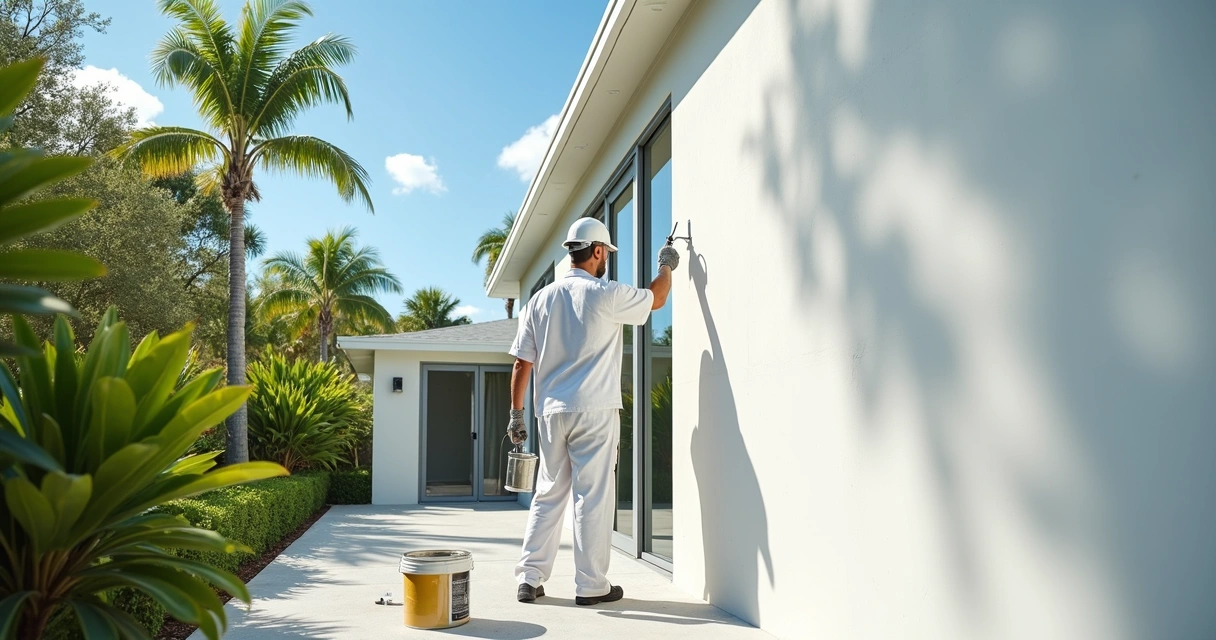
Types of energy-saving paints for Florida’s climate
With more options on the market and expanding research like the Stanford paint that cools buildings in summer while keeping heat in during winter, it helps to know what’s available and what works best for Florida homes.
Ceramic and elastomeric “cool” coatings
Ceramic-based paints use microscopic hollow spheres that reflect light and heat, creating a barrier that reduces surface temperature. These coatings are popular for both wood and stucco surfaces as well as concrete block walls, making them ideal for many Florida homes.
Elastomeric formulations add durability, stretch to bridge hairline cracks, and offer water resistance—plus improved color retention under relentless sun.
Light- and medium-color formulations
Paint color matters more than you’d think. Even without fancy chemistry, lighter colors reflect more solar energy than dark hues. Today’s energy-saving paints use special pigments to boost reflectivity in a range of whites, beiges, light blues, pastel greens, and pale gray or tan tones that look more natural on Central Florida architecture.
Infrared-reflective and heat-blocking paints
Some advanced paints use ingredients designed to reflect invisible infrared rays (the real “heat-makers”) as well as visible light. If you want top performance without always having to “go white,” check the paint’s total solar reflectance rating in the technical data.
The right color can drop exterior wall temperatures by over 20°F under direct sun.
Is it just for walls? Applications on other surfaces
Energy-saving coatings are not just for stucco or siding. We often recommend them for block walls, pool cages, architectural accents, and even compatible roofs (when proper for the material). Some driveways, patios, and lanai surfaces can also benefit from cooler, slip-resistant coatings—ask our paving and painting teams at GCM Best Services about options for your outdoor surfaces.
Benefits of energy-saving exterior paints in central Florida
Why are more homeowners choosing these reflective paints? Because the results show up quickly—both in comfort and in reduced demand for cooling. Here are the top benefits our customers mention:
-
Lower indoor temperatures: By bouncing sunlight away, inside rooms can feel several degrees cooler, especially those facing south or west.
-
Reduced air conditioning costs: Studies like those by the Florida Solar Energy Center and field experience show monthly savings of 10–20% are possible in many homes.
-
Improved comfort and livability: Less heat gain means fewer hot spots, less need for window blinds, and more even cooling throughout the home.
-
Better exterior durability: Cool paints are engineered to resist fading, chalking, and cracking—key for Florida’s heavy downpours and UV rays.
-
Lower maintenance: By shedding heat and resisting algae and mold, these paints stay brighter with less frequent repainting.
We have seen that using the right paint extends the life of stucco, concrete, and siding, cutting down on repairs and repeat projects. This is especially true when paints come with warranties and are professionally applied, as GCM Best Services does for residential and commercial clients.
How to choose the right energy-saving paint for your home
Picking a paint that works in a humid Florida climate isn’t just a matter of grabbing a can off the shelf with “energy-saving” written on it. In our experience, here’s what to evaluate:
-
Total solar reflectance (TSR): Look for paints with a published TSR value—higher is better for beating the heat.
-
Color selection: Whites and light pastels outperform dark colors, but some modern coatings use IR-reflective pigments to achieve better results even with deeper hues.
-
Surface compatibility: Not all paints stick well to stucco, masonry, or previously coated surfaces. Match the product to your wall material for the best results.
-
Moisture and mildew resistance: Humid summers mean you should pick paints with built-in protection against mold and algae growth.
-
Warranty and certified performance: Choose paints tested for Florida’s climate, with written warranties for reflectance and coating longevity.
We recommend a direct site visit by experienced professionals to test moisture, review prep needs, and discuss color options that’ll satisfy your HOA and personal taste.
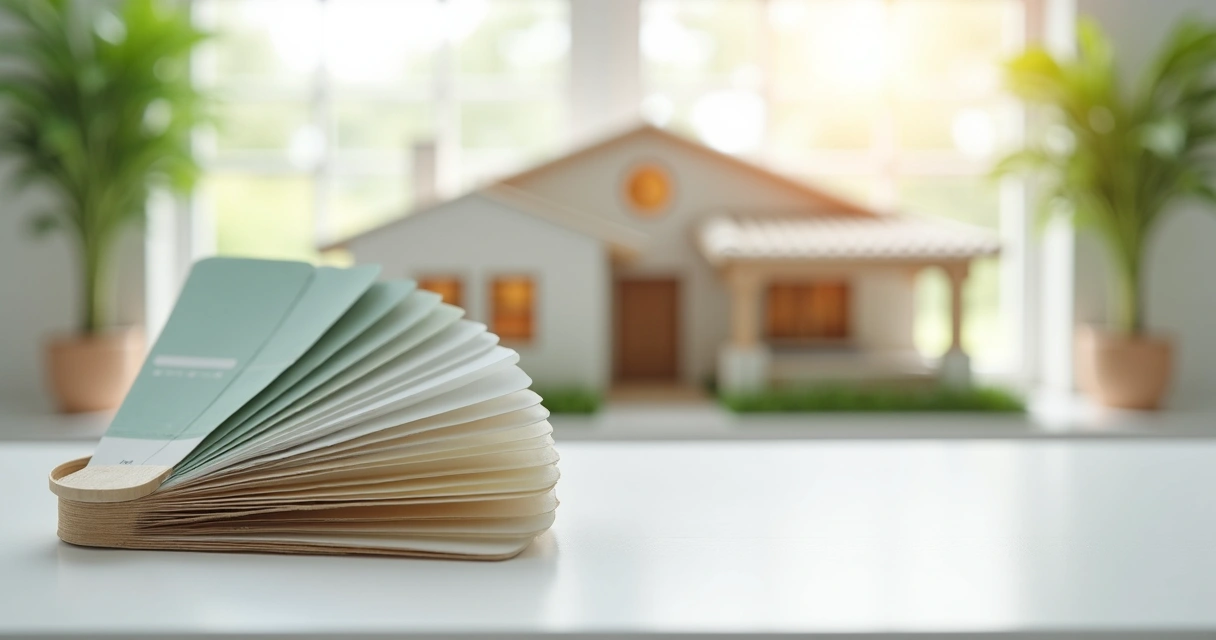
Preparing and applying energy-saving exterior paints
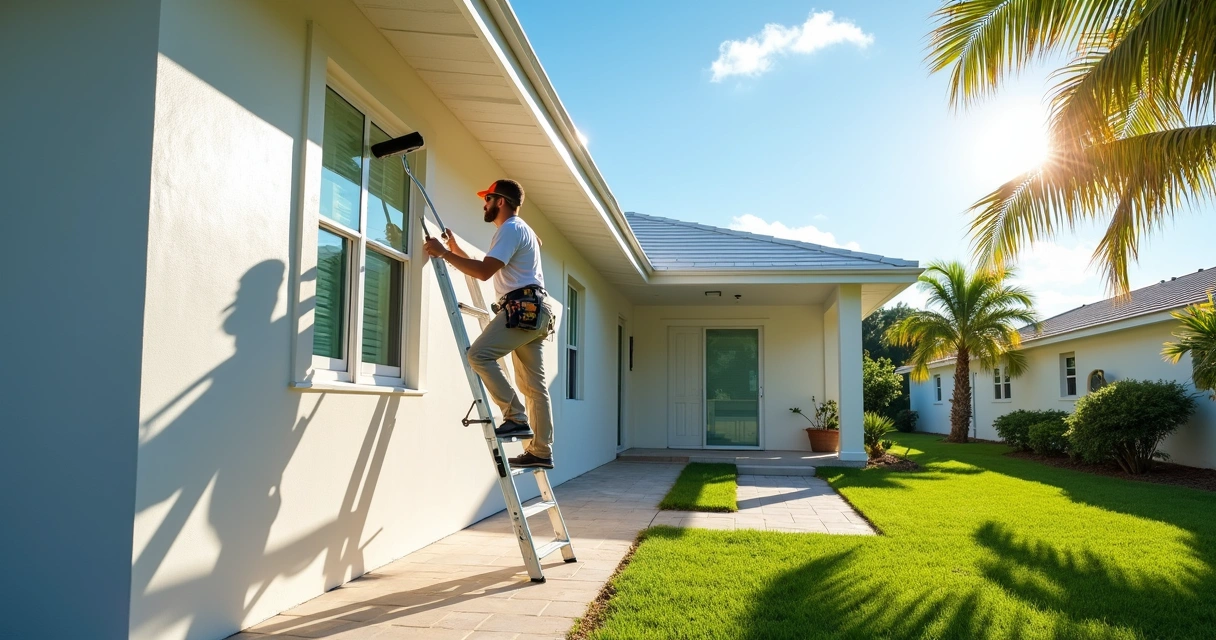
Application matters as much as the product. At GCM Best Services, we follow a step-by-step process to ensure lasting results with every painting project performed in Orlando and Central Florida.
-
Surface inspection and prep: We start with a free assessment, checking for cracks, loose stucco, peeling paint, efflorescence, and moisture issues.
-
Cleaning and priming: Thorough pressure washing removes algae and dust. Primer seals the surface and improves coating adhesion—key for Florida’s climate.
-
Choosing the right finish: We recommend high-build or elastomeric coatings for extra thickness and durability. Professional color matching ensures HOA compliance.
-
Correct application: Using sprayers, rollers, and brushes selected for each surface guarantees even coverage and maximum heat reflection.
-
Quality control: Photos, documentation, and a final walkthrough with the homeowner ensure every job meets expectations.
Detailed instructions and maintenance guides are provided after every project, so you always know when to repaint or touch up for years of comfort savings.
Challenges and practical tips for Florida homeowners
While the promise of lower cooling bills and higher comfort is real, we’re honest about the practical challenges too. Here’s what Florida families should keep in mind:
-
Extreme sunlight will fade even the best colors eventually. Choose paints with UV inhibitors and consider periodic cleaning to keep reflectance high.
-
Energy-saving paints offer their greatest benefit on large, sun-exposed southern and western walls. Shaded or north-facing walls will see less impact.
-
Compatible roof coatings can further boost whole-house savings—ask us about these combined projects for your property.
-
Prep and application details (from patching cracks to timing the paint job during dry weather) matter more in Florida’s climate than in most locations.
-
All paints should comply with HOA guidelines and local code, especially when part of a storm-hardening or exterior renovation plan.
Frequently overlooked surfaces: patios, driveways, and outdoor spaces
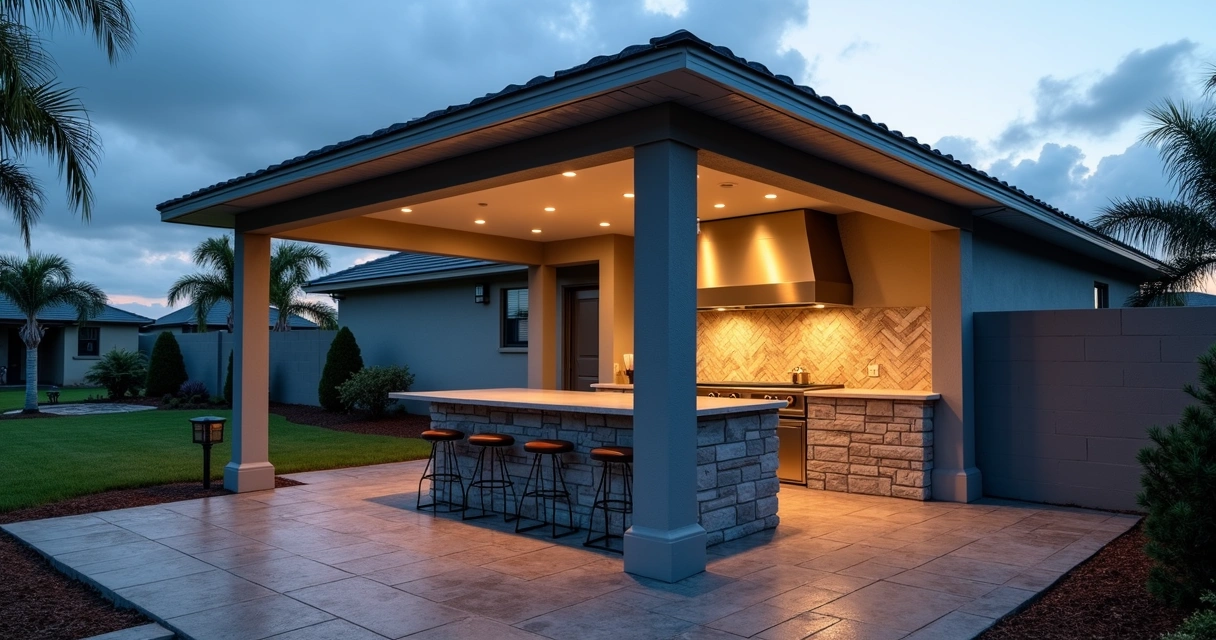
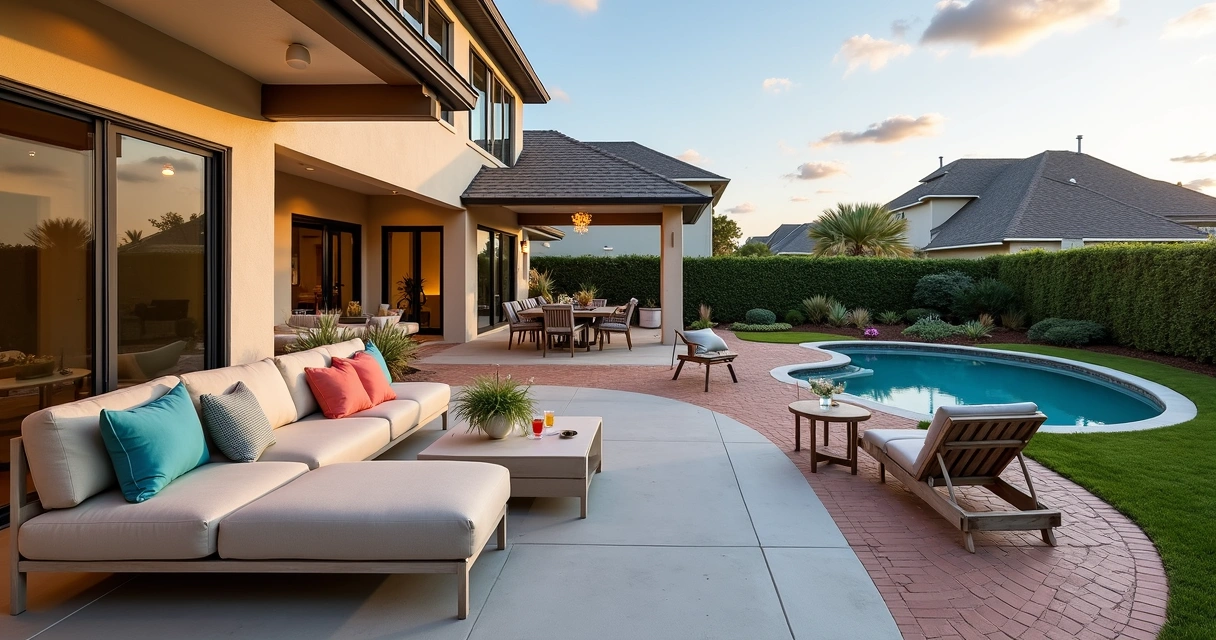
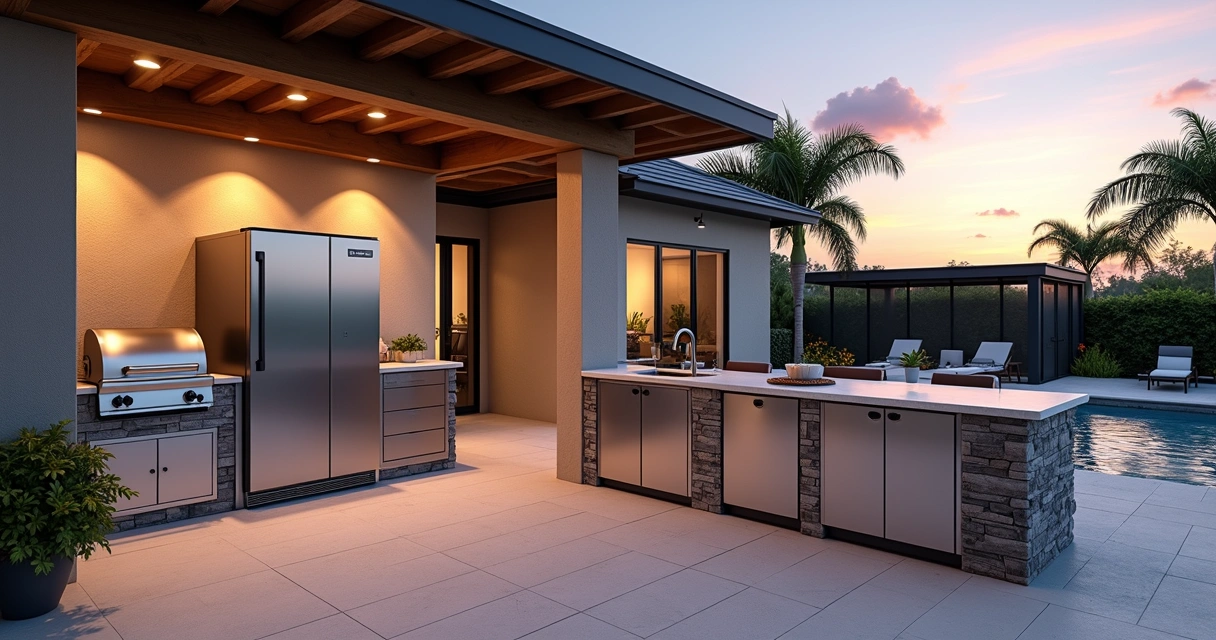
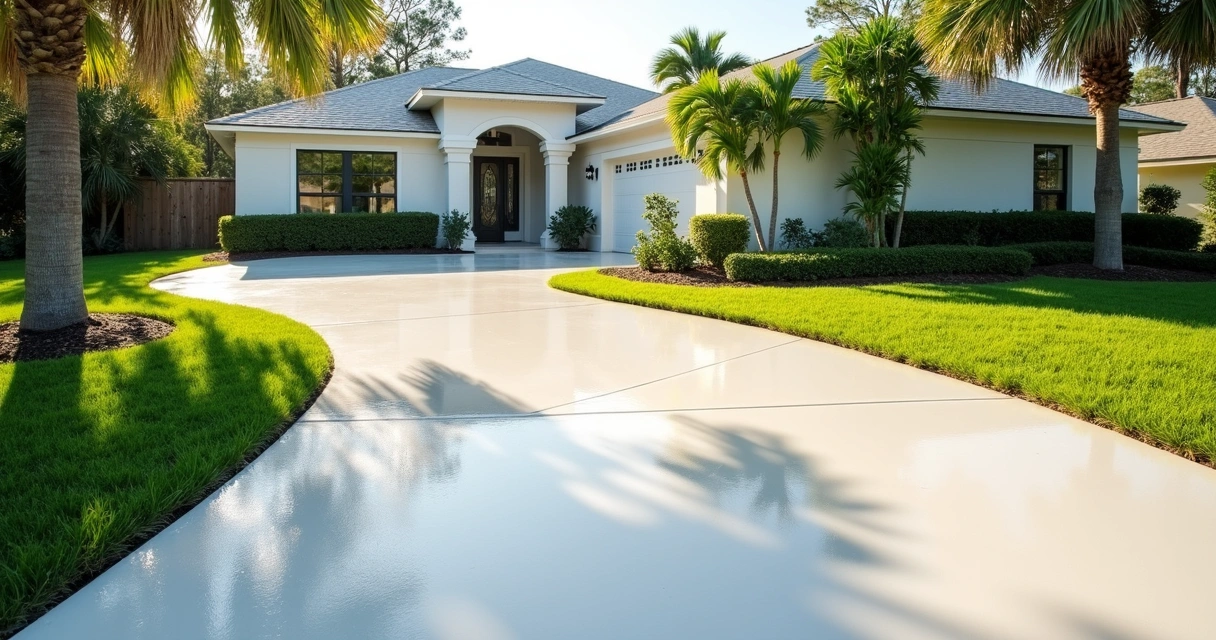
We find that many Florida homeowners forget about exterior surfaces beyond walls and roofs. Yet driveways, patios, and pool decks all absorb and radiate heat that can affect comfort and energy use. At GCM Best Services, our expertise in paving, concrete, and surface coatings lets us recommend cool coatings, stamped finishes, and color choices that help entire outdoor areas stay cooler. Our process also includes preventing cracks and drainage problems for lasting effect.
Learn more about how reducing surface temperature on driveways and patios improves the livability of your outdoor spaces by checking our hardscape guides and our post on brick paver drainage solutions for Florida.
What do the studies say? Real data on energy-saving paints
You don’t have to take only our word for it. Multiple independent studies confirm the cooling and cost-saving impact of high-reflectance paints and coatings:
-
Florida Solar Energy Center research found air conditioning savings from 2% up to 43%, with an average of 19%, when homes used high-reflectance coatings.
-
The EPA reports that cool roofs and walls can lower indoor peak temperatures by up to 5.9°F, helping to shrink cooling system use in both homes and commercial buildings.
-
Lawrence Berkeley National Lab studies show cool-painted exteriors can cut energy and pollution even more than cool roofs alone in some regions, especially in low-rise Florida-style houses.
-
Stanford researchers found advanced paints can help keep buildings cooler in summer and warmer in winter, trimming annual energy costs.
-
Recent advances in full infrared-reflecting “plasmonic” paint could soon yield even greater energy reductions and noticeably cooler surfaces in Florida’s sunny climate.
When to repaint and how long do energy-saving coatings last?
Like regular exterior paint, cool coatings last longest when surfaces are properly prepped, applied in dry weather, and recoated at recommended intervals. With quality products and expert installation, you can expect 8 to 12 years of reflectance and protection—even in tough Florida sun and rain.
Maintenance is straightforward: gentle washing every year or two and inspection for worn or chalky spots. At GCM Best Services, every painting project includes a warranty and a personalized upkeep plan.
Working with GCM Best Services for painting and more
We pride ourselves on delivering more than a fresh look. Our painting process for Florida homes focuses on comfort, value, and complete transparency—from color consulting to local permitting, prep, and final warranty. If you’re upgrading surfaces as part of a smart home improvement, see our free resources and full project gallery and tips.
Our team coordinates mixed-surface exterior makeovers including concrete work and hardscaping, so you avoid delays between trades and get everything waterproofed, lined up, and finished under one roof.
Conclusion: Should you invest in energy-saving exterior paint?
Energy-saving exterior paints are more than a trend—they’re a proven upgrade for Florida homes challenged by rising heat and energy costs. Reflective coatings can lower cooling demand, make living spaces more comfortable, and keep your surfaces looking fresh longer. With smart color choices, careful product selection, and professional prep, the right paint adds value and year-round comfort.
Ready to see real results? Contact us at GCM Best Services for a personalized quote and assessment of your Orlando or Central Florida property. Discover the difference experience and the newest paint technology can make in your home—while lowering your bills and increasing curb appeal.
Ready for a professional quote? 📞 (407) 250-1948 • 24–48h • Orlando, Tampa & area.
Frequently asked questions
What is energy-saving exterior paint?
Energy-saving exterior paint is a type of coating designed to reflect a larger portion of sunlight, especially heat-producing infrared rays, to keep building surfaces cooler. This helps reduce the amount of heat transferred inside, lowering air conditioning use and improving comfort. These paints often use special pigments, ceramics, or polymers to bounce solar energy away from your home.
How does cool paint lower home heat?
Cool paints work by increasing solar reflectance—the ability to bounce sunlight away. This means less heat is absorbed by your walls and roof, and more is reflected outward, reducing the amount of heat that moves indoors. As a result, home interiors can stay several degrees cooler and air conditioners run less often, according to EPA research on cool coatings.
Is energy-saving paint worth the cost?
For most Florida homeowners, yes. When professionally installed and applied to key sun-exposed surfaces, the energy savings and comfort benefits can pay for the upgrade within several years, especially with current electricity costs. Research from the Florida Solar Energy Center shows air conditioning savings from 2% to 43% with these coatings, depending on your home’s insulation and color choice.
Where to buy energy-saving paint?
You can find energy-saving paints at most major home improvement stores and through licensed contractors like us at GCM Best Services. We recommend consulting a professional for product matching, color selection, and expert prep to get the best results for Florida’s climate.
What are the best brands for Florida?
Rather than focusing only on brand names, pay attention to total solar reflectance ratings, UV inhibitors, and warranty length. The best paints for Florida will specifically mention suitability for stucco, masonry, and heavy rain, along with proven reflectance performance in strong sunlight. Our team at GCM Best Services always uses coatings tested for Central Florida weather and provides written warranties with every project.