Living in Central Florida presents unique drainage challenges, especially if your home sits atop a high water table. Excess moisture doesn’t just undermine your landscaping—it can threaten the stability of your foundation, create dangerous ponding, and lead to property damage during heavy rain. At GCM Best Services, we’ve seen first-hand how the right solutions make a lasting difference. Today, we’ll share ten expert drainage upgrades that protect your Central Florida home, boost curb appeal, and bring peace of mind, all while complying with current codes and neighborhood requirements.
Well-designed drainage means less stress—and a safer, drier home.
Who needs this guide?
- Homeowners in Orlando and throughout Central Florida dealing with soggy lawns or recurring standing water
- People whose houses are at, or just above, the seasonally high water table
- Anyone who has experienced foundation settling, mold, or backyard flood zones
If any of these sound familiar, you’re not alone. The region’s unique geology—and frequent downpours—demand strategies that work with, not against, Florida soils.
Summary: why address drainage in high water table homes?
When water sits too long on your property, it doesn’t just affect grass—it can cause lasting harm to driveways, patios, and even paver or concrete surfaces. Based on findings from the Wisconsin Department of Natural Resources, persistent high water tables can mean structural risk, displacement, and expensive recovery. Good drainage combats basement leaks, reduces erosion, and keeps your investment safe.
Let’s explore these ten drainage upgrades, each proven in real Florida homes.
1. French drains: an underground solution for soggy areas
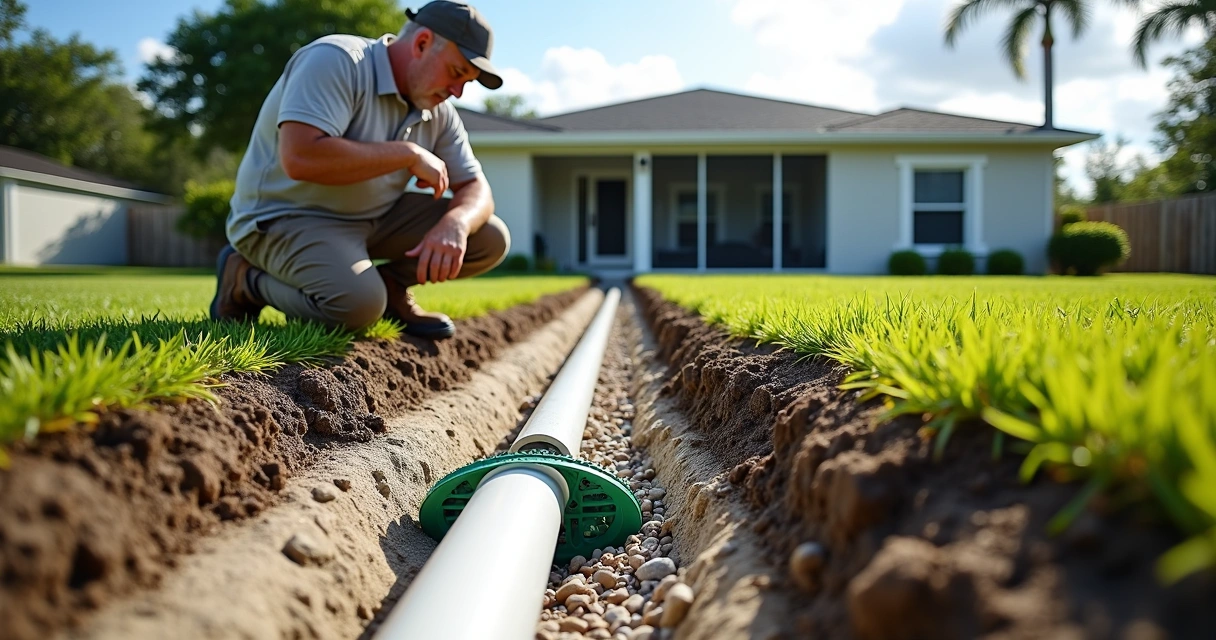
French drains are among the best-known ways to move water away from problem spots. At GCM Best Services, we install these trench-and-pipe systems below ground level to intercept groundwater and redirect it before it swamps your landscaping.
- How they work: A sloped trench is dug, lined with filter fabric, and filled with gravel and a perforated pipe. This collects water and leads it out to a lower area or storm drain.
- French drains are ideal where water pools after rain and for protecting foundations from constant moisture.
We recommend this upgrade for low-lying yards or areas beside patios and driveways where pooling is constant.
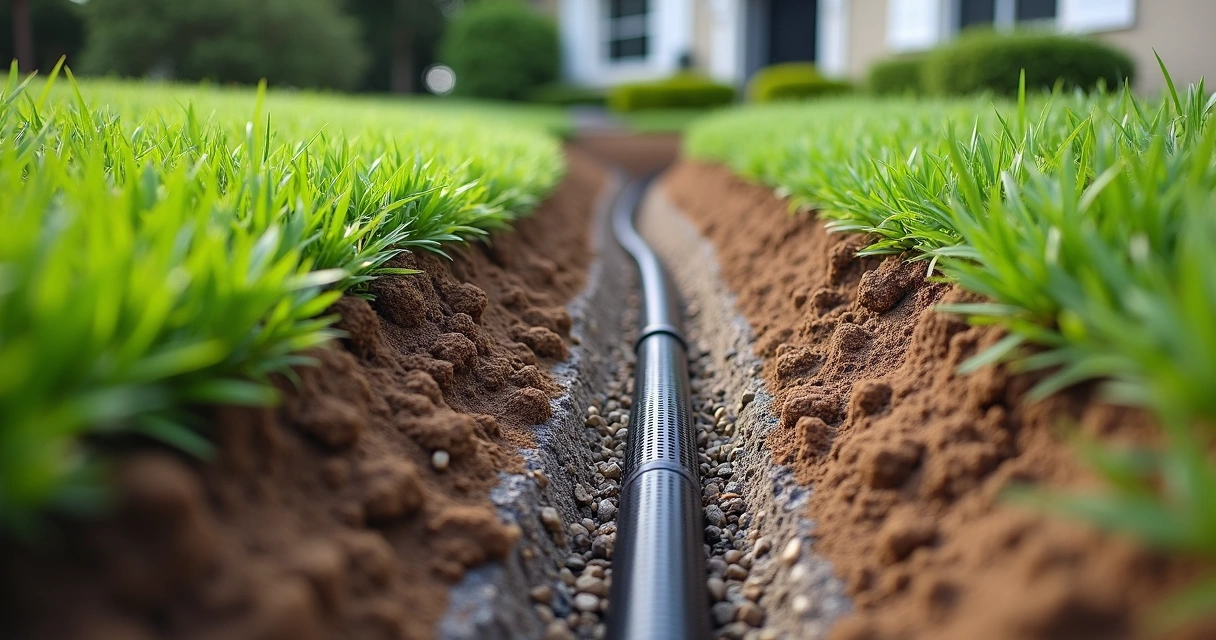
Some homeowners worry about maintenance, but with proper fabric and sloping, clogs are rare. Regular checks once a season suffice.
2. Sump pumps: a last line of defense
If your home sits below the surrounding grade or you’ve had interior flooding, sump pumps can make all the difference. We often add a sump pit to collect excess groundwater and pump it out before it reaches unwanted places, like basements or under slab areas.
- For slab-on-grade homes, exterior sump systems can handle rain-heavy events.
- Choose a pump with backup power, especially during Central Florida’s storm seasons, to keep protection steady if the grid goes down.
The peace of mind from a working sump pump is hard to beat for properties with a history of seepage or chronic wetness.
3. Surface grading and soil sculpting
Almost every drainage plan starts with redirecting water at the surface. Proper grading ensures rain and irrigation water flows away from your home, not toward it. That means gentle slopes (about 2% away from the foundation) and fill dirt in the right places.
We see many yards in Central Florida where builders or landscapers forgot this basic step. Over time, natural settling can make negative slopes worse.
- This is one of the lowest-cost upgrades, but among the most effective.
- Pair with downspout extensions for maximum benefit.
Even decorative choices, like shaping beds and berms, can double as practical drainage improvements—showing that function and beauty can work together.
4. Channel drains and trench drains for paved areas
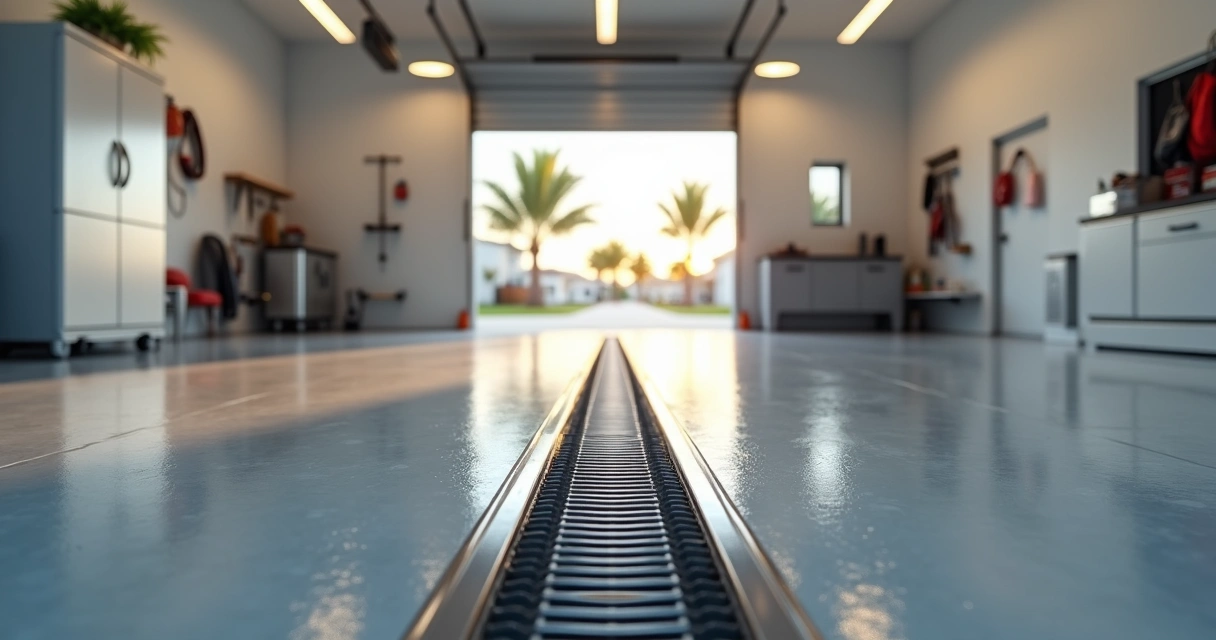
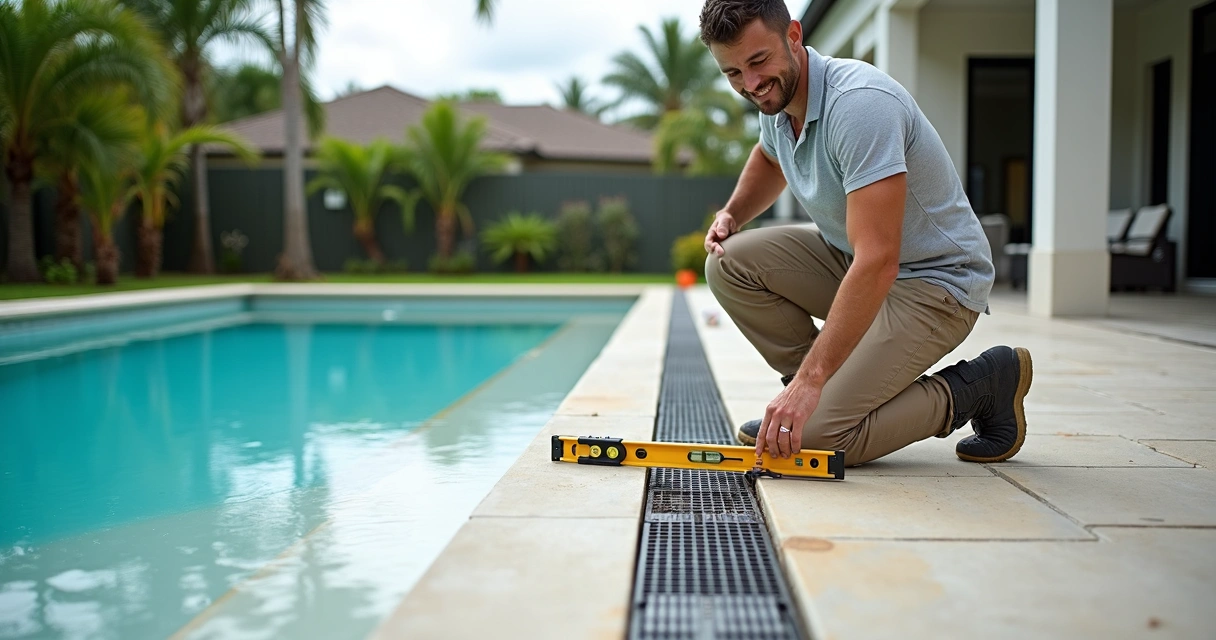
If you have a driveway, patio, or sidewalk, standing water isn’t just an inconvenience—over time, it can crack concrete, lift pavers, and accelerate wear. For homes with high water tables, we often suggest channel or trench drains built into the edge or center of the hardscape.
- Channel drains collect surface water across a wide area, then move it swiftly away.
- Professional installation matters, as these systems require exact elevations and solid base preparation to avoid settling.
Trench drains can even run alongside pool decks or lanais, reducing slippery spots and moisture hazards year-round. Proper sizing prevents overflow during Florida’s downpours.
5. Permeable pavers: let water through, not around
For those looking to upgrade driveways, patios, or walkways, we frequently recommend permeable pavers. Instead of forming an impervious barrier, these systems—with open joints and specialized sub-bases—let water flow down into a gravel layer, minimizing runoff.
- Permeable pavers are designed with wide joints and highly-draining aggregate beneath.
- Integrated edge restraints and correct compaction extend the life of these features on Florida soils.
Our team at GCM Best Services has seen how effective permeable pavers can be—especially in communities where stormwater management is strictly enforced or HOA guidelines are strict.
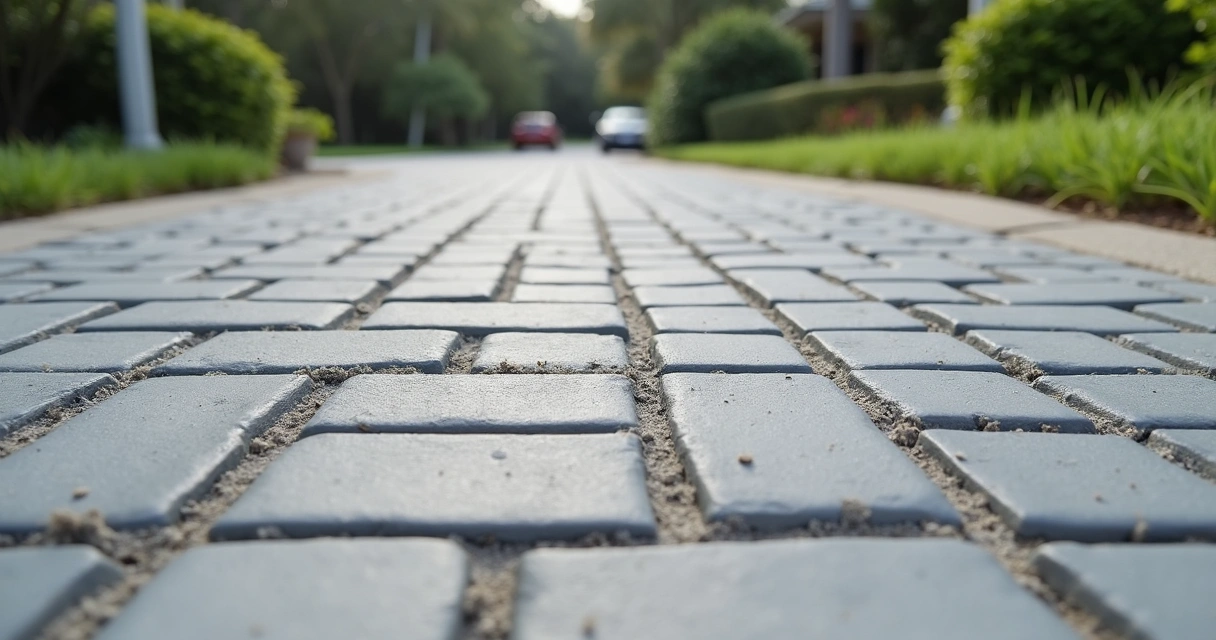
Beyond water benefits, permeable pavers look beautiful and reduce the urban heat effect—a win-win for curb appeal and comfort.
6. Dry wells: underground storage made easy
Another upgrade we implement for high water table homes is the dry well. Situated below grade, these are gravel-filled pits or concrete chambers that temporarily store runoff until it soaks into the surrounding soil.
- Best when paired with gutter downspouts, catch basins, or French drains.
- Helps minimize the number of wet spots that appear after a hard Florida rain.
Regular inspections are needed—roots or sediment can limit their absorption over time. Still, dry wells often fit well in compact yards, as the main hardware is completely hidden once installed.
7. Gutter extensions and downspout redirection
Often overlooked, your rain gutters and downspouts are the first line of defense for your roof, siding, and even your foundation. With a high water table, every drop you can carry away from the house counts. We specify downspout extensions at least 6 to 10 feet from the home, pitching them toward a lower area, swale, or landscape bed designed for infiltration.
- Consider buried drain tile to channel water directly to a dry well or garden area.
- Downspout filters and cleanouts reduce debris clogs.
Many times, we’ve solved chronic puddling simply by rerouting where downspouts drain. It’s a simple solution, yet surprisingly effective.
8. Rain gardens and bio-retention features
For homeowners who value both drainage and sustainability, rain gardens deliver both. By setting aside a shallow, planted area in a low part of your yard, you invite runoff to spread, slow down, and soak in, while deep-rooted plants absorb nutrients.
- Rain gardens are sized to capture runoff from roofs, drives, and walkways.
- Native grasses and wet-tolerant perennials perform best in Central Florida.
This upgrade not only manages water but beautifies the landscape. Matching your rain garden with paver borders can help blend with existing landscaping or patios, as shown in ideas at our hardscaping resources.
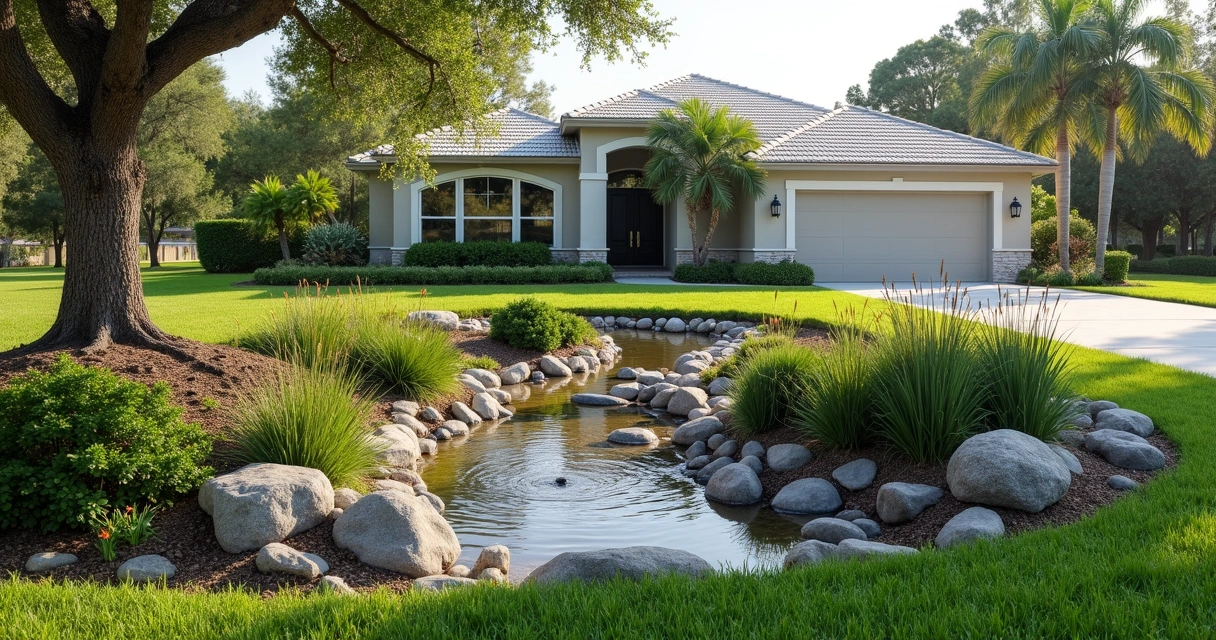
Proper selection and placement allow rain gardens to work even during Florida’s wettest months, all while supporting pollinators.
9. Subsurface curtain drains for larger landscapes
When site drainage is extremely poor, or water rises from below as much as from surface runoff, subsurface curtain drains can help. Installed across the water flow direction, these wide trenches feature perforated drain pipes and gravel, similar to French drains, but designed for higher volume and broader coverage.
- Often used to intercept water moving toward a slab or yard from higher ground.
- Requires careful design, as incorrectly placed curtain drains may worsen problems elsewhere in the yard.
Research highlighted by the U.S. Geological Survey reveals these types of solutions can impact overall watershed & streamflow dynamics, emphasizing the need for balance and oversight.
We always include before-and-after photos and clear diagrams during our project planning for transparency.
10. Smart drainage controls and pump automation
Modern drainage isn’t just about pipes and gravel. In homes that need active management—like those near lakes, seasonally flooded wetlands, or with basements at or below groundwater—we often install automatic pump controls or sensors. These systems detect water levels and activate pumps or open/close valves as needed.
- This brings peace of mind during vacation, storms, or when quick response matters.
- Wireless alerts can notify homeowners if water is accumulating in the wrong place, too.
As Florida’s weather grows more unpredictable, technology bridges the gap, letting families focus on living—not fighting the next flood.
Maintenance and what to expect after upgrading
Once implemented, these drainage upgrades aren’t “set and forget.” We recommend:
- Seasonal property walks to spot shifting grades or clogged inlets
- Cleaning gutters and downspouts twice yearly, more during leaf season
- Inspecting pump intake and outflow for sediment build-up
The reward? A property that stands up better to every storm, with fewer muddy footprints and surprise water bills.
Florida-specific concerns: code compliance, soils, and HOA
All our recommendations are tailored for Central Florida soils and comply with the latest codes.
- Compacted sub-bases, as with our concrete projects, help prevent ponding beneath slabs and paved zones.
- We routinely handle HOA paperwork and permits—each drainage change must meet local and community requirements.
Our experience with hardscape integration means new systems will blend with the aesthetics of your pavers, turf, or outdoor kitchen for a seamless result.
Other upgrades that support drainage
Not every solution has to be underground. Thoughtful landscape changes also help:
- Strategic planting of water-loving trees or grasses in low lying areas
- Adding artificial turf with permeable bases for pet/play zones over wet soil
- Choosing driveways and walkways designed to work with, not against, your water table
These small changes, combined, keep homes drier and more enjoyable. Drainage is not one-size-fits-all—it’s about the right mix of tools for your particular lot and soil.
Putting it all together: choosing the right upgrade
Every property is unique. Our approach at GCM Best Services always starts with a no-obligation assessment, reviewing existing site conditions, runoff sources, and current problem spots. We then design solutions that target both the symptoms (muddy lawns, foundation seepage) and causes (high groundwater, grading errors, old infrastructure).
Combining several upgrades—like surface grading, French drains, and gutter extensions—can make a dramatic difference. We document each phase, so you know exactly what’s happening, and deliver a written warranty and follow-up maintenance guide.
Solutions that match your soil, climate, and lifestyle are the ones that last.
And that’s what we’ve staked our reputation on at GCM Best Services.
Conclusion
If your Central Florida home battles constant wet spots, foundation leaks, or waterlogged lawns, you have real options. These ten drainage upgrades, customized for high water tables, prevent costly repairs and help your property thrive—even during a Florida summer. Start with professional advice and remember: a well-drained yard is a happy, healthy home.
Ready to see what’s possible for your homesite? Our team at GCM Best Services is here to help guide you from assessment to project completion.
Ready for a professional quote? 📞 (407) 250-1948 • 24–48h • Orlando, Tampa & area.
Frequently asked questions
What is a high water table?
A high water table means the upper limit of groundwater is close to the soil surface, often within a few feet. In such areas, rainfall or irrigation doesn’t easily drain down and away, raising the risk of standing water, soggy lawns, or foundation moisture. According to extension guidelines from North Carolina State University, water-table depths between one and four feet are common in many coastal and low-lying zones—especially in Central Florida.
How to prevent basement flooding?
To prevent basement flooding in high water table areas, we recommend a mix of surface grading, redirecting gutter downspouts at least 6-10 feet from the home, installing French drains or curtain drains, and deploying sump pumps where water pressure is strong. Sealing cracks and installing vapor barriers can further help, while regular maintenance of each system ensures ongoing protection.
Which drainage system works best?
The “best” drainage system depends on site conditions—but for high water table homes, a combination of French drains, permeable pavers, and properly routed surface runoff generally delivers the greatest protection. Additional solutions, like dry wells, smart pumps, or rain gardens, can be tailored to your individual lot size and problem areas.
How much do drainage upgrades cost?
Costs can range widely depending on the scope. Basic grading and downspout work might cost a few hundred dollars, while larger projects—like comprehensive French drain networks, sump systems, or a permeable paver driveway—can run several thousand dollars. We always begin with an on-site assessment and detailed estimate to match your budget, and integrate written warranties for peace of mind.
Is it worth it to upgrade drainage?
Upgrading drainage is often a wise investment for homes threatened by a high water table. Effective drainage prevents structural damage, improves yard usability, and supports code compliance with fewer headaches or costly emergency repairs. Studies like those from the Wisconsin Department of Natural Resources confirm the long-term impact of proper water management on both home longevity and owner comfort.