Primary keyword: Outdoor kitchen smoke mitigation
Variants: Outdoor kitchen ventilation, Reduce smoke in outdoor kitchens, Smoke control for outdoor kitchens
Audience: Homeowners and property managers in Central Florida seeking enjoyable, cleaner outdoor cooking spaces.
Pain/Benefit: Tired of cooking smoke ruining gatherings? Learn expert design choices for clear air and happy guests.
Summary: Designing an outdoor kitchen for smoke mitigation involves more than just choosing the right grill. With new building standards and air quality research for 2026, we need a careful approach—blending science, function, and local code. At GCM Best Services, we focus on clear strategies, code-compliant solutions, and proven construction practices so Central Florida homeowners can cook, relax, and breathe easy in their outdoor spaces.
Outline:
- Why smoke mitigation matters for outdoor kitchens in 2026
- Understanding smoke: What causes problems outdoors?
- Site planning and layout for air movement
- Appliance placement and fuel choices
- Venting options: Hoods, fans, and chimney designs
- Material selection and fire-safe finishes
- Integrating landscaping and hardscaping for airflow
- Drainage design’s role in outdoor kitchen comfort
- Technology upgrades: Smart sensors and future-proofing
- Local codes and warranties: Peace of mind in Central Florida
- Creating a maintenance-friendly design
- Conclusion: Cleaner, healthier cooking outdoors
- FAQ: Smoke mitigation in outdoor kitchens
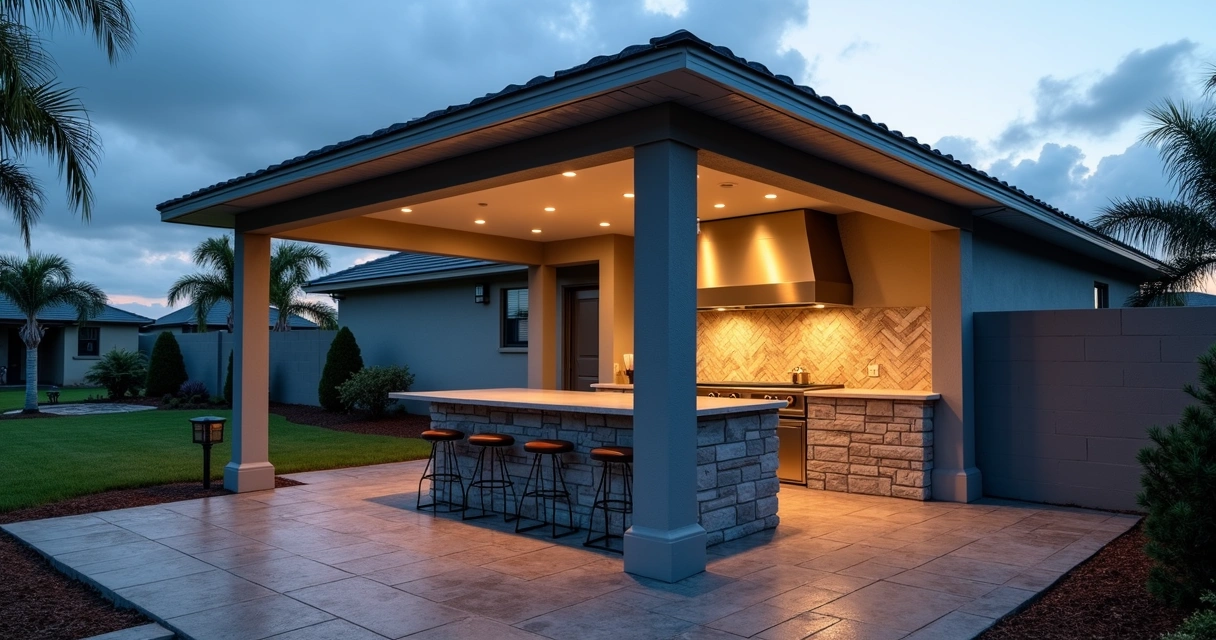
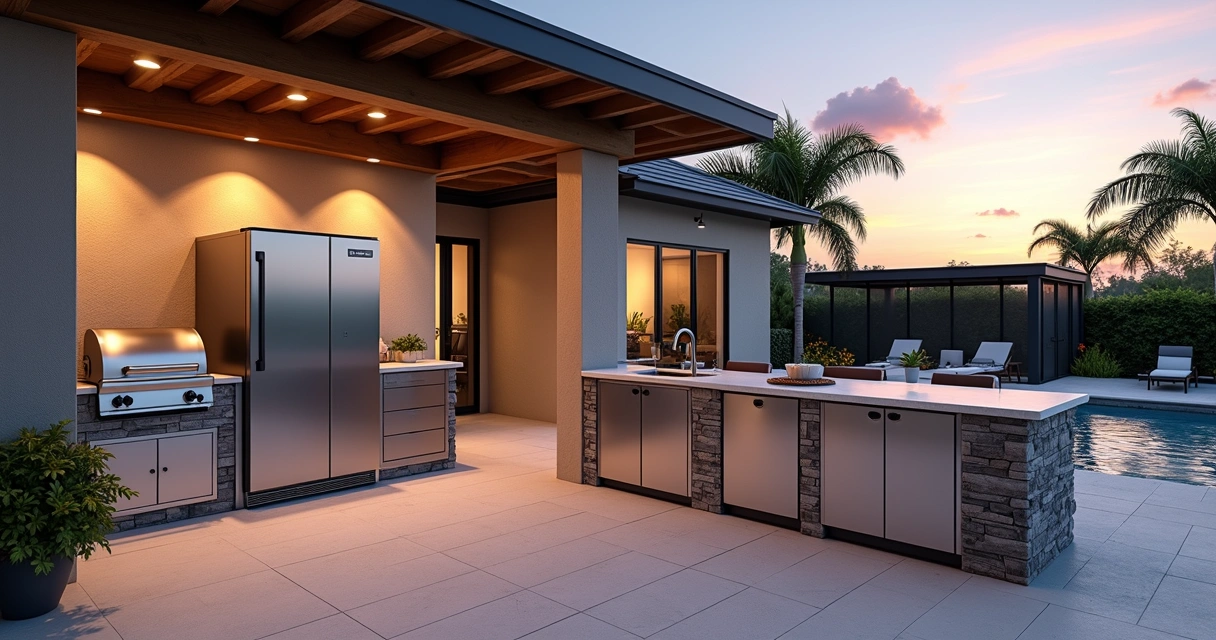
Clear air transforms outdoor kitchens from functional to unforgettable.
Why smoke mitigation matters for outdoor kitchens in 2026
Smoke mitigation for outdoor kitchens is about safety, comfort, and keeping outdoor spaces enjoyable for everyone around. In 2026, with new air quality data and updated codes increasingly shaping construction choices, the way we approach smoke has changed.
Research from Lawrence Berkeley National Laboratory found that gas-cooking burners can emit nitrogen dioxide above outdoor health standards in some homes. Effective ventilation, such as range hoods that vent outside, makes a significant difference in air quality (Lawrence Berkeley National Laboratory).
When designing outdoor kitchens, we consider not only the immediate cooking area but also neighbors, pets, and people enjoying the space. Odors and particulates from grills and smokers can linger. In tight Florida communities, even outdoor smoke can drift—leading to complaints or health concerns, especially for those with respiratory sensitivities.
Understanding smoke: What causes problems outdoors?
Not all smoke is the same. Grills, smokers, wood-fired ovens, and gas appliances each produce a different mix of particulates, moisture, and gases. These can include visible plumes, strong food smells, carbon monoxide, and even small bits of grease that settle on surfaces.
- Wood-fired and charcoal appliances produce the most visible smoke and the strongest smells.
- Gas grills generate less particulate smoke but still release combustion gases.
- Electric grills have minimal output but can still create odors when preparing fatty foods.
Weather matters too. In Central Florida, humidity can trap smoke near ground level, and day-to-night breezes can send it toward living areas or windows. That’s why our designs at GCM Best Services always begin with a site-specific evaluation—factoring in elevation, wind patterns, and how often you plan to cook outdoors.
Site planning and layout for air movement
The position of your outdoor kitchen relative to the house, fences, and landscaping sets the foundation for good air movement—or lingering smoke.
Here’s what we always review when creating a layout:
- Prevailing winds: In Central Florida, breezes shift with seasons. We track the direction most days and orient cooking equipment so smoke flows away from gathering zones and open windows.
- Obstructions: Fences, hedges, screens, or patio covers can block airflow. We plan gaps or air channels to help smoke exit, using structural openings or by positioning the kitchen at the yard’s edge.
- Elevation and grading: Proper grading, with a slight slope away from the house, not only moves water but helps with smoke too. We avoid placing grills against tall walls without ventilation.
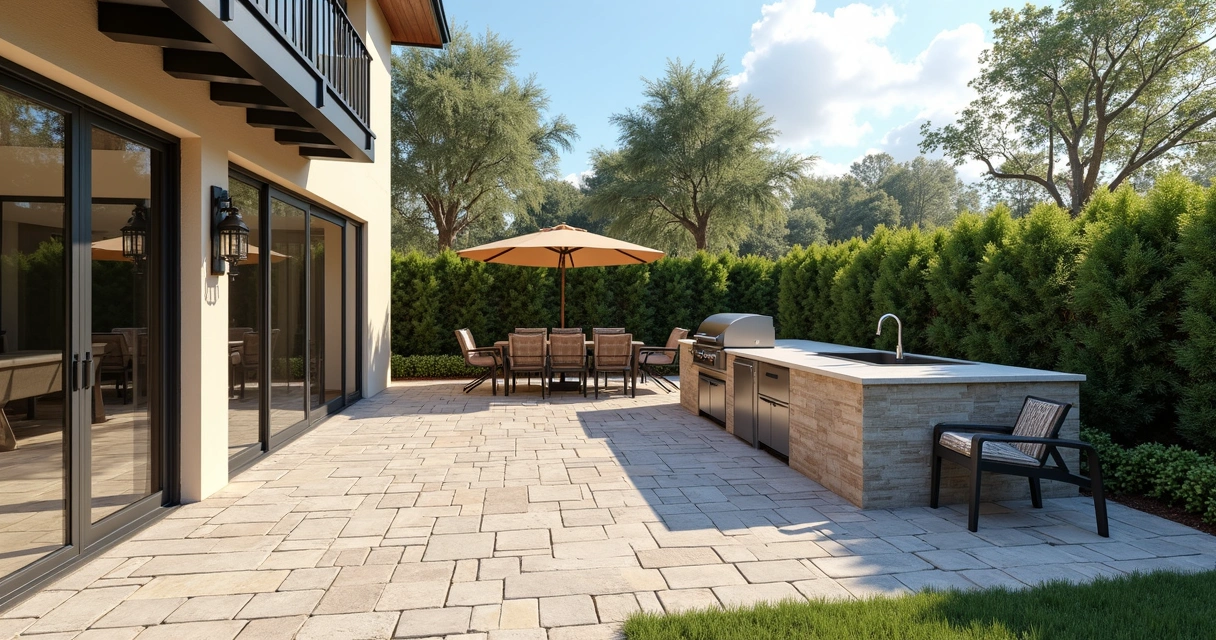
Site layout is the first—and sometimes most cost-effective—tool for smoke reduction.
For more hardscaping design options, see our hardscape services.
Appliance placement and fuel choices
Choosing where and which appliances to use affects smoke in two ways: how much is produced, and where it travels. In our experience, these choices make all the difference for long-term comfort.
- Grill location matters: Never place grills, smokers, or pizza ovens directly under low eaves or in corners surrounded by walls. We recommend open-sided arrangements and minimum spacing from the house—typically at least 5–6 feet, depending on local code.
- Fuel source: Charcoal and wood create more smoke, which in some cases can be overwhelming on still days. If you prefer these, plan for extra venting and only use in open zones. Gas grills are lower-emission but still benefit from hoods or fans.
- Dedicated smoker sections: For homeowners who barbecue often, we create a separate nook with boosted airflow, away from the main seating spot. This ensures guests aren’t downwind of the action.
Prioritizing fuel choice and location, based on how you cook, helps keep the space enjoyable even during busy parties. These decisions also affect insurance, as some carriers require distance from main structures for certain appliances.
Venting options: Hoods, fans, and chimney designs
While natural airflow is our starting point, modern outdoor kitchens often need mechanical help to keep air clear. According to the Indoor Environment Group, ventilation systems must reduce indoor pollutants without allowing new contaminants from outdoors.
Here’s what we recommend for venting in 2026:
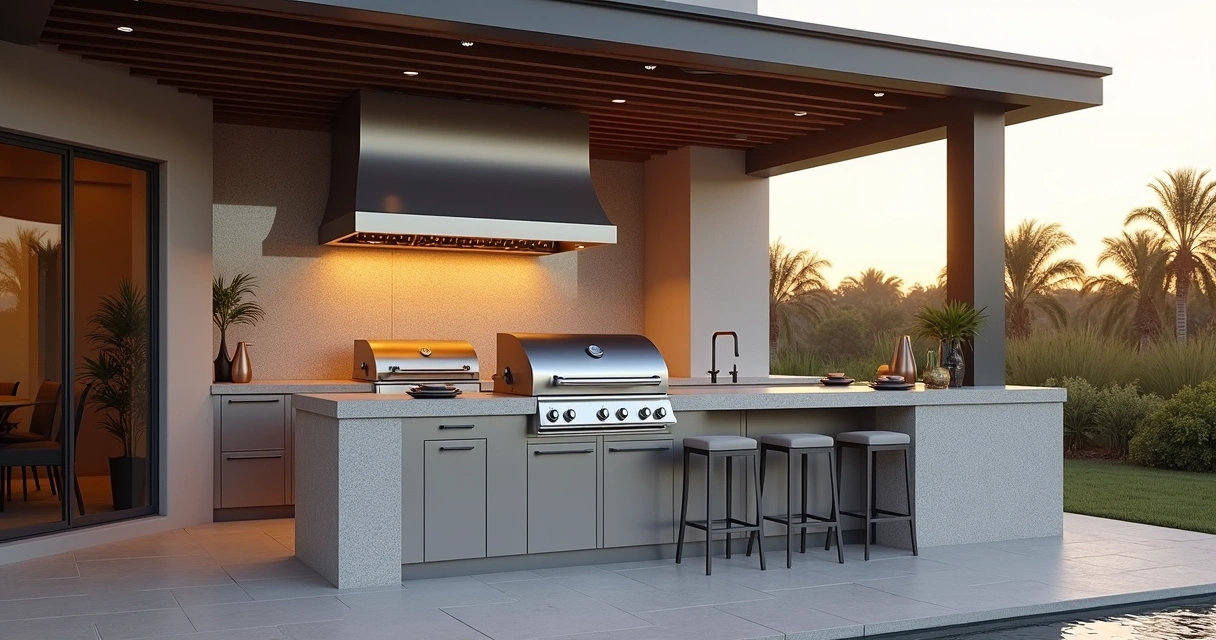
- Outdoor-rated vent hoods:
- Installed over built-in grills, especially in semi-enclosed spaces or under roof extensions.
- Choose models that vent smoke to the outside edge of your lot, not back into covered patios.
- Stainless steel or powder-coated finishes resist Florida’s humidity and salt air.
- Chimney effect structural features:
- Design partial walls, openings above grills, or clerestory-type “smoke slots” to guide hot air upwards and away.
- Exhaust fans:
- Spot ventilation—like kitchen exhaust fans—quickly moves air directly out. The U.S. Department of Energy recommends pairing mechanical venting with open side walls.
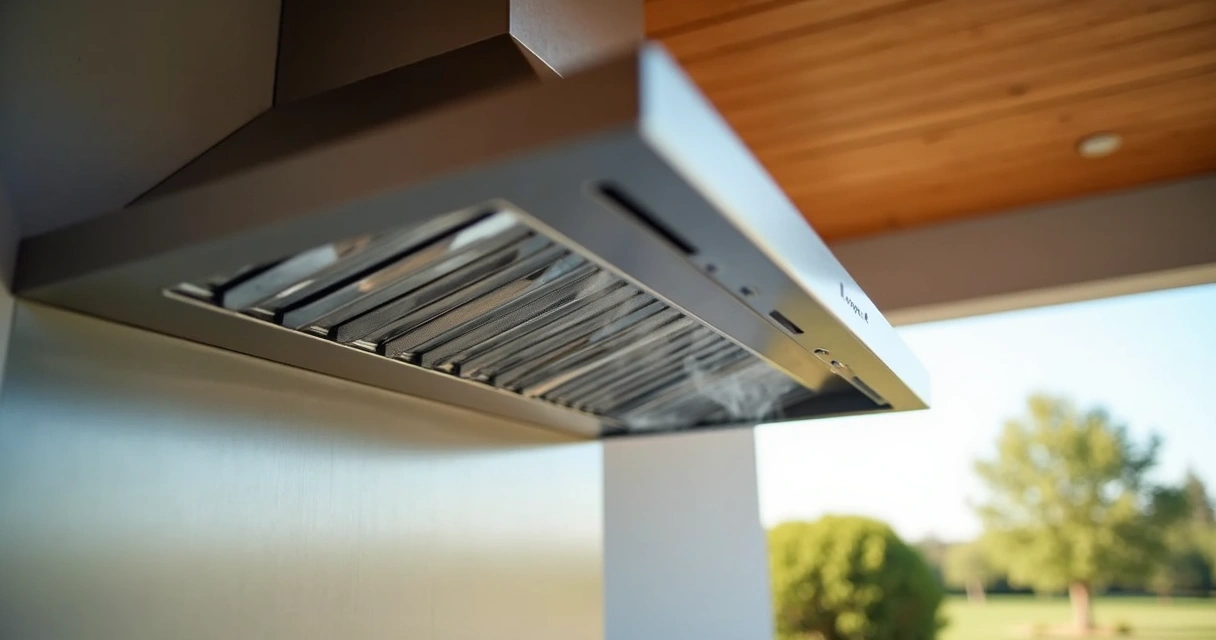
Every venting option must fit your unique space, budget, and the local building code requirements.
We find that integrated approaches—combining outdoor hoods, natural airflow, and strategic appliance placement—achieve the best results.
Material selection and fire-safe finishes
The right finishes protect you against both fire and smoke stains. Choosing non-combustible materials for all surfaces near grills or smokers keeps smoke from soaking in or discoloring walls and ceilings.
- Poured concrete counters with a smooth finish resist soot and are easy to wash clean.
- Aluminum, stone, or porcelain tile backsplashes prevent lingering odors and stains.
- Open weave metal screening or louvered aluminum panels allow for airflow while blocking embers.
GCM Best Services plans outdoor kitchens with CMU or steel stud frames, topped with cement board, then finished in stone or poured concrete. Every finish is chosen for durability in Florida’s wet, humid climate.
Want more on slab and surface finishes that last? See our article on preventing cracks in Florida concrete patios and driveways.
Integrating landscaping and hardscaping for airflow
Landscaping doesn’t just make an outdoor kitchen look great—it also helps manage smoke and airflow. At GCM, we partner with hardscaping experts to create wind corridors and minimize stagnant air.
- Use low-growing shrubs and open paver borders near grills to let air move freely.
- Avoid tall, dense hedges or screens immediately downwind of appliances.
- Incorporate boulders, raised beds, or retaining walls as air-guiding features.
The experts at driveway and patio paving recommend permeable paver options beneath and near grill areas for easier cleanup and added cooling.
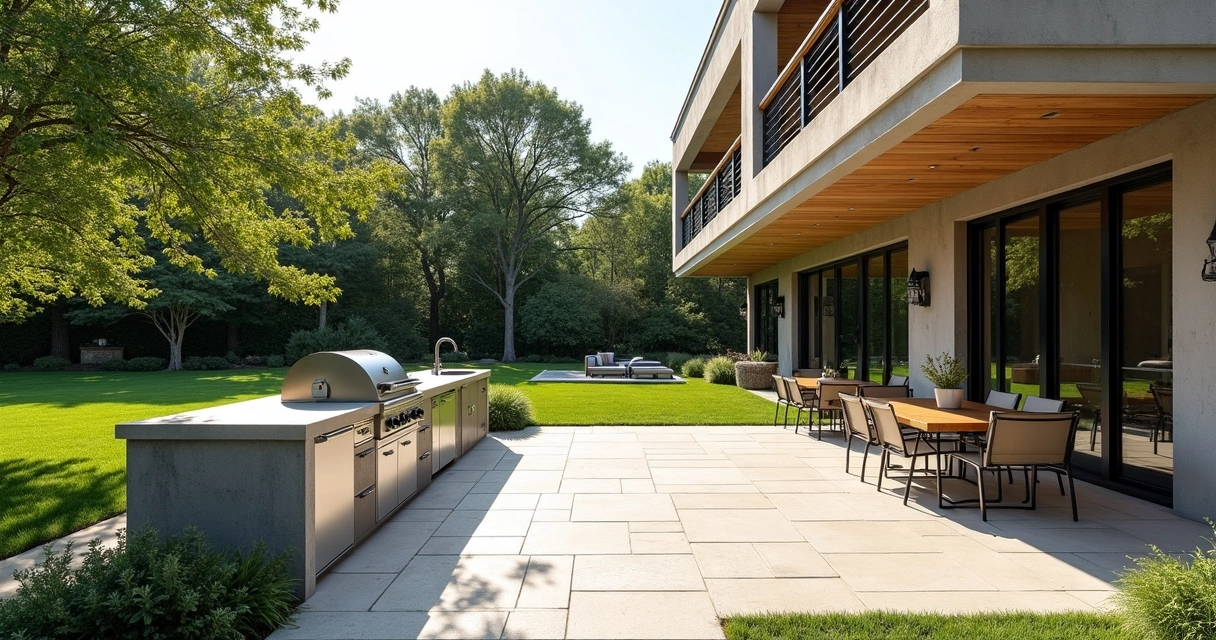
For more about integrating pavers and managing runoff, don’t miss our resource on effective drainage for brick paver installations in Florida’s climate.
Drainage design’s role in outdoor kitchen comfort
Good drainage isn’t just about water—it means less pooled grease, standing water, or stubborn smoke stains.
Smoke mixed with humidity or grease can settle on less porous hardscape surfaces, leaving marks or causing slip hazards. Here’s what we do at GCM Best Services:
- Use a 6–8" compacted sub-base for all slabs and paver surfaces to prevent settling and water pooling.
- Install trench or narrow slot drains near grill stations, directing runoff away from seating areas.
- Plan patios with a gentle slope away from doors so smoke follows the same pathway as rainwater—out toward open air.
Our process for patios, walkways, and summer kitchens includes not only code-required drainage, but an extra check for smoke hot spots during the final walkthrough.
Technology upgrades: Smart sensors and future-proofing
As we look toward 2026, more outdoor kitchens are being connected with sensors and controls. Here’s how technology is changing smoke mitigation:
- Smart smoke detectors: Alert owners via phone when smoke surpasses safe levels, so fans or hoods can be activated quicker.
- Automatic fan controls: Sync vent hoods or exhaust fans with cooking appliance use or air quality sensors for hands-free operation.
- Humidity and wind monitoring: Outdoor weather stations help plan when and where to cook for best results.
We include provisions for electrical and low-voltage wiring in our kitchen layouts, allowing future retrofits as technology improves. These advances mean less guesswork and a safer, more enjoyable experience.
Local codes and warranties: Peace of mind in Central Florida
In Central Florida, outdoor kitchen design must follow strict permitting and construction guidelines. Wind-load codes, HOA requirements, and even city ordinances now touch on outdoor smoke and fire safety.
- Always check setback rules for grills or smokers, especially in smaller neighborhoods.
- Verify that any venting or hoods are rated for outdoor use.
- Keep documentation of all installations, for both insurance and warranty claims later on.
At GCM Best Services, every project comes with a written warranty and a custom owner’s guide for maintaining smoke and air quality safeguards.
Creating a maintenance-friendly design
The best smoke-mitigating kitchen is easy to keep clean and maintain. We like to build with:
- Removable hood filters and grease traps for straightforward cleaning.
- Accessible surfaces with smooth pavers or tiles, allowing for regular washing and stain removal.
- Drain locations that avoid water pooling near electrical appliances or outdoor outlets.
- Simple access to any smart sensors, wiring, or fan controls.
Our team offers end-user walkthroughs and maintenance checklists, so whether you’re prepping for a cookout or cleaning up after a storm, you’re never guessing about what comes next.
Conclusion: Cleaner, healthier cooking outdoors
Designing for smoke mitigation is the difference between hosting gatherings outside and retreating indoors after ten minutes of grilling. Our approach at GCM Best Services combines science, experience, and customer care. If an outdoor kitchen is on your wish list, let us help you create a healthier, more inviting space—one that serves Central Florida families for years to come.
Ready for a professional quote? 📞 (407) 250-1948 • 24–48h • Orlando, Tampa & area.
Frequently asked questions about smoke mitigation in outdoor kitchens
What is smoke mitigation in outdoor kitchens?
Smoke mitigation in outdoor kitchens means using design, ventilation, and equipment choices to limit smoke and odors for safer, more comfortable outdoor cooking. This can include vent hoods, appliance placement, landscaping, and choosing low-smoke fuels—all working together to move smoke away from people and living areas.
How to reduce smoke while grilling?
To reduce smoke while grilling, use lean cuts of meat, keep grates clean, cook with gas rather than charcoal if possible, and avoid overcrowding the grill. Also, position the grill where breezes move smoke away from people and use vent hoods or fans to help clear the air.
What are the best venting options?
The best venting options are outdoor-rated vent hoods installed over grills, spot exhaust fans, and designing the space so smoke can rise through “chimney effect” openings. For partially enclosed kitchens, vent hoods that duct outside are especially effective. Always size the system to your appliances and check local codes for requirements.
Is it worth it to install hoods?
Yes, installing a vent hood is worth it for most outdoor kitchens—especially if the grill is in a covered or semi-enclosed area. Hoods dramatically reduce lingering smoke and odors, making the kitchen more enjoyable and helping protect surfaces from grease and soot buildup.
How much does smoke control cost?
The cost of smoke control depends on kitchen size, appliances, and venting system complexity. Outdoor vent hoods typically range from a few hundred to several thousand dollars, with installation and wiring adding to the total. Basic layout and appliance strategies add little or no extra cost while still delivering better air quality.
If you’re considering smoke control for your upcoming project, reach out to our team at GCM Best Services—in Central Florida, clean air means more outdoor fun.