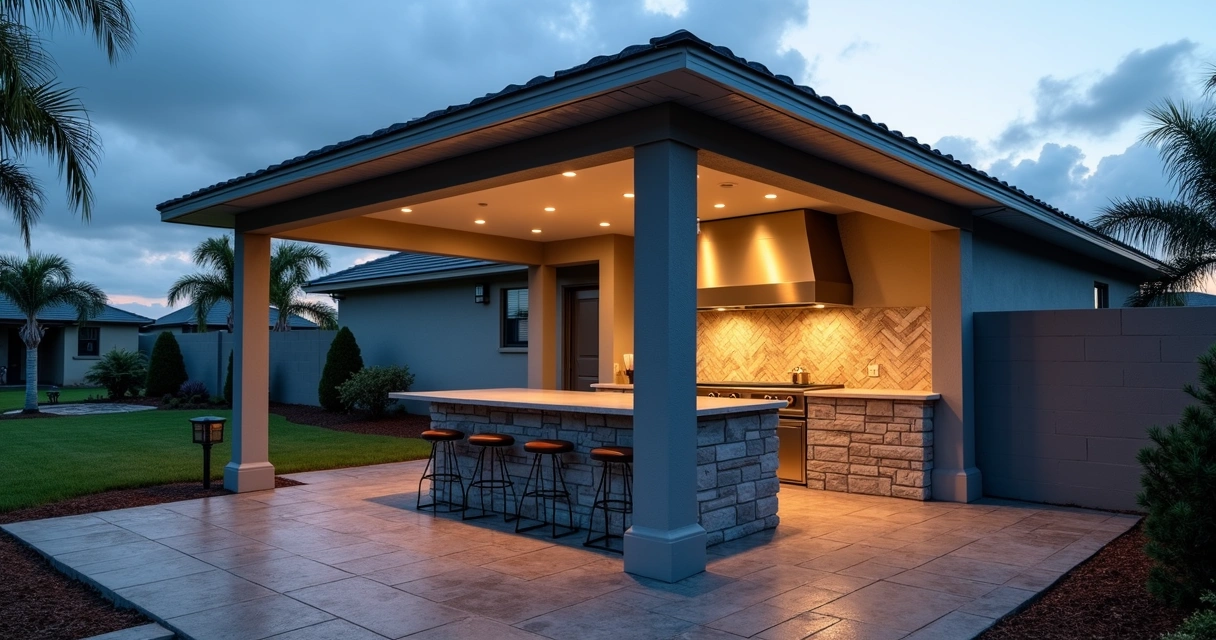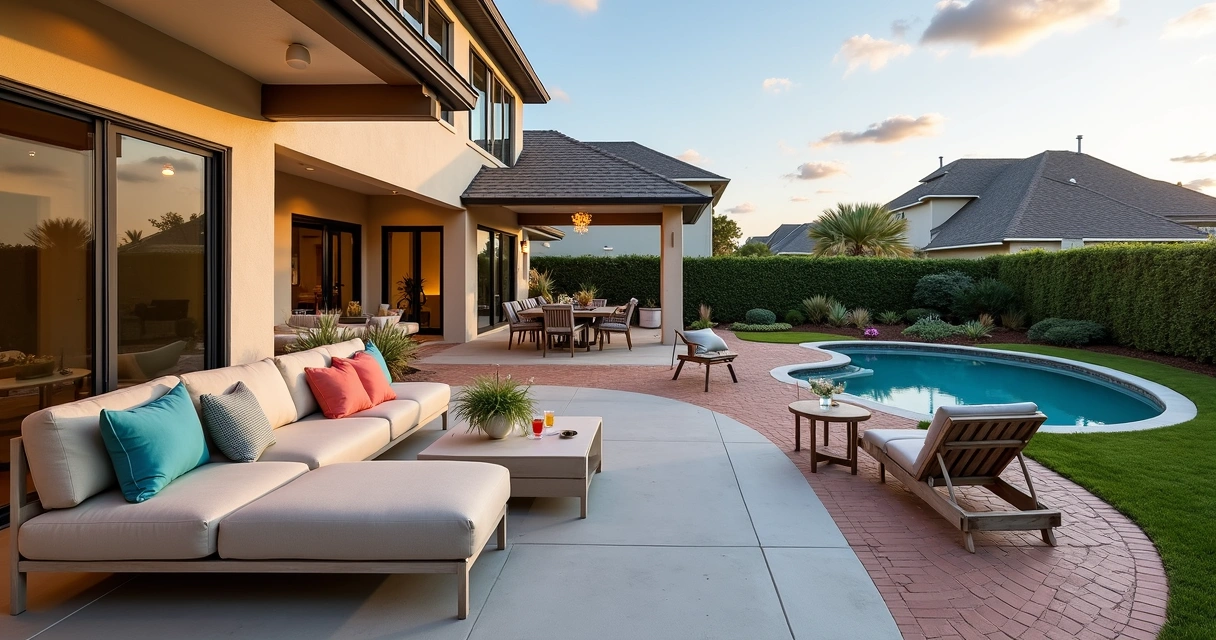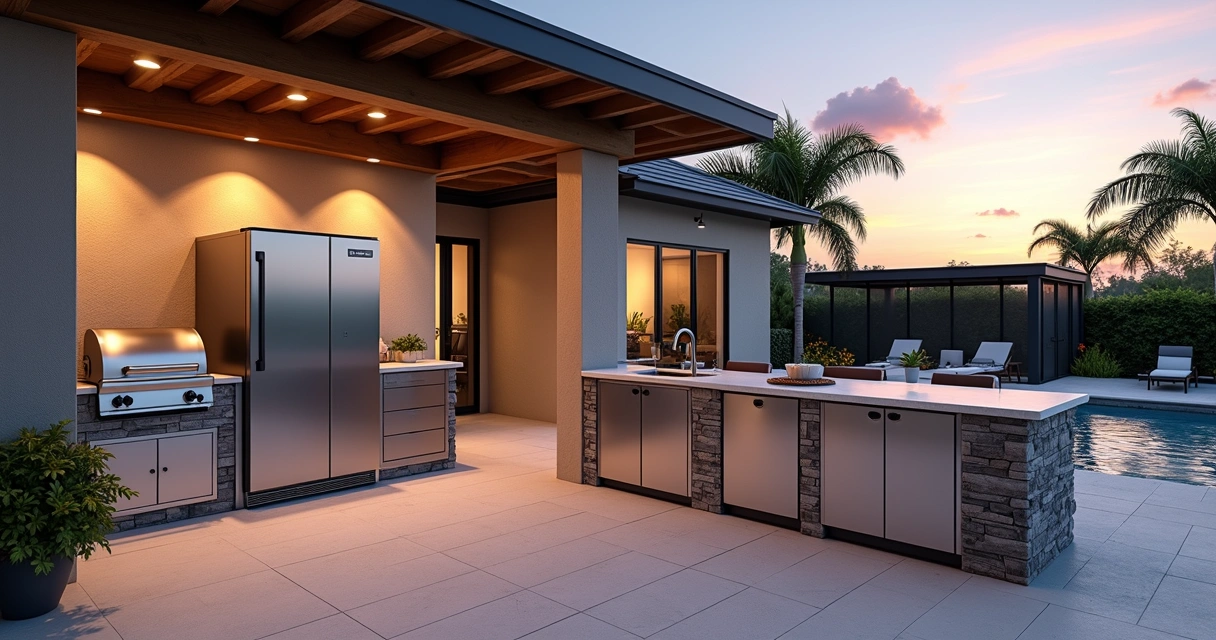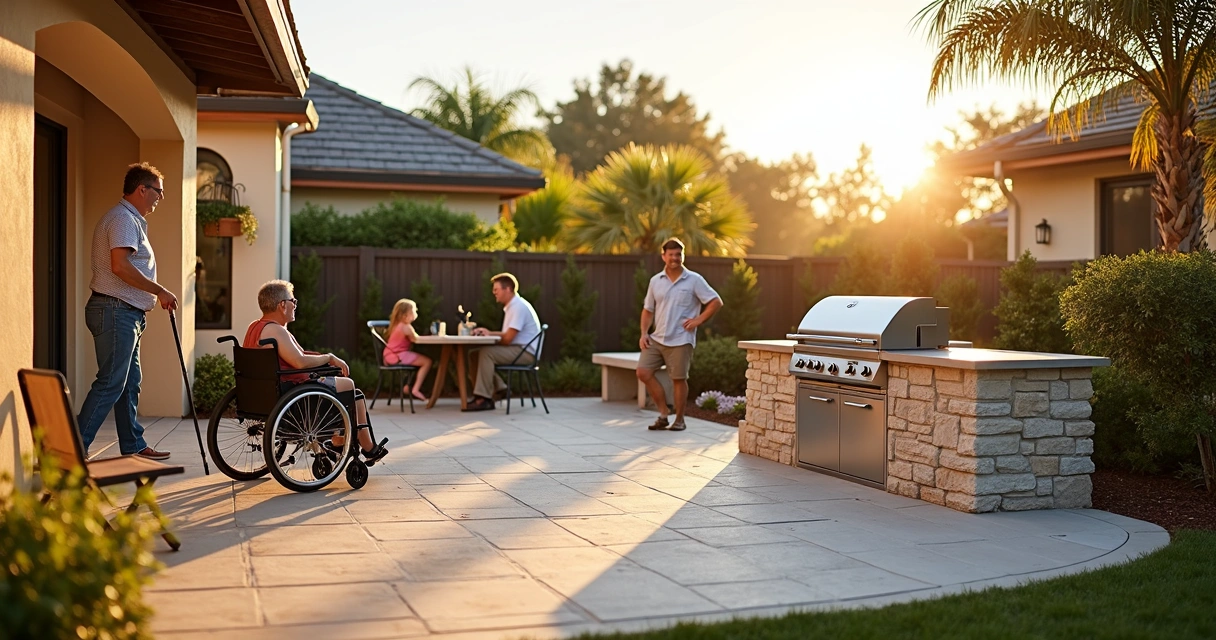
Designing an accessible BBQ grill area benefits everyone—it brings people together, creates lasting memories, and ensures no one is left out. In our years serving Central Florida with projects like patios, outdoor kitchens, and hardscaping at GCM Best Services, we’ve learned that great design comes from seeing the needs of all users, regardless of age or ability.
Access means everyone gets a seat at the table—and at the grill.
This article walks through practical strategies for creating safe, welcoming, and truly inclusive BBQ areas, based on best practices, recommendations from national and local authorities, and our direct project experience. Whether you’re adding a grill zone to a backyard, homeowners association, or community park, you’ll find a clear path to success.
Why accessible BBQ grill areas matter for every age group
For families and community spaces, a BBQ grill is the heart of outdoor gatherings. But we sometimes overlook obstacles that prevent kids, older adults, or those with disabilities from using the area with comfort and independence. We’ve seen situations where a too-high grill or a rocky path kept someone from joining in.
By focusing on accessibility, we’re not just meeting code. We’re shaping outdoor spaces where everyone—from toddlers rolling a toy to grandparents using walkers—can participate and feel at home.
Children need protected zones away from hot surfaces or sharp corners but want to watch and help in meal prep.
Adults and older adults may have mobility challenges or need predictable, slip-resistant surfaces.
Wheelchair users require clear turns, lowered worktops, and accessible controls at grills and prep areas.
Caregivers appreciate layouts that support safe supervision.
When we design thoughtfully upfront, we create lasting value—fewer accidents, more shared time, and outdoor living that truly reflects Central Florida’s welcoming spirit.
What makes a BBQ grill area accessible?
The core of accessibility is “universal design”: making sure features are easy to use by all, without adaptation or special effort. According to practical guidance for accessible grilling, this includes lower countertop grill heights, adaptive tools, and accessories that boost independence and safety (accessible grilling).
Key elements we always have in mind:
Access routes—firm, stable surfaces and gentle slopes connect the grill, dining, and entry points.
Clear floor space—enough room for someone using a wheelchair, walker, or stroller to turn and park beside the grill or prep area.
Reach ranges—controls and shelves at heights everyone can use comfortably.
Safety features—barriers, signage, and slip-resistant textures to minimize risk, plus thoughtful separation of cooking and play areas.
Adaptive amenities—like wireless thermometers, lid assist levers, and one-handed tools for users with strength or dexterity challenges.
Real accessibility comes from connecting all these details, and we see the biggest impact when they are planned together—not as afterthoughts.
Planning the accessible BBQ area: location, layout, and flow
Every project starts with the right location—where it’s close to the action but not blocking the garden swing or pool gate. In our experience with projects like driveway-patio-paving and hardscape work in Orlando, placing your grill zone with purpose saves both effort and headaches down the line.
How to choose the best location
Accessible to everyone: It should connect directly to house doors, decks, yard paths, and parking—no steep steps or grass-only gaps.
Safe distance from structures: Keep at least 10 feet from fences or overhangs for fire safety.
Clear, shaded view: Position the grill so the cook can watch play zones, and shade seating for comfort in Florida’s heat.
Integrated drainage: Avoid low spots that could pond or become slippery. We always include sloped concrete or pavers for reliable drainage, aligning with the U.S. Access Board slope standards of maximum 1:16 and firm surfaces.
Building accessible routes
According to Outdoor Recreation Access Route (ORAR) standards, at least 20% of cooking surfaces and grills should connect by a firm path that links to other major outdoor amenities. We follow this advice by using concrete or paver walkways at least 36 inches wide, making sure transitions are smooth and surfaces are easy to navigate.
A clear path opens the whole yard—not just the BBQ zone.
Sometimes a simple change, like replacing a patch of grass with artificial turf, gives everyone—from wheelchair users to toddlers—a safe route for wheels and feet.
Designing inclusive cooking stations
The heart of any accessible BBQ area is the grill, prep, and serving station. We weigh factors like grill height, reach, safety guards, and workspace layout in every GCM Best Services outdoor kitchen project.
Grill height and workspace for inclusive use
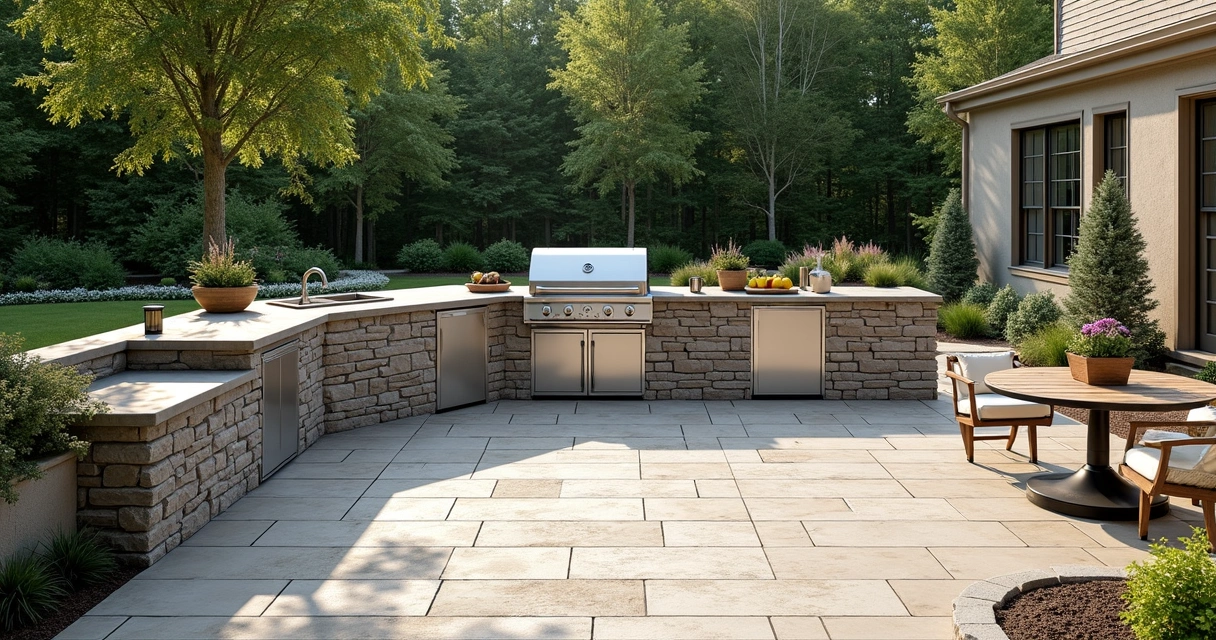
For true inclusivity, accessible grilling resources recommend placing worktops and grill surfaces between 28 and 34 inches high. This puts controls and prep within reach for most wheelchair users and people seated on outdoor stools, without requiring them to bend or stretch dangerously.
Provide dual heights: One side with regular counter height (36”) for standing use and a lowered section (30”) for seated or wheelchair access.
Install pull-out work surfaces or wide benches nearby for flexible use.
Choose grills with easy-to-turn knobs or levers and with front or side access.
Clearance and maneuvering space
According to Washington State park amenity standards, accessible grills should have a 48-inch clear space on all sides, large enough for wheelchair turns and group gathering. We plan 60 inches when possible around main prep zones so families can grill together, supervise kids, or use mobility aids comfortably.
Layout prep and storage along the sides rather than at back corners, keeping all items reachable.
Choose open-base benches or rolling carts for flexibility.
Make sure no objects block access—anchor built-ins or use reliable edge restraints with pavers as laid out in our hardscape projects.
Adaptive tools, controls, and features for all users
Inclusive cooking goes far beyond countertop height:
Adaptive grilling tools: Tongs with easy-grip handles, magnetic or extended lid lifters, and one-handed spatulas (read more).
Wireless meat thermometers and app-connected timers for those with visual or dexterity challenges.
Front-mounted ignition and clear, tactile labeling on all controls.
Non-slip mats, heat-resistant plates, and large, stable serving trays at accessible heights.
A little adaptation creates a world of difference.
We can provide suggestions for built-in drawer space for adaptive tools, or recommend shelf solutions based on your family’s needs.
Safety considerations: Protecting all users
One of our core beliefs at GCM Best Services is that every outdoor area should improve—not compromise—safety. Accessible BBQ areas require thoughtful planning to shield vulnerable users from burns, grease, slips, and other hazards.
Separation between grilling and play spaces
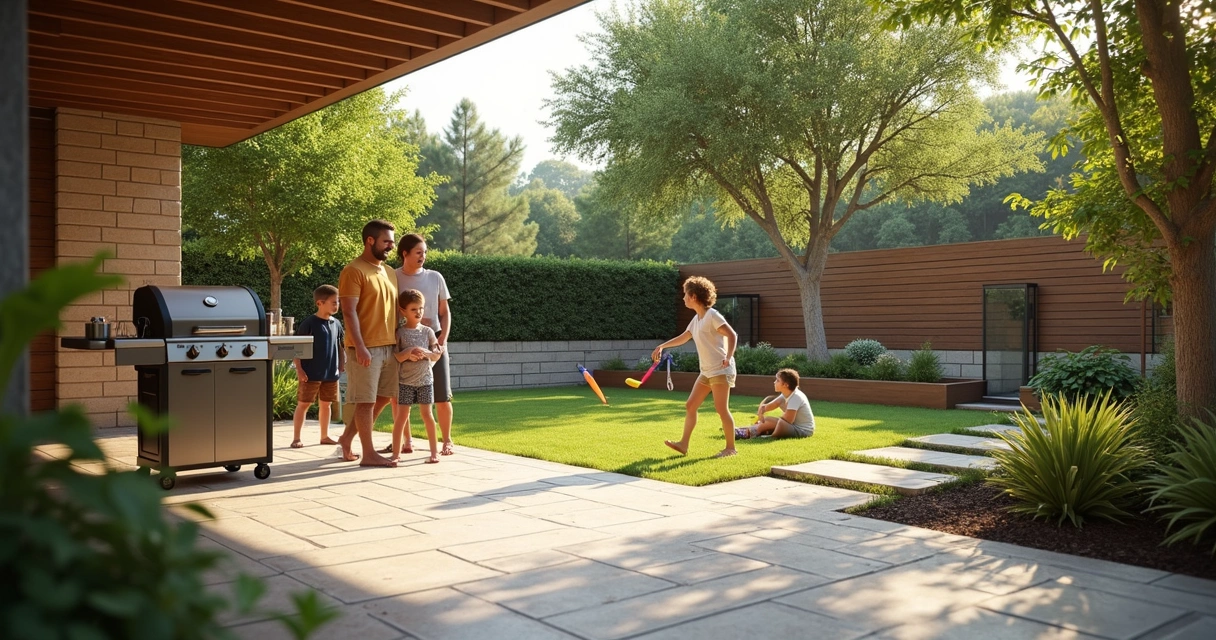
Always create a buffer zone between the hot surface and paths where kids or pets run—at least 3 feet, with clear sight lines for supervising adults.
Install physical barriers such as low planters, benches, or decorative screens if the grill must be close to open space.
Use tactile paving patterns, changes in color, or obvious edges to alert visually impaired users near hazards.
Lighting: Well-lit pathways and down-lit counter edges reduce trip and navigation risks during evening use.
We often recommend slip-resistant broom or exposed finishes for concrete and non-glare, sealed pavers—reflecting our work seen at driveway and patio paving.
Fire and burn protection for all ages
Insulated grill jackets or built-in surrounds keep external surfaces cooler where people may brush past.
Install grill controls out of direct reach of small children (but within range for those seated or in wheelchairs).
Easy-access shut-off valves for gas lines and fire extinguishers near the prep area.
Use dial or lever hardware, rather than knobs that are difficult for those with arthritis or limited grip.
Slip-resistant, easy-to-clean surfaces
Concrete with a broom or exposed finish gives predictable footing—even when wet or oily.
Interlocking pavers laid flush create minimal tripping hazards and blend well with turf or planted borders, fitting our approach on hardscaping in Central Florida.
Artificial turf is an option for play zones, rolling walkers, or reducing mud and mess—as featured in our artificial turf projects.
Seating and gathering spaces for all
A BBQ is only as good as its gathering space. Whether on a large patio or a compact lanai, mix of fixed and portable seating makes the area comfortable, inclusive, and ready for any group.
Seating height and arrangement
Benches and tables at 17-19 inches seat height—comfortable for older adults and accessible for wheelchair transfers.
At least one tabletop with 27 inches clearance underneath lets wheelchair users pull in easily.
Portable, stackable chairs with solid arms help anyone stand or move with less strain.
Consider built-in planters or low walls as alternative seating—part of the paver or concrete border.
We position furniture and benches at the edges of paths, making “parking spots” for both strollers and wheelchairs, and always verifying turning radius.
Shade, comfort, and safety
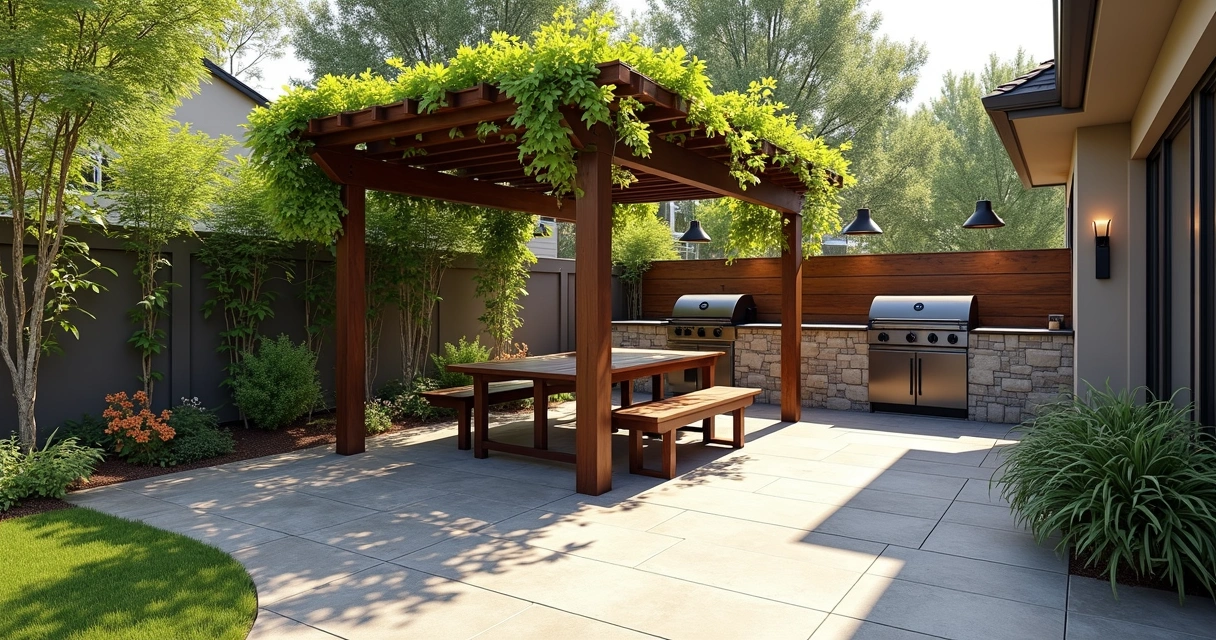
Install fixed awnings, pergolas, or lightweight screen enclosures for sun and rain protection—aligned to withstand Florida’s wind-load codes, in line with the standards we use for screen enclosures.
Fans, misters, and strategic landscaping keep gathering zones usable year-round.
We recommend non-skid mats or outdoor rugs that stay put and do not bunch up, so everyone can relax without worry.
Practical tips for easy maintenance and longevity
Accessible doesn’t have to mean high-maintenance. Durable surfaces and simple layouts add years of enjoyment. In our projects across Orlando and Central Florida, we choose materials and finishes with low upkeep in mind.
High-PSI concrete (3,000–4,000) or professionally laid pavers resist settling and cracking, even after years of Florida rains.
Polyaspartic or epoxy coatings on garage/concrete surfaces keep prep zones clean and stain-resistant.
Polymeric sand and proper jointing between pavers block weeds and ants (and are friendly for bare feet or soft-wheeled mobility aids).
Stainless steel or powder-coated aluminum fixtures withstand both heat and humidity—and can be wiped down in seconds.
We offer maintenance guides with every project, outlining seasonal tasks and long-term care for accessible BBQ spaces that stay beautiful and safe.
How to future-proof your BBQ area for generations
One hallmark of great accessible design is that it adapts as your family, community, or client group changes. We advocate for flexible features and modular components in every project. Some ideas:
Add extra electric outlets or gas lines now, so adaptive cooking tools or mini-fridges can plug in later.
Use open-base work counters for mobility aids now, then close in later for storage if needs shift.
Install edging and borders with lighting conduits, so outdoor lights can be upgraded easily as eyes age or use changes.
Site furniture away from grill clear zones, and choose modular benches/chairs that can be swapped out for knee clearance, cushions, or preferred heights as users age.
With thoughtful planning, your BBQ zone isn’t just a summer project—it becomes a core part of your home or community for decades, always welcoming the next guest.
Conclusion: Inclusive BBQ grill areas bring everyone together
We believe every backyard should invite laughter, grilling, and gathering from all ages, abilities, and backgrounds. Designing with accessibility as the foundation—not just an add-on—sets the tone for lasting comfort and togetherness. At GCM Best Services, our experience in accessible hardscaping, patio construction, and summer kitchens means we can turn practical guidelines into beautiful, usable spaces for your family or community.
An inclusive BBQ area welcomes every neighbor, every time.
If you’re ready to transform your outdoor area into a truly accessible gathering space, or want help planning your next project in Central Florida, reach out to our team for a tailored, on-site assessment. We’ll recommend solutions that honor your goals, reduce surprises, and put every guest at ease.
Ready for a professional quote? 📞 (407) 250-1948 • 24–48h • Orlando, Tampa & area.
Frequently asked questions
What is an accessible BBQ grill area?
An accessible BBQ grill area is an outdoor cooking and gathering space planned so that people of all ages and abilities can use it comfortably and safely. This includes smooth, firm pathways for mobility devices, grills at variable heights, seating for kids and adults, and safety features that make cooking, dining, and socializing easy for everyone. Professional planning—such as the process offered by GCM Best Services—ensures your BBQ zone fits universal design and local safety codes.
How to make grills safe for kids?
To make grills safe for kids, count on a buffer zone that separates the grill from play paths or seating, use barriers (planters or screens), and position controls out of direct child reach. Choose grills with insulated jackets so surfaces stay cooler, and incorporate clear sight lines for supervision. A well-planned BBQ area always keeps children away from burns while letting them watch and participate safely.
What height should a grill be for wheelchair users?
Best practices recommend a grill counter surface between 28 and 34 inches high for wheelchair users, with enough clear space below (at least 27 inches) for knee clearance. This makes grill controls and prep surfaces easy to reach from a seated position. Adjustable or dual-height counters offer flexibility for groups with varied needs.
Are accessible BBQ areas more expensive?
Accessible BBQ areas can sometimes require small investments up front—such as additional concrete or paver work for access paths, or lower-height counters. However, many features, such as slip-resistant finishes, durable materials, and simpler layouts, actually reduce long-term costs and maintenance. In our experience at GCM Best Services, thoughtful planning saves money by avoiding future remodels or safety issues.
What materials are best for accessible BBQs?
Top materials for accessible BBQ areas include concrete with broom or exposed finishes, interlocking pavers, artificial turf, and powder-coated or stainless steel fixtures. These provide stable, non-slip, and easy-to-clean surfaces that withstand Central Florida weather. We combine these with adaptive tools and safe seating to promote inclusivity.