Transparent fence panels have become a modern favorite for those craving an open, stylish look while maintaining a secure perimeter. But when high winds sweep across Florida, homeowners and property managers naturally ask: Are transparent fence panels truly built for windy yards?
In this article, we’ll walk through all the practical angles—safety, durability, wind load, yard conditions, and real-world maintenance—so you can make informed decisions that protect your investment and peace of mind. As professionals serving Central Florida with exterior projects at GCM Best Services, we’re committed to clear advice based on field experience, local expertise, and the latest engineering studies.
Let’s examine the transparent fence panel trend and its fit for the sometimes-challenging Florida winds.
Why homeowners consider transparent fence panels
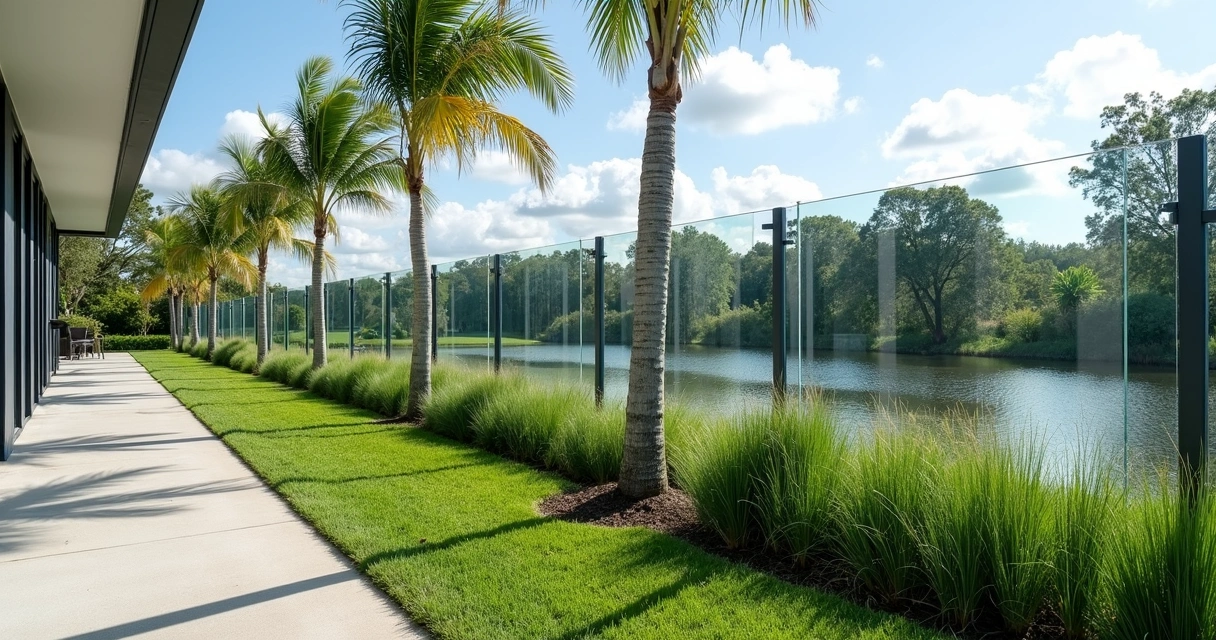
Few changes transform an exterior as quickly as new fencing. Transparent fence panels, made from materials like tempered glass, acrylic, or polycarbonate, deliver a modern, open feeling. We see several reasons why people in places like Orlando and across Central Florida are drawn to these installations:
- Unobstructed views: Enjoy your landscape, pool, garden, or expansive views without feeling shut in by traditional wood or vinyl.
- Contemporary style: Sleek, minimalist lines complement modern architecture and outdoor living spaces.
- Natural light: Allowing sunlight in brightens the yard and reduces that boxed-in feeling around pools or patios.
- Security: Still provides a clear boundary, plus a visual deterrent, without heavy, fortress-style barriers.
However, what works well for privacy fencing in a calm subdivision might face big tests in a yard exposed to regular gusts or tropical storms.
What materials are used for transparent fence panels?
Windy conditions reveal the strengths and weaknesses of different transparent fence materials. Let’s break down what’s most common and how each acts in the face of those Florida breezes.
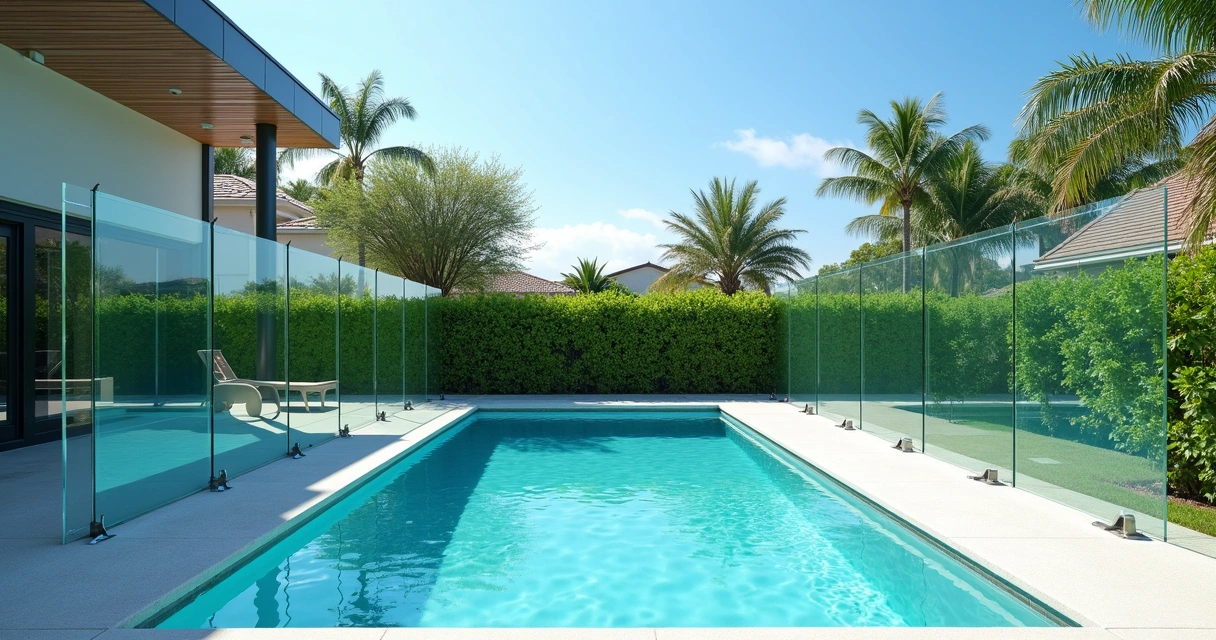
Tempered glass panels
Tempered safety glass is a top pick for high-end pool fences and modern yards. Benefits include:
- Shatter resistance (when broken, it crumbles, not shards)
- Thick glass (usually 8-12mm) resists moderate impacts
- Stays clear and doesn’t discolor like some plastics
But glass is heavy. Each panel can be over 100 pounds. This weight adds wind resistance but can also mean greater force is transferred to the posts and anchors, making sturdy installation critical. Glass, while strong, is not invincible–flying debris and impact during storms must be considered.
Polycarbonate (Lexan) and acrylic (Plexiglas) panels
These plastics are lighter than glass and almost as clear. Polycarbonate, in particular, offers extreme impact resistance and flexibility under force. Acrylic scratches more easily but is low-cost and provides reasonable strength for mild wind conditions.
- Polycarbonate: Virtually unbreakable, flexible, can bow under wind gusts without snapping
- Acrylic: Rigid, less impact-resistant, but lighter than glass
Both materials expand and contract with temperature and may fog or yellow over years of sun exposure if not UV-stabilized. For Orlando’s climate, UV protection is mandatory.
How does wind affect transparent fence panels?
Here’s where the debate heats up. Wind applies intense, sudden pressure to any solid surface—and transparent panels, with their flat, continuous exteriors, can act like sails in the face of gusts.
We calculate wind load using surface area and local wind speed estimates. In Central Florida, regular gusts can approach 30-40 mph—and hurricane season can bring much higher.
Flat surfaces face more wind pressure than open-picket or chain-link fencing.
The science of wind load
Wind speed is squared in wind load equations. So, a gust twice as strong exerts four times the force. It matters a lot if a fence can deflect wind or allows wind to pass through.
- Solid panels (glass/acrylic/polycarbonate) = block wind, higher load on structure
- Ventilated or slatted panels = let wind pass, less pressure transfer to posts/anchors
It’s tempting to think solid transparent panels will “slide” through wind, but in truth, the wind pushes on the entire surface, making material, thickness, and anchoring absolutely critical.
Posts, footings, and installation: What you must know
We’ve learned that even the best material fails without the right installation. Florida codes and HOA rules often set the baseline, but in wind-prone yards, going above standard is smart.
- Post material: Stainless steel or heavy aluminum posts work best. Wood warps, steel rusts without coating.
- Footing depth: At least 2 feet deep, often more for heavier glass. Concrete footings, sized for local wind ratings, resist uprooting.
- Anchoring and bracing: Strong anchors set in concrete, with additional bracing at ends or high panels. For glass, clamps or “spigots” must grip fully across bottom edge.
- Panel spacing: Small gaps between panels can help reduce wind load by allowing some airflow.
In our work at GCM Best Services, we use 6–8" compacted concrete sub-bases, rebar or mesh as specified, and select mounting hardware to match structural loads. We also consider site drainage, since pooled water undermines concrete footings over time.
Are transparent panels safe in wildfire-prone and windy areas?
It’s not just wind that matters—fire safety is a key concern for fencing in wildfire-prone regions. Studies by NIST, such as a 2022 NIST study involving 187 experiments, found that combustible fence materials can become dangerous pathways for fire under wind:
- In the study, flames engulfed fence panels in as little as four minutes.
- Embers often ignited mulch and nearby objects.
Transparent glass, polycarbonate, and acrylic panels are all noncombustible in most formulations (though hardware and mounting can change this), making them a safer choice compared to wood under both wind and fire risk. You can access the findings through the 2022 NIST study and another analysis on wildfire hazards and residential fencing.
Thoughts on privacy, safety, and wildlife
Transparent panels look great, but they’re not the right answer everywhere:
- Privacy: Clear panels provide no visual block. For pools and homes where privacy is a must, frosted or tinted glass/polycarbonate can help. Some ordinances require opaque fencing for pool safety.
- Safety: Large, clear panels can risk bird strikes in nature-rich yards—consider etched or patterned panels if this is a concern.
- Kid- and pet-friendliness: Strong, high panels are hard to climb, but check for gaps at the ground and between posts.
In our Orlando projects, we’ve often designed hybrid fences—transparent panels in key view corridors and privacy fencing where sightlines matter.
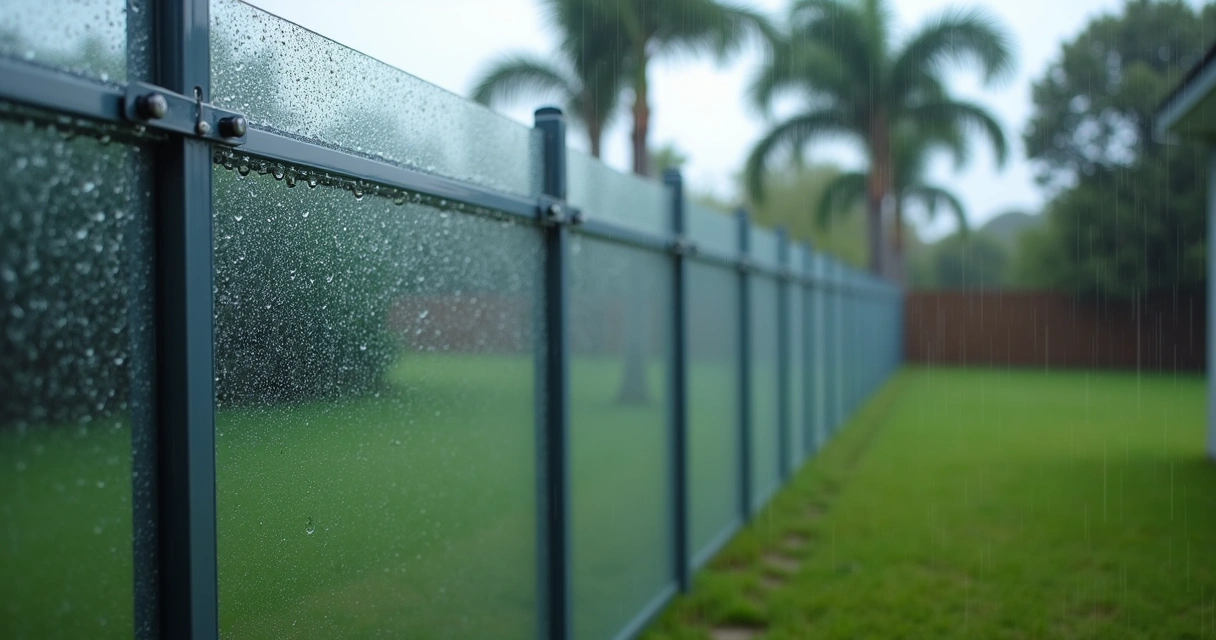
Maintenance, cleaning, and long-term appearance
Windy environments test fences in more ways than just direct pressure:
- Debris impact: Flying limbs or gravel can scratch, chip, or crack panels. Polycarbonate is very resistant; acrylic less so; glass can chip at edges if hit directly.
- Cleaning: Clear panels show dirt and water spots. Regular washing is needed for curb appeal, especially after storms.
- Hardware wear: Stainless and marine-grade hardware resist rust, but salt air and standing water make cheap hardware a major liability.
If maintenance is not your thing, know that fogged, scratched, or yellowed panels quickly lose their premium look. UV protection and regular inspections are your best friends.
Drainage and layout: Preventing wind and water damage
We’ve seen many yards where water and wind together become a real threat to fence stability. Concrete footings are only as strong as the soil and drainage around them.
Key layout factors to consider:
- Slopes and water flow: Make sure the ground sends water away from fence posts.
- Drainage design: Integrate drains, turf, or pavers, so wind-driven rain can’t undermine foundations.
- Backfill and base: Use compacted sub-base under all posts to resist shifting and settling.
Our drainage designs, as seen in our hardscape services in Orlando and alongside artificial turf installations, are matched to Florida soils—supporting fence stability during and after storms.
When are transparent fence panels a good fit for windy yards?
There’s no one-size-fits-all answer. In our experience, transparent fence panels can work beautifully in windy regions if they’re installed with expert attention to wind load, post footing, proper materials, and drainage.
- Homes with modern designs and sweeping views benefit most, where blocking the landscape would spoil the effect.
- Panels placed in less wind-exposed parts of the yard, or integrated with ventilated fencing, lower the stakes if a storm comes through.
- Whereer security is paramount, clear panels are strong, but the fence must be kept in excellent repair.
We recommend a professional site assessment and design tailored to your specific yard—considering local code, HOA restrictions, and weather patterns.
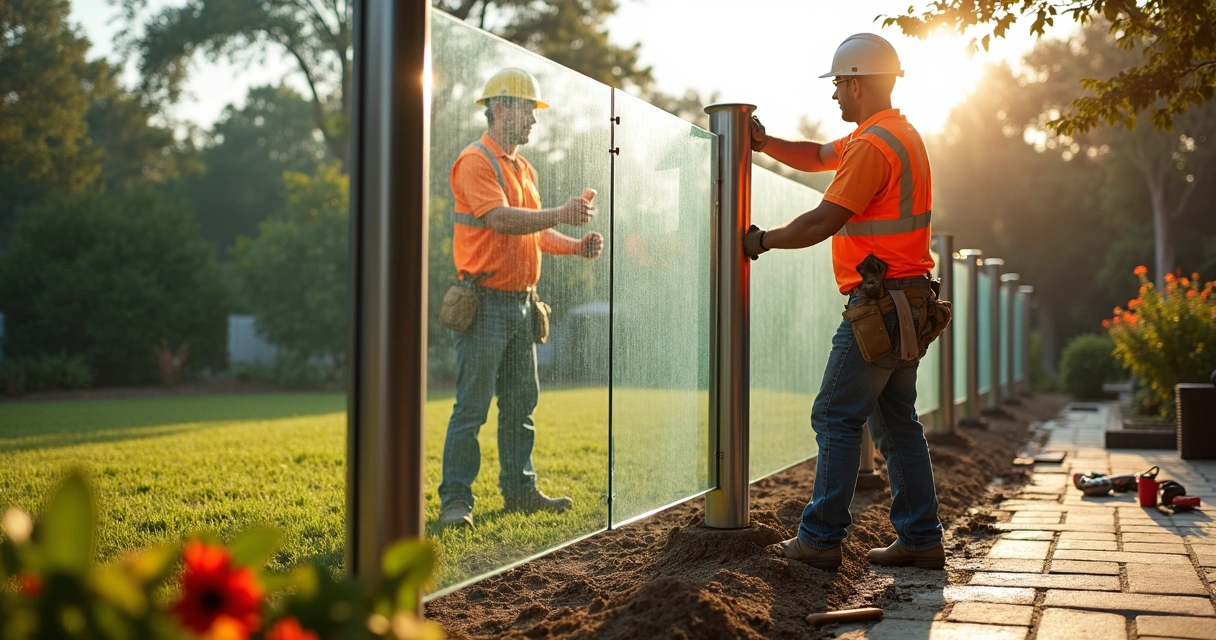
Alternatives and custom solutions for high-wind yards
If you love the look but have an especially windy location, some strategies can give you the best of both worlds:
- Use transparent panels in protected areas, solid fencing where wind hits hardest.
- Specify slim, ventilated panels, or panels with vent slots at the base to reduce wind force.
- Mix hardscape features—a retaining wall with glass panel above for durability and light.
- Consider reinforced posts, bracing, and high-end hardware to boost wind resistance. Our team at GCM Best Services specializes in code-aligned installations and will recommend additional supports as needed.
Look for more ideas on mixing materials and modern fencing options in our hardscaping resources and Orlando hardscape project gallery.
Warranty, permitting, and peace of mind in Florida
The Florida Building Code, plus many local HOAs, have requirements for pool fences, wind load, and even hurricane safety zones. Always work with licensed, insured professionals who secure the right permits and stand behind their installations. At GCM Best Services, we back our work with written warranties and provide photo updates at every step to make sure your investment is protected for years to come.
See our process for permitting, installation, and walk-throughs on our driveway and patio paving page as well—many of the safety standards overlap.
Is the investment worth it? Weighing cost vs. value
Transparent panels are almost always more costly up front than wood, chain link, or standard vinyl. The difference is not just in the panels themselves but the level of engineering, hardware, and depth of foundation required. Still, there are solid reasons for the higher investment:
- Unmatched Modern Style: No other fence delivers the look of seamless glass or crystal-clear panels.
- Low Fire Risk: Especially relevant as wildfires and high winds intersect in many parts of Florida.
- Durable in Harsh Weather: When properly installed, high-quality transparent fences withstand more than most believe.
Consider the value added to curb appeal, the open-air feel around gathering spaces, and the peace of mind from sturdy design and a clear warranty. The key is expert installation and ongoing support—something we are proud to deliver every day.
Conclusion: Should you choose transparent fence panels for your windy yard?
Transparent fence panels offer many benefits, but they’re not the right fit for every environment. If your yard faces frequent strong winds, these panels can work safely only when installed with the right materials, secure anchoring, and thoughtful design. They shine in settings where their style, views, and durability matter most—especially when matched with expert installation and drainage planning like we deliver at GCM Best Services.
If you want great style in a challenging climate, plan every detail—don’t leave it to chance.
Ready for a professional quote? 📞 (407) 250-1948 • 24–48h • Orlando, Tampa & area.
Frequently asked questions
What is a transparent fence panel?
A transparent fence panel is a flat fence section made of clear material, such as tempered glass, acrylic, or polycarbonate, designed to create a visible boundary without blocking views or light. These fences are popular around pools, patios, and yards where a modern, open look is desired.
Are transparent fence panels wind resistant?
Transparent fence panels can be wind resistant when made from strong materials like tempered glass or polycarbonate and installed with sturdy posts and concrete footings, but they require more engineering than ventilated fences to withstand high winds. Proper site drainage and correct anchoring are essential to prevent tipping or damage in wind-prone yards.
How much do transparent panels cost?
Transparent fence panels cost more than traditional wood or chain-link options, often ranging from $100 to $600 per linear foot installed, depending on material, panel size, hardware, and site conditions. Costs are higher due to specialized hardware, finishing, and required professional installation for safety and local code compliance.
Is it worth it for windy yards?
The investment in transparent fence panels is worth it for windy yards when the product is engineered for wind loads, installed correctly, and maintained regularly. The style and openness are unmatched, but the installation must address local wind speed and soil conditions for long-lasting performance.
Where to buy transparent fence panels?
For those in Central Florida, including Orlando and Tampa Bay, we recommend discussing your needs with experienced contractors who can assess your property and offer panels that meet building codes. GCM Best Services can guide you through the entire process from material selection to installation and warranty.