Living in Florida, we know how important it is to enjoy our outdoor spaces while keeping unwanted insects at bay. At GCM Best Services, we have seen firsthand how the right screen mesh transforms patios and lanais, turning them into truly livable extensions of the home. In this article, we are going to share what we have learned about selecting insect-resistant screen meshes for Florida homes, blending years of field experience with the latest guidance from the Florida Department of Health.
Florida’s subtropical climate is a haven for mosquitoes, no-see-ums, flies, and other pests that can interrupt your relaxation or pose genuine health concerns. Choosing the right mesh is not just about comfort but also about safety, property value, and longevity. We will walk you through mesh materials, types, ratings, installation details, and the process we follow at GCM Best Services so you understand exactly what to expect and how to get lasting results.
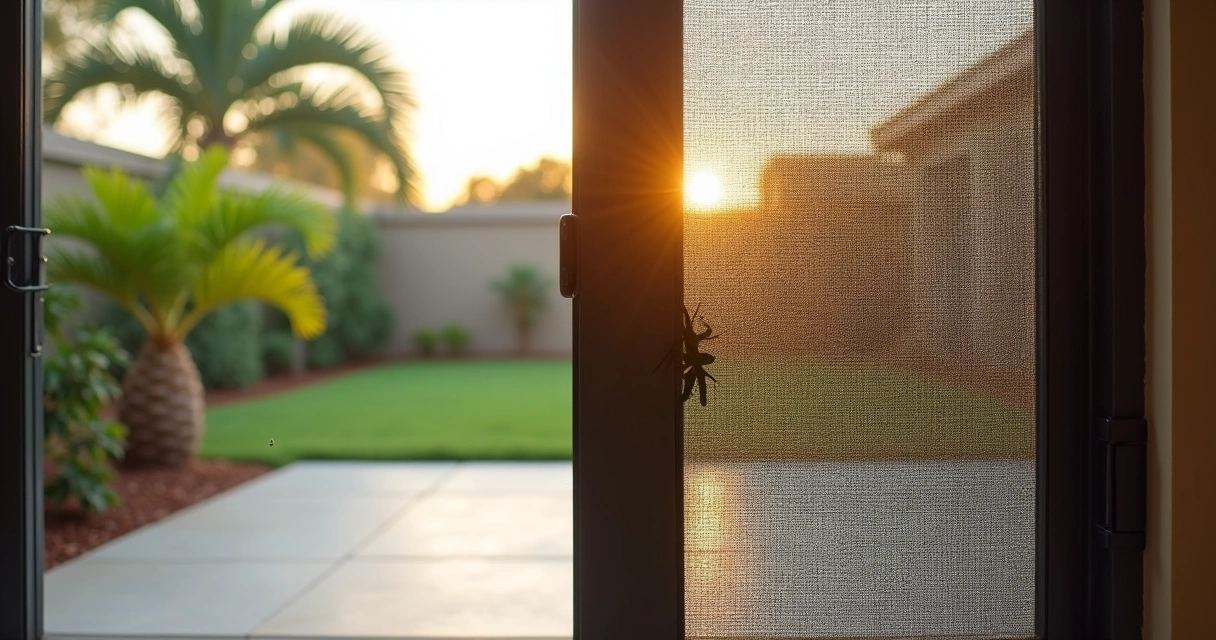
Good mesh lets in the breeze, not the bugs.
By the end, you will feel confident making the right screen choice—whether for a new pool cage, a rescreen, or an upgrade for better durability or appearance.
Understanding the Florida insect challenge
As Florida professionals, we see a wide range of clients and concerns. The most common are:
- Worried about mosquitoes—especially during rainy or humid seasons.
- No-see-ums (biting midges) that are tiny and seem unstoppable.
- Fly invasions in summer kitchens and patios.
- Pests such as gnats, wasps, and lovebugs ruining gatherings.
Our approach is based on the reality that insect pressures vary by region, environment, and the ways you use your outdoor spaces. We always start with a conversation—what bothers you, what you plan for the space, and whether there are specific code or HOA requirements.
Why high-quality screens make a difference
The Centers for Disease Control and the Florida Department of Health both recommend well-fitted, maintained screens as a frontline defense against mosquito-borne diseases. But the benefits go well beyond health:
- Day and night comfort with windows and doors open
- Protecting children and pets from stings and bites
- Reducing the need for chemical repellents or foggers
- Boosted resale value through year-round, usable living areas
- Preventing debris and animals entering your lanai, pool cage, or porch
Even a beautiful lanai or pool enclosure loses its appeal if bugs get in. At GCM Best Services, we’ve seen small improvements—like upgrading mesh or properly tensioning the screen—make huge day-to-day differences for homeowners.
What to know about insect-resistant mesh ratings
Mesh screens work primarily by physical barrier. The effectiveness depends on the tightness of the weave—measured as mesh count, or the number of strands per inch. You’ll see numbers like 18×14 or 20×20, where the first number is the number of strands running vertically, and the second is horizontal.
- Standard insect screen (18×14 or 18×16): Common for keeping out mosquitoes, flies, wasps, and larger insects. Used widely in pool cages and patios.
- No-see-um or midge screen (20×20 or higher): Finer weave to stop tiny midges and gnats. A must near the coast, lakes, or marshes.
- Pollen/Allergy screen: Even finer, catching airborne plant material and dust, good for people with allergies.
The right mesh for your area will depend on the pests you want to block and the airflow and visibility you prefer. We always discuss trade-offs: finer mesh reduces even the smallest bugs, but may reduce airflow or dim light a bit. For most Florida homes, a balance is best.
Main types of screen mesh materials
Material makes a big difference for both performance and life span. At GCM, these are the main options we suggest and install:
Fiberglass mesh
Far and away the most common, fiberglass mesh is affordable and flexible. We use it for homes and patios that have a typical bug load.
- Rustproof and non-corrosive
- Good for most climates, reasonably strong
- Available in gray (for better visibility) or black (for glare reduction)
It is best for areas where durability and cost balance is needed and pets or children don’t frequently press against the screen.
Aluminum mesh
Aluminum screening is tougher—great for larger enclosures or where impact resistance matters.
- Available in black (less shiny, better visibility), silver, or charcoal
- Very strong, holds its shape, won’t sag
- Good for hurricane-prone areas or where you want an extra rigid barrier
We find some people prefer the crisp look and metallic texture. However, it can dent if hit hard, and near salt air, care must be taken to prevent corrosion.
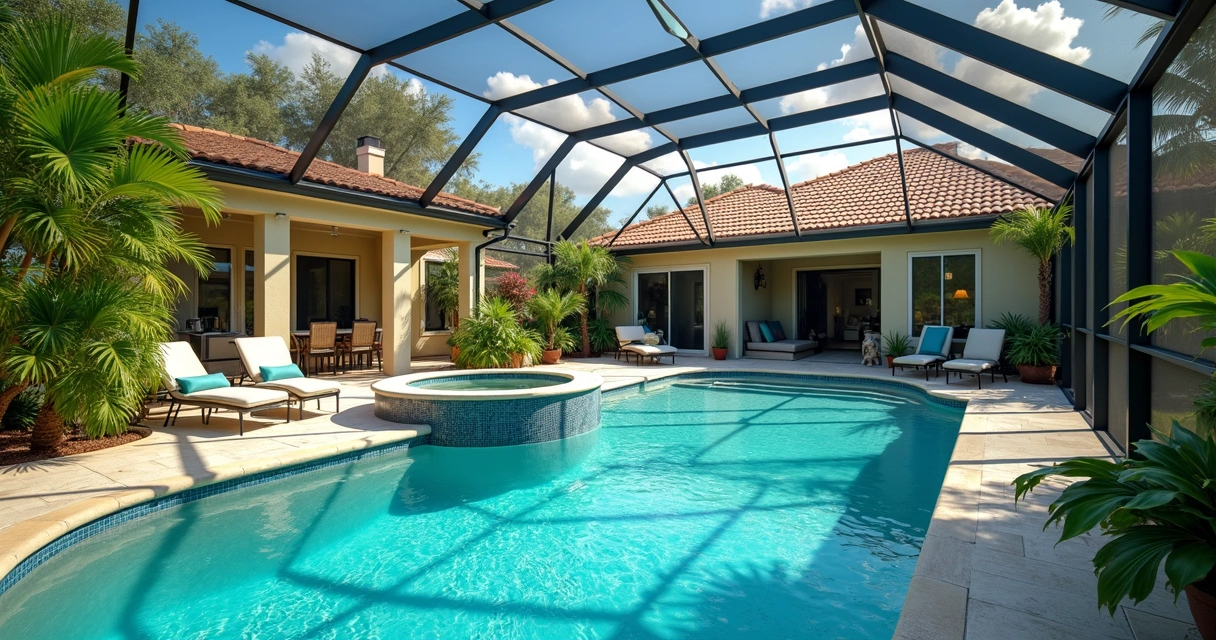
Pet-resistant screen
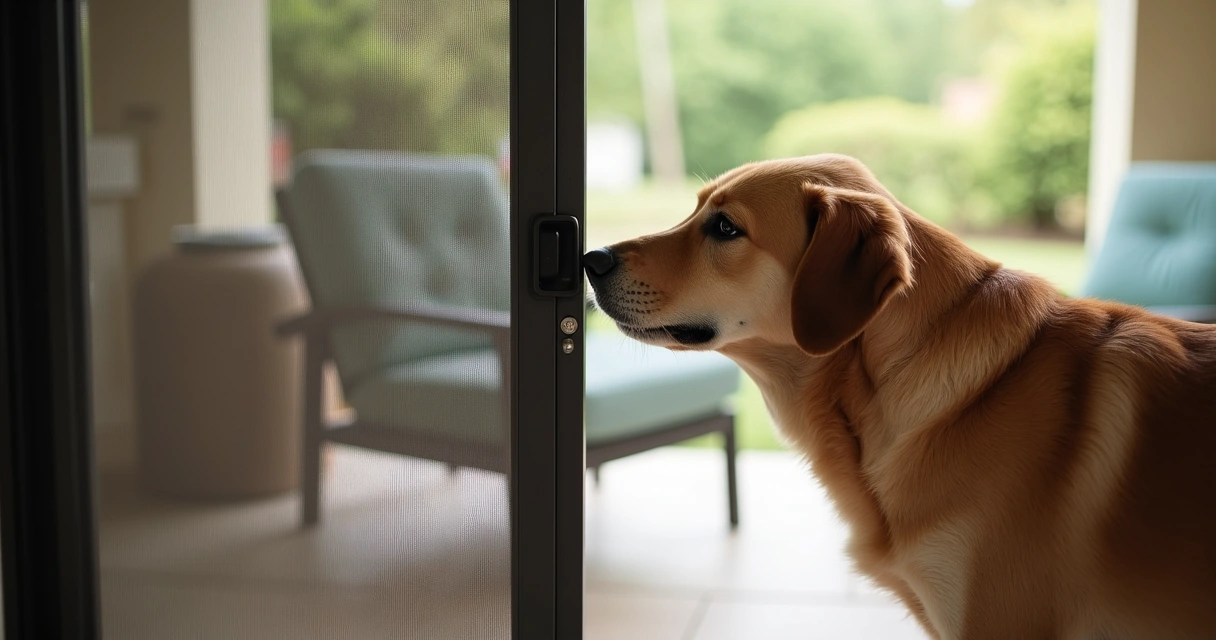
If you have active dogs, cats, or even young children who lean or jump against the screen, pet-resistant screening saves headaches down the line.
- Heavy-duty, vinyl-coated polyester core
- Stronger than fiberglass or aluminum
- Handles scratches, claws, pushing, and impacts
We have installed this option for clients who want to minimize future repairs. It may cost a bit more initially, but is worth it for households with pets.
Solar screens
Blocking both insects and a portion of the sun’s rays, solar screens are great for west-facing porches, lanais, or areas where extra cooling is needed. These reduce glare and can help lower AC costs, though they naturally filter some daylight as well.
- Polyester or fiberglass base with UV-resisting coatings
- Available in a range of opacities to match your comfort
Stainless steel and specialty mesh
For ultimate durability—especially on coastal properties or places exposed to strong wind, chemical splashes (from pools), or high sun—we sometimes use stainless steel or specialty polyester mesh. These are typically custom-ordered for projects demanding the highest security or HOA requirements.
- Rust-resistant, high-tensile
- Can meet stricter wind-load codes
These solutions protect your investment for longer and are ideal for clients with very specific site needs, especially in hurricane zones—but always in line with local code, not making claims of “hurricane-proof.”
Mesh color and visual considerations
Color matters more than most expect, both for comfort and outlooking style. Common choices:
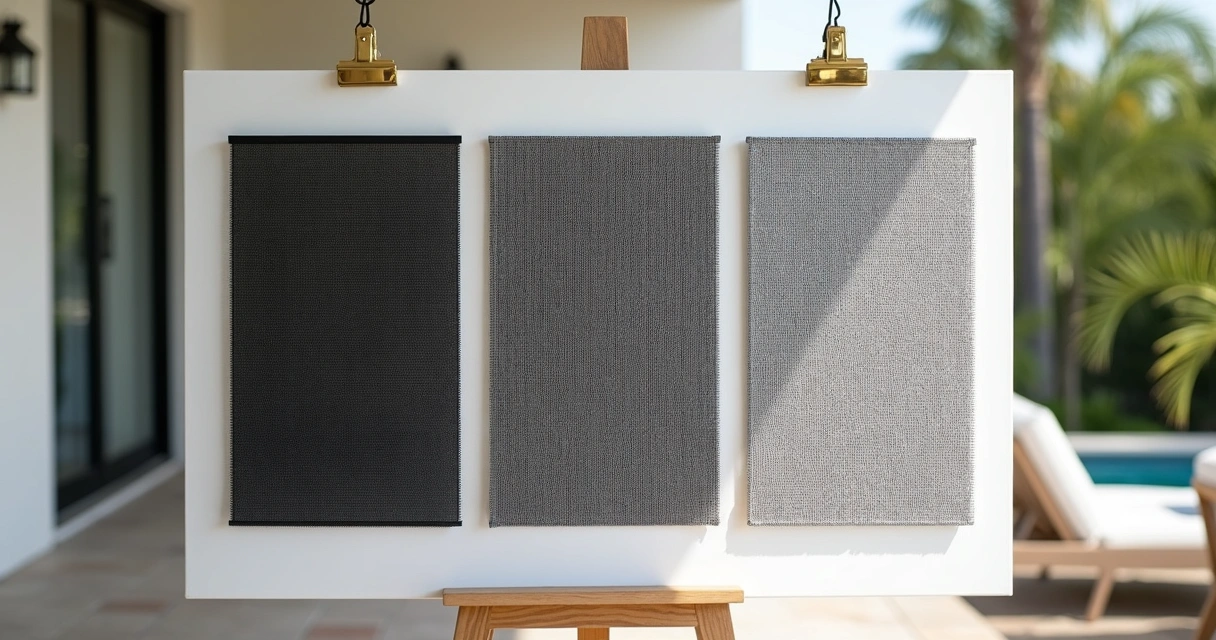
- Charcoal/black: reduces glare and reflection, makes mesh “disappear” for best visibility
- Gray: brighter look, works especially well for daylight patios
- Silver or custom: matches some frames or architectural styles
We almost always recommend darker colors for the best outward visibility. Lighter mesh may be preferred in shady or fully enclosed areas.
How mesh type affects airflow and light
Screen mesh count and thickness naturally affect how air and light pass through. Finer mesh blocks more bugs—especially tiny ones—but allows slightly less airflow and can dim the sunlight a touch. We usually see:
- 18×14 mesh: Blocks common mosquitoes and flies. Good airflow and light.
- 20×20 mesh (no-see-um): Stops even tiniest pests. Airflow slightly reduced, but most clients report it stays comfortable for Florida weather.
- Pet, solar, or specialty: Each has unique light/air characteristics—test a sample, if possible.
We recommend prioritizing insect resistance for comfort first, then balancing airflow and visibility based on your daily use and orientation.
Screen lifespan, maintenance, and repair
One of the most under-appreciated factors is how long each mesh type lasts. In the Florida sun, screens get tough treatment: harsh UV, salt air, storms, pool chemicals, and more.
- Standard fiberglass: Lasts 7–10 years in most conditions, possibly a bit less near water or sun-exposed locations.
- Aluminum: Can last 15+ years if properly maintained.
- Pet/specialty: Often outlasts fiberglass if not physically damaged.
The best way to protect your investment is regular cleaning (light soap and water, gentle brush) and quick repairs before tears grow. We recommend a yearly check, tightening, and patch repairs as needed. At GCM Best Services, our rescreening work includes a site review for frame damage, replacing hardware if bolts have corroded, and updating fasteners to current hurricane-resistance standards.
Installation techniques for lasting results
Many screen issues arise not from the mesh itself, but from poor installation:
- Mismatched spline (the rubber cord that holds the screen tight) can cause the mesh to loosen or wave.
- Improper tensioning leads to sags or gaps—easy invitations for bugs.
- Skipping sealants or caulking at edges allows tiny pests entry, especially no-see-ums.
- Using non-stainless fasteners in hurricane zones can reduce wind code compliance.
- Not aligning mesh seams with drainage or airflow direction creates water “pockets” or dust buildup.
Our process at GCM Best Services involves full frame inspection, using the correct spline and fasteners, and aligning every segment with wind and water flow for the climate in Orlando and Central Florida.
Considering code, HOA, and insurance requirements
Many homeowners’ associations and local ordinances set guidelines for screen enclosure appearance, materials, color, and even installation style. Insurance coverage—and compliance after a storm event—can sometimes depend on meeting these criteria.
We provide design and permitting guidance for all screen jobs, always checking:
- Does the mesh type meet HOA or city code for wind load where you live?
- Are hurricane-rated fasteners required for your location?
- Is your pool enclosure subject to drainage or ground compaction rules?
- Are special pet or child safety barriers requested?
Our team manages permits, HOA approvals, and inspections as part of our turnkey screen enclosure service. That means no surprises for you—or for future property buyers.
Step-by-step: Our process for choosing and installing the right mesh
Our method at GCM Best Services follows a proven process:
- On-site assessment: We meet you at your home to inspect current screens, frames, and note insect, sun, and humidity exposures.
- Custom estimate: You receive a detailed proposal showing mesh types, colors, and project considerations.
- Design support, permits, and HOA: We get approval from all necessary parties and align with codes.
- Expert execution: Scheduled installation with site prep, replacement of hardware, tensioned screens, and clean, OSHA-safe jobsites.
- Final walkthrough and warranty: You review the finished product. We hand off a written warranty and a maintenance guide.
The entire process is designed for clear communication and no surprises. We document with before-and-after photos, so you see the value our work adds.
Practical tips: Getting more from your Florida screen enclosure
After years doing screen projects, here are our top recommendations:
- Match mesh grade to local insect threats—coastal and marshy areas almost always need no-see-um grade.
- Upgrade to pet-resistant mesh if you have animals.
- Choose black or charcoal mesh for best visibility.
- Request stainless steel fasteners if you live near the ocean (salt air is tough on cheaper hardware).
- Repair small holes right away to prevent full panel replacement later.
- Wash mesh gently a couple of times a year to remove dust, pollen, and bugs.
- Ask for a sample or ‘test strip’ if you are unsure how a mesh looks in your light conditions.
Integrating screens with other outdoor upgrades
Many of our clients consider screen upgrades as part of larger outdoor living projects—like concrete patios, brick paver walkways, or artificial turf for pets. At GCM Best Services, everything is designed to work together for lasting comfort, beauty, and value.
- If upgrading your patio or driveway with new hardscapes, plan screen posts or frames for easy re-screening later. This saves cost down the line.
- For those with outdoor kitchens, fine mesh not only blocks insects but also keeps falling leaves and pollen away from appliances and surfaces.
- Pools with artificial turf borders may benefit from no-see-um screen to keep small pests out, especially in play areas for children and pets. You can learn more about our seamless approaches at artificial turf solutions.
Ready to enhance your comfort and pest protection?
If you are ready to enjoy your Florida outdoor spaces in comfort, free from pests, we are here to help. At GCM Best Services, we bring expertise in mesh selection, design, and installation to every project. We offer on-site consultations, detailed estimates, and handle all the details—so you can relax and enjoy your lanai, pool, or patio, knowing it is protected for years to come.
For more ideas on how to integrate screen enclosures with new hardscapes or turf, be sure to visit our GCM Best Services blog and the latest project updates, or explore our range of hardscape services at GCM hardscape. You can also see category-specific examples at hardscaping solutions.
“Ready for a professional quote? 📞 (407) 250-1948 • 24–48h • Orlando, Tampa & area.”
Frequently asked questions
What is an insect-resistant screen mesh?
An insect-resistant screen mesh is a finely woven barrier, typically made from fiberglass, aluminum, or specialty materials, installed over openings to physically block insects such as mosquitoes, flies, and no-see-ums from entering enclosed spaces like patios, lanais, or windows. The weave density (mesh count) determines its ability to keep out smaller pests. For Florida homes, using an insect-resistant mesh is especially valuable as recommended by public health agencies to reduce mosquito-borne diseases.
How to choose the right screen mesh?
Choosing the right screen mesh depends on your local pest pressures, the area’s purpose, durability requirements, and personal preferences for airflow, light, and appearance. Start by identifying the most troublesome insects in your area (mosquitoes, no-see-ums, flies), then select the appropriate mesh count—20×20 or higher for tiny midges, 18×14 for general protection. Consider pet-resistant or solar meshes for special needs. Consulting a qualified contractor, like the GCM Best Services team, ensures compliance with local codes and optimal installation.
Is it worth it to upgrade screens?
Upgrading to higher-quality or finer mesh is a smart investment for Florida homeowners. It means fewer insect bites, better comfort, more usable living space, and often a cleaner look. Upgraded screens also last longer and reduce cleaning or future repair costs, making them cost-effective over time. For many clients, the peace of mind and better quality of life quickly justify the upfront expense.
What are the best screen mesh materials?
The most popular and effective screen mesh materials are fiberglass (cost-effective, good for most settings), aluminum (very strong, great for heavy-duty or exposed areas), pet-resistant polyester (for durability with pets or children), and specialty options like stainless steel for harsh environments. Each material has trade-offs in terms of strength, life span, and price, so we encourage discussing your specific site and lifestyle needs with professionals.
Where to buy insect-resistant mesh in Florida?
For homeowners who want high-quality and code-compliant solutions, we recommend professional installation and sourcing from contractors with experience in Florida’s climate, such as our own GCM Best Services team. We use commercial-grade mesh with written warranties and manage all permitting and HOA hoops for you. If you need a recommendation or a quote, please reach out to us directly.
With GCM Best Services, you gain comfort, protection, and confidence that your screened space will stand up to Florida’s challenges—now and for years to come.