Summer in Central Florida is famous for its dazzling sun, steamy afternoons, and the struggles homeowners sometimes face when outdoor surfaces like patios become almost too hot to enjoy. For those of us who love backyard living, finding ways to keep these spaces cooler makes a real difference—not just for comfort, but also for safety and the durability of our investments. At GCM Best Services, we know how exterior upgrades such as quality coatings, concrete work, and smart planning come together to transform the outdoor experience. In this article, we reveal how thermal paint offers a promising, scientifically validated solution for beating patio heat, and how its thoughtful application can help Central Florida patios truly shine.
A cooler patio means more summer days outdoors and less time retreating inside.
Why patios get unbearably hot in Central Florida
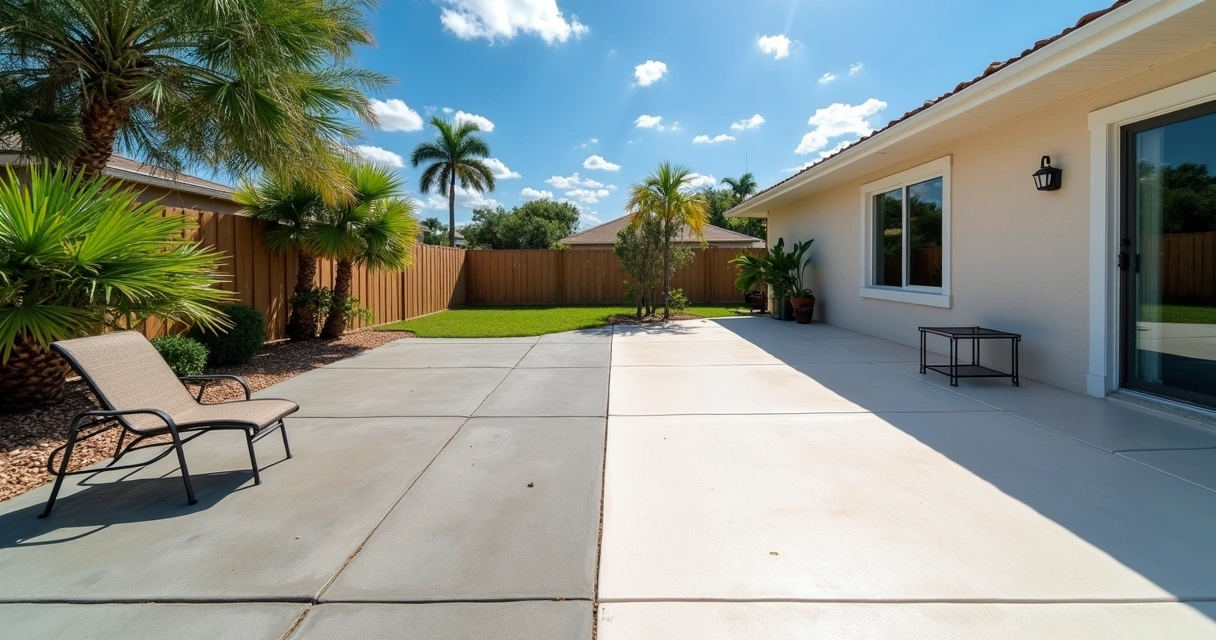
Let’s start with what happens every sunny day. Dark or dense patio surfaces—concrete, stone, pavers, or even older painted slabs—absorb and store the sun’s energy. That energy turns to heat, which radiates for hours after sunset. Here in Orlando, summertime highs regularly jump past 90°F (32°C), and patios can feel hotter than the air itself. Sometimes, it’s enough to sting bare feet or cause discomfort for pets and kids. We’ve visited yards where even freshly sodded turf bordering patios felt cooler than the slab itself.
Central Florida’s unique combination of high humidity and intense solar exposure leads to a heat island effect, making surfaces several degrees warmer than shaded soil or grass. That’s why we’ve always prioritized drainage design and material selection for patios, as we described in our step-by-step patio installation guide. But, surface treatments—especially new coatings like thermal paint—are now changing the equation in exciting ways.
Understanding thermal paint: Beyond just color
At its simplest, thermal paint (or cool coating) is a high-tech formulation that reflects sunlight and emits thermal radiation, rather than capturing heat. While white or light-colored paints have always absorbed less heat than darker ones, new generations of reflective coatings push these benefits further by targeting both visible and infrared wavelengths. According to recent research on cool coatings by Energy and Buildings, such products can cut surface temperatures by several degrees—even when applied to concrete, pavers, or stone.
Thermal paint is designed not only to reflect sunlight but also to efficiently radiate heat away, keeping patio surfaces cooler under direct sun.
Many of these paints contain special pigments and particles that create a microscopically rough surface, increasing scatter and reflection. Some, like those discussed in Purdue University field tests, use specific ingredients such as CaCO₃ (calcium carbonate) for record-setting solar reflectance. For homeowners, the takeaway is this: the right coating can deliver results far beyond what a standard outdoor paint can achieve.
The science: How thermal paint cools patios
Let’s break down the mechanisms into easily digestible parts:
- High reflectance: These paints bounce away a high percentage of sunlight, much like a bright shirt stays cooler than a dark one.
- Emissivity: Effective coatings don’t just reflect; they emit absorbed energy as infrared radiation, keeping surfaces from holding heat long after the sun sets.
- Weather resistance: Special binders and additives fight off mildew, UV breakdown, and Florida’s frequent rains, prolonging the effect—something we always look for during our product selection.
In a 2023 Stanford University study, a newly developed paint was able to reduce outdoor cooling needs by more than 21%. Other research from LBNL shows that simply coating surfaces exposed to the sun (like patio slabs, decks, and even ducts) can reduce average heat gain and improve comfort, lowering energy use in nearby living spaces as well.
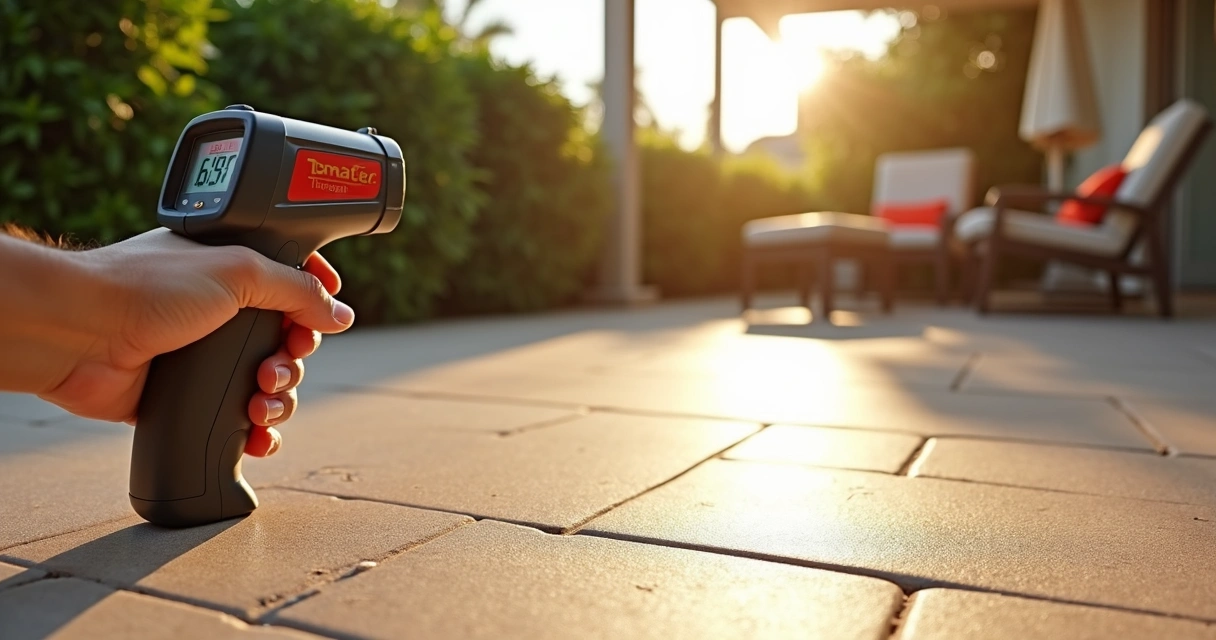
When placed on patio surfaces, these specialized paints can keep touch-exposed areas as much as 6°F (3°C) cooler than standard finishes.
The benefits of thermal paint for patios in Central Florida
We’ve witnessed how applying thermal paint to patios brings a host of direct and indirect benefits for local homeowners and businesses:
- Comfort: Surfaces are noticeably cooler—ideal for bare feet or pets.
- Extended use: Patios become usable longer into the afternoon and evening.
- Protection: Extra UV resistance can slow the fading and wear of concrete or pavers.
- Energy impact: Less radiant heat means adjacent rooms can stay cooler, supporting lower HVAC bills—a point confirmed in studies on cool coatings and HVAC savings.
- Safety: Reduced risk of burns or slips when paired with non-skid finishes.
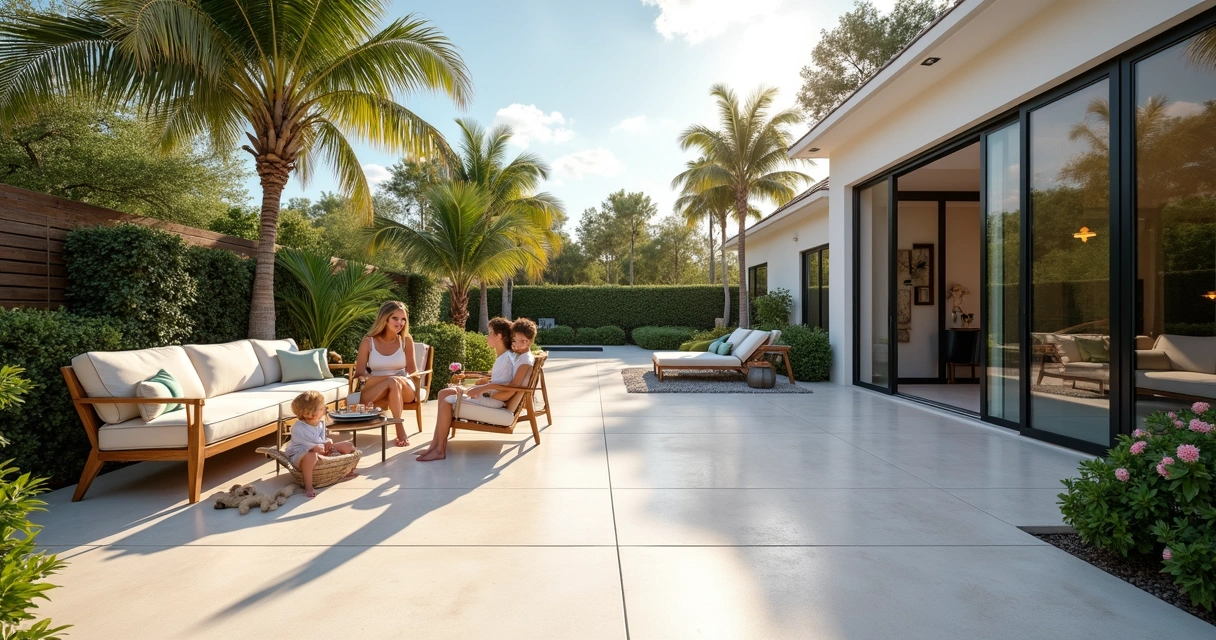
For families in the Orlando area, a cooler patio can turn a sometimes-forgotten space into the star of summer gatherings.
We also notice a subtle but significant boost to existing hardscape investments. Patios finished with thermal coatings often maintain their appearance longer, as the paint’s resistance to dirt, mildew, and the region’s acidic rains slows down the surface aging process. The results? Less maintenance over the years and more consistent curb appeal.
What makes thermal paint different from standard paint?
As painting contractors, we explain this topic to clients frequently. Standard paints focus on color, texture, and modest weather protection. Thermal paint starts there but takes it further with engineered pigments and binders that specifically absorb less solar energy and radiate more heat away.
Traditional acrylics, for example, might provide a small benefit if you choose lighter shades. But thermal coatings, as tested by Purdue University researchers, can show differences of 2–6°C (3–11°F) in surface temperature compared to similar plain paints. In our work, we find that a high-quality thermal paint goes on thicker, forms tougher films, and outlasts regular paint—especially in demanding settings like pool decks and exposed patios.
The right paint doesn’t just look good; it actively helps your patio stay cool.
Key factors when selecting thermal paint for patios
In our years managing exterior upgrades in Central Florida, we have learned that product choice and surface preparation go hand in hand. Here’s what matters most when evaluating thermal coatings for patios:
- Solar reflectance index (SRI): Higher SRI means better performance—look for published data, not just marketing claims.
- Emissivity: High emissivity (above 0.9) indicates efficient heat release.
- Durability: Choose coatings rated for foot traffic, pool chemicals, and Florida’s downpours.
- Color: Light or pastel tones typically reflect more heat; some brands offer “cool technology” in darker hues as well, but with smaller benefits.
- Application process: Some products are roll-on, while others require spraying for best results.
When we match products to patios for our clients, we always begin with a surface assessment, focusing on how well the sub-base and finish will work with the chosen coating. That’s a lesson we covered in our guide to quality paving and patio design.
Proper surface preparation and application
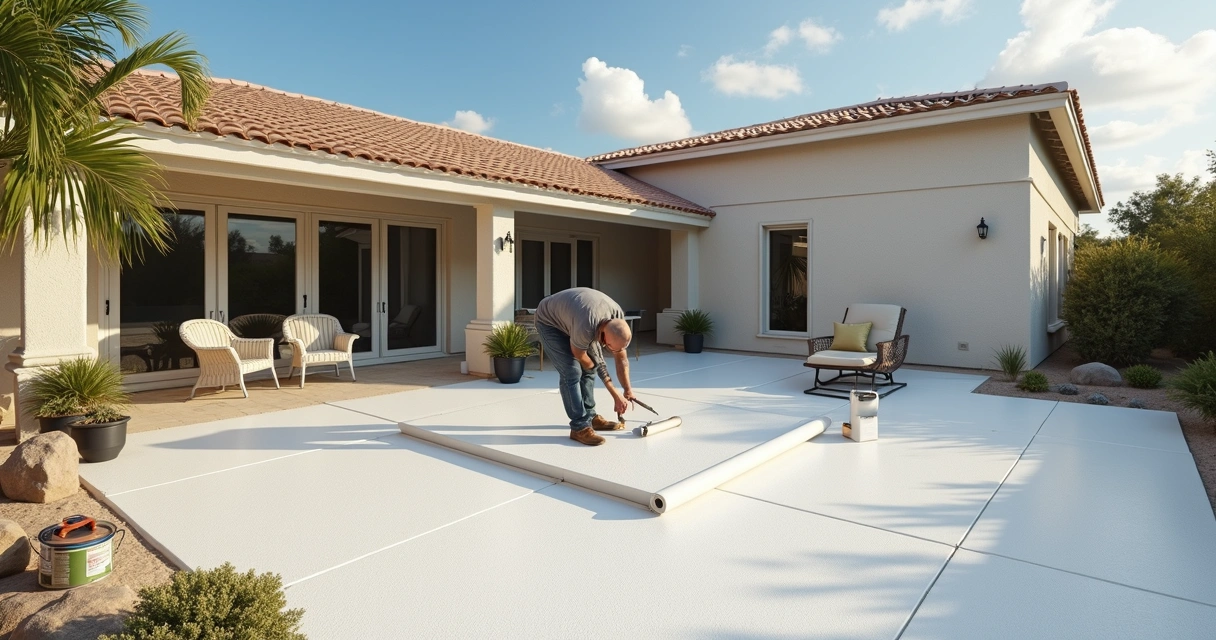
Thermal paint’s benefits depend on expert application. Just as we approach every concrete or paver project at GCM Best Services, preparation is the difference between enduring results and early disappointment:
- Patio surfaces must be clean, dry, and free of old sealers, mold, or loose materials.
- Cracks and low spots need repair. Moisture testing helps avoid issues later on, echoing our advice on avoiding cracks and water problems in Florida patios.
- Primer coats are often required for concrete, pavers, or brick to ensure bonding and uniform performance.
- Multiple thin coats of thermal paint work better than one thick coat, as they cure more evenly and maintain reflectivity.
- Application in early morning or late afternoon helps protect the finish from the aggressive midday sun during drying.
We have found that careful, staged application is not just about appearance—it's vital for achieving the promised temperature reduction. Following the manufacturer’s instructions on humidity, temperature, and recoating intervals is key for Florida’s unpredictable weather.
Every cool patio starts with proper prep and careful application.
Thermal paint and complementary patio upgrades
While a cool coating alone helps, the best results often come when combining thermal paint with other smart upgrades—like strategic shade, outdoor fans, or landscaping that reduces reflected heat. We’ve designed patios where shade sails or screened enclosures work with cool coatings for a real sanctuary effect. The combination can lower the perceived temperature even further.
If you are thinking long-term about patio comfort and style, consider pairing thermal coatings with:
- Resilient paver borders, which enable clean cut-ins and accent stripes.
- Updated drainage, moving water away from the slab so coatings last even longer (see our hardscape recommendations for Central Florida).
- LED lighting, which doesn’t add heat and extends evening use.
- Integrated turf or garden beds, for cooling through transpiration.
These upgrades not only help you get the most from thermal coatings, they add lasting value and performance to the entire outdoor setting.
How does thermal paint affect energy costs?
One hidden benefit of cooling patio surfaces is the reduction in radiant heat entering adjacent indoor spaces—especially if your home’s windows or doors face south or west. By keeping outdoor surfaces cool, less heat is transferred indoors, reducing HVAC load.
The Stanford research noted that energy consumption for cooling can drop by more than 20% in specific situations, simply due to improved exterior heat management. Savings may be larger for homes with concrete patios directly connected to main living areas.
Homeowners sometimes notice that after upgrading their patio and applying a thermal coating, the rooms behind the patio glass doors seem more comfortable—and smart thermostats often show lower cooling demand.
How long does thermal paint last outdoors?
With our climate’s high humidity, UV exposure, and storms, coating longevity is a fair question. From our experience and what the studies suggest, a good-quality, professionally installed thermal paint can last three to seven years on a patio. This depends on:
- Exposure to sun and how often the area is cleaned.
- Frequency of foot traffic and abrasion.
- Quality of preparation and the underlying concrete or paver integrity.
Many manufacturers offer written warranties for outdoor thermal coatings. And just as we do at GCM Best Services, a final walkthrough and maintenance guidance help ensure you get full life out of your investment.
Are there any limitations or special considerations?
Thermal paint isn’t a silver bullet for every patio. In our professional opinion, these coatings work best when applied to surfaces with proper slope, solid sub-bases, and little current damage. Surfaces that stay wet or have extensive cracks may require repair or resurfacing first. Some types of pavers, bricks, or precast stone may need primers or special protocols because of their porosity.
We’ve also found that very dark colors, while possible, will not achieve the same cooling as lighter shades, due to basic energy physics. If you want a visually dramatic finish, consider using darker tones for accent stripes or borders only.
Finally, note that thermal coatings don’t replace the need for good patio hygiene, occasional power washing, or reapplication after several years if you want the best performance.
Real-world examples: Transforming patios with thermal paint
In our years serving Orlando and Central Florida, we have helped hundreds of homeowners transform their patios by combining surface repair, drainage upgrades, and the right paint. We’ve seen many cases where spaces that were unbearable on midsummer afternoons became family gathering spots after a thorough surface cleaning and two coats of quality thermal coating.
One client told us that their morning yoga sessions, which used to be rushed before the patio got uncomfortable, now last well into the late morning. Another client saw a substantial reduction in seasonal wear on concrete pavers after we recoated their pool deck—and the lighter, reflective finish stayed beautiful for much of the year.
These stories echo what the science demonstrates: a cooler surface is more inviting, more usable, and stays lovely longer.
A small change in coating makes a big difference in comfort.
Step-by-step: Getting started with a cooler patio
If you’re considering thermal paint for your Central Florida patio, here’s how we recommend approaching the project for the best results:
- Request a free on-site assessment from an expert team, such as GCM Best Services, to evaluate your patio’s readiness.
- Choose a high-reflectance, high-durability thermal paint that meets regional requirements and your color preferences.
- Address drainage and surface repairs first—level low areas, seal cracks, and confirm proper water flow away from the slab.
- Let professionals handle cleaning, priming, and multi-layer application, adjusting for humidity or temperature as needed.
- Follow up with a maintenance plan: periodic cleanings and timely touch-ups when needed.
If you’d like to learn more about our detailed process—including written warranties and scheduled execution—reach out for a consultation. We always provide a no-obligation visit to help you find the best pathway to a cooler, safer, and more beautiful patio.
Wrapping up: Why thermal paint is a smart upgrade for Central Florida patios
As the research shows, and as we’ve proven in real-life projects across Orlando, high-reflectance patio coatings pleasantly lower surface temperatures, reduce energy bills, and even extend the life of concrete or pavers. Combined with quality preparation and mindful design, this approach can help you truly get the most from every sunny Florida day. At GCM Best Services, we stand ready to recommend, install, and stand behind the solution that’s right for your unique home.
Would you like to step onto a patio that stays cool, clean, and comfortable all summer long? Make the first move—contact us today for your professional quote, and let’s give your outdoor space the summer transformation it deserves.
Ready for a professional quote? 📞 (407) 250-1948 • 24–48h • Orlando, Tampa & area.
Frequently asked questions
What is thermal paint for patios?
Thermal paint for patios is a specially formulated coating designed to reflect sunlight and emit absorbed heat, significantly reducing the surface temperature of outdoor areas like patios, pool decks, and walkways. Unlike standard paints, thermal coatings include engineered pigments and additives that optimize both visible and infrared reflectivity, enabling them to provide noticeable comfort benefits even under direct Florida sun.
How does thermal paint keep patios cool?
Thermal paint works by combining two main mechanisms—high solar reflectance and high thermal emissivity. This means the paint bounces away a large portion of the sun’s rays while also radiating stored heat away from the surface. As shown in studies by Energy and Buildings and others, this can bring patio surface temperatures down by several degrees, making them comfortable to walk on even on hot days.
Is thermal paint worth it for patios?
For most homeowners in Central Florida, thermal paint is an excellent investment due to the increase in outdoor comfort, reduced risk of burns, and improved appearance and durability of surfaces. Research indicates that these coatings can also support lower indoor energy costs by reducing radiant heat transfer. The upfront cost is usually outweighed by the long-term benefits in usability and maintenance.
Where to buy the best thermal paint?
The best thermal paint for patios is one that has high solar reflectance, strong weather resistance, and proven durability for outdoor surfaces. While many home improvement centers carry these products, we recommend consulting with professional contractors like GCM Best Services, who can recommend and apply the correct product for your climate and surface type to ensure long-lasting results.
How much does thermal paint cost?
The cost for thermal paint varies based on product quality, preparation needs, and project size, but homeowners can expect to invest $2–$5 per square foot for professional installation in the Central Florida region. This includes surface cleaning, priming, and at least two coats of high-performance coating. Do-it-yourself kits are available at lower prices, but results may not match those achieved by experienced crews with access to premium coatings and preparation equipment.
For more answers about patio improvements, concrete, and coating services, check our other resources at our blog category on concrete solutions.