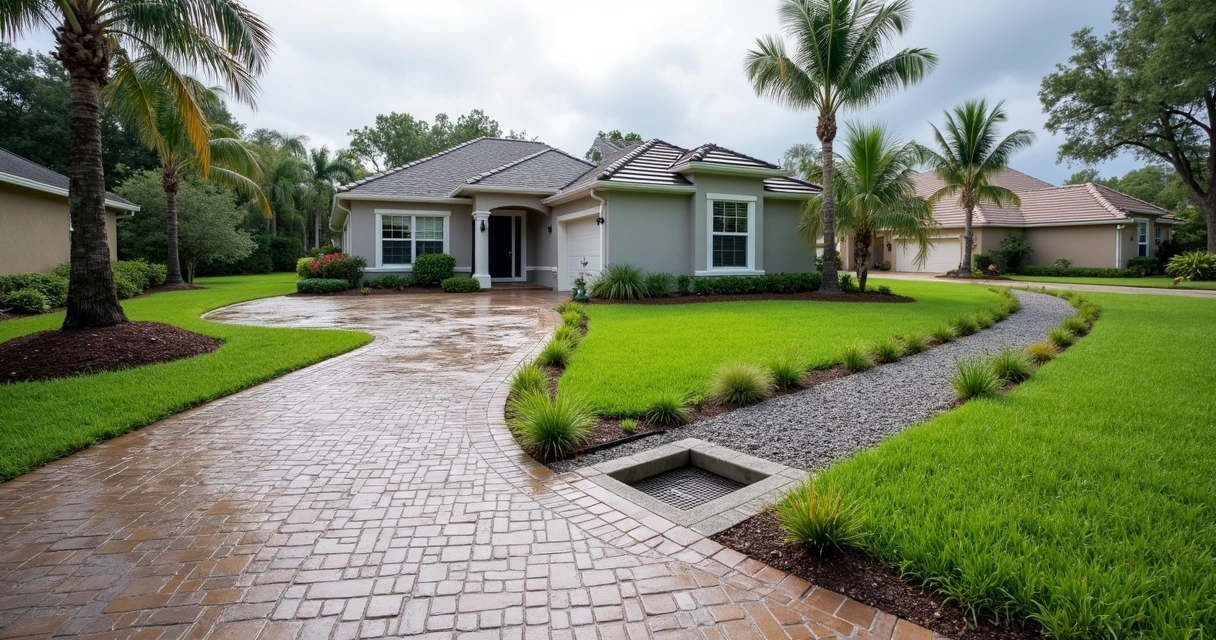
Florida’s yards, driveways, commercial sites, and patios all share a hidden connection: what happens to the rain and runoff water once your project is complete matters—to your investment, your neighborhood, and the natural environment. In our work at GCM Best Services, from concrete pours to artificial turf and brick pavers, we see how quickly water can shape the outcome on any property.
Getting stormwater right is a responsibility we take seriously. With Florida’s seasonal rainfall, sandy soils, and strict regulations, understanding how to plan an outdoor project without running afoul of the rules is part of the value we provide to families and businesses in Central Florida. This guide will walk through the basics and details of Florida’s stormwater rules, including permit triggers, practical drainage tips, costs, and the long-term impact for your project and community.
Whether you’re a homeowner dreaming up a backyard or a property manager planning a commercial improvement, a clear process can turn stormwater management from an obstacle into an asset.
Why stormwater regulations shape every Florida outdoor project
In Central Florida, even a quick summer shower can send sheets of runoff washing across driveways and lawns. When runoff flows off roofs, paved areas, or compacted soil, it can pick up oil, fertilizers, debris, and other pollutants on its way to storm drains, canals, lakes, or even the groundwater.
Florida’s Department of Environmental Protection (DEP) highlights that stormwater runoff is a primary contributor to impaired waterbodies statewide. Regulations require new construction to control runoff volumes, slow the flow, filter out solids, and in special circumstances, treat water to a higher quality if it drains to sensitive “Outstanding Florida Waters” or similar protected sites (stormwater objectives).
Left unmanaged, stormwater runoff causes:
- Flooding of yards, basements, streets, and neighbors’ lots
- Ponding and cracking in new concrete, pavers, or turf installations
- Algae blooms and declining water quality in lakes, ponds, and streams
- Erosion and damage to property or municipal infrastructure
Every outdoor project in Florida needs a plan to handle the rain.
This is why every city and county in Florida has some process tied to stormwater management. At GCM Best Services, we set up each project to fit drainage codes and avoid issues by combining smart site designs with durable materials and expert permit handling.
Key agencies, rules, and who enforces stormwater requirements
Before a paver, sidewalk, or new pool enclosure is installed, it’s worth knowing who and what shapes the rules for stormwater:
- Florida Department of Environmental Protection (DEP)—sets state-level regulations and oversees permits for large and sensitive projects.
- Water Management Districts (WMDs)—regional agencies implement DEP’s rules and often issue stormwater/environmental resource permits for projects covering more than a single small lot or that might directly discharge to a waterbody.
- Local Cities and Counties—adopt and enforce their own stormwater codes; these may be more detailed than state standards, especially for residential sites, commercial plazas, or properties near sensitive lakes and rivers.
- Homeowner Associations (HOAs)—layer on requirements for lot drainage, landscaping, and visible improvements to maintain property values and community appearance.
Permits are required at different project sizes and for different stormwater impacts. We'll break down how to determine if your job will need a formal stormwater permit or is covered under basic building and zoning approvals.
Florida’s performance standards and why they matter
Since 1981, Florida’s main stormwater rule has targeted removal of at least 80% of annual post-development Total Suspended Solids (TSS), or 95% for projects discharging to Outstanding Florida Waters (state stormwater standard).
What does this mean on the ground? In practice, every new outdoor construction—driveways, patios, additions, turf installs, or commercial parking—must:
- Limit runoff leaving the site
- Keep sediment, solids, and oil out of nearby drains or waterways
- Retain or infiltrate rain on-site (when possible)
- Direct overflow to approved swales, retention, or storm systems
In our experience at GCM Best Services, this involves more than just “slope away from the building.” Projects may call for:
- French drains or perimeter drains beneath pavers and slabs
- Bermed landscape beds and bioswales for infiltration
- Directing downspouts away from neighbor lots (a common HOA hot-button!)
- Careful driveway grading and use of porous surfaces in sensitive areas
Performance goals protect both the property and the region’s water over the long term.
Many clients are surprised at the technical details, but we find a little planning avoids future headaches—from cracked patios to fines. Our written warranty even covers drainage outcomes where we design and build to the city’s specs.
What triggers a stormwater permit or review?
The simple answer is: the amount of impervious surface or disturbed area you add—plus proximity to water features and local rules.
Typical triggers include:
- New driveway, patio, or slab installation exceeding 1,000 sq. ft. (sometimes less depending on the site and local city/county rules)
- Major grading projects—leveling, fill, cut and fill, etc.
- New structures (e.g., screen enclosures, summer kitchens) with roof runoff in a new direction
- Projects in a mapped floodplain or near designated wetlands and waterbodies
For homes, small patios, pavers, turf, or fence/gate replacements that don’t increase runoff, formal DEP or Water Management District permits are rarely needed. Still, cities may require drainage plans or engineer oversight. Multifamily, commercial, and multi-lot projects almost always need stormwater design and sign-off.
We always verify each project’s permit threshold at the start and manage submissions so your project moves smoothly.
How stormwater plans work for concrete, pavers, and landscape projects
Every outdoor improvement has a stormwater angle—even the most decorative paving or artificial turf. We plan every detail with the following steps for our clients in Orlando and nearby:
Drainage design for concrete and pavers
For concrete driveways, we use a 6–8" compacted sub-base and rebar or mesh (as specified), but the biggest drainage decisions are slope and runoff flow. All hardscape should direct water away from structures and toward approved stormwater features, not onto adjacent lots (that is a leading cause of disputes between neighbors and HOAs).
For pavers, we ensure proper edge restraints and permeable base materials can slow and filter rain, meeting both drainage needs and stormwater goals. Polymeric sand and surface slope reduce ponding and weed growth between pavers.
Landscape, turf, and rainwater reuse
Artificial turf and landscaped beds offer a chance to help water soak into the ground. We install permeable bases and correct infills to maximize drainage (with the added benefit of lower maintenance). EPA guidance shows that in Florida, captured rainwater can be safely reused for irrigation and washing, as long as treated water meets local criteria and never flows directly to potable uses (non-potable rainwater reuse).
Options include:
- French drains, swales, and bioretention cells
- Subsurface drainage for synthetic turf and sports areas
- Rain barrels or small cisterns (check with your local city/HOA for rules)
- Disconnection of downspouts from sewer systems
During initial discussions, we explain options for blending landscape and hardscape with water-smart features. Sometimes, a small regrade and a drain can make all the difference.
Getting permits and what the process looks like
For home improvements and most non-commercial jobs, the process usually goes like this:
- Free site visit and project review (including assessing if drainage or stormwater rules are triggered)
- Detailed estimate with permit/engineering costs if required
- Preparation of site/plot plans and drainage calculations (hand-drawn for small jobs, engineered for larger areas)
- Submission to city/county, wait for permit (typical: 5–15 business days, varies by complexity)
- On-site work, with inspections if needed, and stormwater features installed first—before most other construction
- Final sign-off and written warranty provided at project close
For commercial, multifamily, and larger sites, expect formal engineering and potentially Florida DEP or Water Management District review, which adds cost and time, but is essential for compliance. Much of this is determined by total disturbed area and proximity to water features.
At GCM Best Services, we've seen how the extra effort up front pays off, both in avoiding surprises and in giving clients written confidence in their finished project’s drainage and stormwater controls.
Costs of permits and meeting stormwater requirements
Permit and compliance fees range by project size and location. Most Florida cities charge a modest fee for building/drainage permits on single-family lots, but for larger developments (or multifamily/commercial properties), DEP’s NPDES Stormwater Program fees are set by disturbed acreage: for instance, construction projects over 5 acres face a higher fee than those between 1 and 5 acres (NPDES program fees).
Typical costs include:
- Site drainage plan/plot plan: $100–$850 (lower for single homes, higher for engineered reports)
- Permit application: $75–$400+ for residential (varies by city/county)
- DEP/WMD/NPDES permit: $250–$1,000+ for commercial/large sites
- Upgrade costs for extra drains, swales, or infiltration: varies by scope
For clients, the most helpful protection is making sure your contractor includes all permit and engineering charges in your initial estimate—and guarantees compliance. That’s standard for us at GCM Best Services: We always take responsibility for permitting, inspections, and meeting stormwater and drainage codes for every outdoor project.
Common stormwater features in Florida outdoor improvements
Whether you’re adding a new driveway, rescreening a pool cage, installing turf, or building a summer kitchen, there are drainage features we regularly see or recommend:
- Surface grading: Ensures water moves away from structures and does not collect against slabs or pavers.
- French drains: Perforated pipes in gravel trenches to catch and redirect runoff below the surface (great for turf, pavers, and low spots).
- Swales: Shallow, wide ditches or depressions that direct and slow down runoff (common in side yards and property lines).
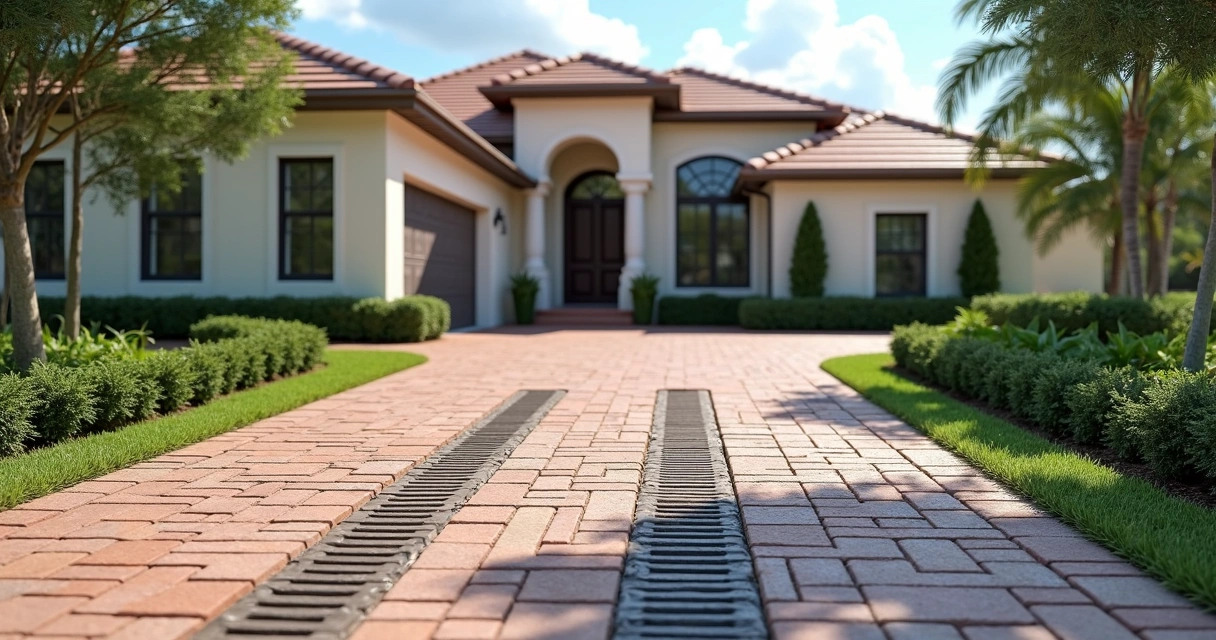
- Catch basins and channel drains: Installed at the low point of driveways, patios, or pool decks with grates to keep debris out.
- Rain barrels or cisterns: Harvesting rain from downspouts for onsite use, allowed by many counties with restrictions.
- Permeable pavers or turf zones: Allowing water to infiltrate rather than run off, aligning with state and local water goals.
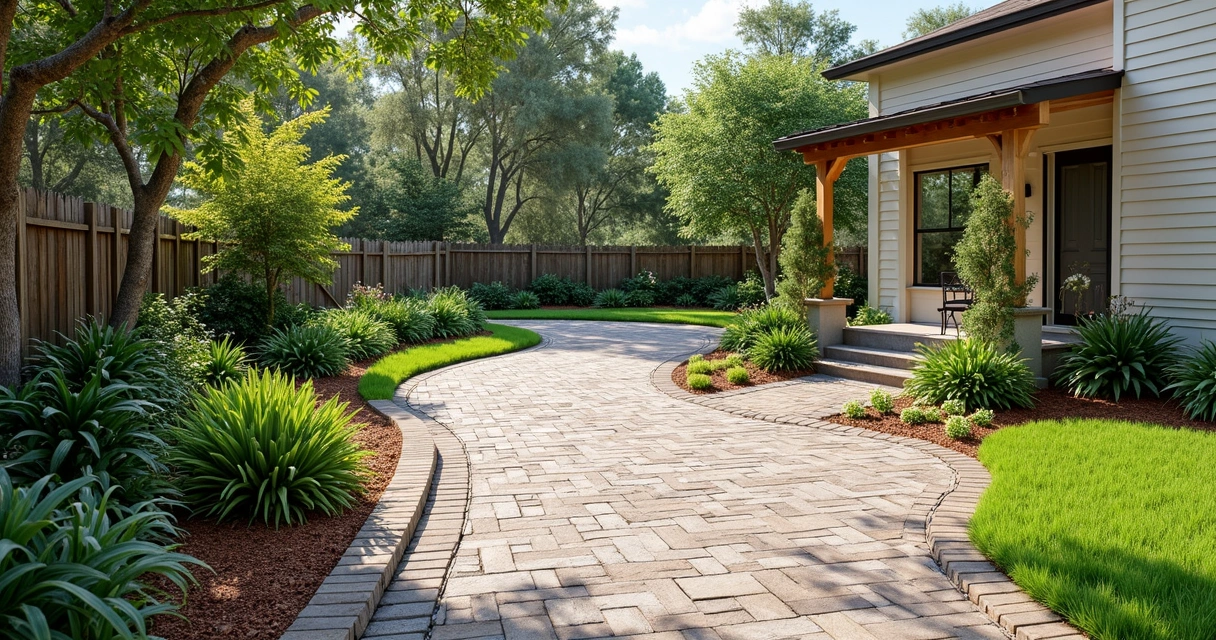
Poor drainage shortens the life of nearly every outdoor surface—from concrete to turf. We often refer customers to resources like our guide on preventing cracks in Florida concrete to show the value of correct water management.
What happens if rules are ignored?
Ignoring stormwater requirements rarely works out. Local inspectors can halt construction, issue administrative fines, or require expensive removals or re-work. HOA violations often mean repeat costs or dealing with liens. Stormwater enforcement starts with simple steps—like requiring as-built drainage surveys for new homes—but quickly grows costly if neglected.
Worst of all, unmanaged runoff can damage property (your own or a neighbor's), create hazards, and even bring attention from state or federal agencies in severe cases. We have found that the small investment in proper drainage planning almost always costs less than fixing water problems later.
Stormwater maintenance after project completion
Building the right features is only half the story—we always remind clients that stormwater controls need basic upkeep to keep working:
- Gutters, grates, and drains should be checked and cleared seasonally
- Landscaped swales and rain gardens benefit from regular weeding and mulch refresh
- Edge restraints and polymeric sand in pavers need the occasional reset or top-up
- Artificial turf infill and seams should be checked after heavy rain
After our final walk-throughs, we always provide a written maintenance guide. This keeps warranties strong and avoids trouble.
How GCM Best Services helps navigate Florida stormwater requirements
Every project is unique, and no two lots drain the same way. The GCM Best Services approach for clients in Orlando, Tampa, and all across Central Florida is:
- Visit the property and listen to each client’s needs
- Develop a plan and design that matches city, county, and HOA rules
- Handle permits, paperwork, and communication—so you don’t have to
- Install every feature with best-practices for drainage and water management
- Leave the jobsite clean, safe, and with a written warranty on drainage
We stay up to date by studying new regulations (including EPA and DEP updates) and learning from real world outcomes. Resources such as the hardscaping blog and hardscape insights on our site offer additional tips.
With the right partner and process, stormwater rules become a foundation for longer-lasting, trouble-free outdoor improvements. We help take the worry out of water.
Conclusion: Prepare, protect, and enjoy your Florida property
Stormwater regulations exist so that outdoor improvements don’t bring unintended water problems or environmental harm. In our years serving Central Florida, we’ve learned that planning for the rain is one of the most caring things you can do for your home, business, and neighborhood. By understanding rules, permits, and practical drainage, you protect your investment and help keep Florida’s natural beauty intact.
Ready to tackle your next project with professional drainage and stormwater compliance? Let’s make sure your outdoor upgrade lasts—and passes every inspection. Reach out to GCM Best Services for a free, no-obligation assessment and see why property owners across the Orlando region trust us to handle the details, the paperwork, and the weather.
Ready for a professional quote? 📞 (407) 250-1948 • 24–48h • Orlando, Tampa & area.
Frequently asked questions
What is stormwater regulation in Florida?
Stormwater regulation in Florida refers to the rules set by state and local agencies to control runoff from developed land, reducing pollutants and managing flooding. These rules require new projects (like driveways, patios, or commercial lots) to slow, filter, and retain rainwater so that sediment, oil, and debris do not reach lakes, rivers, or groundwater. The main goal is to protect Florida’s water quality and manage flood risks, as described in state stormwater objectives.
Who needs a stormwater permit?
Any property owner or developer making substantial changes to land—such as adding large areas of impervious surface or completing major grading, especially near waterbodies or protected lands—typically needs a stormwater permit in Florida. Home projects like small patios or landscape updates rarely require a formal permit, but anything larger (over about 1,000 sq. ft. or notable grade changes) often does. Commercial properties, multi-lot developments, and jobs in floodplains almost always need formal stormwater review and approval.
How do I apply for a permit?
You can apply for a stormwater permit by submitting plans and required documentation to your city, county, water management district, or Florida DEP. For small residential jobs, this is often handled at the local building department. For larger or more sensitive projects, the process involves submitting site plans, drainage calculations, and engineering details along with your application form and fee. At GCM Best Services, we help handle all aspects of permit submission for our clients in Central Florida.
What projects require stormwater controls?
Projects that add new impervious surfaces (concrete, asphalt, pavers), change grading, or are located near wetlands or water bodies require stormwater controls. This includes new driveways, patios, pool decks, buildings, and large turf or landscaping areas. Even stone walks and artificial turf can trigger requirements if they noticeably change the drainage pattern or increase runoff.
How much does a permit cost?
Permit fees range from about $75–$400 for typical residential drainage or building permits, and $250–$1,000 or more for large commercial or site-wide stormwater permits. DEP’s NPDES program fees are set by the size of disturbed land, with higher charges for jobs over 5 acres (NPDES program fees). Actual costs include not just the permit, but also any required engineering or drainage plan, which brings the total cost higher for large or complex properties.