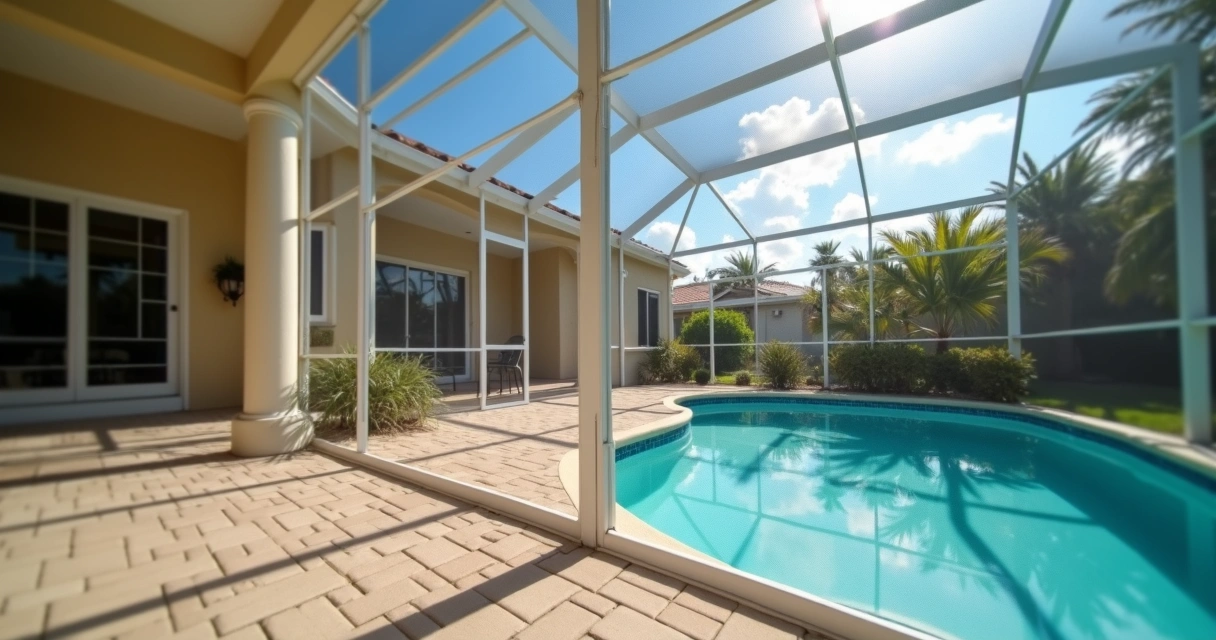
When choosing a pool cage in Central Florida, beating the summer heat is a top concern. We know that your pool should be a haven, not a hothouse. Selecting the right pool cage screen color can make a surprising difference in your comfort, energy costs, and the feeling of your backyard. In this guide, we share what matters—and what really works—to reduce heat gain around your pool, drawing from our extensive experience at GCM Best Services.
The shade you choose isn’t just a style statement. It’s a decision that shapes your daily comfort.
Let’s unpack how pool cage screen color affects heat, what science says, and all the practical steps you need to make the ideal choice for your Florida home.
Why heat gain matters for Florida pool enclosures
Heat retention inside your pool enclosure isn’t just about comfort—it has lasting effects on how you use your pool, your energy bills, and the upkeep of the surrounding area. In the peak of Orlando’s summer, we often hear homeowners mention:
- Uncomfortably warm surfaces and air under the enclosure
- Furniture, turf, or hardscape becoming hot to the touch
- Increased air conditioning use for nearby indoor spaces
- Faster wear on painted finishes, turf, and pavers due to sun exposure
By reducing heat gain, you help preserve not only your comfort, but also your landscaping and backyard investments. At GCM Best Services, we’ve seen firsthand how the right enclosure keeps families enjoying the outdoors—without the sweat.
How screen color controls heat gain
Let’s start with basic science. The color of your pool cage screen directly affects how much sunlight and radiant energy passes through, or gets absorbed and re-radiated as heat.
Solar absorption and reflection explained
Lighter colors tend to reflect more sunlight, while darker colors absorb and transmit more solar energy as heat.Screens are available in shades from white and gray to classic charcoal or even bronze. Your choice doesn’t just alter appearance—it changes how much infrared and visible light the enclosure blocks or lets in.
What research says about screen color and heat
Studies cited by the U.S. Department of Energy confirm that solar screens, especially lighter ones, can reduce heat gain, block UV rays, and limit glare. The openness of the weave and screen finish also matter, but color is a key factor for solar efficiency.
As demonstrated by MIT research on solar heating, white covers or screens can dramatically minimize net heat gain by reflecting more sunlight and radiating less heat into the enclosed area throughout the year.
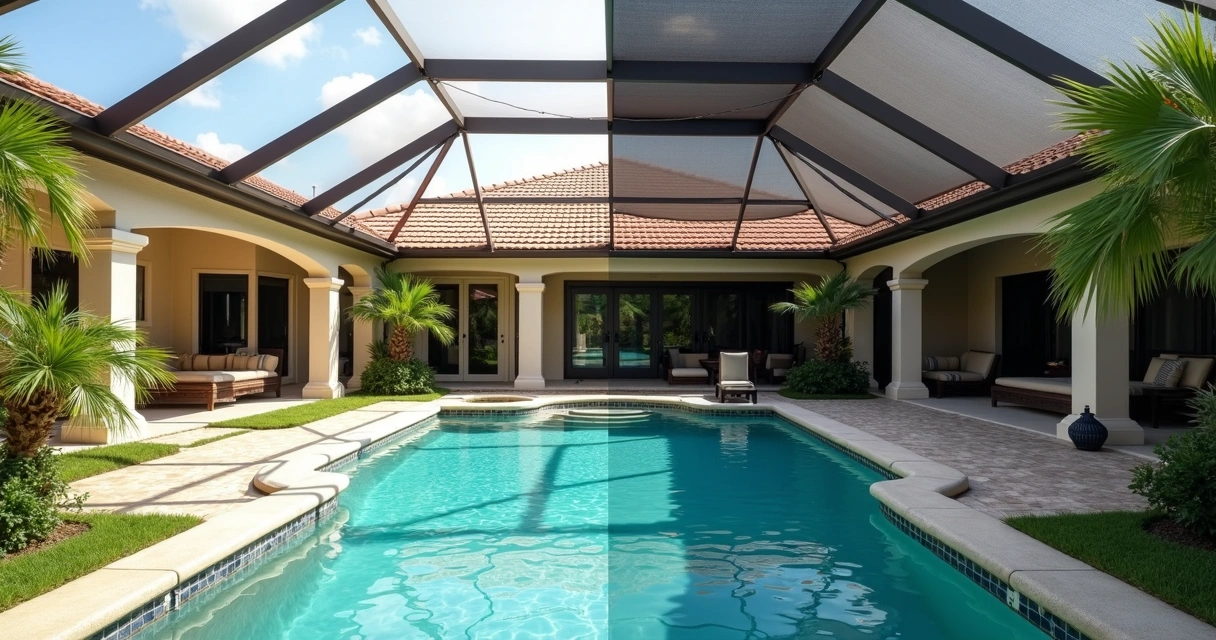
Screen color choices: what are the common options?
Most pool cages are fitted with either charcoal (deep gray), bronze (brownish-black), gray, or white screens. Each has its own heat and light properties:
- Charcoal: Most popular; good at reducing glare, but absorbs more sunlight and converts it to heat.
- Bronze: Similar to charcoal, but may blend with darker frames and tropical landscaping.
- Gray: Between white and charcoal in appearance and heat absorption; softens light, keeps it neutral.
- White: Reflects most sunlight, transmits cooler scattered light beneath enclosure, reduces visible glare and heat gain.
Visual impact aside, the primary concern is: how hot will it get beneath the screen?
How lighter and darker screens impact heat gain
Lighter screens: white and gray
White and light gray screens reflect more sunlight. This translates into lower radiant heat transfer, which is a big advantage in Central Florida’s climate.
- Keeps deck and furniture cooler to the touch
- Improves energy savings by reducing the need for AC nearby
- Makes the enclosure feel brighter and airier during the day
The downside? White may show dirt, mildew, or algae buildup faster, requiring extra cleaning. And, depending on the density of the weave, white screens may allow a bit more visible light and visibility out—though still blocking UV.
Darker screens: charcoal and bronze
Strong, dark hues like charcoal and bronze tend to absorb more sunlight, which leads to increased infrared heat inside the screen.
- Improved privacy and glare control for pool users
- May feel more “enclosed” or cozy on sunny days
- Absorbs and transfers more heat to surrounding air and surfaces
In our experience, sitting under a bronze or charcoal enclosure in mid-afternoon does feel noticeably warmer than under a white screen—especially during peak sun hours.
The science of openness, color, and heat
As the U.S. Department of Energy’s guidelines on window coverings point out, “openness factor” and color work together to affect heat and light transmission. The tighter the weave (lower openness), the more solar gain is blocked—but the color still plays a lead role:
- White screens with medium tightness reflect more total energy than even small-holed charcoal screens
- Darker screens let less visible light through, but add to enclosure temperature by absorbing and reradiating heat
- For maximum cooling, look for both a lighter color and a tight openness factor suited for Florida sun
The balance comes down to: do you want a bright, daylight look with the coolest touch, or do you value privacy plus light softening? We help our customers weigh this every season.
Maintenance and appearance: what to expect by color
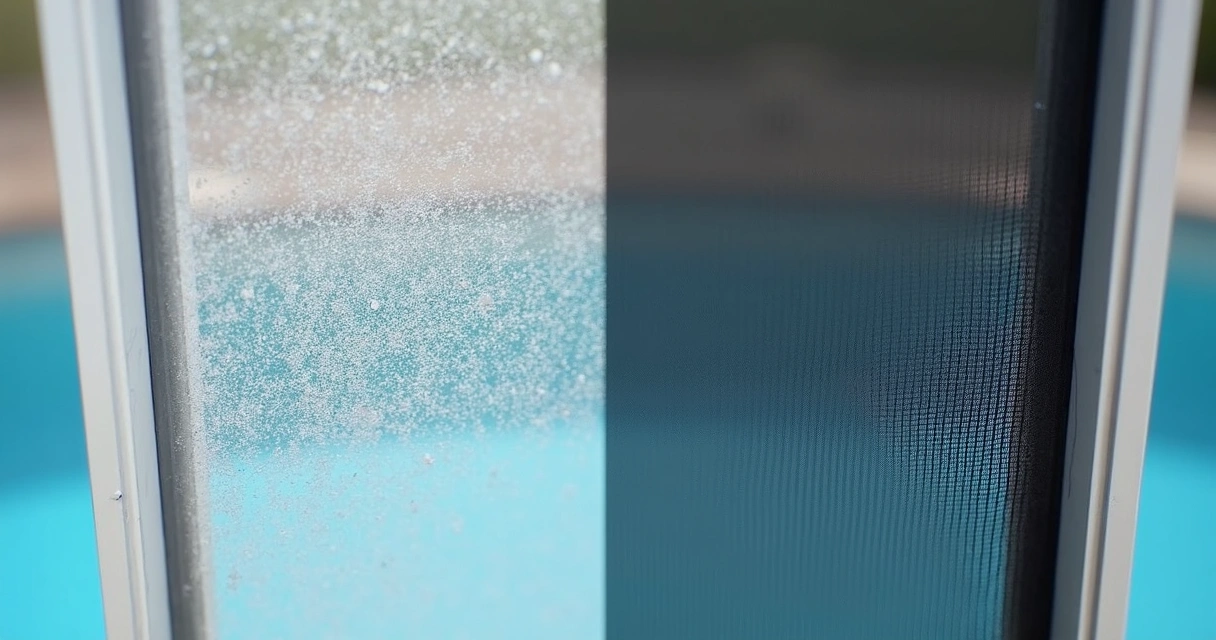
In Central Florida, screens battle pollen, dust, mold, insects, and more. Here’s how light vs. dark screens handle the elements:
- White screens: More prone to visible staining from mildew or algae; require more frequent gentle cleaning, but maintain brightness if well kept
- Gray/Light tones: Mask mild buildup better, but still show pollen or heavy debris easier than charcoal
- Dark screens: Hide minor stains and general dirt well, but gradual chalking (fading) may show as screens age in full sun
We’ve noticed that regular rinsing, especially in shaded areas or following storms, keeps lighter enclosures looking good for many years.
Screen color, pool heating, and energy costs
Choosing a lighter screen color can actually help lower the temperature of both your poolside deck and the water itself. This keeps the space inviting, and has a surprising benefit: it can reduce how much you spend cooling nearby rooms.
According to U.S. Department of Energy data on swimming pool covers, covering your pool when not in use drastically reduces evaporation and heat loss. While enclosure screens aren’t airtight covers, lighter color screens with low openness factor do act as a powerful solar barrier—lessening heat penetration, shielding against UV, and slowing energy transfer.
Properly selected screen colors in combination with effective pool covers yield energy savings and greater comfort for Florida pool owners.
How pool cage screen color impacts landscaping and outdoor features
Ask any homeowner in the Orlando area: a cooler enclosure benefits more than just the swimmers. When the surrounding deck, pavers, and turf are shaded by a reflective (lighter) screen, temperatures drop across the whole outdoor living space. Pavers stay comfortable for bare feet, synthetic turf’s longevity improves, and painted or sealed concrete maintains its finish longer. For more on how hardscaping pairs with enclosure upgrades, see our driveway and patio paving page.
We’ve installed artificial turf within and around screened pool decks—learn more at our turf solutions for Central Florida—and know that lower heat means easier maintenance and cooler play areas.
Color and visual comfort: privacy vs. brightness
There’s a tradeoff when it comes to privacy and visual experience for pool users. Here’s how color affects these aspects:
- Lighter screens: Make the space feel larger, blend more with blue skies and clouds, offer softer daylight but do make pool users more visible from outside the enclosure
- Darker screens: Boost privacy by cutting visibility from the outside looking in, give a more subdued visual look, but at the cost of increased enclosure temperature
Occasionally we’re asked to mix screen colors (for example, a privacy band of charcoal at the base, with the upper panes in white/gray), creating a custom effect for privacy without maxing out heat absorption.
When to choose a non-standard screen color?
Most manufacturers stick with white, gray, bronze, or charcoal. Premium colors may be available on special order, but keep in mind:
- Non-standard colors can carry higher costs for materials and shipping
- Warranty or durability may differ, as some dyes/paints perform better under Florida sun
- HOA approval is more likely when you stick with standard options
Our team specializes in matching colors with the rest of your hardscape, paint, and landscape for a cohesive look that fits Orlando-area communities.
Questions to ask before selecting your pool cage screen color
Before making a decision, we walk our customers through a series of questions to balance comfort, appearance, and practicality:
- Does the area receive morning, afternoon, or all-day sun?
- How important is privacy versus an open, airy feel?
- What is the main use for the space: entertaining, relaxing, or play?
- Is there existing artificial turf, paver, or hardscape nearby?
- How much maintenance are you comfortable with?
- Are HOA rules or community codes a factor?
- Do you want to coordinate with home paint or paver accents?
This ensures the screen color chosen will meet everyone’s needs, no regrets.
How we guide clients at GCM Best Services
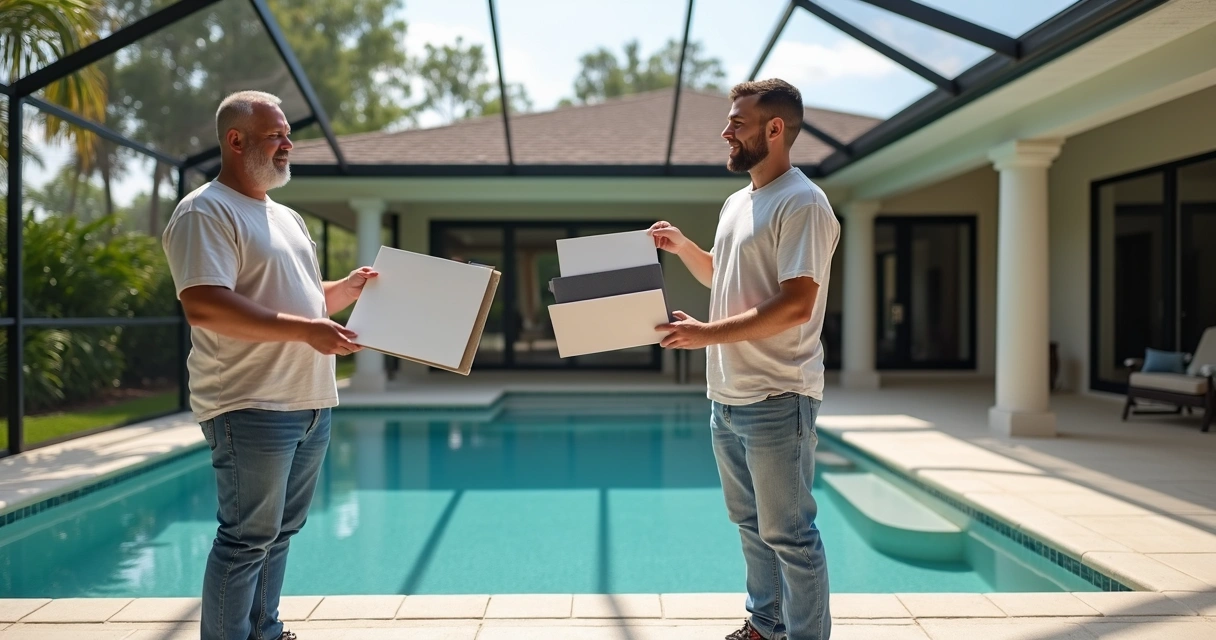
We always start with a free assessment of your backyard space. We’ll look at your sun angles, landscaping, existing finishes, and personal preferences. We can bring real screen samples so you can see and feel the differences in heat and light transmission right at your property.
Next, our team handles the technical details: design, permitting, HOA submittals, installation, and even integrated drainage and paver/turf transitions. Every enclosure comes with a photo record and written warranty, plus tips for cleaning and care based on your color choice.
Having installed hundreds of screen enclosures across Orlando and Central Florida, we can say that choosing the right color brings benefits you feel every sunny day.
Other considerations: integrating your enclosure upgrade
If you’re already thinking about a full outdoor renovation, this is a great time to review upgrades like:
- New or re-sealed pavers to stay cooler (see our hardscape services for details)
- Seamless artificial turf transition for low heat retention and easy care
- Drainage improvements to prevent puddling after heavy rains
- Energy-efficient paint or coatings for pool deck and nearby structures
As you coordinate these improvements, let GCM Best Services help you get the most out of each upgrade.
Key takeaways: choosing the right pool cage screen color
It’s not just about looks—the color of your pool cage screen shapes how much you use, enjoy, and spend on your backyard. Here is what has helped our Central Florida clients the most:
- White and light gray screens produce the coolest enclosures, reflecting away solar heat during peak hours.
- Darker screens boost privacy and reduce glare—but will feel warmer as the day goes on.
- Maintenance, HOA rules, and style preferences should all play a role in your decision.
- The ideal choice is the one that fits your needs, lifestyle, and long-term plans for the space.
Look through related design topics on our hardscaping blog or review options for poolside paving and turf in Orlando for more ideas.
Conclusion: reduce heat gain, increase comfort
When you choose your next pool cage screen, consider more than color—think in terms of comfort, usability, and lasting performance in our Florida sun. Lighter screens provide real, science-backed heat reduction. With help from GCM Best Services, we’re confident you’ll find the perfect solution for your pool, patio, and peace of mind.
Ready for a professional quote? 📞 (407) 250-1948 • 24–48h • Orlando, Tampa & area.
Frequently asked questions
What is the best screen color for heat?
White or very light gray is usually the best screen color for minimizing heat gain in pool enclosures.White reflects the most sunlight and lets less infrared energy pass through, keeping the area beneath the enclosure cooler during Florida’s hot afternoons. Several research studies, including those cited by the MIT research on solar heating, confirm that reflective light-colored covers or screens are most effective for heat reduction.
How do screen colors affect heat gain?
Screen colors work by either absorbing or reflecting sunlight—lighter colors reflect more, darker colors absorb and transmit more heat.In practice, white screens keep decks and pool areas noticeably cooler, while charcoal or bronze screens feel warmer during peak sun. The openness and material of the weave also play a role, but color has the strongest effect on heat gain inside your enclosure.
Is it worth it to choose darker screens?
Darker screens like charcoal or bronze may be a good choice if privacy and glare reduction are top priorities, or if you want your enclosure to match dark trim or landscape features. However, keep in mind that darker screens will make the enclosed area warmer, especially during mid-day sun exposure. We often recommend them for side panels facing neighbors, or for homeowners who use their pool mostly in the early morning or evening.
Where to find pool cage screen color options?
We recommend working with a licensed contractor like GCM Best Services for pool cage upgrades. Most reputable suppliers offer screen samples in standard colors (white, gray, charcoal, bronze), and we can show you these options in person during your assessment. We will match the color to your space, address HOA or code restrictions, and ensure clean, safe installation. For more ideas on compatible hardscaping and pool upgrades, review our resources for hardscape or artificial turf.
How much do custom screen colors cost?
Custom screen colors typically cost more than standard white, gray, bronze, or charcoal options, due to limited production and possible shipping or material surcharges.Costs can vary by manufacturer, order size, and availability, but expect an increase of 10–30% for non-standard shades. Maintenance, durability, and warranty coverage for custom colors may also differ, so it’s wise to compare all factors before deciding.