When we design a lanai in Central Florida, the choice of wood can define its durability, safety, and look for years to come. At GCM Best Services, we see this decision play out daily as we help homeowners and businesses create outdoor spaces resilient to rain, sun, pests, and the unexpected. It’s easy to overlook the small differences behind the pressure-treated and untreated lumber at the store. Those differences, however, will shape the strength, safety, and total cost of your lanai from day one. We’ll share our experience and what research from agencies like the U.S. Forest Service and Oklahoma State University reveals, so you can make the choice that matches your space, your vision, and Central Florida’s climate.
Wood selection can define the life of your lanai.
Let’s walk through both options—from what pressure-treated wood really means, to the upfront and long-term differences with untreated lumber. We’ll cover design factors, building codes around Orlando, safety for children and pets, and what maintenance you should expect. With details from our own projects (and services like permitting, drainage, and code alignment at GCM Best Services) and links to expert sources, you’ll be ready to plan an attractive, safe, and long-lasting outdoor living area.
Contents
- What makes a lanai unique?
- Understanding pressure-treated wood
- Untreated wood basics
- Climate and environmental factors
- Safety considerations for families and pets
- Longevity and maintenance requirements
- Design flexibility and visual appeal
- Cost comparison: now and later
- Building codes and permitting in Central Florida
- Making the right choice for your lanai
What makes a lanai unique?
A lanai is more than just a covered porch or outdoor add-on. Here in Central Florida, lanais create a transition between indoors and out—framing pools, gardens, and family gatherings while protecting you from the sun, rain, mosquitoes, and stray baseballs. They bring together shade structures, screens, and often built-in seating or kitchen areas. Unlike pure patios or decks, lanais are typically attached to the house and may be screened, partially enclosed, or even have solid roofs.
Even with the best design, a lanai is only as solid as the wood built into its beams, flooring, trim, and framing. That wood weathers the humidity, sudden storms, high UV exposure, and, yes, the subterranean termites that make Florida their home. Every piece—from the footings to the railings—faces these challenges. The wood you choose matters.
Pressure treatment changes how wood meets Florida’s climate—and your lifestyle.
Understanding pressure-treated wood
Pressure-treated wood is lumber that has been infused with chemical preservatives under high pressure to help it withstand decay, insects, mold, and moisture. This treatment penetrates the fibers deeper than any topical treatment or stain. The main goal? Prolong service life, especially in outdoor environments where wood is exposed to the elements and soil contact.
In our experience at GCM Best Services, pressure-treated lumber is the expectation—almost the standard—for lanais, pergolas, decks, fences, and other exterior structures in the Orlando area. Why? Because the underlying risks—moisture rot, termites, and fungus—are so high here, untreated wood simply can’t keep up without heroic maintenance.
How is pressure-treated wood made?
First, the wood is placed inside a sealed cylindrical tank. Air is removed, and then a waterborne solution of preservatives is forced deep into the wood under high pressure. The most common chemicals now used (after the phase-out of chromated copper arsenate, or CCA, for residential settings) are alkaline copper quat (ACQ), copper azole, and micronized copper preservatives.
The Oklahoma State University notes that this process allows wood to last up to 20–25 years in moist conditions—well beyond untreated wood exposed to rainfall or soil.
Common uses in lanais
Pressure-treated wood forms the bones of Central Florida lanais: structural beams, posts, joists, screening frames, and even decorative details. We always consider it for any component in direct contact with weather, soil, or concrete. While not every project needs pressure-treated material everywhere, most require it for all framing and support elements.
Untreated wood basics
Untreated wood, also called “raw” or “natural” lumber, is simply milled and dried—no added preservatives. The types you’ll find at local stores: pine, cedar, redwood, cypress, and some hardwoods. Untreated, these woods are more vulnerable to outdoor threats, though some species (like cedar and redwood) do have mild natural resistance to decay.
Untreated woods offer natural beauty, but demand careful design and ongoing care.
Using untreated wood in a lanai is possible but comes with specific limitations—especially in our humid, termite-prone region. Some customers love the look and feel of untreated wood, drawn to the organic color shift and grain. However, it’s best suited for structures with minimal contact with ground or rain, frequent sealing, or short expected lifespans.
Risks with untreated lumber outdoors
When left exposed, untreated wood can suffer from:
- Rot and fungal decay
- Termite and carpenter ant damage
- Warping, splitting, and swelling from wet/dry cycles
- Surface splinters and raised grain
- Quick fading and graying under the Central Florida sun
Studies by the U.S. Forest Service confirm that unprotected softwoods may last only a few years if exposed to ground contact and moisture, compared to two decades or more for pressure-treated wood.
Climate and environmental factors
In Central Florida, the wood you pick will face intense UV, regular rain, sultry humidity, and pervasive insects. The region’s growing season never truly ends. Our Orlando-area clients often ask, “Can untreated wood ever survive here?” We answer: with vigilance, yes, but it requires a plan.
Here, outdoor wood is on the defensive. Pressure treatment is its best armor.
Moisture is the enemy in every season—driving rot, swelling, and fungal invasion. Without treatment, lumber in a lanai structure readily absorbs rainwater. When the sun returns, the wood dries and shrinks, causing cupping and cracks. Over months and years, decay accelerates, especially near the ground or in places where water pools.
The region’s termites pose another challenge. Even in a screened lanai, wood that isn’t pressure-treated or physically protected can draw termites quietly—and by the time you see the damage, repairs are rarely simple.
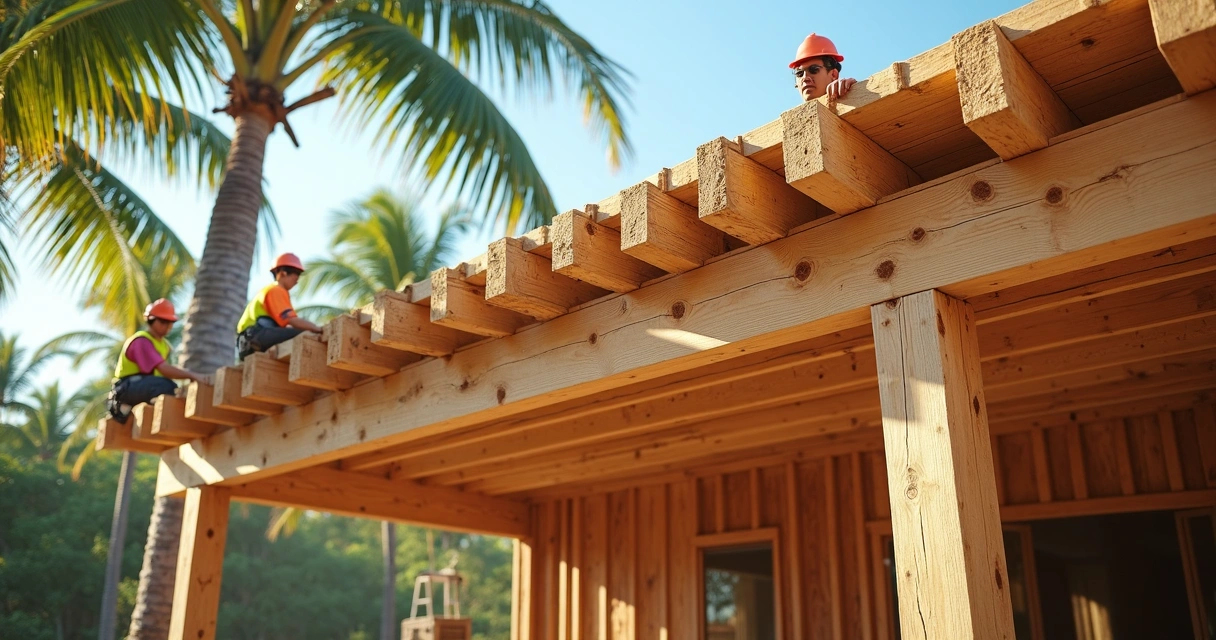
Safety considerations for families and pets
Safety around wood preservatives can’t be ignored, especially with older CCA lumber (chromated copper arsenate) still present in many old decks and playgrounds. Today’s residential pressure-treatments, like ACQ and copper azole, are widely considered lower risk, but as with any chemical, sensible handling matters.
The Wisconsin Department of Health Services notes that children playing on CCA-treated structures can be exposed to arsenic through skin contact. While this compound has been phased out for residential use since 2003, if your lanai reuses old lumber or you are retrofitting, it is best to check and, if appropriate, seal all surfaces with an oil-based sealer every two years to reduce possible exposure.
With modern pressure-treated woods, we recommend:
- Washing hands after contact with pressure-treated surfaces
- Using gloves and eye protection when cutting/sanding lumber
- Never burning wood scraps treated with preservatives
- Applying high-quality paint or sealer to surfaces where skin contact is common
For untreated wood, the safety questions shift toward splinters, weathered fibers, and mold growth in wet areas—especially over time.
Longevity and maintenance requirements
One of the questions we hear most at GCM Best Services is, “How long will my lanai last with each type of wood?” The answer isn’t just about the wood’s natural resistance. It’s also about how much maintenance you’re prepared for.
Based on research by Oklahoma State University and the U.S. Forest Service, pressure-treated wood can last 15 to 25 years (or longer) if installed and maintained according to local codes and manufacturer recommendations (their fact sheet offers great reference). This especially holds for structural members—posts, beams, joists—in Central Florida’s outdoor climate.
Untreated wood can last for a few years, but demands constant care to stand strong.
Untreated pine or fir in structural roles may rot inside 2–5 years outdoors if left unprotected. Even more-resilient species, like cedar, require sealing every 1–2 years in Orlando’s humidity—and that doesn’t keep termites entirely at bay. Repairs, replacement boards, and refinishing eat into savings over time.
Maintenance tasks: what’s required
- Pressure-treated: Clean once-yearly, inspect for cracks, reseal or repaint high-wear surfaces as needed (2–3 years), monitor for fastener corrosion
- Untreated: Clean twice yearly, seal or paint every 1–2 years, watch for rot or soft spots, rapid replacement of damaged/warped boards, frequent termite inspections
We often see customers underestimate the maintenance of untreated lumber. Six months between rain and sun, and an untreated floorboard can already show its age without proper sealing.
Design flexibility and visual appeal
Homeowners often come to us with a vision: a rustic oak look, a modern whitewashed finish, or the classic green glow of fresh pressure-treated pine. Each wood type has its own look (and feel) that goes far beyond price tags or even longevity.
Untreated woods, especially cedar and redwood, keep their organic beauty—but still need routine protection outdoors.
Pressure-treated wood can be stained, painted, or clad with composite boards. Today’s formulas have decreased the distinct green tint, but the difference is still visible at first. After six months to a year in the Florida sun, treated wood weathers to a mellow brown or gray, blending in nicely around pools or tropical landscapes. Many of our projects choose this route and then use pavers or stone accents for a custom finish (see our work at hardscape in Orlando).
Untreated woods win on “naked” aesthetics—but only for a while. Within a season, sun exposure turns unprotected pine gray, and our favorite cypress can silver in months. Regular application of stains or clear sealers helps retain warmth and color.
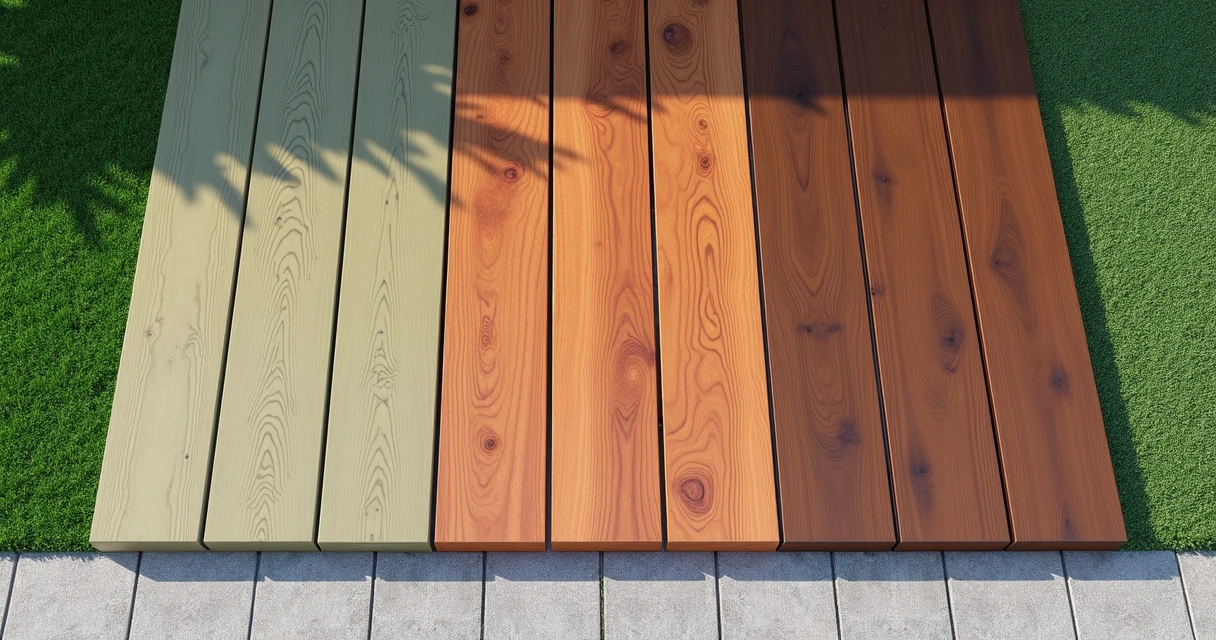
Overall, pressure-treated wood is flexible to finish and stain, while some untreated woods offer unique textures or colors that appeal to DIYers and purists.
Cost comparison: now and later
The upfront cost difference between pressure-treated and untreated wood is often less than people expect. Pressure-treated pine costs more per foot—sometimes 20–30% higher than untreated pine. But material cost is only one piece of the equation, especially when you look ahead five or ten years.
The real savings with pressure-treated wood come in years two, three, and beyond: reduced repairs, less replacement, less frequent sealing, and lower pest risks. Untreated wood, especially if exposed in framing, may require replacement several years earlier. For families planning to stay in their homes, this can double the cost of their lanai over its lifetime.
- Upfront investment: Pressure-treated wood costs more per board but lasts longer.
- Maintenance: Untreated wood demands more products, labor, and time (stains, brushes, replacements, etc.).
- Long-term: Pressure-treated wood usually outlives untreated by two or three times in moist southern climates (U.S. Forest Service data).
We’ve worked on lanais where choosing untreated wood for non-structural trim makes sense—especially if there’s easy access for repairs. For posts, beams, and framing, though, pressure-treated is almost always the smarter economic and practical choice.
Building codes and permitting in Central Florida
Permitting isn’t the most exciting phase, but in Orange, Seminole, and Osceola counties, it shapes the acceptable materials and build process for lanais and porches. Most cities around Orlando require pressure-treated or “naturally durable” (cedar, cypress, redwood) lumber for any exterior structure carrying load or contacting ground, concrete, or masonry.
At GCM Best Services, we handle permit applications, HOA coordination, and code checks for every project. We follow local standards found in the Florida Building Code—requiring all framing in covered or exterior applications, including lanais, to be built from pressure-treated or naturally rot-resistant wood. Fasteners that contact pressure-treated wood must also be corrosion-resistant (galvanized or stainless steel).
If untreated wood is used, codes may require documentation of natural resistance, especially for posts or beams touching concrete or earth. Inspections can require photographs, receipts, or even stamped lumber identifiers.
Codes favor durability and public safety. Pressure-treated wood gives peace of mind.
Making the right choice for your lanai
Every outdoor project is personal. The right answer depends on your goals, climate, care habits, and what you want your lanai to be. At GCM Best Services, we recommend:
- Pressure-treated wood for all framing, supports, and any component touching ground or exposed to weather
- Untreated or specialty woods only for decorative trim or interior ceilings—paired with routine sealing or staining
- Confirming material sources, especially for reclaimed or recycled lumber (watch for old CCA lumber, which demands sealing and careful handling)
- Integrating non-wood accents where wanted, like brick, pavers, or artificial turf, for unique design and reduced upkeep (see our work in the hardscape gallery and driveway and patio paving options)
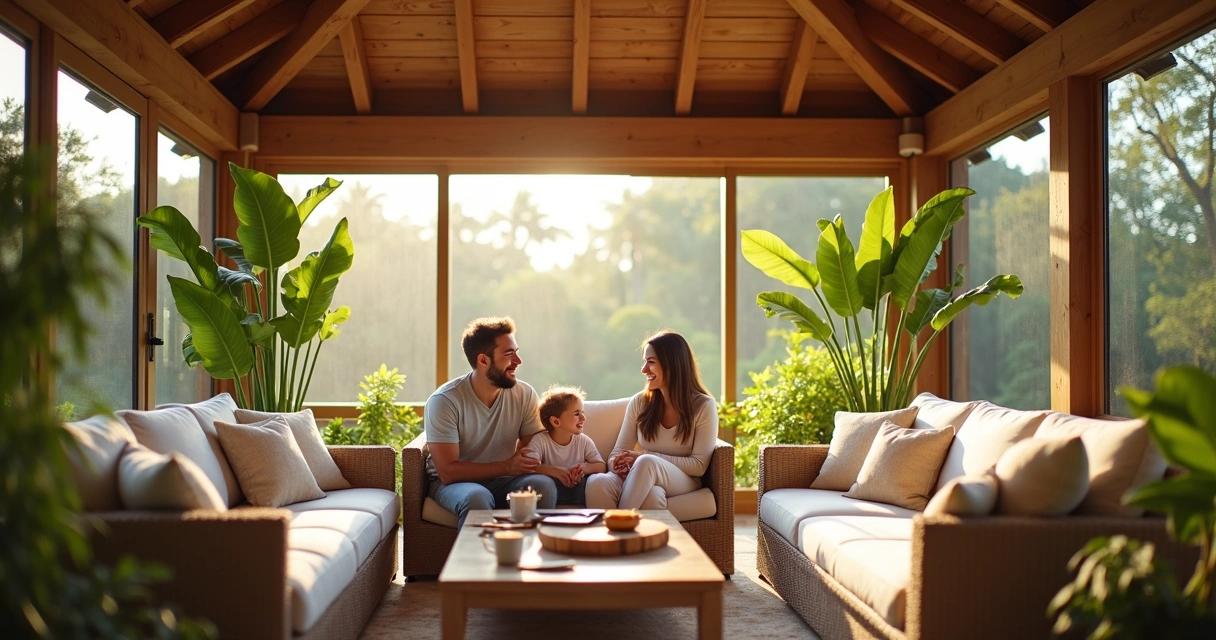
For a full review of project ideas, designs, and drainage strategies, see more advice on our blog or consult our hardscaping resources.
The best lanais feel like natural extensions of your home—sturdy, safe, and always ready for Central Florida living.
Conclusion
Choosing between pressure-treated and untreated wood is one of the biggest steps in building a lanai that stands up to Central Florida’s unique environment. By using the right wood for each role—support, trim, or surface—and following safety best practices, you set yourself up for a structure that will last, look good, and fit your lifestyle. We believe in sharing clear, research-backed advice because we treat every project as if it were our own.
Are you ready to see how we can transform your outdoor living? Let’s plan your next lanai, with materials matched to your needs and Florida’s climate. Ready for a professional quote? 📞 (407) 250-1948 • 24–48h • Orlando, Tampa & area.
Frequently asked questions
What is pressure-treated wood?
Pressure-treated wood is lumber that has been infused with chemical preservatives using a pressurized system to protect it against rot, insects, and fungi. The treatment process forces specialized compounds deep into the wood fibers, making the material suitable for use in humid or termite-prone environments like Central Florida. Modern treatments, such as alkaline copper quat (ACQ) or copper azole, have replaced older CCA formulas for residential use to improve safety.
How long does untreated wood last?
Untreated wood, especially pine or fir, typically lasts 2–5 years when exposed to moisture and direct weather, depending on the species and maintenance levels. Harder, naturally resistant varieties like cedar or redwood can last longer but still require routine sealing and inspection. In the humid, rainy climate of Central Florida, the lifespan may shorten further unless the wood is kept dry and regularly maintained.
Is pressure-treated wood safe for lanais?
Yes, modern pressure-treated wood is considered safe for lanais when used and handled correctly according to current standards. Since 2003, residential pressure treatment chemicals have transitioned to formulas with reduced toxicity compared to previous arsenic-containing options. As an additional measure, surfaces in frequent contact with skin (especially where children or pets play) should be sealed or painted for peace of mind—see guidance from Wisconsin Department of Health Services for best practices.
How much does pressure-treated wood cost?
Pressure-treated boards typically cost 20–30% more than untreated wood of the same species and size at the time of purchase. Material prices can fluctuate based on lumber market conditions. However, the reduced frequency of replacement, lower maintenance needs, and improved durability often lead to lower overall costs over the lifetime of your lanai project, especially in Florida’s humid climate.
Is it worth it to use untreated wood?
Using untreated wood in a lanai is rarely advised in humid regions like Central Florida, except for decorative parts not exposed to moisture or soil contact. While untreated wood can offer unique appearance for select design features, it demands substantial upkeep and may not meet local building codes for load-bearing structures. For both practicality and safety, we recommend pressure-treated wood for most exterior lanai applications in our service area.