Primary keyword: exterior primerVariants: exterior paint primer, outdoor wall primer, painting primer
- Audience: Homeowners and business owners in Central Florida worried about long-lasting curb appeal.
- Pain/Benefit: Confusion about when primer is truly needed can waste money and cause paint to fail early.
Summary: Homeowners often wonder if every exterior paint job requires a primer or if skipping this step saves time and money without risking the result. We break down when primer is essential, when it can be skipped, and why making the right choice means a longer-lasting finish. Trust these insights to protect your Central Florida exterior and boost the results of any professional repaint project.
- Understanding exterior primer: function and types
- Why the Central Florida climate demands careful prep
- When primer is required for exterior painting
- Situations when primer can safely be skipped
- How previous coatings and surface conditions affect primer use
- Common mistakes and risks of skipping primer
- Our process: When we recommend primer at GCM Best Services
- Tips for choosing the right primer for Florida exteriors
- Conclusion: Decoding the primer question with confidence
- Frequently asked questions
Ready for a professional quote? 📞 (407) 250-1948 • 24–48h • Orlando, Tampa & area.
Understanding exterior primer: function and types
Let’s start at the beginning. When you look at a painted building in Orlando, you’re seeing a system: primer, paint, weather. Primer is the first layer that bonds to wood, stucco, concrete, metal, or even old paint. Paint is the pretty part on top. Primer acts as the glue and shield—it locks down raw surfaces, covers stains, and helps paint grip tight for years instead of months.
In Central Florida, that job is tougher than many homeowners realize. Why?
- We have high temperatures—surfaces “breathe” and flex much more than in cooler states.
- Rains can reveal cracks, wash out poor prep jobs, or push moisture behind paint that leads to bubbling.
- Humidity, mildew and algae are daily visitors.
- Intense sun causes fading and chalking.
Here are the main types of primers you’ll see for exteriors:
- Bonding primer: Grips to slick or glossy surfaces like metal, tile, and even old enamel paint.
- Stain-blocking primer: Seals in tannins, smoke stains, old graffiti, or water marks so they don’t bleed through your finish coat.
- Masonry primer: Designed for concrete, stucco or brick; stops “powdery” dusting and alkaline reaction.
- Wood primer: Penetrates and seals softwoods and repairs weathered trim or siding.
Choosing the right primer is as important as choosing the right paint, something we consistently emphasize at GCM Best Services.
Why the Central Florida climate demands careful prep
We can’t talk about primer in Orlando or Tampa without talking climate.
Sun. Heat. Humidity. Torrential downpours. Each day in Central Florida brings challenge after challenge for exterior paint—and for the layers beneath.
- UV rays bake surfaces, breaking down weak bonds. Without proper adhesion, paint fails much sooner.
- Frequent rain and heavy storms expose cracks and weak primer layers—allowing moisture to seep in.
- High humidity makes mildew and algae common, especially on north-facing walls or shaded corners.
- Winters are mild, but freeze-thaw cycles (even rare) can pop poor coatings.
We’ve painted thousands of exteriors through all seasons. What we see most often is that skipping primer or using the wrong product is a shortcut that ends in peeling, cracking, and wasted money.
In Florida, paint is the armor—but primer is the foundation.
When primer is required for exterior painting
One of the most common questions we hear is: “Do I really need primer on this job?”
Here are situations where experience (and paint manufacturers) say, “Absolutely yes.”
- New, unpainted surfaces: Raw stucco, fresh concrete, new fiber cement, bare wood, masonry—they all soak up paint unless sealed with primer. Paint alone will not hold or block stains.
- Deep repairs: Patching holes, sanding to bare material, caulking gaps after rot/mold removal—all require spot priming at a minimum.
- Stained/problem surfaces: Water stains, rust, tannins (from cedar or redwood), mold/algae residues—even after cleaning, use primer to prevent future bleed-through.
- Glossy or sealed finishes: Older paints (especially oil or high-sheen latex) must be primed after sanding. Bonding primer ensures new paint “sticks.”
- Drastic color changes: Going from dark blue to white, or beige to red? Primer helps block the old hue and promises an even look.
When in doubt, think about primer as insurance. We never like to gamble with a customer’s home or business exterior, especially with Central Florida’s fast-changing weather.
For more guidance on paint prep, see our advice in the GCM Best Services painting blog, where we often share tips specific to our local climate.
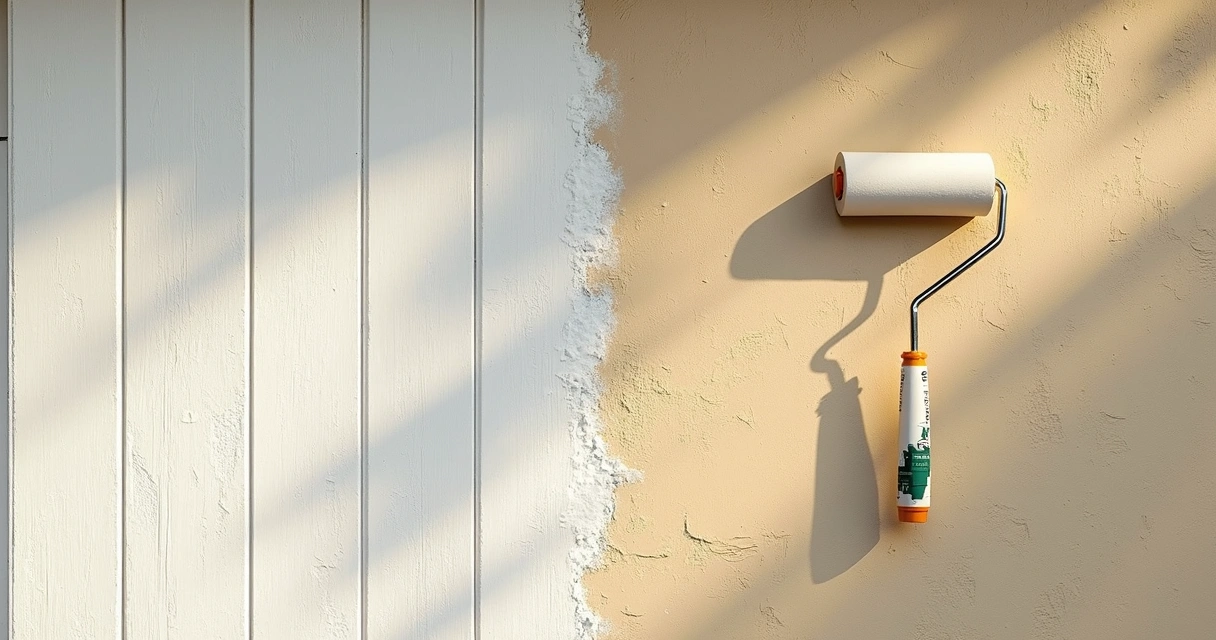
Situations when primer can safely be skipped
Not every exterior painting job needs a full coat of primer. There are times when high-quality paints work just fine on their own. As professionals, we always assess three things first:
- What is the material? (Wood, stucco, brick, composite, metal...)
- How is the current surface condition? (Clean, stable, chalky, flaking, glossy, patched...)
- What was the previous coating? (Oil, latex, elastomeric, stains...)
Here are typical cases where primer is often not necessary:
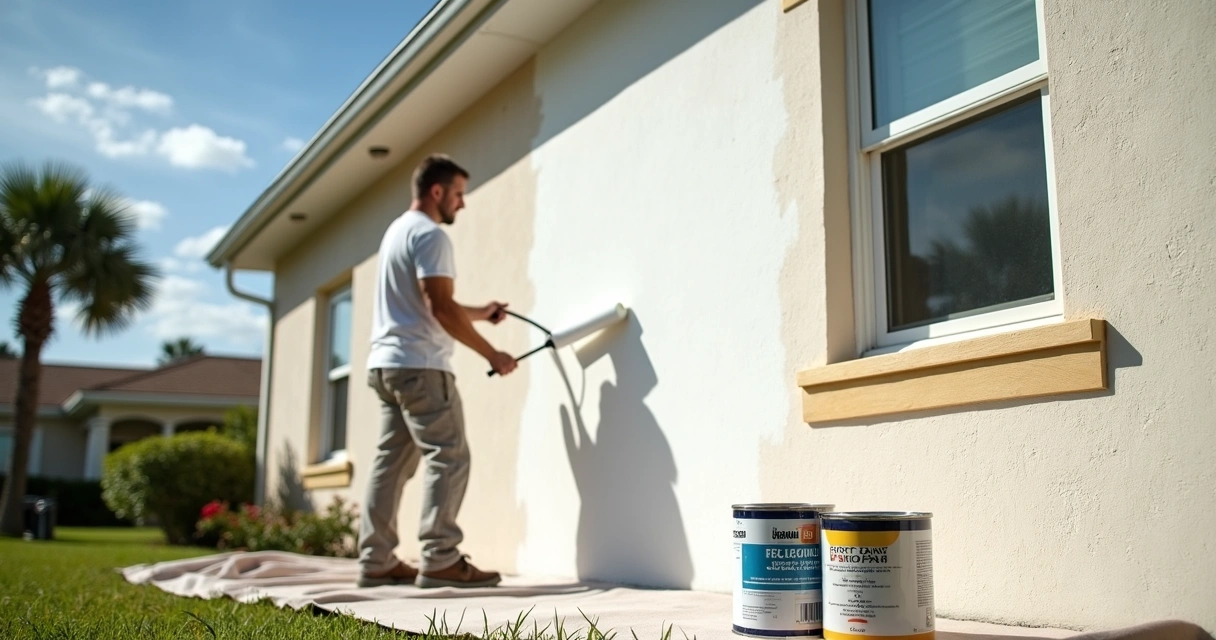
- Painting over sound, previously painted surfaces: If paint is intact, not chalking or flaking, and you’re not making a huge color jump, direct application of similar topcoat may be acceptable—especially with quality paints labeled “self-priming” on exteriors.
- Minor touch-ups or spot repairs: If only tiny areas are patched to bare material, a spot primer (not full wall) may suffice.
- Using premium-grade exterior coatings: Some modern paints, especially for stucco or concrete, include built-in primers (but not for bare or problematic surfaces).
We always caution, though: Skipping primer is a decision, not an assumption. Surfaces must be tested (for chalkiness, adhesion or moisture) to avoid costly errors.
How previous coatings and surface conditions affect primer use
Every building in Orlando tells its own story—there’s no “one-size-fits-all” painting prescription. The history of past paint jobs makes a difference.
Old paint type matters
If the previous paint was oil-based, and you’re switching to latex, primer is non-negotiable. Latex will not stick well to oil without a transition layer, leading to peeling.
On the other hand, solid, weathered latex paint usually holds modern acrylic coatings with only minor sanding and cleaning.
Surface integrity: Chalky, dirty, or moldy?
If there’s any powdery residue, dirt, or mildew, paint will not adhere—primer (after cleaning) is the reset button. But even before primer, we always deep clean and treat these areas. Clean surfaces make good primer perform even better.
Patching and repairs
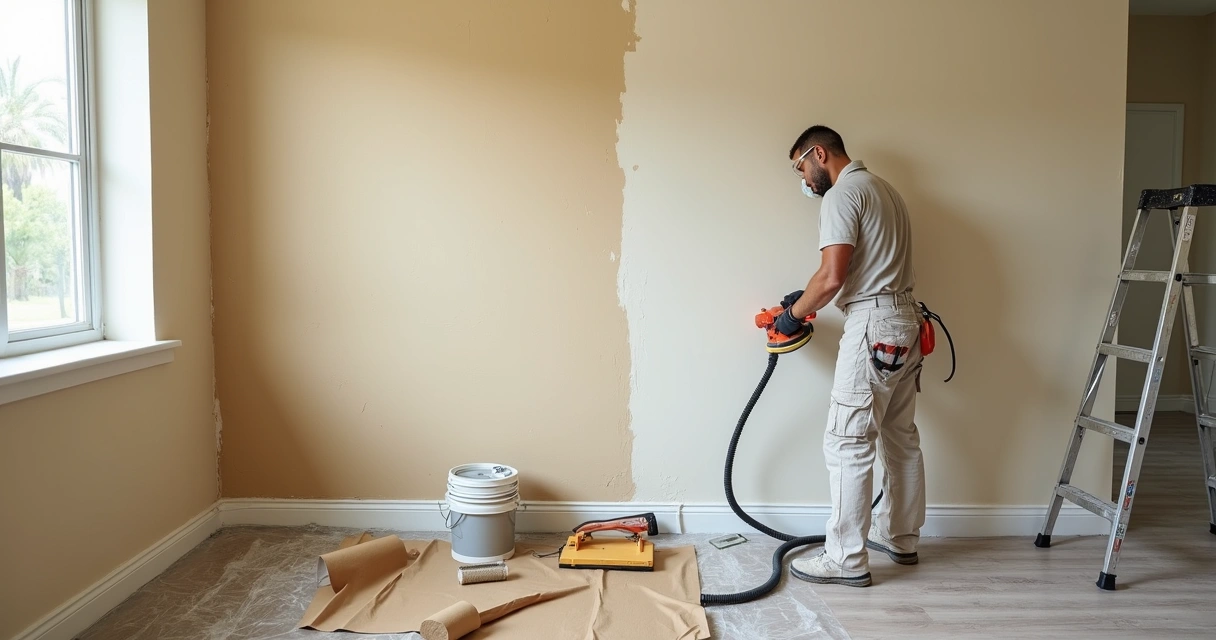
Think about where you’ve patched stucco, sanded out wood rot, or filled gaps around windows. These “raw” spots will absorb paint at a different rate than the surrounding wall, causing hard-to-fix color and sheen differences without primer. We always spot-prime any repairs, even on very solid-looking exteriors.
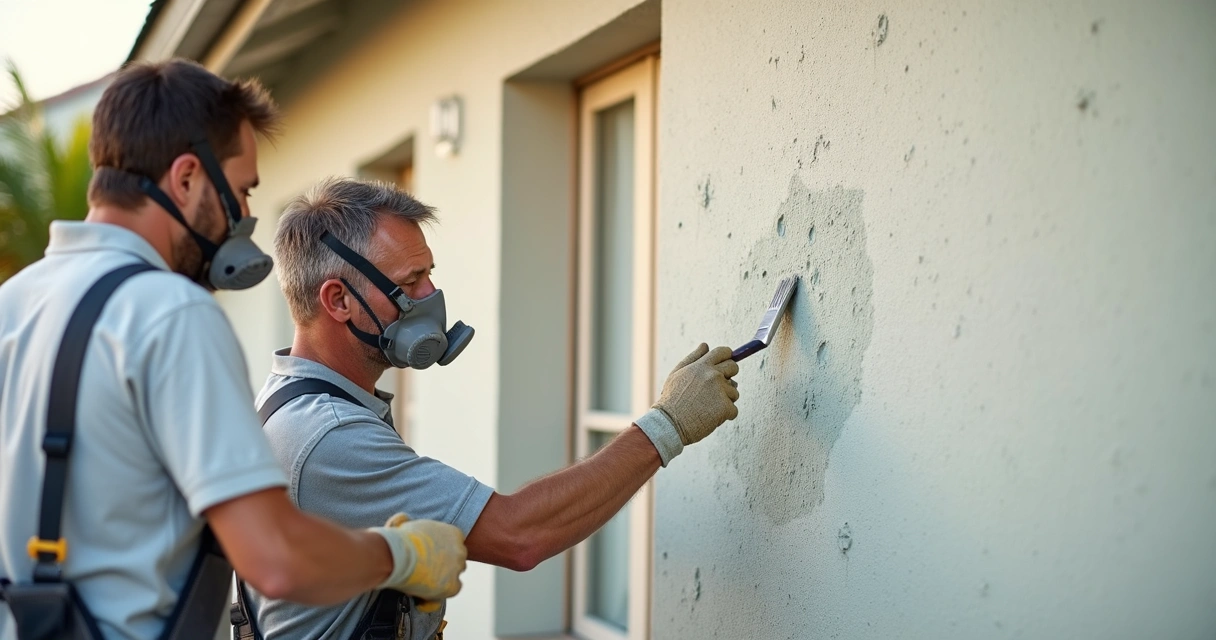
Common mistakes and risks of skipping primer
Painting an exterior without primer where it’s needed can create several risks:
- Premature peeling: Paint may not stick, especially on chalky or glossy surfaces.
- Color blotching: Surface absorbs paint unevenly, creating shadows and dull patches.
- Staining: Watermarks, rust, or wood tannins can bleed through—even after three coats of paint.
- Weaker moisture seal: Without primer, some masonry and stucco allow dampness (and mold) to return.
- Wasted time and expense: Redoing a failed paint job costs more than getting prep right from the start.
In our experience at GCM Best Services, the most frustrating paint call-backs are from customers who tried to cut corners on prep. Our goal is always a finish that lasts for many years, not just one season.
Our process: When we recommend primer at GCM Best Services
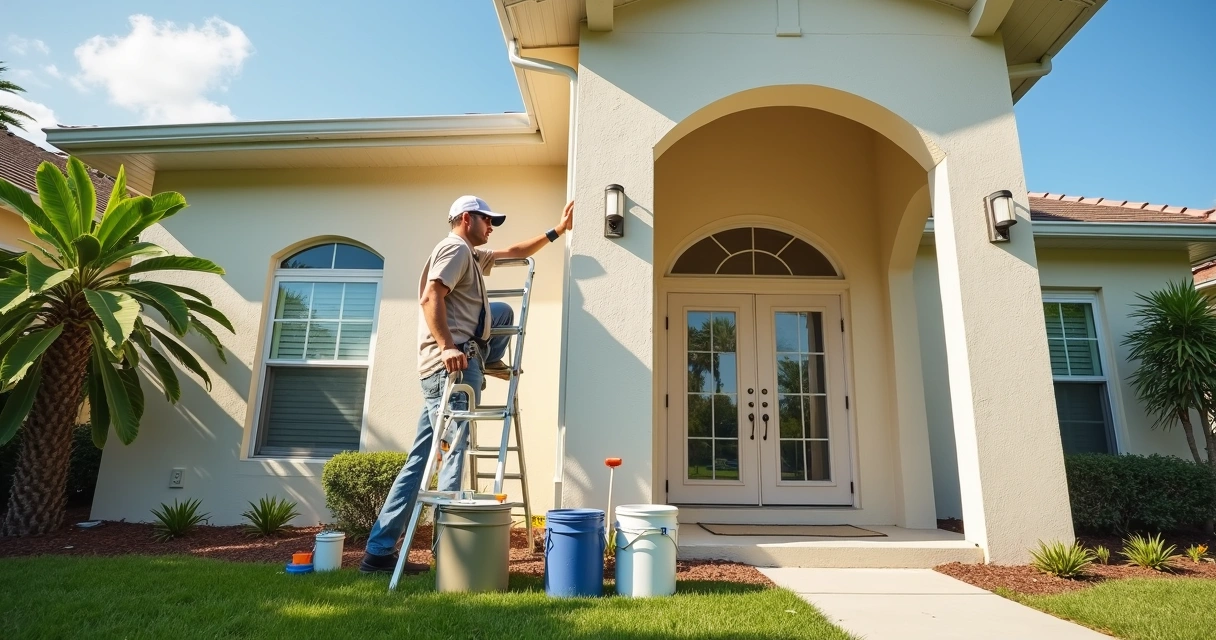
At GCM Best Services, every paint project starts with a thorough assessment. We walk your property, test surfaces, and note any trouble spots. Our team knows Florida’s challenge zones: eaves, shaded walls, wind-driven rain sides, and sun-blasted trim.
- If we see bare stucco or patched repairs, we use masonry primer.
- If fascia, windows, or trim have raw wood or deep stains, we choose a stain-blocking primer.
- For re-coats on previously painted homes, we test adherence and chalking, and only skip primer when we’re confident the existing layer will last.
Every warranty-backed painting project we deliver begins with detailed prep. Skipping primer is never a guess—it’s a decision we back with experience and the right product data.
Good paint jobs begin with good surface preparation—and the right primer.
Tips for choosing the right primer for Florida exteriors
Picking primer isn’t just grabbing any can off the shelf. The Florida environment demands a careful match:
- Match primer to surface: Masonry primers for stucco/concrete, stain blockers for wood, and bonding primers for metals or glossy finishes.
- Use mildew-resistant formulas: Always look for primers that resist algae and fungus—especially in shaded/moist areas.
- Pick the right color base: For deep or bright finish colors, some primers come tinted; use this for faster, richer coverage.
- Check manufacturer compatibility: Some paints work best with primers from the same family—always check technical sheets.
When you choose GCM Best Services, our team will walk you through each of these decisions to guarantee long-term results on your Orlando, Tampa or Central Florida property.
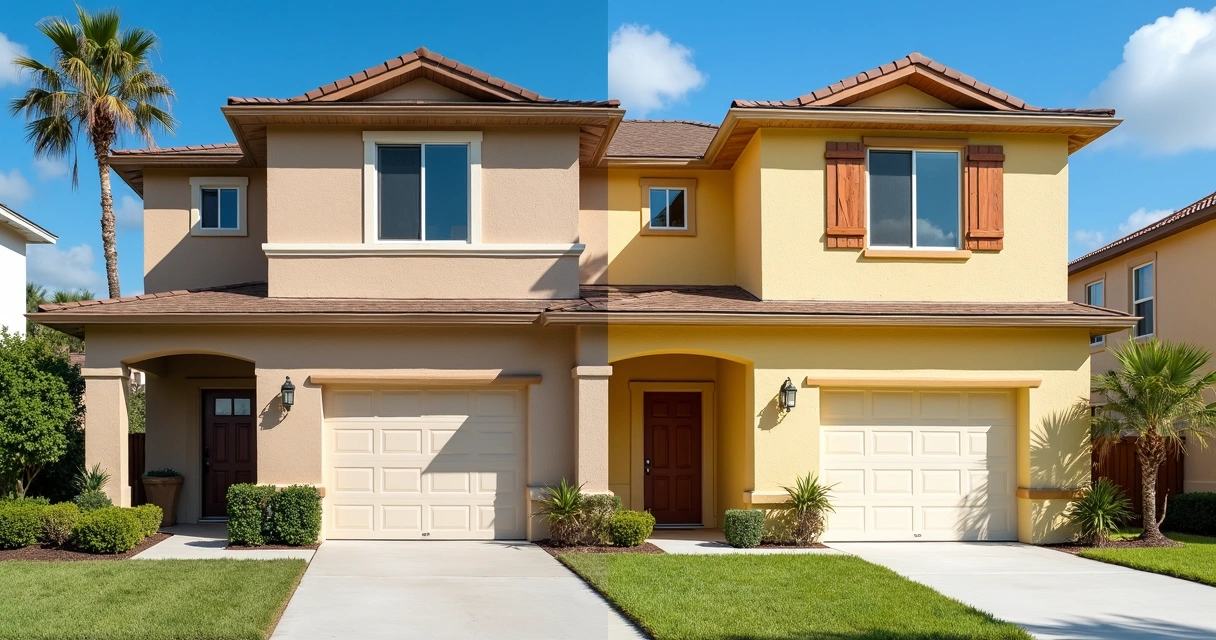
Conclusion: Decoding the primer question with confidence
We understand that every homeowner wants a fresh, strong finish that stands up to Florida’s sun, storms, and humidity. The question, “Does my painted exterior need primer every time?” depends on real-world factors: the material, past coatings, repairs, and the condition of your surfaces.
In our experience, primer isn’t just a technicality—it’s the difference between a job that looks great for years and one that fails fast. Miami to Orlando to Tampa, our process at GCM Best Services is always about getting it right, not just getting it done. Don’t cut corners, and don’t guess; get the surface tested and assessed by experts who care about lasting beauty and durability.
Looking for next steps or want more tips? We invite you to keep reading our concrete and painting resources or get to know our team on our official company profile.
Ready to learn more about the right process for your exterior? Connect with GCM Best Services for a no-obligation quote and let us help you get it right the first time.
Frequently asked questions
When do I need to use primer?
Use primer when painting new, unpainted surfaces like bare stucco, wood, or concrete, when repairing or patching exteriors, when switching from oil to latex paint, or when facing stains, heavy chalkiness, or drastic color changes. If in doubt, spot-test or consult a professional to avoid future paint failures.
Can I paint over old paint?
If the old paint is in good condition (not peeling, chalking, or glossy), and you’re using a compatible paint, you can often paint directly over it after cleaning and light sanding. If the surface is unstable or if you are switching paint types, a primer is strongly recommended to ensure proper adhesion and a uniform finish.
Is primer always necessary for exteriors?
Primer is necessary for exterior painting when surfaces are new, badly weathered, repaired, stained, or the old paint type is incompatible with your new finish. For well-maintained, previously painted surfaces with no damage or major color shift, it might be safely skipped, but always test first.
How to choose the right primer?
Choose primer based on your exterior material: use masonry primer for stucco/concrete, stain-blocking primer for wood prone to bleeding, and bonding primer for glossy or metal surfaces. Pick mildew-resistant formulas for humid areas and ensure your primer and paint are compatible. Guidance from experts, like our team at GCM Best Services, can help you select the right product for Florida’s unique conditions.
How much does exterior primer cost?
Exterior primer cost varies based on product type, quality, and project size, but in Central Florida you can expect to pay between $20–$60 per gallon for professional-grade primers. Labor, surface prep, and paint are separate costs. Investing in a quality primer saves money long-term by reducing the need for early repainting or repairs.