For many of us living in Orlando and Central Florida, Homeowners’ Associations (HOAs) are a daily reality. They help keep neighborhoods tidy and property values stable. Yet, when it comes to upgrading the outside of a home—like new driveways, patios, painting, or screen enclosures—an HOA rejection can turn excitement into frustration. At GCM Best Services, we guide homeowners each step of the way. Today, we want to help you understand how to manage, challenge, and even reverse an HOA’s “no” into a “yes.”
Understanding why HOA rejections happen
Rejections don’t come out of nowhere. Most often, they result from strict rules called covenants, conditions, and restrictions (CC&Rs) spelled out in your HOA documents. In our experience, common reasons include:
- Use of unapproved materials or colors (such as non-neutral paints or non-standard pavers)
- Alterations that change the look or function of approved landscape or hardscape
- Concerns about drainage, water flow, or runoff with patios, slabs, and driveways
- Out-of-code or unsafe structures (like screen enclosures with outdated fasteners or low wind ratings)
- Lack of detailed plans or missing documentation when submitting the request
It can feel like an uphill battle. But the good news is, rejections are not always final. If you know why your request was turned down, you can make targeted changes and get your project back on track.

Step-by-step: How to respond to a rejection
1. Read the denial letter carefully
Your HOA should send you a formal letter explaining the reasons for denial. We’ve seen letters that are a simple two-sentence “no,” and others several pages long.
- Check what specific rules you allegedly violated
- Look for any citations of your community’s documents (such as Article 4.2.3, “Driveways and Hardscapes”)
- Include the official date and response deadline—often critical for appeals
If something is not clear, don’t guess. Contact the property manager or board in writing (email works) for clarification.
2. Compare your plans to HOA rules
It may not be fun reading, but your HOA’s CC&Rs and architectural guidelines hold the answers. Ask yourself:
- Did your request violate a specific clause or just lack detail?
- Are there alternate materials or finishes allowed?
- Did you provide enough technical detail, such as drainage specs and finish types?
At GCM Best Services, we’ve found that clear, thorough documentation is key. A vague sketch or incomplete spec sheet is a common stumbling block. Our estimates include material data, drainage plans, and finish options that you can attach to your application, making approval more likely.
3. Identify if the issue is content or process
HOA denials typically fall into one of two categories:
- Content: Something about your project itself is not permitted, like wanting to use stamped concrete in a community where only broom finishes are allowed
- Process: Missing paperwork, incomplete applications, or skipped steps, such as not presenting a photo sample or not getting neighbor signatures (if required)
Address content issues by adjusting your plans; process problems by resubmitting with all required documents.
4. Collect supporting evidence
Documentation changes minds. For example, showing that other homes have paver driveways may help, but only if those installs were genuinely approved. Strong documents include:
- Manufacturer data (“concrete pavers, ASTM C936, color ‘sandstone’”)
- Before-and-after photos, sketches or digital mockups
- Drainage plans and stormwater details for patios or slabs
- Proof that other homeowners received approvals for similar projects
- Letters or emails indicating prior informal assent from board members
We support customers at this stage by providing material spec sheets and site plans, especially if applying for driveways or patios that require careful grading and water management (read more on drainage solutions for paver installations).
5. Open a dialogue with the HOA
Getting a “no” in writing can feel impersonal, but we often discover it’s not the final word. Consider:
- Requesting a phone call or sitting in on an HOA board meeting
- Bringing a contractor (like GCM Best Services) who can answer technical questions
- Asking if a modified plan would likely pass—sometimes a minor color change is all that’s needed
Sometimes, just having a conversation changes everything.
Board members live in the neighborhood too. Many appreciate when homeowners approach with a spirit of cooperation and understanding rather than confrontation.
Submitting an appeal: Going beyond “no”
Your HOA should offer a formal appeal process, which is often outlined in the governing documents. The appeal is your chance to make your case, ideally with better documentation. Here’s how we advise our clients to proceed:
- Meet the deadline: Most HOAs allow only 15–30 days to file an appeal. Miss this, and you may need to restart the process from scratch.
- Present new information: Don’t just resubmit the same documents. Add your improved site plans, drainage calculations, or approval examples from similar homes.
- Attend the review meeting: Face-to-face, you can clarify plans and answer concerns. Bring your contractor if possible.
- Show willingness to compromise: Being open to small adjustments paves the way for approval.
If you’re worried about making mistakes, we can help guide you through assembling and presenting your case, drawing from our experience working with various HOAs throughout Central Florida neighborhoods.

Adjusting designs for approval
Maybe the original plan was too bold for your community. That doesn’t mean you have to abandon the project completely. Often, making minor adjustments wins the board over. Here’s what we often suggest:
- Switching to board-approved colors or materials for finishes (such as choosing a lighter paver shade or approved exterior paint)
- Adding professional drainage plans with drawings and slope details
- Lowering the height of structures, like screen enclosures, to align with code and visual guidelines
- Providing written warranties and maintenance plans, as required by some HOAs to protect shared property
We also recommend reviewing our page on selecting the right concrete company in Orlando, as HOAs sometimes prefer experienced, licensed contractors who guarantee compliance and proper insurance.
Appeal outcomes: What to expect
When you formally appeal or resubmit, outcomes usually fall into these categories:
- Approved as resubmitted
- Approved, pending minor changes
- Denied with a specific explanation, possibly with suggestions
- No response (rare, but follow up if it happens!)
If you’re denied again, you may be able to reapply after a set period—typically six months. Some HOAs have no limit on reapplication, but others do. Review your documents or speak with your association manager.
What if the HOA keeps saying “no”?
If you’ve exhausted appeals and believe your HOA acted unfairly, there are still a few avenues open.
- Check state and local laws—some exterior changes, like accessibility ramps, have legal protections
- Gather support from neighbors; sometimes, a petition by several residents causes HOAs to revisit outdated rules
- Consider submitting a scaled-down version, or a different project that is more likely to pass
- Remain patient and transparent; avoid building without approval, as unapproved work can risk fines or forced removal
It’s rare, but some HOA covenants are out of step with modern building codes or fair housing rules. If you feel you’ve been discriminated against or wrongfully treated, you may discuss your case with local experts or legal advisors. We don’t provide legal advice, but we do supply technical documents and installation warranties that often make approval easier.
How to prevent rejections in the first place
After working with hundreds of homeowners and HOAs, we’ve seen a pattern in successful project approvals:
- Pre-application consultation: Many HOAs offer or even require a pre-application meeting. Use this opportunity to discuss your vision and learn what will and won’t work before submitting.”
- Detailed, professional plans: Include material specs (like “4,000 PSI concrete, wire mesh, sealed with commercial-grade acrylic”), drainage layouts, and clear visual mockups in your applications.
- Proof of insurance and licensing: Some HOAs ask for your contractor’s credentials. At GCM Best Services, we’re happy to supply this information as part of your packet.
- Communication: Keeping the HOA updated about any timeline changes, material substitutions, or delays avoids last-minute surprises that can cause friction.
Preparation and open communication turn obstacles into approvals.
We also recommend reading more about preventing cracks in Florida concrete patios and driveways, as HOAs are often concerned about longevity and appearance over time.
Creating documentation your HOA committee will respect
Well-crafted documentation sets your project apart. Board members are often volunteers—give them the clear, easy-to-understand paperwork they want. Here’s what we include:
- Material specs (manufacturer, color, type, and warranty period)
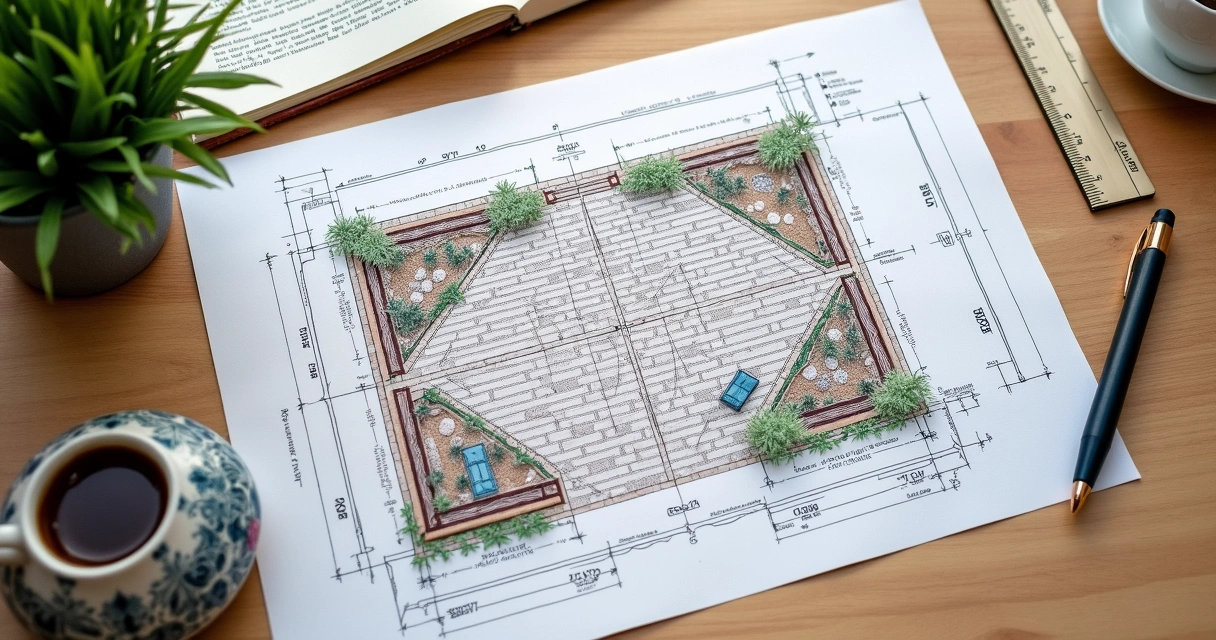
- Scaled drawings showing layout, property lines, setbacks, and any changes in grade
- Drainage flow diagrams for patios, driveways, or pool decks
- Photos showing existing and proposed conditions
- Letters of support or evidence of similar prior approvals (if public record)
As a professional contractor, GCM Best Services always provides a full set of documents—including pictures and written warranties—which brings confidence to HOA boards reviewing home upgrade requests.
Tips for specific upgrades: A closer look
Concrete driveways, patios, and slabs
HOAs value uniformity and durability. Our team uses sub-base compaction, 3,000–4,000 PSI concrete, and often rebar or mesh reinforcement. When applying, specify finishes (broom, exposed, stamped) and tie them to images in your packet. Always include drainage plans—HOAs regularly deny upgrades that risk pooling or runoff into neighbor’s yards.
Paver installations
For driveways and walkways, document edge restraints, sand type, and professional sealing. HOAs dislike weeds or sinking pavers over time. You can find more details about care and prep in our weed prevention guide for Florida pavers.
Screen enclosures
Wind load is critical for acceptance. Show that the enclosure hardware meets the latest codes and hurricane guidelines. Attach product sheets that specify bug-resistant mesh, powder-coated finish, and hurricane-ready fasteners.
Painting and coatings
Present samples for all colors, and note brand and finish (elastomeric, epoxy, etc.). Night crews who minimize daytime disruption might be viewed more positively by the HOA, especially in high-traffic areas.
Artificial turf and landscaping
For synthetic grass, include details such as UV rating, drainage rate, edge treatment, infill product name, and how it interfaces with existing hardscape. Some HOAs worry about “fake-looking” lawns; clear, detailed mockups can overcome these hesitations.
Outdoor kitchens
Site plans for summer kitchens should show setbacks, gas/electrical routes, material fire ratings, and how smoke/venting are managed. Emphasize that you’re using fireproof CMU or approved steel framing for neighborhood safety.
Winning the HOA’s trust: The value of professional partners
We’ve found that working with a licensed, insured contractor gives homeowners a better chance at approval. Here’s why:
- We match our methods and materials with HOA guidelines from the start
- We handle permits, HOA paperwork, and inspections, easing confusion
- Our written warranties and photo documentation help satisfy even the most detail-focused committees
- We can often guide modifications quickly if a conditional approval or minor tweak is requested
You don’t have to go it alone. At GCM Best Services, we specialize in exterior renovations for Central Florida and collaborate closely with homeowners and associations. Whether it’s a large-scale upgrade or a minor repair, our experience helps projects move forward smoothly—aligned with both HOA and city requirements. For inspiration, see our hardscaping project gallery at this page.
Conclusion: Turning a rejection into a confident “yes”
HOA rejections for exterior upgrades can feel like a setback, but they’re rarely the end. With careful reading, open communication, detailed documentation, and a willingness to adapt, you can transform a denied request into an approved project that improves your home and keeps peace in the neighborhood.
If you’re ready to upgrade your home’s exterior and want expert support through the HOA process in Orlando, Tampa, or anywhere in Central Florida, reach out to us anytime.
Ready for a professional quote? 📞 (407) 250-1948 • 24–48h • Orlando, Tampa & area.
Frequently asked questions
What is an HOA rejection letter?
An HOA rejection letter is a formal communication from the Homeowners' Association stating that your request for an exterior home upgrade has been denied. It should explain the reasons for the denial and reference any specific rules or guidelines that were not met. This letter is your starting point for understanding what changes or documentation the HOA needs to reconsider your request.
How to appeal an HOA upgrade denial?
To appeal, first check your HOA’s appeal process and deadline. Prepare improved documents and plans, address the reasons for denial, and submit your appeal in writing within the required timeframe. If permitted, attend the review meeting to explain your proposal and answer questions. Adding new information, visual plans, and any HOA-approved alternatives increases your chance for a successful appeal.
Can I reapply after an HOA rejection?
Yes, in most cases you can reapply for HOA approval after a rejection, often after making the requested changes or waiting for a specific period defined by the HOA's rules. Your second submission should clearly address the concerns from the first rejection and include all required details or modifications.
How long does the HOA review take?
Most HOA reviews take anywhere from two to six weeks, although timelines vary by community. Some HOAs have scheduled meetings only once a month. You can often speed up the process by providing complete, clear documentation and staying in regular communication with the board.
What are common reasons for HOA rejections?
Common reasons include using unapproved materials or colors, lack of detailed plans, projects that impact drainage or shared spaces, safety or code concerns, or missing application documents. Addressing each of these issues with thorough plans, approved materials, and clear visual examples strengthens your case for approval.