Primary keyword: hurricane-ready screen roomVariants: screen enclosure hurricane rated, hurricane resistant screen room, hurricane safe lanai
Audience: Central Florida homeowners and property managers looking for safe outdoor spaces that withstand severe storms.
Pain/benefit: Worry about damage and insurance headaches after hurricanes; benefit is peace of mind, added home value, and safe outdoor enjoyment.
A hurricane-ready screen room stands as a shield between your home and the harshest Florida storms, giving you a comfortable and safe outdoor living option. Building one is a journey—where every detail matters, from blueprint to final inspection. We’ll walk you through every step that makes the difference between average and “hurricane-tested” strength, based on our hands-on experience serving Central Florida at GCM Best Services. Our process ensures safety, compliance, and long-lasting value.
Outline
- What makes a screen room “hurricane-ready”?
- Blueprint: Design considerations with hurricanes in mind
- Permitting, code, and HOA requirements
- The foundation: Slabs and drainage for tough Florida soils
- Structural choices: Materials, fasteners, and wind loads
- Screen systems and upgrade options
- Build phase: Fabrication and expert installation
- Finishing touches and inspection walkthrough
- Warranty, maintenance, and support
- Why choosing the right partner matters
- Conclusion and call to action
- Frequently Asked Questions
What makes a screen room “hurricane-ready”?
In Florida, a true hurricane-ready screen room is designed to resist high winds, flying debris, and the elements, following strict local codes and best practices. Unlike basic patio enclosures, these structures prioritize safety, structural strength, and insurance compliance.
- Anchored to a reinforced slab—no shortcuts on concrete or rebar.
- Aluminum or steel frames engineered for high wind loads (up to 170+ mph in some parts of Central Florida).
- Upgraded fasteners: stainless, corrosion-resistant, or hurricane clips.
- Screen panels securely tensioned and attached for wind strain.
- All aspects inspected and certified for compliance with Florida Building Code (FBC).
This approach aligns real-world durability with insurance requirements, something we see demanded by HOAs, inspectors, and smart homeowners alike. Saving a few dollars upfront by skipping hurricane upgrades rarely pays off in the long run—studies from MIT’s Concrete Sustainability Hub show that better connections and code upgrades can save billions in annual damages. It’s about peace of mind for every storm season.
Blueprint: Design considerations with hurricanes in mind
We start every project with a blank slate, interviewing you to understand your goals, lifestyle, and planned use for the screen room. Not all hurricane-ready screen enclosures look the same, but each shares certain design fundamentals.
- Placement: Away from falling trees or loose roof tiles, with wind exposure rated by property survey.
- Shape: Lower, compact designs shed wind better than tall, wide spans.
- Attachment: Fully integrated with existing home walls, or freestanding with extra bracing and deeper footers.
- Drainage integration: Florida storms mean standing water is not optional—drainage is mapped from the first drawing.
We provide sketches, 3D models, and clear drawings showing exactly where reinforcements, anchors, and wind-bracing will be included. All this gets submitted for HOA and permit approval before a single stick of aluminum is cut.
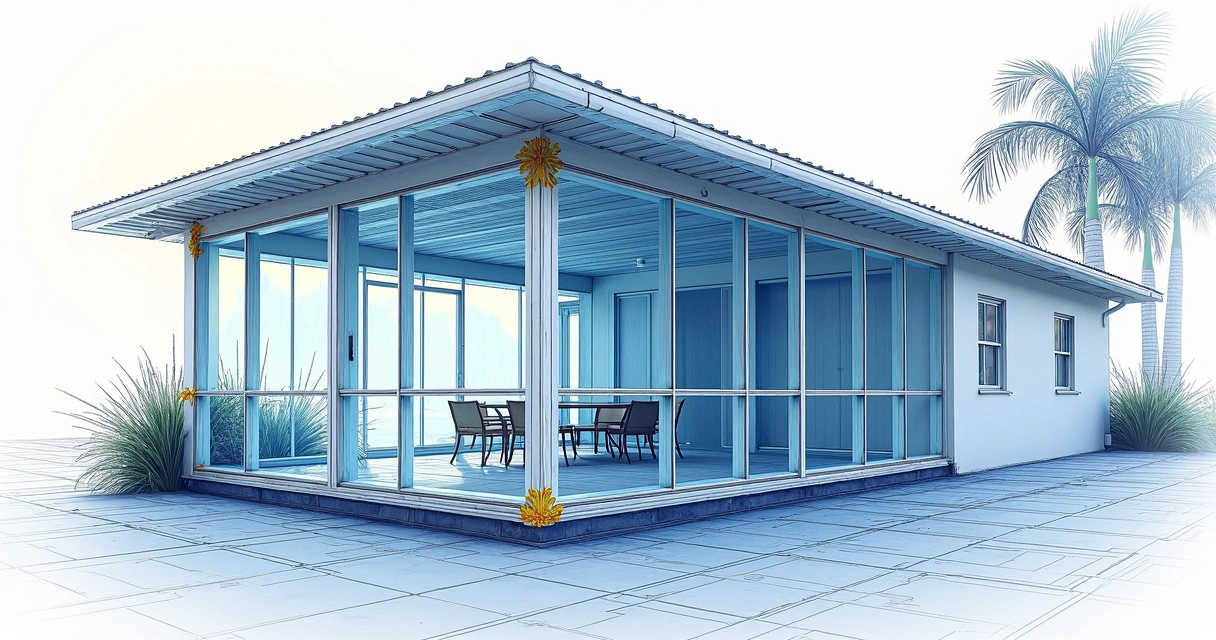
Good design is the foundation for safety, compliance, and enjoyable outdoor living. After client review and adjustments, we finalize plans for your HOA and city/county submission.
Permitting, code, and HOA requirements
Central Florida has some of the strictest codes for wind resistance in the country. The permit records follow the property, so every screen enclosure has to be properly documented—future buyers or insurers will check. Our team manages:
- HOA document preparation and architectural committee review.
- City or county permits—plans and calculations stamped by a Florida-licensed engineer.
- Scheduling required building and electrical inspections.
- Getting Notice of Commencement (NOC) signed when needed.
When you work with GCM Best Services, we make calls, submit forms, and answer reviewer questions on your behalf. This keeps the project moving. No wrestling with codebooks or last-minute paperwork.
The foundation: Slabs and drainage for tough Florida soils
The longevity and strength of a hurricane-rated screen room starts at ground level. Many backyard projects fail here—not because of bad frames, but because corners were cut on the slab or drainage.
- We excavate 6–8” for the compacted sub-base, as recommended for Florida’s sandy, shifting soils.
- Rebar or wire mesh is set as specified by engineering docs—no “eyeballing” spacing.
- Concrete is poured at 3,000–4,000 PSI, troweled, and saw-cut for shrinkage control.
- Surface slopes direct water to French drains, swales, or stormwater collection—not ponding under your shoes.
- Every anchor, post, or column receives proper embedment per wind zone.
We take pride in showcasing work sites with progress photos and clean job conditions. Lasting results begin with precision under your feet.
If your project needs paver walkways or landscaping integration, our hardscaping experience lets us tie everything together, blending form with storm function.
Structural choices: Materials, fasteners, and wind loads
This is where a hurricane-ready room earns its reputation. In Central Florida, not all aluminum or steel structures are created equal. Years of hands-on experience have taught us the lessons behind every state and county code.
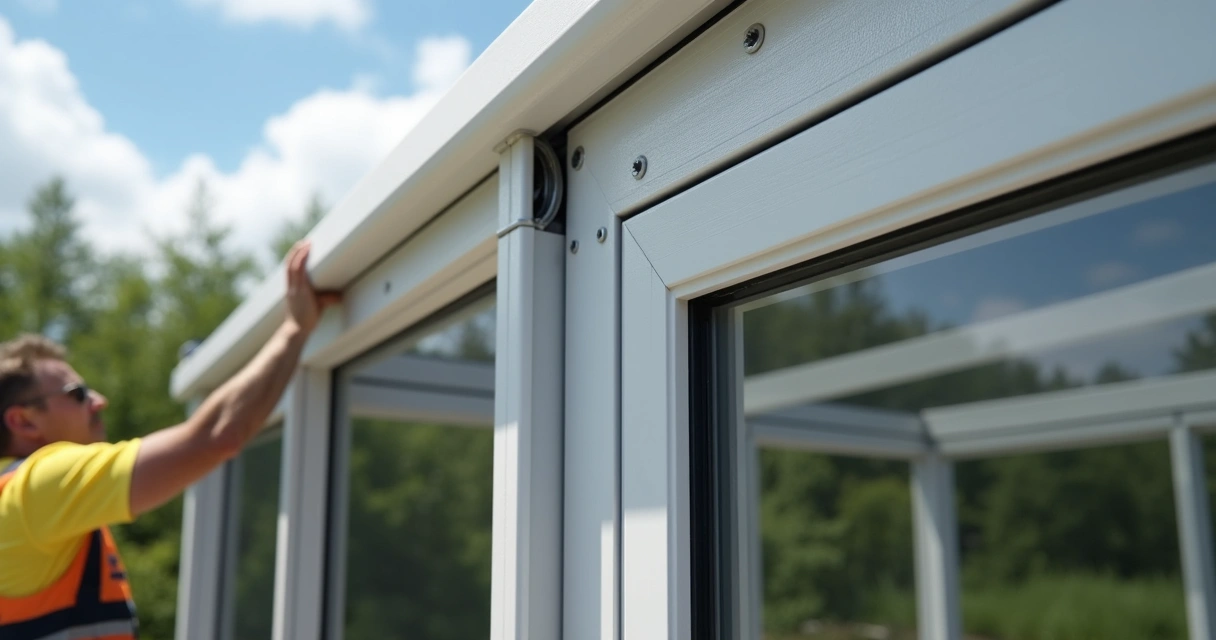
- Aluminum extrusions: wall and roof beams sized for uplift, moment forces, and corrosion resistance.
- Stainless, galvanized, or powder-coated steel fasteners and anchor bolts.
- Hurricane brackets, ties, or gusset plates at every high-stress connection.
- Minimum embedment depths and spacing—no skipped anchors.
- Addition of “knee bracing” at posts and beams for tall or wide screens.
Every assembly step gets verified against stamped plans, so you get what you paid for—an enclosure that’s made to last. Even details like how the screens are attached, and what type of spline is used, affect resistance to wind-driven “ballooning” and blowouts.
Screen systems and upgrade options
The screen material itself is often the weak spot—unless you plan ahead. Standard polyester mesh is fine for bugs and privacy, but in hurricane zones, several upgrades give much better protection and longevity:
- “Pet-resistant” or “super screen” mesh rated for tear and impact resistance.
- Fine-mesh screens to block wind-blown sand and rain.
- Polyester or vinyl-coated systems that won’t break down in UV rays.
- Optional removable panels or retractable screens for full closure during the storm.
- Integrated kickplates or railings to reduce low-edge impact and water intrusion.
We offer color-matched frames, corrosion-resistant hardware, and clear view screen types—so comfort, durability, and safety are never at odds. For many projects, we install hardware that lets you re-tension or replace individual screens after a storm, reducing repair costs down the road.
If your screen room will serve as part of a pool enclosure, summer kitchen, or pet play area, these upgrades are worth a close look. We always walk you through all options with sample boards and real-life references.
Build phase: Fabrication and expert installation
Once plans are approved and the slab has cured, the build moves fast—hurricane-ready screen rooms need precise craftsmanship at every step.
- We pre-cut and pre-drill all aluminum components in our shop or onsite, ensuring tight fits and fewer fastener failures.
- Site is prepped, safety barriers are installed, and neighbors are notified of construction days.
- Columns and base tracks are anchored to the slab and house walls according to plan—every anchor and bracket checked and signed off.
- Header beams and cross members go up, with hurricane bracing installed before screens are fitted.
- Screen panels are tensioned, secured, and sealed. We use tools to get uniform tightness and avoid sags or wrinkles.
- Door hardware is upgraded for wind and corrosion, with closures that withstand pressure cycles.
- All trims, caps, and gutter tie-ins are finished to match your home and eliminate water intrusion points.
We never skip safety or skip cleanup—good jobsites are clean and organized, a detail our clients tell us sets GCM Best Services apart.
Finishing touches and inspection walkthrough
You can spot a hurricane-ready job in the little things: even screen tension, invisible screw heads, perfect door swings, and crisp lines. At the finish,
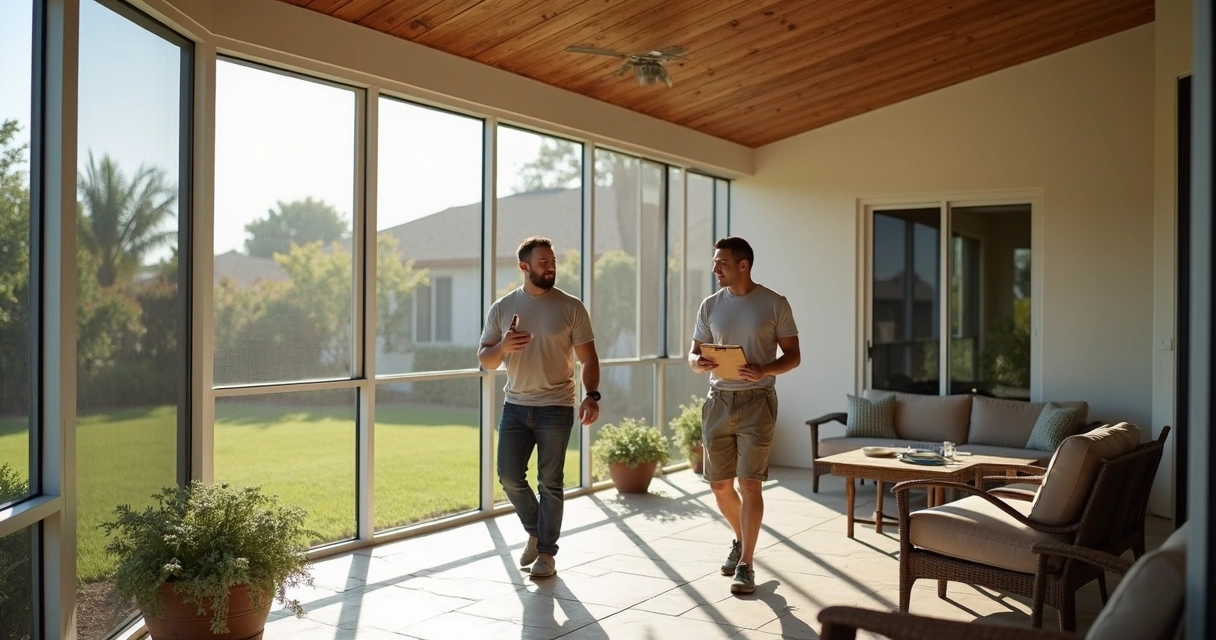
- We walk the perimeter with you, marking any punch list items.
- All documentation for HOA and city/county close-out is provided, including engineer certifications.
- Your maintenance guide tells you when to inspect fasteners and screens, and what to look for after major storms.
- Warranty registration is handled right away.
We believe clean jobsites, photo records, and a final “white glove” walk with the customer set the standard. Our warranty isn’t just a paper—it’s a promise that we back every job with continued support and open communication.
Warranty, maintenance, and support
We provide written warranties on frames, finishes, fasteners, and screen materials, registered with every customer. Our team leaves you with a guide for self-inspection (after big storms, before hurricane season), and we offer scheduled check-ups and repair services.
Routine maintenance keeps your enclosure performing year after year:
- Visual checks for loose fasteners, missing caps, or screen tears.
- Cleaning gutters and weep holes for drainage.
- Touching up caulks or sealants where needed.
For repairs after a hurricane or an impact event, we document the scene, photograph issues, and provide written quotes—details that insurance adjusters appreciate. Our long-term support goes beyond the construction phase.
Why choosing the right partner matters
Building a hurricane-ready screen room is not a “one size fits all” service. We believe a licensed, insured team like GCM Best Services—with local code expertise, transparent communication, and rock-solid warranties—delivers the kind of results that make all the difference come storm season.
- Clear communication from estimate to finish—we keep you updated with photos, schedules, and written documents.
- Local reference projects so you can see our work before you commit.
- On-time schedules, clean OSHA-safe job sites, and documentation for every permit and inspection.
We’re proud of the reviews and referrals we’ve earned throughout Orlando and Central Florida. Many clients first find us when searching for pavers, concrete, or other hardscaping upgrades, then stay with us for pool cages, patios, and summer kitchens. It’s our goal to be your trusted partner on every project.
Conclusion and next steps
A hurricane-ready screen room is an investment in safety, value, and the outdoor lifestyle you love in Central Florida. The process is straightforward when you choose an experienced partner who understands every step: design, approval, drainage, structural upgrades, and final walkthrough.
If you want to see how our process stands apart, check out our project photos and guides at hardscape in Orlando or visit our main blog page for recent case studies.
Ready for a professional quote? 📞 (407) 250-1948 • 24–48h • Orlando, Tampa & area.
Frequently Asked Questions
What is a hurricane-ready screen room?
A hurricane-ready screen room is a Florida screen enclosure built to withstand strong wind, flying debris, and heavy rain by using reinforced foundations, engineered aluminum/steel frames, hurricane fasteners, and certified screen systems—all compliant with Florida Building Code for wind resistance. These rooms provide safe outdoor living while reducing the risk of storm damage.
How much does a hurricane screen room cost?
Costs vary by size, design, and upgrades, but in our experience, a typical hurricane-ready screen room in Central Florida ranges from $12,000 to $30,000 or more for large pool enclosures. This includes the foundation, engineering, permit fees, and hurricane-rated structural upgrades. We provide free site assessments and written quotes tailored to your property.
How long does installation usually take?
The entire process, including design, HOA/permit approval, and construction, often takes 6–12 weeks. Most builds, once the slab cures and materials are delivered, are completed in 3–7 days of installation. Delays are usually tied to permitting or weather, not the onsite build itself.
What permits are needed for construction?
All screen rooms in Central Florida require city or county building permits, and most neighborhoods require HOA approval. We prepare engineering drawings stamped by a Florida professional, submit all paperwork, and handle city/HOA inspections so the process is stress-free for owners.
Are hurricane-ready screen rooms worth it?
Yes—hurricane-ready enclosures help prevent storm damage, lower insurance risk, and add value to your home. Studies show that proper wind connections and certified assemblies, as seen in research from MIT’s Concrete Sustainability Hub, can result in billions in avoided losses if widely implemented. In storm-prone Florida, this is an investment in lasting peace of mind and safer living.