HOA inspection | association inspections | HOA compliance checks | community association review
Audience: Central Florida homeowners or property managers worried about HOA inspection requirements or failed inspections.
Pain/Benefit: Uncovers what surprises real homeowners and contractors during HOA inspections and how to avoid setbacks, fines, or expensive rework.
HOA inspections in 2026 might feel routine, but behind those simple checklists hide details that can affect your peace of mind, your wallet, and even your property value. At GCM Best Services, we've helped Central Florida property owners pass with confidence. In this article, we’ll share what we wish every homeowner knew, especially as HOAs raised their standards and technology reshaped how inspections are done. By the end, you won’t just know what the inspectors look for – you’ll understand the unspoken rules, timelines, and tools that decide your inspection result.
- Why routine HOA inspections now shape long-term property value more than ever
- The “silent” items most likely to trigger repeat visits (and fines)
- How inspectors use photos, drones, and automated records in 2026
- The real-world timelines: why some projects get months of delays
- How drainage, hardscaping, and outdoor upgrades are judged (with examples from GCM Best Services projects)
- The hidden benefit: how proper documentation can turn a HOA inspection from stress to selling point
Detailed preparation wins HOAs' approval before the inspector ever knocks.
Let’s get into the six aspects rarely discussed in guides – but they matter every time an inspector steps onto your property.
1. Property value isn’t just about curb appeal: regular HOA inspections matter more than ever
People tend to think HOA inspections focus just on short-term appearance. That’s only part of the story for today’s homeowners.
According to U.S. Census Bureau data from 2024, about 21.6 million U.S. households paid a condo or HOA fee – with fees varying widely by region, neighborhood, and services offered. In Central Florida, we’ve seen HOA boards grow even more focused on long-term structure, storm resistance, and resale value, not just surface looks.
Your annual HOA inspection is one of the few opportunities for your property to be formally reviewed. A missed drainage issue, cracking sidewalk, or weather-worn enclosure can trigger not only fines or citations, but also flag issues on resale reports or appraisals. Over the past year, we've noticed that buyers ask for HOA compliance documentation as a way to reduce their risk before making an offer. In many local markets, passing every inspection matters as much as having new paint or landscaping.
At GCM Best Services, we see clients able to sell faster and at higher prices when their inspection report includes written records of approved upgrades (like drainage improvements or hurricane-ready screen enclosures). A well-documented inspection turns a potential threat into a value boost.
2. The silent checklist: what really triggers citations in 2026?
Your lawn is green. The plants are trimmed. The house has a fresh coat of paint. You feel safe… and then comes an HOA citation for something you barely noticed. It happens all the time – and here’s why.
Modern HOA inspections rarely focus solely on big-ticket items or obvious curb issues. The majority of repeat citations we’ve seen come from:
- Small cracks in driveways, sidewalks, or paver paths (especially those that look like tripping hazards)
- Drainage grates filled with debris or water not flowing off property as designed
- Loose or older screen enclosure fasteners (due to recent stricter wind-load codes in Florida construction standards)
- Stained or peeling paint in hidden spots – like behind fences or on the side of garden sheds
- Unapproved hardscaping or outdoor upgrades that aren’t in the documentation submitted to the HOA
We know from local projects and drainage solutions for brick paver installations that water pooling – even for a single rainy season – can violate both HOA and city standards. If your last work didn’t come with photo documentation and a permit record, it’s easier to get cited than ever in 2026.
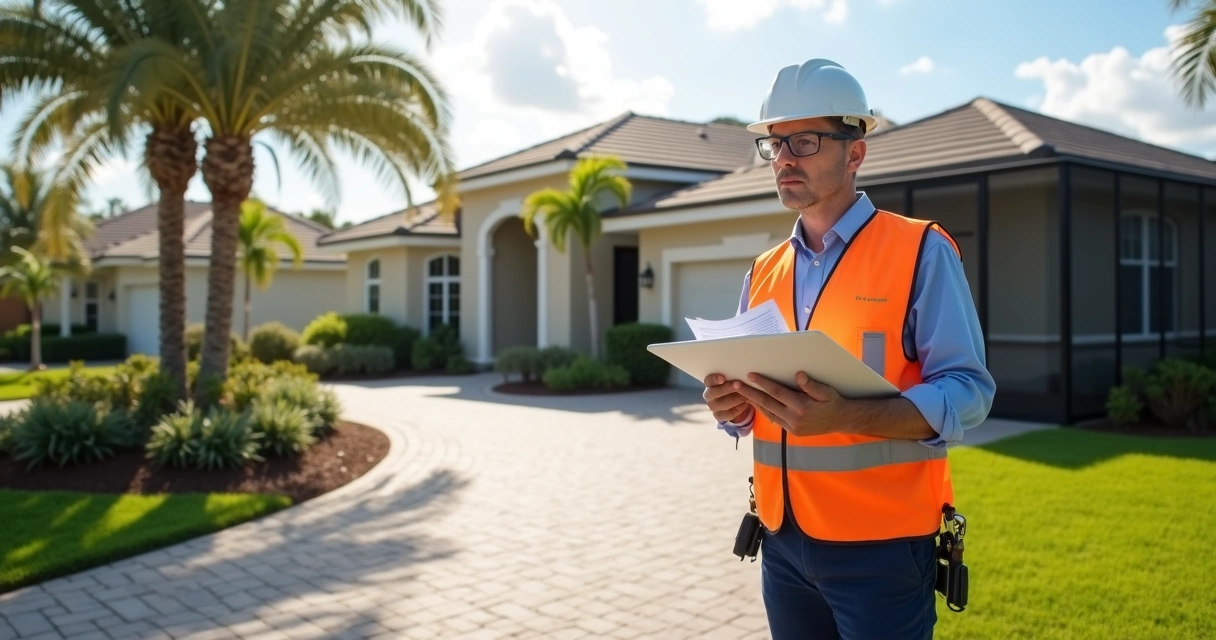
The biggest headaches are often silent and small – but they repeat if not addressed correctly. Smart homeowners keep records of every upgrade (photos plus warranty). When a sidewalk repair or new patio was built to code and has HOA approval, an inspector has less room to question your compliance later.
3. Inspectors today use tech, drones, and apps you never see
In 2026, inspections aren’t as simple as walking around with a checklist. Across Central Florida and the U.S., HOA boards have invested in technology to scan, tag, and track your property over time. According to a nationwide survey reported by the National Law Review, almost two-thirds of HOA boards don’t fully trust their manual records. So, many now contract with inspectors who use photo apps and drones to add consistency and reduce disputes. It means the inspection you see is just the tip of the record.
Here’s what that means, from our point of view at GCM Best Services:
- Inspectors photograph small issues, timestamping every image and linking it to your property ID. These records stay in HOA archives, so new cracks or stains are easier to spot over time.
- Drones or telescoping cameras are used for roof, gutter, and enclosure checks that used to be “out of sight, out of mind.”
- Automated software highlights permit gaps, missing warranties, or recurring violations within seconds.

If your paperwork or documentation is not in their app, it might as well not exist for HOA records. We always recommend saving digital copies of warranties, inspection reports, and permit documents, as well as before-and-after photos. At GCM Best Services, every project comes with this electronic “paper trail.” It means when a drone photo triggers a question, you’re ready with answers.
4. Timelines aren’t what the guidelines promise: why some projects get delayed
Most HOA guidelines write out clear timelines: submit, get approval, finish work, call for inspection, enjoy your project. Yet in real projects across Orlando and Central Florida, we notice that timelines shift – sometimes for months. Why?
HOA boards change regularly, and as responsibilities rotate, document review and communication can stall. We see several types of delays that catch owners off-guard:
- Committee review schedules don’t always match published calendars, especially during hurricane season or HOA board elections.
- Requests for “additional information” – like engineering letters, upgraded drainage specs, or insurance certificates – aren’t always predictable. If your contractor doesn’t include them, the entire process pauses for weeks.
- After initial approval, some HOAs now require photo evidence of mid-project stages or safely secured sites (especially for concrete, paver work, or large enclosures) before allowing the job to proceed.
From our work replacing patios or enclosures, we’ve learned to set client expectations realistically. As soon as bids or plans are ready, we encourage scheduling a no-obligation site visit. This helps clarify exactly what the HOA will request, and prevents unseen delays. We’ve even seen homeowners gain approval faster because they had up-to-date permits, photos, or warranty letters ready to upload, rather than waiting for the inspector to request missing documents.
The stated timeline is just a starting point – what gets you to move-in is your preparation and documentation.
5. Outdoor upgrades draw special scrutiny: from drainage to driveways to screen enclosures
Outdoor projects might seem low-risk compared to entire home rebuilds. But in 2026, even a small exterior change gets careful review from the HOA inspector. Across our Central Florida clients, the most reviewed outdoor services are:
- Driveway, patio, and paving upgrades – with inspectors looking for proper compaction, correct joints, and evidence of professional installation (HOAs now expect permits and sometimes HOA-approved finish lists, not just any concrete or paver style).
- Screen enclosures and lanais – especially fasteners, open/close integrity, and hurricane anchoring hardware up to wind-load codes.
- Paver lighting, edge restraints, and integrated drainage (see this guide to hardscaping best practices); misplaced lights or poorly compacted sand can both earn citations.
- Concrete cracks – including micro-cracks resulting from improper sub-base or joint spacing, even if the finish looks new.
- Artificial turf installations – inspectors now ask to see proof of permeable bases and photo records the edges were stabilized to avoid drainage complaints from neighbors.
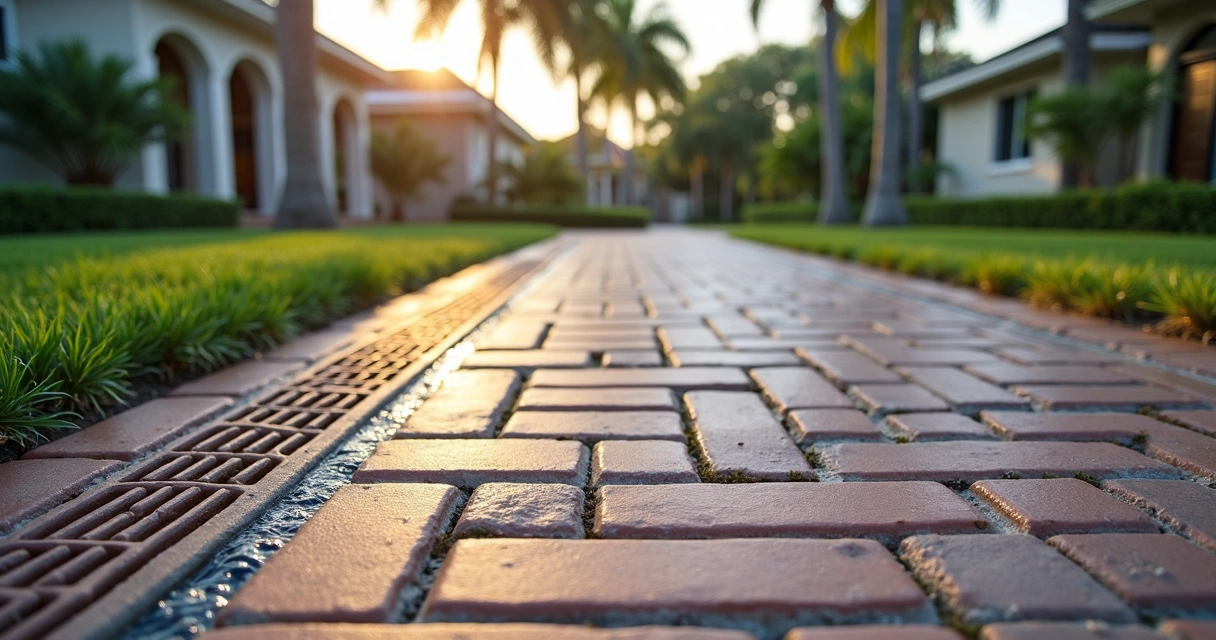
At GCM Best Services, we always recommend requesting written specs in HOA-friendly language, citing permit numbers and providing photos of every step – trenching, compacting, pouring, finishing. That way, the inspector’s photo log and yours match. We also align all documentation with the current wind-load codes for screen enclosures. If the HOA wants visuals to prove compliance, our photo set is ready.
For anyone planning drainage or hardscape improvements, we recommend this licensed contractors guide to concrete repair, which explains why sub-base prep, joints, and finish matter for both HOA and safety code compliance in Florida’s challenging soils.
6. Good documentation is your secret weapon: how it saves time and stress
Most people don’t realize this, but paperwork – even for a small project – makes all the difference when inspectors disagree or when you try to sell your property later. We have seen it firsthand over dozens of projects:
- HOAs tend to side with property owners who present dated photos, written warranties, and stamped permit records, especially if any aspect of the work is disputed.
- Digital receipts and independent maintenance logs help resolve “gray area” violations, such as whether a color match or finish is as specified in the HOA rules.
- When buyers request a clean inspection history, or their mortgage lender wants proof of all repairs and improvements, documentation can shave weeks off closing timelines.
- Some HOAs in Central Florida are piloting homeowner “inspection dashboards” where you upload invoices, warranty sheets, and maintenance logs for continuity between boards (and for quick-sale advantages).
At GCM Best Services, every project closes with a written warranty and before/after photo package. This doesn’t just protect you against the next inspection – it gives you, as a homeowner, more leverage in any property discussion for years to come.
Documentation stands between you and unexpected fines, disputes, or resale delays.
Conclusion: Preparation, records, and expert help turn HOA inspections from stress to opportunity
The 2026 HOA inspection isn’t a “pass/fail” test – it’s a handshake between what you’ve done to your home and how the association envisions the community. We hope our experience at GCM Best Services lightens the process for you. If you prepare key documents, track every upgrade, and insist on professional standards – especially with drainage, hardscaping, and exterior finishes – you won’t just satisfy the HOA. You’ll protect your property and family for years.
If you have questions about outdoor projects, inspections, or need a scope of work tailored for a smooth HOA approval, we’re ready to help. Get your free on-site assessment or connect with our team to see how we can help you pass with confidence and invest wisely in your home’s future.
Ready for a professional quote? 📞 (407) 250-1948 • 24–48h • Orlando, Tampa & area.
Frequently asked questions
What is an HOA inspection?
An HOA inspection is a formal review conducted by your homeowners association to ensure your property complies with all community rules, guidelines, and appearance standards. Inspectors look at property condition, upgrades, landscaping, repairs, and any visible maintenance or code concerns. They may use checklists, photos, and even drones to document the inspection and keep long-term records.
How often do HOA inspections happen?
Most communities schedule property inspections once or twice a year, though some large associations review certain items quarterly or after weather events. Inspections may also be triggered if neighbors complain or if you apply for permits to renovate or upgrade exterior features. Seasonal patterns and association leadership changes may affect the schedule.
How much do HOA inspections cost?
HOA inspection costs are usually covered by your regular association dues or annual fees as a benefit for the entire community, not billed separately for each property. According to 2024 data, about 26% of homeowners paid under $50/month for HOA fees, while around 3 million paid over $500/month, depending on amenities and management quality (U.S. Census Bureau, 2024).
What happens if I fail inspection?
If you fail an HOA inspection, you’ll typically receive a written notice of violation describing what needs to be corrected, along with a deadline to complete repairs or upgrades. Failure to correct issues by the deadline can lead to repeat inspections, possible fines, or restrictions on future projects. Keeping thorough documentation and responding quickly helps limit hassle and expense.
Can I appeal an HOA inspection result?
Yes, most communities allow homeowners to appeal inspection results, particularly if you believe the findings are in error or the violation is unclear. The appeals process usually includes submitting additional documentation, photos, or professional opinions. Some HOAs offer a meeting with the board, and decisions may be revised when clear evidence supports your case.