Primary keyword: wire mesh for Florida slabs
Variants: concrete wire mesh Florida, slab mesh installation, mesh reinforcement Orlando
Audience: Homeowners, builders, or property managers in Central Florida needing strong, crack-resistant driveways, patios, or concrete slabs.
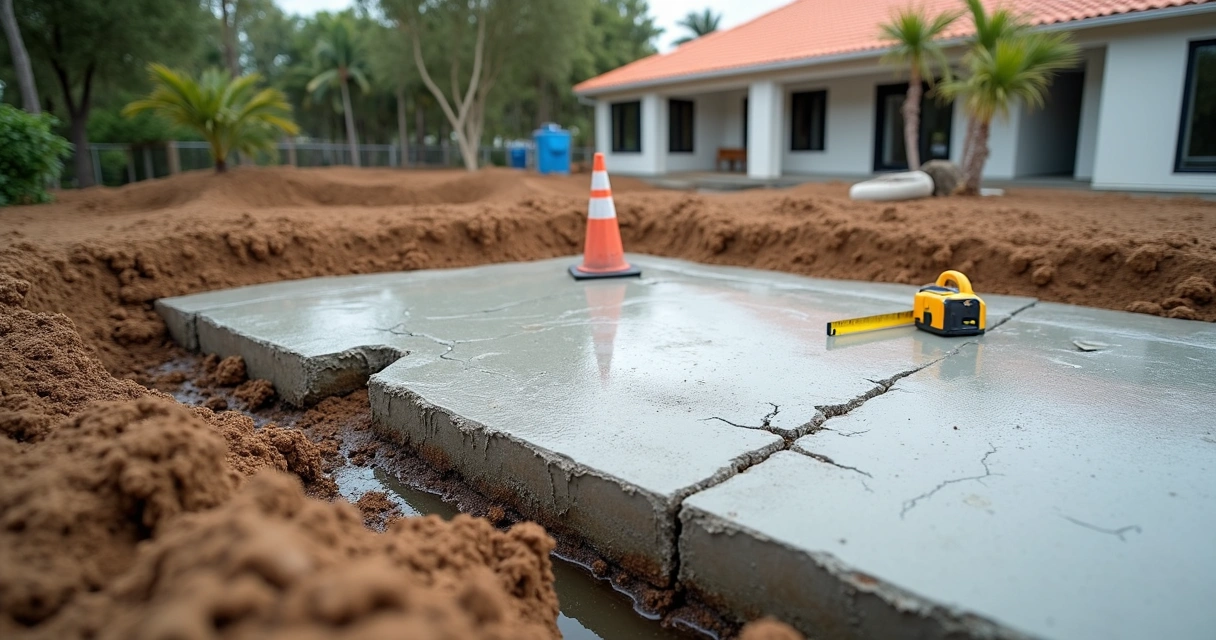
Pain/Benefit: Reduce cracks, boost longevity, and meet permitting requirements on Florida’s shifting soils with the right wire mesh slab reinforcement.
Summary: Choosing the correct wire mesh for concrete slabs in Florida is one of the most overlooked steps in long-lasting construction. In this article, we at GCM Best Services share our expertise on selecting, installing, and maintaining wire mesh for slabs in our region. We aim to give Central Floridians a clear, step-by-step explanation—from technical specs to local code compliance—to ensure your investment stands strong against our region’s unique challenges.
- Introduction: Why wire mesh matters in Florida
- What is wire mesh, and how does it work?
- Florida’s slab challenges: Soils, code, and climate
- Types of wire mesh for slabs
- How to size and choose the right mesh for your project
- Proper installation: Steps and best practices for Central Florida
- Wire mesh vs. rebar: When and why to use each
- Cost, supply, and sourcing for Orlando-area projects
- Common wire mesh mistakes and how to avoid them
- Care, maintenance, and signs of trouble
- Conclusion: Stronger, longer-lasting Florida slabs
- Frequently Asked Questions
Ready for a professional quote? 📞 (407) 250-1948 • 24–48h • Orlando, Tampa & area.
Introduction: Why wire mesh matters in Florida
Florida might be the sunshine state, but our climate, soils, and permitting rules create unique headaches for anyone pouring concrete. Too many residents see cracks, sinking sections, or drainage issues within just a few years. We hear the same question time and again: “How do I make this last?”
Wire mesh increases the crack resistance and extends the service life of concrete slabs, especially in Florida’s moist, shifting soils. This simple reinforcement step is often the secret ingredient separating a solid, long-lasting driveway from one that crumbles before its time. At GCM Best Services, years of local experience have shown us the massive difference that proper mesh selection and installation can make.
What is wire mesh, and how does it work?
Wire mesh is a grid of intersecting steel wires, welded together at each connection. These mats come in rolls or sheets and are placed within the concrete pour, usually in slabs, driveways, and patios. When you step onto a Florida driveway that feels solid underfoot season after season, there’s probably mesh inside.
The purpose of wire mesh is not to make concrete “stronger” in compression, but to help control cracking by holding the slab together if cracks do form. Think of it like a safety net—if shifting soils, temperature swings, or tree roots create tension in the slab, wire mesh prevents separation and reduces the risk of major movement.
Florida’s slab challenges: Soils, code, and climate
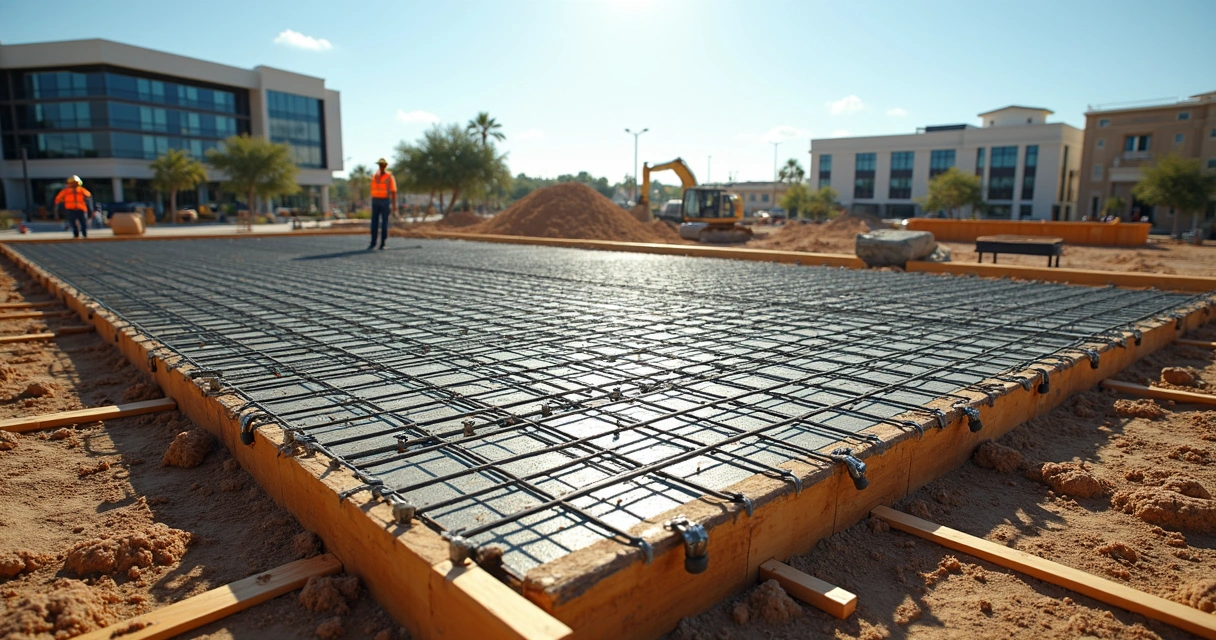
Concrete in Florida faces three main enemies: water, heat, and unstable ground.
- High water table and drainage problems create a constant push-pull under slabs. Poor draining means concrete sits on wet soil, softening support and promoting settling. Good mesh design keeps cracks from becoming major gaps.
- Expansive or sandy soils lack uniform support. Some neighborhoods in Central Florida are prone to soil shifting that can break a slab. Mesh helps slabs bend (slightly) rather than snap.
- Heat and rapid temperature changes, especially on exterior slabs, stress the surface. Mesh doesn’t stop cracks, but it controls their width and movement, avoiding trip hazards and water intrusion.
Permitting offices in Orange, Osceola, and Seminole Counties also follow strict code regimes for minimum reinforcement, including mesh size and thickness for residential and commercial applications. In Florida, skipping mesh or undersizing it isn’t just risky—it might mean failing inspection.
Types of wire mesh for slabs
Wire mesh comes in different sizes and strengths, each fit for a purpose. We typically see:
- Welded wire mesh sheets: Pre-made, flat grids. Easy to position in driveways, patios, and small slabs. Common in residential projects, these sheets are usually six feet by ten feet.
- Wire mesh rolls: Great for large areas or long pours. They unroll quickly, but can sometimes curl if not carefully secured.
- Galvanized wire mesh: Standard in areas with extra moisture, such as near pools or exposed patios. Resists rust and increases longevity.
- Different gauges and openings: 6x6–10/10 is a common choice (squares six inches each way, 10-gauge wire), but 4x4–6/6 offers extra strength for heavy use, while 6x6–6/6 balances ease of handling and reinforcement.
We always evaluate project needs before specifying mesh. Oversizing can be as wasteful as under-sizing is risky.
How to size and choose the right mesh for your project
Every site is different. Our process starts with the scope of the slab—driveway, sidewalk, garage, or more specialized needs (think pool decks or warehouse floors).
Some general Florida slab guidelines:
- Driveways and patios: Most residential clients benefit from 6x6–10/10 welded wire mesh, which delivers adequate crack control for cars, furniture, and foot traffic.
- Heavy slabs (e.g., RV parking): 6x6–6/6 mesh or larger may be needed, especially with thicker pours (up to six inches or more).
- Sidewalks and smaller pathways: Can often use lighter mesh, but spacing and placement are just as critical.
Each mesh has a specification: First number is the inch-by-inch grid size, second is the wire gauge. We frequently reference Federal Highway Administration recommendations for mesh selection, since their studies show mesh controls cracking and extends joint spacing on concrete pavements, which is extremely relevant in the Florida climate.
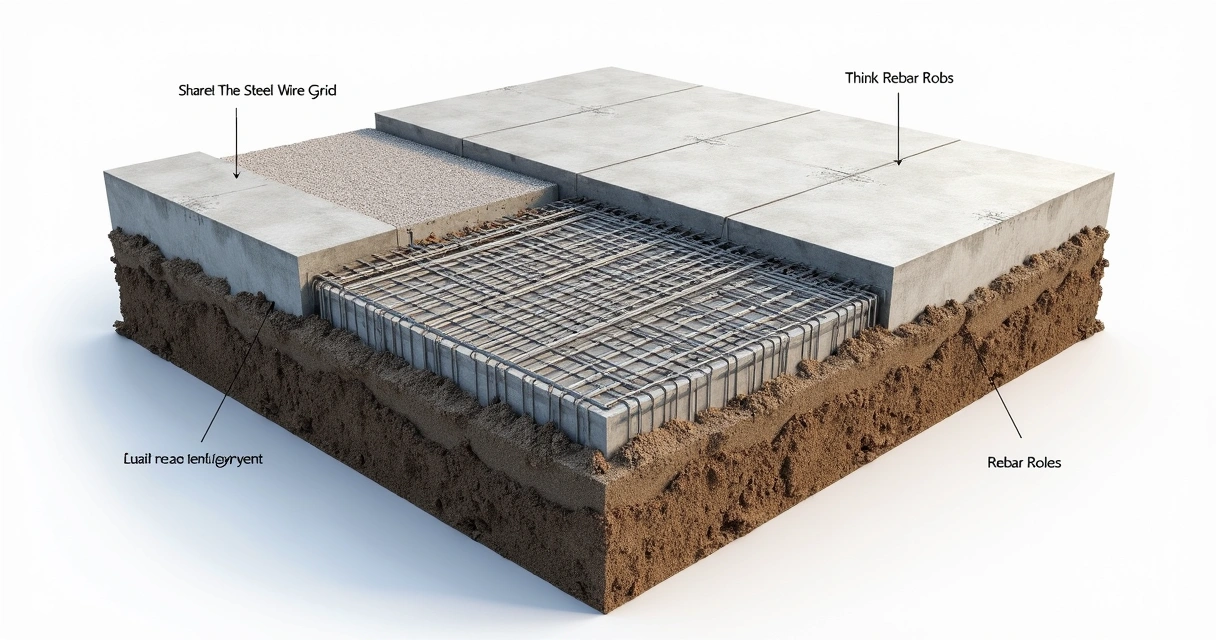
Placement also matters—a mesh grid placed too close to the soil or exposed at the surface won’t protect the slab. We always use spacers (chairs) to “float” mesh within the bottom third of the slab, meeting the specifications needed for true reinforcement.
Proper installation: Steps and best practices for Central Florida
A good wire mesh is not just about type, but how (and when) you use it. Over the years, we’ve seen dozens of ways things can go wrong, but a few best practices always stand out for our region:
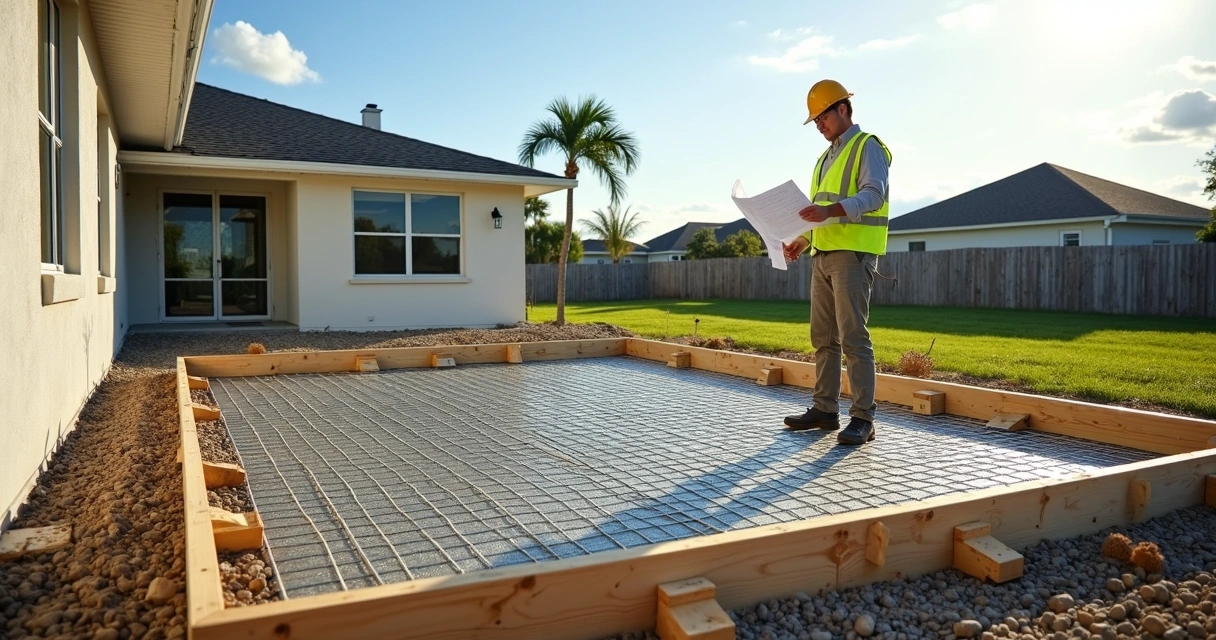
- Start with a stable sub-base: We recommend a 6–8” compacted crushed stone or gravel base for most Florida slabs.
- Set solid forms: Forms must be braced and level so that mesh placement is predictable.
- Cut mesh to fit—not bend it: Wire mesh should cover the slab with about 2” margin from edges, without curling or sticking up into the surface.
- Use chairs or blocks: This keeps mesh off the ground, suspended at the right depth (usually one-third up from the slab bottom).
- Lap and tie mesh sections: Overlap at least one full grid square when using multiple sheets or rolls, and secure with wire ties to avoid shifting during pour.
- Pour and work concrete carefully: Careless workers can step on or move mesh out of position. Watch as you go, and pull mesh up gently (if needed) using hooks.
- Respect joint spacing: Proper joint layout, as per FHWA guidance, helps mesh control crack width by giving concrete “release zones.”
We believe in process transparency, so our customers always receive photos and verification that mesh has been placed correctly before any concrete goes down.
Wire mesh vs. rebar: When and why to use each
The question comes up all the time: “Why not just rebar?” While both add steel to concrete, their roles are a bit different.
- Wire mesh: Best for controlling cracks from shrinkage and handling wide-spanning but lightly loaded slabs (typical residential driveways, patios).
- Rebar: Used where concentrated loads are greater (heavier commercial buildings, footing beams, areas near columns/walls) or codes require it.
In most Florida driveways, patios, and light-use slabs, mesh alone is enough if installed properly, but heavy-use or complex jobs often use both for the best structure.
On large residential projects, like those we complete at GCM Best Services, engineering specs may call for both systems—rebar along slab edges and mesh through the field, for example. Each reinforcement serves a function and should not be swapped without careful evaluation.
Cost, supply, and sourcing for Orlando-area projects
Budget is always a consideration, especially given recent market changes. Locally in Orlando and Central Florida, wire mesh remains affordable compared to rebar, especially for small-to-midsize slabs. As of early 2024, mesh rolls and sheets are widely stocked at most suppliers, though pricing varies with gauge, size, and finish.
The cost of wire mesh for a standard driveway or patio in Central Florida runs between $0.30 and $0.80 per square foot of covered surface, supplied and installed. Special coatings or custom sizing raise costs somewhat, but mesh remains a value-forward option when you compare it to the costs of slab repair or replacement (we break down repair costs and tips in this internal guide).
From our experience, buying direct from reputable local suppliers avoids delays—a must given Florida’s quick-cure climate and tight scheduling. For most projects, it’s best to have a little extra mesh on hand (10 percent spare) to accommodate on-site changes.
Common wire mesh mistakes and how to avoid them
Cutting corners on mesh can undo all the benefits. We see three common errors in Florida slab jobs:
- Skipping proper support (“chairs”): Mesh left on the ground does not work. Concrete must surround the mesh for it to do its job.
- Improper overlaps: Butted joints, or overlaps less than one grid square, create weak points where cracks may widen.
- Poor placement within the slab: Mesh too high or “floating” near the surface may rust or show through, while mesh too low offers almost no crack control.
Even experienced crews sometimes rush this step, but at GCM Best Services, every job is pre-inspected and documented to meet both local code and long-term client satisfaction.
For more real-world examples of what goes wrong—and how to fix it—visit our coverage on preventing Florida slab cracks.
Care, maintenance, and signs of trouble
Once the concrete sets, you rarely see the mesh again. But what happens next still matters. Even with mesh, all slabs need some care:
- Seal joints and surface cracks promptly to prevent water intrusion and rust.
- Avoid aggressive chemical cleaners that can break down concrete and expose mesh.
- Be aware of drainage—pools of water at slab edges can undermine support and speed up movement, even with reinforcement.
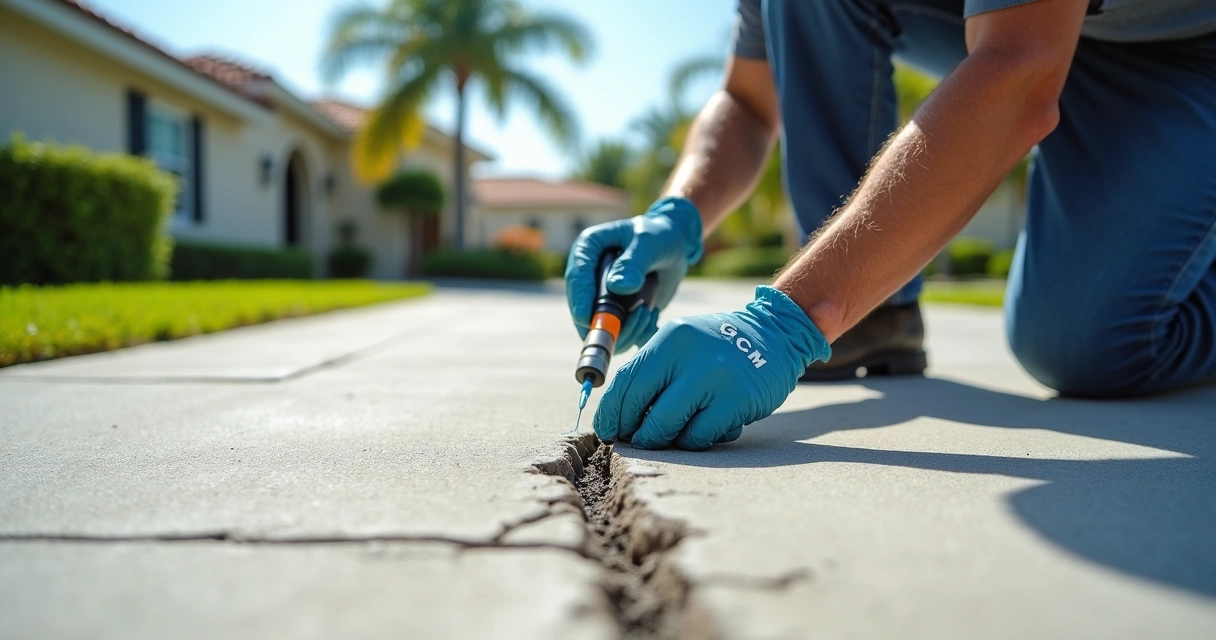
If you see new, wide cracks or uneven settling—even on a newer slab—it may indicate mesh was missed, incorrectly placed, or not heavy enough. In those cases, we recommend a professional assessment. You can read more about evaluation, slab repair, and selection in our Florida concrete resources.
Conclusion: Stronger, longer-lasting Florida slabs
We at GCM Best Services have built hundreds of driveways, patios, and walkways across Central Florida. Our message is clear: wire mesh is an affordable, reliable way to deliver concrete slabs that resist Florida’s harsh conditions, year after year. Avoid shortcuts, match the mesh to the job, and insist on proven installation techniques for the best results.
If you’re weighing your options for a new slab, we’re here to help with honest advice, photos, and a process proven to satisfy local inspections and HOA guidelines. We encourage you to learn more about our step-by-step approach in our St. Cloud concrete installation guide or by reading our tips on choosing a concrete company in Orlando.
Ready to upgrade your next project? Request a no-obligation site visit from our skilled team today, and let’s make sure your slab is built to last.
Frequently asked questions
What is wire mesh for slabs?
Wire mesh for slabs is a welded grid of steel wires used to reinforce poured concrete slabs, driveways, patios, and sidewalks. It helps distribute stress and control crack width, keeping the slab structurally sound if shifting or shrinking occurs. Mesh is usually placed within the bottom third of the slab thickness and is available in different gauges and grid spacings to match project needs.
Why use wire mesh in Florida?
Florida’s unique climate and soil conditions make reinforcing concrete with wire mesh very beneficial. It helps control cracks caused by shifting sand, high moisture, and rapid temperature cycles. Most building codes and local inspectors in Orlando and nearby counties require mesh or rebar in slabs, given the area’s history of settlement and water issues. Long-term, using mesh saves on repair by extending the life and safety of your investment.
How much does wire mesh cost?
Wire mesh is a budget-friendly way to reinforce concrete, usually costing $0.30 to $0.80 per square foot of installed surface in Central Florida. The price depends on wire size, opening size, rolls versus sheets, and whether galvanized or standard product is chosen. Larger projects may receive bulk discounts, but even for simple patios or sidewalks the added cost is small compared to repairing avoidable cracks or redoing entire sections.
How to install wire mesh in concrete?
Proper wire mesh installation starts with compacting the sub-base, leveling forms, then placing and tying mesh sheets with overlaps of at least one grid square. Mesh should be supported by “chairs” or small blocks so it sits about one-third up from the slab’s bottom. Once positioned, mesh must not be disturbed during the concrete pour, and joints should be laid out according to best practices to control cracking. Installation is most reliable when verified with in-progress photos and supervision by experienced pros.
Where to buy wire mesh in Florida?
Wire mesh is widely available at most construction supply outlets across Central Florida. For residential jobs, both local hardware stores and specialty concrete supply yards keep standard mesh in stock. Larger orders or custom sizes are often available through construction suppliers. We recommend sourcing through GCM Best Services for guaranteed product quality, correct quantity, and coordination with local codes and site needs. This helps avoid common delays or misfits.