Primary keyword: wind exposure zonesVariants: wind zones for patios, wind exposure categories, patio wind safety, wind-resistant patios
- Audience: Homeowners and businesses in Orlando/Central Florida looking to build or upgrade patios, driveways, or outdoor rooms.
- Pain/Benefit: Reduce risk of storm damage, code violations, and premature repairs with designs that fit the true wind exposure zone for your property.
When we plan patios or any outdoor construction in Central Florida, wind exposure zones are far from a technical formality—they directly influence long-term durability, safety, and warranty. Many people are surprised to learn how a home or business’s surroundings can change the category for wind loads their project must meet. Let’s break down what wind exposure zones mean for your patio project, how these code requirements are determined, and the real-world impact of building to the correct—or incorrect—zone. In our work at GCM Best Services, we have seen how attention to these details can prevent unnecessary costs and headaches for years to come.
Outline
- What are wind exposure zones?
- How wind exposure is determined on your property
- Wind exposure zones and Florida building codes
- Why wind zones matter for patios and outdoor spaces
- Patio materials, attachments, and wind resistance
- Permitting, inspections, and warranties in wind zones
- GCM Best Services’ process for wind zone compliance in Central Florida
- Best practices for choosing a patio design in high-risk wind areas
- Conclusion: Building for wind exposure is building smart
We can’t change the wind, but we can control how your patio stands up to it.
What are wind exposure zones?
The term “wind exposure zone” describes how open or sheltered a building or structure is to wind, based on its surroundings and geography. These categories are part of the structural engineering standards for safety—especially in hurricane-prone regions like Central Florida.
The Insurance Institute for Business & Home Safety provides a clear summary: wind exposure categories are defined by the terrain and obstructions around a structure. If you live on a wide, open lot or near the coast with few trees or buildings nearby, your patio’s exposure to wind is much greater than if you’re surrounded by dense neighborhoods or forests. This affects both the materials used and the engineering required.
According to IBHS guidance on roof codes and standards and the structural codes (ASCE, IRC, IBC), there are three main categories that matter for residential and light commercial outdoor projects:
- Exposure B: Shielded by nearby buildings and trees (typical suburban neighborhoods)
- Exposure C: Open terrain with few obstructions (fields, lakesides, low-lying coastal areas)
- Exposure D: Very rare inland, mostly beachfront properties facing the ocean
Your patio’s wind exposure directly affects how it should be designed and built—not only to meet the law, but to handle the reality of our region’s climate.
How wind exposure is determined on your property
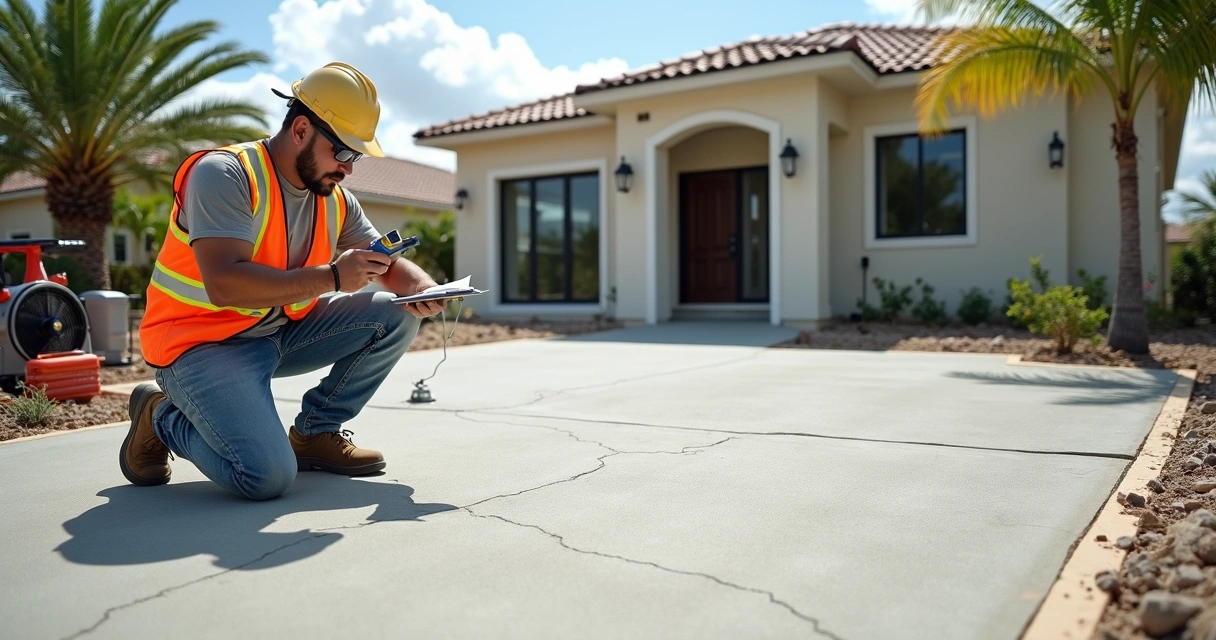
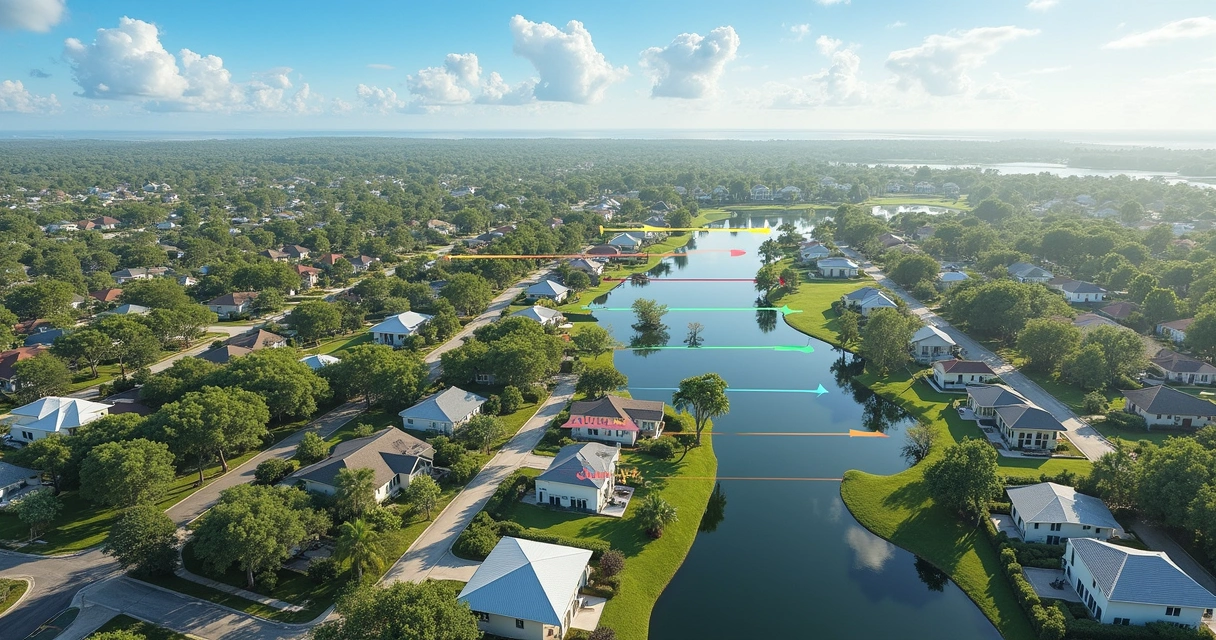
When we assess a property for a new patio, the first thing we look at is what’s around it. Are there tall homes, fences, woods, or businesses nearby? Or is it a “wide open” lot, on the water, or surrounded by grass fields? The answer here determines your wind exposure zone.
Wind exposure is not just about the map location, but the actual terrain and nearby structures that shield or expose your site to the wind.
To establish the specific zone:
- We inspect and measure the distances to the nearest wind breaks (like houses, tree lines, or commercial buildings)
- We review property maps and aerial images to check for changes in land use or new developments
- We interpret neighborhood, HOA, and city/county plans for anything that will alter wind paths (future builds, demolitions, road projects)
- We apply the correct standards (typically Exposure B or C for most of Central Florida, and rarely D except at the beachfront or on certain large lakes)
This process ensures your patio is being designed for the real wind forces it will see—not just generic “Florida standards.”
Wind exposure zones and Florida building codes
The rules that protect homes in Central Florida are shaped by both national and Florida-specific codes.
The Electronic Code of Federal Regulations outlines structural wind zones, with most of Central Florida falling into Wind Zone II—defined as areas requiring design for basic wind speeds up to 100 mph. Zone III includes smaller coastal and hurricane-susceptible areas with wind requirements up to 110 mph or more. Your local jurisdiction (county, city, or HOA) may add further requirements based on recent storm history.
If you are curious about how this relates to your specific project, you will find detailed information in our St. Cloud concrete driveways and patios installation guide, which explains how local codes impact your options.
For patios, screens, and paver structures, the wind zone affects everything from footings and anchoring systems to the attachment of covers, railings, and even decorative elements.
Why wind zones matter for patios and outdoor spaces
Over the years, we’ve seen many patios, screen enclosures, and hardscapes that failed—not because of materials or labor, but because they weren’t built to the right wind exposure standard. One strong storm is sometimes all it takes to expose a hidden weakness.
The impact of a higher wind exposure zone includes:
- Thicker concrete or deeper footings: To resist uplift or wind-driven movement.
- Stiffer structural connections: Such as heavier anchors and hurricane-rated fasteners on screens or outdoor kitchens.
- Drainage design that avoids ponding or undermining foundations: A common oversight that can lead to cracking and movement after storms.
- Choice of finishes and sealers: Textures like exposed aggregate or slip-resistant coatings reduce hazards from wind-driven water or debris.
It’s not just about the “big storms.” Daily winds, gusty afternoons, and smaller summer squalls all add up, stressing materials. Over time, patios not built for the true exposure zone in Central Florida can show cracking, loosening, or surface damage years ahead of schedule.
A patio built for the wrong wind zone is a risk waiting for the next storm.
For homeowners, that means lost investments, insurance headaches, or even denied claims.
Patio materials, attachments, and wind resistance
Every material faces wind differently. Concrete, brick, pavers, screen enclosures, and shade structures each have their strengths and special risks. Here’s how we see the wind exposure zone affect choices for patios in Central Florida:
- Concrete patios: Exposed sites need thicker slabs (often 6–8”), proper expansion joints, and strong sub-bases. Reinforcement with rebar or mesh matters more when winds can uplift or shift a slab. Our advice on preventing cracks in Florida concrete is especially relevant in open wind zones.
- Paver patios and driveways: Need edge restraints and compacted bases that won’t erode if wind-driven water scours surfaces. Stable, sealed joints prevent weeds and sand loss, which we detail in our paver maintenance guide.
- Screen enclosures and covers: In higher wind zones, designs must use hurricane-rated fasteners, heavier aluminum frames, and tighter screening with strong attachment to the slab or footer. Open exposures may even require engineered plans for code approval.
- Outdoor kitchens and hardscapes: Gas and electric lines are secured against movement, finishes like natural stone are attached with mechanical anchors, and layout is designed to shed wind—not create pockets for uplift.
- Artificial turf and landscape features: Properly weighted infill, bonded seams, and draining edges keep turf from lifting, even in strong gusts. Turf can integrate with other wind-safe hardscapes to add comfort without extra risk.
According to the Whole Building Design Guide’s research on wind safety, systems that bond well to their substrate (foam, liquid coatings) outperform many older methods for resisting wind damage. This science directly applies to how we use modern coatings and sealers on patios and slab surfaces.
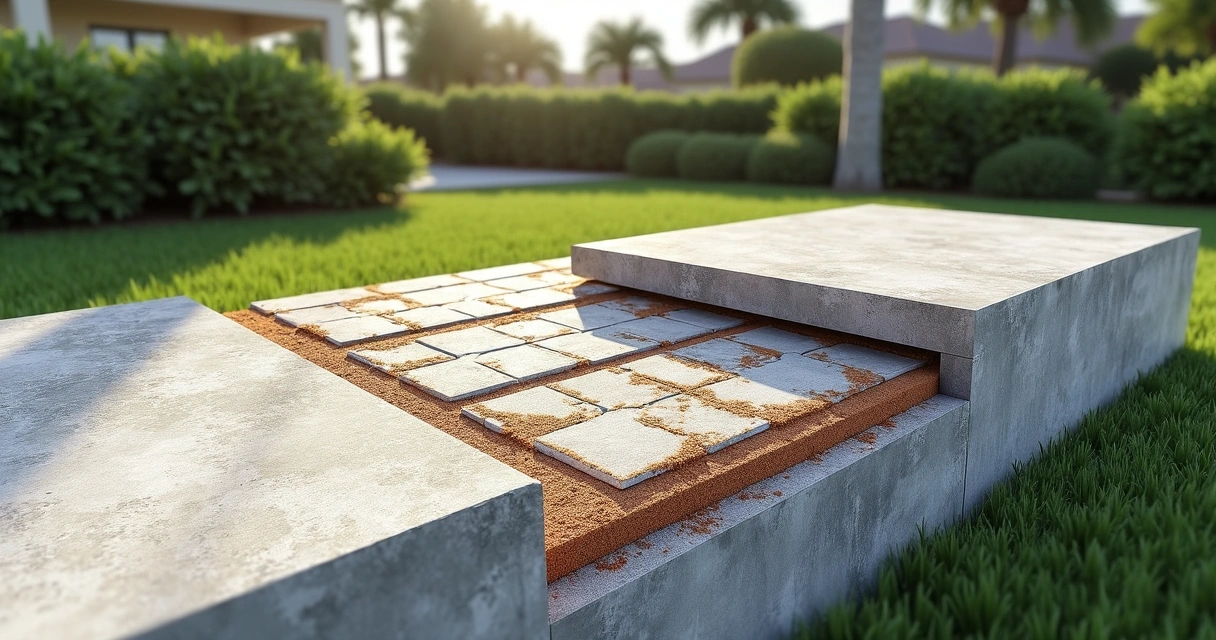
A full patio plan may blend materials—concrete, pavers, screens, and turf—each playing a role to improve wind resistance for the whole space.
Permitting, inspections, and warranties in wind zones
Homeowners sometimes wonder why permitting can seem more complicated for patios or enclosures than “just a slab.” The answer is in the wind exposure zone—the stricter the zone, the higher the load, the more documentation and inspections needed.
Projects in higher wind exposure zones may require engineered drawings, more detailed permits, and inspection at critical stages such as footing, anchoring, and final attachment of enclosures. Failing to meet these requirements can result in failed inspections, costly delays, or even being forced to tear down noncompliant structures.
In our experience at GCM Best Services, building inspectors take these rules seriously, especially after active hurricane seasons. For patio owners, a warranty is only valid when the work matches the code and permit details for the assigned wind exposure zone.
That’s why our process always includes:
- Site assessment including exposure zone determination
- Permit management and submission of engineering documents if needed
- Communication with HOAs and inspectors about wind zone requirements
- Photographic and written records for every step (essential for warranties)
Our promise is that patios, driveways, pavers, and enclosures built by our team are fully code-compliant—protecting both the long-term value and your peace of mind.
GCM Best Services’ approach for wind zone compliance
At GCM Best Services, we don’t take shortcuts with wind zones. Our method makes sure every outdoor space we build stands up to more than just “Florida code”—it stands up to real Central Florida winds.
Our project approach:
- Begin with an in-person, no-obligation site visit. Observe terrain, check nearby obstructions, and review maps for wind zone determination.
- Discuss how wind zones may affect design options, foundation depth, and attachments—so you know before construction starts.
- Choose materials and finishes that fit both style and wind zone realities. We advise if your site needs heavier anchors, stronger screens, or extra slab thickness.
- Manage all permitting, engineering, and HOA communications to avoid delays at inspection or approval time.
- Document all stages (with photos and paperwork) to support code compliance, insurance, and warranty needs for years ahead.
This process, used for every patio, drive, enclosure, or outdoor kitchen, is outlined in our main guide on driveway and patio paving.
We build every project with the wind zone in mind, not just the plan on paper.
Best practices for design in high-risk wind areas
If your property is mapped as Exposure C or fronts a major lake or open field, your design decisions matter more than ever. Here’s what we recommend:
- Keep patio covers or screens simple—fewer, stronger posts and well-anchored beams outperform decorative but weak designs.
- Avoid lightweight, unanchored furniture or décor that could become wind-borne debris in storms.
- Where possible, use non-combustible finishes on outdoor kitchens and wall elements.
- For pavers, select patterns and borders that “lock in” with edge restraints. Sand infill should be polymeric and well-sealed to stay put during wind-driven rain.
- Drainage is not just for comfort but for structural integrity—standing water under slabs or pavers weakens them year after year.
- For artificial turf, request a permeable base, strong seam bonding, and infill level designed to resist lift. Turf and paver combos can maximize both looks and wind stability.
- Always review maintenance plans for your wind zone—clean, sealed surfaces and checked anchors offer the best long-term performance.
Some clients hesitate about investing more for a higher wind exposure zone, but time and again, those who do are spared bigger expenses (and headaches) after the next big blow.
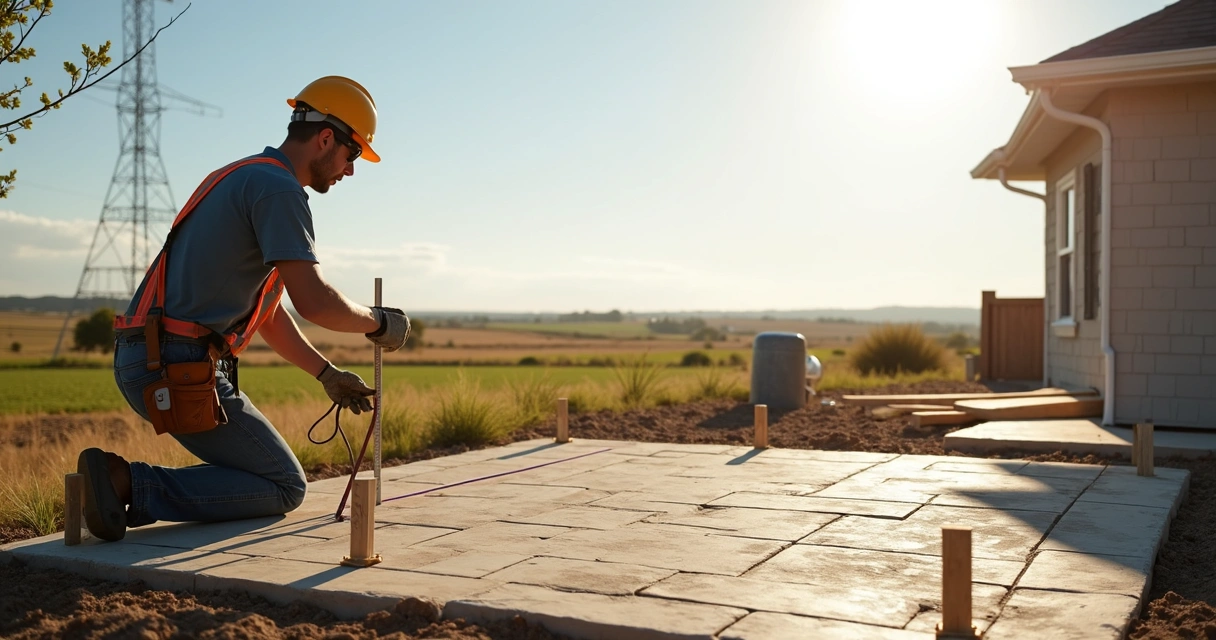
For more tips, our hardscape project insights include several strategies to manage both wind and Florida’s intense rain.
Conclusion: Building for wind exposure is building smart
Wind exposure zones might seem complex at first, but they represent one of the most practical ways we can protect your patio, your investment, and your peace of mind. At GCM Best Services, our experience in Central Florida has proven that matching design and construction to the right wind zone means fewer repairs, less insurance trouble, and more years of outdoor comfort.
We know every property is unique. That is why our recommendation is always based on a site-specific wind exposure assessment—not a one-size-fits-all template. If you are planning to build, upgrade, or repair your outdoor space in Orlando, Tampa, or anywhere in Central Florida, we invite you to experience the difference of a project built for the real world, not just the building code.
Ready for a professional quote? 📞 (407) 250-1948 • 24–48h • Orlando, Tampa & area.
Frequently asked questions
What is a wind exposure zone?
A wind exposure zone is a classification that defines how much wind a building or structure is exposed to, based on its geographic location and the presence of trees, buildings, or natural barriers. It is used by engineers, architects, and contractors to determine how strong a patio, screen enclosure, or other outdoor feature needs to be for long-term safety and code compliance.
How do wind zones affect patios?
Wind zones affect patios by determining the size and strength of footings, the type and amount of reinforcement needed, the way covers and screens are attached, and even the selection of surface materials and finishes. Higher exposure zones require stronger construction and more robust engineering to ensure that the space can withstand strong wind events without damage.
Which wind zone is my area in?
Most of Central Florida—including Orlando, St. Cloud, and surrounding cities—falls within Wind Zone II on the federal map, which is designed for wind speeds up to 100 mph. Properties near the coast, large lakes, or very open fields may be considered Zone III or higher exposure per local permitting offices. The specific exposure (B, C, or D) is determined by the terrain and nearby structures, as described in wind exposure zone standards.
How to protect patios from strong winds?
Protecting patios involves multiple strategies:
- Build according to your property’s wind exposure zone with proper footings and reinforcements
- Install code-approved anchors, heavy-duty fasteners, and hurricane-rated frames where needed
- Use drainage design that keeps water from undermining the structure
- Select materials and finishes proven to hold up under wind stress—textured coatings, sealed pavers, and reinforced slabs
- Regularly maintain and inspect for loosened anchors or cracked slabs
What materials are best for windy areas?
Materials that bond firmly to their base and are reinforced to resist uplift are best for patios in windy areas. In Central Florida, that means thick, reinforced concrete with proper joints, interlocking pavers set on dense bases with solid edge restraints, hurricane-rated aluminum for enclosures, and well-anchored finishes for outdoor kitchens. Each should be matched with polymeric sand or high-adhesion coatings to reduce maintenance and wind damage over time.