If you are planning a new patio, driveway, or sidewalk, you have probably heard stories about concrete projects gone wrong. Misinformation travels fast, especially in Central Florida, where weather and unique soil conditions demand the highest standards for construction. At GCM Best Services, we have spent decades guiding homeowners through every step of the process. Yet, we hear the same myths repeated again and again—myths that cost money, time, and peace of mind. In this article, we’ll clear up the six most common misconceptions about concrete finishing so you can make informed choices, protect your investment, and get lasting results for your home.
Concrete finishing is where form meets function—and myths cause frustration.
Understanding concrete: More than meets the eye
Concrete is not just “gray stuff that gets hard.” It is a complex blend of cement, water, aggregates, and chemical admixtures. Its strength, durability, and appearance all depend on how it is mixed, poured, finished, and cured. As experts serving Central Florida, we know local needs: our concrete uses 6–8 inches of compacted sub-base, 3,000–4,000 PSI mixes, and rebar or mesh when specified.
This sets the stage for busting the most persistent myths we hear from homeowners. And yes, some of them might surprise you.
Myth #1: “Concrete is maintenance-free once installed”
This is one we hear almost weekly. People imagine concrete as a “set-and-forget” material that requires no further attention. While it is tough, concrete is not invincible. Weather, soil movement, freeze-thaw cycles (even here in Central Florida), and daily wear all impact its performance over time.
In reality, maintenance is vital to extend concrete’s service life and appearance. Sealing the surface protects from stains, chemicals, and moisture intrusion. Cleaning prevents buildup of grime, algae, and mildew which can make surfaces slippery or unsightly. For jointed slabs, periodic checking of expansion joints keeps them working and prevents intrusion of soil or seeds. These simple tasks can prevent costly repairs down the line, as explained in the NIST’s research on concrete performance and degradation.
At GCM Best Services, we always provide a written maintenance guide and recommend best practices based on your project’s specifics. Following these steps keeps patios, driveways, and sidewalks safe and good-looking for years. If you want more tips on keeping concrete trouble-free, our crack prevention advice for Florida concrete is a detailed reference.
Myth #2: “All cracks mean poor workmanship or bad concrete”
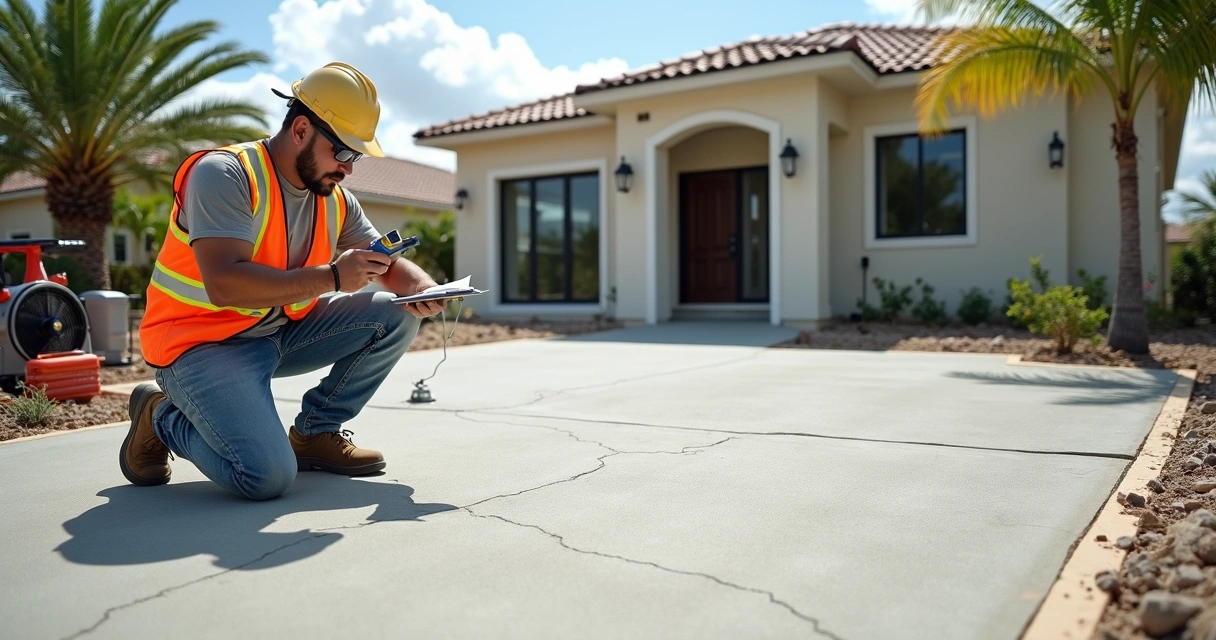
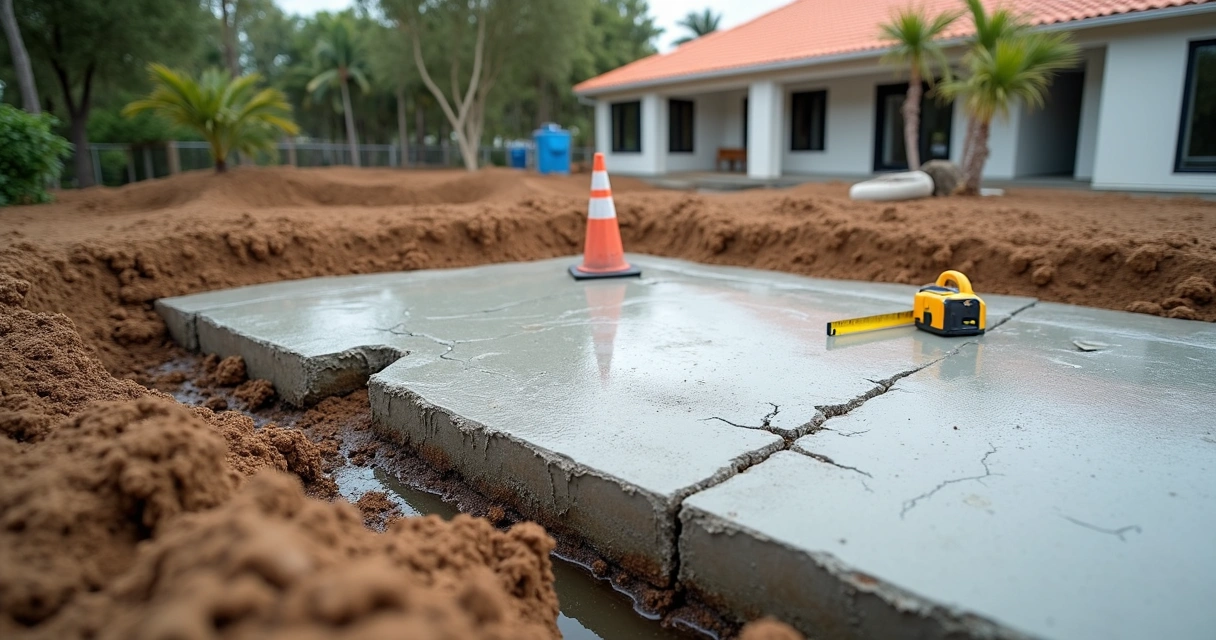
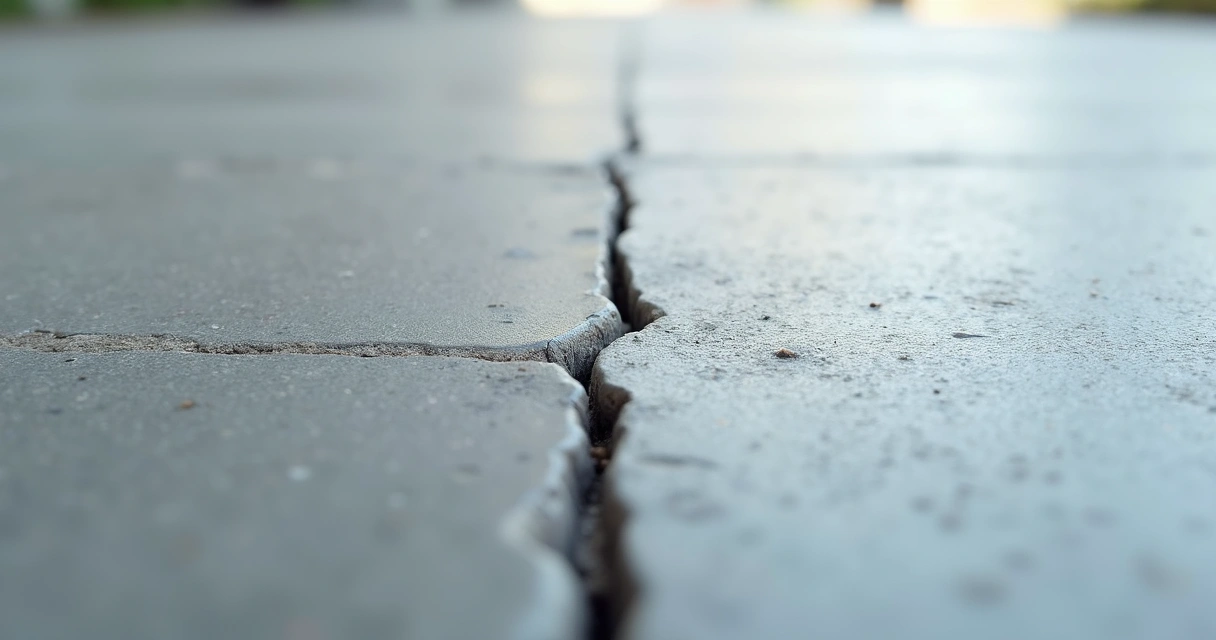
It’s normal to worry when you see a crack appear in a brand-new driveway or patio. All too often, people blame the installer—or worse, panic over the structure’s safety. But cracks are almost inevitable over time, even with well-designed, professionally installed slabs.
Here’s why: Concrete shrinks slightly as it cures and dries; this natural process causes tension that results in hairline surface cracks. Strategic placement of control joints helps control this, guiding cracks to less noticeable areas. Modern building codes and best practices are all about managing, not completely eliminating, cracking.
According to NIST’s resources and material testing, control joints and proper sub-base preparation are proven to reduce visible and random cracking, yet even perfect preparation cannot guarantee a totally crack-free surface. The key is knowing the difference between harmless aesthetic cracks and structural problems. Regular inspections and prompt repairs—something we prioritize—will safeguard your investment for decades.
Myth #3: “All finishes are basically the same—just pick what looks good”
The finish applied to your concrete project is much more than “just a look.” Broom, exposed aggregate, stamped, and troweled finishes not only change the appearance but also affect slip resistance, longevity, and suitability for different uses. In Central Florida, where heavy rain is a reality, a finish that channels water quickly and offers firm grip underfoot is a smart choice for driveways and pool decks.
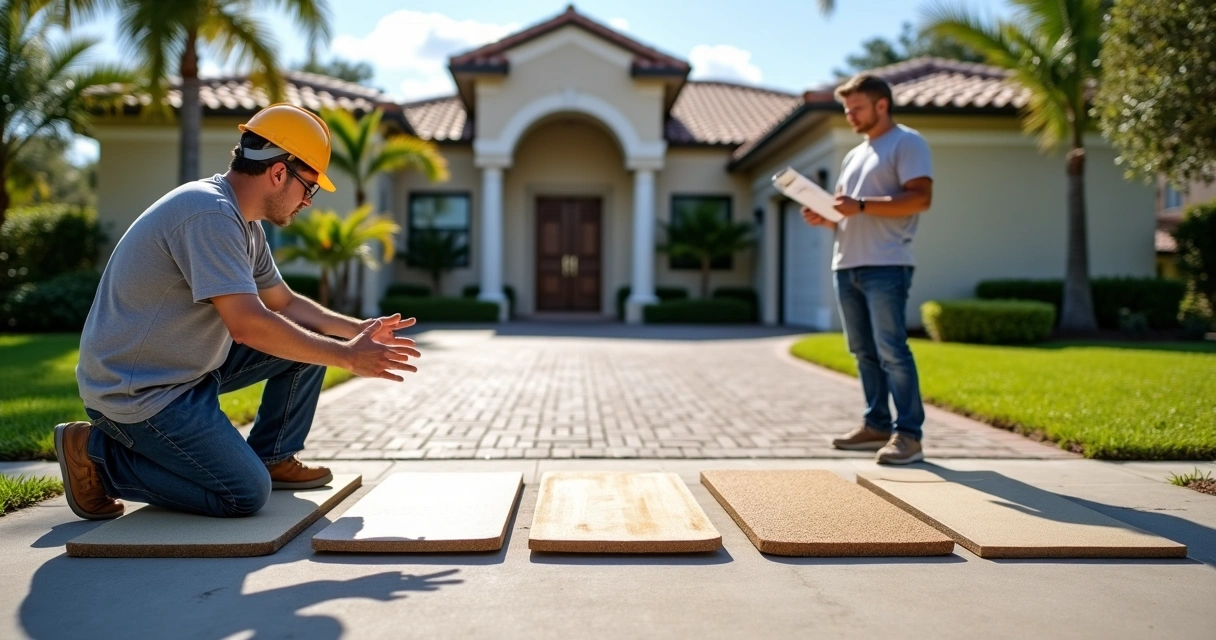
Surface finishes directly impact safety and maintenance requirements. Smooth troweled finishes, favored for garage floors, can become slick when wet. Broom finishes add texture and slip resistance, making them ideal for walkways and patios. Stamped or decorative surfaces require extra care and periodic sealing to preserve their look. Choosing the proper finish should always relate to the purpose and setting of your slab, not just its color or pattern.
We always walk our clients through the options, explaining the pros and cons for each surface. Our process includes showing samples and previous projects, so you do not have to guess what works best for your needs.
Myth #4: “The thicker the slab, the stronger it is—more is always better”
This idea has led many homeowners to request unnecessarily thick slabs, assuming more concrete means more strength and longevity. In reality, slab strength depends on:
- Proper compaction of the sub-base
- Correct water-to-cement ratio and mix design
- Use of reinforcement (rebar or mesh) when required
- Thoughtful placement of joints
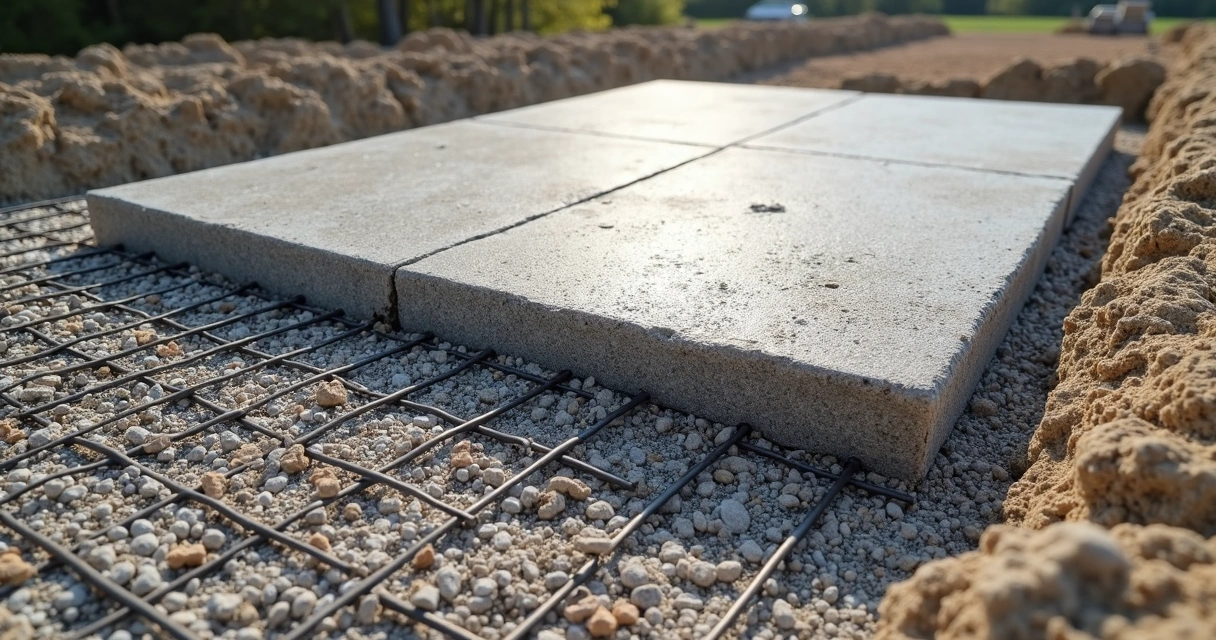
For typical residential driveways and patios in Florida, industry standards recommend 4 inches for light traffic and 6 inches for heavier vehicles or poor soils, built on a well-compacted base. Doubling thickness adds expense but does not necessarily provide a stronger slab if the base is weak, the mix is off, or pour and curing are rushed.
Our experience at GCM Best Services matches what NIST guidelines on material properties and durability find: slab design is a science tuned to the exact use-case, not a contest of “more is better.” Save your budget for better drainage, reinforcement, or high-quality finishes, all of which deliver more value for your project.
Myth #5: “Curing is just about drying. It doesn’t make a big difference”
When we drive by construction sites and see uncovered, drying, or unprotected concrete, we know trouble is ahead. Curing is much more involved than merely letting concrete “dry out.”
Curing is the chemical process where concrete gains strength and resilience as it hydrates (reacts with water) after being poured. Without proper curing—keeping moisture in for at least 7 days for most standard mixes—surfaces become weak, dusty, and prone to surface failures such as scaling, spalling, and premature cracking. This isn’t just theory; research by NIST shows that improper curing accelerates problems for infrastructure and residential surfaces alike.
Our process always includes wet curing or approved curing compounds, with ongoing checks for temperature and weather. We educate clients about the importance of keeping pets, children, and even sprinklers off curing slabs to avoid marks and stains. This simple attention during and after finishing is a big reason why our projects stay strong and attractive long-term.
Good curing creates great concrete. Shortcuts just create headaches.
Myth #6: “Concrete dust is nothing to worry about”
We hear this mostly during repairs, coatings, or renovations. Homeowners assume concrete dust is just harmless nuisance. Unfortunately, ignored dust from finishing or grinding can have real health impacts. Scientific studies, including detailed research published by the National Institutes of Health, confirm that concrete dust contains a high fraction of respirable crystalline silica—a substance linked to chronic respiratory problems if inhaled over time.
Our job sites use dust control, including wet cutting, local ventilation, and HEPA vacuums, to keep dust to a minimum, as shown effective in task-specific air sampling during concrete finishing. We also ensure our teams and your property stay clean and safe, with protective barriers and prompt cleanup. We believe the only dust left on a concrete jobsite should be the kind easily swept up and thrown away—not a health hazard lurking in air or corners for months.
Why myths stick, and what we recommend
Misunderstandings stick around because they get repeated, sound appealing, or solve a worry with a quick answer. But the reality is:
- Concrete needs maintenance, even when it looks fine today.
- Cracks happen but can be managed and repaired when you take action early.
- Finishes are about safety and use, not just looks.
- Thickness is balanced with design, not maximized without a plan.
- Curing cannot be rushed; it must be done right for a long-lasting result.
- Dust isn’t just messy; it can be harmful without proper controls.
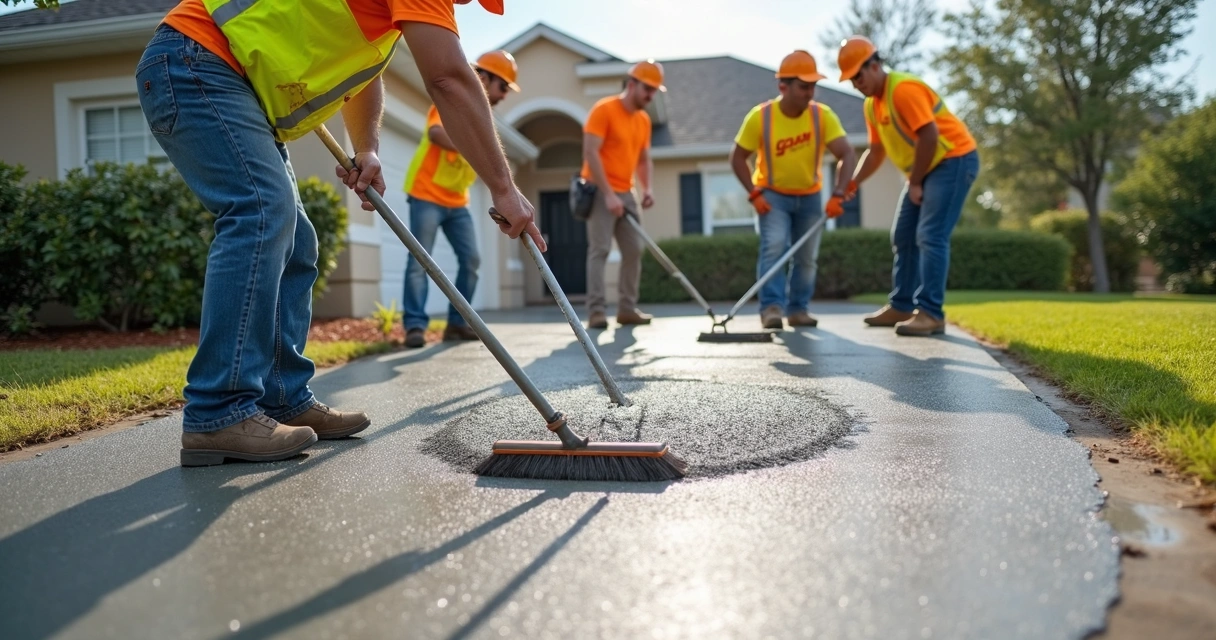
For all these reasons, choosing a licensed, experienced concrete contractor makes a real difference—in quality, safety, and peace of mind. At GCM Best Services, we back every project with written warranties, step-by-step documentation, and clear advice from start to finish. We help with permits, HOA paperwork, and inspections. Our team always recommends the right material, finish, and maintenance plan for your needs, whether you’re building new or restoring a timeworn surface.
If you want to learn more about professional service and results, our licensed contractors’ guide to concrete repairs and our concrete project gallery highlight our work across Central Florida. For more neighborhood-specific advice, such as requirements for St. Cloud, our installation guide for driveways and patios in St. Cloud is packed with details.
Conclusion
Concrete finishing is more than pouring and forgetting. Our experience has taught us that when homeowners know the truth about myths—like maintenance, cracking, finishing options, thickness, curing, and dust—they end up happier and spend less on repairs. At GCM Best Services, we believe a little knowledge can turn a stressful project into a smooth upgrade. If you are ready for concrete that performs, lasts, and fits your style, we are here to help you every step of the way. Start with a no-obligation site visit. See for yourself what honest expertise looks like in Florida concrete construction.
Contact GCM Best Services anytime for expert concrete assessment and quotes that cover every detail—function, finish, and future maintenance—so that your next project stands strong for years to come.
Frequently asked questions
What is concrete finishing?
Concrete finishing is the set of techniques used to smooth, texture, and protect the surface of freshly poured concrete. This includes screeding, floating, troweling, applying specific surface textures like broom or stamp finishes, edging, and jointing. Proper finishing makes the slab look good, improves its slip resistance, and increases durability. Each finish is chosen for its suitability to the environment and its intended use, as we always help clients decide for projects in Central Florida.
How long does concrete finishing take?
For typical patios, driveways, or sidewalks, concrete finishing takes a few hours after the pour, but the slab needs several days to cure before it can handle foot or vehicle traffic. We usually recommend 24–48 hours before walking on new concrete and at least 7 days before driving on it, but exact times can vary with weather, mix, and project details. Full curing, when concrete reaches maximum strength, may take around 28 days.
Is sealing concrete really necessary?
Sealing is highly recommended for outdoor concrete in Florida. A high-quality sealant protects against moisture, stains, chemicals, and UV damage from sun exposure. It also helps prevent freeze-thaw problems and keeps decorative finishes looking new longer. We include sealing in our maintenance plans for driveways, patios, and pool decks because it simply adds years of service and helps avoid costly repairs.
How can I avoid cracks in concrete?
While it’s not possible to prevent all cracks, you can greatly reduce risks by ensuring a well-compacted sub-base, proper joint placement, correct concrete mix, and good curing practices. We design each slab according to its use and soil conditions, include rebar or mesh as needed, and educate clients about realistic maintenance. For homeowners in Florida, following instructions in resources like our concrete crack prevention guide is a smart move.
What makes concrete finishes last longer?
Durability is a combination of expert placement, correct curing, suitable surface finish, and regular care. Picking the right finish for the slab’s purpose—for example, a skid-resistant broom finish for outdoor walkways—helps, as does prompt cleaning and resealing. At GCM Best Services, we provide clients with maintenance tips tailored to each project’s finish and use, so your surface stays attractive, safe, and sound for many years.