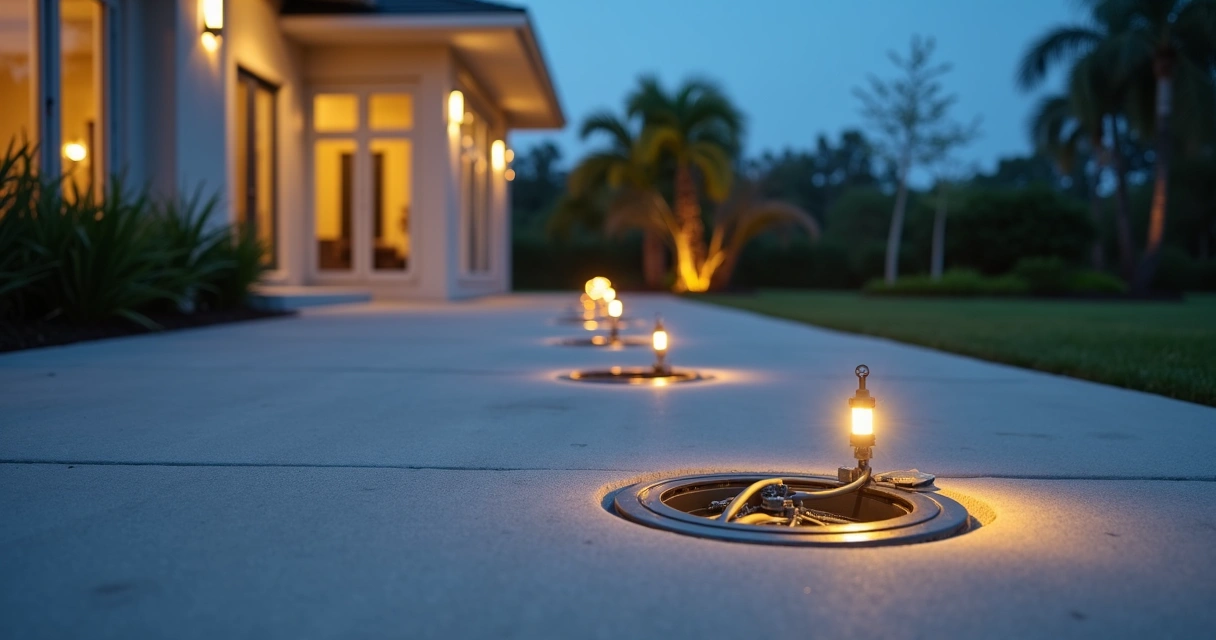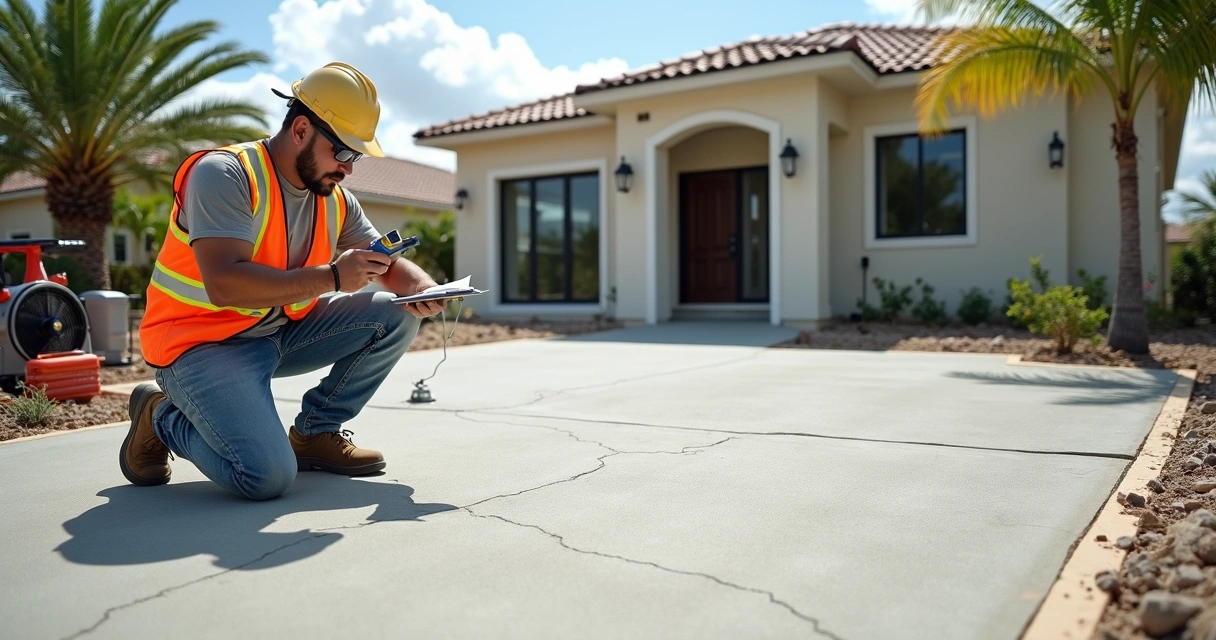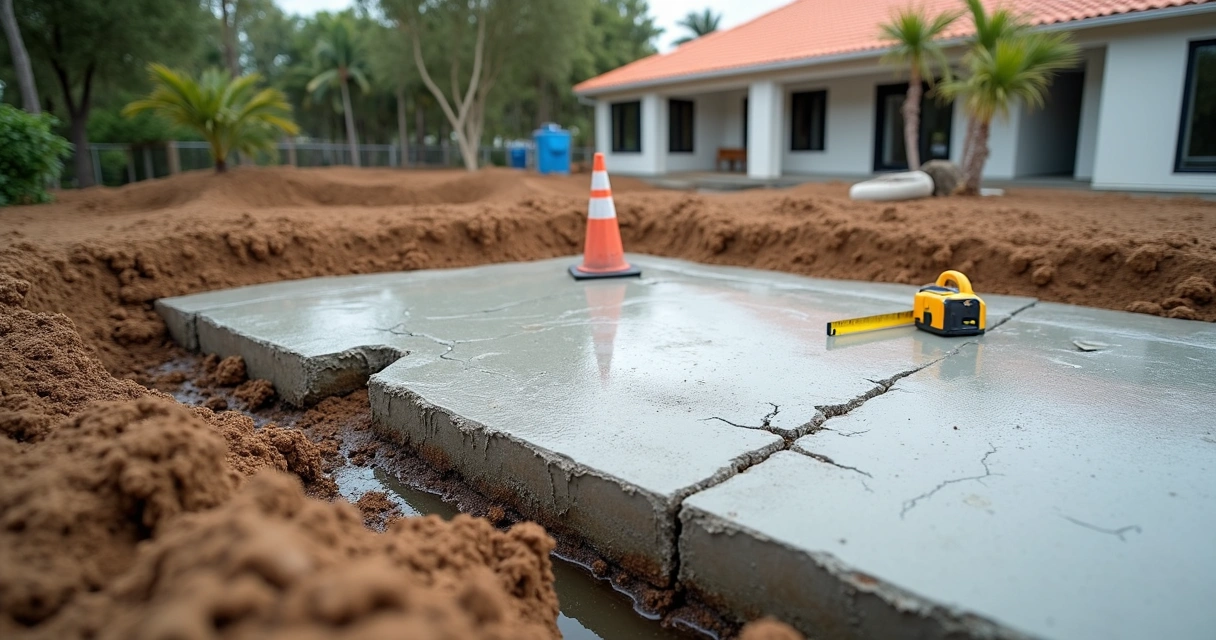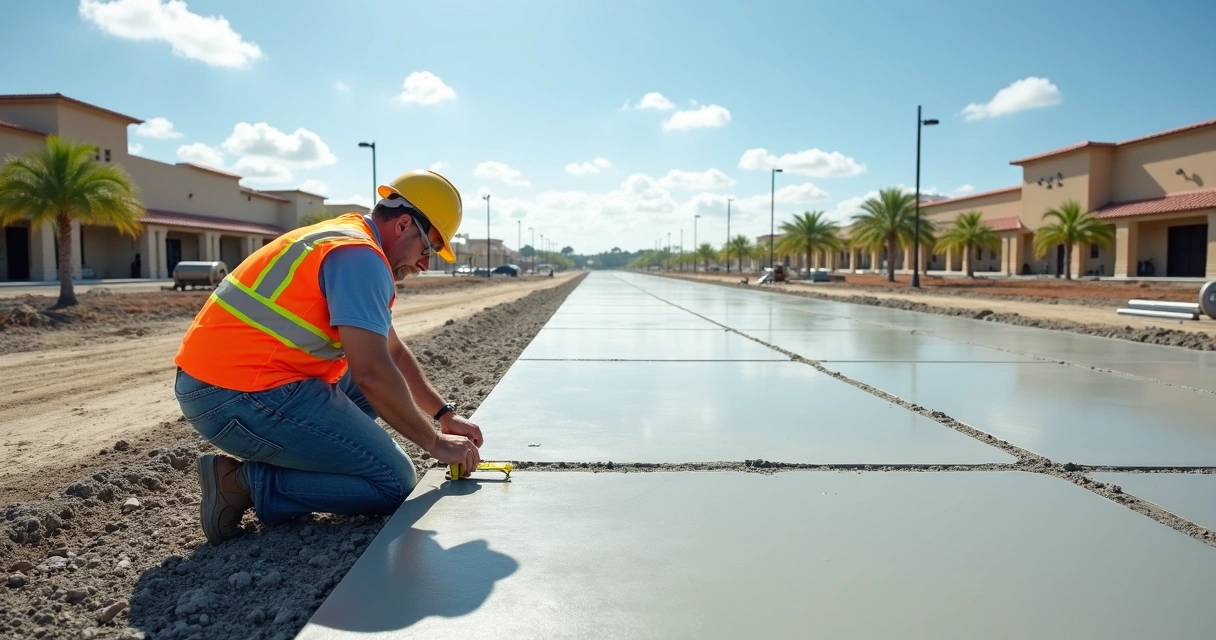
Choosing the correct pressure-relief joints for expansive concrete slabs in Florida matters more than most realize. These joints are a core element of a long-lasting driveway, patio, or commercial slab—especially when battling our state's unpredictable rainfall, high groundwater, and shifting soils. At GCM Best Services, we've seen how the right approach to jointing makes the difference between a flawless finish and costly future repairs. In this article, we’ll explain, step by step, how to select, design, and care for pressure-relief joints that will keep your project looking and performing its best throughout the years in the Florida climate.
It isn’t just about pouring concrete. It’s about protecting what you build.
Why pressure-relief joints matter for Florida slabs
Florida’s climate is a double challenge: frequent rain, humid air, and sandy soils. As slabs expand and contract with heat or moisture shifts, forces accumulate inside the concrete. Without well-designed pressure-relief joints, those built-in forces look for an escape—often by causing random cracks, heaving at edges, or creating water ponding issues. Over time, this leads to unsightly, unsafe, or even structurally risky slabs. A pressure-relief joint is a planned weak spot that absorbs movement and relieves tension in the slab.
Let’s look at all the ways these joints serve Florida property owners:
- Prevent random cracking by guiding where cracks form
- Reduce trip hazards by keeping slab surfaces even
- Protect structures and landscaping near slab edges
- Aid in drainage, steering water away from your foundation
- Simplify repairs if movement ever does occur
We always say: The best crack is the one you never see—because your control and relief joints worked as they should.
Understanding pressure-relief joints: types, function, myths
Pressure-relief joints, sometimes called control joints or expansion joints, are not all created equal. In our experience at GCM Best Services, knowing the variety and working purpose of each type is the foundation for the right choice in Florida. Let’s bring clarity:
Relief joint types you’ll encounter
- Control joints (contraction joints): These are cut or formed into the slab to “tell” the concrete where to crack as it shrinks. They don’t move much, but they control where the forces go.
- Expansion joints (isolation joints): Made with filler (like fiberboard or rubber), these separate the slab from other structures or slabs, letting it move independently with changes in temperature or moisture.
- Pressure-relief joints (specialized): These relieve stress where two slabs meet, sometimes combining features of control and expansion joints for large, high-stress areas (like warehouse bays).
A joint is a design choice, not an afterthought.
Function: what the joint really does
Pressure-relief joints “give” when movement occurs, taking the force that would otherwise crack the slab in random spots. Think of them as pressure valves in your concrete. Instead of energy finding its own path (a jagged, ugly crack), it follows the “line” you designed. This keeps your slab neat, safe, and predictable—key in Florida’s ever-changing weather.
Common misconceptions
- “My slab looks fine, so I don’t need joints.” Even perfect slabs will crack over time; joints make sure it happens on your terms.
- “Joints let water in, so less is better.” In Florida, properly sealed joints aid drainage, reducing surface ponding and erosion underneath.
- “Spacing is always the same.” Not true—Florida’s soils, sun, and slab size all affect joint placement and type.
Our team at GCM Best Services spends time educating homeowners and builders on these points. Being proactive beats having regrets—and repairs—later.
Florida’s unique soil and weather: what it means for your slab
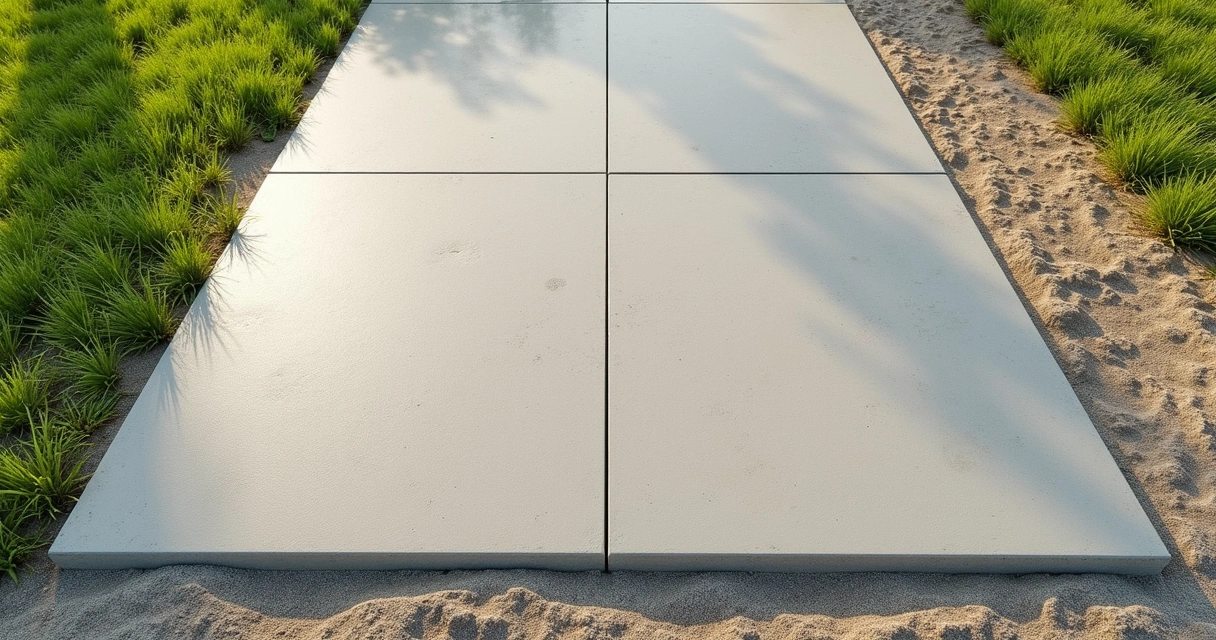
We notice that many homeowners underestimate the impact of Florida’s natural conditions on concrete maintenance. If you live or work in Central Florida, these are more than minor details—soil type and climate define your pressure-relief joint needs.
Sandy soils and water flow
Unlike other regions, Florida’s sandy substrate drains quickly but shifts easily. This means repeated settling and rising of slabs if water isn’t managed right from the start. Joints help direct water flow, so proper design includes not just crack control, but drainage strategy—something we at GCM Best Services prioritize with integrated solutions.
Heat, humidity, and slab expansion
Concrete heats up fast under Florida’s sun and soaks up humidity. This makes it expand—and when the sun sets or rain comes, contract. Over time, these cycles push and pull at the surface, which is why joints are so necessary.
Florida slabs are more likely to:
- Crack in random spots without jointing
- Experience surface lifting or settling after heavy rain
- Suffer joint movement or separation if filled with the wrong material
Joint layout and material selection are as affected by Florida weather as by slab size or type of use.
Drainage makes or breaks slab life
Every plan we make for a large slab in Florida includes drainage analysis. Pressure-relief joints can be designed to guide runoff or integrate with drains and gutters, reducing long-term maintenance around your home or business. For more reading on controlling cracks and drainage, our guide on preventing cracks in Florida concrete covers these intertwined issues in depth.
Technical standards: spacing, depth, and layout
Here comes the question we get most: “How far apart should my joints be?” It isn’t a simple answer—but there is science behind it. The Federal Highway Administration gives specific advice for slabs in high-stress areas or that are more than 14 feet wide. Longitudinal joints (running in the direction of traffic or major use) should be spaced to limit stresses—typically between 10 and 15 feet for driveways and parking areas. These must be sawed to a depth of at least one-third the slab’s thickness and tied to prevent separation (see: Federal Highway Administration).
Key factors for joint placement
- Slab size: Larger slabs need more frequent joints to prevent uncontrolled cracking (8-15 feet between joints is a standard range).
- Shape: Irregular shapes or corners may need extra joints to prevent cracks from radiating out.
- Thickness: Thicker slabs can usually have joints spaced slightly further apart, but local soil will affect this.
- Sun exposure and use: Areas with more sun or lots of vehicle traffic get more stress and benefit from closer joint spacing.
Saw-cutting vs. hand tooling
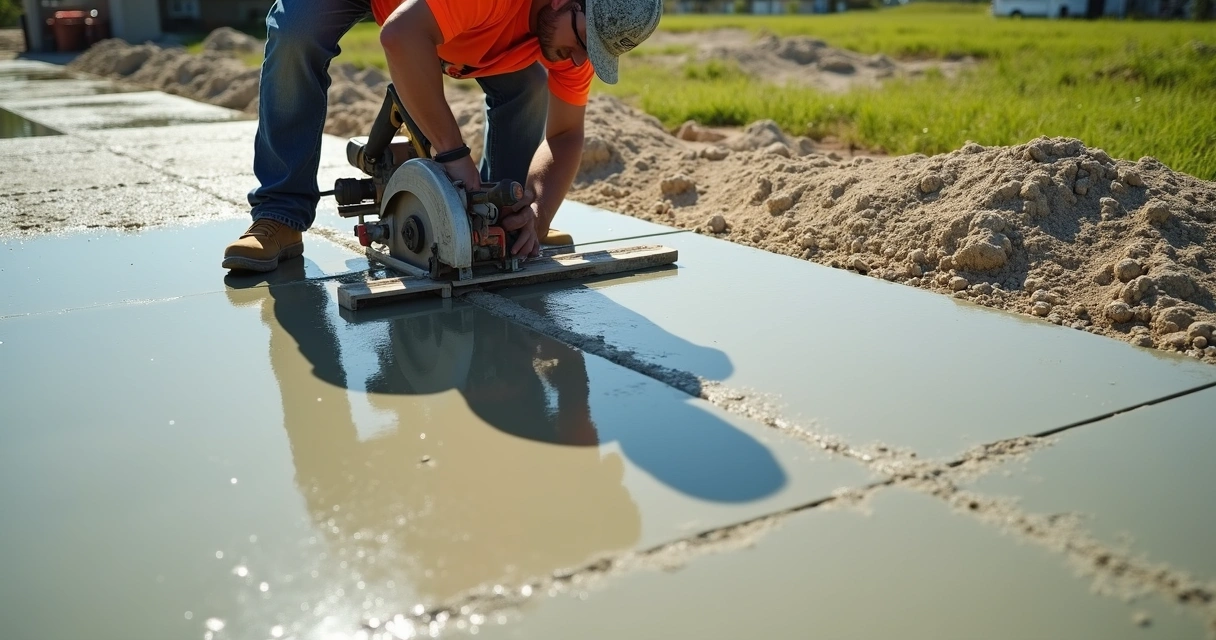
We offer both methods, but for very large slabs, saw-cutting after the slab sets gives the most precise results and is faster for commercial jobs. Early-entry saws allow cutting without raveling the edges, keeping the finished look crisp. For smaller, residential pours, hand tooling delivers classic, rounded edges that some clients prefer for patios or walkways.
Products and materials: what to use, what to avoid
One reason our clients return to GCM Best Services is our transparent material selection. The type of pressure-relief joint used affects not just performance, but maintenance costs, aesthetics, and safety. Here are the materials we see most often—and how to choose among them:
Joint filler options
- Premolded fiberboard: Works well for expansion joints, especially where slabs abut buildings or other slabs.
- Rubber/compressible foam: Top pick where movement is likely or noise reduction is needed (for example, near pools).
- Polyethylene or PVC strips: For long runs or industrial/warehouse environments with regular cleaning.
- Sealants (polyurethane, silicone): To keep out water, sand, and vegetation, especially for exposed joints on driveways and patios.
A properly sealed joint will stop weed growth and reduce water infiltration beneath the slab. If you’re worried about weeds between your pavers or concrete, our article on weed prevention shares more strategies for busy Florida property owners.
Material issues in Florida
In Florida’s wet, sunny climate, not all fillers and sealants are equal. UV-stable, watertight products last longer and reduce rework. Sand and organic fillers break down quickly in open joints. Clear communication with your contractor about the joint material is something we stress at every site visit.
Advanced approaches for durability and repair
For large commercial slabs, such as warehouses or heavy truck aprons, standard joints may not be enough. In our projects, we use a few upgrades to meet heavy-duty needs while keeping maintenance manageable:
- Doweled joints: Steel dowels transfer weight between slab sections, reducing lifting or “faulting.”
- Keyed joints: Shaped to interlock, these help resist vertical movement at the joint for higher traffic loads.
- Specialty expansion foam and flexible sealants: Survive more cycles of expansion and contraction, needed in long, sunny exposure.
According to studies from the National Center for Asphalt Technology at Auburn University, slab-fracturing techniques like crack-and-seat minimize reflective cracking in overlays—a technique GCM Best Services uses to prolong slab life where asphalt or new concrete will be overlaid on the old.
Design and permitting: steps for Florida projects
In Central Florida, even the best technical plan must clear hurdles: permits, HOA approvals, inspection milestones. We manage all documentation for our clients, but here’s how the process looks:
- Site assessment: We measure, inspect soils, and look at drainage paths on your property.
- Design phase: Joint type, spacing, and materials are planned based on use and environmental factors.
- Permitting and HOA: We handle paperwork and coordinate with your association, as needed.
- Execution: Joints are placed, poured, and finished as per design. We provide before, during, and after photos for your records.
- Walkthrough and warranty: You get a final inspection, plus maintenance tips and a written warranty to protect the investment.
Our process is built around clear timelines and client communication.
Aftercare and maintenance: what to expect from your joints
Pressure-relief joints are not “set and forget.” With Florida’s ongoing changes in rainfall, heat, and traffic, regular inspection protects your investment. Here are our main aftercare tips:
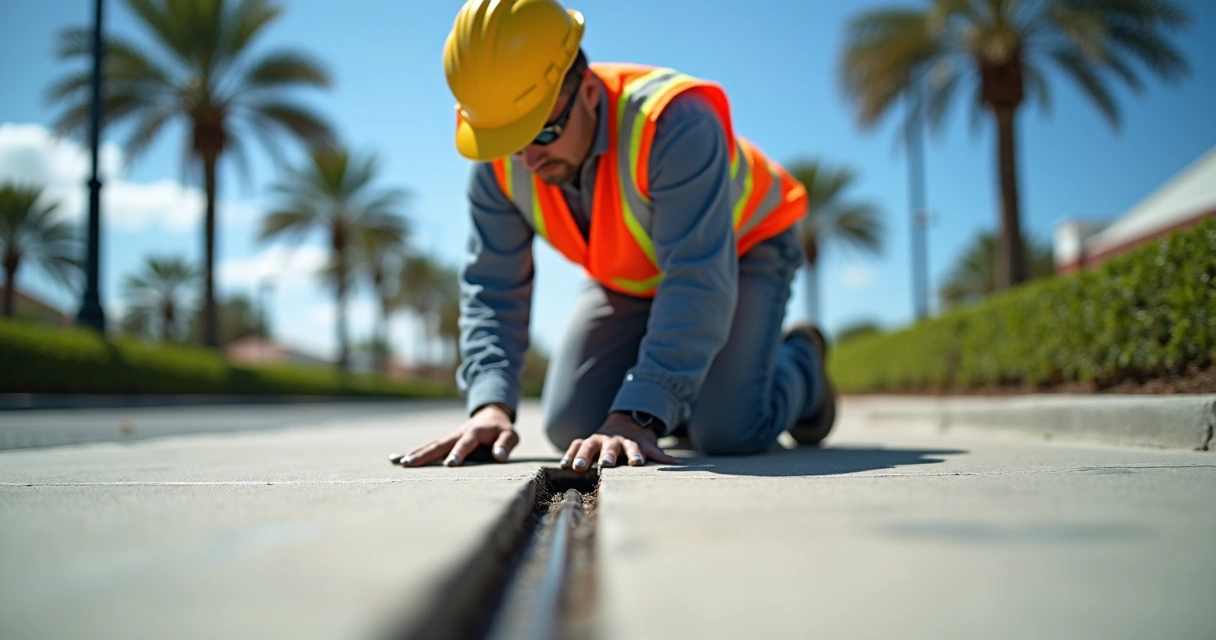
- Check for joint separation after storms or heavy use
- Keep joints clear of weeds or debris that can hold water
- Reapply sealant every 3-5 years, more often in high-traffic or sunny spots
- Watch for abnormal settlement or cracks moving away from joints
If a joint fails or is missed during installation, prompt repair is needed to maintain integrity. For guidance on concrete repair and working with licensed professionals, we recommend our resource: A licensed contractor’s guide to concrete repair.
Integration with other features: patios, pavers, turf, and drainage
Pressure-relief joints do not stand alone. If you are planning a patio that meets a walkway, a pool deck adjacent to pavers, or want to install artificial turf near your slab, joint design must be part of your complete outdoor system. Our experience at GCM Best Services is that well-planned transitions (such as seamless joints-to-drain systems or paver borders integrated with relief joints) reduce trip hazards, stop weed encroachment, and help every part of your yard work together. Visit our Concrete Services page for more about integrated designs.
Choosing your contractor: what we recommend
Florida’s building codes are clear on jointing, but experience matters. When choosing a team for your large slab:
- Verify licensure and insurance (required by law)
- Ask about their process for soil analysis and joint layout
- Check if they provide photo documentation and written warranties
- See if they handle drainage, HOA, and permitting in-house
- Read feedback from local clients with projects similar to yours
If you aren’t sure what questions to ask or want to compare teams, our guide to choosing a concrete company in Orlando is a great place to start.
Conclusion: building it right with GCM Best Services
Pressure-relief joints are the unsung heroes of every high-quality Florida slab. At GCM Best Services, we know that clear communication, site-specific design, and expert installation mean fewer repairs and stronger results. Whether you’re planning a new driveway, a commercial slab, or an integrated outdoor living space, the right joint selection will keep your investment protected from Florida’s unique climate challenges for many seasons to come.
Ready for a professional quote? 📞 (407) 250-1948 • 24–48h • Orlando, Tampa & area. Let’s make your next project a success—with durability and beauty you can count on.
Frequently asked questions
What is a pressure-relief joint?
A pressure-relief joint is a planned, engineered gap or groove in a concrete slab designed to absorb expansion, contraction, and movement caused by temperature, moisture, or soil shifts. These joints control where cracks will form, helping to maintain smooth, even surfaces and preventing random cracking. They’re needed wherever concrete must move, such as between slabs, at building edges, or in wide surface areas.
How to choose joints for Florida slabs?
To select the correct joints for Florida slabs, consider slab size, local soil, drainage, climate exposure, and the intended use. Control joints should be spaced 8–15 feet apart for typical driveways or patio slabs and saw-cut to one-third slab thickness. Expansion joints are best near buildings or other structures. Use UV-stable, waterproof filler and sealant to prevent weed growth and water penetration, while aligning your choices with local code and environmental needs.
Are pressure-relief joints worth it?
Yes, pressure-relief joints prevent costly repairs by controlling cracking and movement, reducing trip hazards, and helping to manage drainage effectively. Investing in the right joint design upfront saves money, time, and hassle over the slab’s lifespan. In Florida’s climate, their value is even greater due to weather extremes and shifting soils.
Where to buy pressure-relief joints?
Pressure-relief joint materials can be found through professional contractors like GCM Best Services or authorized building supply stores. We source UV- and moisture-resistant fillers and sealants tailored for the Florida environment and install all pressure-relief joints as part of our full-service concrete packages. When purchasing separately, check product specifications for climate compatibility.
How much do pressure-relief joints cost?
The cost of pressure-relief joints depends on slab size, joint type, material selection, and labor. For a typical residential project in Central Florida, joint installation costs are usually included in the total slab price, but specialty materials (like heavy-duty expansion foam) may increase the total. Expect a typical project to dedicate 3–8% of its budget to pressure-relief and related jointing materials and labor. Always request a detailed quote with joint layout and material breakdown for transparency.