Primary keyword: geotextiles in Florida base stabilization Variants: geotextiles Central Florida, base reinforcement Florida, ground stabilization geotextile
Audience: Homeowners, property managers, and contractors wanting to prevent failures and repairs in concrete, paver, and artificial turf installations. Pain/Benefit: Frustrated with cracks, rutting, or settling? Geotextiles can extend surface life and mean less maintenance.
Geotextiles are changing the way we build driveways, patios, walkways, and even artificial turf bases in Florida. At GCM Best Services, we see how sub-base failures often start with water and shifting soils—not just surface wear. In this article, we share how geotextiles add a hidden layer of strength to outdoor projects across Central Florida, with practical advice for property owners who want lasting results.
Outline
- Introduction to Florida soils and the challenge of stabilization
- What geotextiles are and how they work
- Types of geotextiles for base stabilization
- Why sub-bases matter in Florida (and where they fail)
- Applications of geotextiles in concrete, pavers, and turf
- The installation process—what happens on-site?
- Drainage, erosion, and geotextile advantages
- Local codes and best practices
- Cost considerations versus long-term value
- How GCM Best Services integrates geotextiles for reliability
- Conclusion and next steps
- FAQ
Base stabilization starts from the ground up.
Florida soils and why stabilization matters
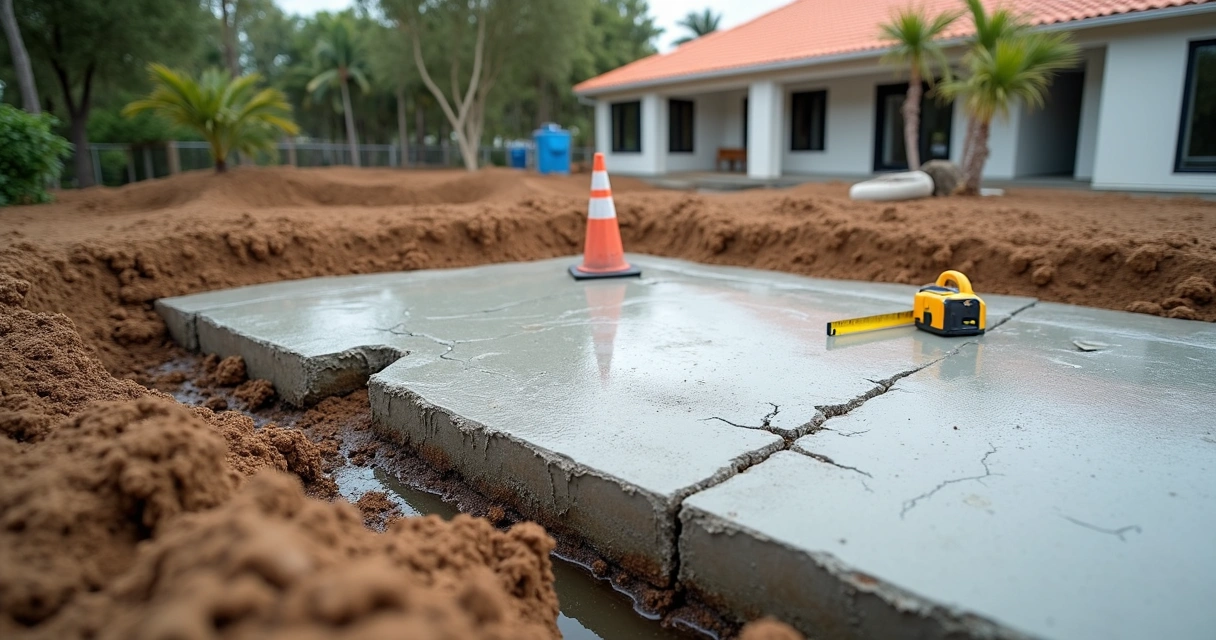
Soil tells the story of every project we complete. In Florida, that story often comes with a few twists: sandy textures, organic debris, unpredictable moisture, and a high water table. These factors turn even the most promising base into a challenge, especially when it comes to driveways, patios, and any hardscaped surface. The soil moves. It compacts unevenly or not at all. Water drains poorly, turning sub-bases into soft spots or even sinkholes.
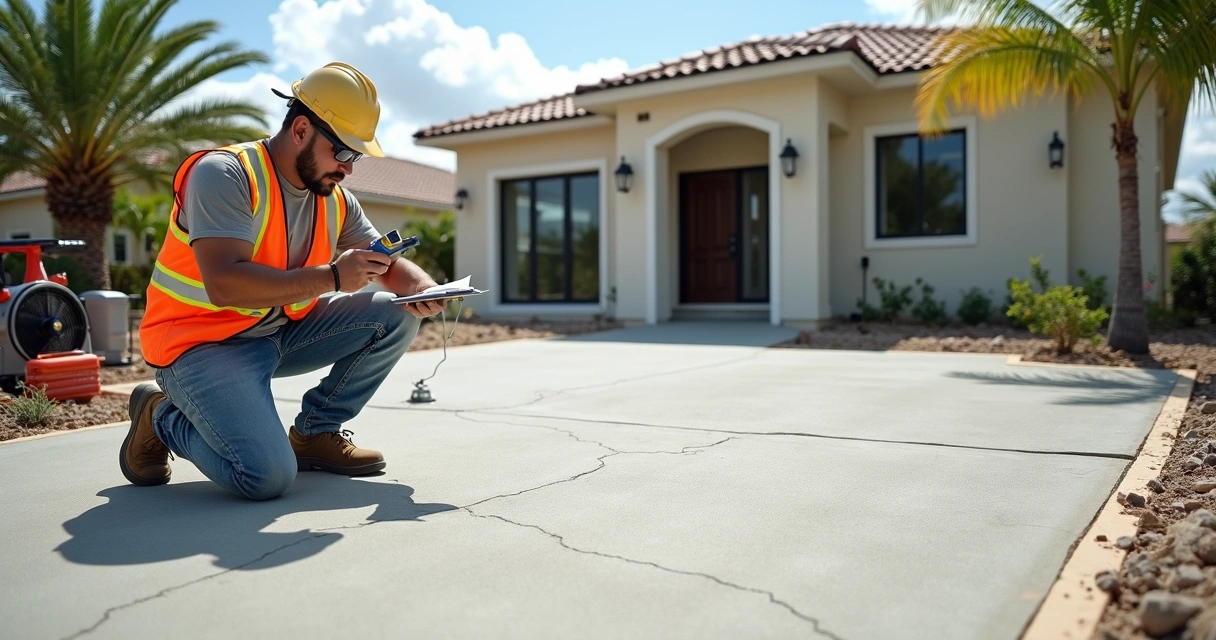
A failed base means future cracks, tipping pavers, sagging edges, and drainage headaches. No one wants to replace their project after just a few years. This is where geotextiles step in, adding a layer that performs like an insurance policy for your investment.
What are geotextiles, and how do they actually work?
Geotextiles are engineered fabrics used in the ground beneath hardscapes and landscaping to separate, reinforce, filter, and sometimes drain. They've arrived in residential construction from the world of highways and commercial projects—often hidden, but always working.
There are two main types used for base stabilization:
- Woven geotextiles: Made from polypropylene (a type of plastic), woven together for strength. They act as a barrier and reinforcement layer between the soil and base material.
- Nonwoven geotextiles: Manufactured by bonding fibers, usually polyester or polypropylene. These are designed for filtration and separation, letting water move through but holding soil and aggregate apart.
What do they do, exactly?
Geotextiles keep the layers separate and stable, even when water tries to mix things up.
They allow water to pass but block fine particles from migrating into your base. This means less settling, better drainage, and less risk of soft spots or erosion under your concrete or pavers.
Geotextile types for Florida base prep
Not all projects call for the same geotextile. At GCM Best Services, we select materials based on purpose, loads, and site conditions.
- Woven stabilization fabrics: Best for driveways, commercial hardscapes, or anywhere car traffic will go. They add high tensile strength, resisting rutting and base deformation.
- Nonwoven filtration fabrics: Used under patios, walkways, or artificial turf. They focus on keeping the layers separated and draining, especially when the soil beneath is fine or silty.
- Combination fabrics: Specialist products that combine strength and permeability, sometimes used on tough hillside sites or high-drainage areas.
Choosing the right geotextile isn't just about cost—it's about what the soil and load require for a lifetime of low-maintenance results.
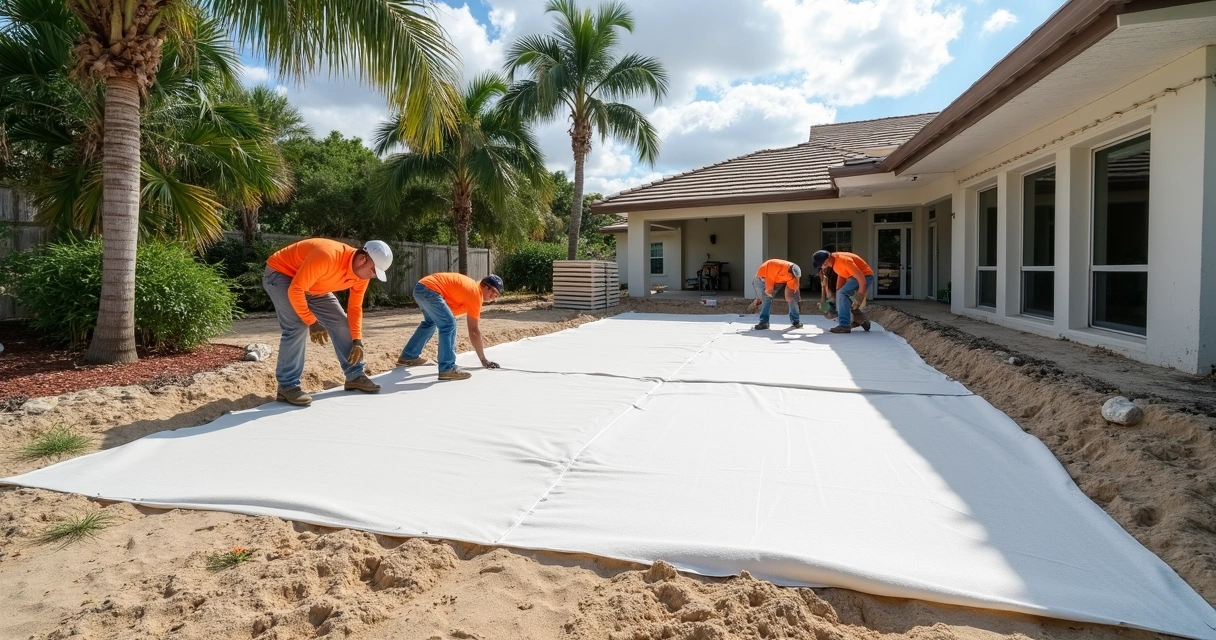
Understanding Florida sub-bases: Where do problems start?
The sub-base is the unsung hero of every hardscape. For outdoor living spaces, this layer sits between the earth and your concrete, pavers, or turf—bearing all the weight and channeling water away. If the sub-base fails, the surface above fails with it.
- Compaction issues: Our state’s sandy soils sometimes resist compaction, especially if they contain too much organic material or aren't properly mixed with crushed rock.
- Water movement: Sudden storms, a rising water table, or irrigation can wash loose soil into your base, leaving voids. Settling follows, and cracks appear.
- Tree roots: Especially in older neighborhoods, roots can invade, lifting surfaces or causing dips.
It doesn’t take much—a poorly compacted patch, a spot that holds water, or one missed drainage channel. Over time, patch repairs stack up and property value drops.
Learn more about professional driveway and patio paving solutions.
When and where do we install geotextiles?
The right time to install a geotextile is just before the base layer (such as compacted gravel or road base) is added. This might be directly over excavated soil or after some preliminary grading.
- Driveways: Especially on lots that were previously grass, fill, or sandy backyard. Here, woven geotextiles handle weight best.
- Patios and walkways: Nonwoven geotextiles prevent mixing of sub-grade and gravel, keeping slabs flat and edges defined.
- Artificial turf: Geotextiles provide a weed barrier and soil separator, safeguarding the base layer below the turf fibers.
- Paver and brick installations: Geotextiles beneath polymeric sand bases reduce problems with settling joints and shifting over time.
Every time we use geotextiles, we’re removing one of the main causes of surface failure—mixing and movement of soil under pressure and water.
How geotextiles are installed in outdoor projects
Installation seems simple, but there are details that make a difference.
Excavation: Remove topsoil, roots, and debris. This is essential for direct contact with stable soil beneath.
Sub-grade preparation: Compact soil, grade to proper slope for drainage (usually 2% or more for patios).
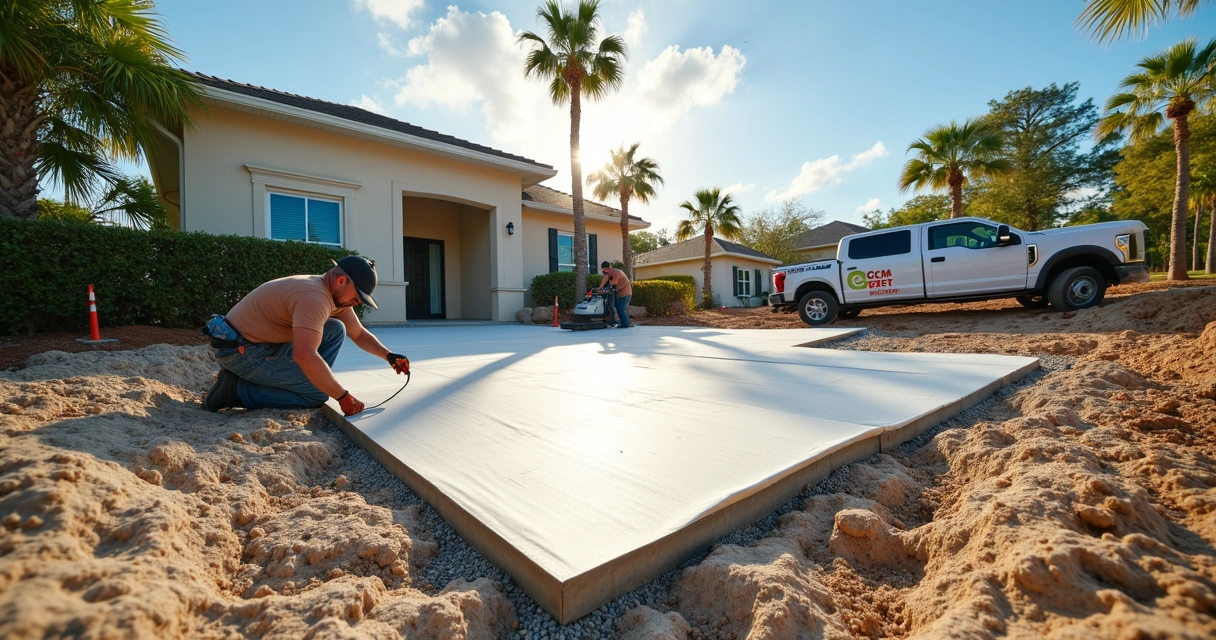
Geotextile installation: Unroll the fabric with at least 12"-24" overlaps at the seams. Overlaps prevent weak points or washouts at the edges.
Pinning or weighting: Use landscaping pins or base aggregate to hold fabric in place before moving on to the next layer.
Base aggregate: Spread to required depth (6-8" for driveways in Florida, and compact in layers for best support).
Surface material: Install pavers, concrete, or turf as designed.
The fabric can't work if it's torn, wrinkled, or doubled over. Smooth lay-down is key.
See more hardscaping solutions for Florida properties.
Drainage, erosion, and the hidden benefits of geotextiles
We don’t always see what’s below, but we see the results for years. Geotextiles are especially helpful in Florida because they help:
- Prevent sub-base mixing: Even heavy rains won’t quickly muddy the dividing line between soil and stone.
- Channel water safely: Geotextiles filter water through, rather than causing pooling, keeping slabs stable and dry.
- Reduce washouts: Eroded sands and silts don’t climb into your base layer to cause ruts.
- Support edge stability: Edges are less likely to tip, spread, or sink over time if geotextiles are in place.
Discover how to prevent cracks in Florida concrete patios and driveways.
By controlling water movement and soil mixing, we’re stopping problems before they surface.
Meeting code requirements and best practices
In Central Florida, we regularly coordinate with city and county inspectors. Many large public works projects require geotextiles—sometimes residential ones as well, based on soil reports or engineer recommendations. Even when not required, we follow these best practices:
- Base thickness as specified for the surface type and use (6–8" for driveways, 4–6" for patios and walkways)
- Drainage slopes to direct water away from buildings and foundations
- Permits, including HOA applications as needed for visible hardscaping
- Use of written warranties and photo documentation
Hardscape installation practices in the Orlando area.
When we include geotextiles, we're aligning with the trend toward longer-lasting, lower-maintenance projects that resist the local climate.
Weighing costs and long-term gains
Some property owners try to save by skipping geotextile layers, especially on smaller installations. But experience shows that the up-front cost is minor compared to preventing repairs or surface replacement later.
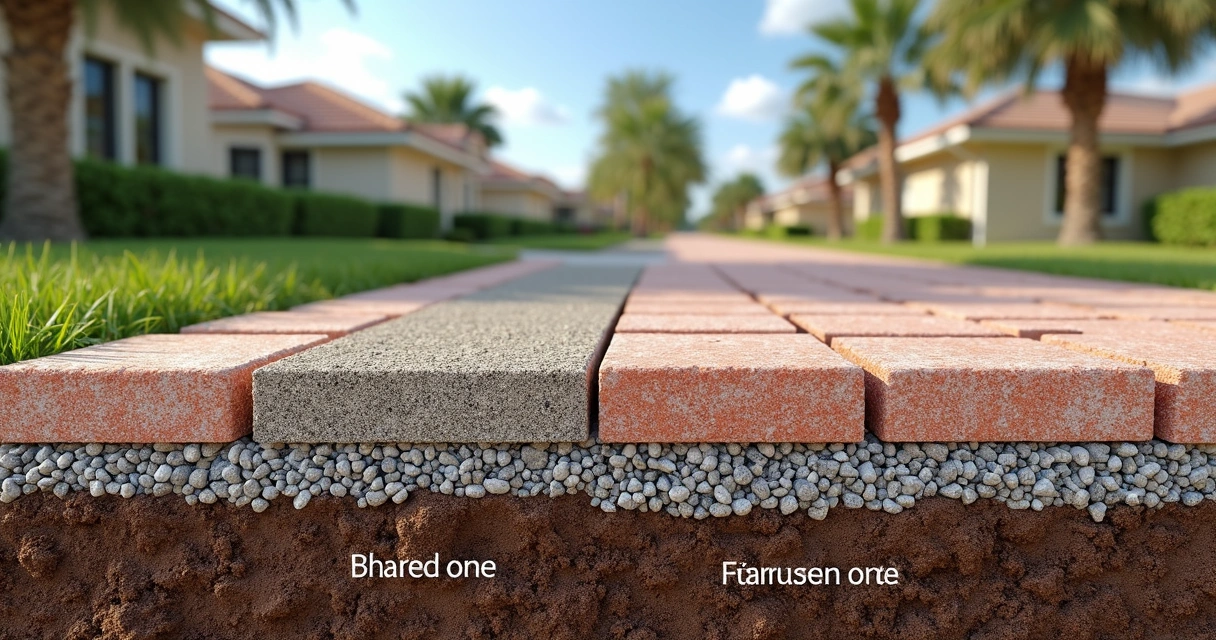
- Materials: Geotextile rolls come in widths for any job. For most Florida driveways or patios, they add only a small percentage to the total bill.
- Labor: If included during the regular excavation and base prep, installation takes only minutes per project—less than redoing the work later.
- Long-term savings: Less settling, fewer cracks, fewer callbacks for repairs. Surfaces last years longer when geotextiles stop hidden failures.
When the base is right, you see the difference for years.
For precise numbers, we always include geotextile options in detailed estimates—especially when Florida soils or drainage are a concern.
How we use geotextiles at GCM Best Services
At GCM Best Services, we believe what you don’t see matters just as much as the visible finish. For years, we’ve recommended and installed geotextile fabrics for:
- Driveways subject to repeat vehicle loading
- Patios with poor drainage or uneven site soils
- Paver walkways across lawns and soft ground
- Artificial turf on new or replaced bases
- Projects requiring HOA or city building inspections
We handle all steps:
- Site visit and assessment
- Soil and drainage review
- Base prep and grading
- Geotextile specification and placement
- Full installation, photographs, and written warranty
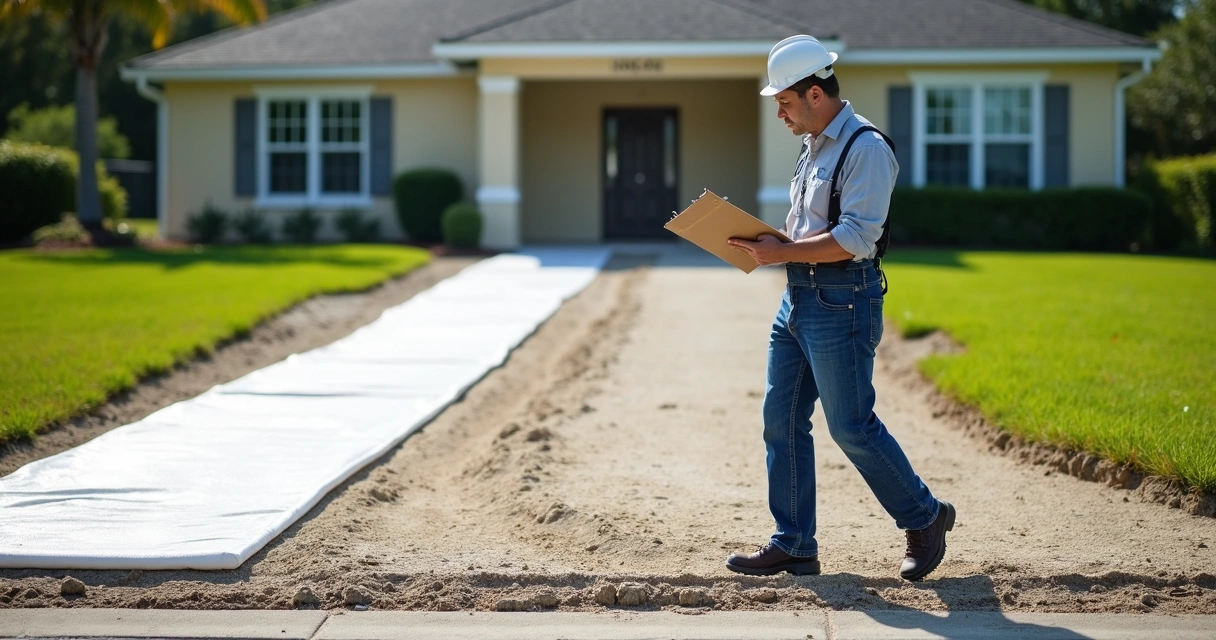
Our clients often mention the peace of mind they feel seeing real “before, during, and after” photos of the process, not just the final result.
Read about our concrete solutions tailored for Florida soils and climates.
Conclusion: Future-proofing Florida projects with geotextiles
It’s easy to focus only on the surface—whether the pavers are level, the concrete smooth, or the turf plush. But in our years serving Central Florida, we’ve learned that the best projects are those that start with a stable, separated, and carefully prepared base.
Geotextiles act as a quiet partner in this process—giving strength to every layer above, rain or shine. If you’re considering a new outdoor project, hardscape repair, or turf installation, now is the time to ask about adding geotextile stabilization for longer-lasting peace of mind.
Ready to see how geotextile stabilization can strengthen your next project? Schedule a friendly, no-obligation site visit with GCM Best Services. We’ll guide you from design to completion, with clear communication, written warranties, and results that last.
Frequently asked questions
What is a geotextile in road building?
A geotextile in road building is a specialized fabric layer placed between the soil and aggregate base to separate, reinforce, and filter. It keeps the different layers from mixing, provides extra strength, and allows water to pass while blocking soil particles. This helps roads in places like Florida last longer and resist potholes and rutting caused by water or shifting soil.
How do geotextiles help base stabilization?
Geotextiles help base stabilization by keeping soil and base material from mixing, stopping base loss, and improving drainage. By allowing water to move through without moving soil, they reduce the risk of settling, rutting, and cracks. We find this especially effective under driveways, patios, and turf in Florida’s loose soils.
Is it worth it to use geotextiles?
Yes—using geotextiles adds a layer of protection that can extend the life of your project and reduce maintenance costs. The up-front investment is usually small compared to the cost of repairing cracks or replacing surfaces down the road. In our experience, property owners in Central Florida see fewer base problems and longer-lasting results when geotextiles are installed.
Where to buy geotextiles in Florida?
Geotextiles are available from suppliers of landscape, hardscape, and construction materials throughout Florida. Many contractors, including GCM Best Services, source and specify the right geotextile for your location and type of installation. We always recommend going through a licensed professional for proper material selection and installation.
How much do geotextiles cost?
The cost of geotextiles in Florida varies by type and thickness, but for most residential projects, it’s usually a small part of the total budget. Most woven and nonwoven geotextiles for driveways or patios run from $0.30 to $1.00 per square foot installed, depending on size and specifications. For exact pricing, we include geotextile options in every detailed estimate at GCM Best Services.
Are you ready for a professional quote? 📞 (407) 250-1948 • 24–48h • Orlando, Tampa & area. Let us show you what a difference geotextile base stabilization can make.