Designing a covered entry walkway for a Florida home isn’t just about looks. It’s about keeping comfort, safety, and long-term value at the forefront—even under the intensity of Central Florida’s sun and storms. In our experience at GCM Best Services, a well-designed entry walkway welcomes your guests with beauty and provides you with year-round usability and weather protection. We’ve helped homeowners transform front approaches into inviting, practical, and durable passages, ensuring that the finished product integrates perfectly with the home’s architecture and the area’s climate challenges.
A Florida entry walkway should be a blend of shelter, style, and smart construction—it’s your home’s handshake with every guest.
Let’s guide you, step by step, through the decisions that matter most and tell a story of success and comfort for your home’s arrival experience.
What makes Florida walkways unique?
Florida’s weather puts entry walkways to the test. Rainfall can be intense and sudden, and the sun’s UV can fade surfaces quickly. Humidity, hurricanes, and sandy soils pose other challenges. That means each design choice has to solve specific problems, from slip hazards to water runoff, while still looking beautiful year-round.
- Heavy rain can cause ponding if drainage isn’t addressed, leading to rapid material deterioration.
- Florida’s heat accelerates wear and color fading on unprotected materials.
- The region’s sandy soils require carefully managed compacted bases to prevent settling, shifting, or cracking.
- Hurricane codes require wind-resistant structures and proper fastening methods for long-term safety.
Because of these unique conditions, the design and material selection for covered walkways has to blend attractive appearance with durability and code compliance. With thousands of projects completed in Central Florida, we always focus on these regional factors before recommending solutions to our clients.
Setting design priorities for a covered walkway
Every successful project starts with a clear list of priorities, often shaped by the homeowner’s preferences and property requirements:
- Protection from weather: How much shelter is needed from rain, sun, and wind?
- Safety: Are walkways slip resistant and wide enough for comfortable passing?
- Style and curb appeal: Does the design flow with the architecture and landscape?
- Durability and maintenance: How will materials hold up, and how much effort is needed to keep them looking great?
- Accessibility: Are slopes gentle enough for people of all ages and abilities?
- Integration: Will the walkway tie seamlessly into driveways, patios, and plantings?
In our experience, prioritizing these points early on ensures every functional and aesthetic need is met for years to come.
Evaluating your site and space
Before we even start sketching, we study the unique conditions around your Florida home. Site evaluation covers crucial points:
- Sun orientation: Which side gets the brunt of the sun, and when? This affects roof and shade element decisions.
- Drainage and grading: Where does water currently collect? We plan grading and drainage to avoid puddles.
- Existing structures: We look at roof lines, windows, steps, and how people move from driveway or sidewalk to front door.
- Root zones and trees: In Florida soils, roots can push up walkways. We plan for root barriers or adjustment to the layout.
- HOA and permitting: Some neighborhoods and municipalities will have restrictions to consider before you build.
According to University of Florida IFAS Gardening Solutions, a basic walkway should be at least 3 feet wide to allow two people to walk side-by-side. But often, especially when covering is involved, we increase to 4–5 feet for comfort.
Choosing the right structure for covering
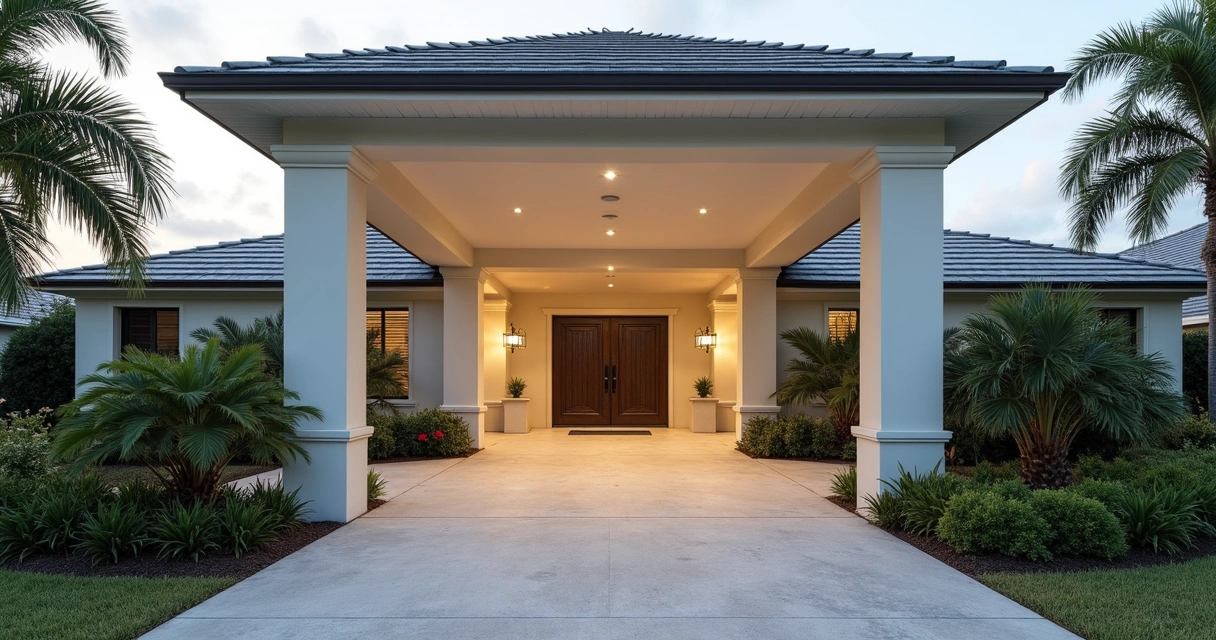
Florida offers great flexibility for roofed walkways. We work with a range of styles to match any home and meet code. The most common covered entry walkway types in Florida include:
- Extended porch roofs: Integrated into the home’s primary roof for a seamless look and fewer joints.
- Freestanding canopies: Supported by columns; can be straight or gently arched for extra style.
- Screened breezeways: Provide extra insect protection and mild hurricane resistance, using aluminum framing and high-tension screening.
- Pergolas with roof panels: Offer shade with polycarbonate or metal roofing, mixing airflow and partial protection.
Each style can be customized in height, overhang, and shape. We recommend choosing materials for the structure that can handle repeated wind events and Florida’s high humidity—often powder-coated aluminum, steel, or pressure-treated wood sealed with high-build exterior coatings.
When designing these structures for our clients, we follow current wind-load codes for Central Florida, ensuring fasteners and connections are hurricane-ready. We always submit plans for permits and, where applicable, get HOA approval to make the process hassle-free for homeowners.
Material selection for surfaces and roofs
Ground surfaces built to last
The wrong ground surface can lead to slippery accidents or cracked walkways. We’ve found some materials outperform others in Florida:
- Broom-finished concrete: Simple, slip-resistant, accepts color tinting or staining.
- Exposed aggregate: Small pebbles in surface layer, excellent for texture, not too slippery when wet.
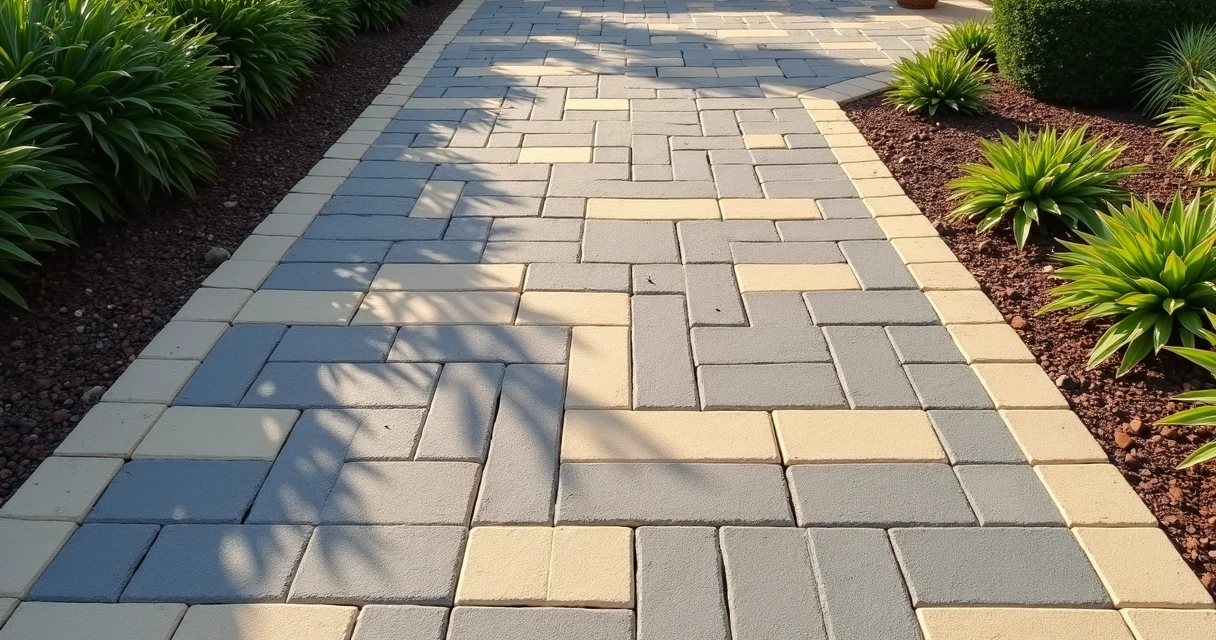
- Pavers: Interlocking bricks or stones, allow natural expansion/contraction and are easy to repair. Professional paving can tie into driveways and patios with matching edges and polymeric sand for drainage.
- Stone or porcelain tile (for fully covered areas): Elegant finishes, but require careful slip-resistance selection and correct base to prevent shifting on sandy soil.
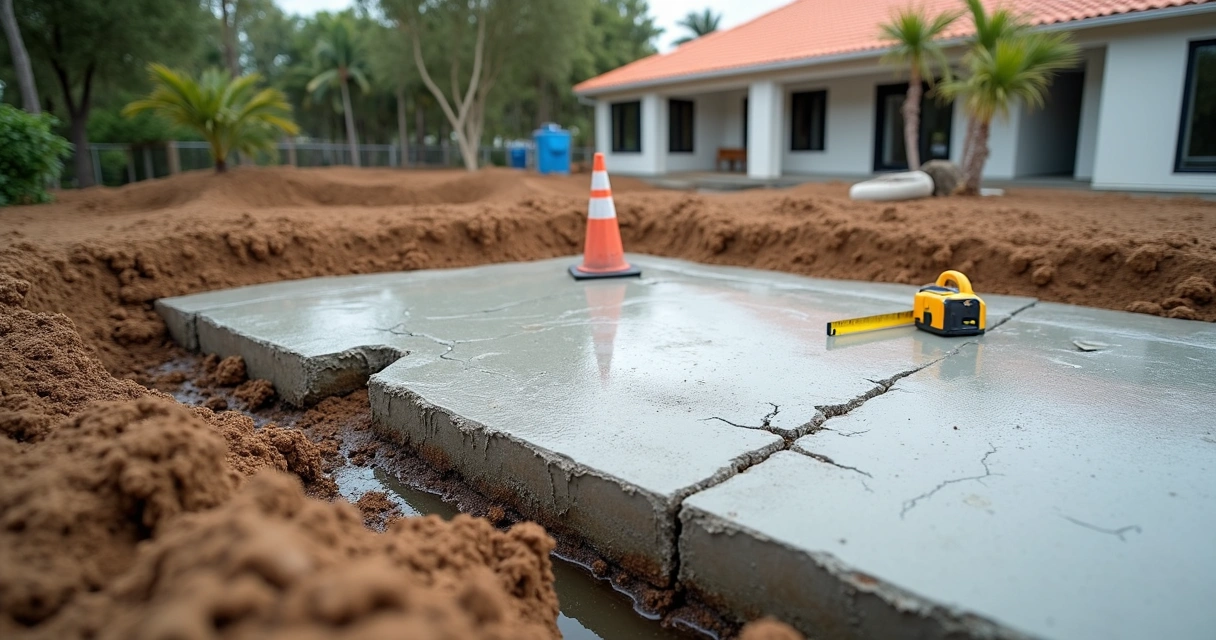
We use a 6–8 inch compacted base (sometimes with geo-grid for extra stability on loose sand) and, where required, rebar or mesh reinforcement for concrete. Every joint is planned to minimize future cracks, especially at transitions between the walkway and steps or slabs. Polymeric sand in the joints of pavers helps limit weed growth and allows water to drain away.
Roofing and cover materials
The roof or cover needs to protect from sun and rain while resisting Florida conditions:
- Aluminum panels: Lightweight, rust-free, and available in insulated styles for extra heat reduction.
- Polycarbonate panels: Let in filtered light; UV-blocking and impact-resistant options extend life.
- Architectural shingles or metal roofing: Used when the cover is an extension of an existing roof, providing a seamless match.
- Screen mesh (for breezeways): Choose a fine, UV-stabilized screen for bug and debris control as part of full hardscape solutions.
We seal all roof penetrations with compatible materials and make sure water is directed away from entrances without pooling. Downspouts and integrated drainage are designed with enough capacity for sudden downpours.
Integrating walkways with landscape and lighting
A covered entry walkway is part of the landscape. It should frame the plantings, invite guests, and boost the look and safety of your entry.
- Use curved lines and staggered edges for a natural, welcoming look—a straight shot feels formal and less personal.
- Add groundcover or low plants along the walkway to soften hard edges and help with rainwater absorption, as recommended by University of Florida IFAS.
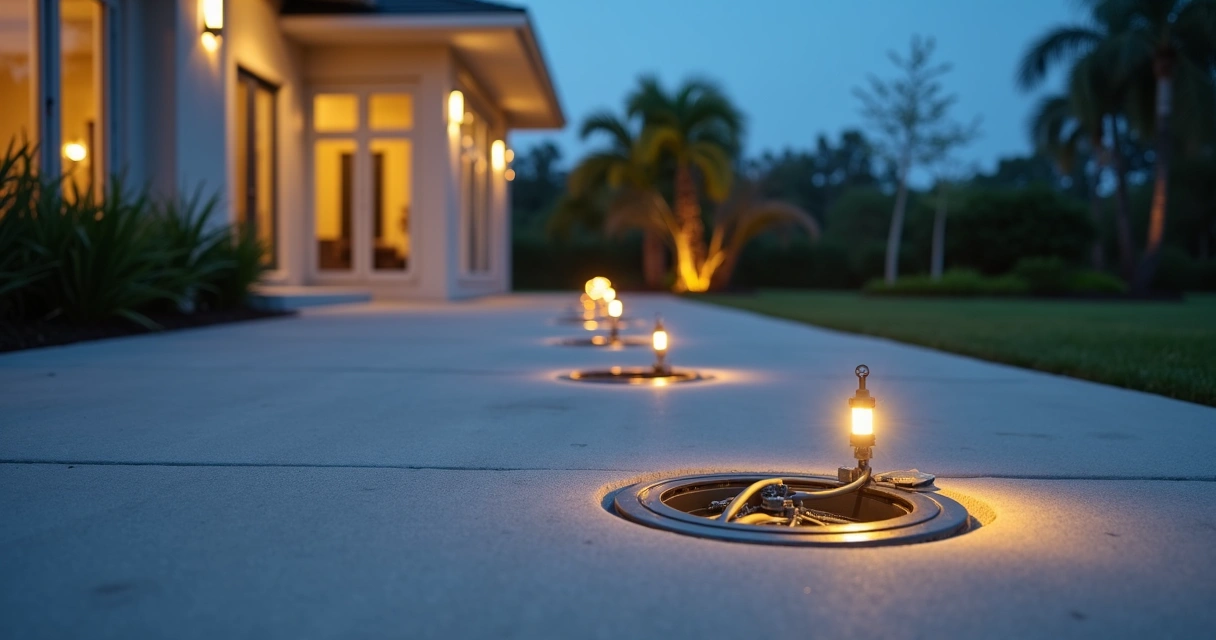
- Integrate LED or low-voltage path lights under the cover. These highlight steps and turns, and make night entry safer.
- Consider accent spots or up-lights near feature plants or architectural details for drama and easy wayfinding.
- For more ideas about integrating hardscape with gardens, see our hardscaping blog.
From our many projects, clients have told us that small upgrades like contrasting paver borders or lighting make the entry feel finished and special.
Managing drainage and preventing water issues
For Florida, every covered walkway must have a plan for water management—not just surface drainage, but also the water from the roof or cover. Here’s how we avoid the mistakes that often lead to puddles, eroded edges, or even home foundation trouble:
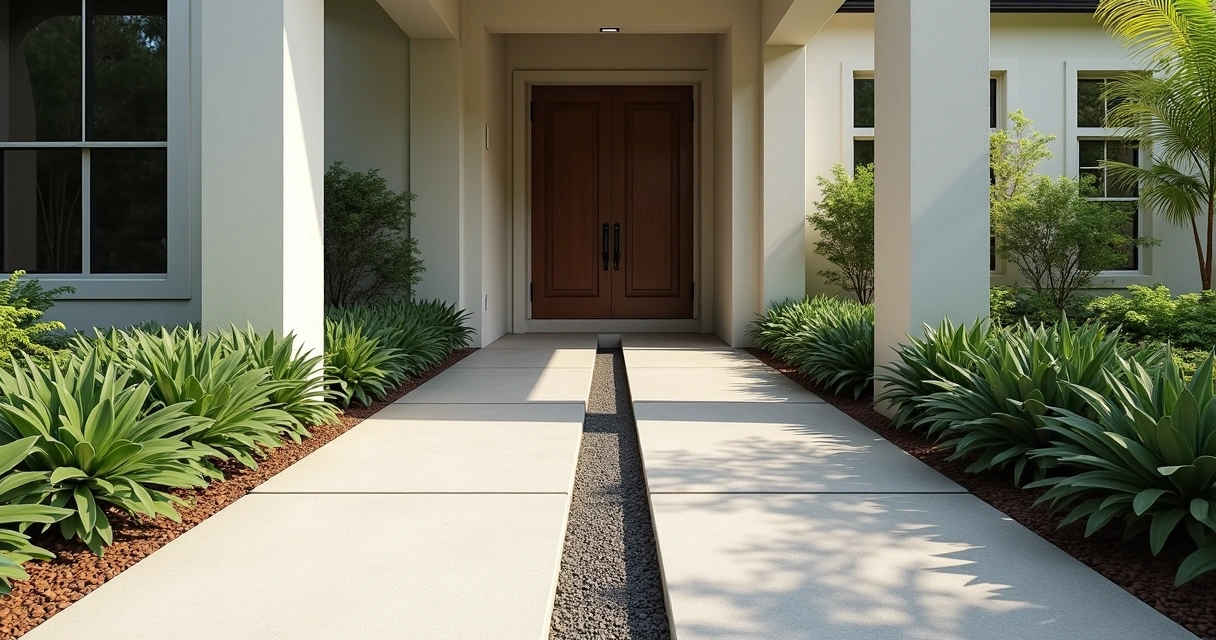
- Subtle, continuous slope: We tip walkways away from the house at a 1–2% grade—barely visible, but enough to shed water. This is aligned with IFAS recommendations.
- Channel drains and catch basins: Used where water collects at the low end or where downspouts exit, preventing water from running down steps or pooling at the entry.
- Permeable or pervious materials: On sandy soils, certain pavers or gravel sections can let water pass through, reducing runoff and improving soil absorption.
- Edging and barriers: Stops soil and mulch from washing over the walkway while keeping the edges tidy.
We recommend reading our drainage solutions for paver hardscapes for more approaches on integrating walkways with effective water control.
Designing for accessibility and code compliance
A good entryway is safe for everyone. Here’s what we keep in mind:
- Gentle slopes, not steps: If possible, aim for no more than a 1:12 slope for wheelchair and walker users.
- No trip hazards: Keep every paver or joint flush. Any level change over 1/4 inch should be ramped or transitioned smoothly.
- Well-anchored handrails: On longer runs, especially with steps, durable and securely fastened handrails are required for safety.
- Lighting at key points: Steps and transitions should be well-lit but not glare-prone, to minimize nighttime accidents.
- Local code requirements: In Florida, every covered structure must meet wind uplift and anchoring requirements. We always submit sealed plans for structural elements and help with HOA approvals as needed.
We train our crews to use OSHA-safe job practices and always leave a clean site when the project is complete.
Choosing finish options and personal touches
Personalizing the covered walkway is what makes people smile coming home every day. In our experience, these finishing touches make a front entry feel truly special:
- Accent paver borders or inlays, sometimes in a favorite color or with a family monogram.
- Vertical features: Decorative columns, screens, or trellises that can support planters or lighting.
- Paint or stain on structural members to coordinate with your home’s trim and siding—long-wearing, high-build exterior finishes are best, especially for sun-exposed areas.
- Continuous turf and groundcover transitions, for a smooth flow from walkway to yard without a harsh line.
- Upgraded hardware: Decorative downspout cups, post caps, or modern fixtures give character and quality.
You’ll see more about these touches in our hardscape gallery—our favorite projects often come from suggestions by homeowners who want just a little more personality and warmth.
Step-by-step process: From planning to finished walkway
Our process for every covered entry walkway is direct, transparent, and worry-free for homeowners. This is what you can expect when working with us:
- Free on-site assessment: We study your home, soil, drainage, and wish-list, sharing ideas from similar Florida projects.
- Detailed estimate: You get a full breakdown of structures, materials, finishes, and timelines—no guesswork.
- Permits and HOA: We prepare sealed plans, gather permits, and take care of HOA forms and approvals.
- Scheduling and execution: Projects are booked, materials delivered, and crews arrive on time. We protect existing landscaping and keep sites orderly.
- Final walkthrough: We walk you through every detail—grading, structure, finishes, and touch-ups—before calling it complete.
- Written warranty and maintenance guide: Our work comes with both, so you have everything needed for long-term enjoyment and peace of mind.
Whether your entry is small and simple or a grand approach, we’re prepared for every scenario.
How maintenance keeps your covered walkway looking new
With Florida’s humidity, heat, and storms, routine care is part of the package. We always provide new clients with clear, simple care instructions:
- Annual or semi-annual cleaning (pressure wash with care, sweep debris from covered areas, and clear roof drains).
- For pavers: Reapply sealer every 2–3 years to resist stains and fading; check joints for weeds or sand loss.
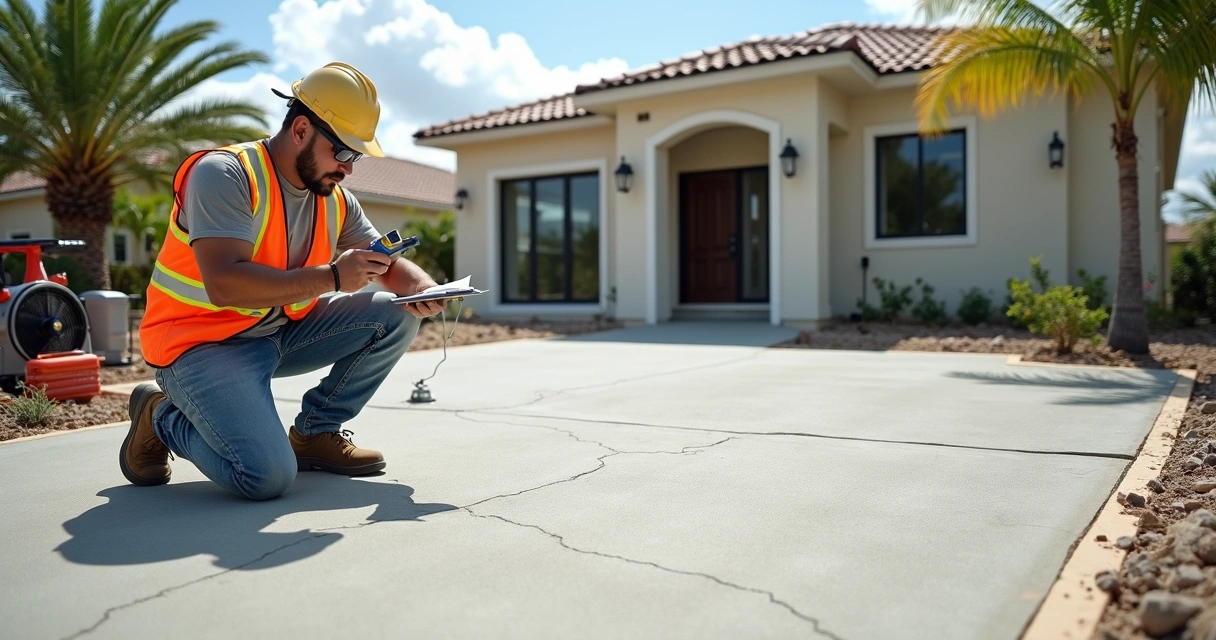
- For concrete: Fill any minor cracks before they widen.Prompt maintenance extends the walkway’s life dramatically.
- For covered structures: Inspect connections and roof panels after big storms—a quick check is the best insurance.
Because our warranty is in writing, you always know how to keep your investment looking and working like new.
Real stories: Covered entry walkways that stand out
Clients are often surprised how much a thoughtful covered walkway can upgrade home value and enjoyment.
A covered entry is more than a path—it’s a daily welcome, rain or shine.
Here are a few moments from our projects:
- A Lake Nona homeowner told us their breezeway entry stayed dry after three summer deluges—guests linger longer, no one runs for cover, and the landscaping is thriving thanks to integrated drainage.
- In Winter Park, we matched pavers to the historic brick of the home and added string lighting under a powder-coated steel canopy. The owner said coming home felt like entering a luxury resort, but it’s low-maintenance and practical, too.
Our absolute best results happen when homeowners are fully involved in style and function choices. See more inspiration in our hardscape portfolio.
Conclusion: Bringing it all together with GCM Best Services
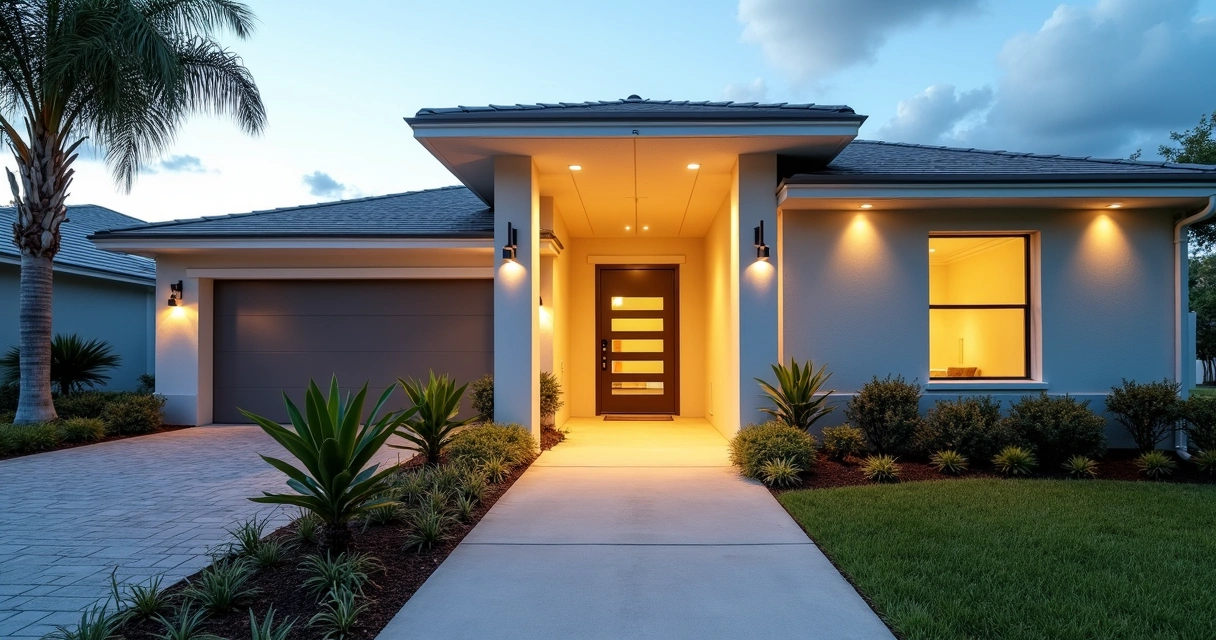
Designing a covered entry walkway for a Florida home is more than a building project—it’s about creating a lasting welcome, protecting your family and visitors from harsh weather, and elevating your home’s curb appeal. From planning and permits through careful construction and warranty, we take every detail seriously at GCM Best Services. Our experience across Orlando and Central Florida means we know what works, how to meet local challenges, and how to tailor each project to our clients’ needs and dreams.
Ready to upgrade your entry or get professional advice? Invite our experienced team to guide you with a complimentary on-site visit, where we’ll personalize solutions for your home and deliver lasting results you’ll be proud of every day.
Frequently asked questions
What is a covered entry walkway?
A covered entry walkway is a pathway from the street, driveway, or sidewalk to your front door that is protected overhead by a roof, awning, canopy, or screened enclosure. In Florida, these walkways shield you and your guests from rain and sun, improve safety by keeping the surface dry and shaded, and can be an architectural highlight of your home's front approach.
How to choose materials for Florida weather?
Choose walkway and cover materials that are resistant to UV, high humidity, rain, and wind loads. For the ground, pavers and broom-finished concrete with proper drainage are popular, while covers often use powder-coated aluminum or polycarbonate panels. Always pick non-slip surfaces and finishes designed for outdoor use, and work with a contractor who understands local code requirements and climate conditions.
Is a covered walkway worth the cost?
For many Florida homeowners, the value of a covered entry walkway extends well beyond curb appeal. It protects landscaping, prevents muddy shoes, boosts your home's value, and makes arrival and greetings comfortable in any weather. With improved safety and durability, most clients find the investment pays off in daily convenience and long-term home value.
How much does a walkway design cost?
Costs can vary based on size, materials, structural complexity, and local permitting requirements. In Central Florida, simple covered walkways start around a few thousand dollars, but custom designs with premium pavers, integrated lighting, and robust covers can cost more. At GCM Best Services, we always provide free on-site assessments and detailed estimates so you know exactly what’s included.
What are the best plants for entry walkways?
The best plants for entry walkways in Florida are low-growing, hardy, and tolerant of reflected heat and occasional dry spells. We recommend dwarf mondo grass, liriope, society garlic, dwarf schefflera, and variegated agave for neat borders, as well as small flowering shrubs or bromeliads for pops of color. Favor native or Florida-friendly species for easy care and year-round beauty—see guidance from the University of Florida IFAS Gardening Solutions for more options.
Ready for a professional quote? 📞 (407) 250-1948 • 24–48h • Orlando, Tampa & area.