In Central Florida, our climate is distinct—humid, unpredictable, and tough on exterior construction. At GCM Best Services, we’re constantly asked about concrete slab curing and the products that make or break a surface. Curing compounds are often overlooked, but they play a big part in slab life, especially in our region. We believe every property owner deserves concrete that withstands our weather, resists cracking, and stays strong for years.
In Florida, proper curing isn’t a suggestion. It’s a necessity for concrete performance.
This guide will show what curing compounds do, the variations available, and which types perform best for Florida jobs. We’ll share stories, technical tips, and hands-on advice—so you know what works, why it matters, and how GCM Best Services can make your project last.
What curing compounds actually do for concrete slabs
You’ve probably seen workers spray a mist over fresh concrete or noticed a thin film drying on a new driveway. That’s a curing compound. But what is it, really? In our words:
Curing compounds are materials applied to concrete surfaces to slow moisture loss, ensuring the cement hydrates fully and the slab gains proper strength.Concrete strength comes from a chemical process called hydration. If water escapes too fast—especially in sunny, humid Florida—it can cause:
- Surface cracking and dusting
- Poor strength development
- Poor abrasion resistance
- Color inconsistencies
Because Florida’s sunshine and wind can evaporate water quickly, the combination of heat and humidity changes slab curing compared to other states. We’ve seen many jobs fail because the slab dried out before it had a chance to bond correctly.
Types of curing compounds for concrete slabs
Not all curing compounds are alike. The best type depends on your project needs, finish, weather, and even future plans for coatings or stains.
Basic categories explained
Manufacturers generally divide curing compounds into three main groups:
- Water-based curing compounds: These use water as the carrier and form a temporary film or membrane to slow down evaporation. Cleanup is easy with water.
- Solvent-based curing compounds: Using a solvent carrier, these compounds leave a tougher membrane. They have strong odors and require solvent cleanup.
- Wax, resin, or acrylic-based types: The membrane can be formed by natural waxes, resins, or synthetic acrylics. Acrylics, for example, may double as a sealer.
All three groups exist with colorless (clear) and pigmented (often white) versions. The white pigment reflects sunlight—very helpful on Florida slabs that get midday heat.
How they work on Florida slabs
In Central Florida, conditions can shift from cool and wet to hot and bright in hours. Rapid drying is a major risk. That’s why:
- Water-based (especially wax or resin types) perform well because they form a reliable barrier without leaving stains behind.
- White-pigmented compounds work best outdoors, reflecting light and reducing heat gain in the first hours after placement.
- Acrylic-based compounds are often chosen if the slab will double as a decorative finish or needs light sealing as well.
At GCM Best Services, we treat every job as unique. Sometimes, a high-solids wax-based product gets best results. Other times, a breathable acrylic matches the client’s decorative plans.
How we select curing compounds for Florida jobs
We don’t choose products blindly. Through 20 years of concrete work in Central Florida, we’ve learned what slabs need to survive here. Our check-list includes:
- Job type: Will the slab be a driveway, garage, patio, or commercial floor?
- Exposure: Will it get full sun, shade, or a mix? How windy is the spot?
- Decorative finish: Will the owner want broom, stamped, or colored concrete? Paint or epoxy later?
- Environmental codes: Is the site near storm drains or sensitive areas?
- Client preferences and HOA requirements: We coordinate with local rules as needed.
Often, we combine curing with our drainage designs to avoid ponding and surface issues. Visit our concrete project portfolio to see recent job examples.
Stories from the field: Florida curing lessons
One summer, we poured a driveway in Oviedo. The forecast promised clouds, but an hour after finishing, the sun broke through and temperatures soared. Our crew shifted immediately to a white-pigmented, water-based curing spray. Within five minutes, the slab temperature had dropped several degrees compared to an untreated test patch. The difference: No curling, no dust, and happy clients a year later.
On Florida slabs, the right curing product can mean the difference between a surface that cracks and one that stays strong for years.
Contrast this with an interior slab for a warehouse—there, we chose a clear, breathable acrylic because the owner planned on an epoxy coating within a month. We adjusted the product, and the later floor coating bonded perfectly, no rework needed.
The science of slab hydration and Florida’s unique environment
Why do we stress curing compounds in Florida so much? The science matters. Hydration is the reaction between cement and water that hardens concrete. For every 10°F increase in slab temperature, evaporation can double. In Florida, with heat, wind, and sometimes low humidity (especially with a breeze), the risk is high even if the air feels muggy.
If we skip curing, we run the risk of:
- Surface cracking within hours
- Weak surface layers prone to dusting and “pop-outs”
- Lower long-term strength (up to 40% loss)
- Perm failures and repair costs later
The American Concrete Institute (ACI) and Florida Building Code both require proper curing, especially for slabs subject to vehicle loads or heavy weather. Our team at GCM Best Services always includes curing in our project estimates—never as an afterthought.
Pros and cons of the main curing compound types
Every compound has pros and cons. Choosing well is about matching goals to the right facts:
Water-based curing compounds
- Pros: Lower odor, easy cleanup, low VOC for Florida code, less risk of stains for decorative slabs.
- Cons: May be less durable under heavy rain, may need recoat for long curing times, sometimes not compatible with some finishes later.
Solvent-based curing compounds
- Pros: Tough barrier, fast drying, good for exposed commercial slabs.
- Cons: High VOC, strong smell, restrictions near storm drains, can trap moisture if overused.
Wax/resin-based curing compounds
- Pros: Excellent for broad surfaces, many options reflect sunlight, cost-effective, easy removal for further finishing.
- Cons: May turn yellow over time, on thick coats can flake, some products not meant for later coating.
Acrylic-based compounds
- Pros: Doubles as a temporary sealer, clear or colored, some allow for later coatings or stains, good UV resistance.
- Cons: Improper application can trap moisture, a mismatch can cause later epoxy delamination, needs reapplication if removed by pressure washing.
What works best for Florida—our recommendations
On most Central Florida jobs, we specify:
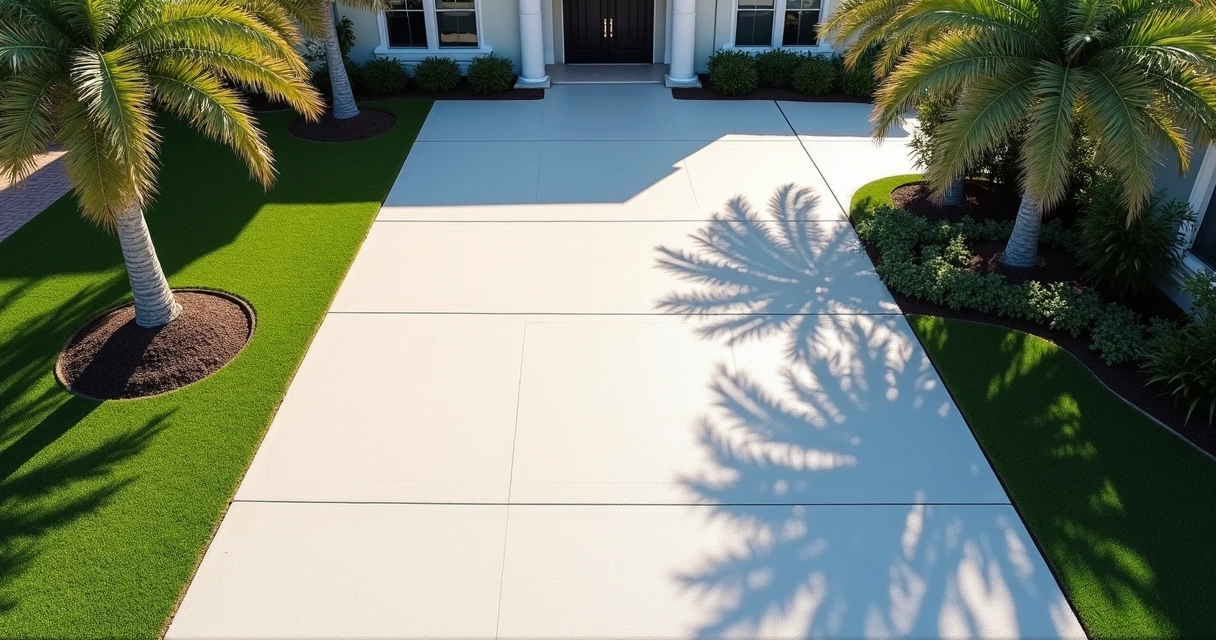
- Water-based, white-pigmented curing compounds for exterior slabs, driveways, patios, and walkways.
- Clear or lightly pigmented breathable acrylics for decorative finishes or slabs scheduled for later coatings.
- Only code-compliant, low-VOC compounds on residential and HOA projects, following local and state regulations.
Why? White pigment reflects sunlight and cools the slab in the first week, helping proper hydration. Water-based formulas keep the air and property safe, with easy cleanup. The acrylics we select can bridge the gap when a “decorative-safe” cure is needed—since not all clients want the same look or later finish.
For any slab that might be stained, painted, or epoxied, we always pick products that are compatible with future surface treatments and removable if needed.We also coordinate curing with our approach to crack prevention strategies for Florida concrete. The first few days after placement set the stage for slab life. We don’t skip steps, and we notify clients of any unusual weather so post-placement care is done right.
How curing compounds are applied for best results
Great products are only half of the job. Application method matters just as much as compound type. Here’s our routine at GCM Best Services:
- We wait until any bleed water has evaporated from the surface. Premature curing can trap water and weaken the top layer.
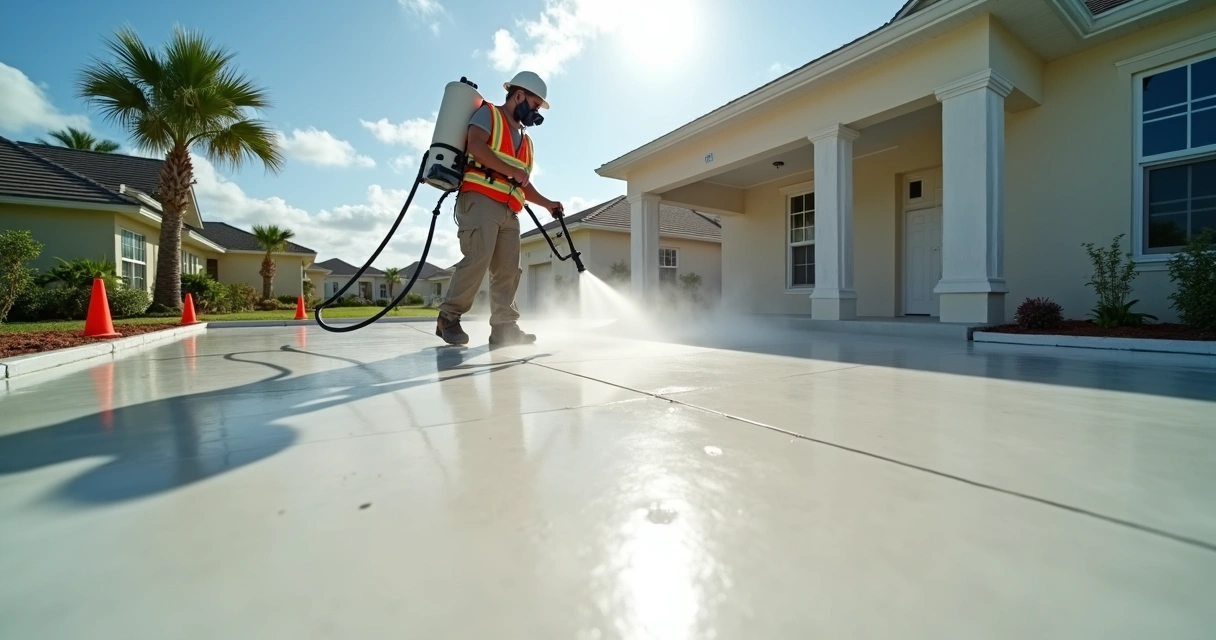
- A uniform coat is sprayed using professional-grade equipment. For white pigment, even coverage avoids “shadow marks.”
- We never dilute products unless the label says it’s safe.
- On windy days or under hot sun, we increase spray overlap and sometimes apply a second, lighter coat 2–3 hours later.
- Joints and edges get extra attention to match curing quality across the slab.
In rare cases (like slabs with extreme heat exposure) we use blankets or apply a moisture mist before curing—especially on larger pours. Whatever the need, our team knows that every detail helps prevent headaches later.
Consistent, even application is the hidden key to slab durability.
If a slab will get sealed, painted, or topped with pavers, we verify compound compatibility first. Removal methods and timing are discussed with the client in advance—communication saves time and cost.
Common mistakes to avoid when curing Florida concrete
We’ve seen the full range of mistakes on Florida jobsites. If you want to avoid callbacks, pay attention to these common slip-ups:
- Applying curing too early—trapping bleed water and leading to dusting.
- Skipping corners or edges—these dry first on sunny days, so cracks often start there.
- Using incompatible curing compounds when future stains or coatings are planned.
- Forgetting to reapply after heavy rain (some water-based films will rinse away before curing finishes).
- Over-applying solvent-based compounds and preventing breathability—trapped moisture leads to “map cracking.”
Clients often ask us about do-it-yourself curing. While it looks simple, the timing and weather adjustments make real experience matter. Our advice is always to trust a licensed, insured contractor like GCM Best Services to handle slab curing, especially for any project backed by a written warranty.
When to remove curing compounds—and how
Sometimes, the slab’s appearance isn’t the final goal. Maybe the client plans an epoxy garage floor or a colored stain. If the curing film needs to be removed, we always:
- Wait until full curing is complete, typically 7–10 days (unless the label allows earlier removal).
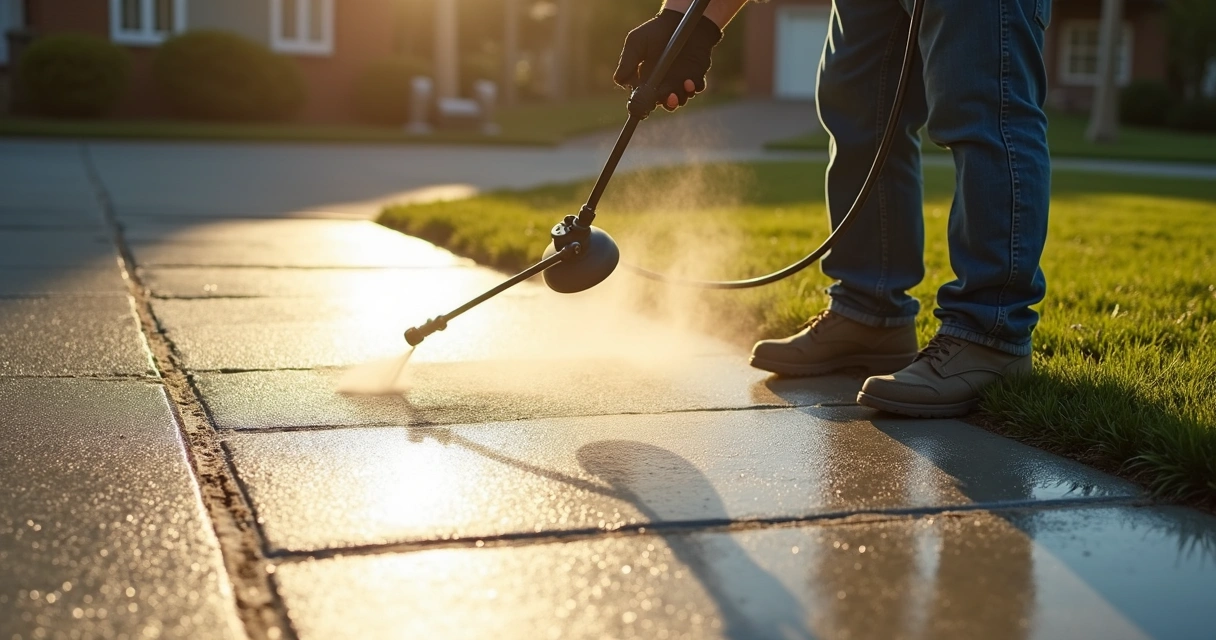
- Use pressure washing, light grinding, or specialty removers—always with environmental precautions on run-off and debris.
- Test the surface for compatibility before any coatings are applied.
Our team coordinates with paint, epoxy, or decorative crews so the final finish doesn’t fail because of trapped compound or residue. To understand more about scheduling and technical requirements for coatings, take a look at our licensed contractor’s guide to concrete repair.
Other slab protection options: Physical covers
While most jobs use chemical curing compounds, physical methods—like plastic sheeting or wet burlap—are still used, especially on small or specialty jobs. In Florida, these can sometimes retain too much heat or stain the slab if not removed properly. We reserve these for rare circumstances. Chemical cures are usually cleaner, more consistent, and easier to remove for most residential and light commercial projects.
Integrating curing compounds into a complete Florida slab system
At GCM Best Services, we see curing as a system step—not an afterthought. From initial design to final walkthrough, we:
- Assess environmental risks on site
- Recommend the right curing method for each job
- Include curing cost and labor in every estimate
- Coordinate with HOA and permitting to meet code
- Document our work with photos and written warranty coverage
We’re proud to help clients across Orlando, St. Cloud, and all of Central Florida. If you’re considering new concrete for your property, you’ll find more technical details and step-by-step advice in our guides to driveways and patios in St. Cloud and choosing a concrete company in Orlando.
Conclusion: The right curing compound makes a difference for Florida concrete
To summarize, choosing and applying the proper curing compound is the most effective way to boost the durability, strength, and appearance of concrete slabs in Central Florida. At GCM Best Services, we trust water-based, white-pigmented products for most outdoor slabs, and adjust for finishes, environment, and client goals. Our decades of local experience and close attention to climate put every slab on the path to long service life and fewer headaches.
If your next project demands the best for Florida’s climate, talk to us—a professional quote and a proven system are just a call away.
Ready for a professional quote? 📞 (407) 250-1948 • 24–48h • Orlando, Tampa & area.
Frequently asked questions: Concrete slab curing compounds in Florida
What is a concrete slab curing compound?
A concrete slab curing compound is a liquid material applied to the surface of newly placed concrete to retain moisture during the first phase of hardening, helping the slab reach its designed strength and durability. These compounds form a film that slows evaporation, which is especially beneficial in Central Florida’s quick-drying environment.
Which curing compound type works best in Florida?
For most Florida jobs, a water-based, white-pigmented curing compound offers the best performance because it reflects heat, prevents rapid moisture loss, and meets local code. Acrylic-based compounds are used for decorative or coated slabs, provided they are compatible with any planned finish.
How long does curing compound last?
Curing compounds typically protect the surface for 7–14 days, which covers the critical curing window. Some films are designed to break down naturally, while others may persist until removed by abrasion or pressure washing, especially before applying sealers or coatings.
Is curing compound worth it in Florida?
Yes—curing compounds are well worth it in Florida as they significantly reduce the risk of surface cracking, dusting, and premature slab failure due to our climate’s rapid evaporation rates. Skipping proper curing can lead to repairs that cost much more than the original preventive treatment.
Where to buy curing compounds in Florida?
Curing compounds are available through professional building supply outlets, concrete material yards, and local construction suppliers. For guaranteed results and correct product selection, it’s best to work with a licensed contractor like GCM Best Services, who includes suitable curing compounds as part of our concrete projects across Orlando and Central Florida.